What Nepal was thirty years ago
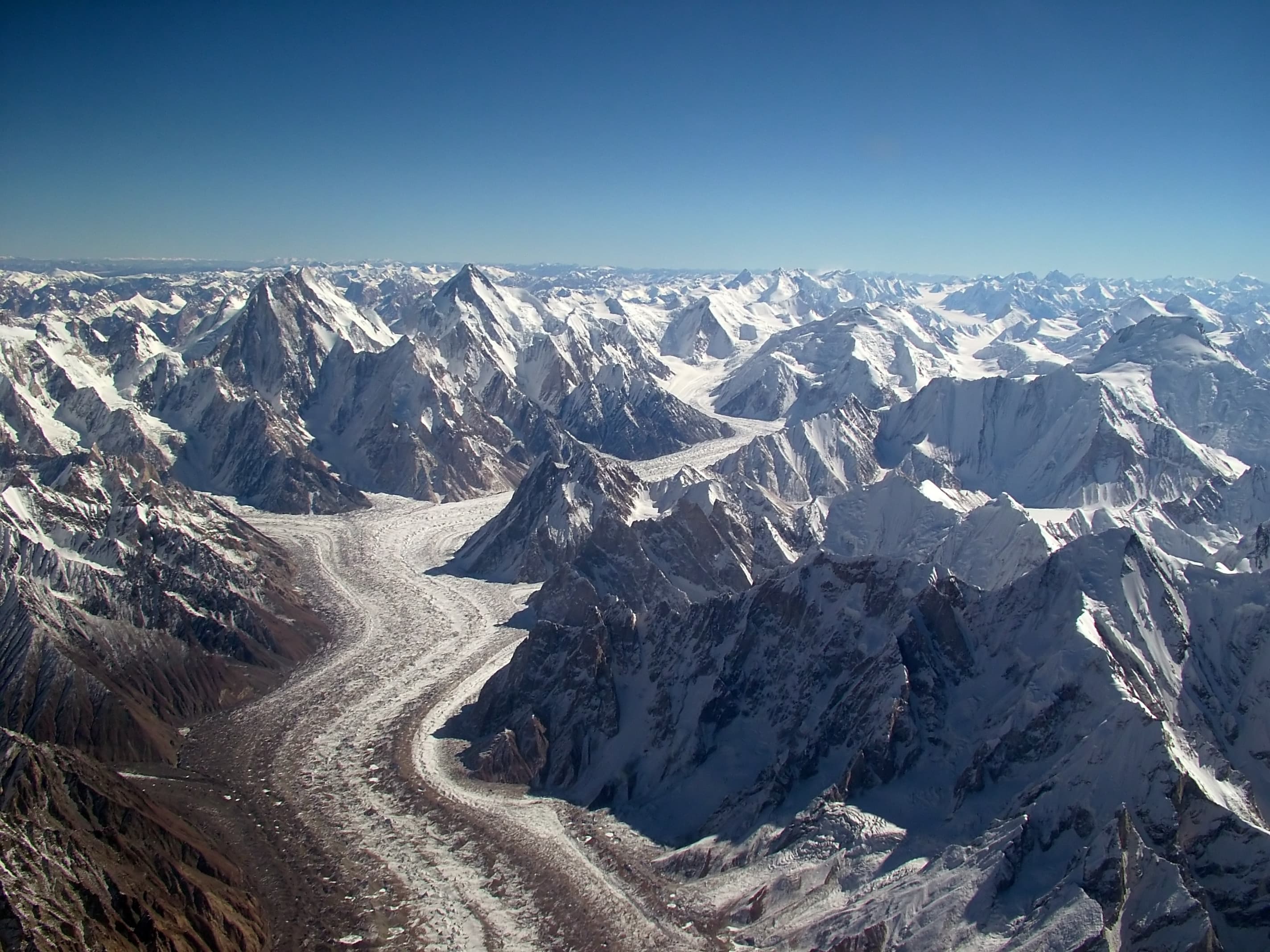
The comparison recurs in almost every recent piece of trekking journalism about Pakistan, and the numbers behind it are stark. As the UK's iNews reported from one of Intrepid's first Karakoram departures, Nepal receives roughly two million trekkers a year while Pakistan sees fewer than 20,000 adventure tourists — in a mountain system that is, by most measures, wilder and higher.
A South African hiker who walked both regions put hard details on the contrast in a January 2025 trip report: a fully guided Pakistan trek cost him about the same as an unguided Everest Three Passes trip, the trails were empty, and the visual scale is simply bigger — you stand at 2,000 metres and look up at Rakaposhi's 7,788-metre summit, an unbroken wall of nearly six vertical kilometres, with living glaciers descending below 3,000 metres.
K2 Base Camp and Concordia remain the crown — our K2 Base Camp trek guide covers that expedition in full. But if you have less time, a moderate fitness level, or a preference for solitude over bucket lists, the treks below are where the Karakoram is most generous.
Nangma Valley: the 'Yosemite of Pakistan'
South of Khaplu in Baltistan, the Nangma Valley has become the name to drop among trekkers and climbers. National Geographic's October 2025 feature singles out its roughly 16-mile trek beneath granite towers; Adventure.com calls the valley the “Yosemite of Pakistan” for the sheer big-wall architecture that rings its meadow campsites.
The approach runs through Khaplu, whose restored palace makes a civilised staging post, and the trek itself is a two-to-four-day affair: village paths, willow groves, then an amphitheatre of rock spires where the only traffic is shepherds moving their flocks. For photographers and climbers it is already a pilgrimage; for everyone else it is simply one of the most dramatic camps in the Karakoram.
Pair it with the Hushe Valley next door — gateway to Masherbrum — and you have a Baltistan trekking circuit that sees a fraction of the foot traffic of anything comparable in Nepal, as our Masherbrum and Hushe guide details.
Rakaposhi Base Camp: a 7,788-metre peak from a village trail
The Rakaposhi Base Camp trek is the Hunza region's perfect introduction to the Karakoram: two to three days from the village of Minapin in Nagar, on a clear path through orchards and birch forest to the Hapakun meadows and the moraine viewpoint at Tagaphari, face to face with the Minapin Glacier.
It was the South African hiker's single favourite walk of his Pakistan trip, and it is easy to see why — nowhere else can a trekker of moderate fitness stand this close to a 7,788-metre wall this quickly. The camp itself sits around 3,300 metres, low enough that altitude is manageable with a sensible pace.
Because the trailhead is under two hours from Karimabad, the trek slots neatly into a standard Hunza itinerary: culture and forts one day, a glacier base camp the next. Our Hunza Explorer tour can build it in on request.
Patundas: the balcony over two glaciers
Above the Passu Cones in upper Hunza, the Patundas plateau is the connoisseur's viewpoint: a high grazing shelf reached by a stiff climb from Borith Lake, crossing the white ice of the Passu Glacier on the way. From the top, the panorama takes in both the Passu and Batura glacier systems and a horizon of 7,000-metre peaks.
It featured on the itinerary of a solo traveler who spent five independent months in Pakistan and rated northern Pakistan “the safest and most welcoming region for solo women” — her Patundas crossing was guided, as yours should be: glacier travel is never a solo undertaking, however short.
Count on two to three days with a local guide, and carry camping kit; there are no lodges up there, which is precisely the point.
Fairy Meadows and Nanga Parbat: the three-day classic
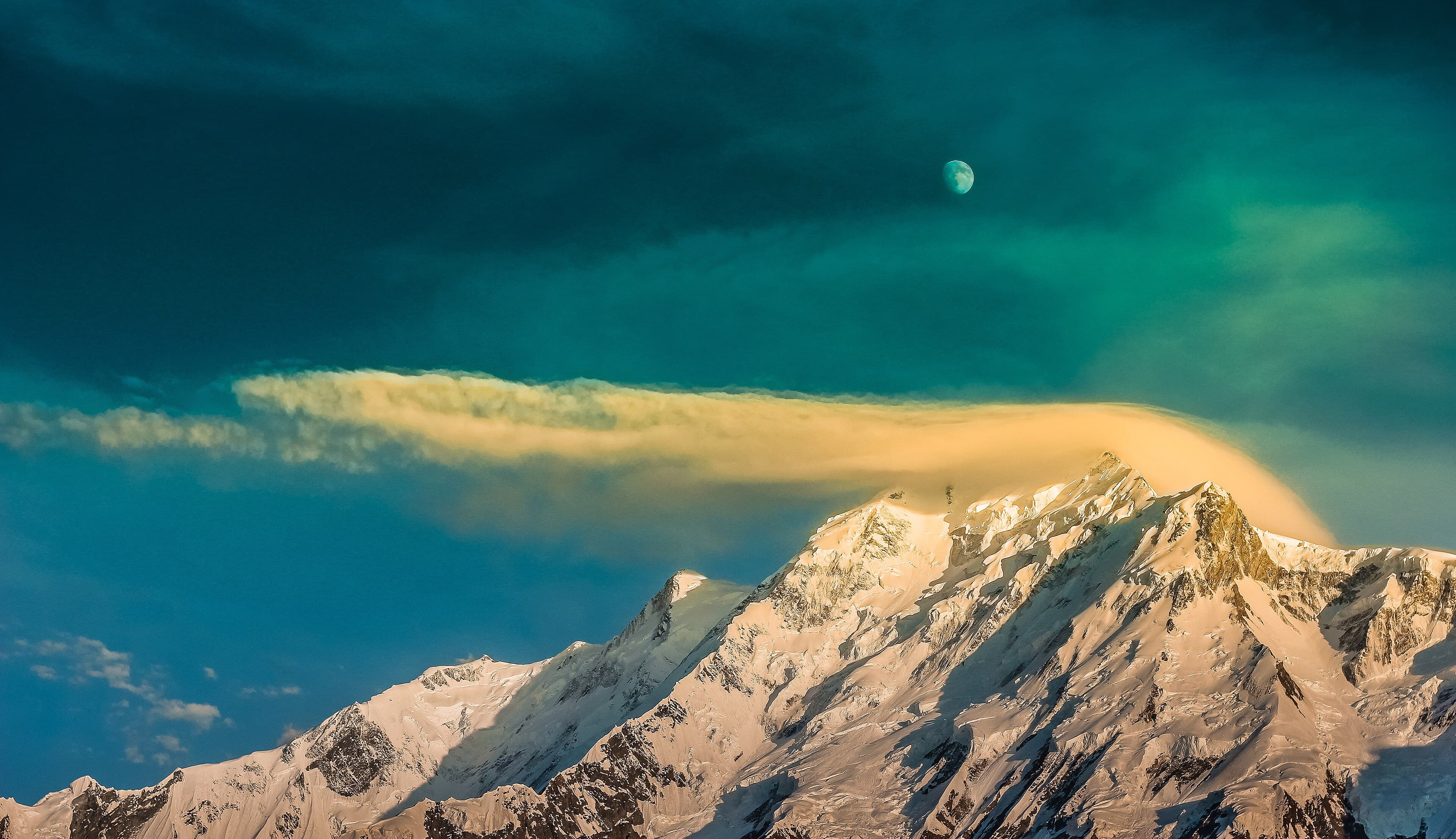
No 'beyond K2' list is complete without Fairy Meadows, the alpine pasture staring straight at Nanga Parbat's 4,000-metre Raikot Face. Adventure.com ranks the three-day Fairy Meadows and Nanga Parbat Base Camp walk alongside K2 Base Camp as the marquee treks of northern Pakistan — one takes a fortnight, the other a long weekend.
The journey is half the story: a jeep track famous enough to be its own legend, then a gentle forest walk to the meadow cabins. From there, the base camp day-hike climbs past shepherd huts and the Raikot Glacier viewpoint to the memorial for the mountain's climbers.
Go in June for wildflowers or late September for golden birches and the sharpest light; our guide to autumn in Gilgit-Baltistan makes the case for the latter.
A stairway above Hunza, and how to plan all this
Not every 'trek' needs a tent. National Geographic's October 2025 piece highlights Hunza's Ondra Poygah — a 1,655-step stone stairway climbing from Altit toward the old watchtower viewpoints — as evidence that the region now offers serious day-walks straight from the villages. Combine it with Altit Fort below and you have one of the best half-days in the valley.
Practicalities are simple but non-negotiable: trekking season runs roughly June to September for the high routes (Nangma and lower Rakaposhi stretch wider), local guides are inexpensive and transformative, and flights and roads demand buffer days — see our honest logistics guide before you book anything tight.
If you want the decisions made for you, our Skardu trekking guide surveys the Baltistan side, and the K2 Base Camp & Concordia trek remains the expedition of a lifetime for those with two weeks and the legs for it. For lakes rather than glaciers, our own Gasho Lake trek above Gilgit and the Khukush Lake trek at the far end of Ghizer are the two quiet trips we return to most.
Questions, answered
Is trekking in Pakistan cheaper than Nepal?
Generally yes. Travelers who have done both report that a fully guided, portered trek in the Karakoram can cost about the same as trekking Nepal's classic routes unguided, once permits, food and lodges are counted. Lower traffic also means prices are set by hospitality rather than volume tourism.
How hard is the Nangma Valley trek?
It is a moderate trek of roughly 16 miles round-trip over two to four days, with camps around 3,000–3,500 metres. Any hiker comfortable with consecutive full walking days can manage it with a local guide; the granite scenery starts almost immediately, so even a short version rewards.
Do I need a guide to trek in Gilgit-Baltistan?
For open valleys like Rakaposhi Base Camp a guide is not legally required but is strongly recommended — routes are unmarked and conditions change fast. Anything involving glacier travel, such as Patundas, or restricted zones like the Baltoro toward K2, requires a licensed guide and permits arranged in advance.
When is the best time to trek in the Karakoram?
Mid-June to mid-September for high routes like Patundas and the Baltoro; May to October for lower treks like Rakaposhi Base Camp and Fairy Meadows. July and August give the most settled high-altitude weather, while September adds autumn colour and quieter trails.
Can I see K2 without doing the full trek?
Not easily — K2 hides deep in the Baltoro and reveals itself only to those who walk in. But you can stand before comparably vast walls in a day or two: Rakaposhi from Tagaphari, Nanga Parbat from Fairy Meadows, and the Passu massif from Patundas all deliver the scale without the fortnight.