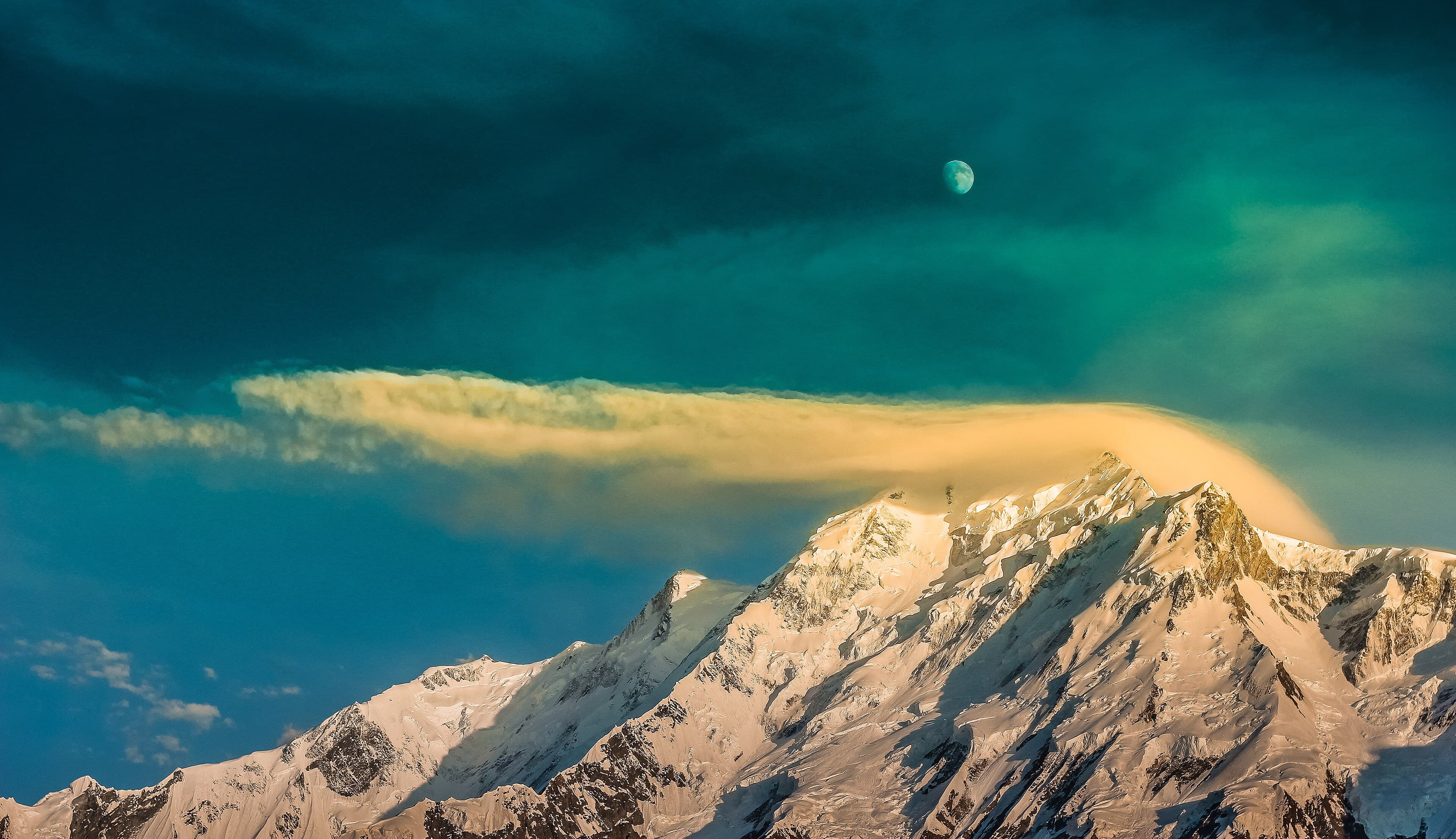
Rakaposhi Base Camp meadows at Tagaphari beneath Rakaposhi's icy north face

Hunza Valley · 3,500 m · trek

Rakaposhi Base Camp

Two days' walking to a meadow beneath a 7,788-metre wall of ice

Mountain
Rakaposhi, 7,788 m — 27th highest in the world
Trailhead
Minapin village, Nagar (≈ 2,000 m)
Base camp
Hapakun & Tagaphari meadows, ≈ 3,500 m
Duration
2–3 days round trip
Difficulty
Moderate; non-technical

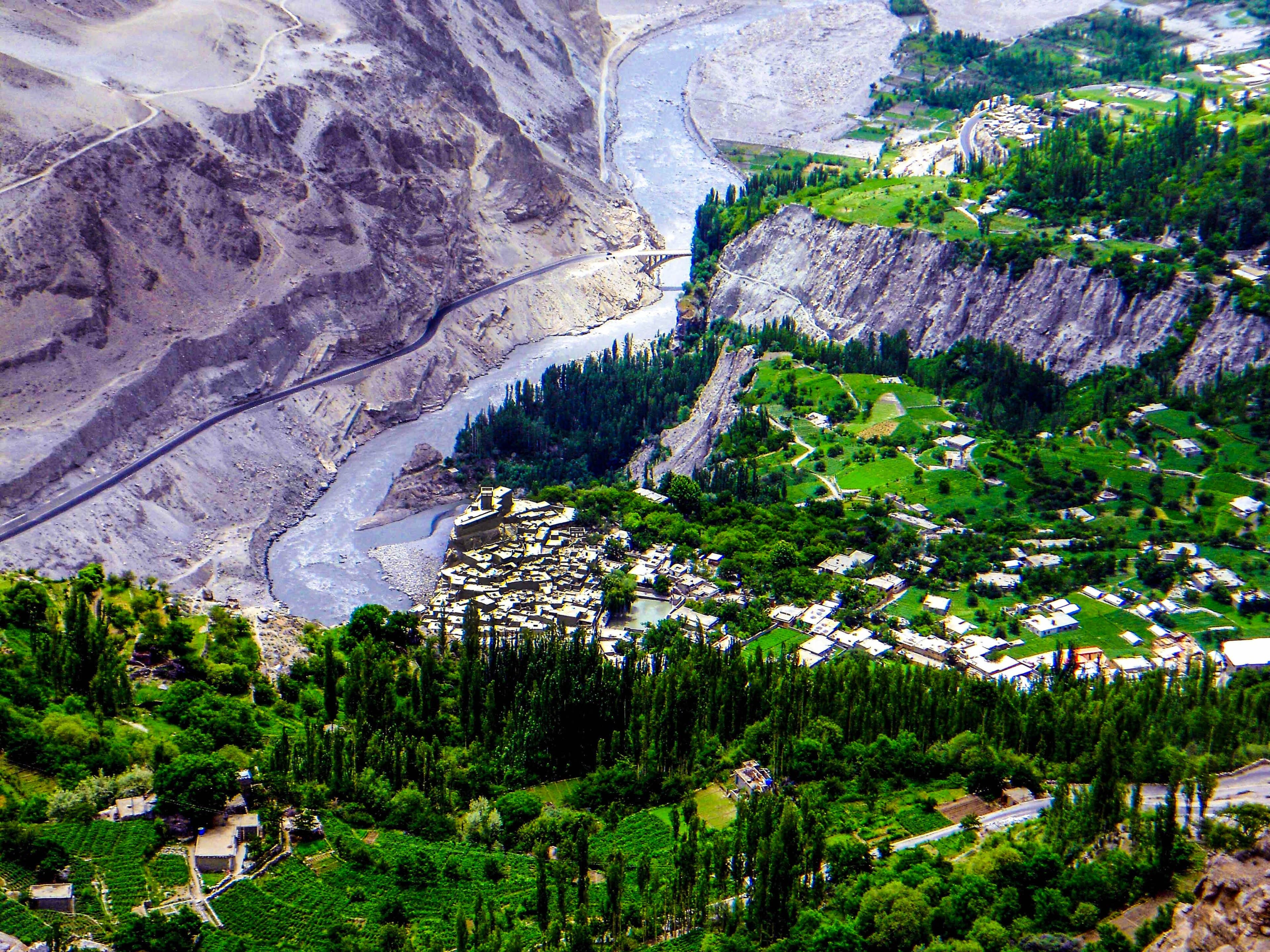
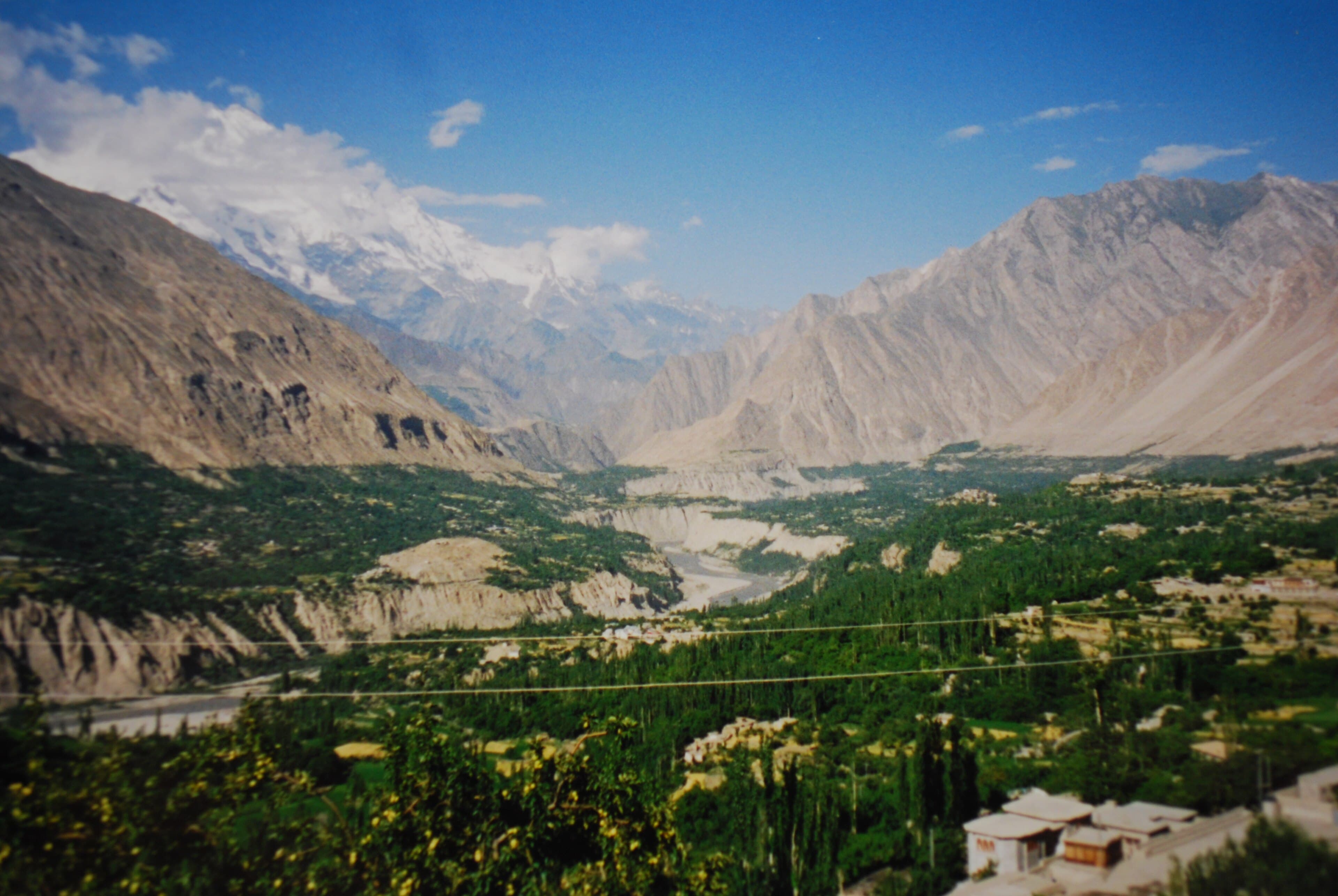
Rakaposhi (7,788 m) is the mountain that escorts you all the way up the Hunza valley — and this short trek takes you from admiring it to standing underneath it. From Minapin village in Nagar, across the river from Hunza proper, a well-established trail climbs through orchards, pine forest and shepherds' pastures to the base camp meadows at Hapakun and Tagaphari, around 3,500 m, directly below the mountain's stupendous north face.

Few treks anywhere deliver this much for this little. Rakaposhi is sometimes credited with one of the greatest uninterrupted mountain rises on earth — nearly 6,000 vertical metres from the Hunza River to its summit — and from the base camp meadow the wall of fluted ice fills half the sky, with Diran's snow pyramid closing the head of the valley. The soundtrack is the periodic boom of avalanches calving off the face, echoing across the Minapin Glacier below the camp.

Most people do it in 2–3 days. Day one climbs from Minapin (≈2,000 m) to Hapakun in 3–4 hours or continues to Tagaphari in 5–7 hours total — a steady, occasionally steep walk of roughly 1,400–1,500 m of ascent on a clear path. Day two can be spent at the viewpoint above the glacier rim and walking the meadow before descending, or you can come down the same afternoon for a fast two-day round trip. Seasonal teahouse-style camps at Hapakun and Tagaphari provide tents and hot meals in summer, so you can trek with a light pack.

It's a genuine high-altitude hike rather than a stroll — fitness, sun protection and a guide or porter from Minapin are all sensible — but no technical skills are needed and trekkers from teens to sixties do it daily in season. Minapin itself, a lovely Nagar village with guesthouses, is under an hour's drive from Karimabad, so the trek bolts neatly onto any Hunza itinerary; the classic Rakaposhi View Point on the KKH at Ghulmet makes a fitting photo stop on the way.
Nearby & related places

Rakaposhi Base Camp — frequently asked questions

How hard is the Rakaposhi Base Camp trek?

It's a moderate, non-technical trek: roughly 1,400–1,500 m of ascent from Minapin to the Tagaphari meadows at about 3,500 m, usually spread over 5–7 hours of walking. Anyone with reasonable hill fitness can do it; the altitude, sun and some steep sections are the main challenges.

How many days do you need for Rakaposhi Base Camp?

Two days is the realistic minimum — up one day, down the next. Three days is more enjoyable, giving you a night at the meadows plus time at the glacier viewpoint beneath the north face. Strong hikers occasionally do it in one very long day, but you'd miss the sunset and sunrise on the face.

Do I need a guide for the Rakaposhi Base Camp trek?

A guide isn't legally required and the main trail is clear in season, but hiring a local guide or porter in Minapin is inexpensive, supports the village, and adds safety near the glacier edge and in changeable weather. Solo trekkers should at least register their plans with their guesthouse.

Can you sleep at Rakaposhi Base Camp?

Yes — in summer, seasonal camps at Hapakun and Tagaphari offer tents, bedding and cooked meals, so you don't need to carry camping gear. Nights are cold even in July, so bring warm layers. Outside roughly mid-June to late September the camps close and full self-sufficiency is required.

Start the conversation

Want Rakaposhi Base Camp on your itinerary?

Tell us your dates, interests and pace — we'll design a private itinerary with local guides, reliable 4x4s and hand-picked stays.