Why the north feels different
Hunza's reputation rests on a century of investment in girls' education by its largely Ismaili community. Literacy is among the highest in Pakistan, and it shows: women behind the counters of the Karimabad bazaar, a women-run café in the Altit Fort gardens, and a women's carpentry enterprise restoring heritage buildings. Our guide to women in Hunza tells that story in full, and our short answer on Hunza for women covers the essentials.
Across the rest of Gilgit-Baltistan the tone changes from valley to valley, but one thing holds: a guest is a responsibility. Solo women describe being fed by families they met an hour earlier, waved into kitchens for butter tea in Baltistan and escorted to the right minibus by strangers who then refused payment. That culture of looking after visitors is the real safety net here, and it is older than tourism.
Tourism also matters to almost every household in the north, and people know that a visitor's bad experience travels fast. In small villages where everyone knows everyone, that shared stake keeps behaviour in check far more effectively than any rule.
Region by region, honestly
Hunza and Nagar are the easiest places in Pakistan to travel as a woman. You can walk alone through Karimabad at dusk, hike to viewpoints and share a table at a guesthouse without a second thought. Loose, modest clothing is comfortable, but nobody will police what you wear.
Skardu and Baltistan are more traditional and mostly Shia, and women are less visible in public life, yet the region is calm and welcoming. Solo women travel to Skardu, Shigar and Khaplu every season; dress a little more conservatively, cover your hair in mosques and shrines, and you will be treated as an honoured guest.
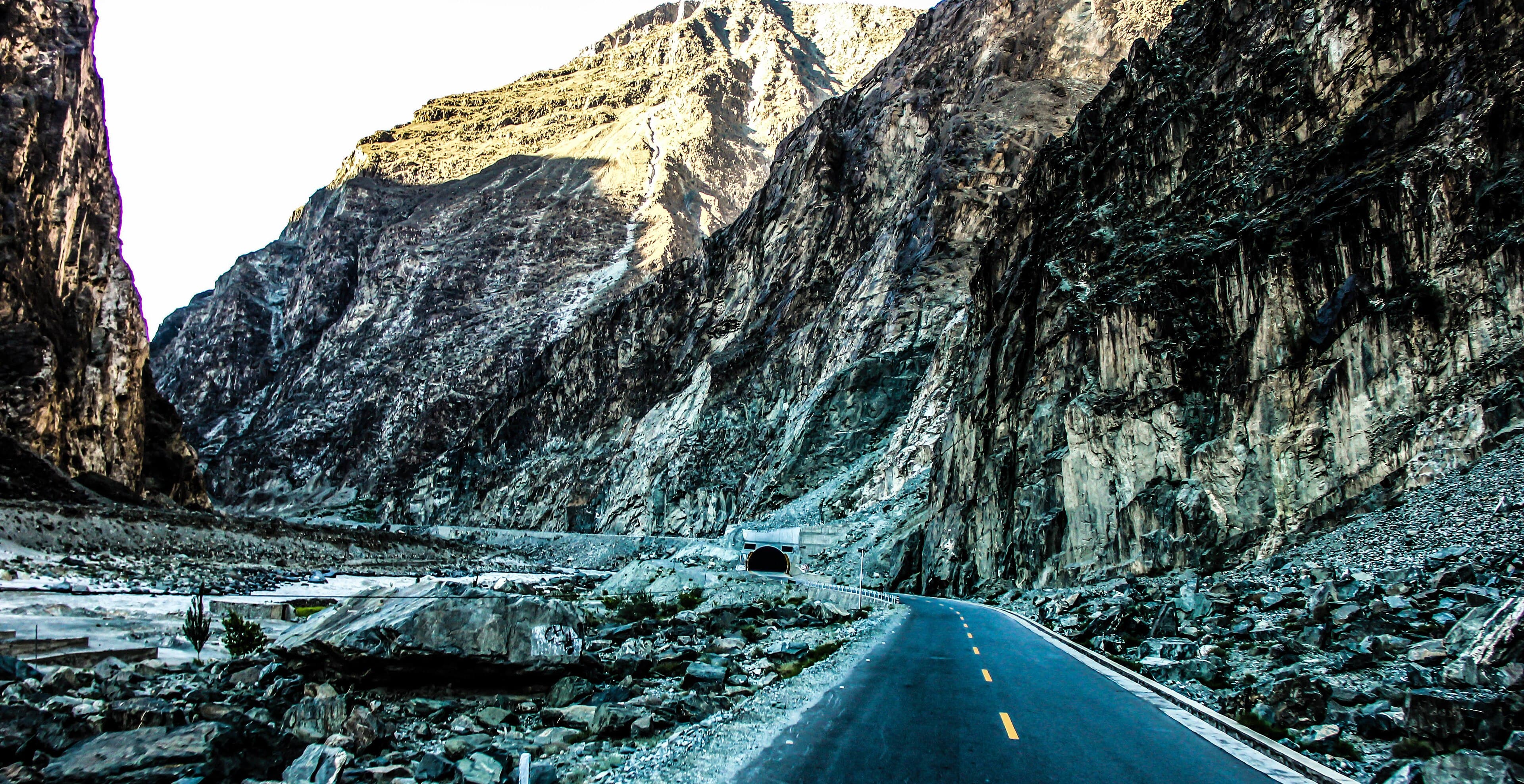
Diamer and the Chilas stretch of the Karakoram Highway is the most conservative part of the region. Most travelers pass through rather than stay. It is fine to transit, including by motorbike, but plan to cross it in daylight, stop where other travelers stop and keep a scarf handy. The trailhead for Fairy Meadows at Raikot Bridge sits on this stretch and is visited by women every week of the summer.
Astore and Ghizer are quiet, rural and hospitable, with fewer tourist services. Their main challenge is logistics rather than safety: patchy mobile signal, long gaps between fuel stations and simple guesthouses. A local driver or guide makes these valleys far easier.
Solo, in a women's group, or on two wheels
Travelling solo works well if you are comfortable with shared jeeps, guesthouses and a flexible schedule. Most women combine independent days in Hunza with a driver or guide for the long transfers and the remote valleys, which is where local knowledge earns its keep.
Women-only groups are increasingly common, from friends travelling together to small organised departures. A group removes most of the practical friction and gives you a lot of freedom with a driver who knows the road. If you would like us to arrange a private trip for a group of women, tell us who is coming and we will build it around your pace.
Motorbike and cycle touring on the Karakoram Highway is one of the great road journeys in the world, and women ride it every summer. Expect police checkposts where you show your passport, carry several photocopies of your passport and visa, and plan fuel and overnight stops ahead in Diamer and on the Deosai. Landslides can close the road for hours after rain, so leave slack in your plan. Our Karakoram Highway road trip guide covers the route, and the logistics guide covers fuel, cash and connectivity.
Practical advice from people who live here
Dress: loose trousers or a long skirt, tops that cover the shoulders and upper arms, and a light scarf for dust, sun and religious sites. A shalwar kameez bought in Gilgit or Karimabad is cool, comfortable and much appreciated. Our packing list has the rest.
Attention: the main irritation women report is not danger but curiosity. In busy summer spots such as Attabad Lake, groups of domestic tourists sometimes ask for selfies. A friendly but firm "no, thank you" is completely acceptable and is respected. Ignore persistent staring and move on; if anything feels wrong, walk into the nearest shop, hotel or family group, where you will be taken seriously at once.
Transport and nights: avoid long road journeys after dark, which is good mountain advice for everyone. Book drivers through your hotel or a known operator rather than hailing strangers for long transfers, and share your plans with your guesthouse each day.
Connectivity and money: local SIM coverage is good in towns and along the highway but disappears in high valleys and on Deosai. Carry enough cash in rupees for several days, because ATMs are limited outside Gilgit, Karimabad and Skardu.
For the wider picture on security, see is Pakistan safe for tourists, and for what other women experienced last season, read Solo Women in the Karakoram.
How we look after women who travel with us
We are a family company from Hunza, and the people we put you with are people we know: drivers with years on the same roads, guesthouses run by families we have worked with for a long time and guides who grew up in the valleys you are visiting. We brief every trip on local customs, stay reachable by phone and WhatsApp while you travel, and tell you honestly if a plan does not make sense.
If you would like a female guide or a women-run homestay, ask when you enquire and we will do our best to arrange it. And if you would rather travel independently, we are just as happy to answer your questions for free. The more women who see this region for themselves, the better for everyone who lives here.
Questions, answered
Is Gilgit-Baltistan safe for solo female travelers?
Yes. Gilgit-Baltistan is widely considered the safest region of Pakistan for women, and solo female travelers visit every season. Hunza is especially relaxed. The main risks are mountain roads, altitude and weather rather than people, so plan transport carefully and avoid driving at night.
Can a woman ride a motorbike on the Karakoram Highway?
Yes, women ride the Karakoram Highway every summer, solo and in groups. Carry passport and visa copies for police checkposts, plan fuel stops in Diamer and on Deosai, and cross the Chilas stretch in daylight. June to September has the most reliable road conditions.
What should women wear in Gilgit-Baltistan?
Loose trousers or a long skirt with tops that cover the shoulders is comfortable everywhere. Hunza is relaxed; Baltistan and Diamer are more conservative, so a light scarf is useful. Cover your hair when visiting mosques and shrines.
Do women need a guide to travel in Gilgit-Baltistan?
No, a guide is not required for most of the region, and many women travel independently in Hunza. A driver or guide is worth it for long transfers, remote valleys such as Astore and Ghizer, and treks, where local knowledge makes the trip safer and easier.
Is it safe for a group of women to travel in Pakistan's north?
Yes. Women-only groups are increasingly common in Hunza, Skardu and Fairy Meadows. Travelling with a trusted driver removes most practical friction, and families and guesthouse hosts are generally protective and welcoming towards women guests.