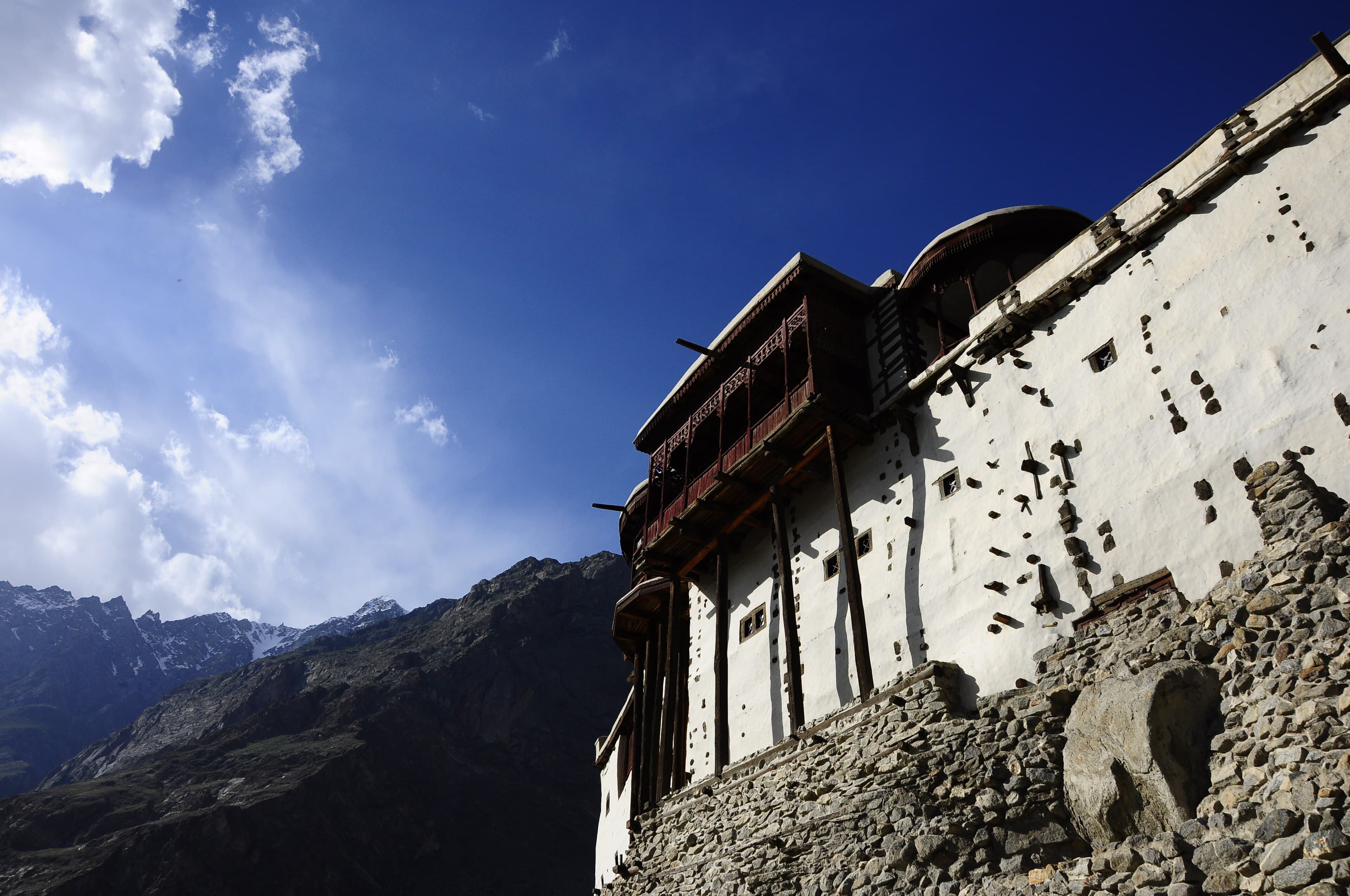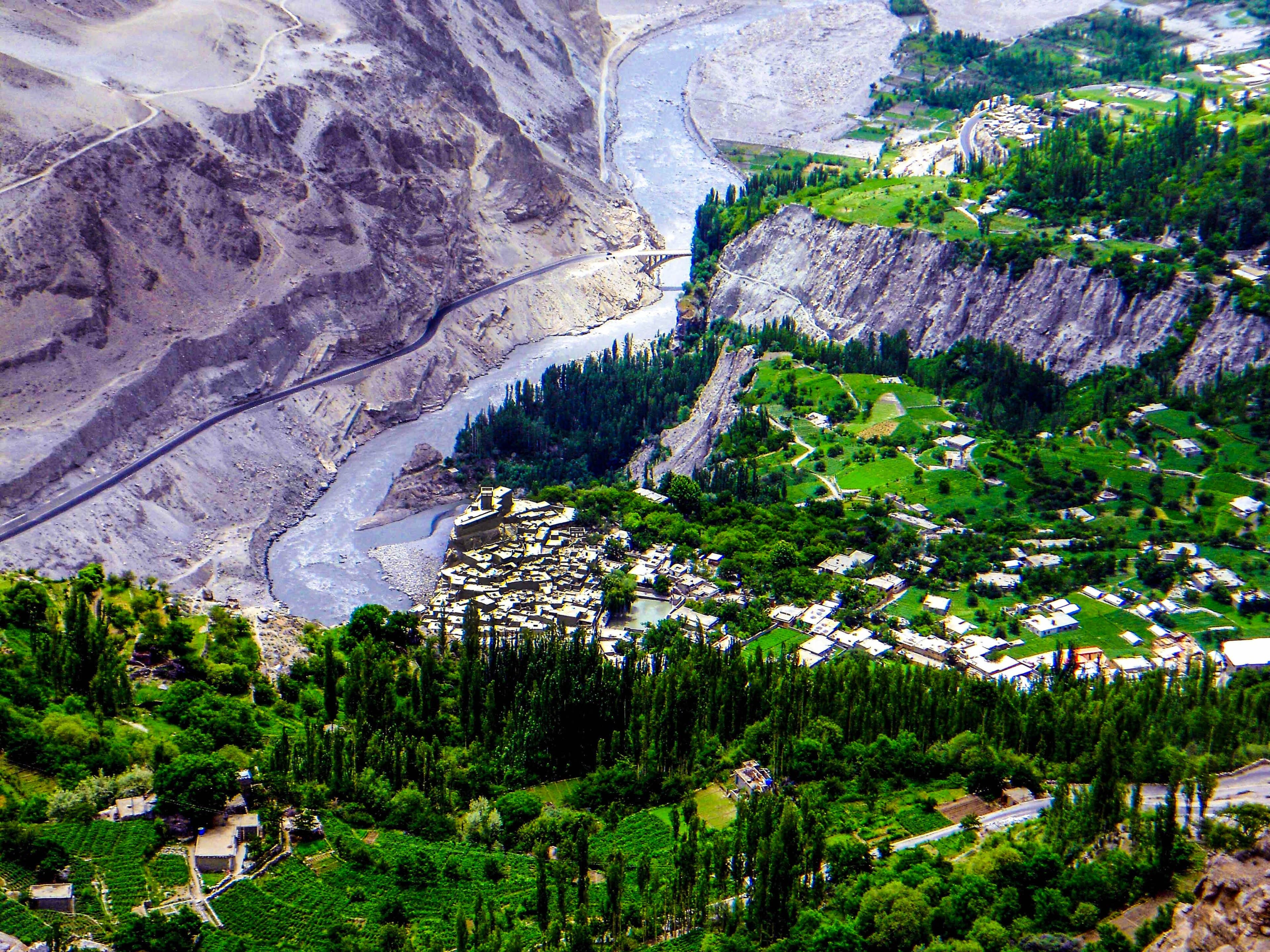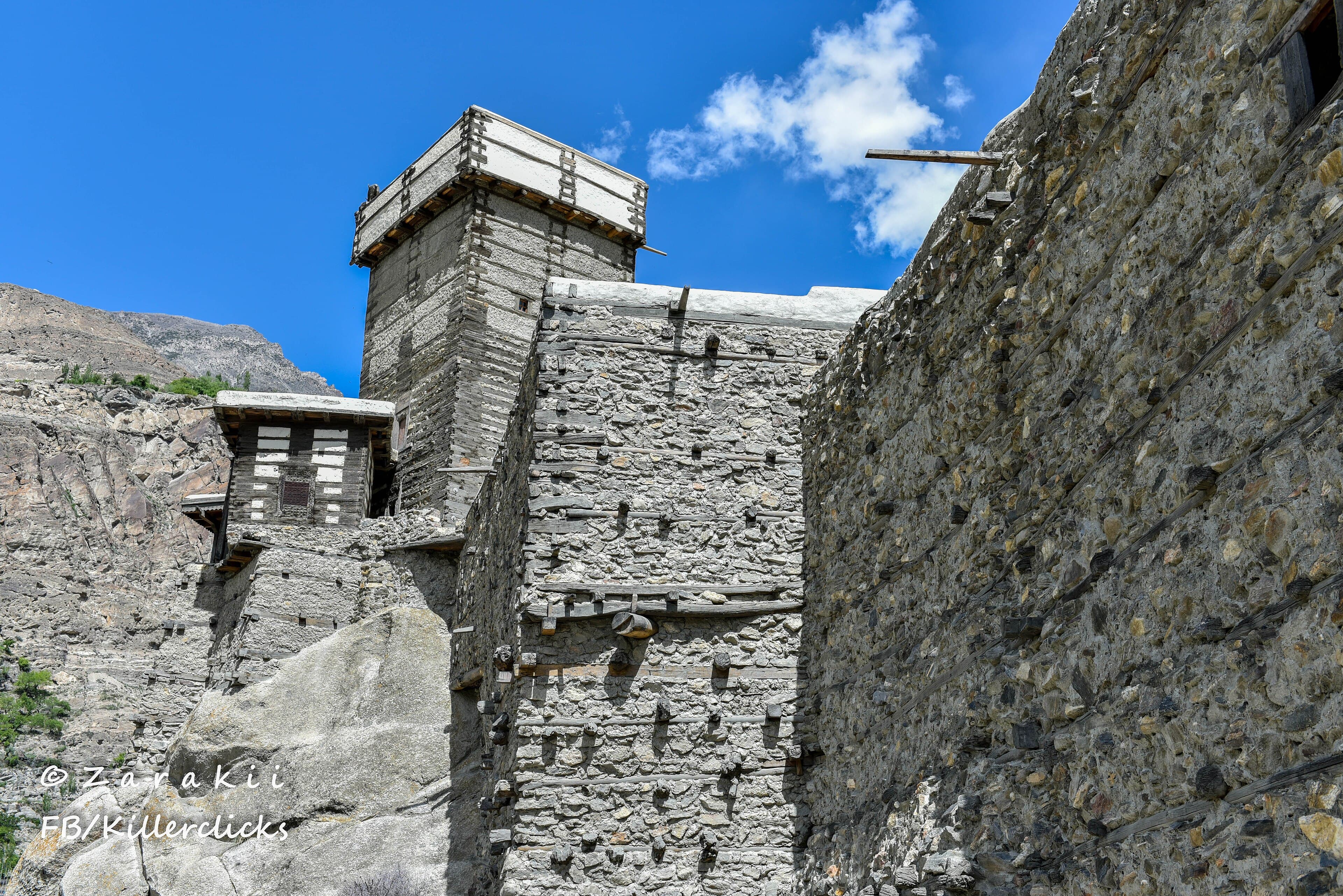
Before Baltit, there was Altit. This is the original seat of the Mirs of Hunza and the oldest surviving monument in Gilgit-Baltistan — its earliest parts, including the iconic Shikari watchtower, are reckoned to be around 1,100 years old. The fort grows straight out of a rock shoulder that drops some 300 metres sheer to the Hunza River, a position chosen for defence and never bettered.
Legend gives the move to Baltit a family edge: two royal brothers quarrelled, one stayed at Altit and the other built Baltit up the hill, and the dynasty eventually followed. What remained at Altit is rawer and more intimate than its famous sibling — low doorways, carved juniper pillars, dark storerooms and the tower-top platform where the kingdom's enemies were once thrown to the river below.
Like Baltit, Altit Fort was rescued from ruin by the Aga Khan Trust for Culture, with the restoration completed in the 2000s alongside a careful revival of the old settlement at its feet. The surrounding Altit khun (old village) is one of the best-preserved traditional settlements in the Karakoram, its lanes leading to the Royal Garden — a walled orchard of centuries-old apricot and mulberry trees that now shelters a café staffed by graduates of a local women's social enterprise.
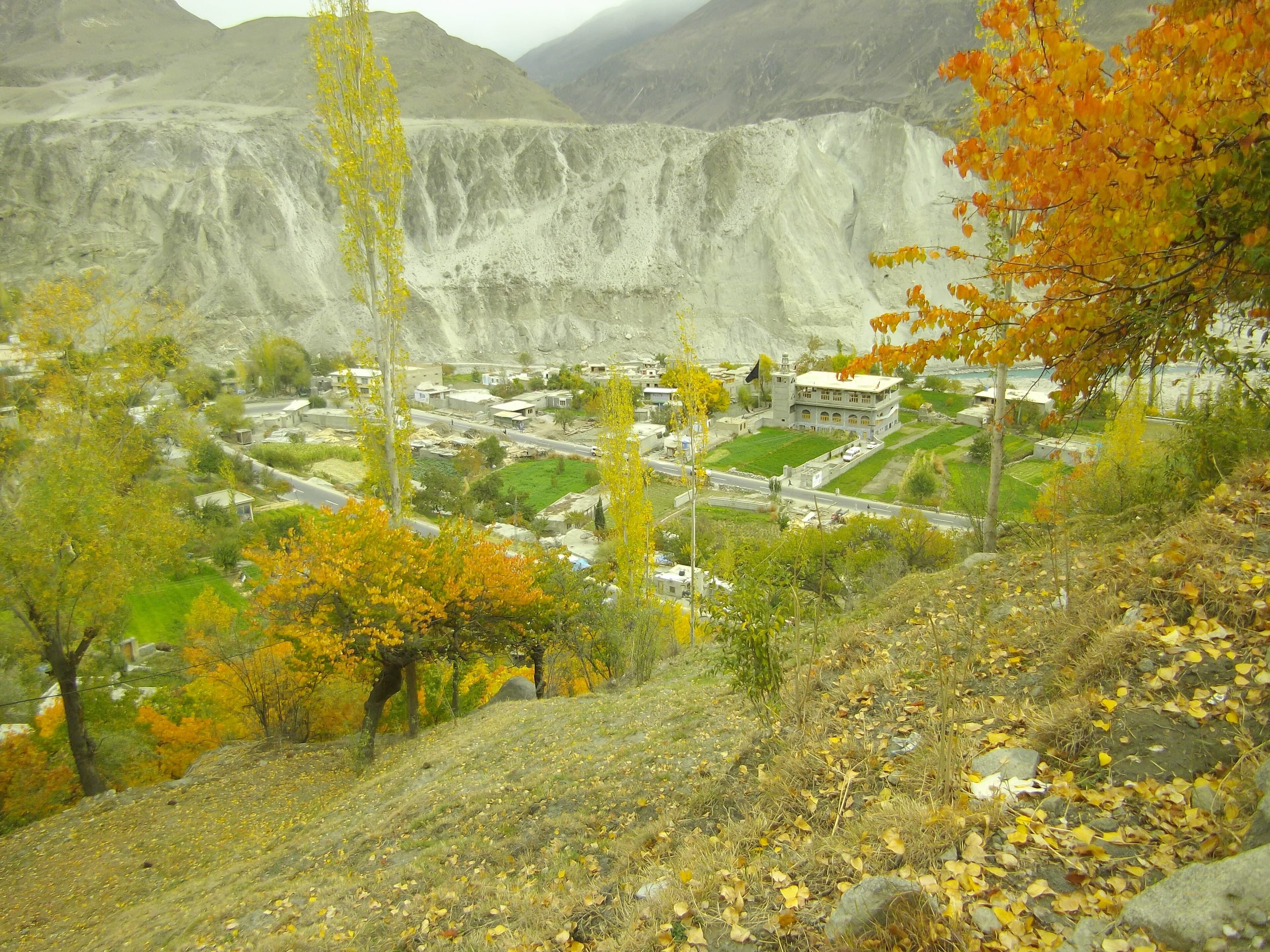
Altit village is a 15-minute drive or a beautiful hour's walk from Karimabad along an irrigation-channel path. Above it, the road climbs to Duikar and the Eagle's Nest viewpoint, making fort, village and sunset an easy half-day combination.