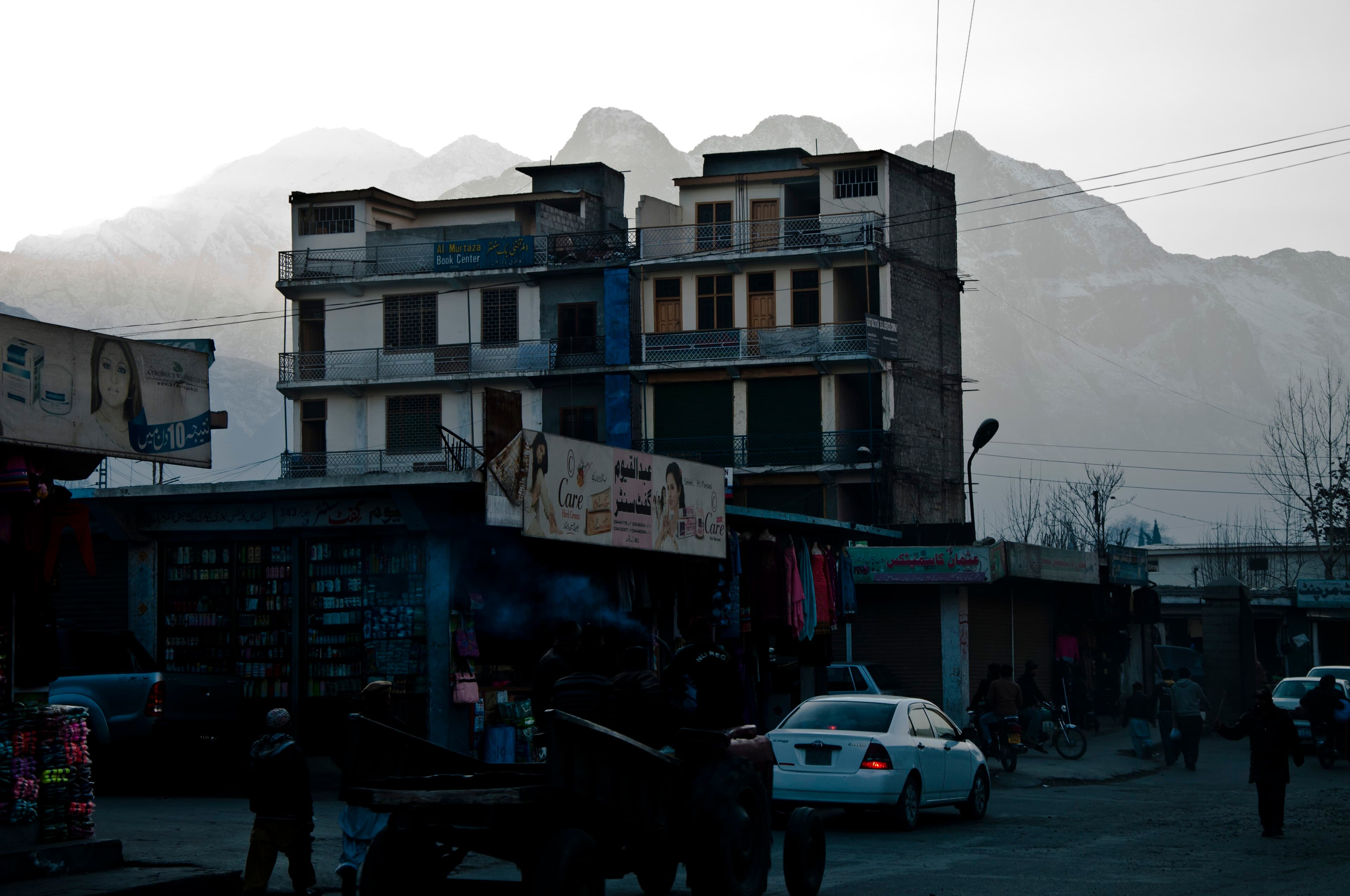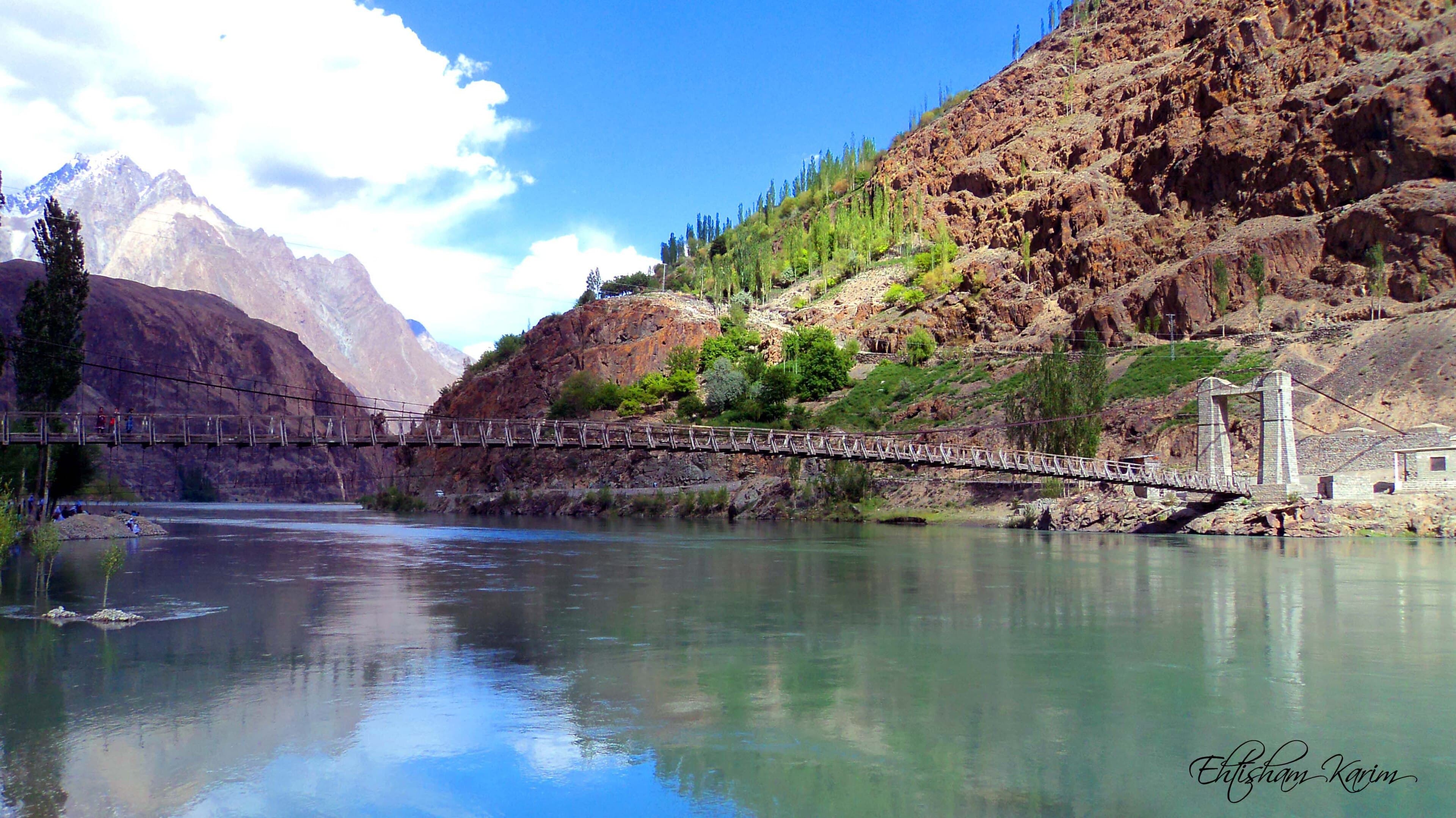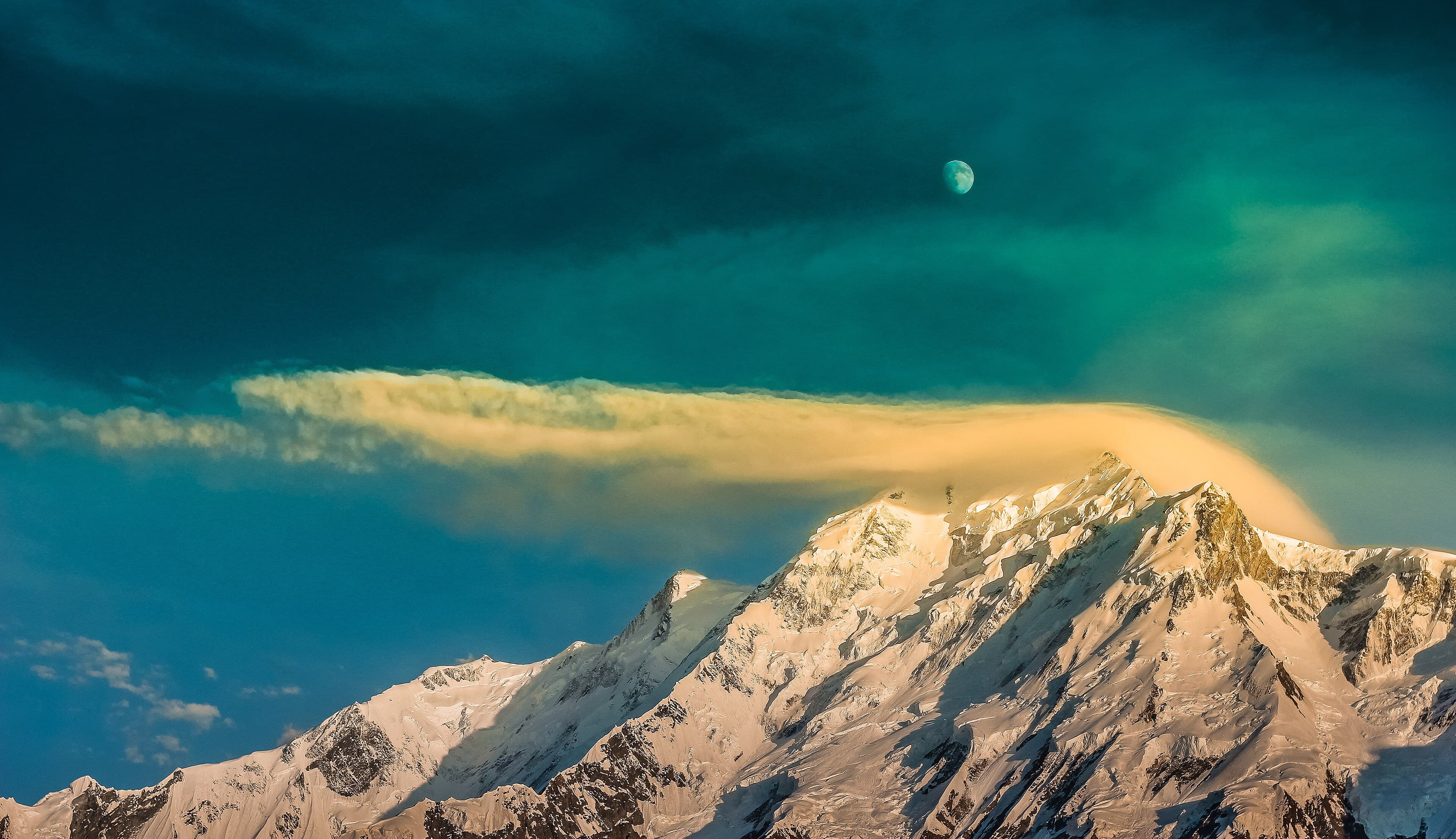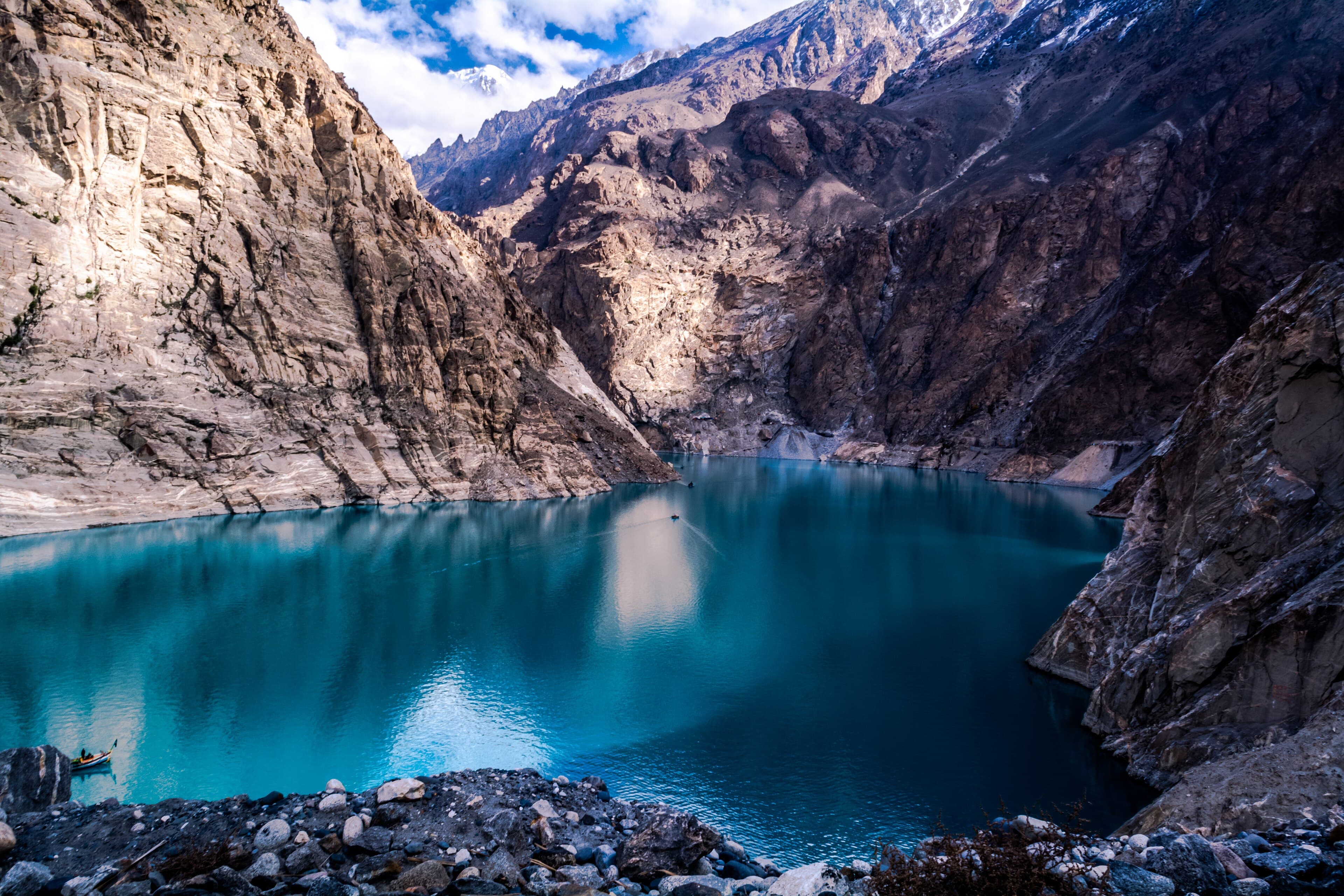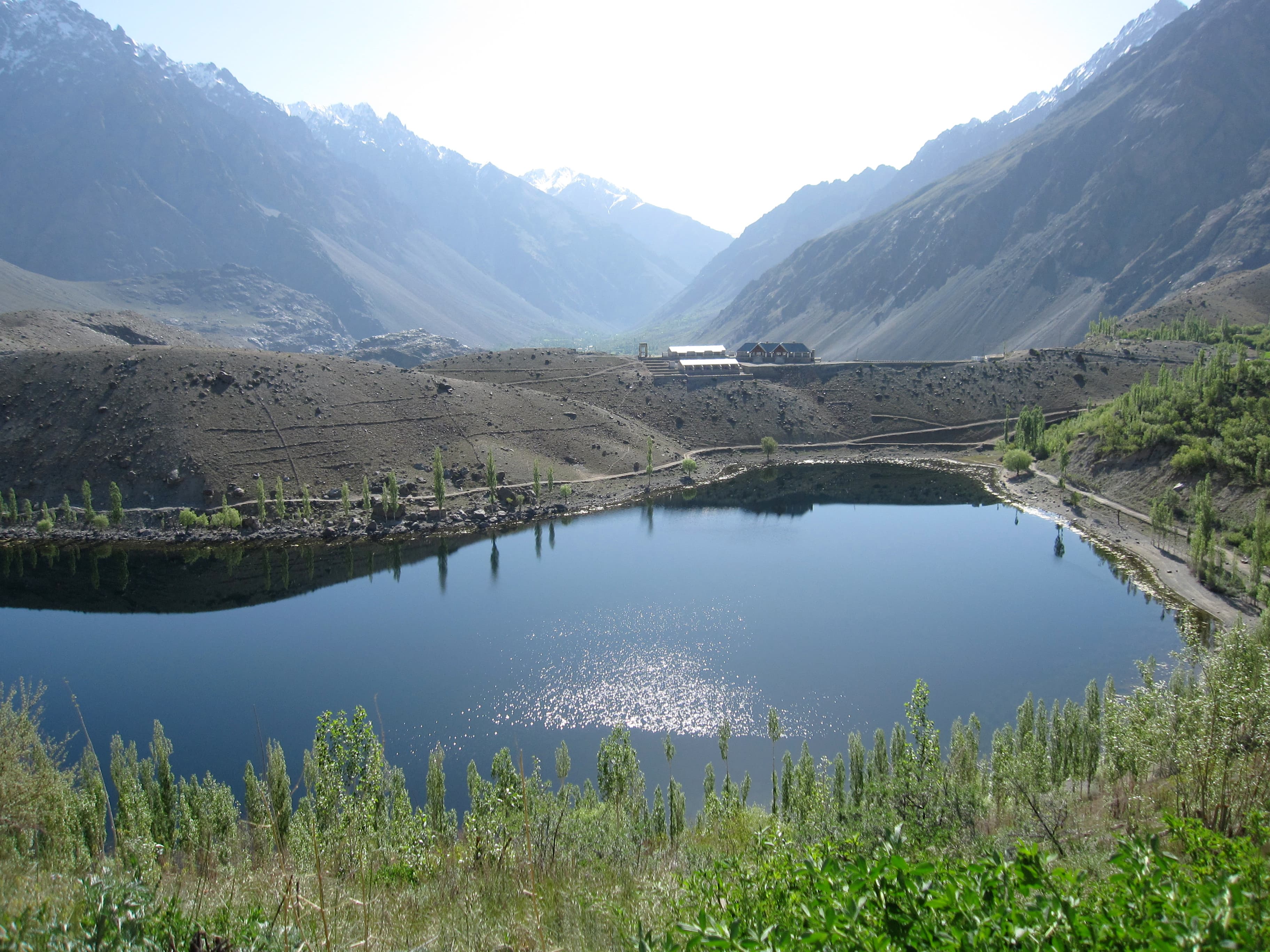
A lake at the far end of Ghizer
Baha Chhat, better known as Khukush Lake, lies at about 3,622 metres (11,883 feet) in the mountains above Langar, the last place a vehicle can reach in the Ghizer district of Gilgit-Baltistan. It runs north to south along a high valley, fed by glacier streams, and to reach it you spend a full day driving west from Gilgit through some of the prettiest country in the north, and then half a day walking.
It is our other favourite lake, and it is a different kind of trip from Gasho. Less motorbike adventure, more slow road trip that turns into a trek. This guide is written for a particular kind of traveller. If you want silence, cold clean water, trout that rise at dusk, a campfire and a sky full of stars, and you are willing to earn all of it with a long day, Khukush is for you.
Gilgit to Phander: the road trip across Ghizer
You need a proper vehicle for this one: a Land Cruiser, a Prado, a Vigo or any honest 4x4. From Gilgit the road heads west up the Ghizer river, and the five to seven hours to Phander pass through one valley after another. Gilgit's dust gives way to orchards, then to a river that turns a deeper blue with every kilometre. You pass Gupis with its old fort, the still turquoise water of Khalti Lake, villages where stone houses sit between poplar and willow, and side valleys such as Yasin opening to the north.
Stop often. This drive is not a transfer, it is half the experience. Every bend gives you another river bend, another wooden bridge, another patch of green field hemmed in by brown rock and white summits. Our guide to Ghizer's culture and villages will tell you who lives in the places you are passing through.
Phander: stop, fish, and if you can, stay the night
Phander is famous for good reason. The valley floor is a broad green meadow threaded with rivers and small lakes, and Phander Lake itself is a deep blue-green eye ringed with reeds and trees. We always stop here, and our honest advice is to stay: give it a few hours at the very least, and ideally camp for the night by the water and fish the evening rise. Arriving at Khukush rested, the next day, is a far better trip than pushing through in one exhausting stretch.
Ghizer is trout country, and Phander is its capital. Brown trout and rainbow trout live in these waters, and local anglers speak of a third, which they call red trout for the colour of its flesh. Cast a spinner or a fly from the bank in the early morning or in the last hour of light and you will understand why people drive seven hours for this.
Handrap and the road to Barsat
Leaving Phander you continue up the valley toward Barsat, and a short way along, near the village of Handrap, two lakes lie close to the road. This is another place to pull over, throw in a few baits and play for a while. The water is glass clear, the trout are there, and nobody is in a hurry.
From Handrap the road climbs on toward Barsat, the last big village before the Shandur Pass, and then turns for Langar. Allow one and a half to two and a half hours for this stretch depending on the state of the track. The valley narrows, the villages thin out, and the mountains close in around you.
Langar: the last outpost and the trailhead
Langar is a scenic alpine valley and the final vehicular outpost in Ghizer. Beyond it there are no roads at all, only paths. It is known for its views, for cold streams of glacier water so clear you can watch trout holding in the current, and for the quiet. You park here, sort the packs, and begin walking upstream along the Langar river.
The trail climbs steadily beside the water toward the lake. Three to four hours is typical depending on your pace and how many stops you make, and you will make stops, because the river keeps doing beautiful things next to you. The altitude is real up here. Walk steadily, drink plenty, and let the slowest person set the pace.
Khukush Lake: the camp, the fire and the long silence
Then the valley opens and Khukush Lake fills it, long and narrow, lying north to south between the slopes, its surface changing colour with every cloud. Set up camp, dig a fire pit, get the fire going and put the kettle on. Tea and snacks first, then lunch or dinner depending on when you arrived. Nobody rushes anything at Khukush.
The nights are cold at 3,600 metres even in high summer, and the fire becomes the centre of everything: warmth, cooking, music, conversation, and the long silences that nobody feels the need to fill. If the sky is clear, and it usually is, the Milky Way stretches from one ridge to the other. Lie back and look up. This is the part people remember years later.
What to do at the lake
A full circuit of the lake takes four to six hours, with plenty of places to stop, and gives you every angle of the water and the peaks. Fishing is best in the morning and evening, when the trout feed. Bring your own tackle. The brave swim, briefly, in glacier water that takes your breath away and then leaves you glowing for an hour.
In between: music around the fire, star gazing, photographing the light as it moves across the lake, and doing absolutely nothing, which up here counts as an activity. Two nights at the lake is better than one if your schedule allows it.
Practical notes: season, days, gear
Season: July to September is the reliable window, with late June possible in a dry year. Snow lingers late at this altitude and weather can cut the track beyond Phander at either end of the season.
Plan: two nights minimum. Gilgit to Phander and camp, Phander to Langar and hike to the lake and camp, then walk down and drive back. Better still, add a third night at Phander on the return. Rushing this trip defeats its purpose.
Carry: everything you need for two or three nights of camping at altitude, warm sleeping bags, layers, a rain shell, headlamps, a first aid kit with something for altitude headaches, all your food, and fishing tackle. Fill fuel in Gilgit or Gahkuch. Phone signal is patchy beyond Gupis and absent at the lake. Pack out all rubbish.
Who this is for: anyone reasonably fit who can walk three to four hours uphill with a pack at altitude, and who wants peace more than they want a hotel. We arrange the 4x4 and driver, a local guide from Langar, camping gear, the fishing permit and tackle, and the Phander stop. Tell us your dates and we will plan the rest. If you have less time, the Gasho Lake trek near Gilgit delivers the same feeling in a single long day.
Questions, answered
Where is Khukush Lake (Baha Chhat)?
Khukush Lake, also called Baha Chhat, is in the Ghizer district of Gilgit-Baltistan, Pakistan, in the mountains above Langar, the last village reachable by road beyond Phander and Barsat. It sits at about 3,622 metres (11,883 feet) and runs north to south.
How do you get to Khukush Lake from Gilgit?
Drive west from Gilgit through Ghizer to Phander (five to seven hours by 4x4), continue via Handrap and Barsat to Langar (another one and a half to two and a half hours), then hike three to four hours up the Langar river to the lake. Most people break the drive with a night at Phander.
How high is Khukush Lake and is altitude a problem?
The lake is at about 3,622 metres (11,883 feet). Most fit travellers manage it well, but the day is long and the trail gains height steadily, so walk slowly, drink plenty and sleep at Phander first if you are coming straight from the lowlands.
Can you fish in Ghizer and at Khukush Lake?
Yes, Ghizer is the best trout country in Gilgit-Baltistan. Phander, the Handrap lakes, the Langar streams and Khukush Lake all hold trout, mostly brown and rainbow, and fishing is best early morning and evening. Bring your own tackle and get the local fishing permit, which we arrange for our guests.
How many days do I need for the Khukush Lake trip?
Three days from Gilgit is comfortable: drive to Phander and camp, drive to Langar and hike up to camp at the lake, then walk down and drive back. Add a fourth day if you want a second night at the lake or more time fishing at Phander.