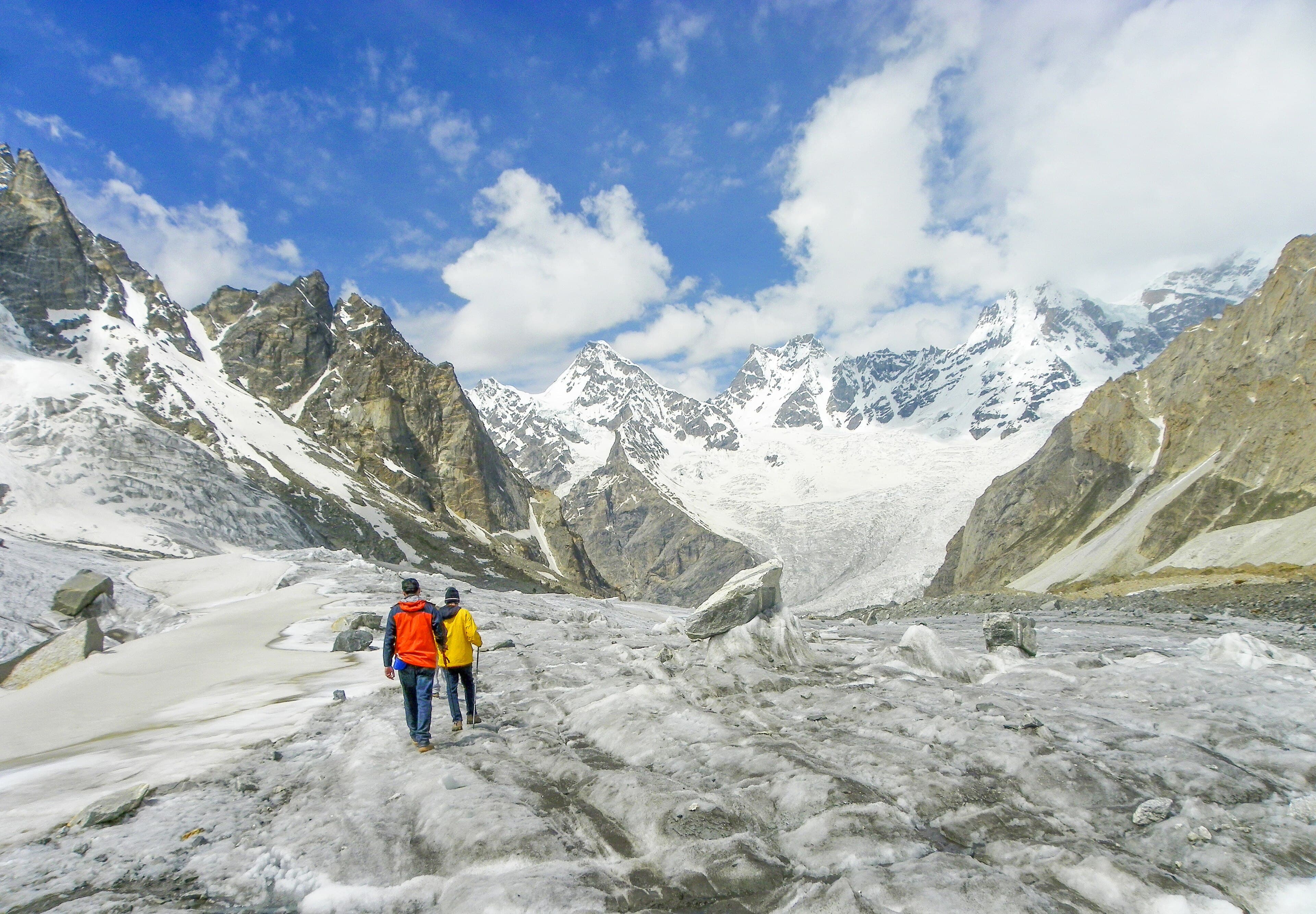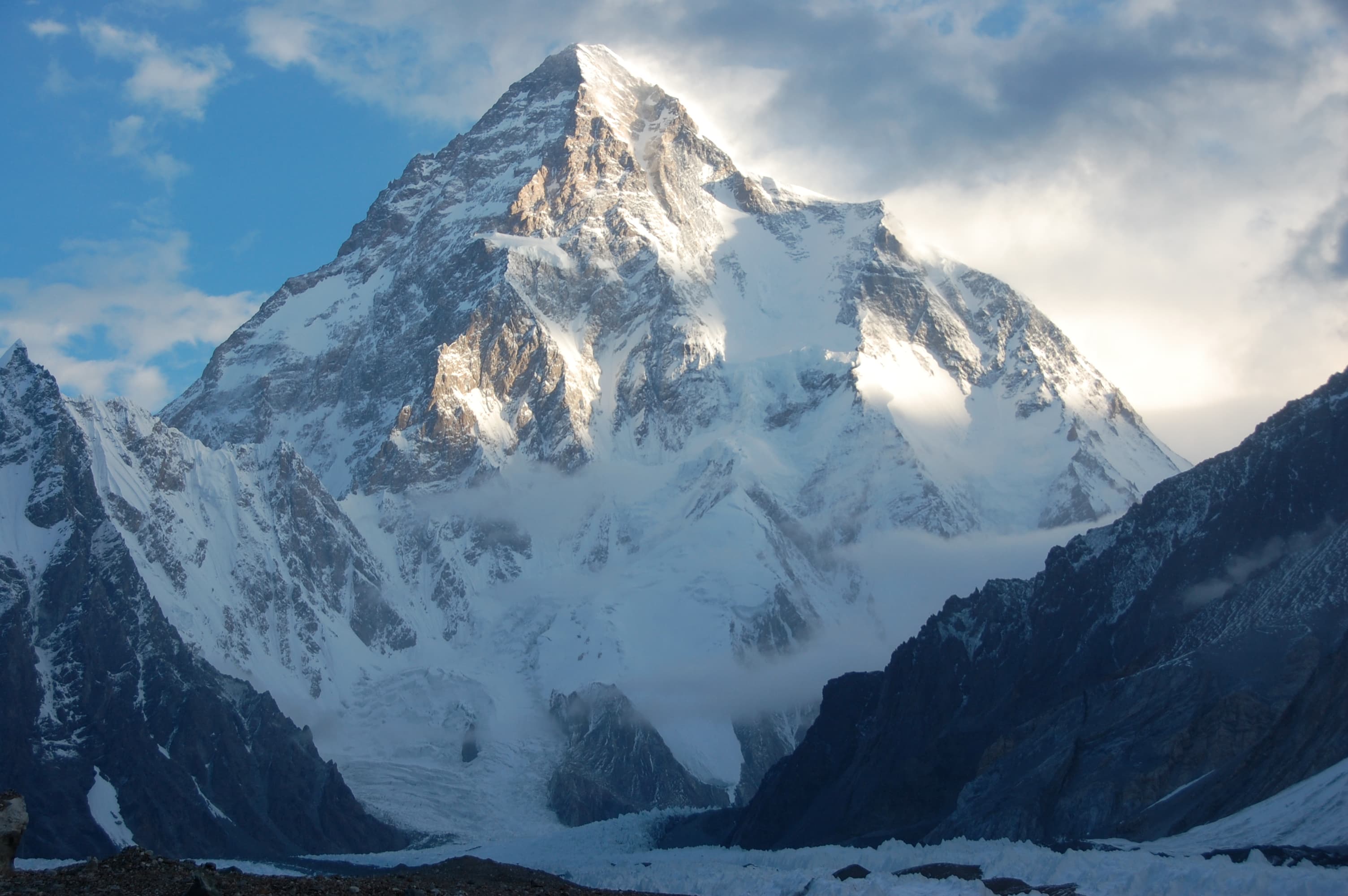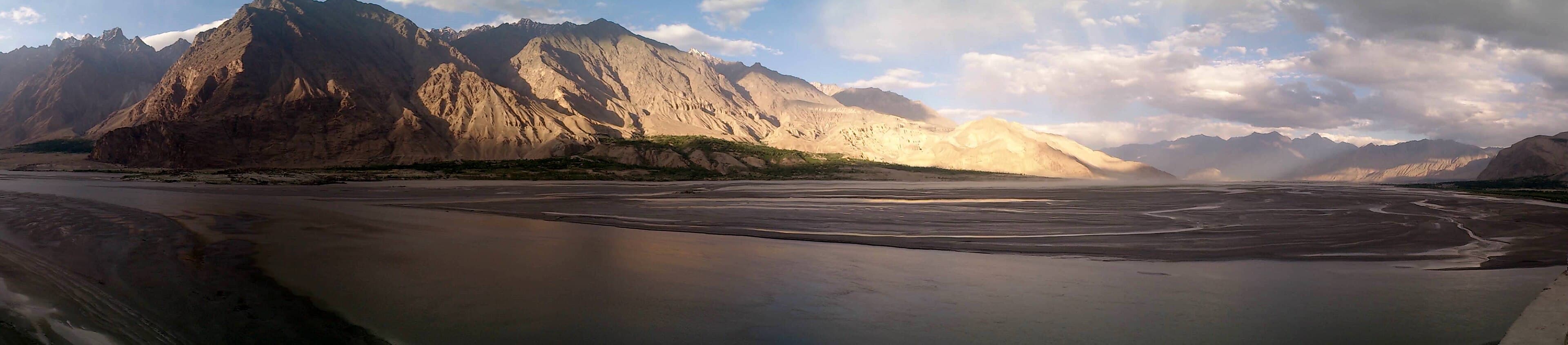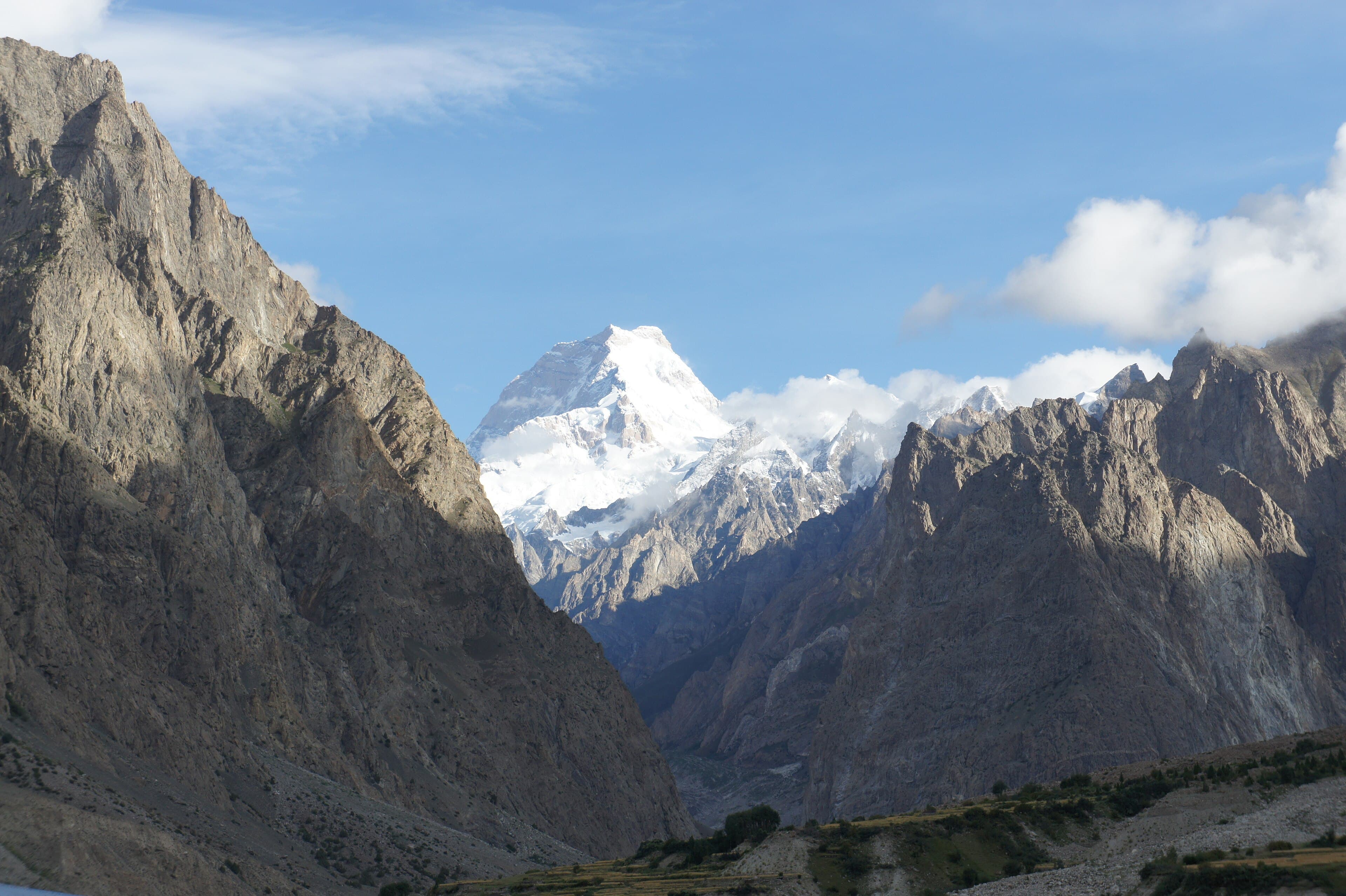
Hushe is where the road ends and the Karakoram begins in earnest. The last village of the Hushe Valley sits at about 3,050 metres, a cluster of stone houses and apricot orchards with the colossal snow pyramid of Masherbrum — the original K1 — filling the head of the valley. Few places on earth put a 7,800-metre peak so squarely at the end of the village street.
Climbers know Hushe as a gateway. The Charakusa Valley branches off above the village toward an amphitheatre of granite that includes K6 and K7, walls that draw elite alpinists from around the world every summer. Another branch leads toward the Gondogoro Valley and the celebrated Gondogoro La crossing to Concordia, which is why so many K2 Base Camp trekkers finish their journey by walking down into Hushe's fields.
The village's other export is people. Hushe has produced generations of Baltistan's strongest high-altitude porters and mountain guides — most famously the late Little Karim, the diminutive porter whose feats of load-carrying on K2 expeditions made him the subject of French documentaries and a legend across the climbing world. Sit with a family over butter tea and someone in the room has almost certainly stood high on an 8,000-metre peak.
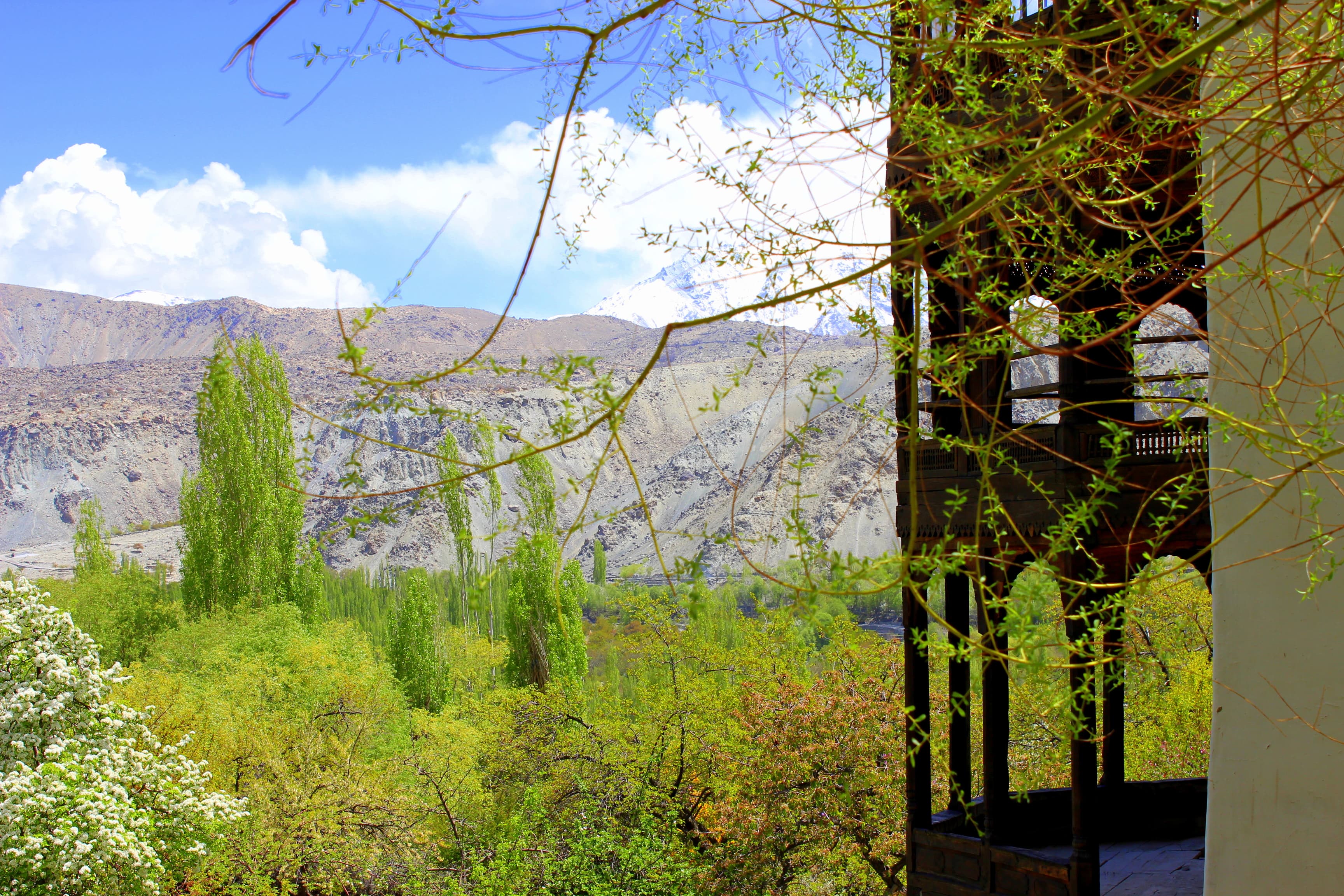
For travelers who aren't roped up, Hushe is one of Baltistan's most rewarding village stays. Simple homestays and a couple of small guesthouses host guests among the barley fields; day walks lead to summer pastures with huge views, and in late summer the apricot harvest spreads across every rooftop. It is remote, but not cut off — a jeep road connects Hushe to Khaplu in around two hours.
Hushe combines naturally with Khaplu Valley and its restored palace downstream, and with the Masherbrum Base Camp trek, which starts directly from the village. Even a single night here, watching alpenglow fade off Masherbrum's hanging glaciers, tends to be the memory travelers talk about most.