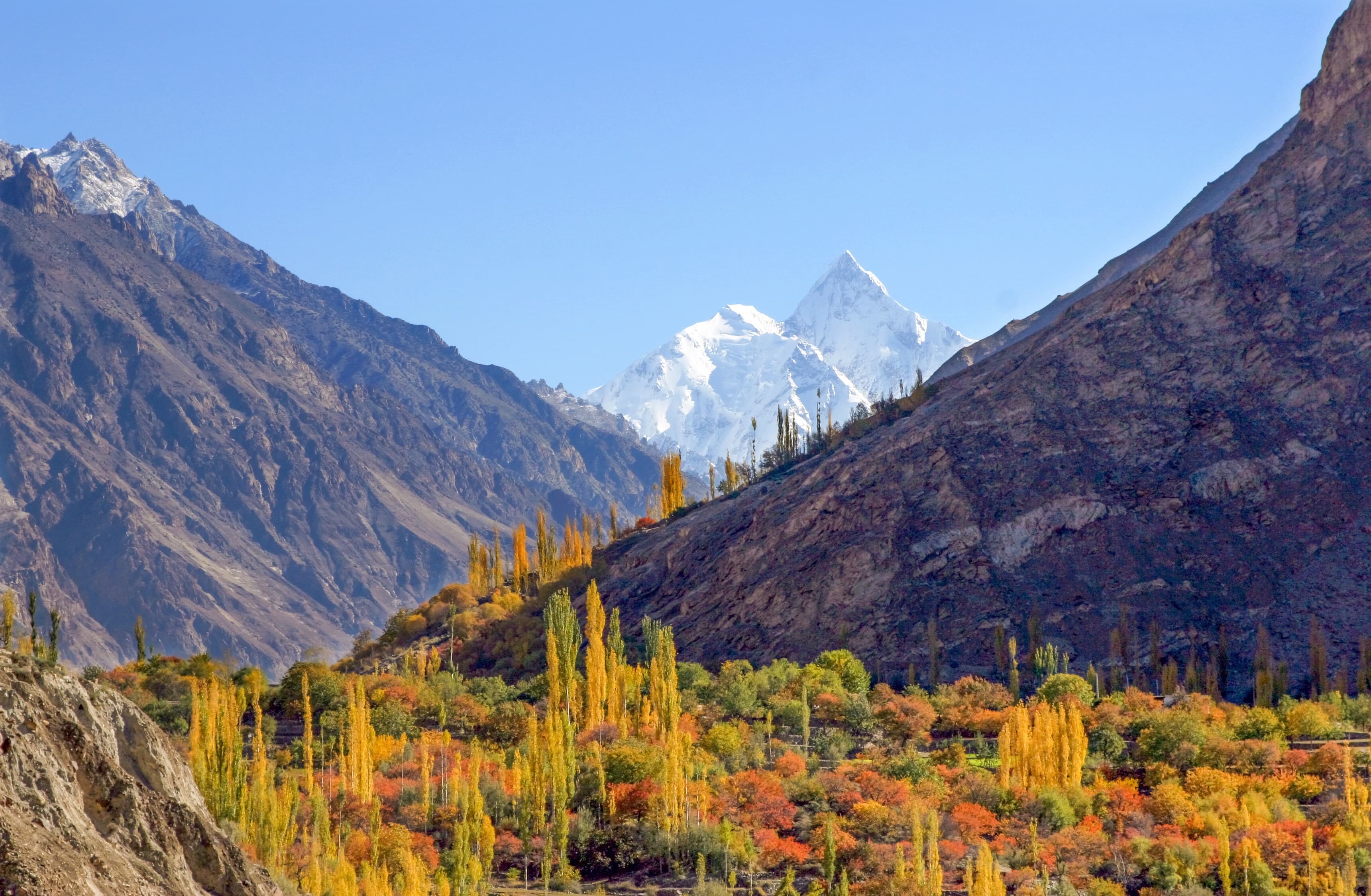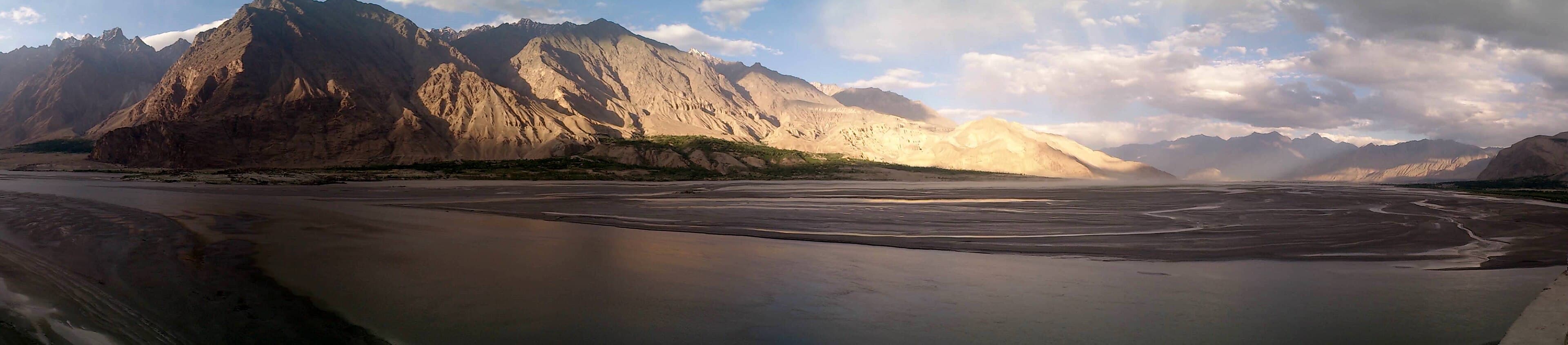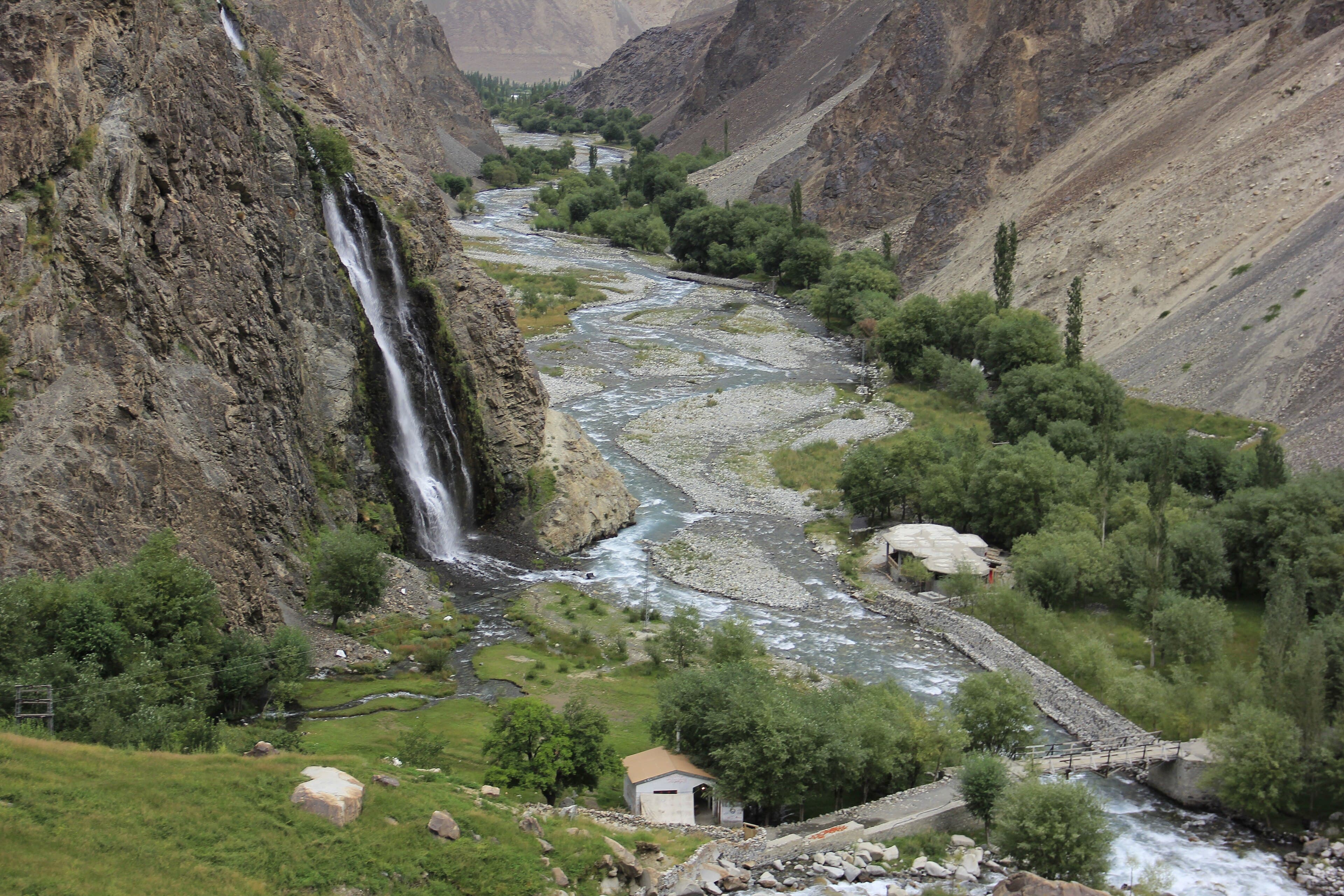
Drive two to three hours east of Skardu along the grey-green Shyok River and you reach Khaplu, the old capital of Baltistan's largest former kingdom. Terraced fields stack up a huge alluvial fan beneath the serrated Masherbrum range, and the village lanes climb between apricot trees, water channels and some of the oldest Islamic architecture in the high Himalaya.
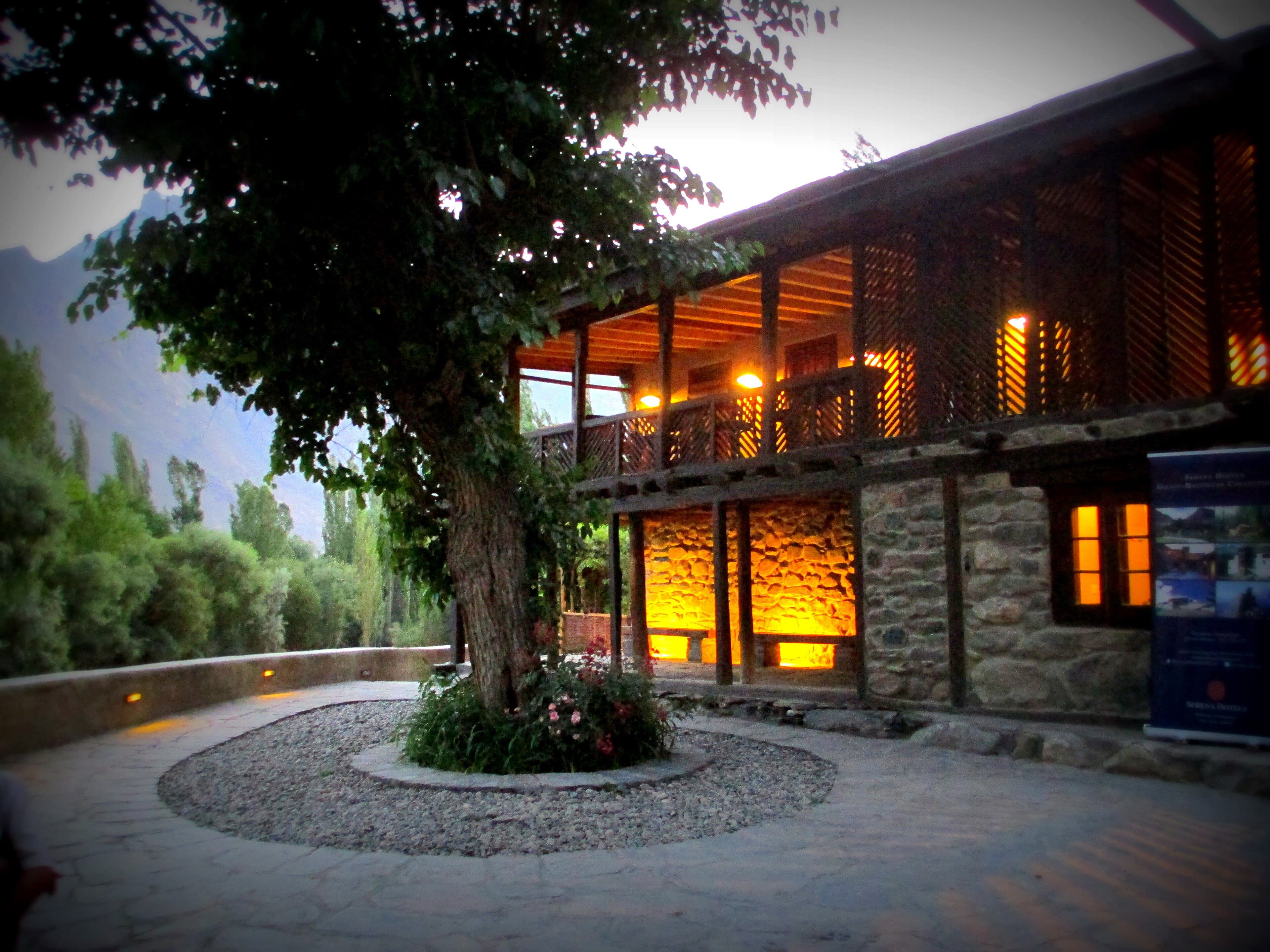
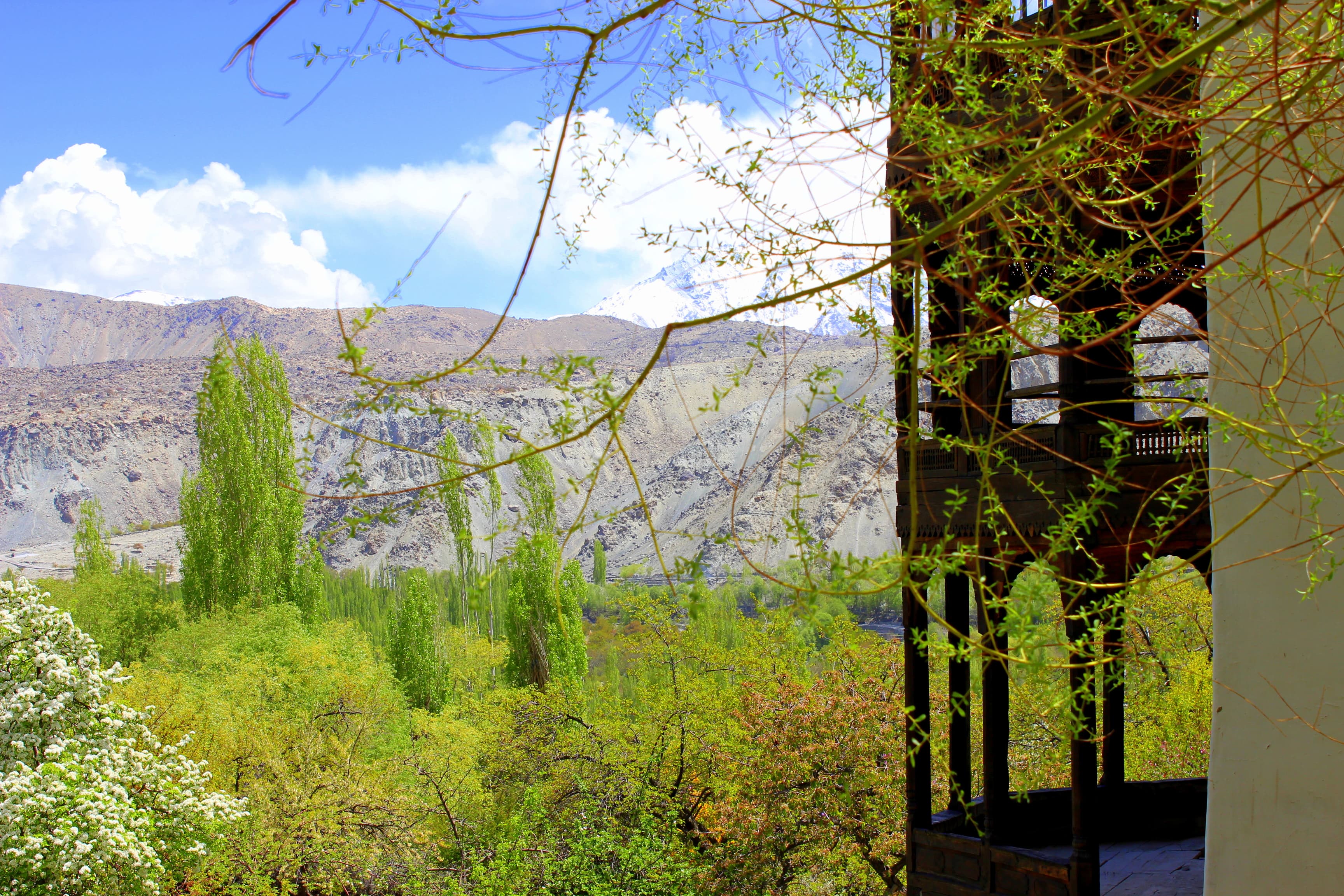
The centrepiece is Khaplu Palace, built in 1840 by the local raja and restored — like Shigar Fort — by the Aga Khan Trust for Culture into a Serena heritage hotel. Its four storeys of carved balconies, Kashmiri- and Ladakhi-influenced woodwork and shaded gardens won a UNESCO Asia-Pacific heritage award, and the small museum inside tells the story of the Yabgo dynasty that ruled here for centuries.
A short walk below the palace stands the Chaqchan Mosque, founded around 700 years ago and counted among the oldest mosques in the region — a tiered, pagoda-like building of timber and stone whose silhouette says as much about Tibet and Kashmir as about the plains of Pakistan. Together the palace and mosque make Khaplu the cultural high point of any Baltistan itinerary.
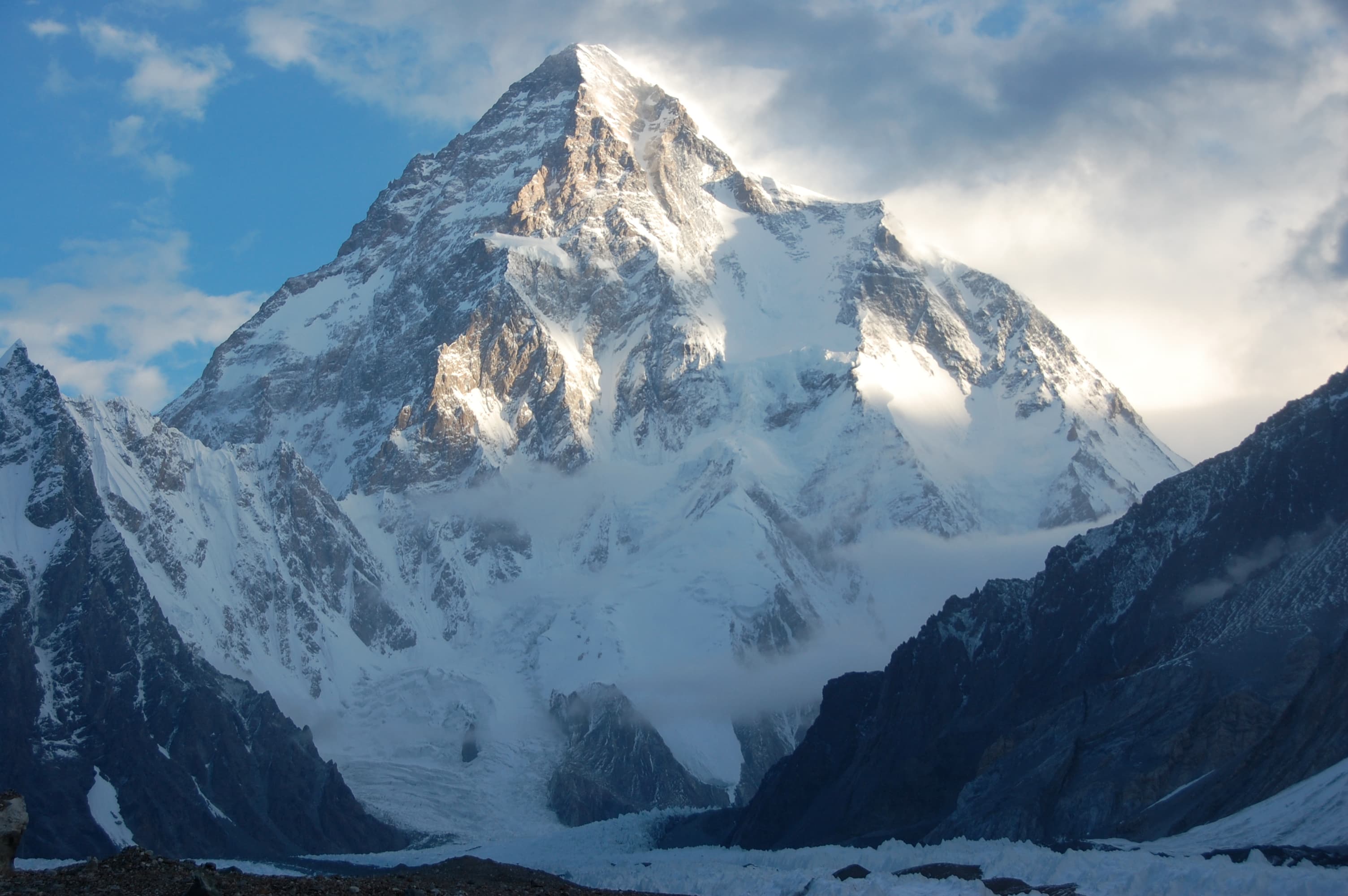
Khaplu is also a serious mountain valley. Masherbrum (7,821 m) rises at the head of the side valley of Hushe, where trekking routes lead toward some of the Karakoram's most photogenic granite. Most visitors come for a long day trip from Skardu, but a night at the palace — with the call to prayer drifting up from the old village at dusk — is worth rearranging an itinerary for.