Hunza: forts, a turquoise lake and the road to China
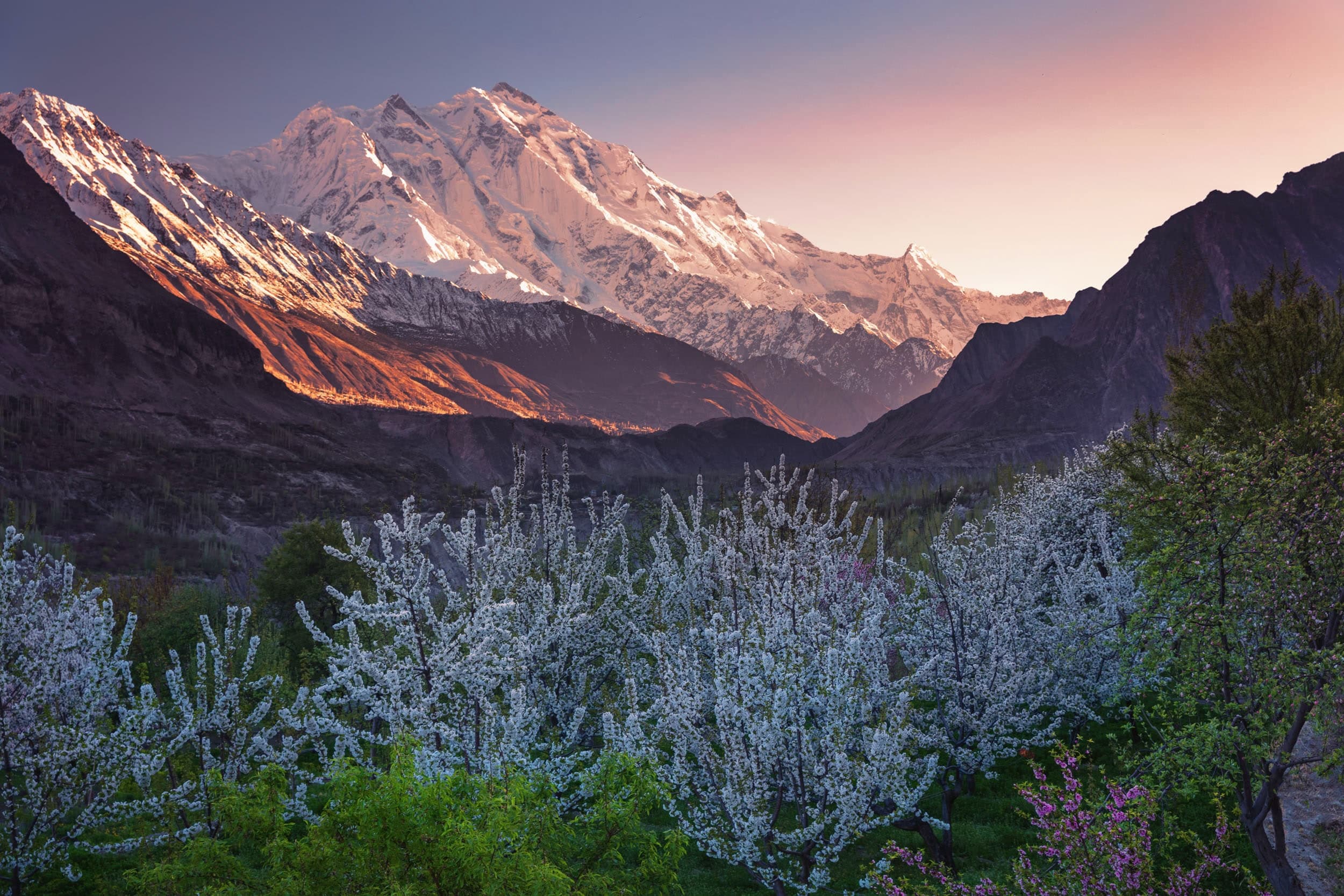
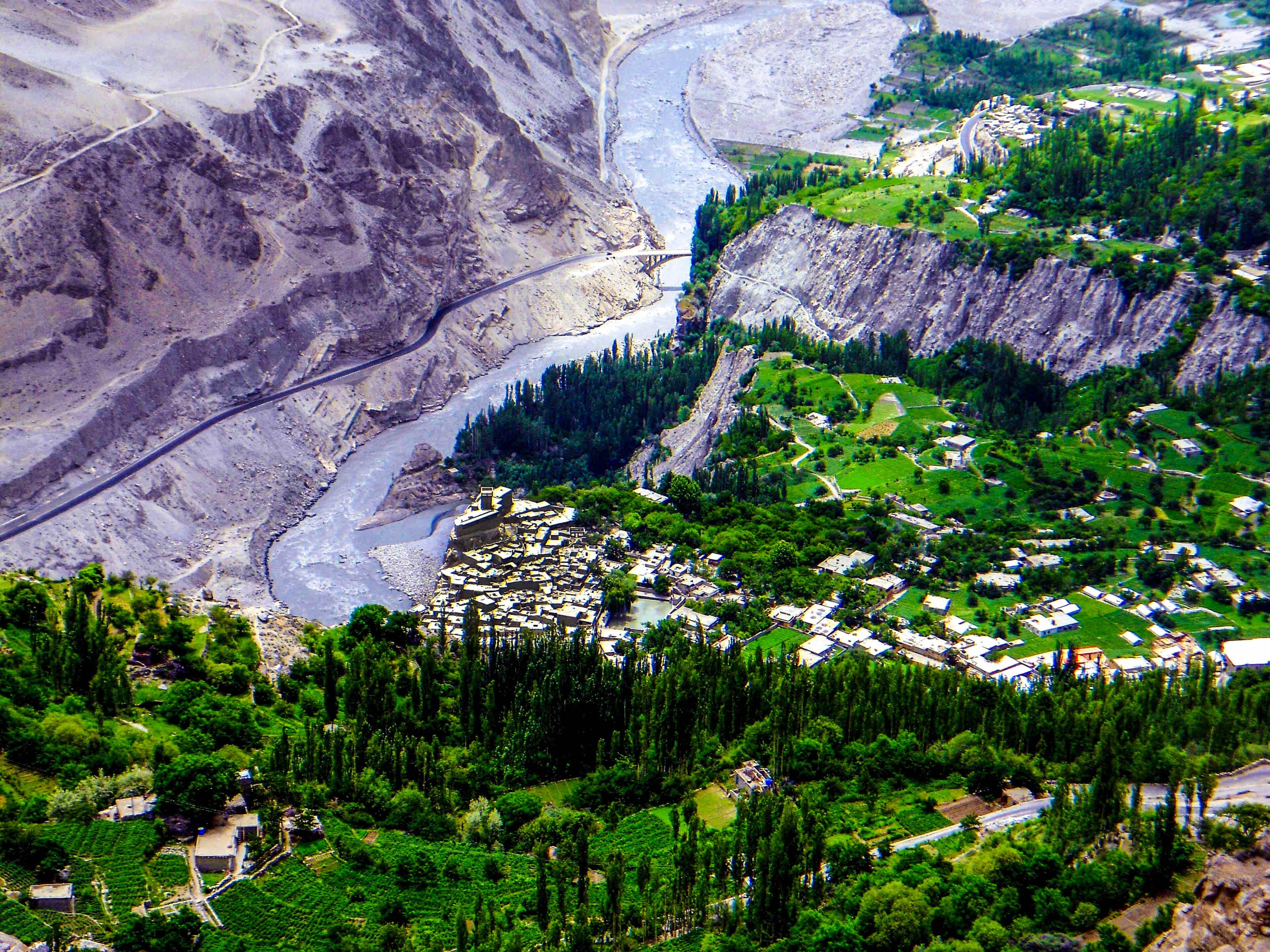
Most first trips to Gilgit-Baltistan begin in Hunza. Karimabad, the old royal capital, sits at about 2,450 m, 2.5 hours north of Gilgit on the Karakoram Highway. Baltit Fort stands above its bazaar, and the oldest parts of it are about 700 years old. For sunset, drive 30 minutes up to the ridge at Duikar.
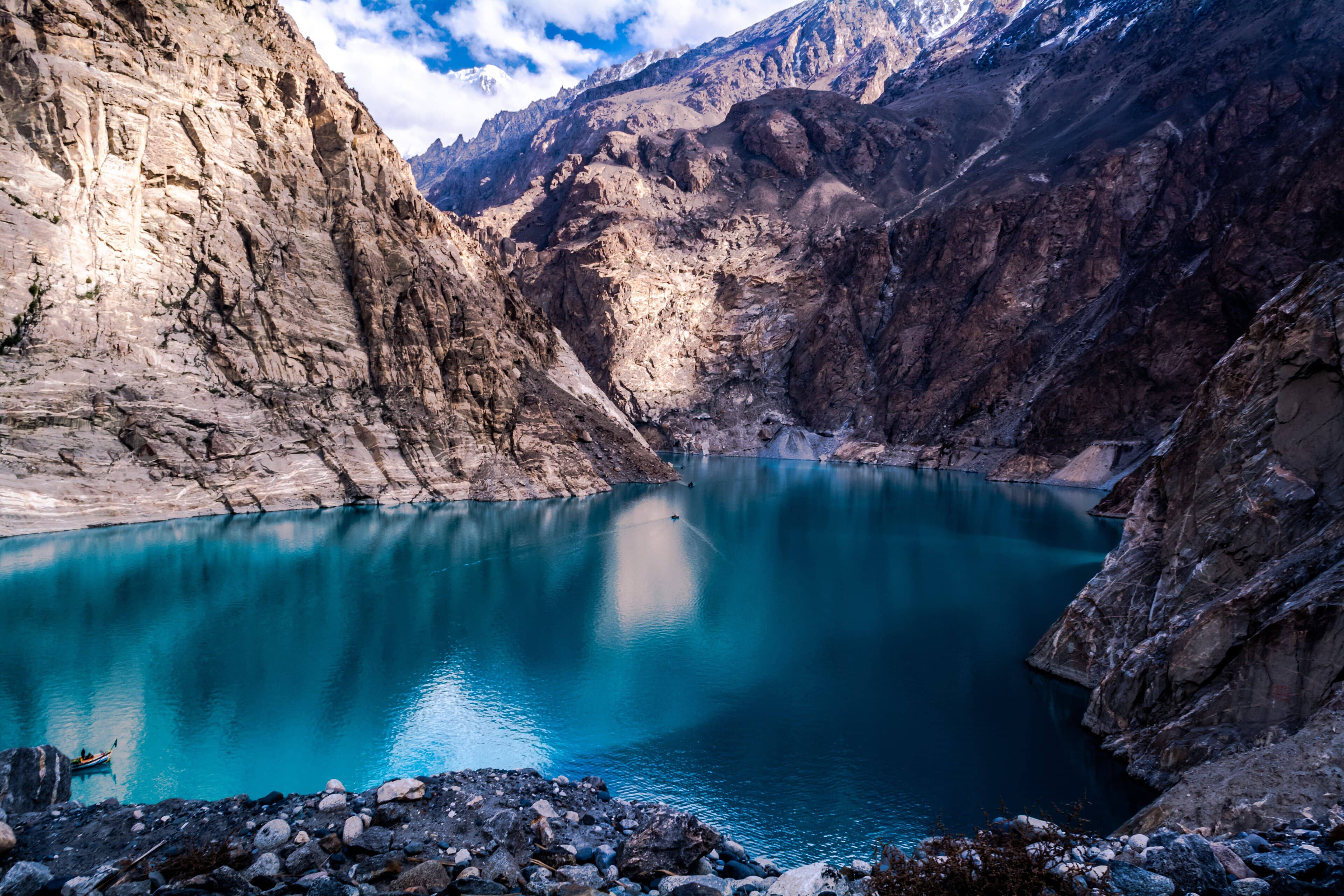
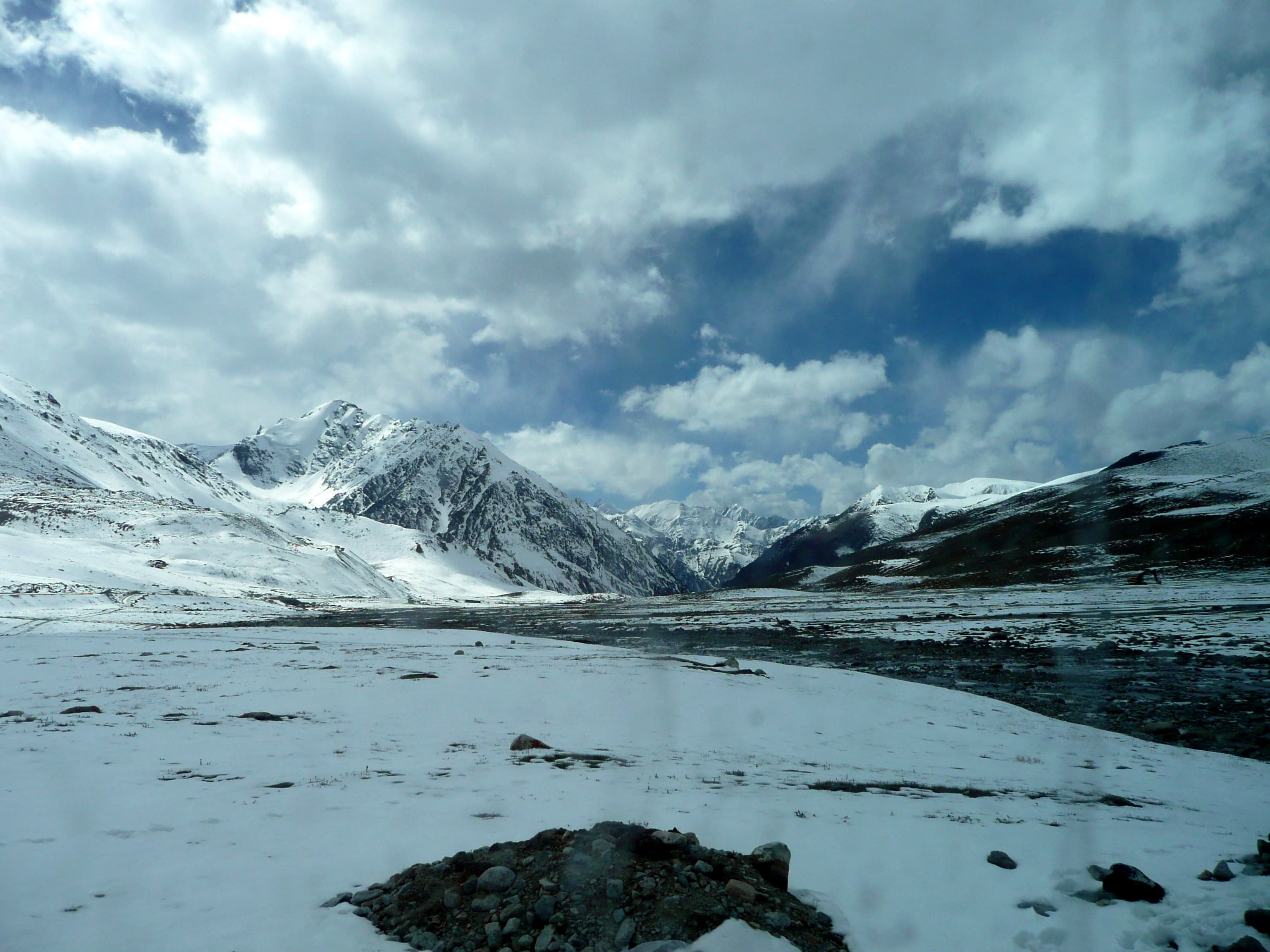
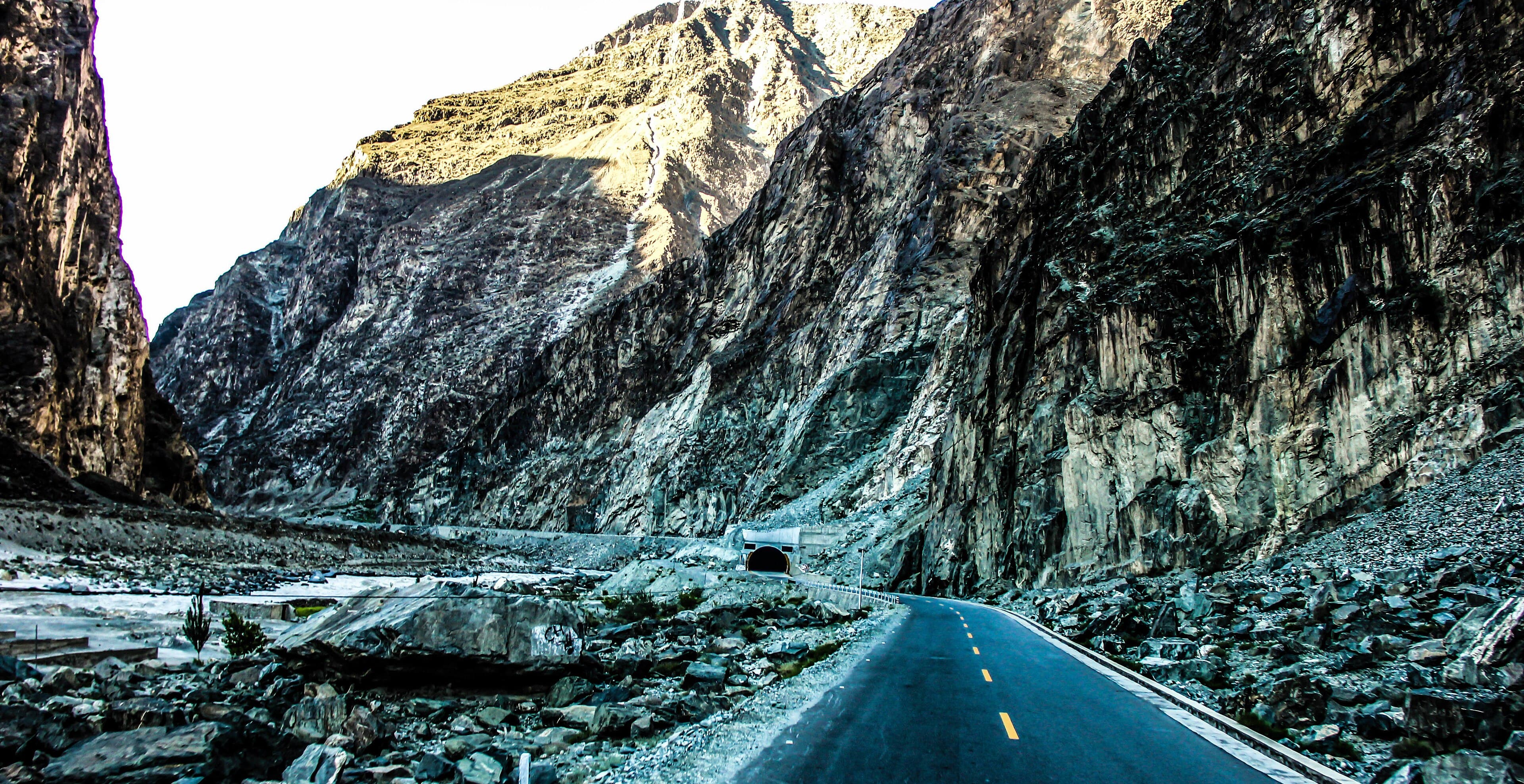
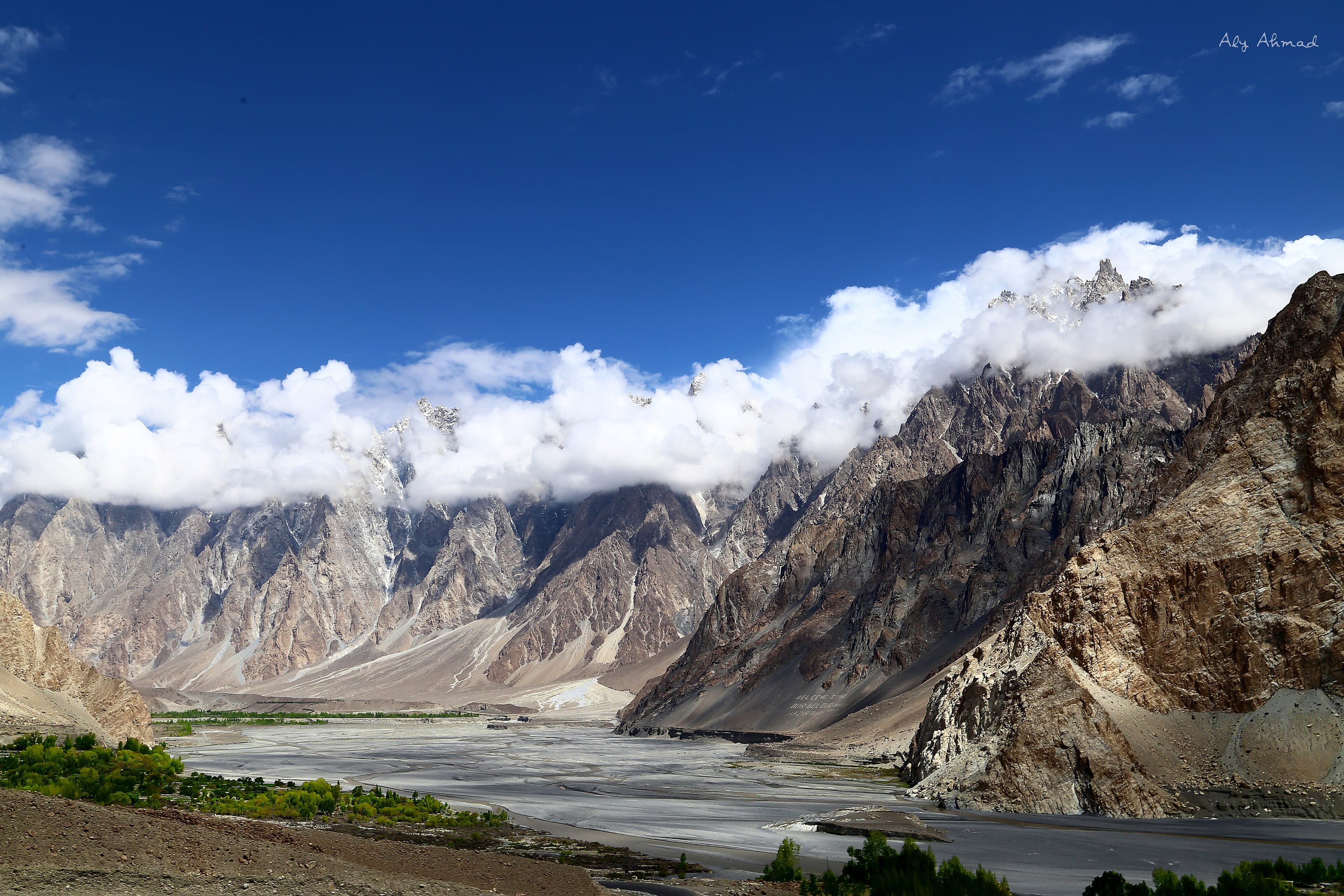
North of Karimabad the highway runs through tunnels beside Attabad Lake, which a landslide created in January 2010, and on to the Passu Cones, a row of rock spires about 6,106 m high. The road ends at the Khunjerab Pass, 4,693 m, the highest paved border crossing in the world. Our page on the best places to visit in Hunza takes them one by one.
Skardu: lakes, cold deserts and Deosai National Park
Skardu is the capital of Baltistan, about 50 minutes by air from Islamabad or 5 to 6 hours by road from Gilgit. Within half an hour of town are Upper Kachura Lake, the red-roofed Shangrila Resort and the dunes of the Katpana Desert, where snow settles on sand in winter.
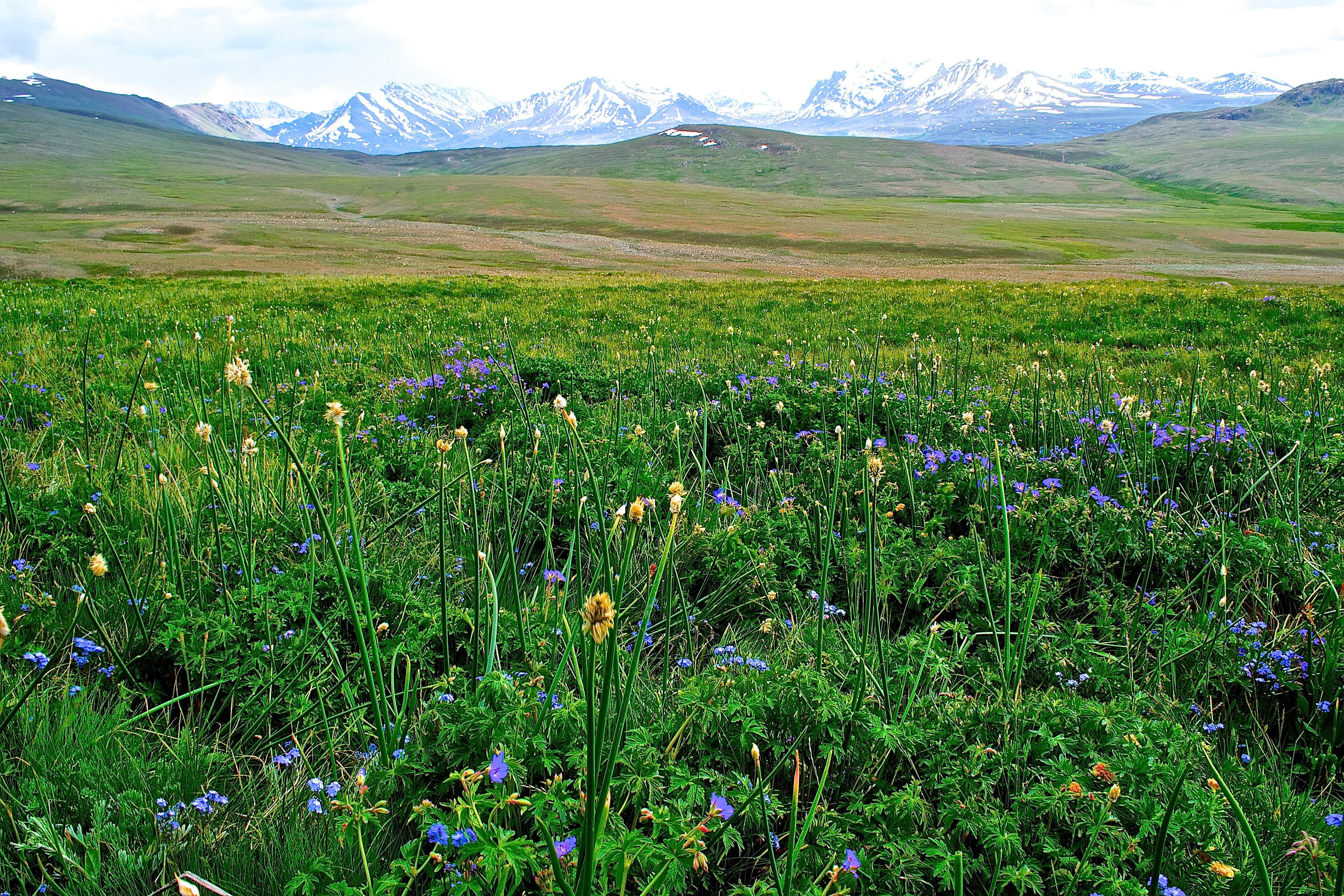
Deosai National ParkThe Land of Giants: a rolling world above 4,000 metres
Photo: Akhtar Hussain Samoo · CC BY-SA 3.0Give a day each to Shigar, 45 minutes away, where you can sleep in a fort about 400 years old, and to Khaplu, whose palace was built in 1840. Then go up. Deosai National Park is a plateau with an average height of 4,114 m, open to vehicles from roughly late June to September and home to the Himalayan brown bear. Every place we cover here is on our list of places to visit in Skardu.
Fairy Meadows and Nanga Parbat
Fairy Meadows is a grassland at about 3,300 m facing the Raikot face of Nanga Parbat, the ninth-highest mountain on Earth. You leave the Karakoram Highway at Raikot Bridge, take a local jeep to Tattu village and walk the last 5 km. From the meadows, Nanga Parbat Base Camp is a full-day return walk. The season is May to October.
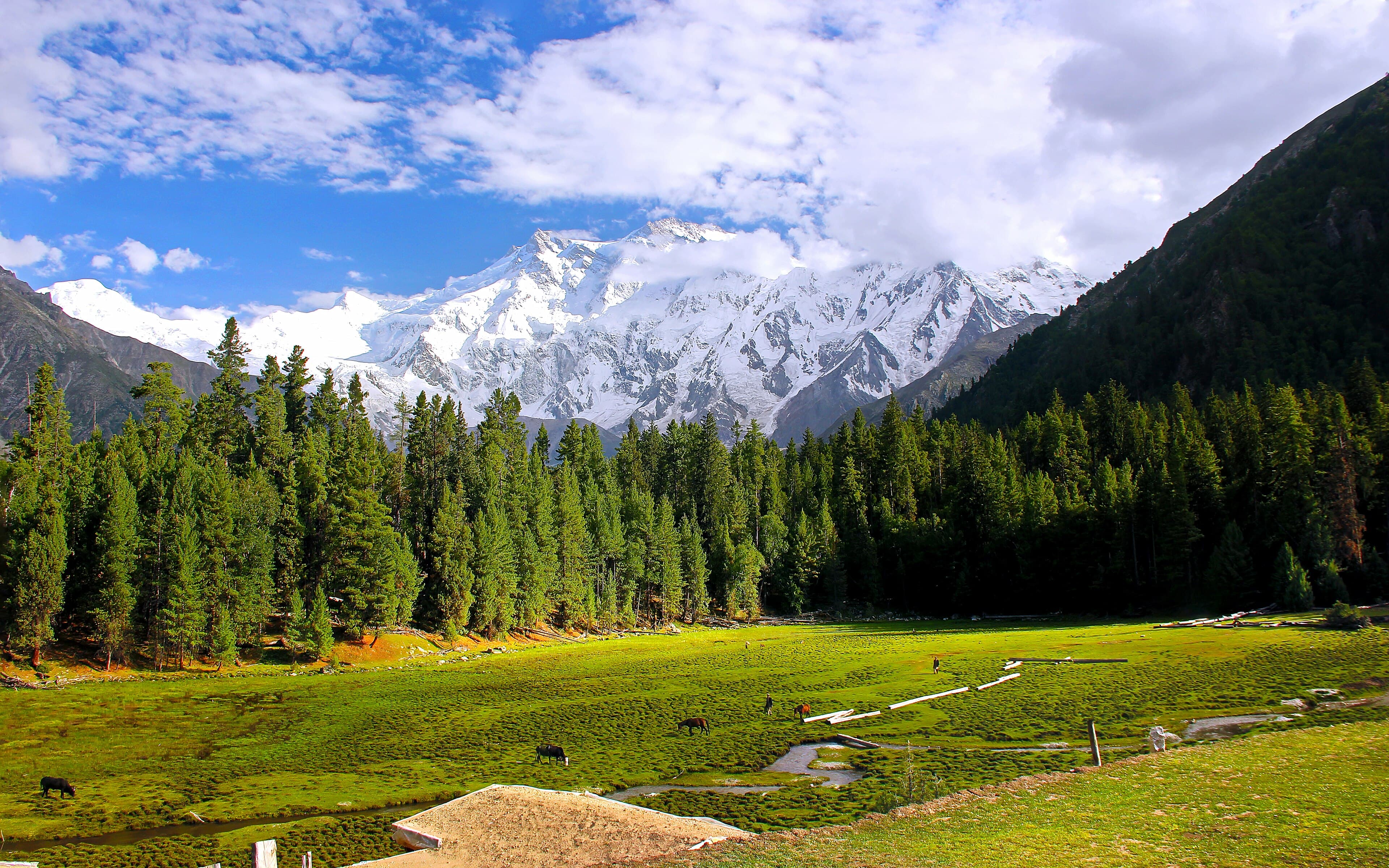
Fairy MeadowsThe grassland the German climbers called Märchenwiese
Photo: M.Awais · CC BY-SA 4.0Astore: Rama Lake and the Rupal face
Astore is the quiet side of Nanga Parbat. Rama Lake lies at about 3,500 m above a pine forest, and in the Rupal Valley the village fields of Tarashing sit under the mountain's south face, a wall about 4,600 m high. In summer a jeep road links Astore with Skardu across Deosai. Our page on the best places to visit in Astore has the details.
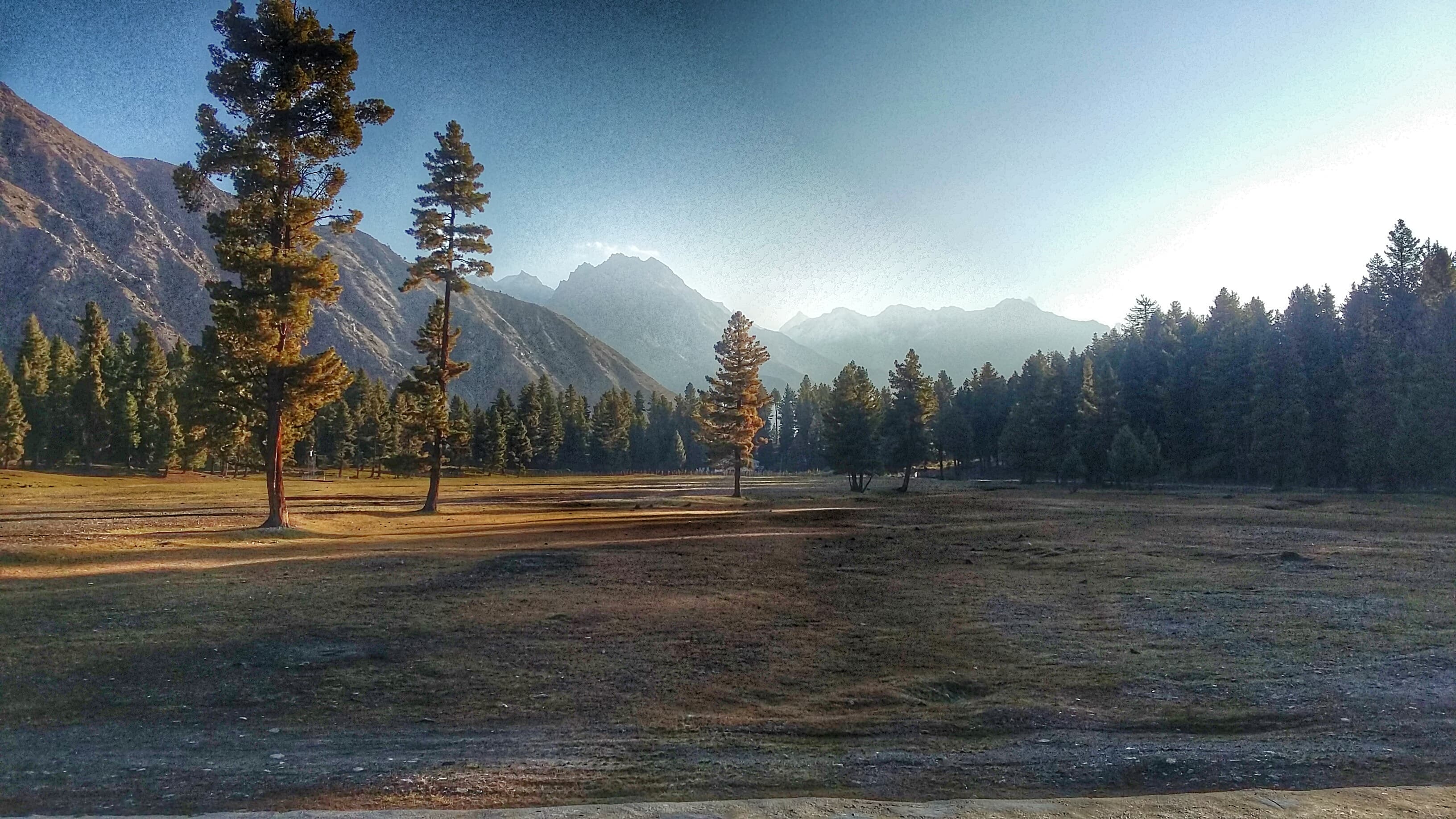
Astore VillageThe crossroads town of the Nanga Parbat valleys
Photo: Saneea Riaz · CC BY-SA 4.0Ghizer: Phander Lake and the Shandur Pass
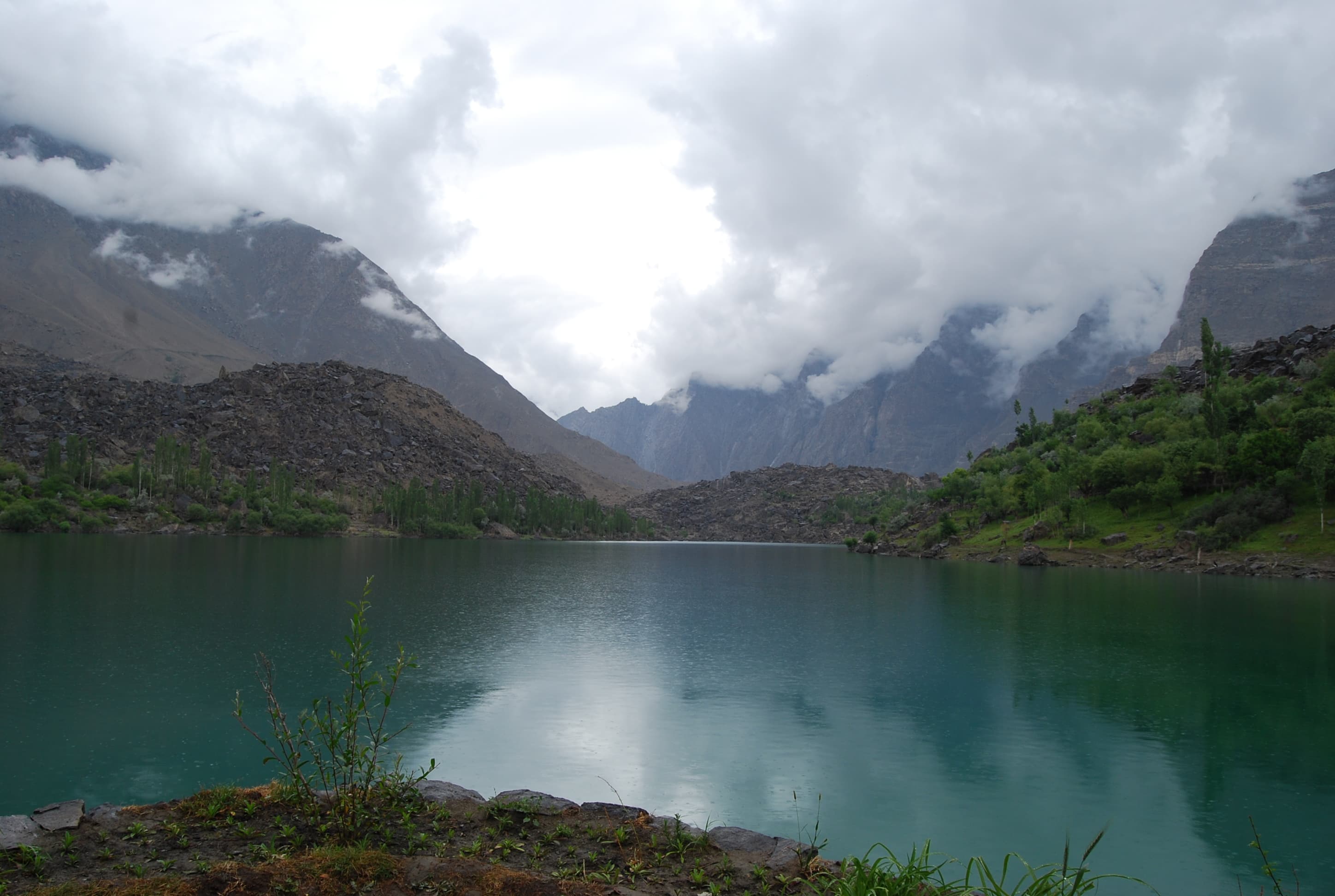
West of Gilgit the road to Chitral follows the Ghizer River past Khalti Lake to Phander Lake, deep blue in a plain of poplars and willows. It ends at the Shandur Pass, a grassy plateau at about 3,700 m with the highest polo ground in the world, where the Shandur Polo Festival is held every July. See the best places to visit in Ghizer.
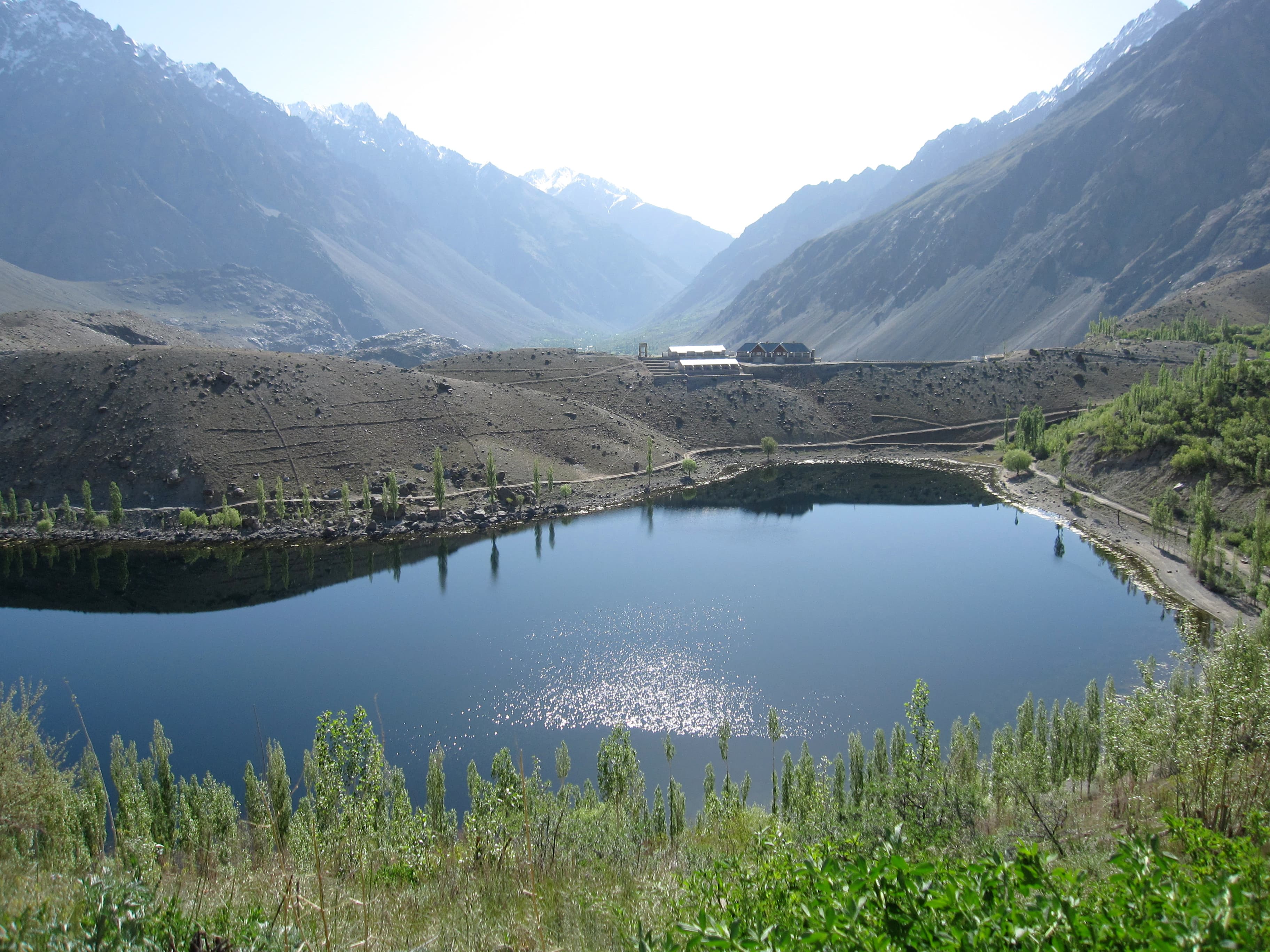
Phander LakeA deep-blue lake in the greenest valley of the north
Photo: Xplosive99 · CC BY-SA 3.0How many days you need
Three full days cover the main sights of Hunza. Skardu needs four or five if you want Shigar, Khaplu and a day on Deosai. Fairy Meadows needs at least two nights, because of the jeep track and the walk in.
To see Hunza, Skardu, Deosai and Fairy Meadows in one journey, allow about two weeks. Our Grand Gilgit-Baltistan Circuit does it in 14 days. With one week, choose one region: the Hunza Explorer is 7 days and Skardu & Baltistan Discovery is 8.
When to go
May to October is the main season, when the high roads are open. April brings blossom to Hunza and to the valleys around Skardu, and late October brings autumn colour. Deosai, the Shandur Pass and the trekking routes are open only in summer. If you come to walk, the best treks in Pakistan lists the routes from one day to two weeks. Our guide to the best time to visit goes month by month.