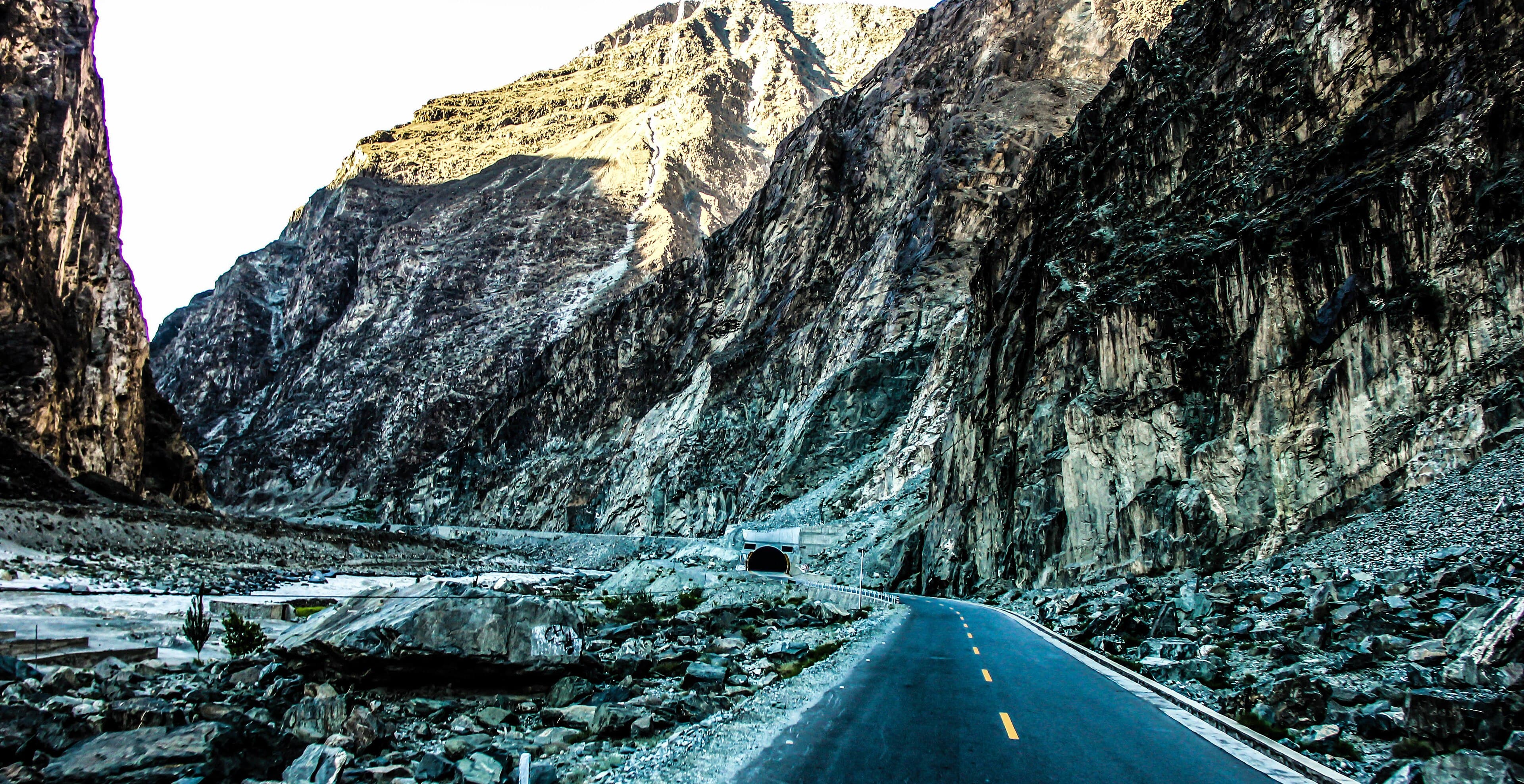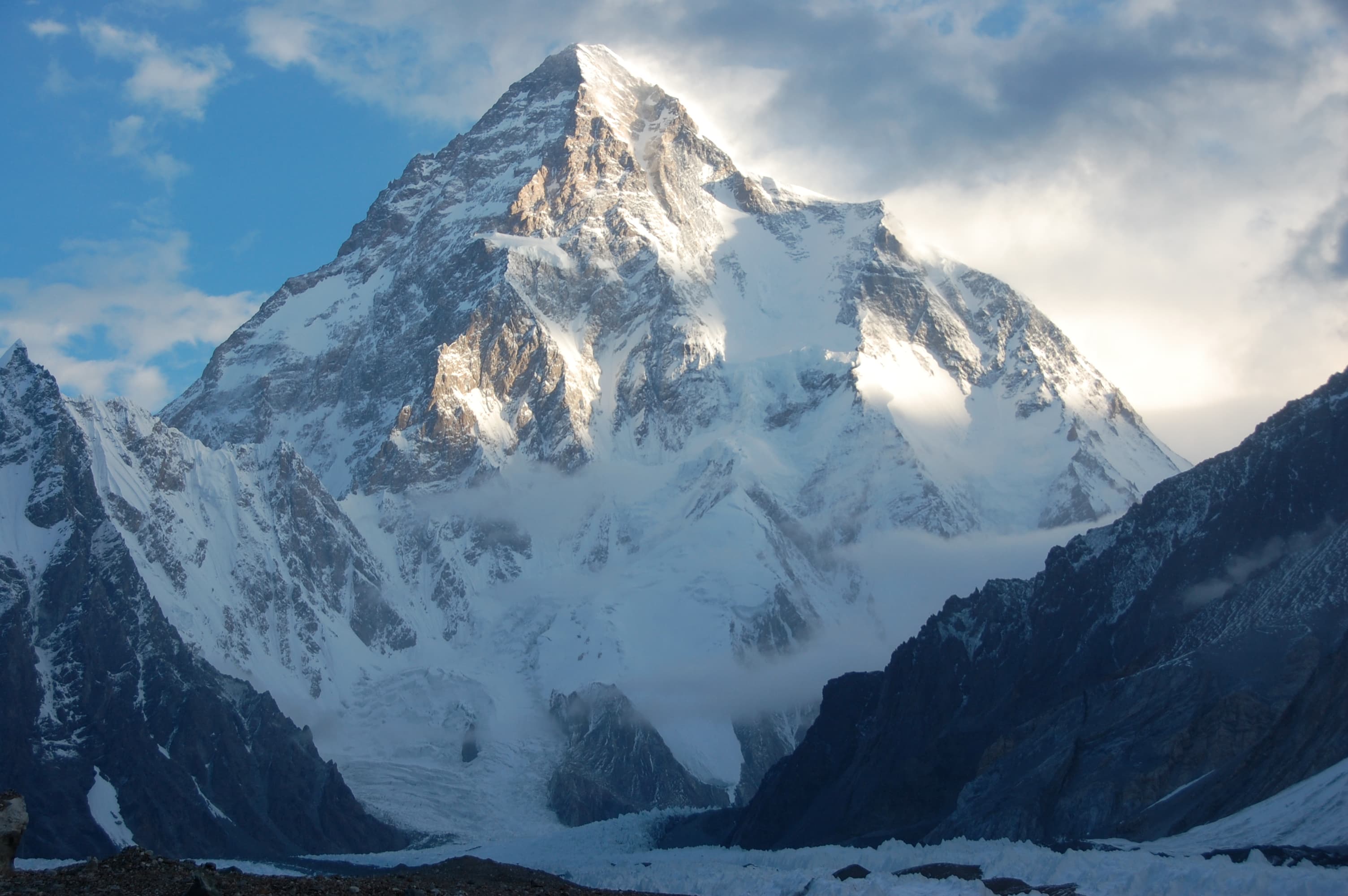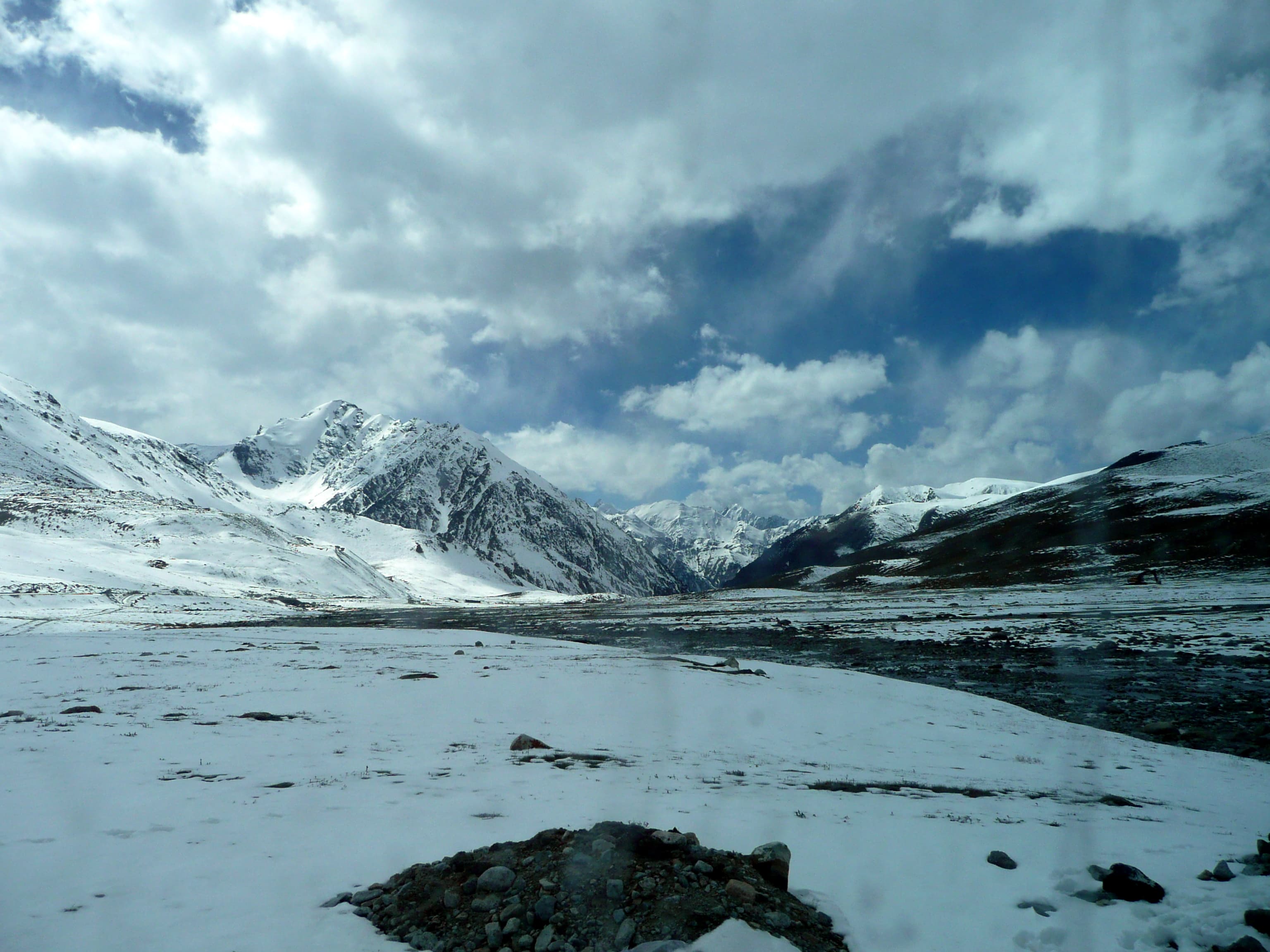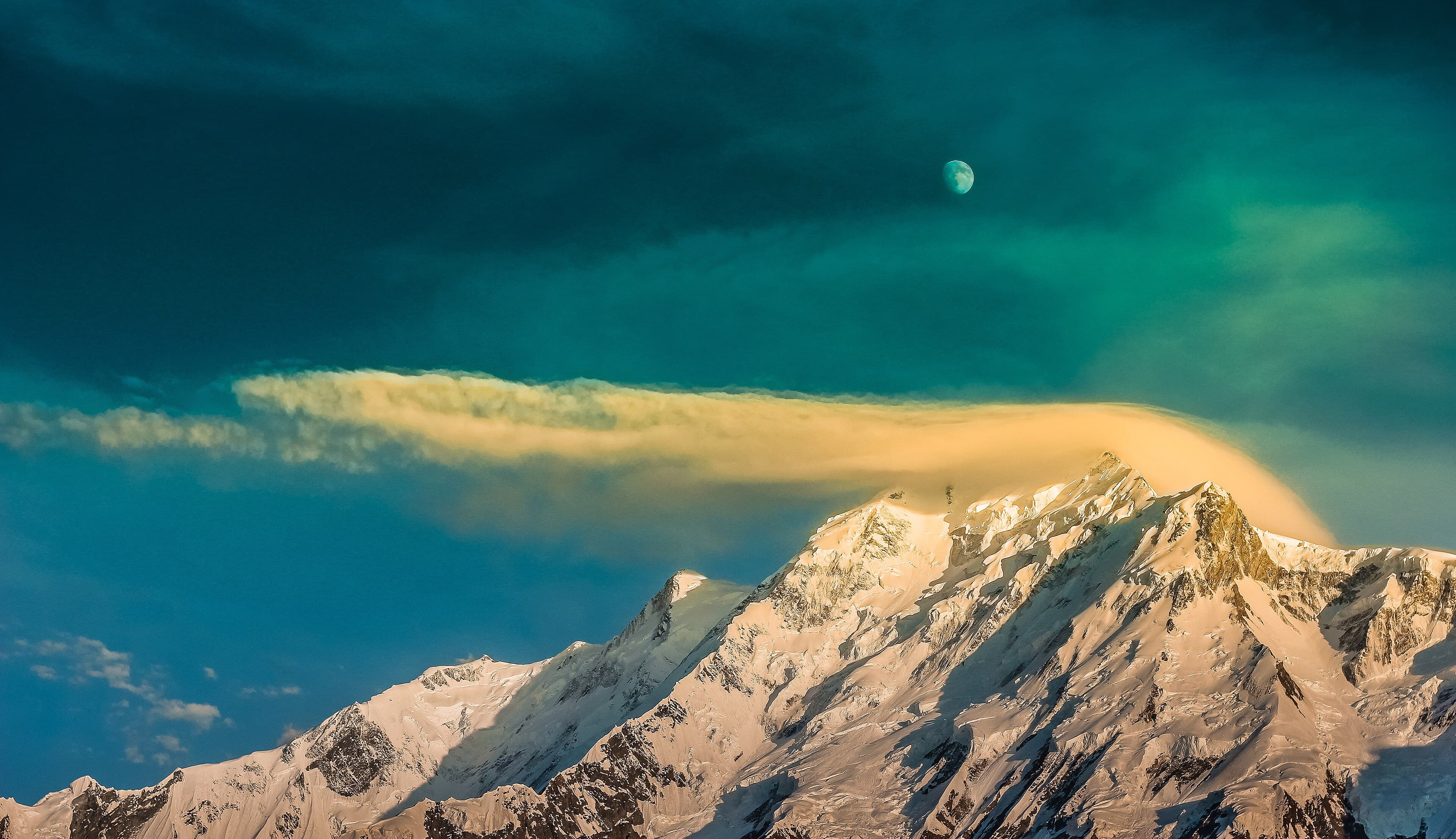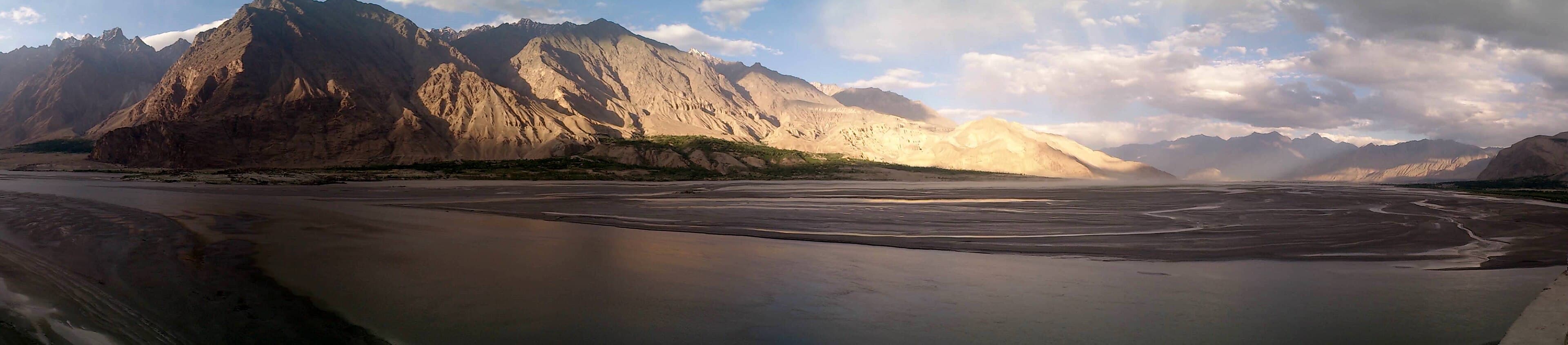
Skardu sits at roughly 2,230 m in a vast bowl where the Indus River braids across a sandy valley floor ten kilometres wide. Bare rock walls rise on every side, and beyond them — out of sight but never out of mind — stand four of the world's fourteen 8,000-metre peaks, including K2. Every expedition to the central Karakoram begins and ends in this town.
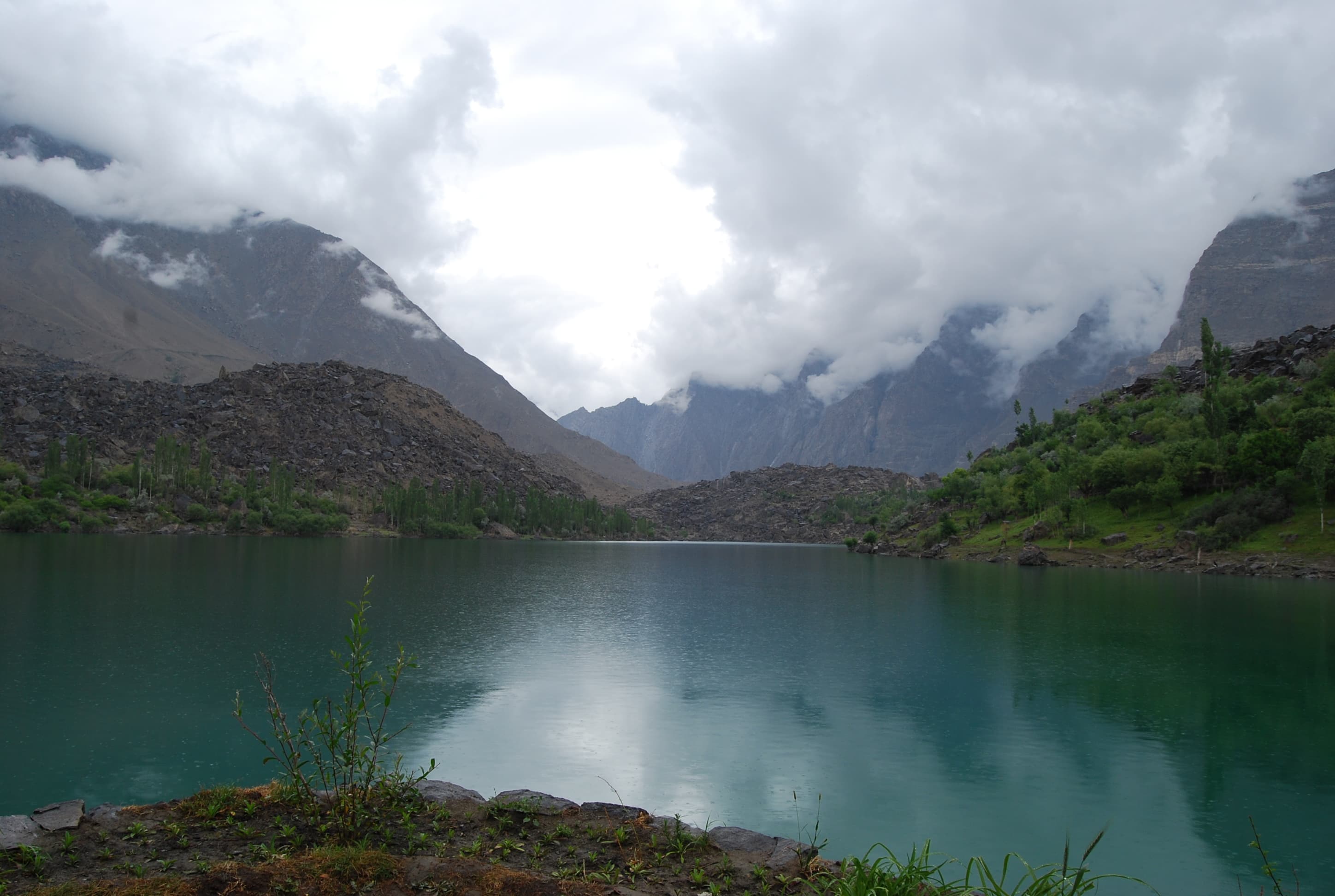
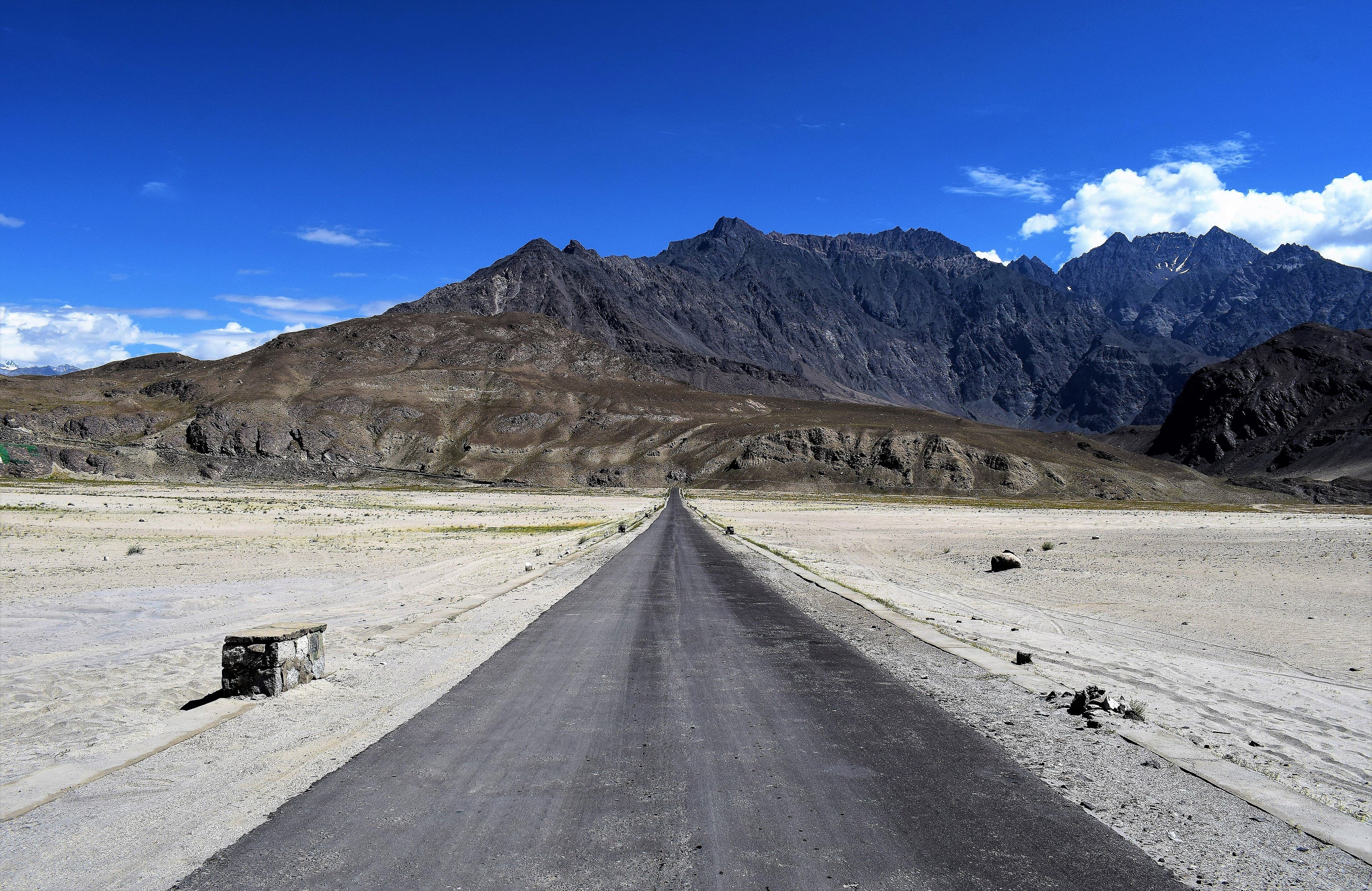
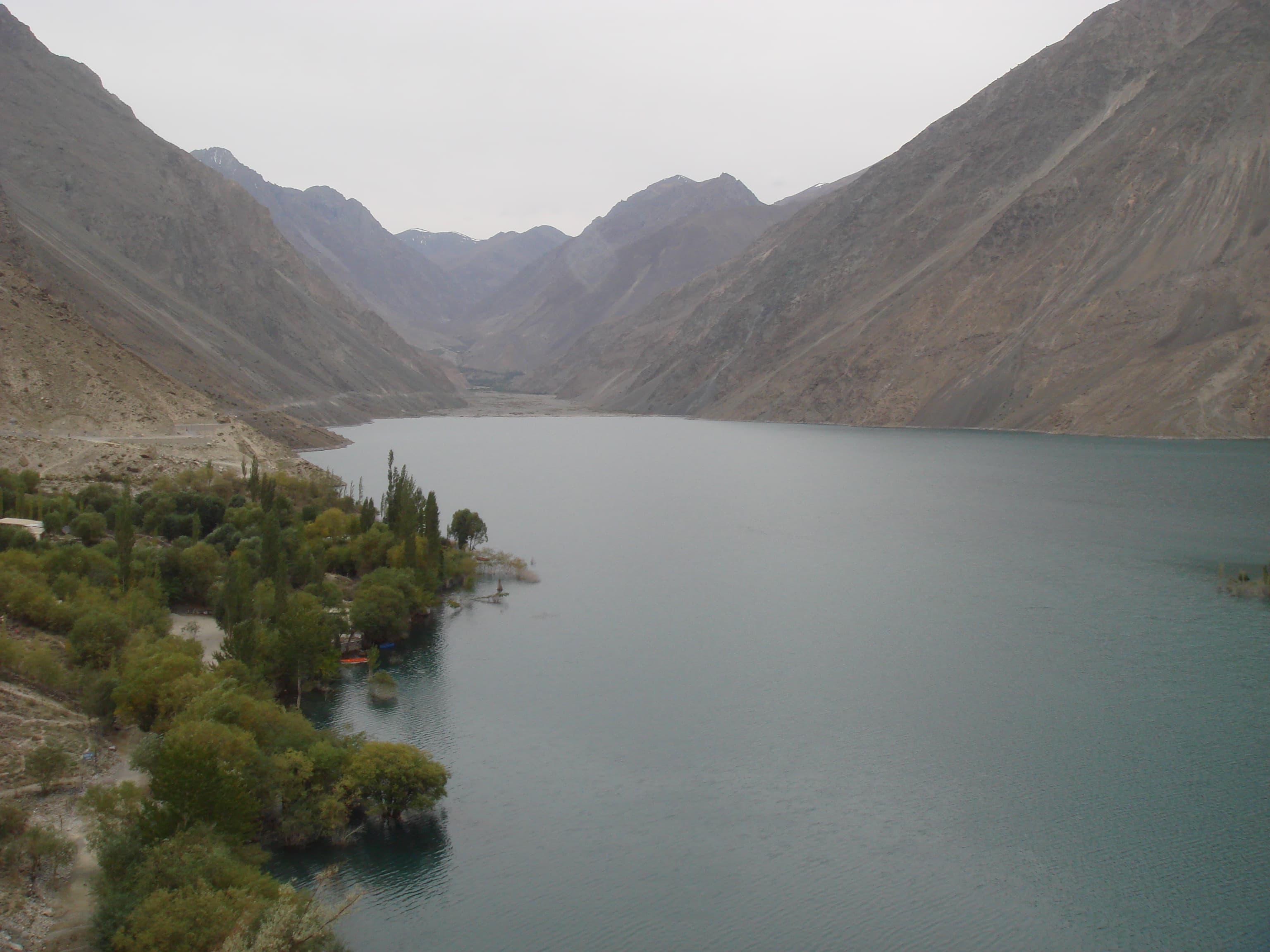
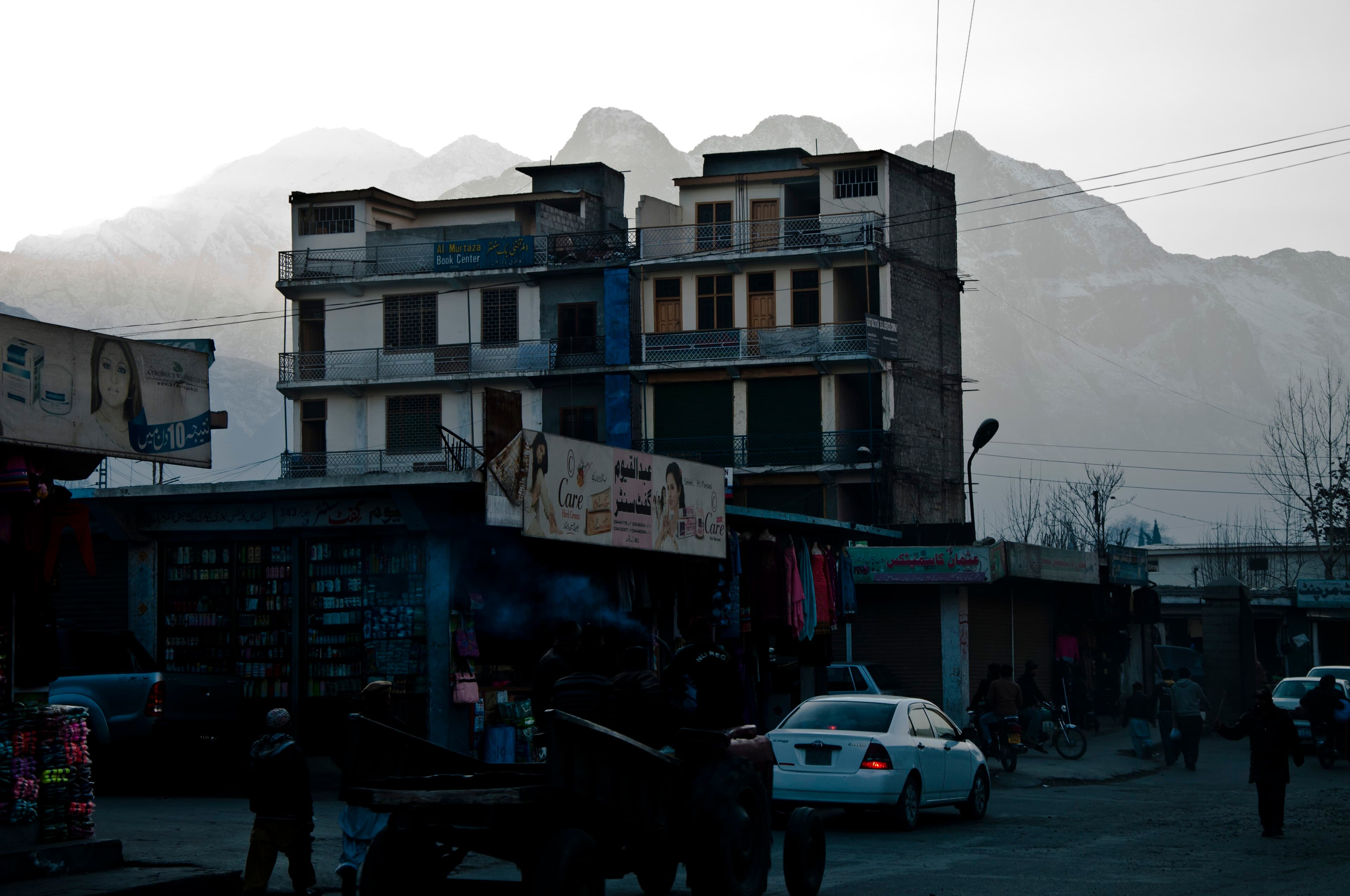
But Skardu is far more than a staging post. Kharpocho Fort watches the river junction from a crag above the bazaar; the Katpana and Sarfaranga cold deserts roll their dunes within minutes of town; and the Kachura lakes — deep-blue Upper Kachura and the famous Shangrila Resort on Lower Kachura — are a short drive west. The bazaar itself is a working mountain-town market where climbers buy last-minute gear beside Balti farmers selling dried apricots.
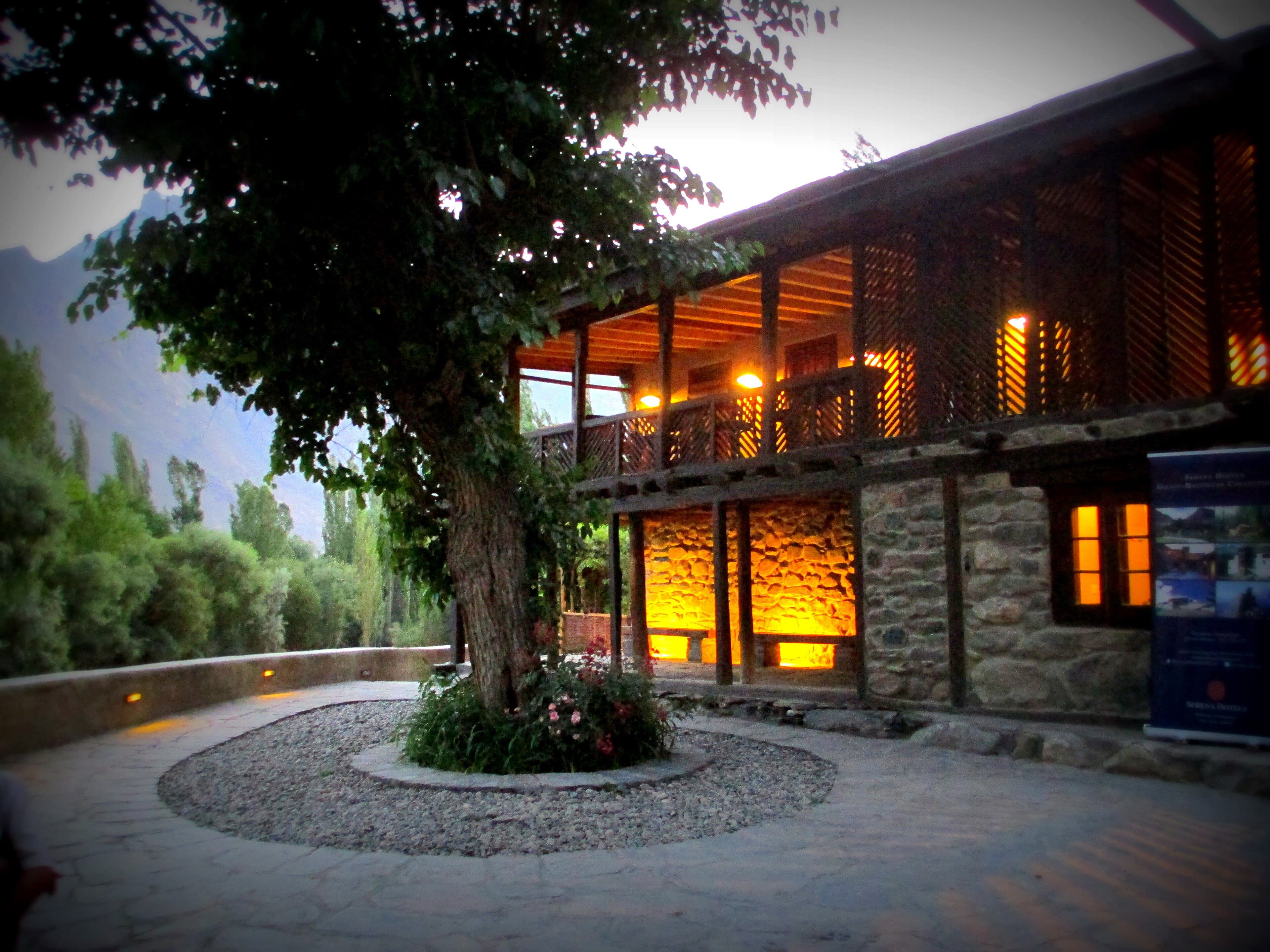
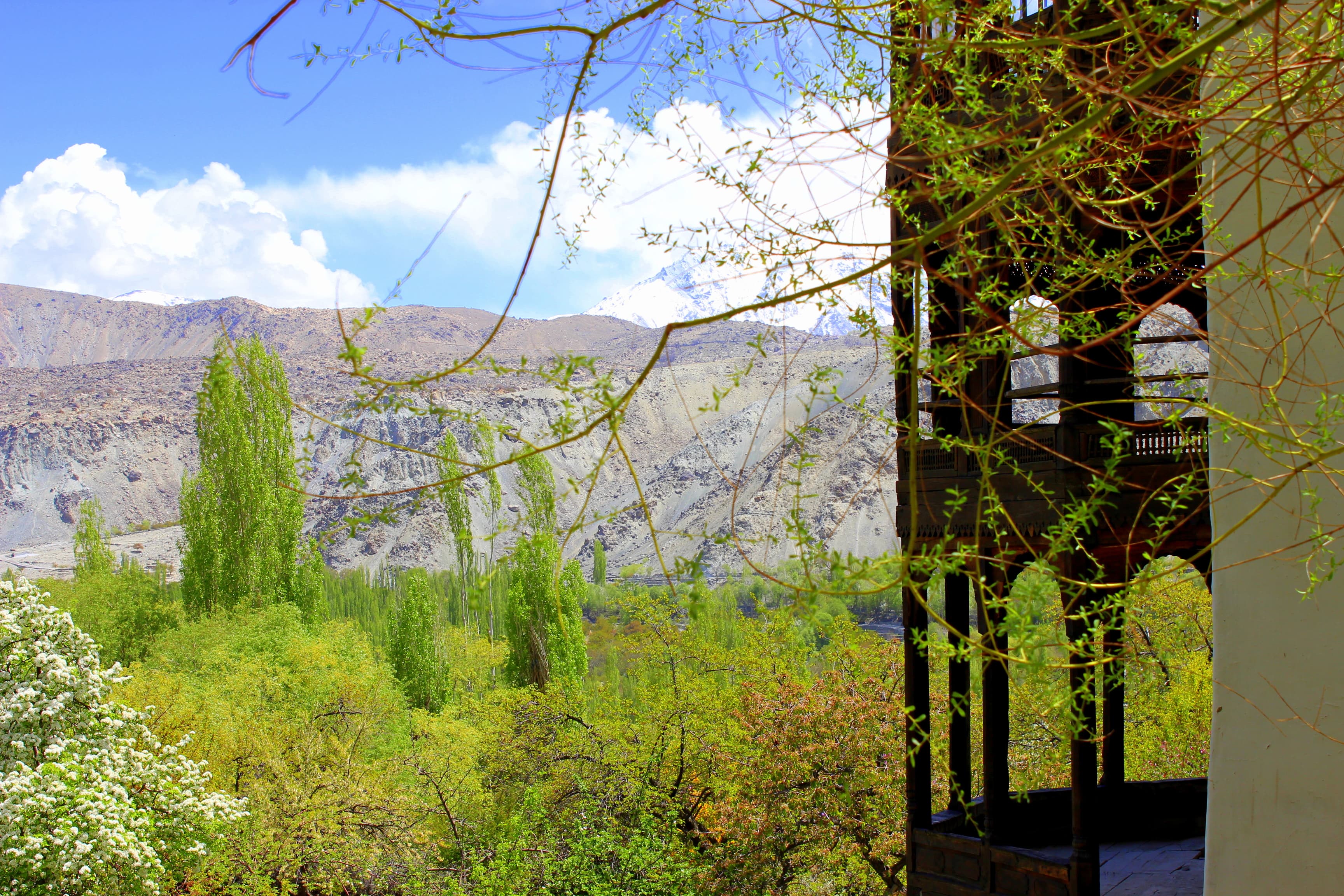
Skardu also makes the ideal hub for Baltistan's gentler valleys. Shigar Valley and its 400-year-old fort-hotel lie 45 minutes north on the road to Askole; Khaplu Valley and its 1840 palace are two to three hours east up the Shyok River; Basho's pine meadows and Chunda's blossom terraces are easy half-day jeep trips; and the jeep road to Deosai National Park climbs straight out of the southern edge of town.
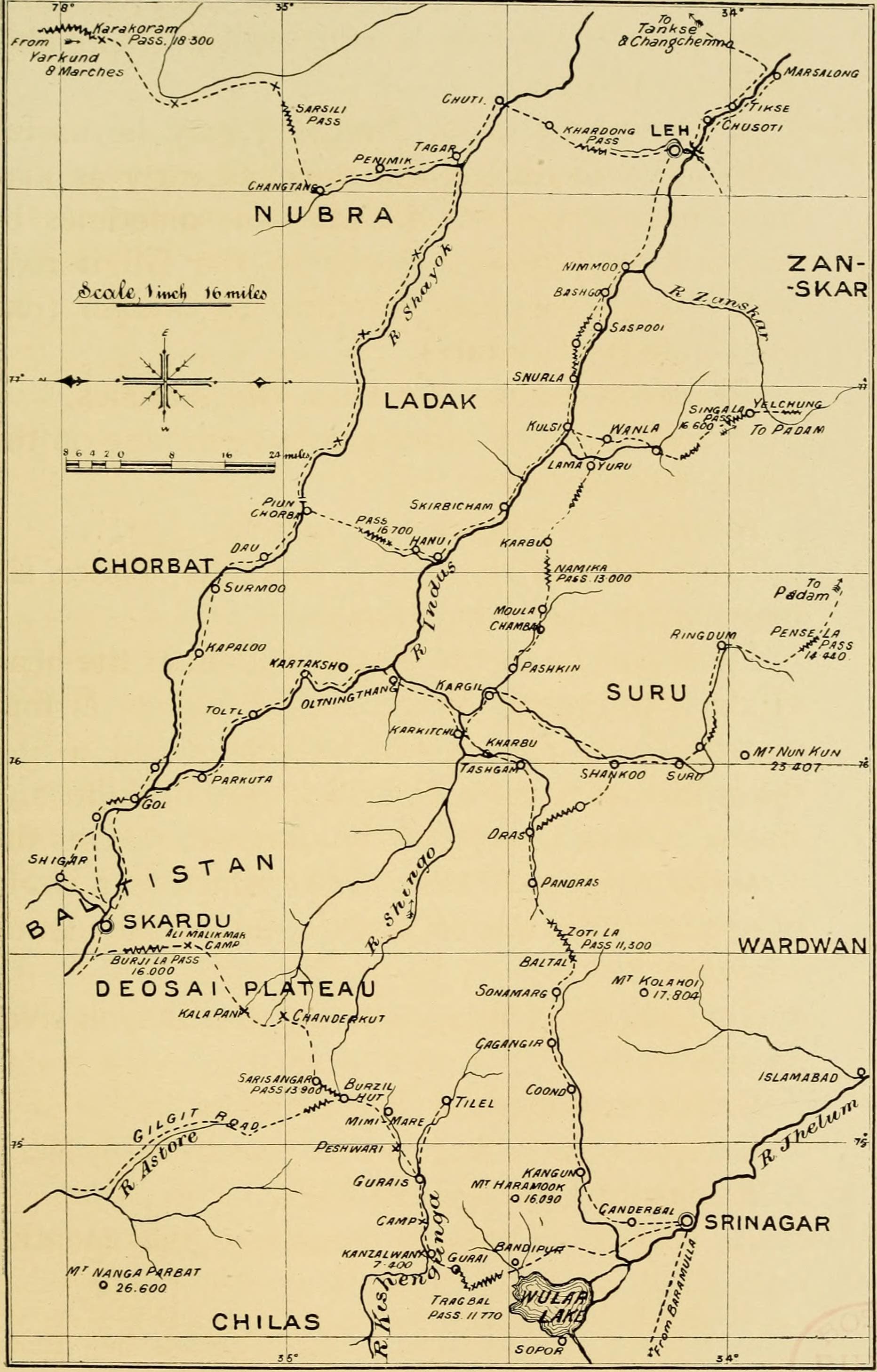
Culturally this is 'Little Tibet': the Balti language is an archaic relative of Tibetan, and the valley's mosques, khanqahs and carved wooden architecture record centuries of trade and faith moving between Kashmir, Ladakh and Central Asia. Give the town itself a day — fort, bazaar, Indus viewpoints at sunset — before fanning out to the valleys.
Hotels in Skardu now span the full range, from trekkers' guesthouses to boutique properties and resort hotels around the lakes, but the town still fills up in July and August when expedition season and domestic holidays overlap. Book ahead for midsummer.