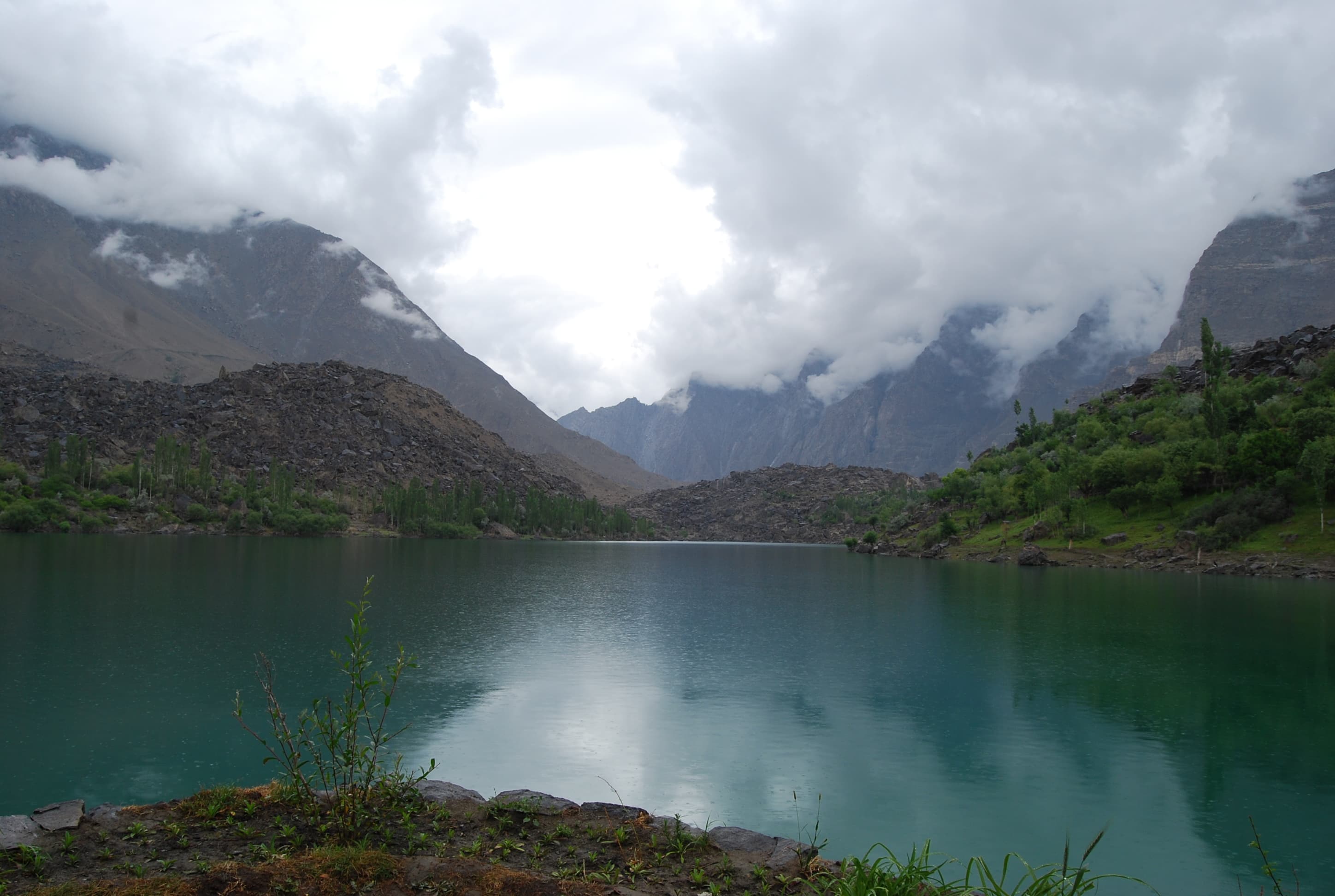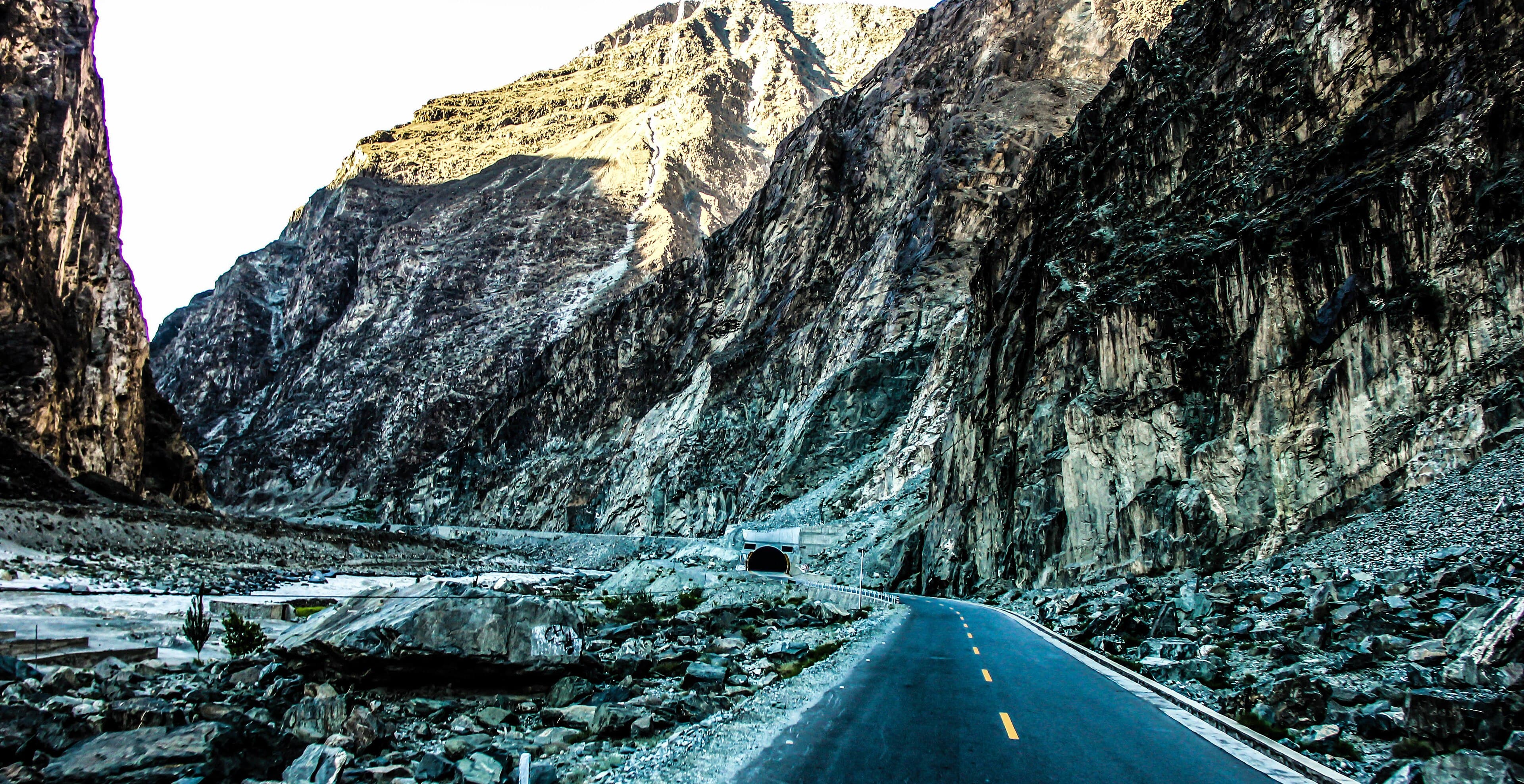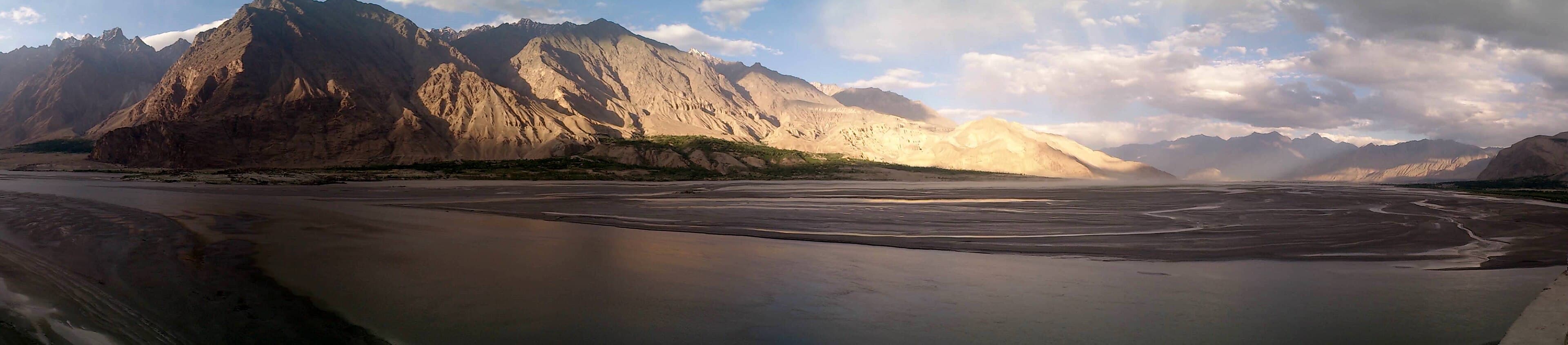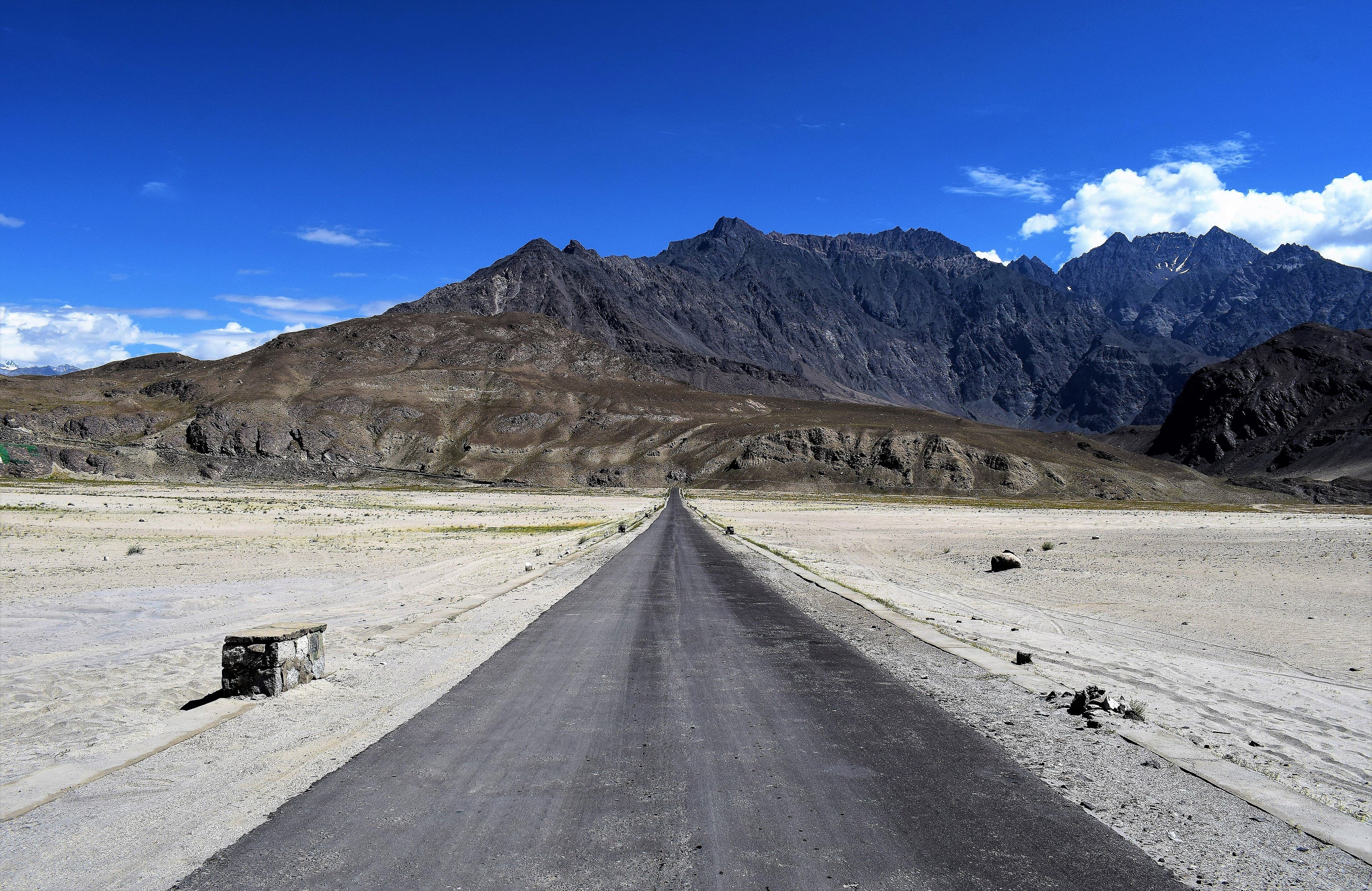
Shigar is the green seam in Baltistan's bare-rock landscape: a fertile side valley of orchards, poplar lanes and stone-and-timber villages, 45 minutes' drive north of Skardu over a desert plateau. For centuries it was a small kingdom in its own right, and its rajas left behind one of Pakistan's finest buildings.
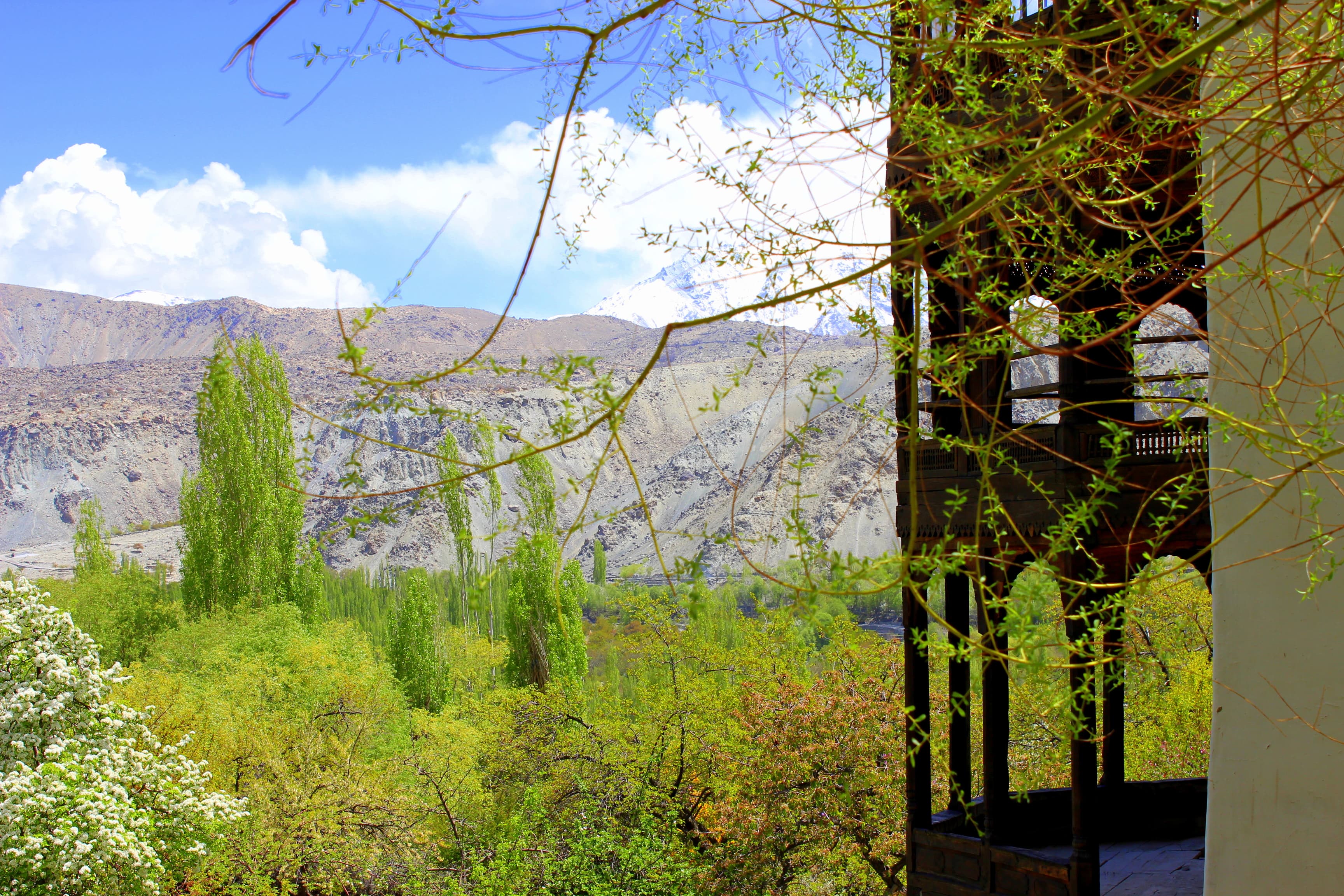
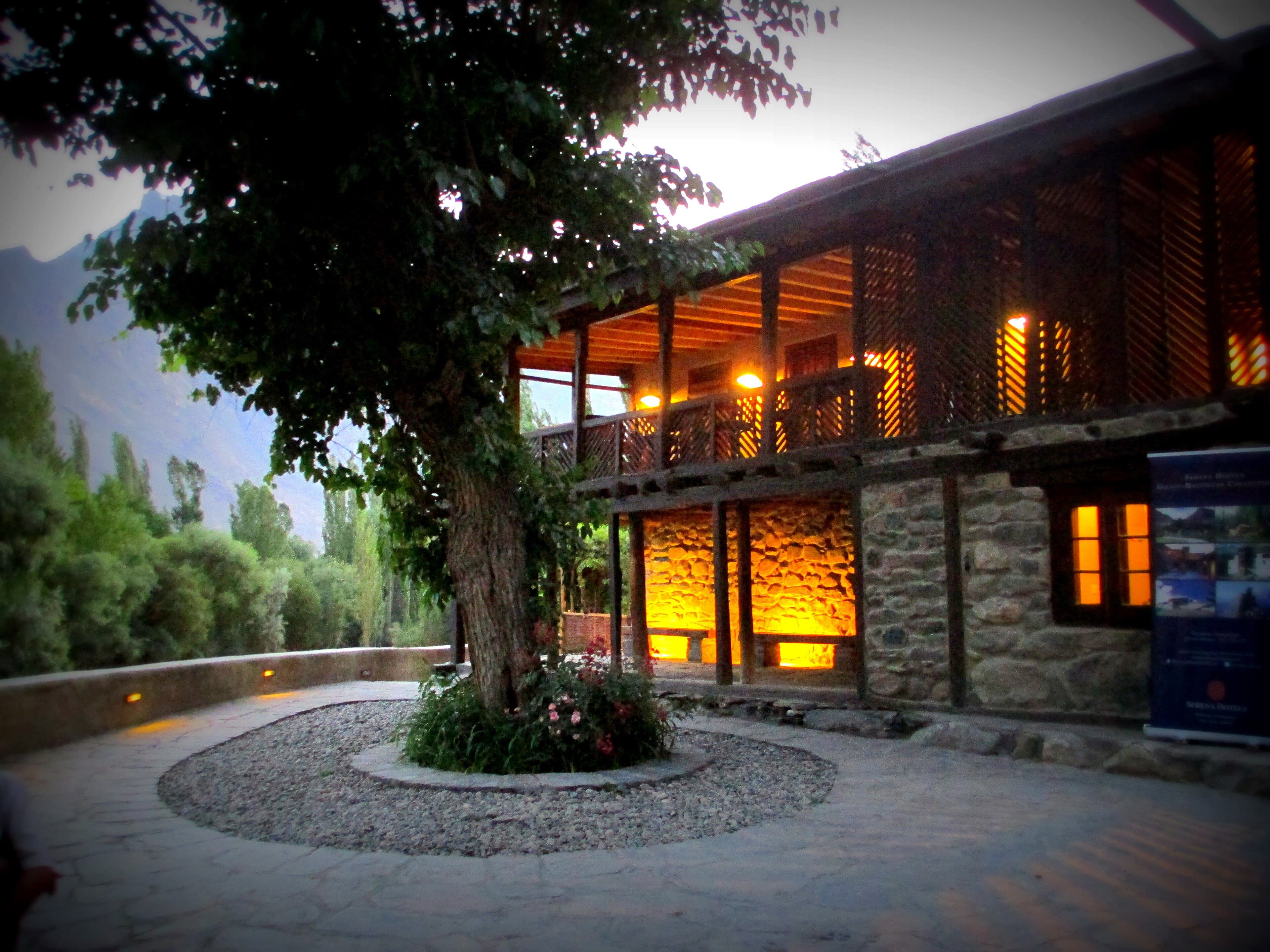
That building is Shigar Fort, known in Balti as Fong Khar — 'the palace on the rock' — built around 400 years ago against a boulder at the mouth of a mountain stream. After falling into ruin it was painstakingly restored by the Aga Khan Trust for Culture and reopened as a Serena heritage hotel, where guests sleep in the raja's carved wooden rooms among museum-quality Balti woodwork. Even if you don't stay the night, the fort museum and gardens are open to visitors.
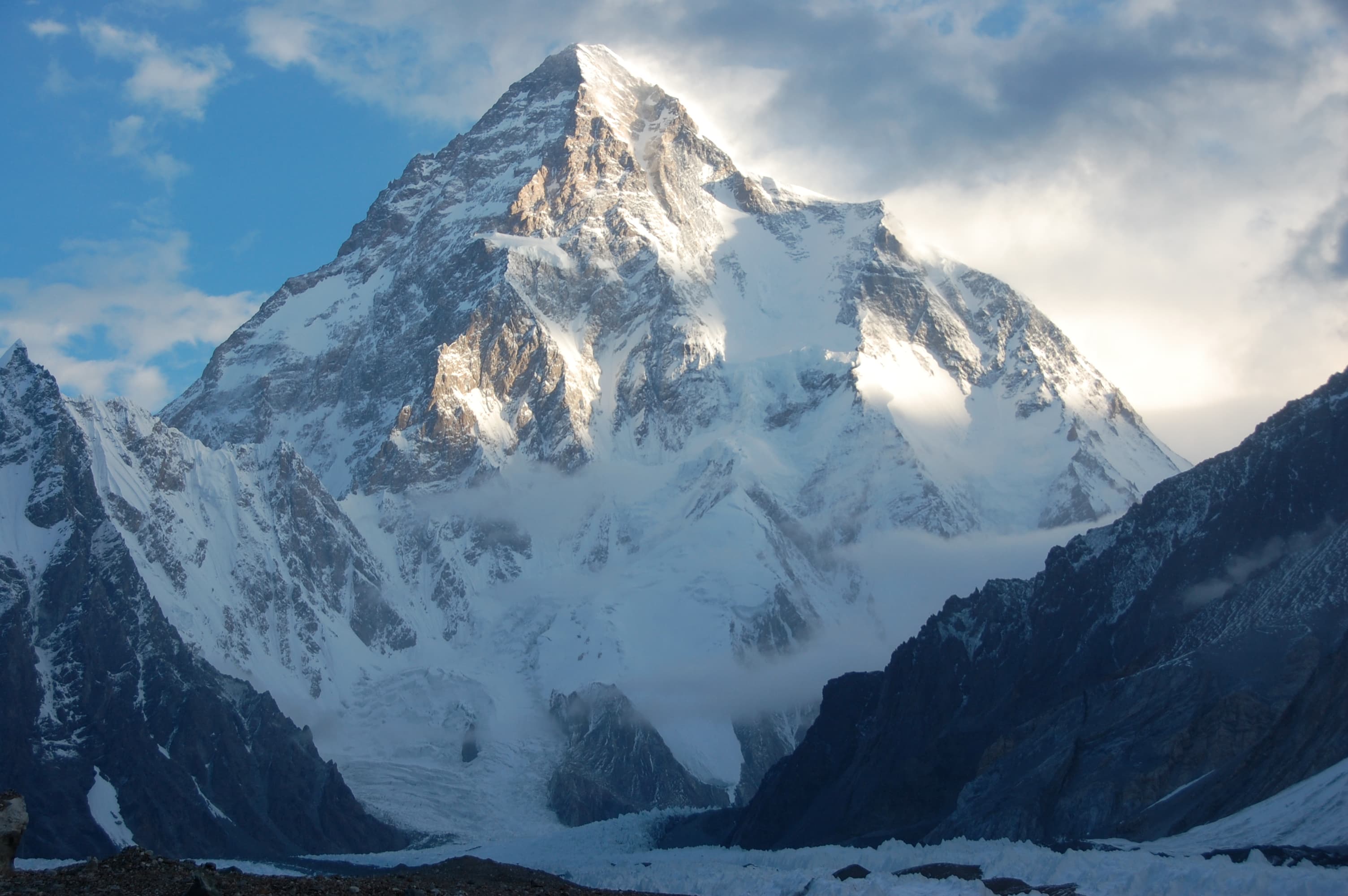
The valley is also the gateway to the greatest mountains on earth. The jeep road up the Shigar and Braldu rivers ends at Askole, the last village before the Baltoro Glacier, which means every K2 and Concordia expedition rolls through Shigar's bazaar. Watching loaded expedition jeeps pass beneath apricot blossom is a very Baltistan kind of scene.
Around the fort, wander the old village's mosques and khanqahs — including the wooden Amburiq Mosque, one of Baltistan's oldest — and walk the irrigation channels through the orchards. The Sarfaranga cold desert with its silver dunes lies on the Skardu side of the river crossing, so the two combine naturally into one half-day or full-day trip.