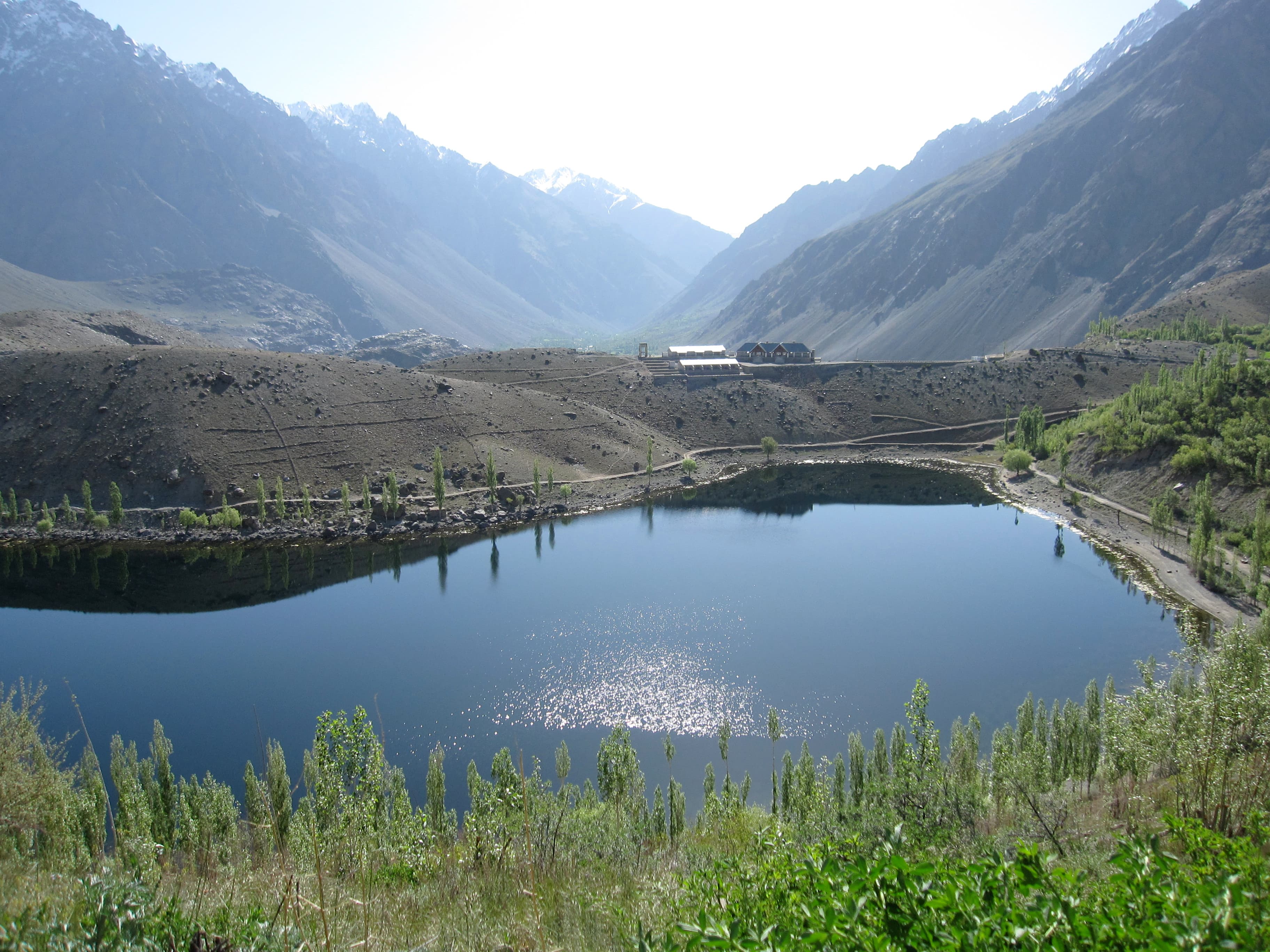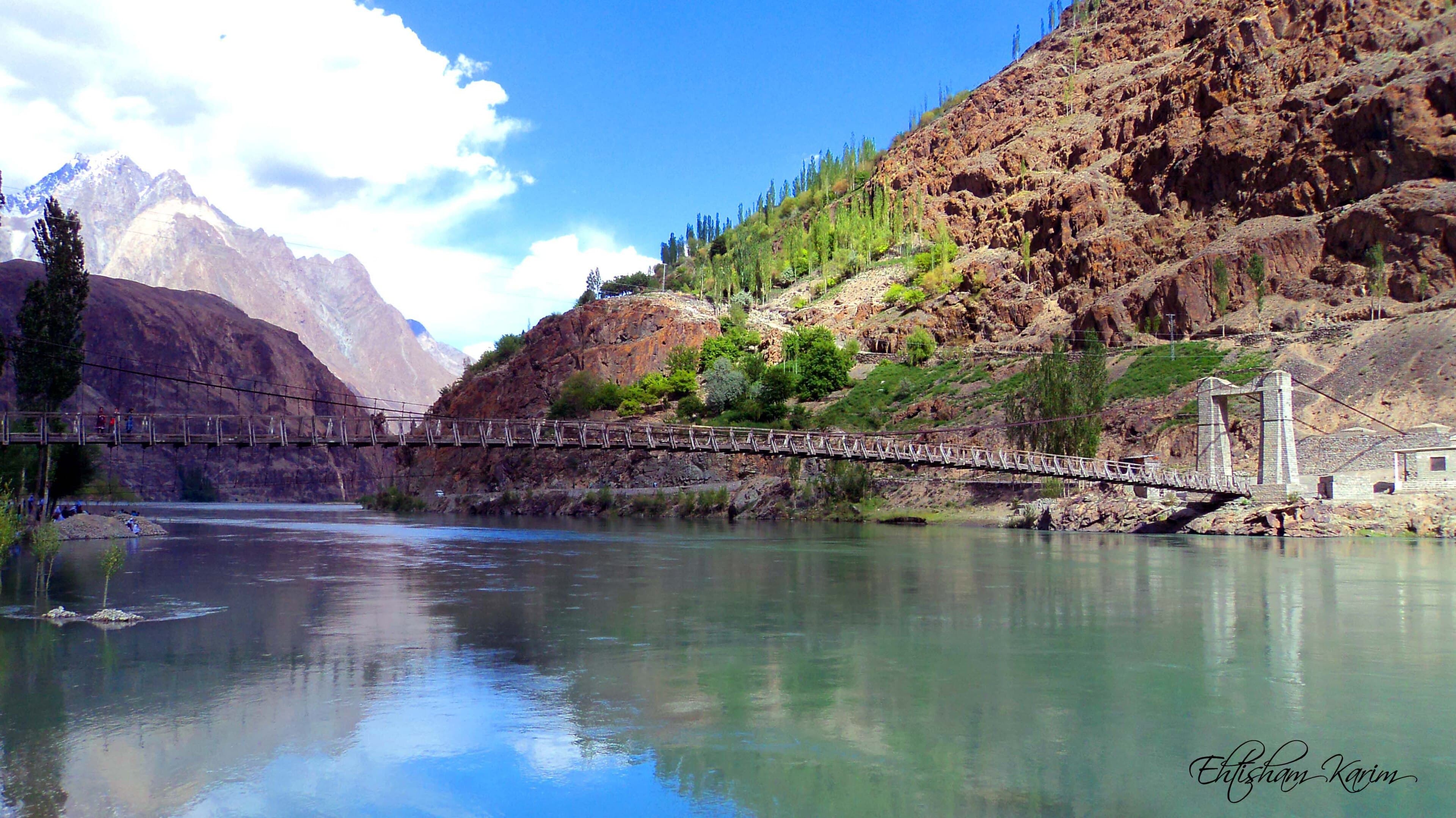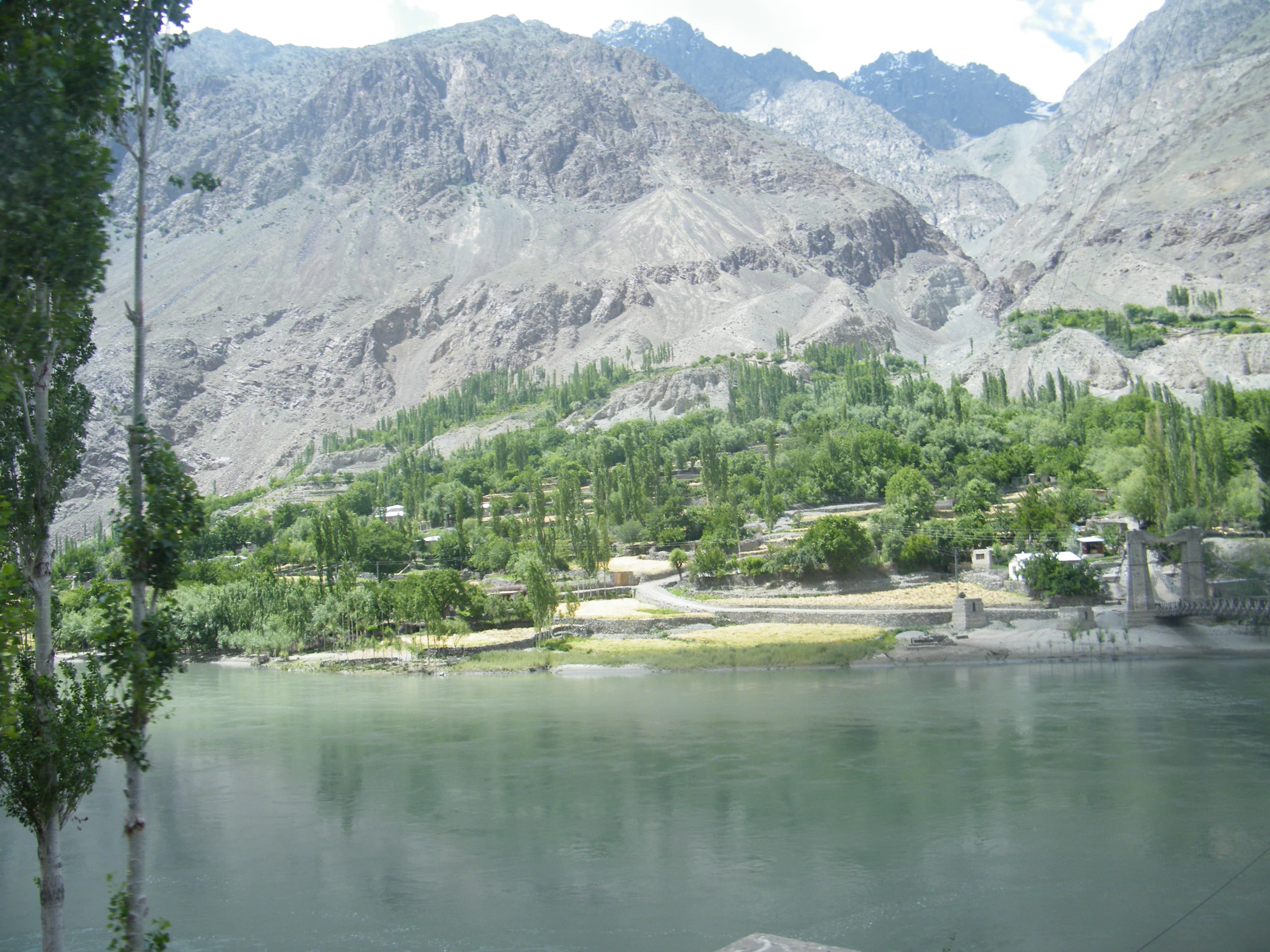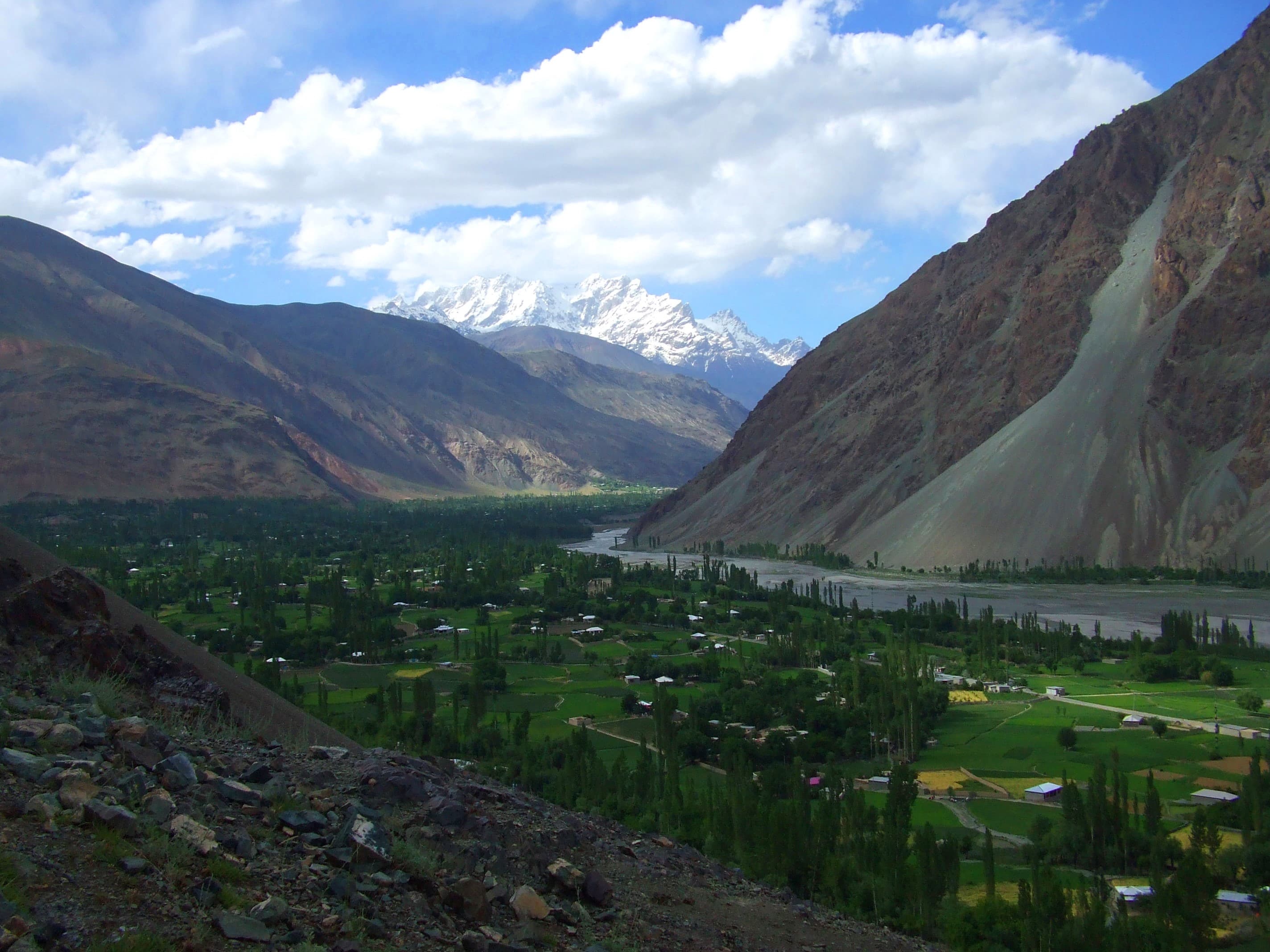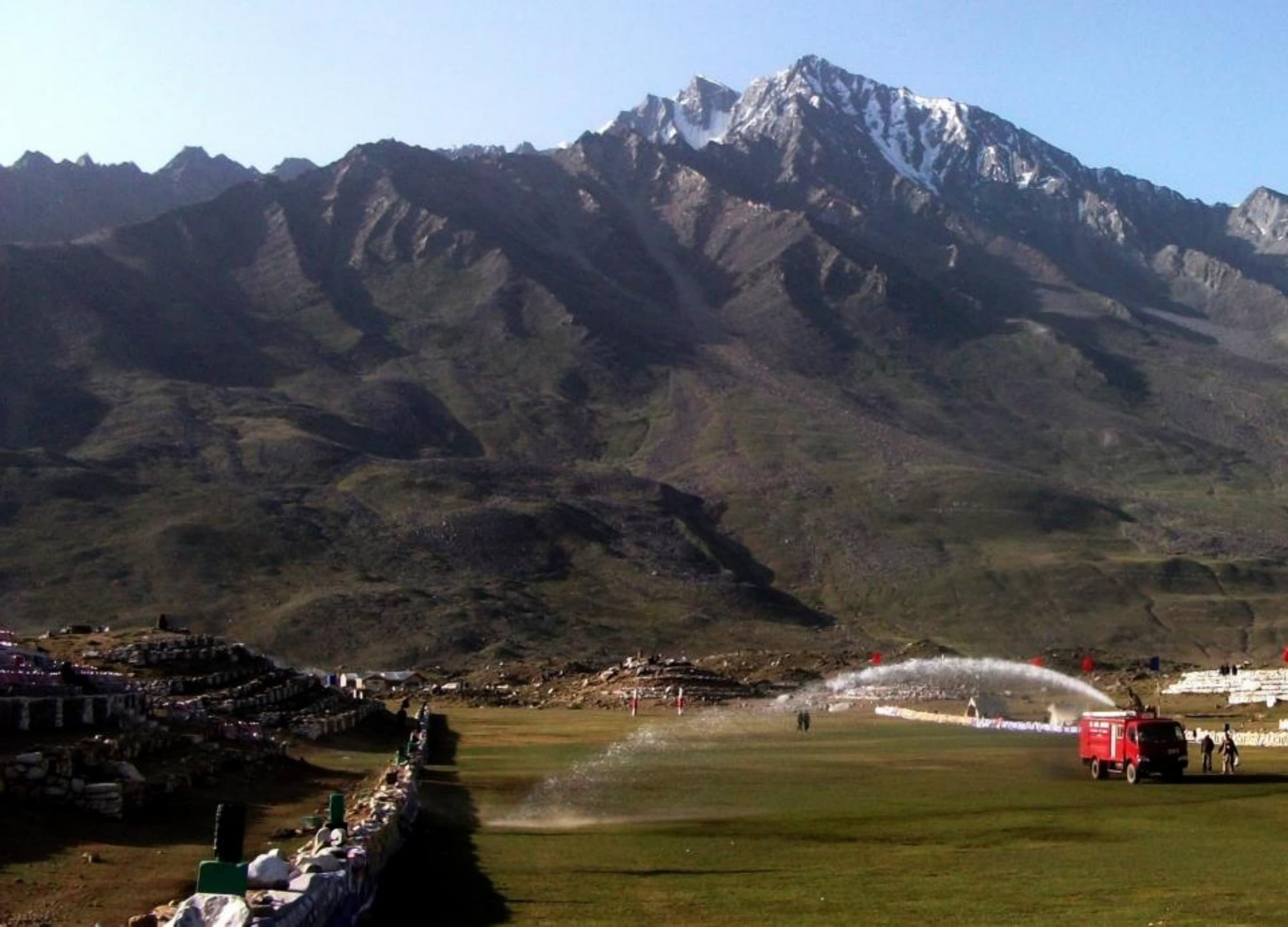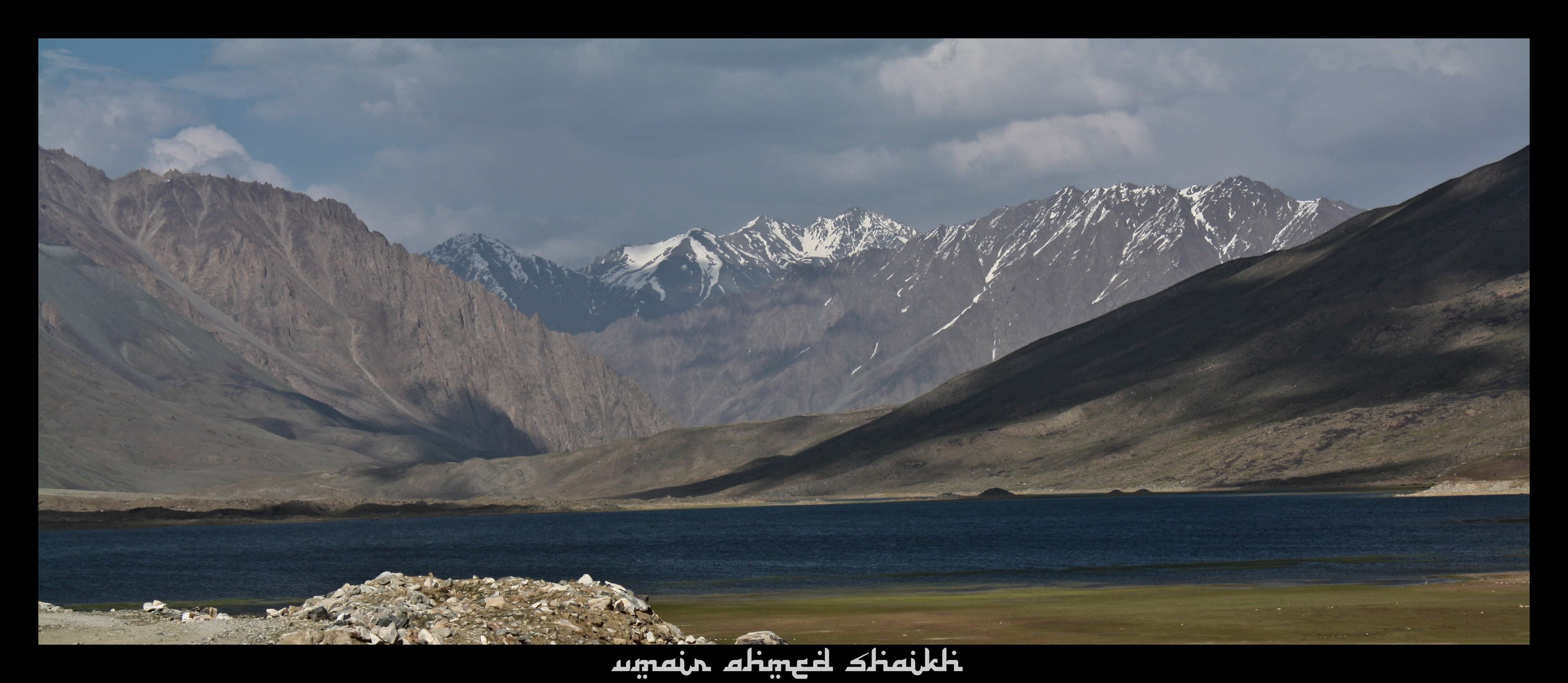
Shandur is not a knife-edge mountain crossing but a vast grassy plateau at roughly 3,700 metres, scattered with shallow lakes and grazing yaks, marking the divide between Gilgit-Baltistan and Chitral in Khyber Pakhtunkhwa. Driving up from Phander, the road suddenly levels out onto open tundra — a startling, top-of-the-world flatness after hours of river gorges.
What makes Shandur world-famous is polo. The pass holds the highest polo ground on earth, and every July it stages the Shandur Polo Festival, when teams from Gilgit-Baltistan and Chitral meet for a fiercely contested tournament played in the traditional freestyle mountain version of the game — few rules, no referee's whistle to soften it, and crowds roaring from the stone-banked ground.
Festival time transforms the plateau: a tent city rises on the grass, with folk music, dancing and markets alongside the matches, and thousands of spectators making the journey from both sides of the pass. It is one of South Asia's great sporting spectacles, and camping at altitude under a sky thick with stars is half the experience.
Outside the festival, Shandur rewards travelers with solitude — trout streams, lake reflections and enormous skies. The pass is also the through-route to the west: beyond it the road descends to Mastuj and Chitral town, putting the Kalash valleys within reach and linking two of Pakistan's most distinct mountain cultures in a single road trip.
Come prepared: the pass is open only in the warmer months, weather changes fast at this altitude, and there are no permanent facilities. Most travelers stage the crossing from Phander Lake on the Ghizer side, with Gupis and Khalti Lake as earlier waypoints.