How this itinerary works
This is the classic overland shape: two days up the Karakoram Highway, three full days based in central and upper Hunza, and two days back — with alternates flagged for each day and for different seasons. It's paced for first-time visitors: long drives are split sensibly, altitude rises gradually (you sleep at 2,500 m and only day-trip higher), and each day has a slack hour built in for the chai stops that will ambush you. If you are torn between blossom and high-pass season, our spring guide and summer guide explain what each one changes.
It works as a private tour with driver-guide (the way most international visitors do it), as a guided group departure, or — for the independent-minded — by public transport with extra time. Best months: April–June and September–October; July–August works well too with the Babusar Pass bonus, and we note the winter adjustments at the end.
Days 1–2: Islamabad to Hunza, the great approach
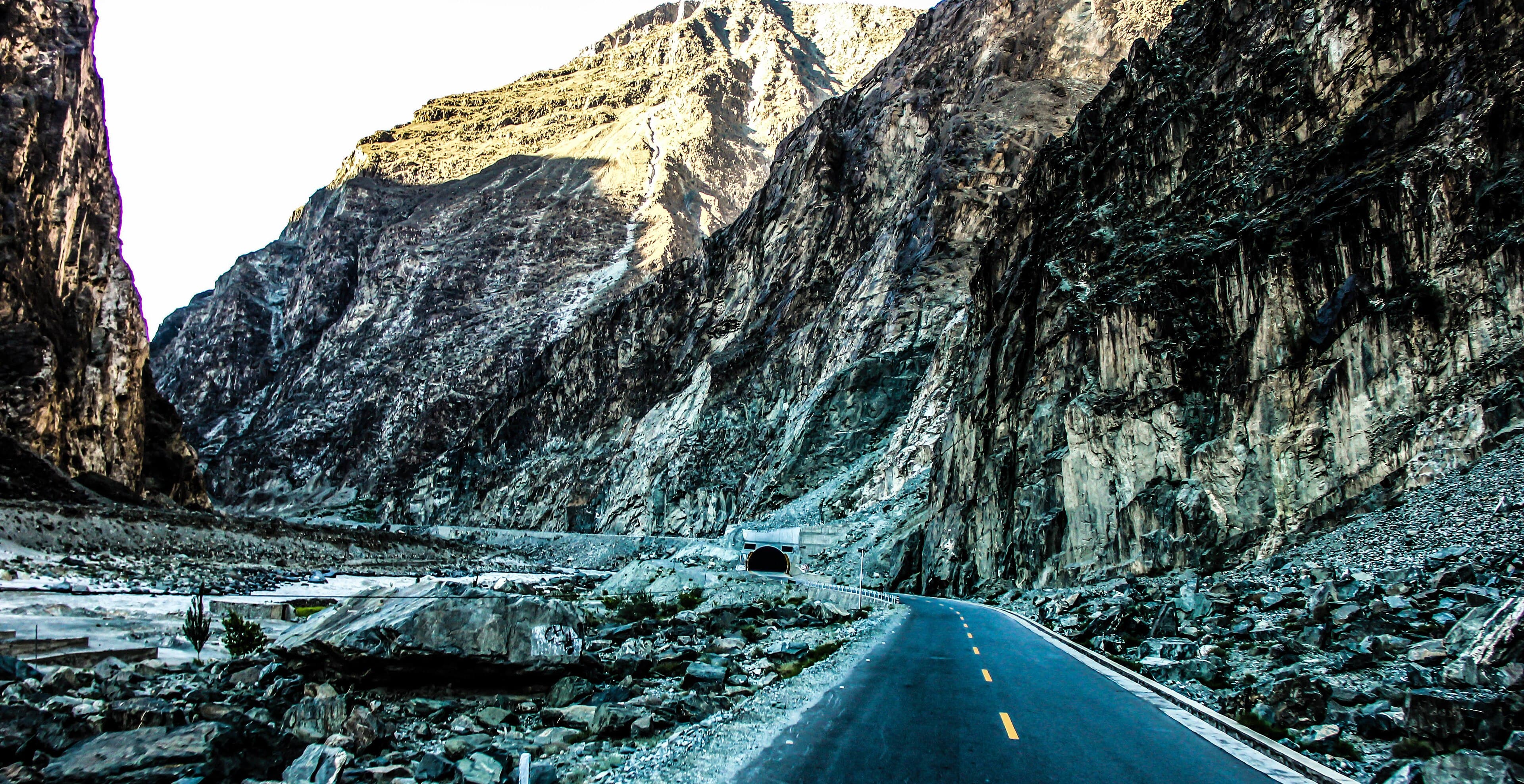
Day 1 — Islamabad to Chilas (or Naran in summer). Leave early on the motorway past Abbottabad onto the KKH, tracing the Indus gorge through Besham to Chilas (10–12 hours with stops). From roughly July to September, take the prettier Kaghan Valley alternative instead: lunch in Naran, a side trip to Lake Saif-ul-Malook, then over the 4,173 m Babusar Pass — one of Pakistan's great mountain drives — to Chilas. Overnight in a simple highway hotel; Chilas is a transit town, so manage expectations and save energy.
Day 2 — Chilas to Karimabad (5–6 hours, but allow all day). This is the day the Karakoram reveals itself: the Nanga Parbat viewpoint near Thalichi, the Three Mountain Ranges junction near Jaglot where Himalaya, Karakoram and Hindu Kush meet, and chai at Rakaposhi View Point in Ghulmet beneath the 7,788 m wall. Arrive Karimabad by late afternoon, check into your guesthouse, and walk to a terrace café for sunset on Ultar Sar and Ladyfinger Peak. Alternate: fly Islamabad–Gilgit (1 hour, weather permitting) and drive 2.5 hours to Karimabad, buying yourself a spare day — but have a road backup if the flight cancels.
Day 3: Karimabad, the forts and Eagle's Nest
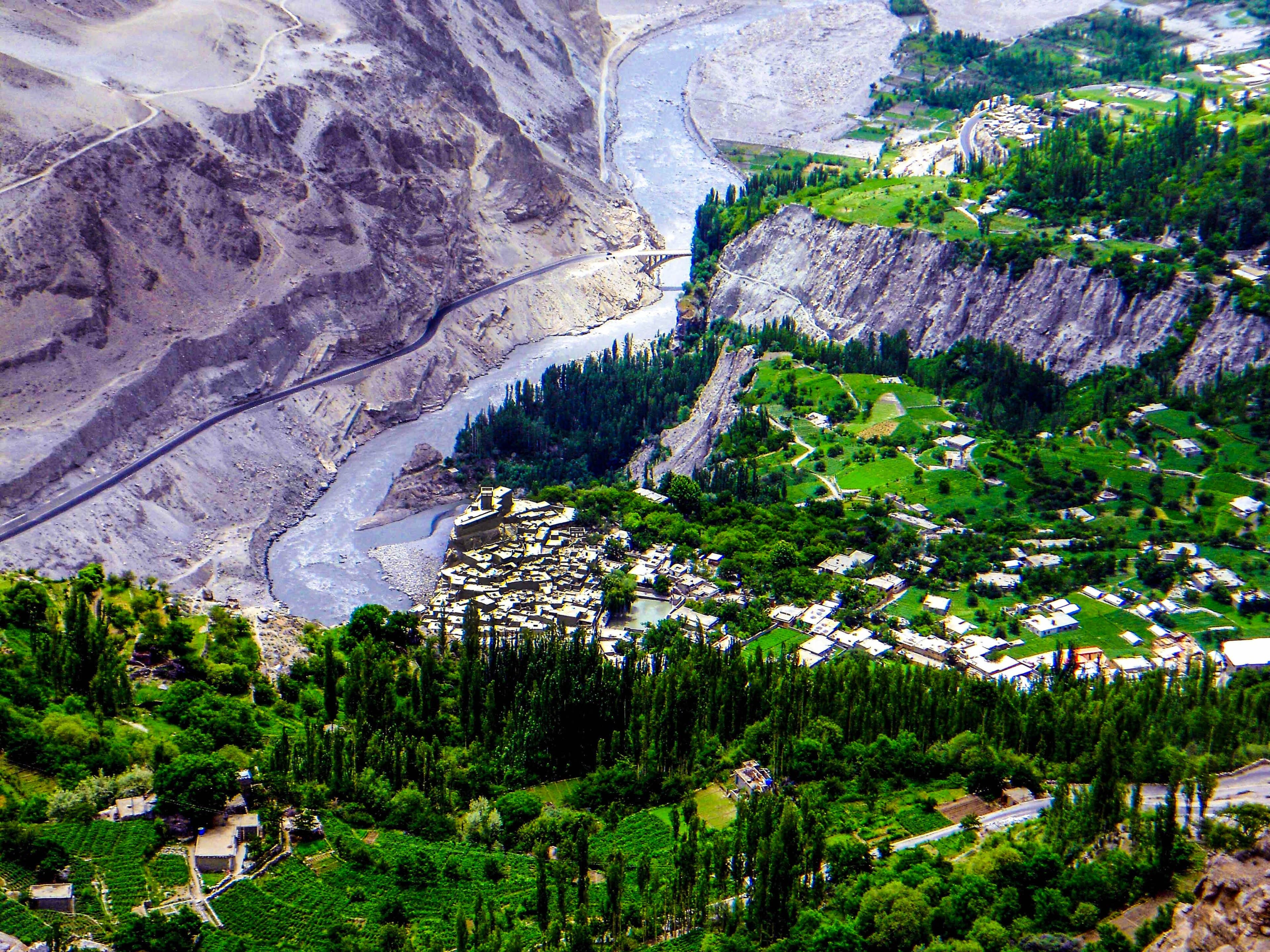
Spend the morning on 700 years of Hunza history: Baltit Fort, the Tibetan-style royal seat above Karimabad, restored to award-winning standard, then the lane-walk or short drive to Altit Fort, older still, with its garden café run as a local women's enterprise. Between them, the old bazaars sell apricot kernels, rubies and hand-woven shawls — Karimabad shopping is genuinely good.
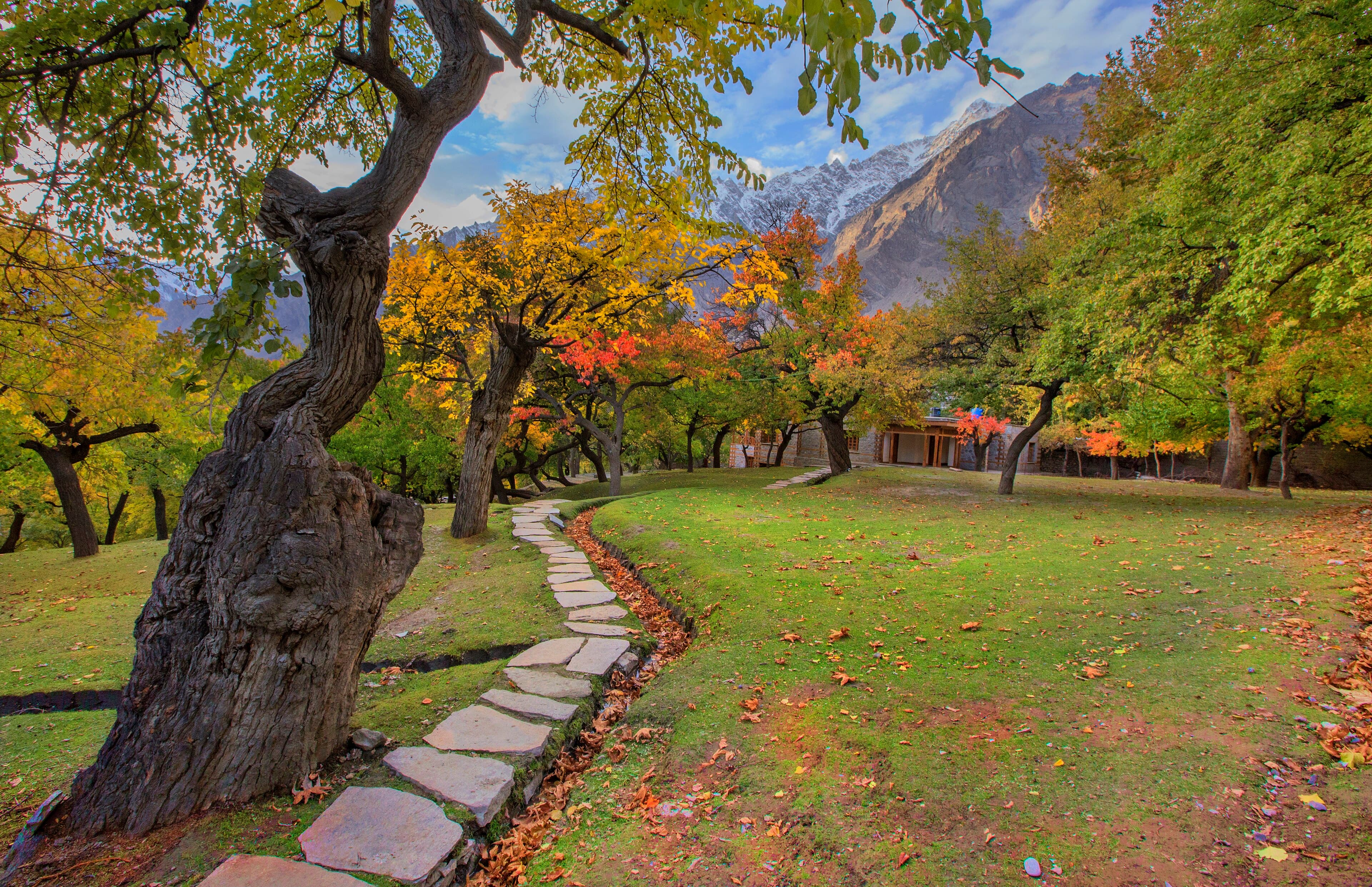
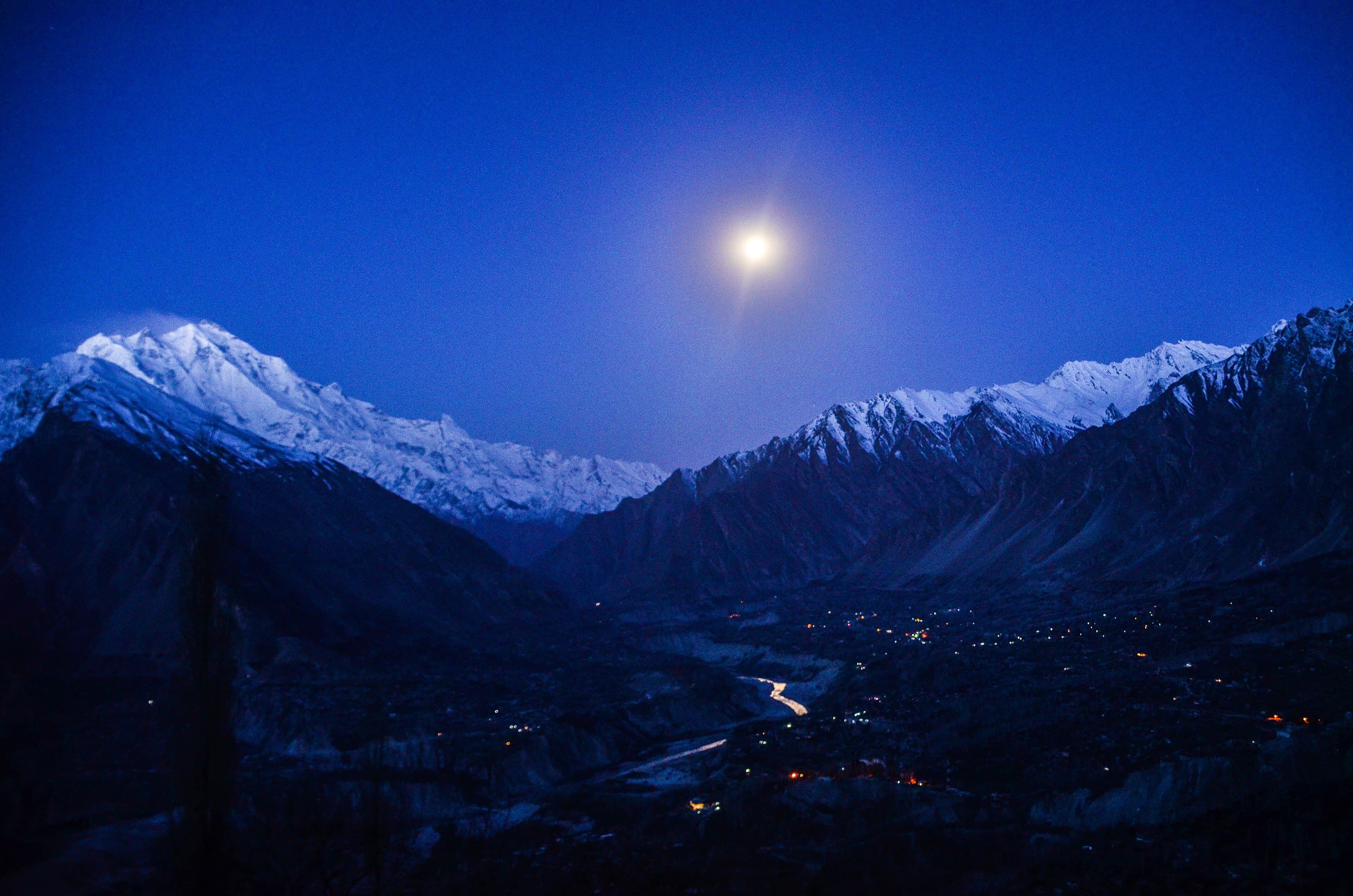
In the afternoon, choose your pace: amble the water channels and orchard lanes between villages, or take the short hike toward the Ultar meadow viewpoint if you want legs-and-lungs. Then drive (or hike) up to Duikar for sunset at Eagle's Nest, the panorama that sells a thousand Hunza trips — Rakaposhi, Diran, Golden Peak and the Hunza Valley floor 600 m below, lit gold then pink.
Where to stay (days 3–5): Karimabad and neighbouring Aliabad hold the valley's best range — family-run guesthouses, mid-range hotels with Rakaposhi-view terraces, and a handful of boutique heritage properties. Staying one night up at Duikar for the dawn view is a worthwhile shuffle. Book ahead for April, July–August and October.
Day 4: Attabad Lake, Gulmit, Hussaini Bridge and Passu
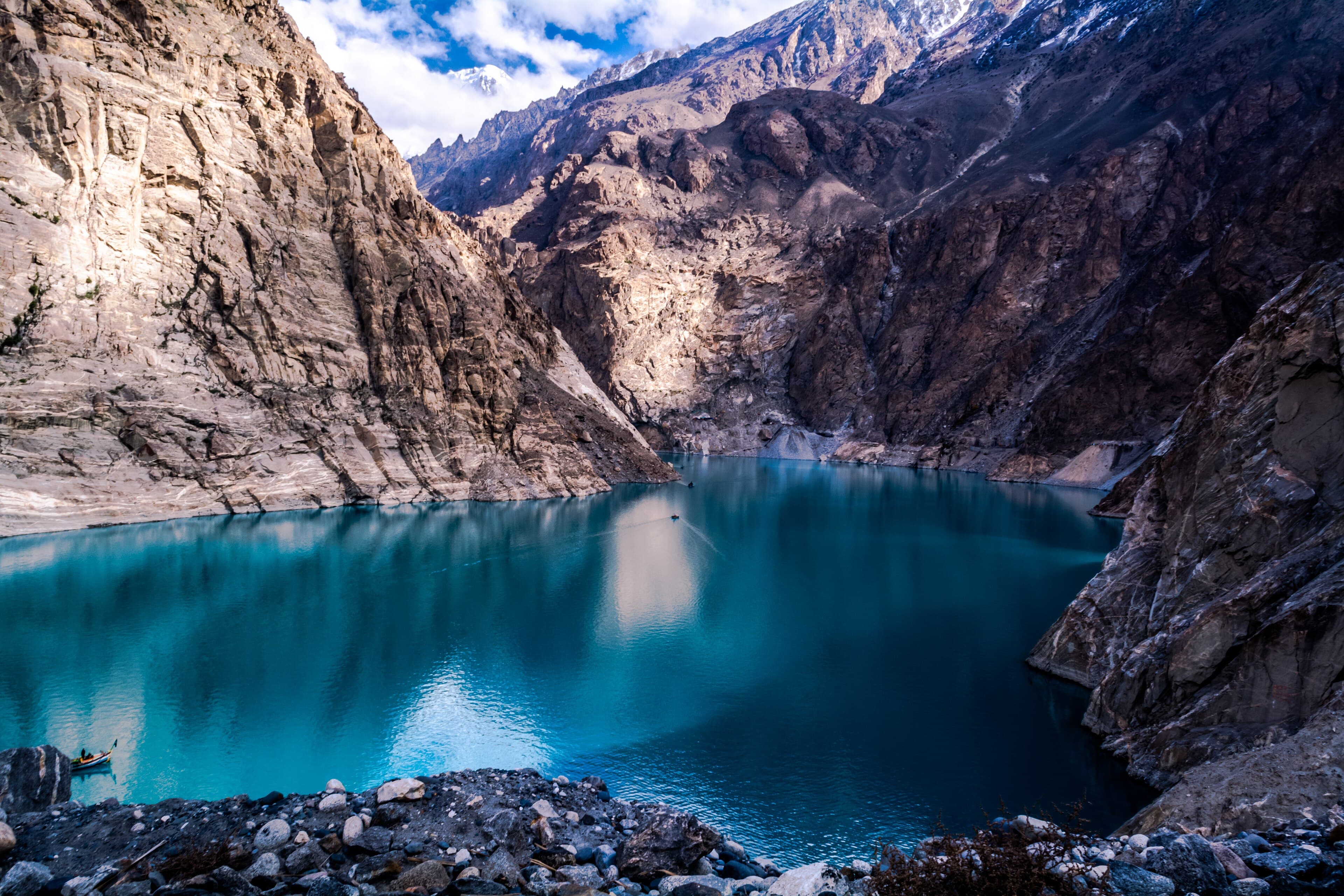
Drive north through the Attabad tunnels and emerge above the impossible turquoise of Attabad Lake, born of the 2010 landslide. Take a boat across the still morning water, then continue to Gulmit, the old capital of upper Hunza, for its carved-wood houses and women-run carpet centre.
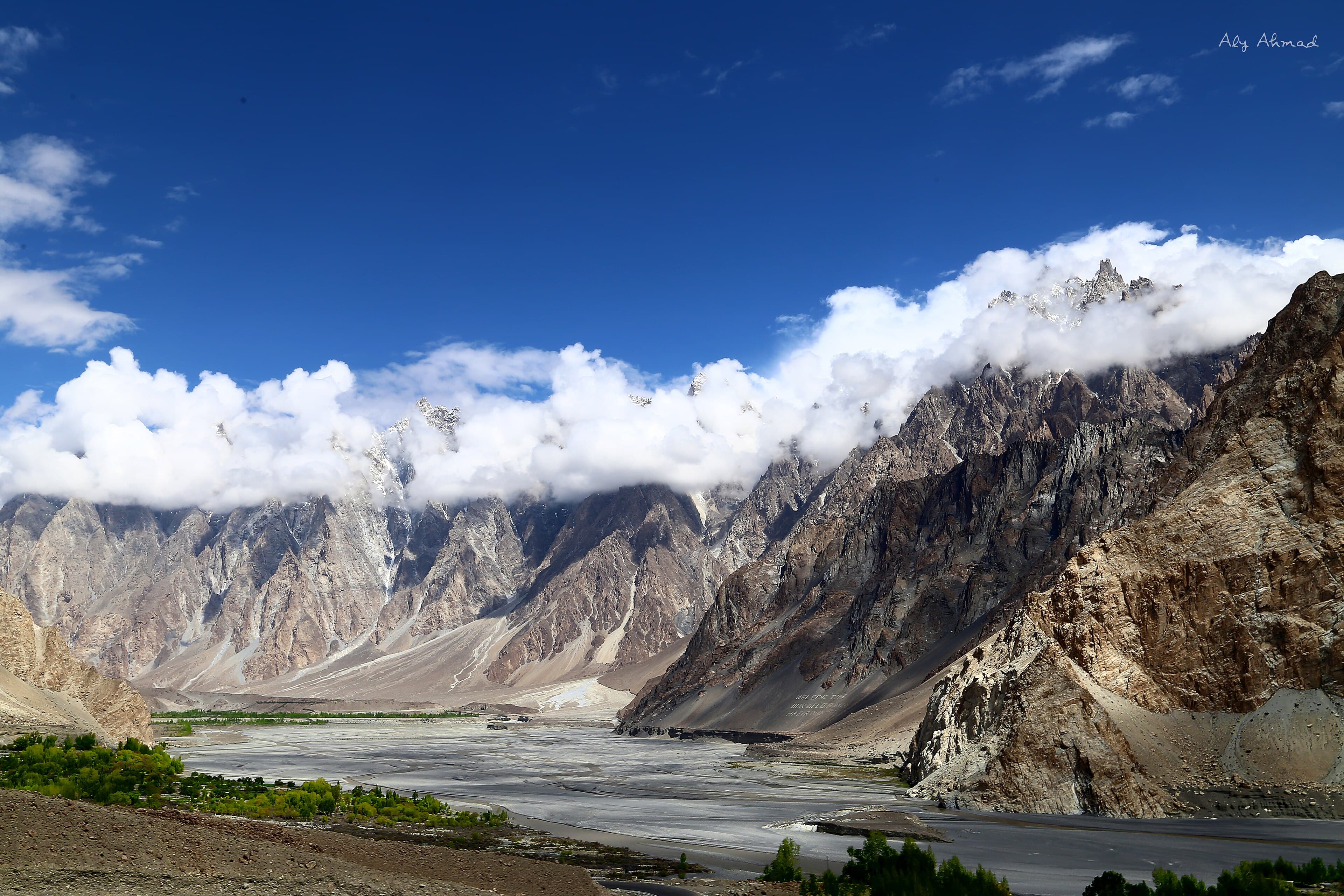
After lunch, test your nerve on the Hussaini Suspension Bridge — the famously airy footbridge over the Hunza River — then continue to the Passu Cones, the serrated cathedral ridge that owns every photographer's heart. Options by energy level: the easy lakeshore walk at Borith Lake, the Passu Glacier viewpoint hike (1–2 hours), or simply chai in Passu village with the Cones overhead.
Return to Karimabad for the night, or — the connoisseur's move — sleep in Gulmit or Passu to wake beneath the Cones and shorten tomorrow's drive. Alternate day for non-walkers: swap the bridge and glacier walks for a long lazy lakeside lunch at Attabad's resorts and a Gulmit cultural afternoon.
Day 5: Khunjerab Pass — the roof of the highway
Start early with warm layers and your passport: it's roughly 4–5 hours each way from Karimabad (less from Passu) through Sost, the last town, and up the long hairpins of Khunjerab National Park to the China border gate at 4,693 m. Watch for ibex, yaks and golden marmots; the wildlife sightings are half the day's joy. At the top, photos at the world's highest paved border crossing, snow patches even in August, and noticeably thin air — walk slowly, drink water, and descend if anyone feels unwell.
Park entry is payable per person at the checkpoint (foreigner rates, rupees cash). The pass is open roughly April–November; outside those months, or if weather closes it, swap in the Hopper Glacier in Nagar — a short dramatic drive to a black-ice glacier viewpoint — plus Rakaposhi's Minapin valley, which together make a superb alternate day.
Evening back in Karimabad or Aliabad. If you slept in Passu, tonight's return drive is shorter and you can linger at Attabad for golden hour, when the day-trippers have gone and the lake turns to glass.
Days 6–7: the return — and how to upgrade it
Day 6 — Hunza to Chilas or Besham, revisiting Rakaposhi View Point and any photo stops you rationed on the way up; with a dawn start you can detour to the Hopper Glacier if you missed it. Day 7 — complete the run to Islamabad, arriving by evening. Keep this final day honest: don't book an international flight for the same night; landslides and traffic answer to no schedule.
Upgrades if you can stretch the week: add two days for Fairy Meadows on the way down (jeep from Raikot Bridge, hike to the meadows, a night in a log cabin under Nanga Parbat) — the single best extension to this route. Add three to four days and you can loop east to Skardu, Shigar and the Deosai plateau before flying back from Skardu, turning the trip into the full Gilgit-Baltistan circuit.
Winter adjustment (November–March): the itinerary still works at valley level — forts, Attabad, Gulmit — but drop Khunjerab (closed) and plan around shorter days and cold rooms. Spring version: align days 3–5 with the cherry blossom calendar and weight time toward the orchard villages and Nagar side.
What it costs: honest ballparks
Hunza is excellent value by international standards. As broad planning figures: a private 7-day tour with car, driver-guide, fuel and mid-range hotels typically lands in the range of USD 550–1,100 per person for two travellers, falling per-head in larger groups. Group departures cost less; premium versions with boutique heritage hotels and a dedicated guide cost more.
Independent travellers can run the same week on a backpacker budget — public coaches to Gilgit and Aliabad, guesthouse dorms or simple rooms at USD 10–25 a night, meals for a few dollars — for well under USD 400 all-in, trading comfort and flexibility for savings. Big-ticket extras to budget separately: the Gilgit or Skardu flight, Khunjerab park fees, boat rides at Attabad, and fort entry tickets, none of them individually large.
Two money notes from the packing guide bear repeating: it's a cash trip (stock up on rupees in Gilgit at the latest), and prices spike with demand in July–August and October — book early rather than paying late. Tipping your driver and guide at trip's end is customary and genuinely appreciated.
Questions, answered
Is 7 days enough for Hunza?
Yes — a week covers the classic circuit comfortably: the overland approach, Karimabad and its forts, Attabad Lake and upper Hunza, the Khunjerab Pass and the return, without rushing. Add 2–4 days if you want Fairy Meadows or Skardu as well.
How much does a 7-day Hunza trip cost?
As a ballpark, a private tour with car, driver-guide and mid-range hotels runs roughly USD 550–1,100 per person for two travellers, less in groups. Backpackers using public transport and guesthouses can do the week for under USD 400. Flights, park fees and boat rides are extra but modest.
Where should I stay in Hunza?
Base yourself in Karimabad or Aliabad, which have the best range from family guesthouses to boutique hotels with Rakaposhi views. One night in Gulmit or Passu for the upper valley, or up at Duikar for the dawn panorama, are worthwhile additions.
Can I do this Hunza itinerary without a tour?
Yes — public coaches run Islamabad–Gilgit–Aliabad, and local transport plus day hires cover the sights, though you'll want extra days for connections. Most international visitors choose a car with driver-guide for flexibility, photo stops and help at checkpoints.
What is the best time of year for this itinerary?
April–June and September–October are ideal; July–August adds the Babusar Pass route and everything open, at the cost of peak crowds. In winter the valley sights still work, but Khunjerab closes and nights are very cold.