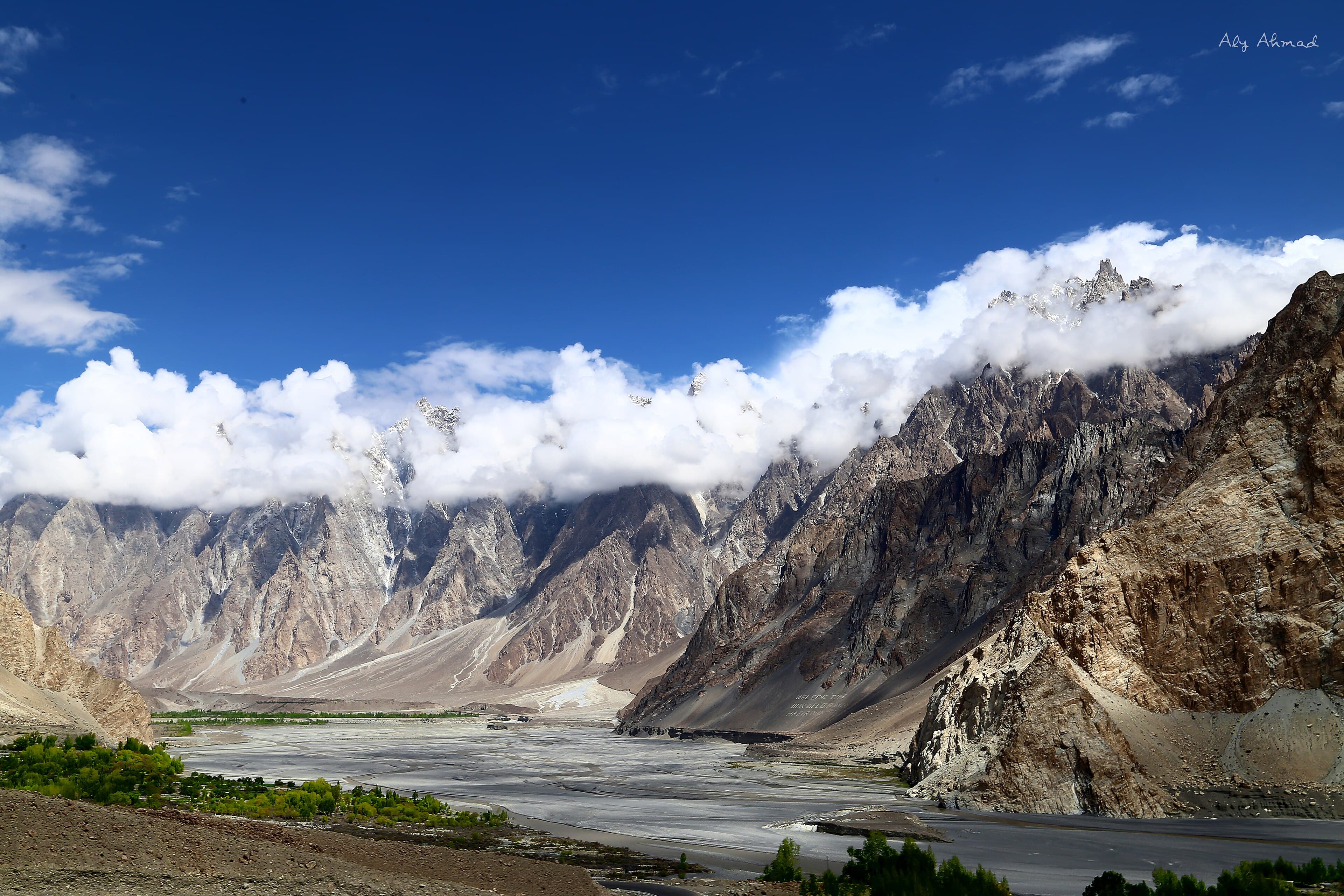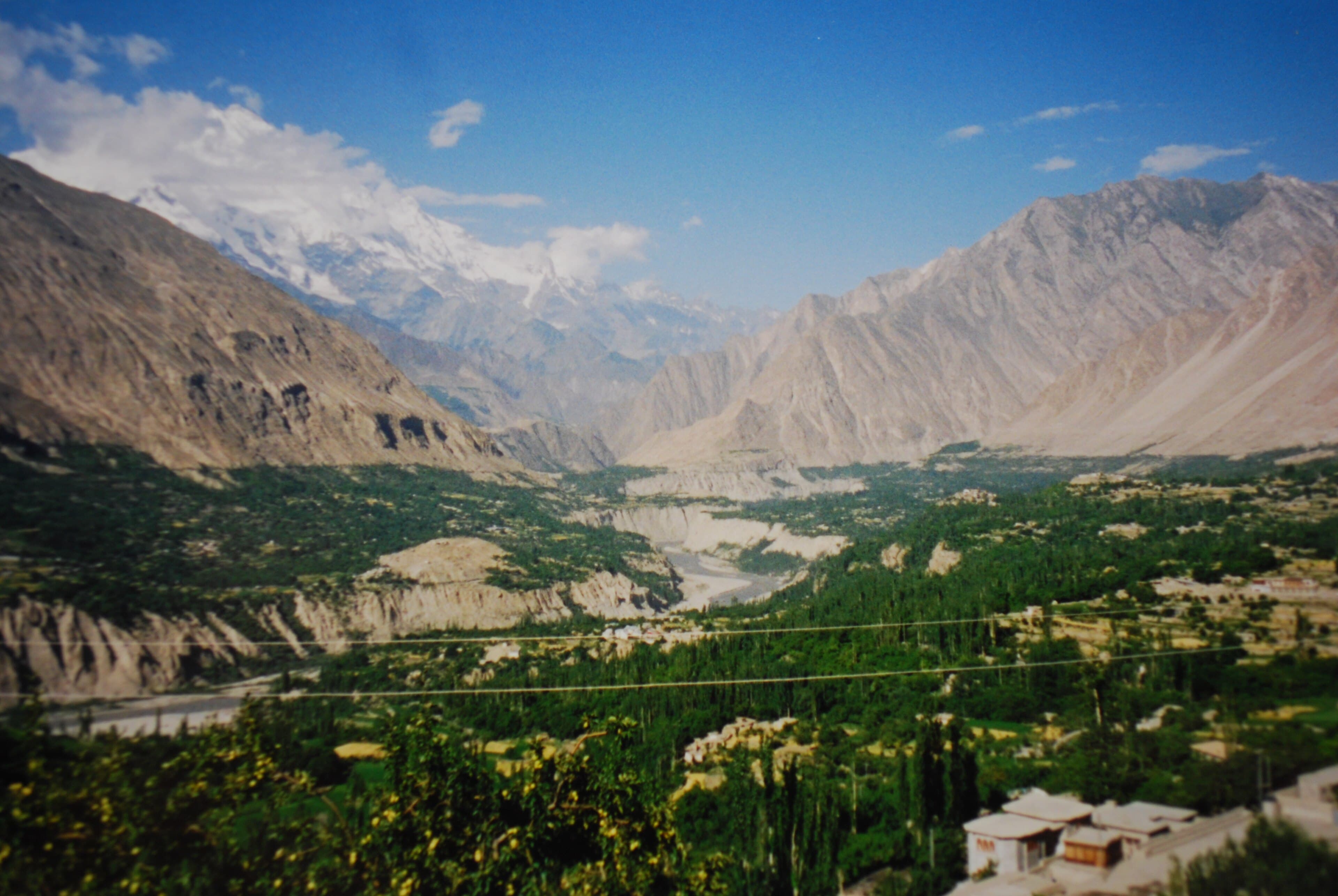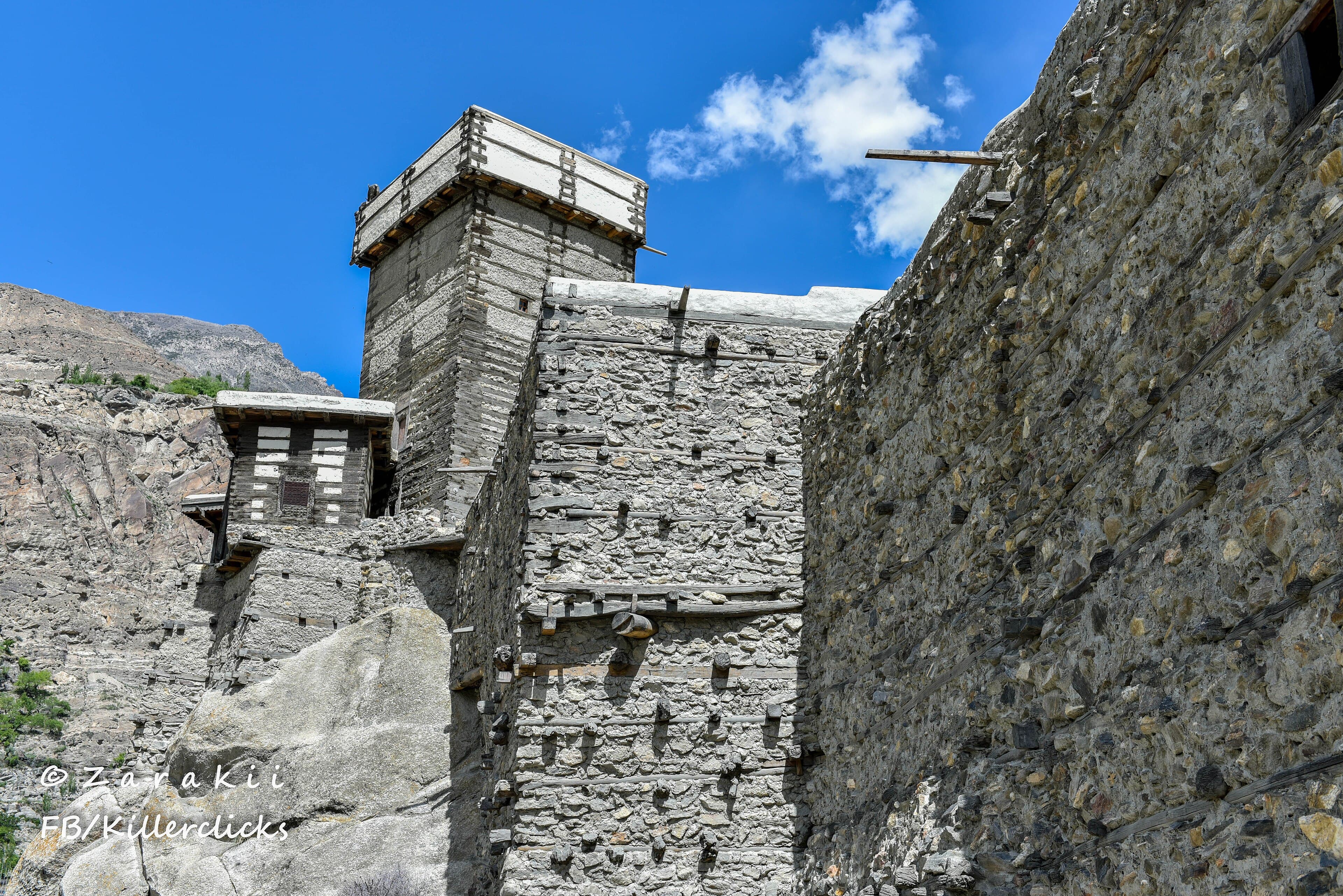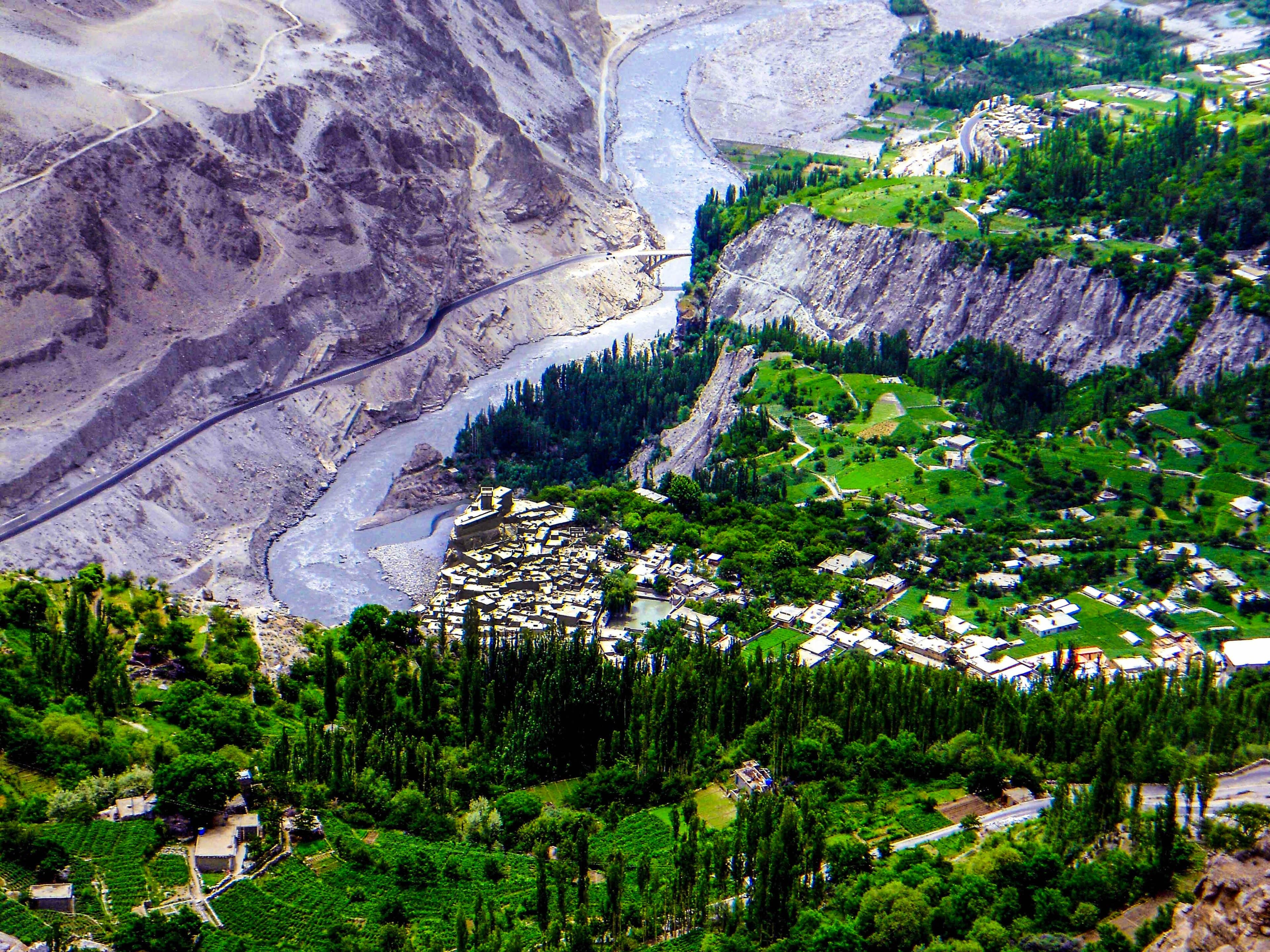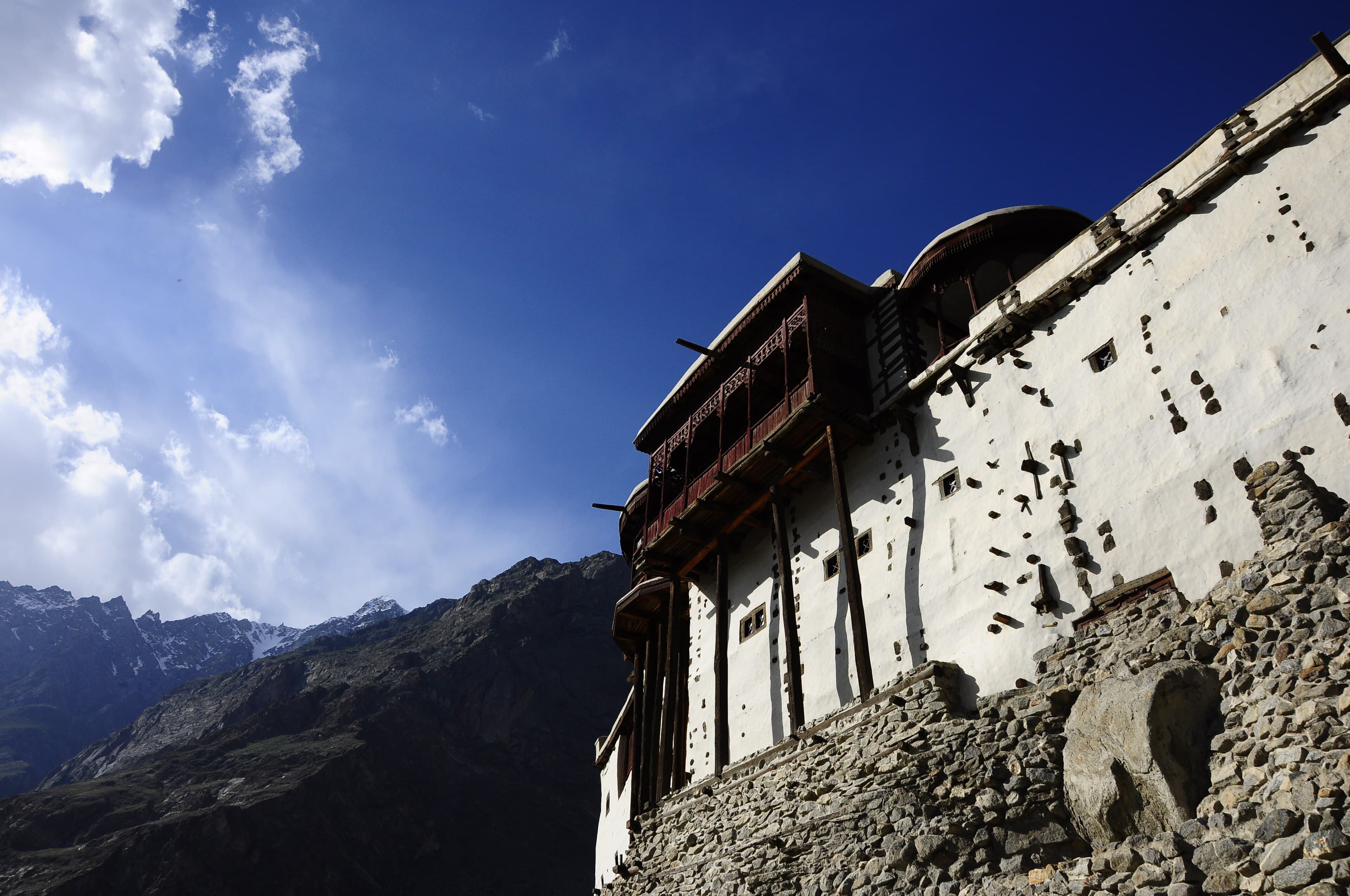
Baltit Fort is the image of Hunza: a whitewashed, timber-and-stone palace standing on a moraine spur above Karimabad, with the Ultar glacier valley behind it and the whole kingdom it once ruled spread out below. Its oldest sections are around 700 years old, and for centuries it was the seat of the Mirs of Hunza, who governed this stretch of the Silk Road until the state's autonomy ended in the 1970s. Court life here included the bitan, Hunza's shamans and prophets, whose story we tell in our guide to the bitan.
The architecture tells a love story. Tradition holds that a 15th-century princess from Baltistan married into the Hunza royal house and brought Balti craftsmen with her, which is why the fort's layered timber-laced walls echo Tibetan and Ladakhi building styles. Earthquake-resistant cribbage construction, carved pillars and smoke-darkened kitchens survive through dozens of building phases stacked one on top of another.
By the 1990s the abandoned fort was close to collapse. A meticulous restoration by the Aga Khan Trust for Culture, completed in 1996, saved it using traditional materials and craftsmen, and the project became a model for heritage conservation across the region. Today the fort is a museum on UNESCO's tentative World Heritage list, run by the Baltit Heritage Trust, and visits are by guided tour through the royal apartments, audience hall and rooftop.
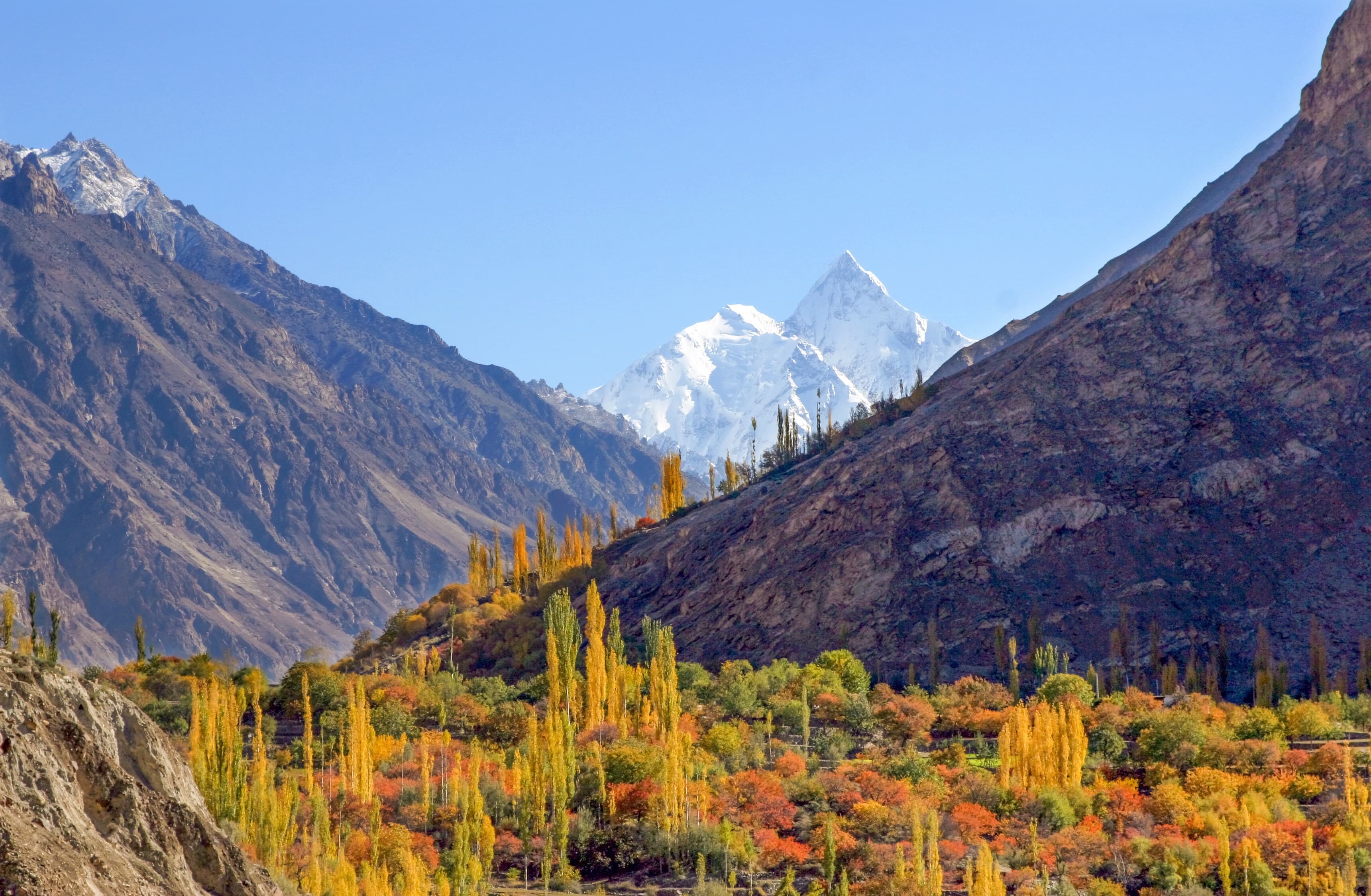
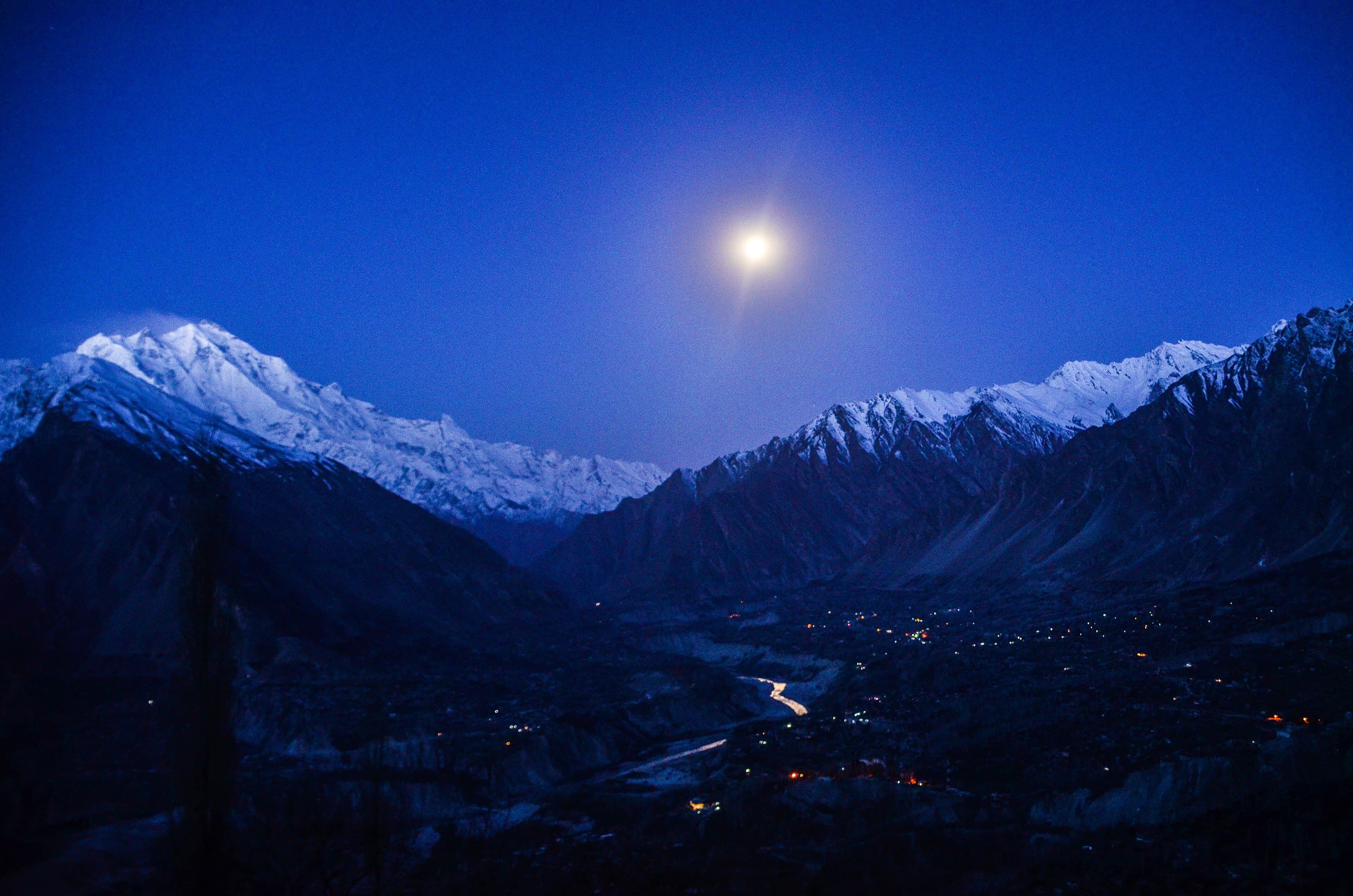
That rooftop is the payoff: a 360-degree panorama over Karimabad's terraces to Rakaposhi, Diran and Ladyfinger Peak. Combine Baltit with Altit Fort — its older sibling 20 minutes' walk down the hill — and the bazaar below for the perfect Hunza heritage day.