Ibex permits and what they cost
The ibex is the permit most hunters can actually get. One hundred were offered in each of the last two seasons, against four for markhor and fourteen for blue sheep. The permits are sold at the same auction in Gilgit, usually in September, and unsold ones are offered again later.
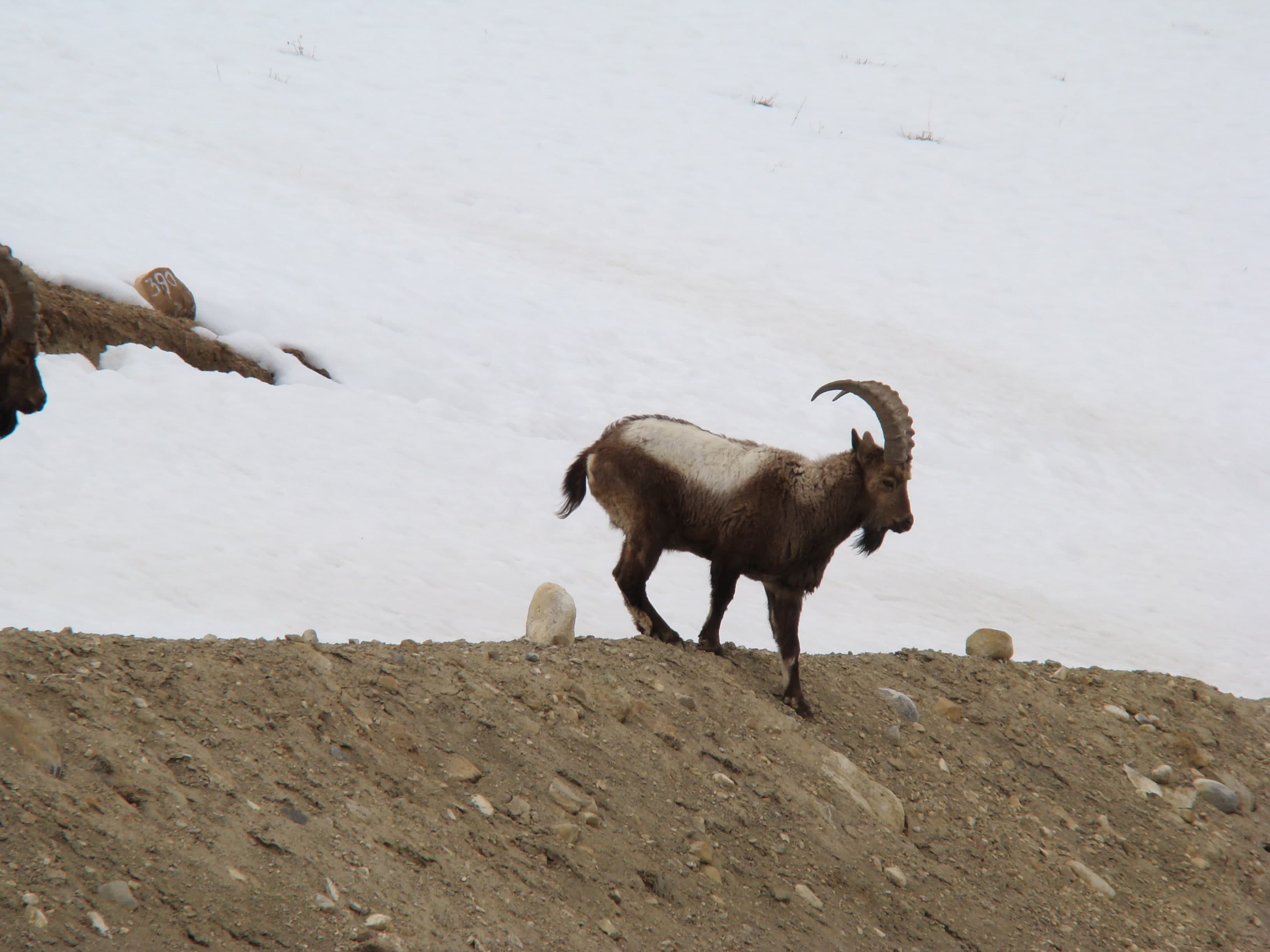
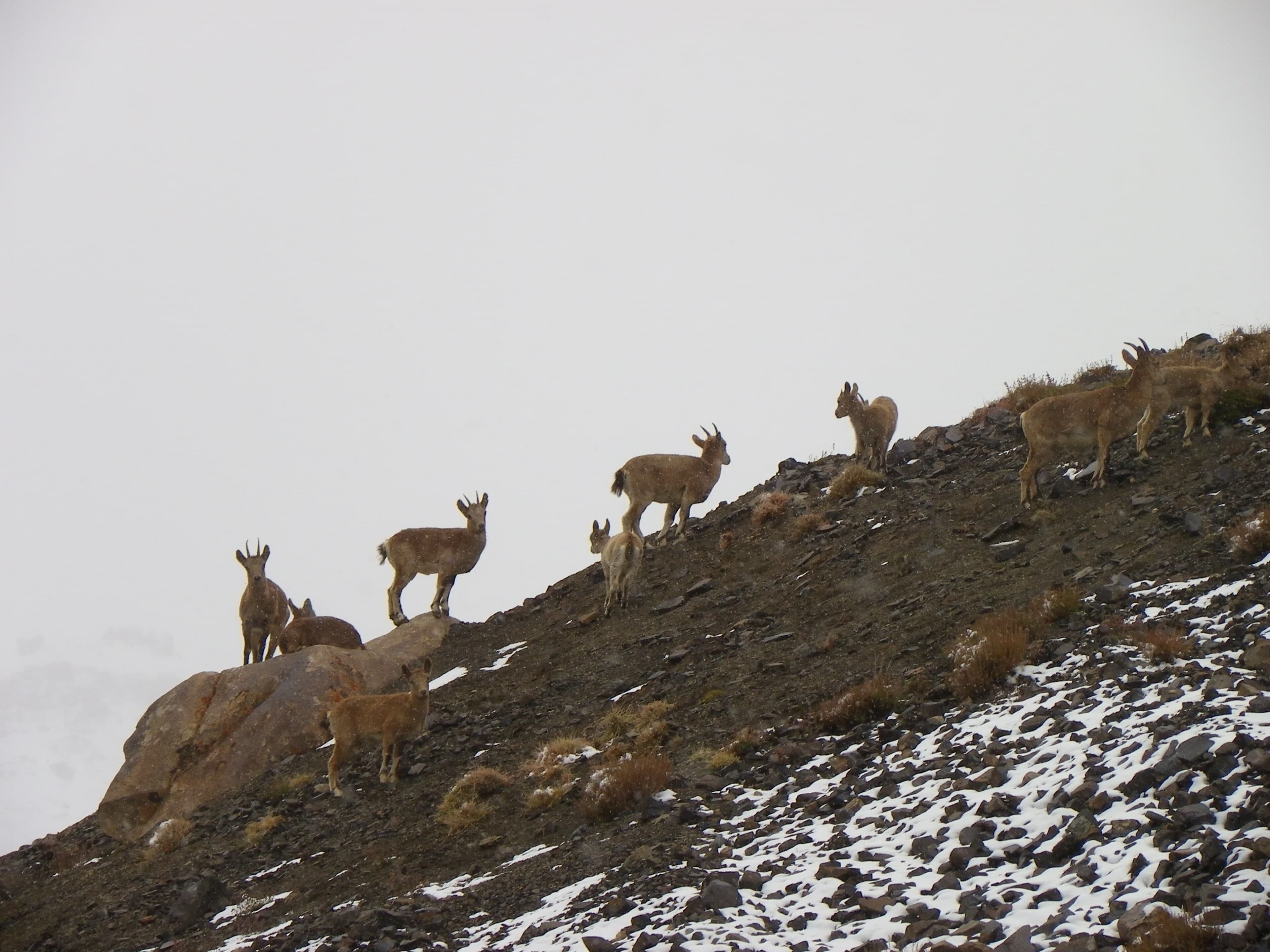
Himalayan ibexThe wild goat you are most likely to see
Photo: Ksuryawanshi · CC BY-SA 4.0The wildlife department fixes a base price every year. For a foreign hunter, whose trophy may be exported, it was US$5,500 in 2023-24, US$10,000 in 2025-26 and US$11,000 for 2026-27. At the auction on 10 September 2026 the exportable permits sold for between US$11,500 and US$13,200. Pakistani hunters bid in rupees for permits whose trophies stay in the country, and in 2023-24 those sold for about Rs1.1 million.
As with every hunt here, the permit covers one animal in one conservancy. A hunting licence, the outfitter, travel and the shipping of the trophy are paid separately.
Where ibex are hunted: upper Hunza, Hushe and beyond
The ibex is by far the most numerous of the three trophy animals. The winter survey of 2024-25 estimated 7,294 in Gilgit-Baltistan, in 57 community conservancies, with 773 males of trophy size. Our page on the Himalayan ibex in Pakistan describes the animal and where to watch it.
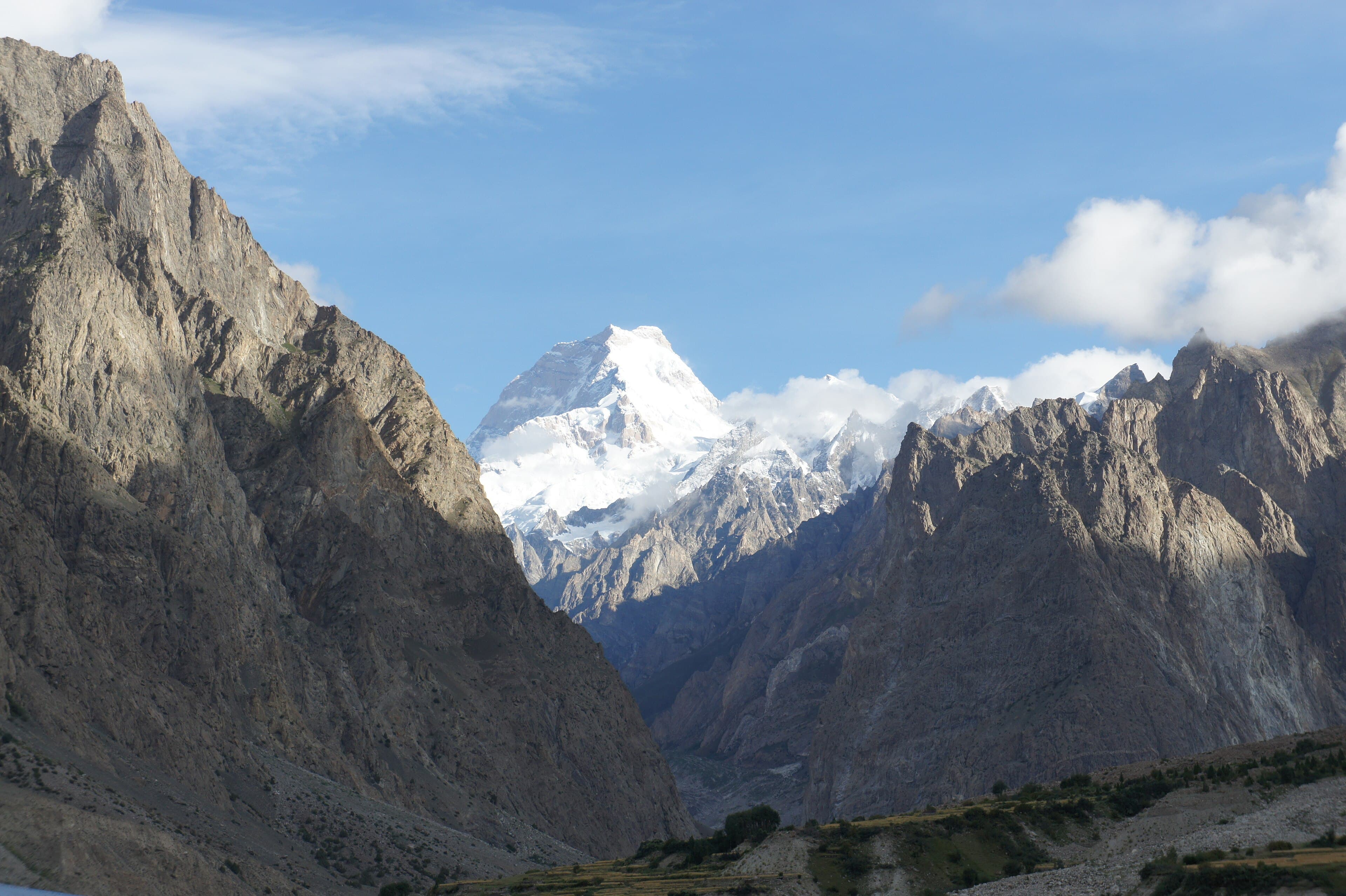
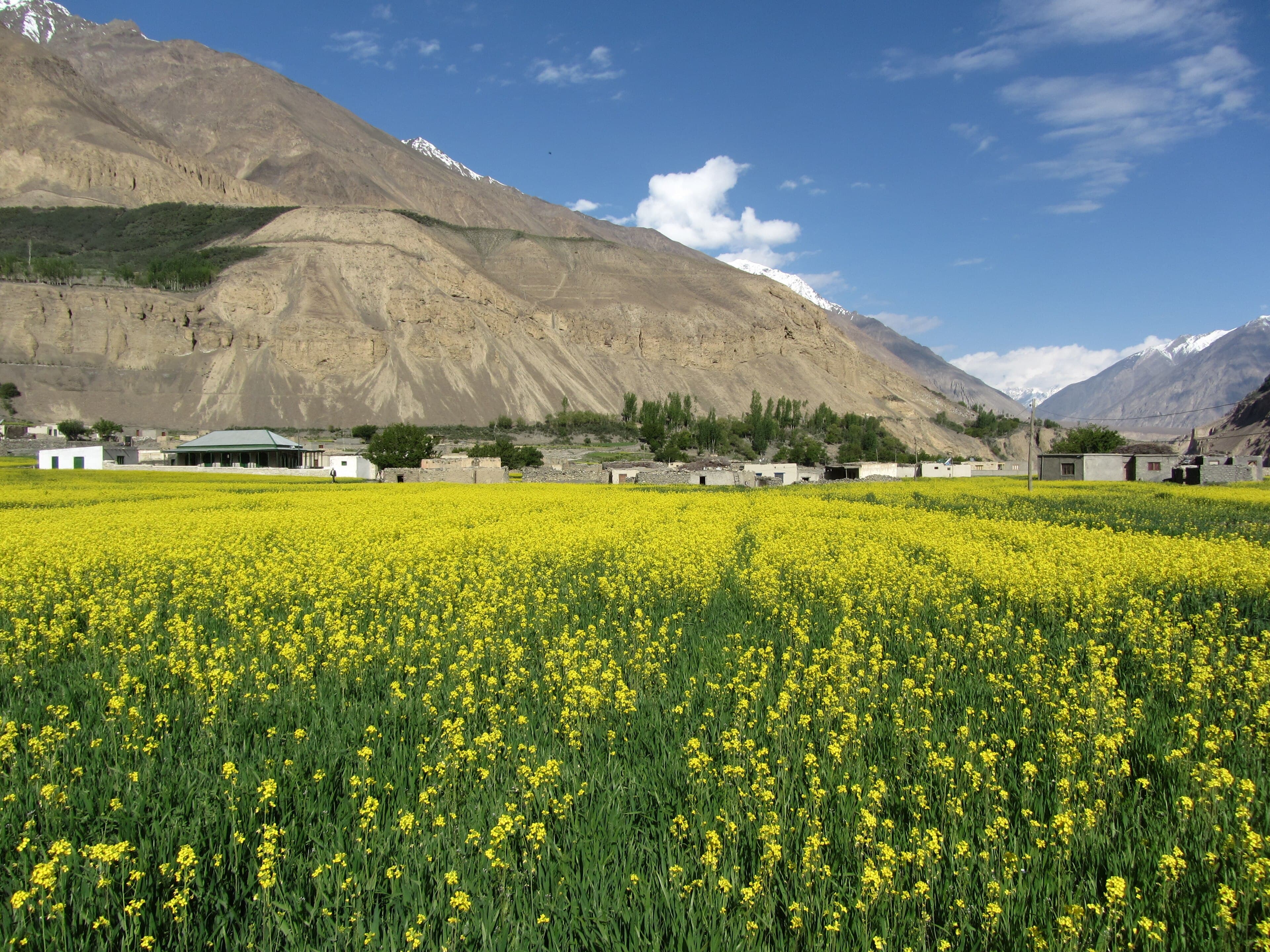
Hushe ValleyThe last village before the great walls of the Karakoram
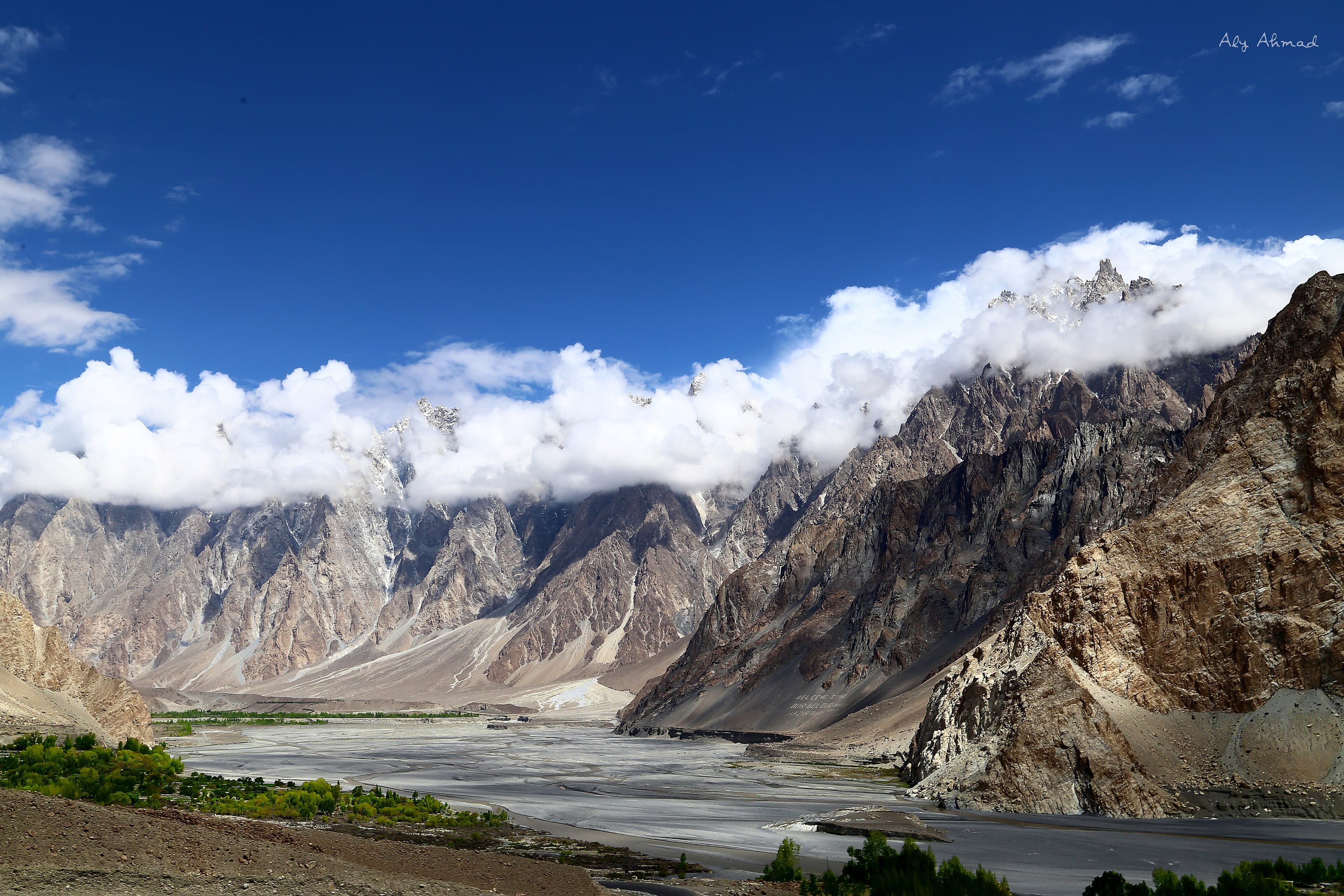
Photo: Cooolvirus · CC BY-SA 3.0More than 3,000 of them were in Hunza, almost all in the upper valley: Misgar, the Khunjerab villages, Passu, Chapursan, Khyber, Hussaini, Shimshal, Gulmit and Ghulkin. This is also the easiest country to reach in the season, because the Karakoram Highway stays open in winter and the herds come down toward the road between the Passu Cones and the Khunjerab Pass.
In Baltistan the Hushe Valley held the most, with 462 animals. Other strong areas were Qurumbar and Ishkoman in Ghizer, Hopper and Hispar in Nagar, Basha in Shigar, Bagrot near Gilgit and the Rupal side of Astore.
Season, trophy size and how a hunt runs
The rules are the same as for markhor. The season runs from 1 November to 25 April under the 2019 guidelines, and the dates announced for 2026-27 are 15 October to 10 April. The department recommends December and January. By then the ibex have come down from their summer range, and the rut, which begins in these mountains after the end of November, puts the big males among the females.
A legal trophy has horns of at least 38 inches, measured by the range forest officer after the hunt. An animal that is wounded and lost counts as the hunt, so the conservancy's watchers will want you close and steady before you shoot. Rifles must be manually operated and of 7 mm calibre or larger. Night hunting is banned, and so is hunting by anyone under 18.
Not every permit ends with an animal. In the 2023-24 season 88 ibex permits were offered and 51 ibex were taken.
What the fee pays for, and the doubts
Eighty percent of the permit fee goes to the conservancy and 20 percent to the government. In Ghulkin, in upper Hunza, the village organisation has used its hunting income for an English-language school, a drinking water scheme for its 200 or so households and an IT centre, and puts about 30 percent back into conservation, according to a 2022 report in Conservation Frontlines.
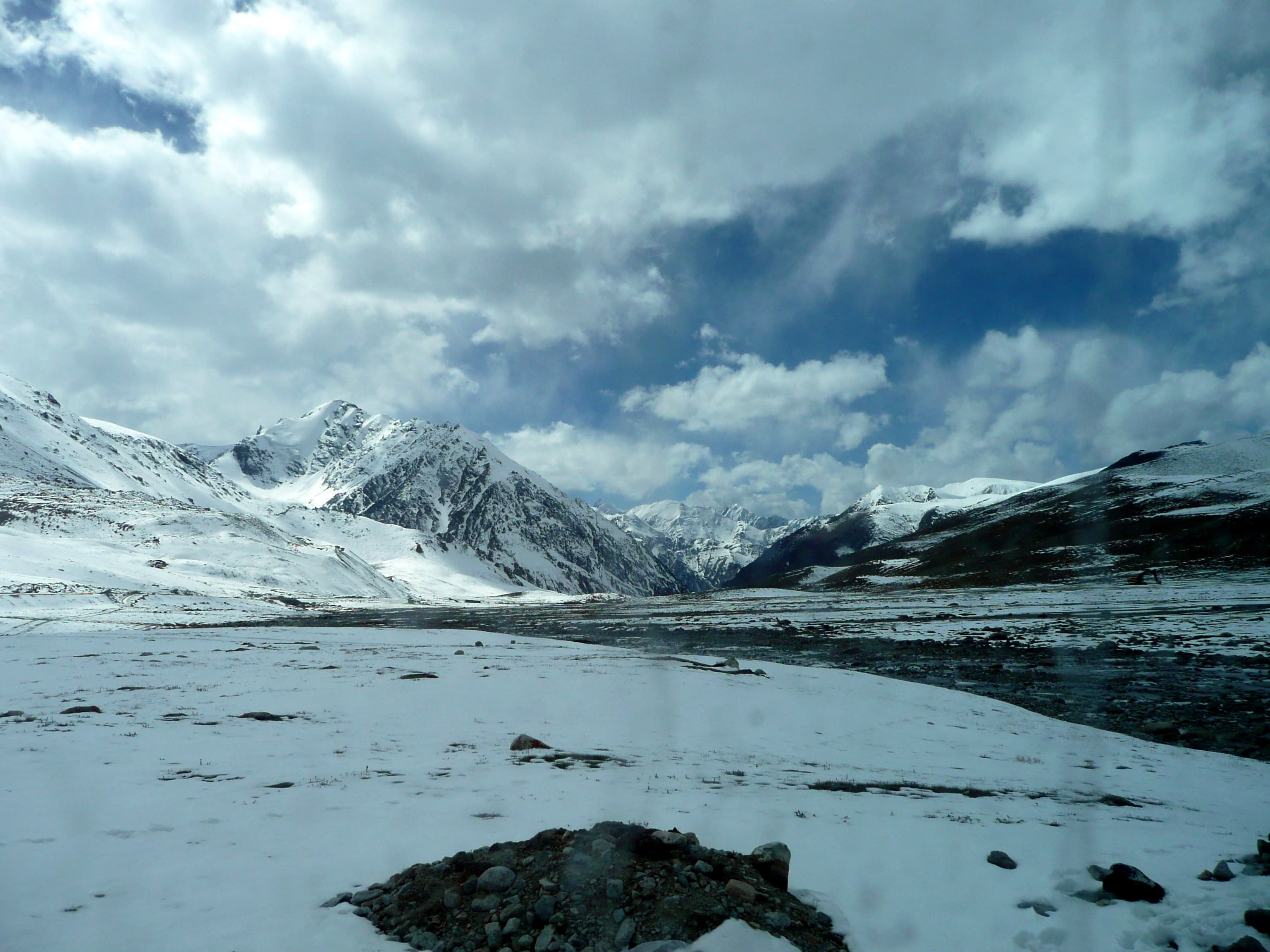
Khunjerab PassDrive to 4,693 m and stand at the China border gate
Photo: Martin Jung · CC BY-SA 3.0The system has its doubters too. A study published in 2020 found that the ibex quota in the Khunjerab villages' area had been set by estimate rather than from counts, and the wildlife department's own survey report of 2025 asks for independent recounts and for the data to be made public.
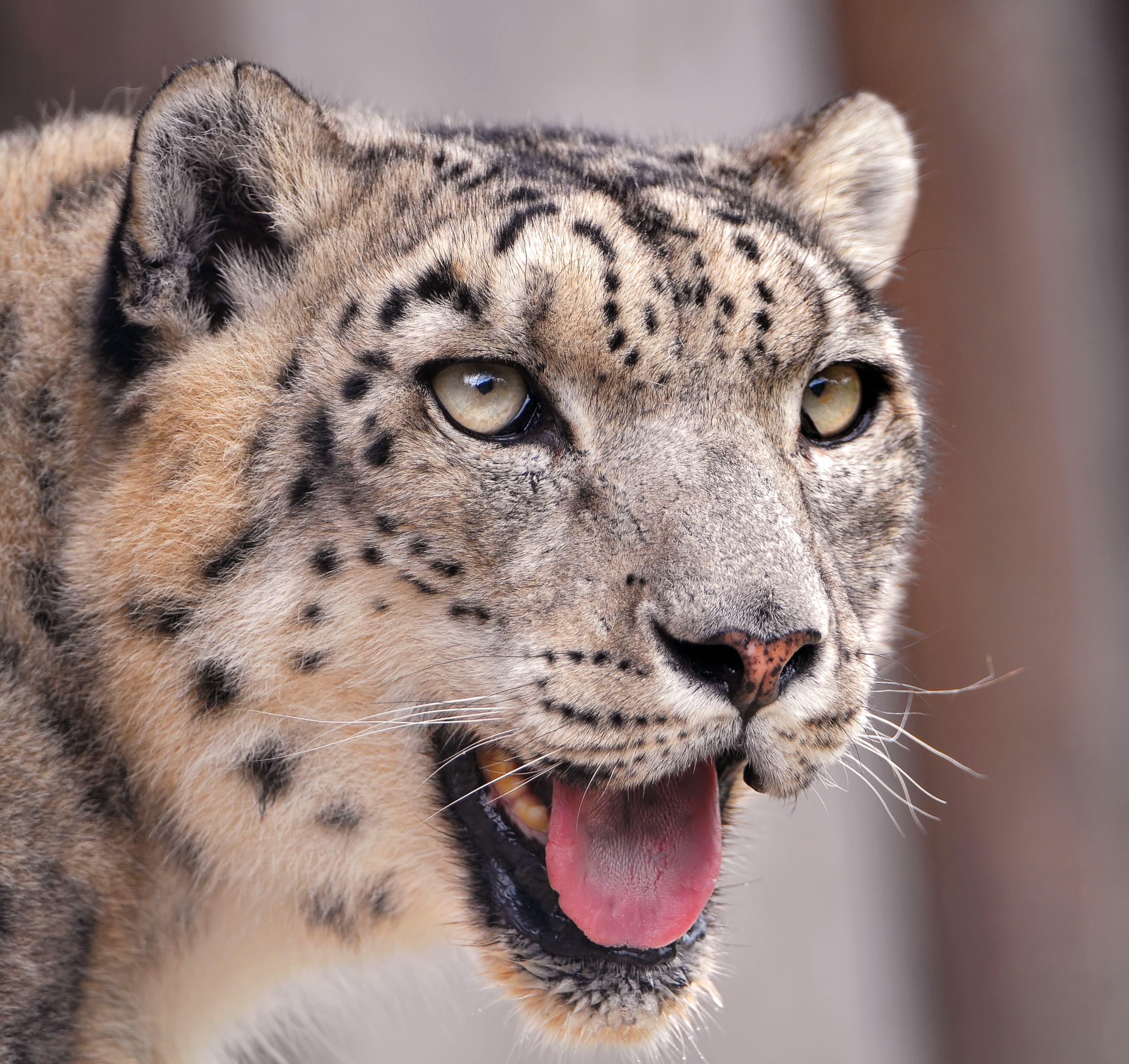
Ibex are also among the main wild prey of the snow leopard, so a village that guards its herds is feeding its cats as well. For the full story of the programme, with its critics, read our guide to trophy hunting and conservation.
Ibex, markhor or blue sheep?
The ibex is the least expensive and the most available of the three, and the choice of valleys is wide. Markhor hunting starts at US$200,000 and is limited to four permits. Blue sheep hunting sits between the two in price and happens only around Shimshal and the Khunjerab villages.
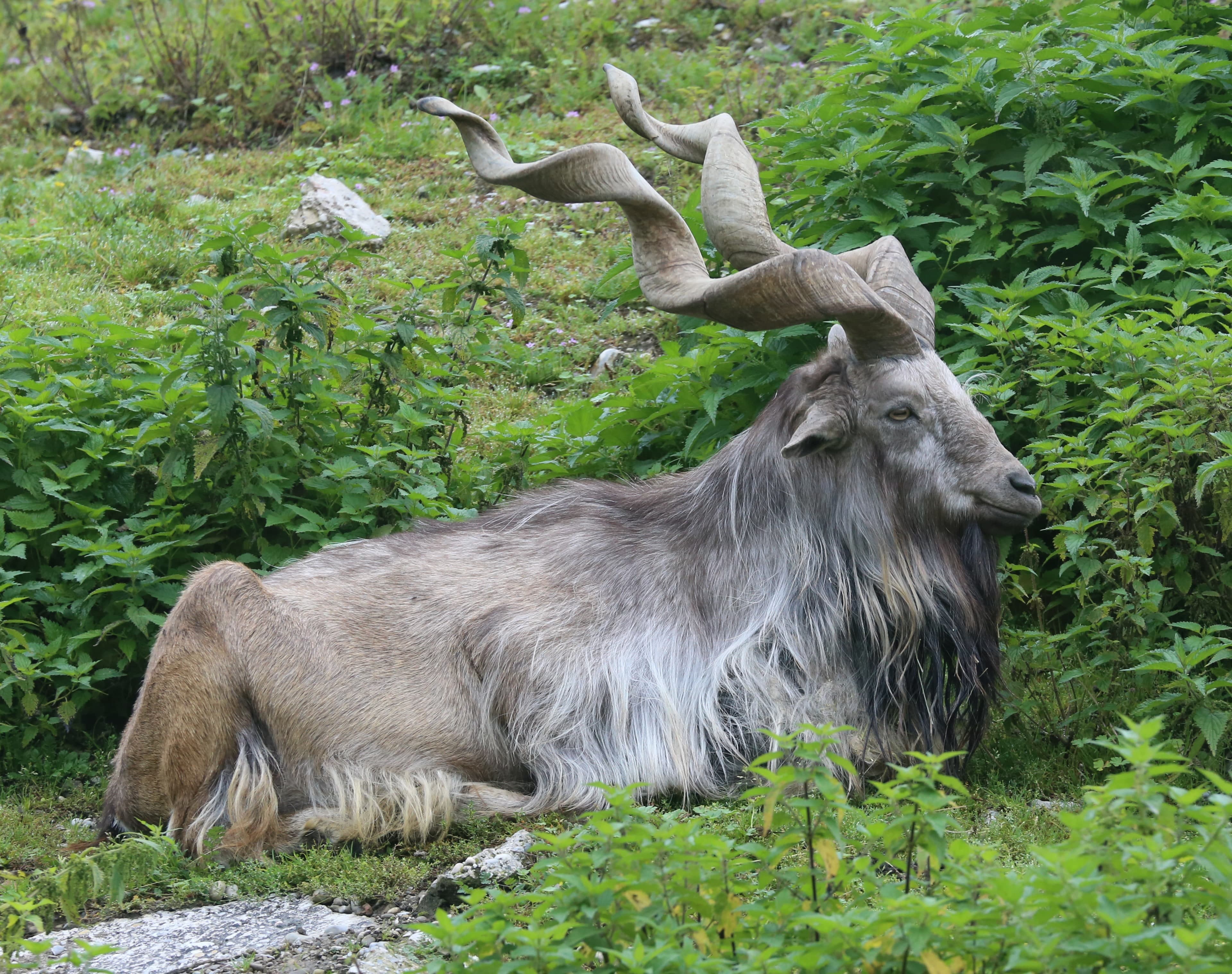
MarkhorThe national animal of Pakistan, and where to see it
Photo: Rufus46 · CC BY-SA 3.0We arrange ibex hunts only through the official system, with a permit bought at the auction or held by a licensed outfitter. Our trophy hunting page explains how we work.