How many markhor permits are sold
The markhor is listed in Appendix I of CITES, the convention that controls trade in wild species, so a trophy can leave Pakistan only under an export quota. That quota is 12 markhor trophies a calendar year for the whole country. Gilgit-Baltistan receives four of them, all for the Astore markhor, the flare-horned form that lives above the Indus, Gilgit and Astore rivers.
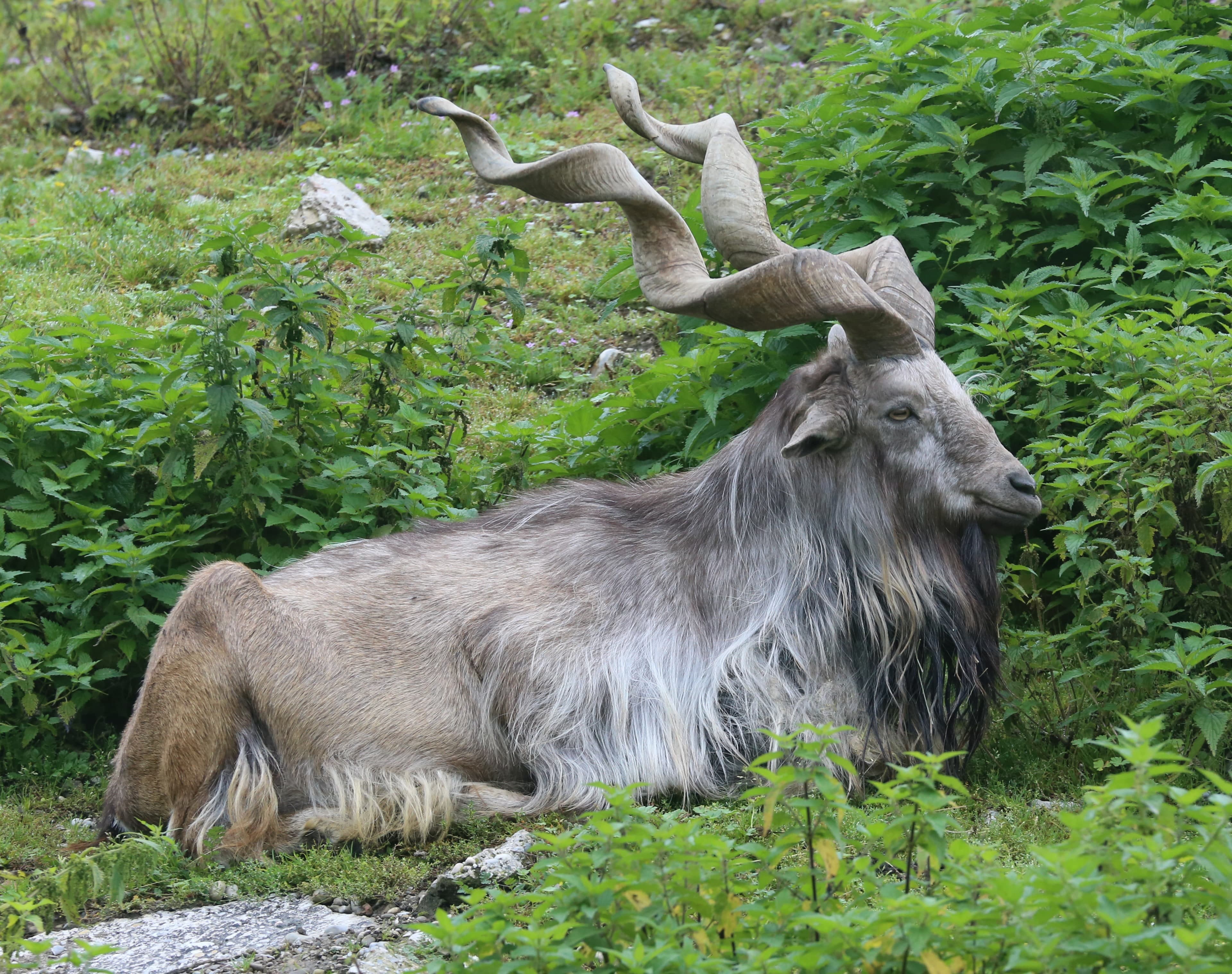
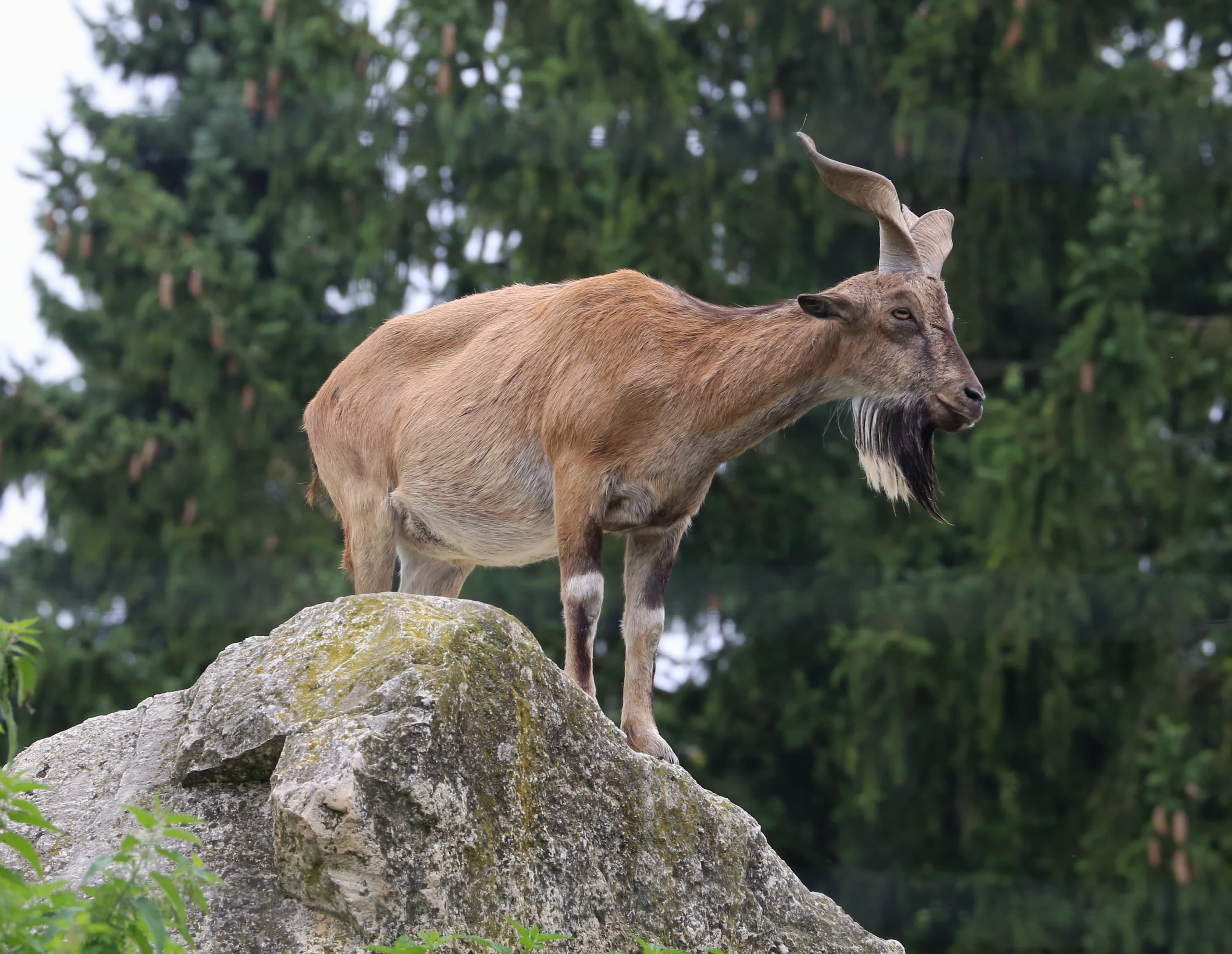
MarkhorThe national animal of Pakistan, and where to see it
Photo: Rufus46 · CC BY-SA 3.0The permits are sold by open auction in Gilgit, usually in September. Four were sold in 2025. In 2026 three were auctioned and a fourth was carried over from the season before. The number is checked against a yearly count: the winter survey of 2024-25 estimated 1,693 Astore markhor in Gilgit-Baltistan, of which 183 were males of trophy size. For the animal itself, see our page on the markhor in Pakistan.
What a markhor permit costs
The wildlife department sets a base price each year and the bidding starts there. For the Astore markhor the base price has been US$200,000 since the 2025-26 season, up from US$150,000 the year before.
At the auction on 3 September 2025 one permit sold for US$370,000, which wildlife officials called a record for Pakistan and for the world. The other three went for US$286,000, US$270,000 and US$240,000. On 10 September 2026 the three permits on offer made US$356,000, US$301,000 and US$294,000. In October 2023 the four permits had sold for between US$171,000 and US$186,000.
The permit is the licence to take one animal in one conservancy. A separate hunting licence, the outfitter's services, travel, the rifle import licence and the preparation and shipping of the trophy are all paid on top. If you do not hunt, the fee is kept, though you may come back within the same season. The guidelines refund it in full only for a short list of reasons, among them a certified medical emergency, a government travel ban, and riots, war or a natural disaster that stop the hunt.
Where markhor are hunted
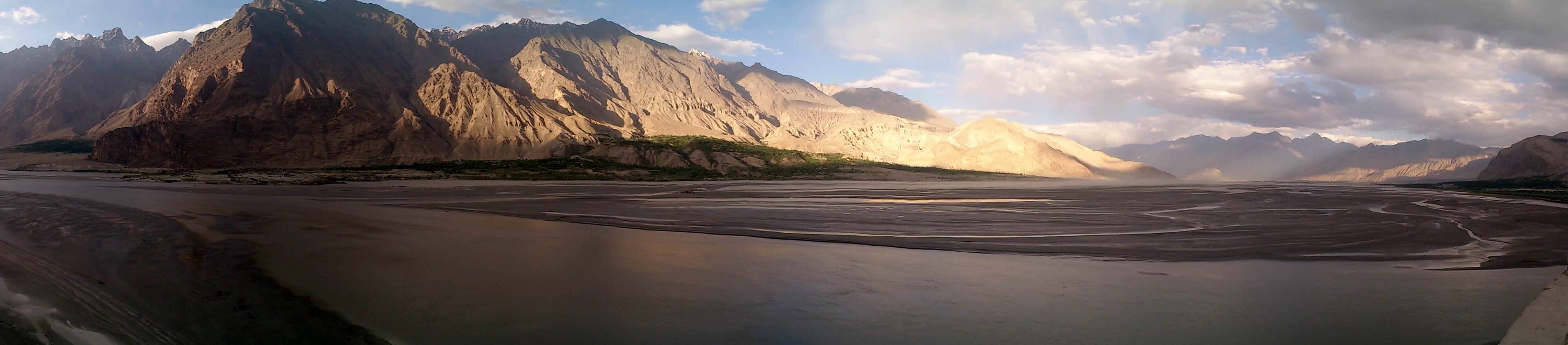
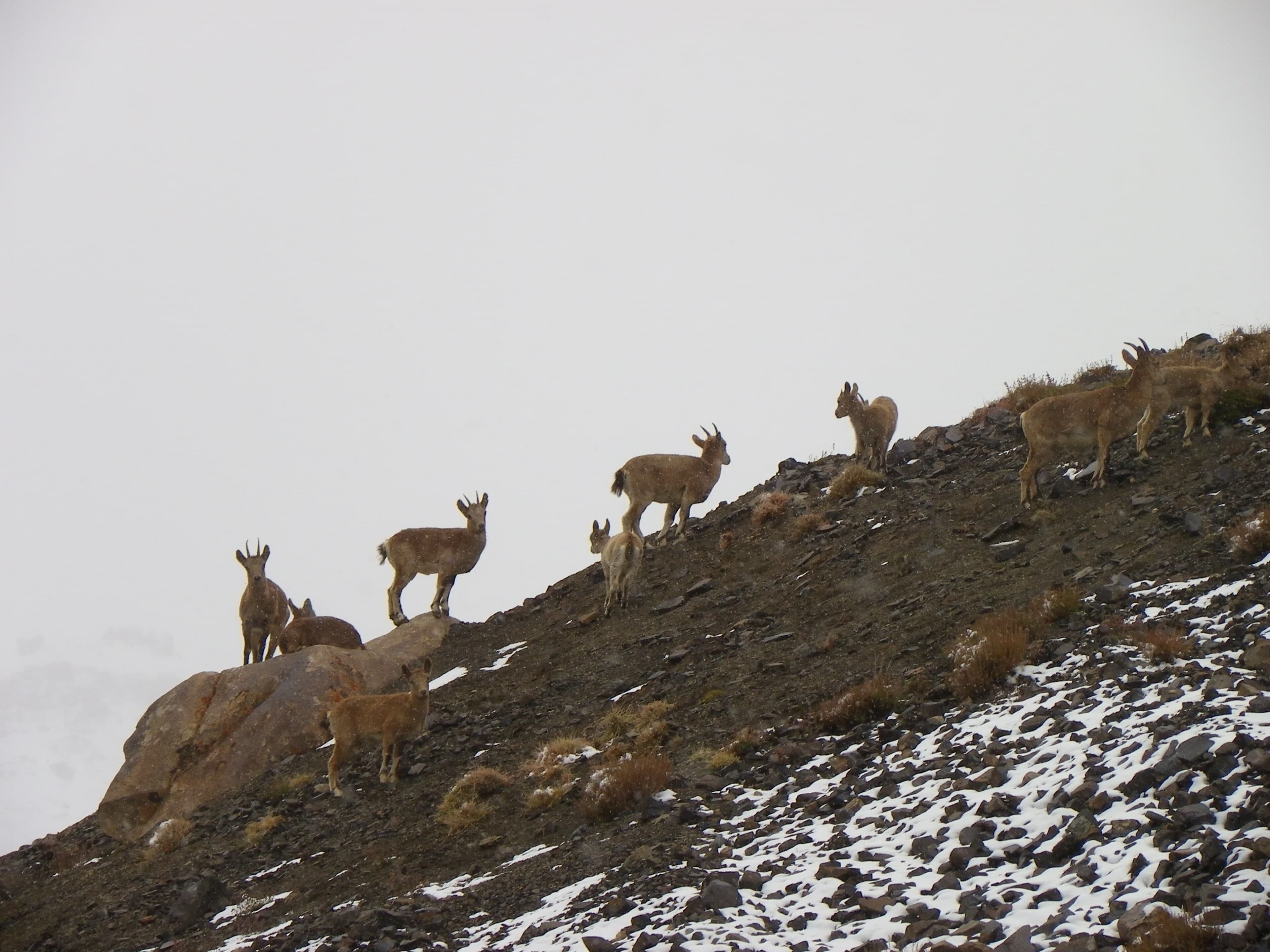
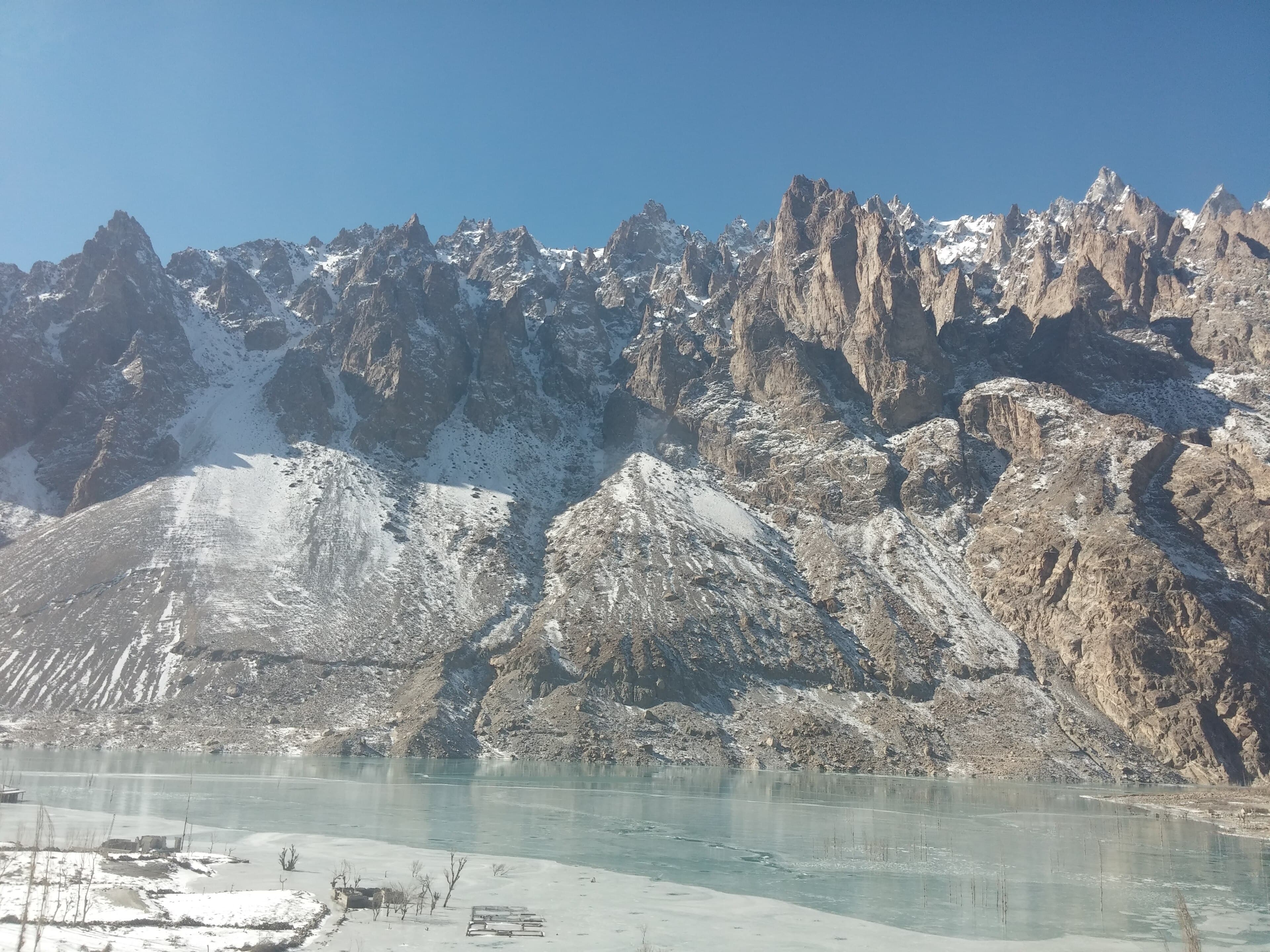
The Astore markhor lives low for a mountain goat, between about 1,200 and 3,300 metres, on dry cliffs above the big rivers. The 2024-25 survey found it in 24 community conservancies. The largest numbers were at Bunji, Doyan and the DMT conservancy (Dashkin, Mushkin and Tarbuling) in Astore district, at Tangir in Diamer, around Gilgit at Danyore, Jutial, Kargah and Haramosh, and in the SKB conservancy (Skoyo, Krabathang and Basingo) in Rondu, on the Indus road between Gilgit and Skardu.
Astore VillageThe crossroads town of the Nanga Parbat valleys
Photo: Saneea Riaz · CC BY-SA 4.0Each permit is tied to one of these conservancies and cannot be used in another. In the 2023-24 season, for example, the four markhor were taken at Doyan and DMT, a short drive from Astore, in the Sai valley near Jaglot and in the SKB conservancy in Rondu. Chitral, in Khyber Pakhtunkhwa, is the other well-known markhor country in Pakistan and sells its own permits.
Season, trophy size and rules in the field
Under the Gilgit-Baltistan guidelines of 2019 the season runs from 1 November to 25 April, and the department announces the dates each year. For 2026-27 they are 15 October to 10 April. The department names December and January as the best months, when snow pushes the herds down and the rut brings the big males into the open.
A legal trophy has horns of at least 40 inches. The range forest officer measures them after the hunt, and the hunter, the outfitter and a community representative sign the record. An animal that is wounded and lost counts as the hunt. Hunting at night or with a light is banned. Rifles must be manually operated, of 7 mm calibre or larger, and foreign hunters need a licence to bring their own. Nobody under 18 may hunt.
The work is done on foot with the conservancy's own wildlife watchers, who know where the old males stand. Expect several days of climbing and glassing before a shot is possible.
Where the money goes, and the criticism
Eighty percent of every permit fee is paid to the conservancy where the animal is taken, and the government keeps 20 percent for wildlife work. The guidelines require the community to spend at least 30 percent of its share on conservation, and the rest goes to what the village decides: irrigation channels, school buildings, health units, scholarships and small loans. Between 1990 and 2023 markhor permits alone brought in about US$5 million, and about US$4.3 million of it was invested in the communities' social, economic and environmental projects, according to figures officials gave in December 2023.
The programme has critics. Conservationists have asked for independent audits of how the money is spent and for better counts, and local tour operators objected when the base prices rose sharply in 2025. The income also depends on a handful of foreign visitors. In the 2025-26 season only one of the four markhor was hunted, after unrest in the region led foreign hunters to cancel, and one unused permit was carried into the next season. Our guide to trophy hunting and conservation sets out both sides.
Taking the trophy home
A markhor trophy needs a CITES export permit from Pakistan's CITES Management Authority, in the Ministry of Climate Change, and a sanitary certificate. Your own country must also allow the import, and the rules differ from one country to the next. CITES itself asks that a hunter import no more than one markhor trophy in a calendar year. Check with your wildlife authority before you bid.
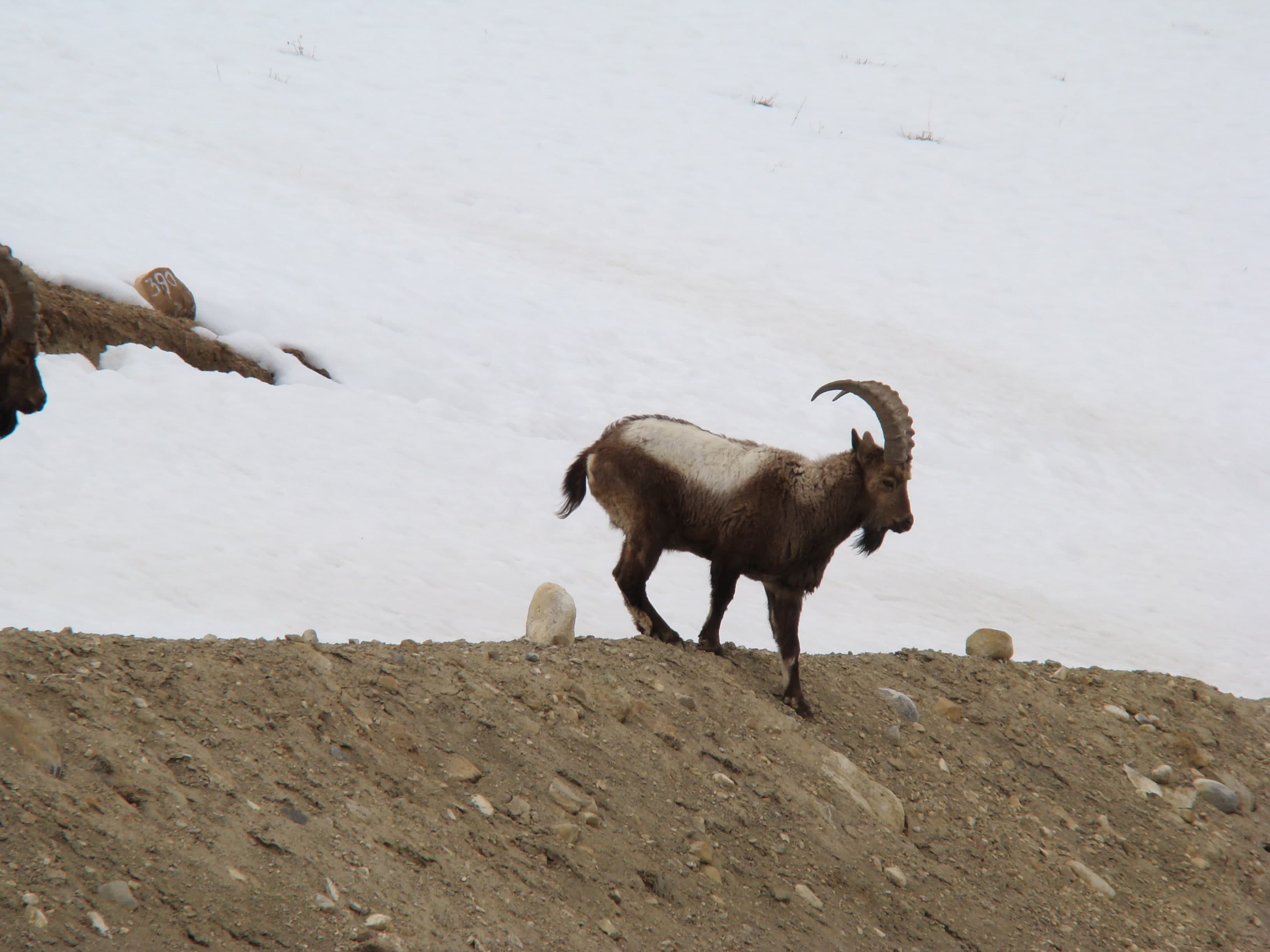
We arrange markhor hunts only through this system: a bid at the auction or a licensed outfitter that holds a government permit. Start with our trophy hunting page, or compare the cheaper permits for ibex hunting and blue sheep hunting.