International hunters
Trophy Hunting
A regulated hunt that helped bring the markhor back
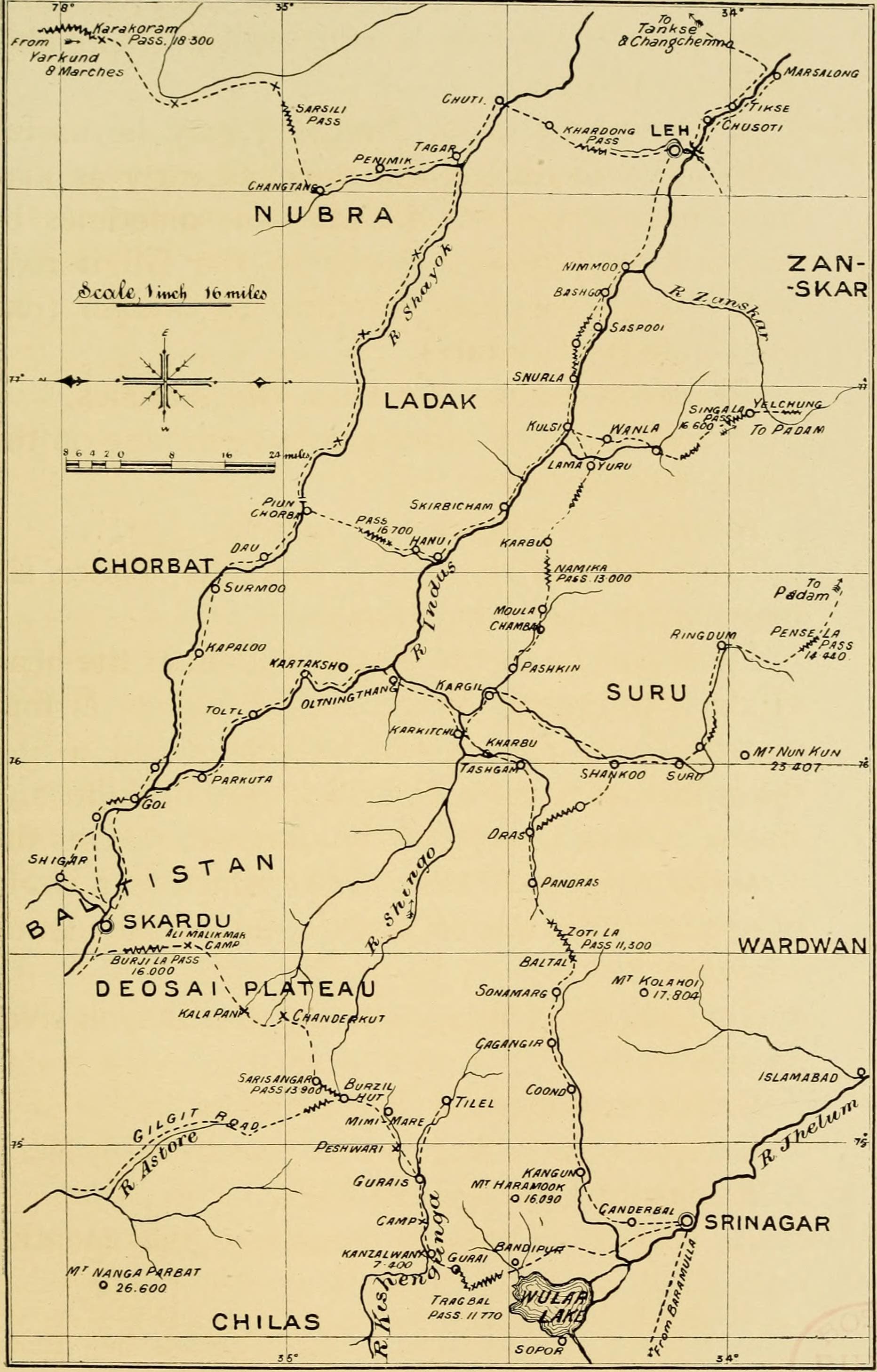
Pakistan operates one of the world's most closely watched community-based trophy hunting programs, and Gilgit-Baltistan is its heartland. Each year the government auctions a strictly limited number of permits — for markhor, Himalayan ibex and blue sheep — with roughly 80 percent of each fee paid directly to the village conservancy that protects the herd. The program is legal, CITES-compliant for markhor exports under an approved annual quota, and conducted only on mature, post-breeding males selected by trained guides.
The conservation logic is simple and, by most assessments, has worked: when a single markhor permit can bring a village community well over a hundred thousand US dollars, poaching stops and herds are guarded as assets. Markhor numbers in Pakistan have recovered substantially since the program and community conservancies took hold in the 1990s, a turnaround acknowledged by the IUCN's improvement of the species' status from Endangered to Near Threatened in 2015. Local conservancies fund schools, water schemes and wildlife guards from hunt revenue.
The season runs from roughly November to April, when winter concentrates animals at lower elevations and trophies are in prime condition. Hunts take place in designated community conservancies across the region — markhor in areas such as lower Hunza and the Skardu and Astore valleys, ibex in high conservancies from Hunza to Khaplu, and blue sheep in the remote eastern valleys near the Shimshal and Baltistan frontier ranges. Expect genuine mountain hunting: glassing from ridgelines at 3,000–4,500 m, cold camps and long climbs behind local guides who know every herd by sight.
We arrange hunts only through the official permit system — auction bidding or licensed outfitters holding government-issued permits — with full documentation, field preparation of trophies and export paperwork handled end to end. If you are researching whether hunting in Pakistan is legal and ethical, the honest answer is that this program is legal, tightly quota-controlled and broadly cited as a conservation success; we are glad to share the details and the rules before you commit.
What this experience includes
Astore and Kashmir markhor hunts
The flagship permit, auctioned annually in very small numbers for designated conservancies in Gilgit-Baltistan. Hunts target aged males selected by community guides, with CITES export documentation arranged for the trophy.
Himalayan ibex in community conservancies
The most accessible permit in the program, hunted across high conservancies from Hunza to Baltistan between November and April. A physically demanding climb rewarded by one of Asia's classic mountain trophies.
Blue sheep (bharal) expeditions
Limited permits cover remote eastern ranges of Baltistan, where blue sheep graze open slopes above 4,000 m. Expect multi-day camps, long glassing sessions and true wilderness hunting.
Permit acquisition and legal paperwork
We guide you through the annual government auction or place you with licensed outfitters holding valid permits, then handle firearms import permissions, conservancy fees and export formalities.
Community-guided field operations
Local wildlife guards and guides — the same men who protect the herds year-round — lead the stalk, judge trophy age in the field and ensure the hunt follows conservancy rules.
Where we take you
town · 2,230 m
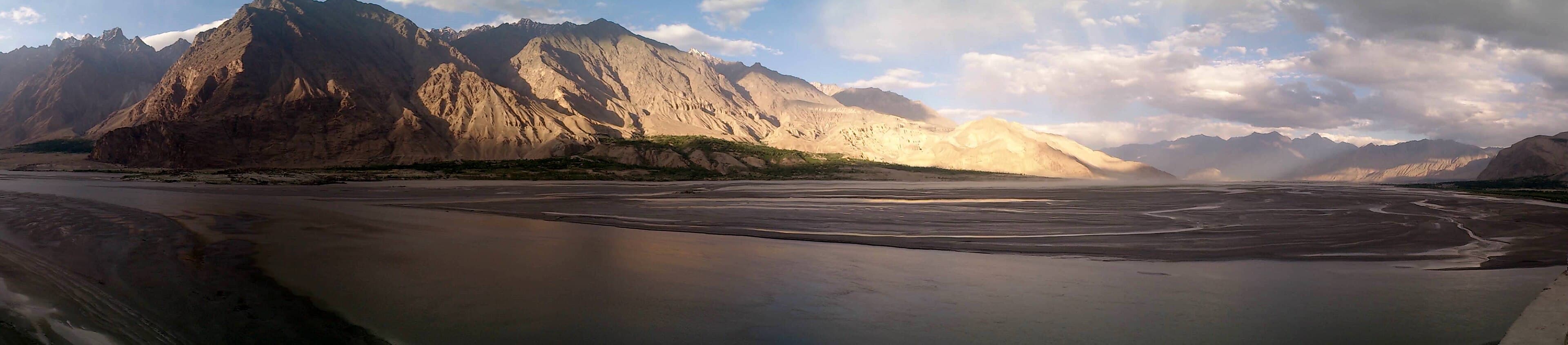
Skardu
The basecamp town for the greatest mountains on earth
town · 2,600 m
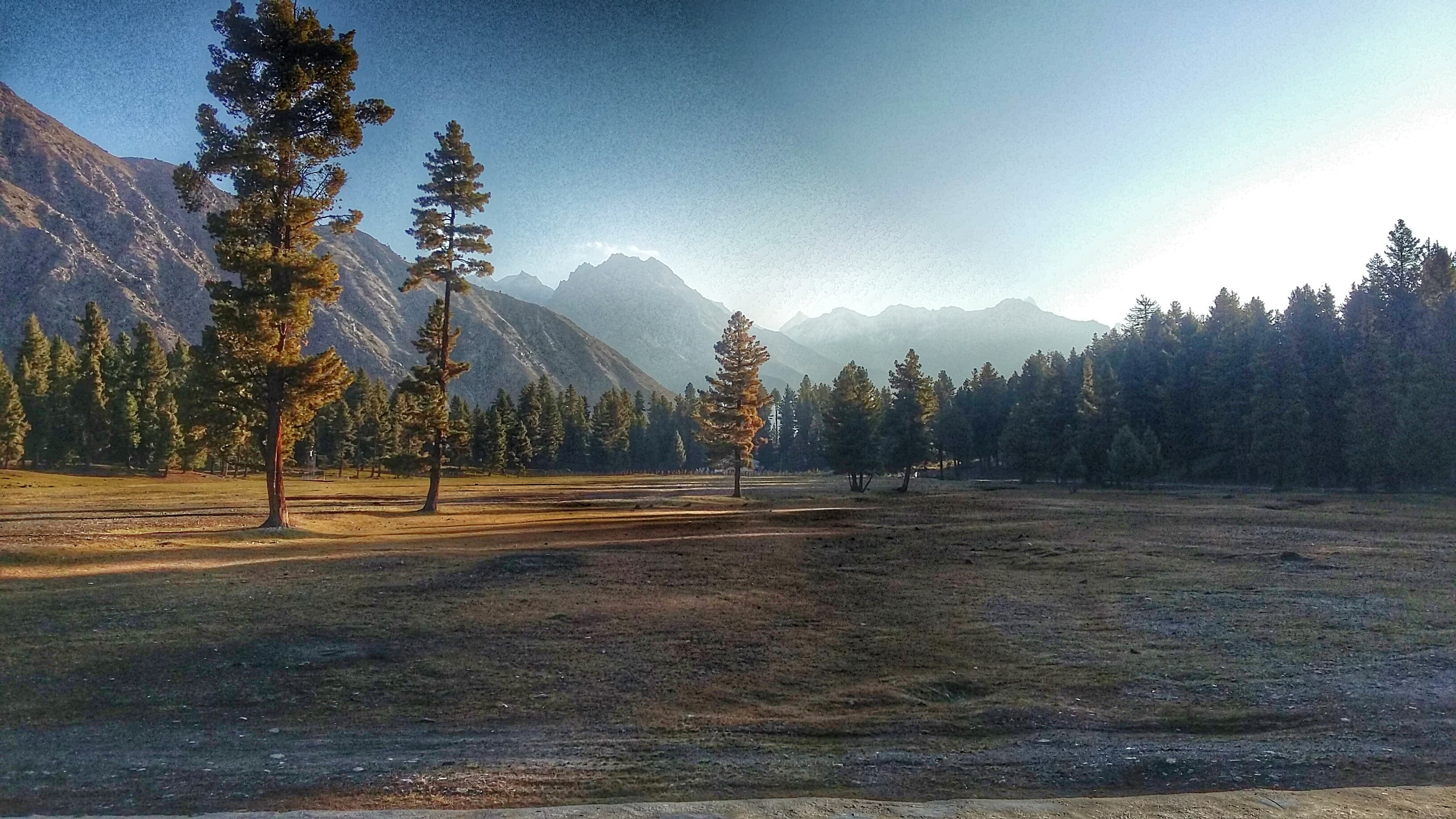
Astore Village
The crossroads town of the Nanga Parbat valleys
valley · 2,600 m
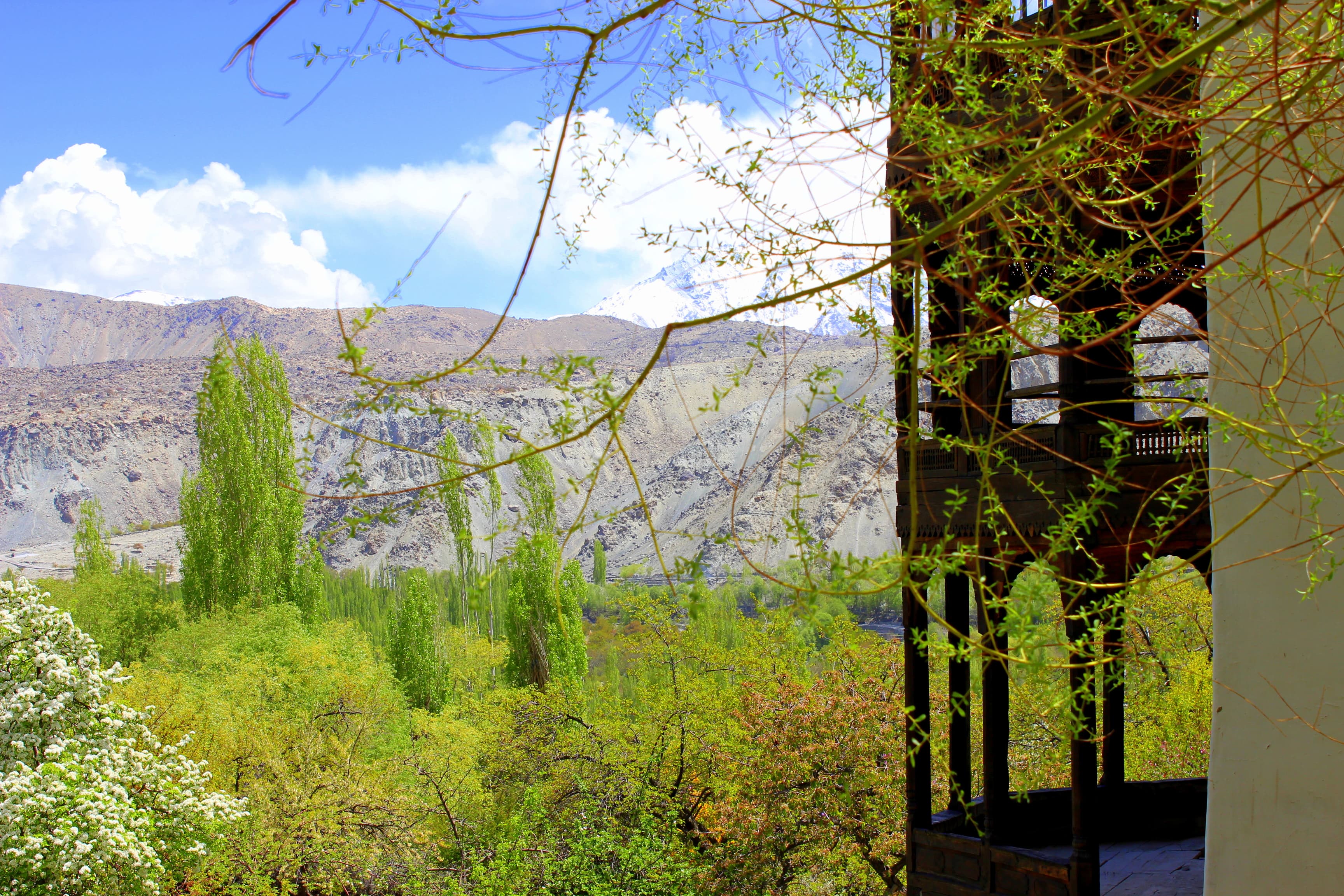
Khaplu Valley
A royal palace and a 700-year-old mosque at the end of the road east
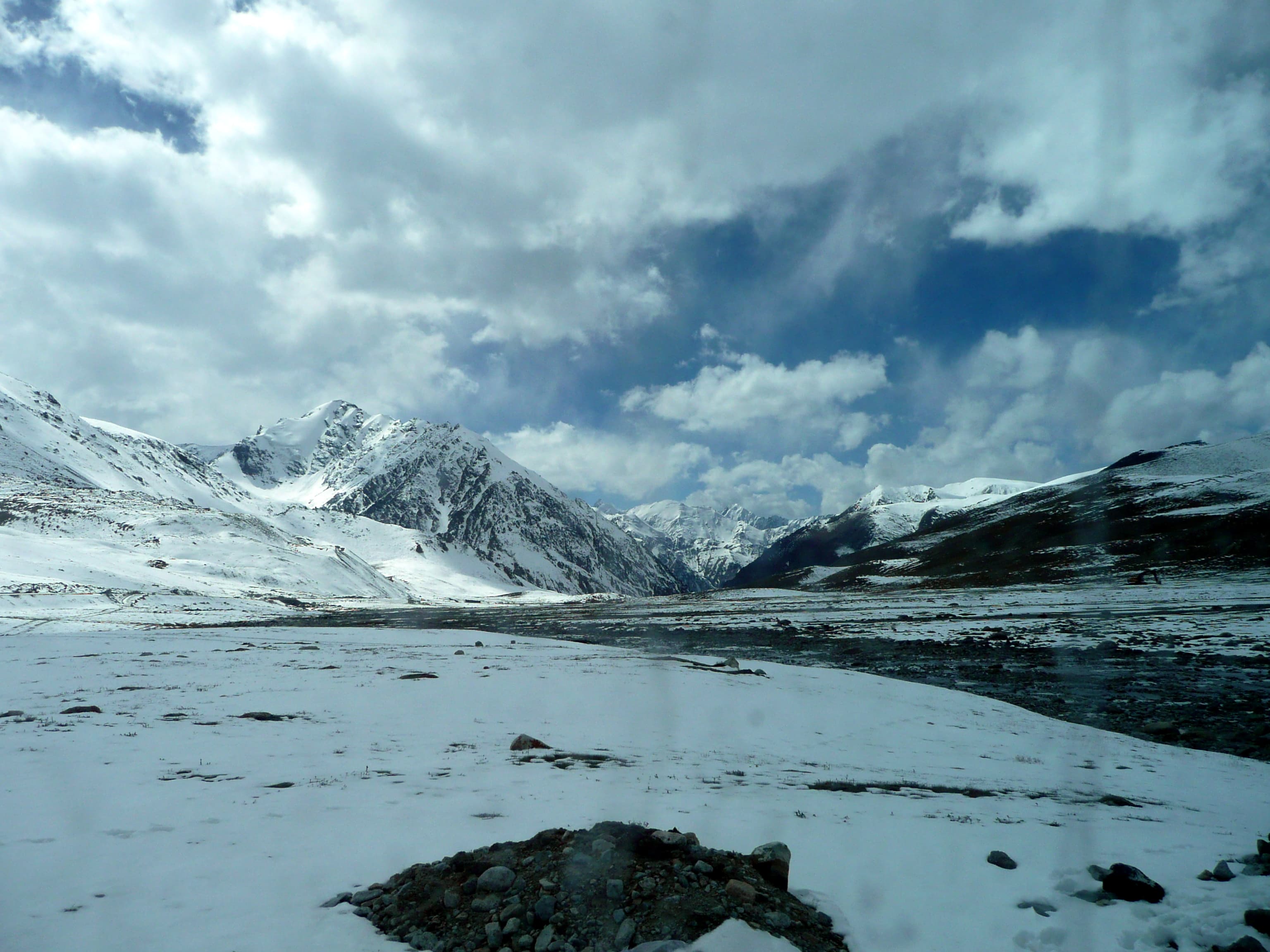
pass · 4,693 m
Khunjerab Pass
Drive to 4,693 m and stand at the China border gate
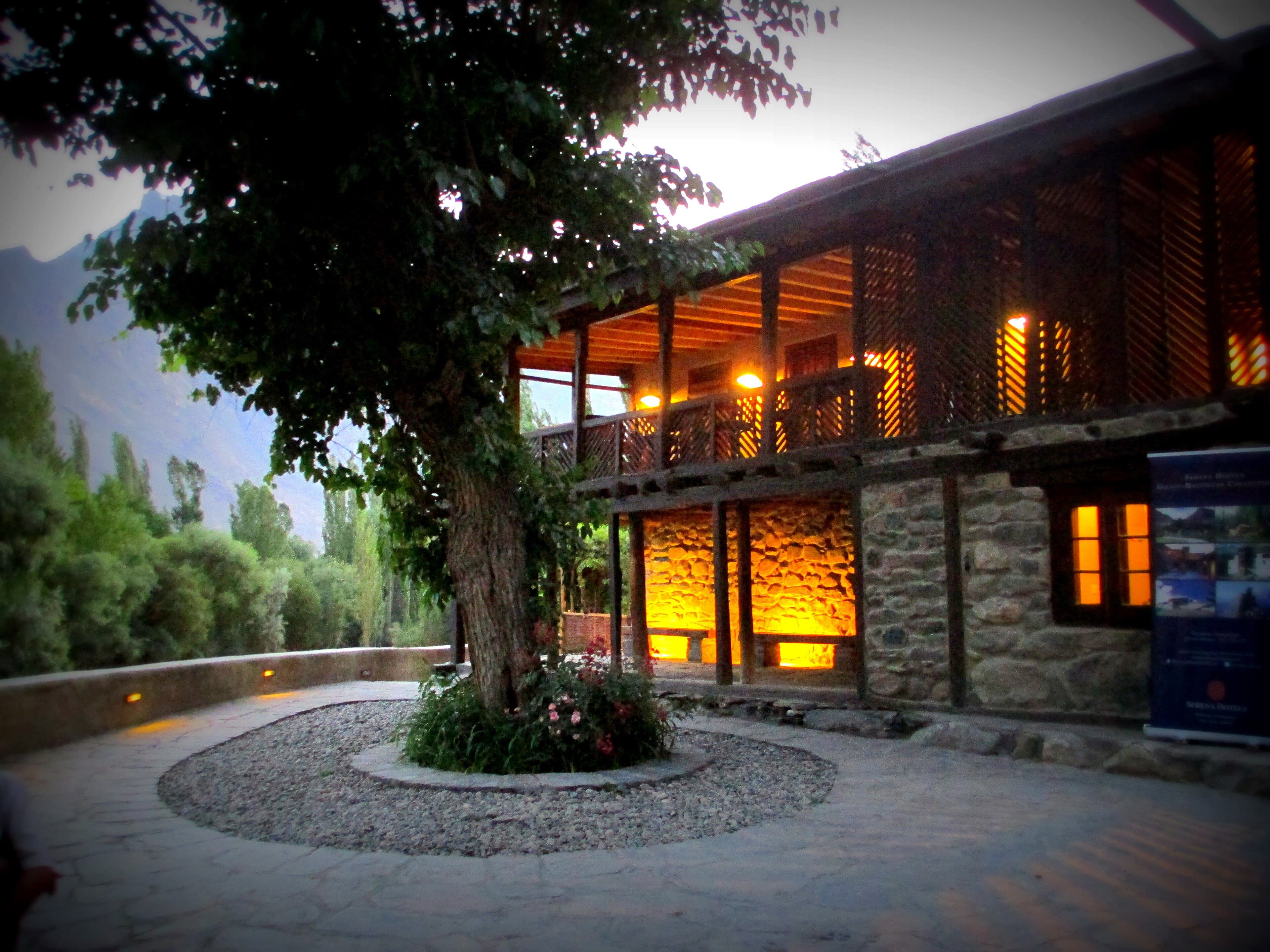
valley · 2,300 m
Shigar Valley
Sleep in a raja's fort on the road to K2
Trophy Hunting — frequently asked questions
Is trophy hunting legal in Pakistan?
Yes. Pakistan runs a government-regulated, community-based trophy hunting program with a small annual quota of permits for markhor, Himalayan ibex and blue sheep, sold by auction. Markhor exports operate under a CITES-approved quota. Hunting outside this permit system is illegal and prosecuted.
How much does a markhor hunting permit cost?
Markhor permits are auctioned annually and have sold for well over US$100,000 — recent auctions have seen winning bids in the hundreds of thousands of dollars. Himalayan ibex and blue sheep permits cost substantially less. Around 80% of every fee goes to the local conservation community.
Does trophy hunting actually help conservation in Pakistan?
The evidence for this program is broadly positive: permit revenue gave communities a direct stake in protecting herds, poaching fell sharply, and markhor populations recovered enough for the IUCN to move the species from Endangered to Near Threatened in 2015. Quotas remain deliberately small and target only mature males past prime breeding age.
When is the trophy hunting season in Gilgit-Baltistan?
The season runs from roughly November to April, when snow brings markhor, ibex and blue sheep to lower, huntable elevations and winter coats are at their best. Permits are auctioned in the autumn ahead of the season, so planning should begin months in advance.
Start the conversation
Let's design your trophy hunting itinerary
Tell us your dates, interests and pace — we'll design a private itinerary with local guides, reliable 4x4s and hand-picked stays.