Why the blue sheep permit is rare
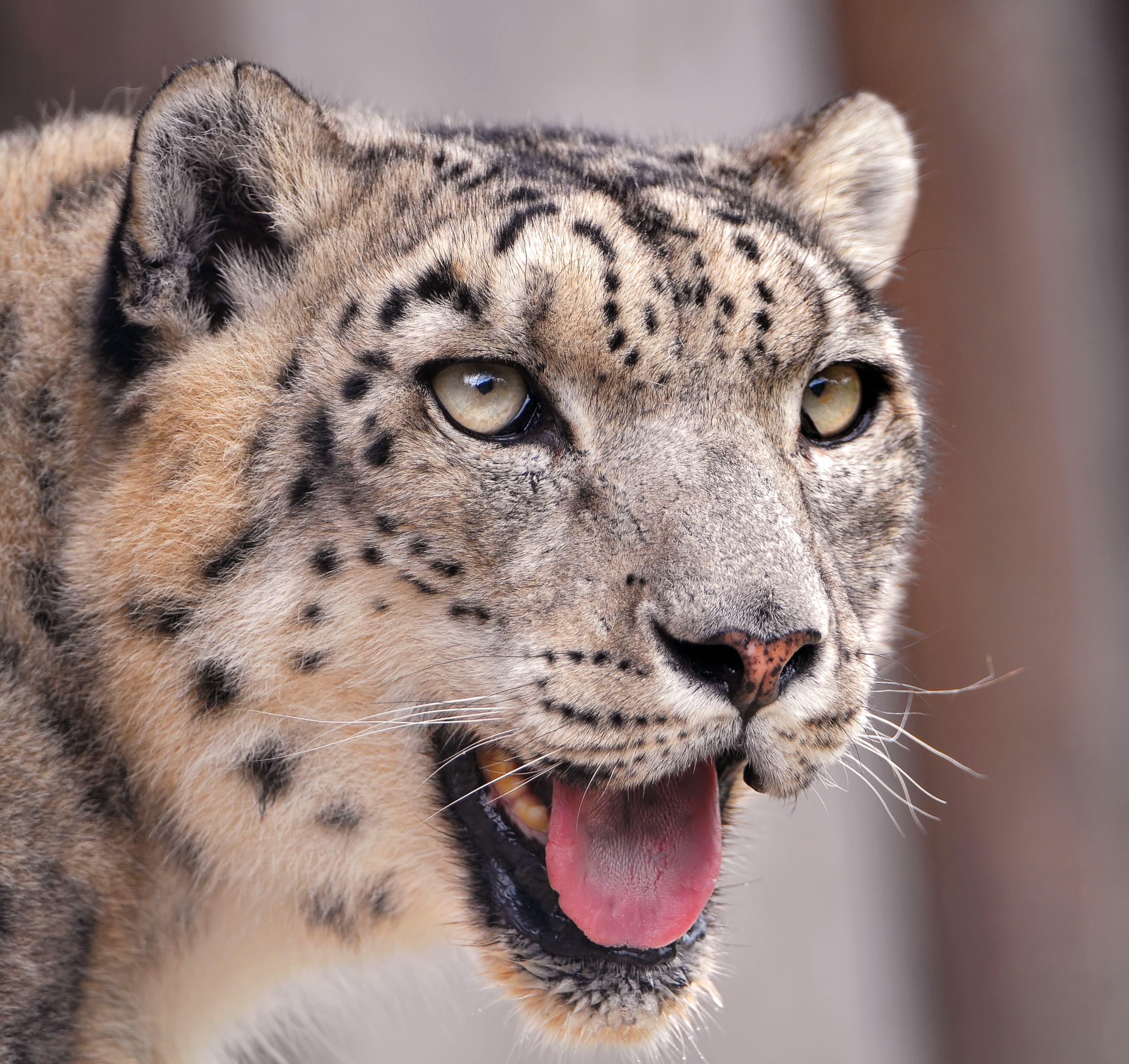
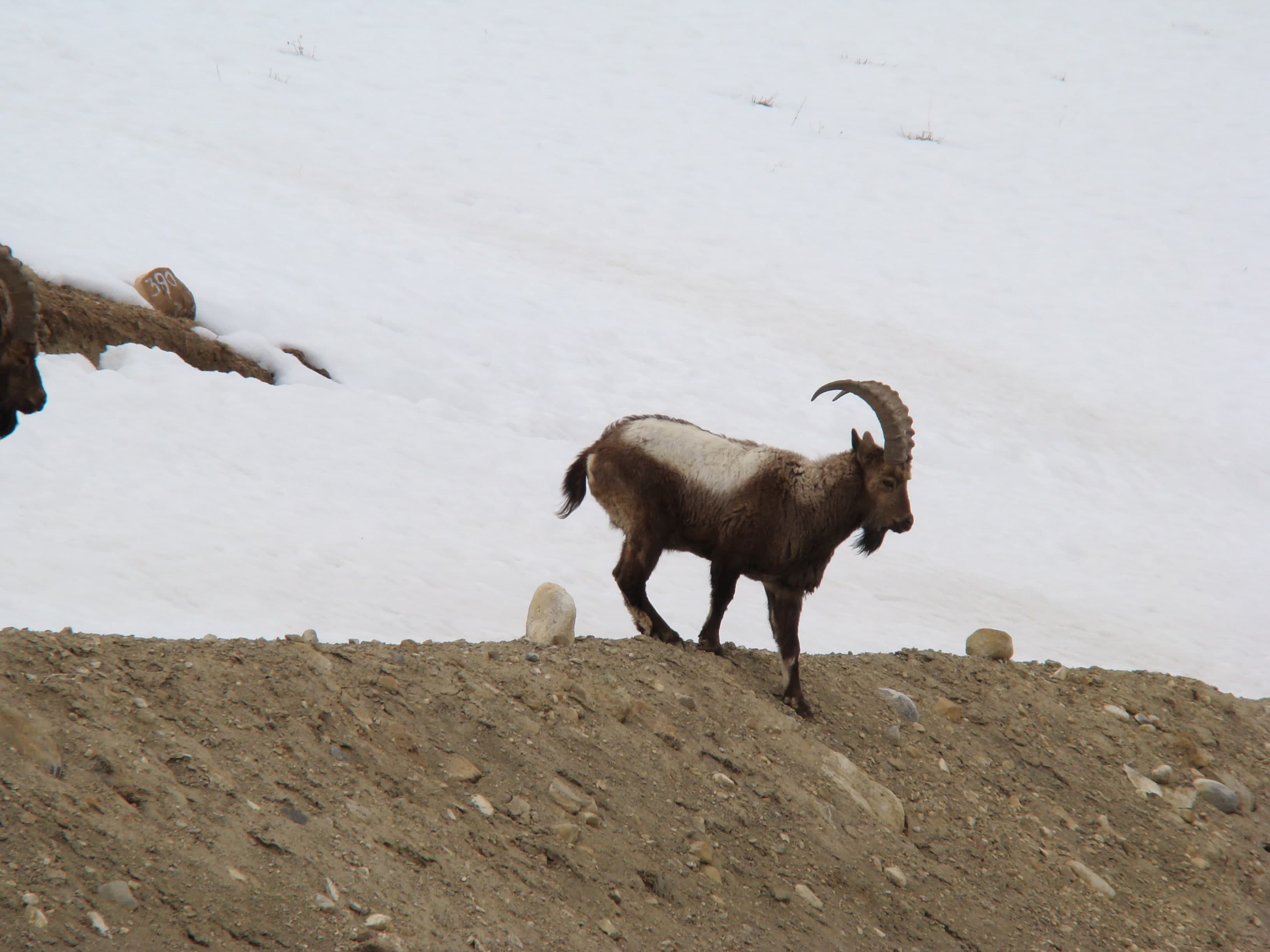
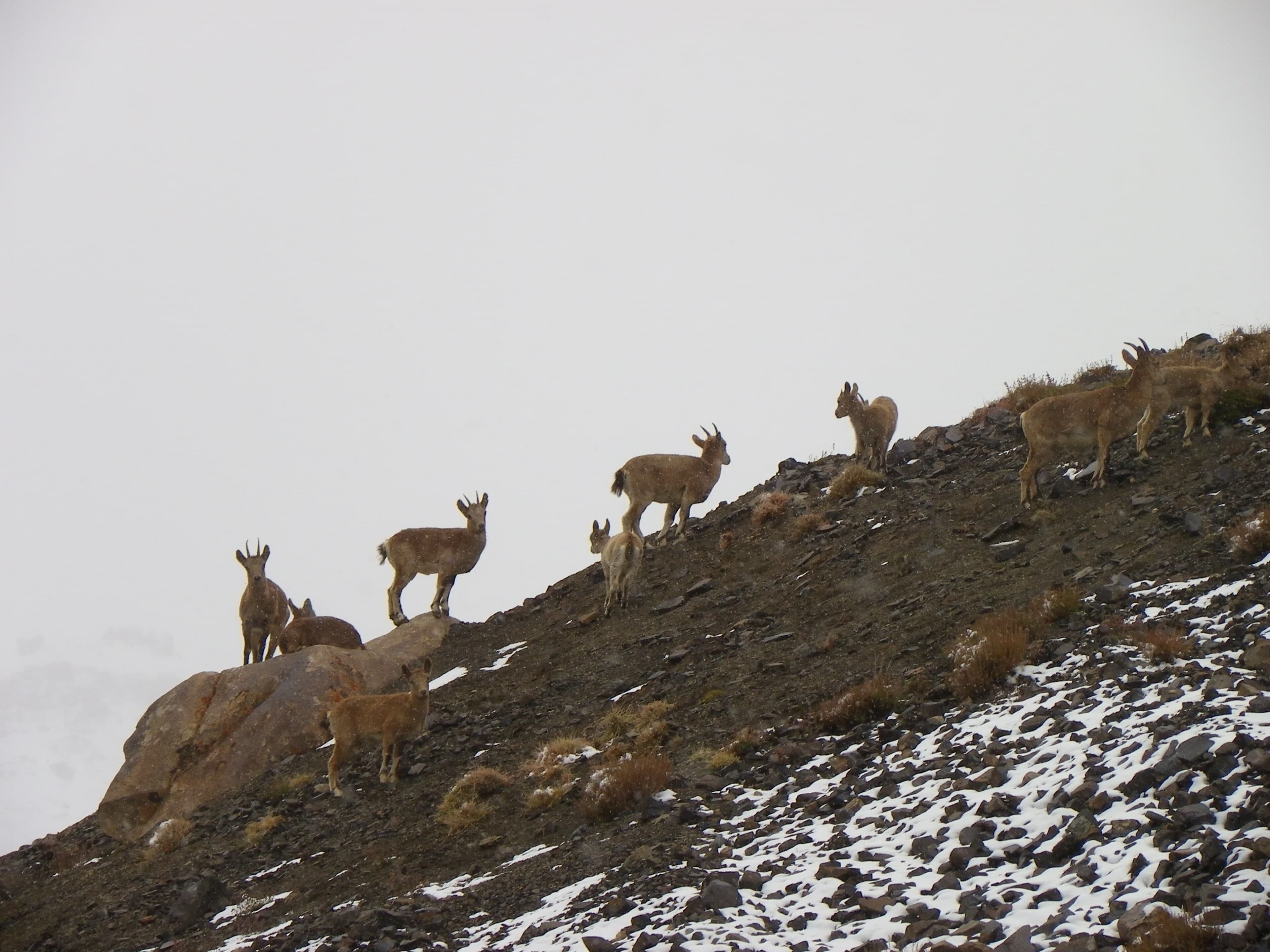
The blue sheep, or bharal, is common across Tibet and the high Himalaya but lives in only one corner of Pakistan. The 2024-25 winter survey estimated 1,785 in Gilgit-Baltistan: 1,692 in the Shimshal conservancy and 93 at Sokhterabad, in the area managed by the Khunjerab villages. Of these, 190 were rams of trophy size. Our page on the blue sheep in Pakistan describes the animal.
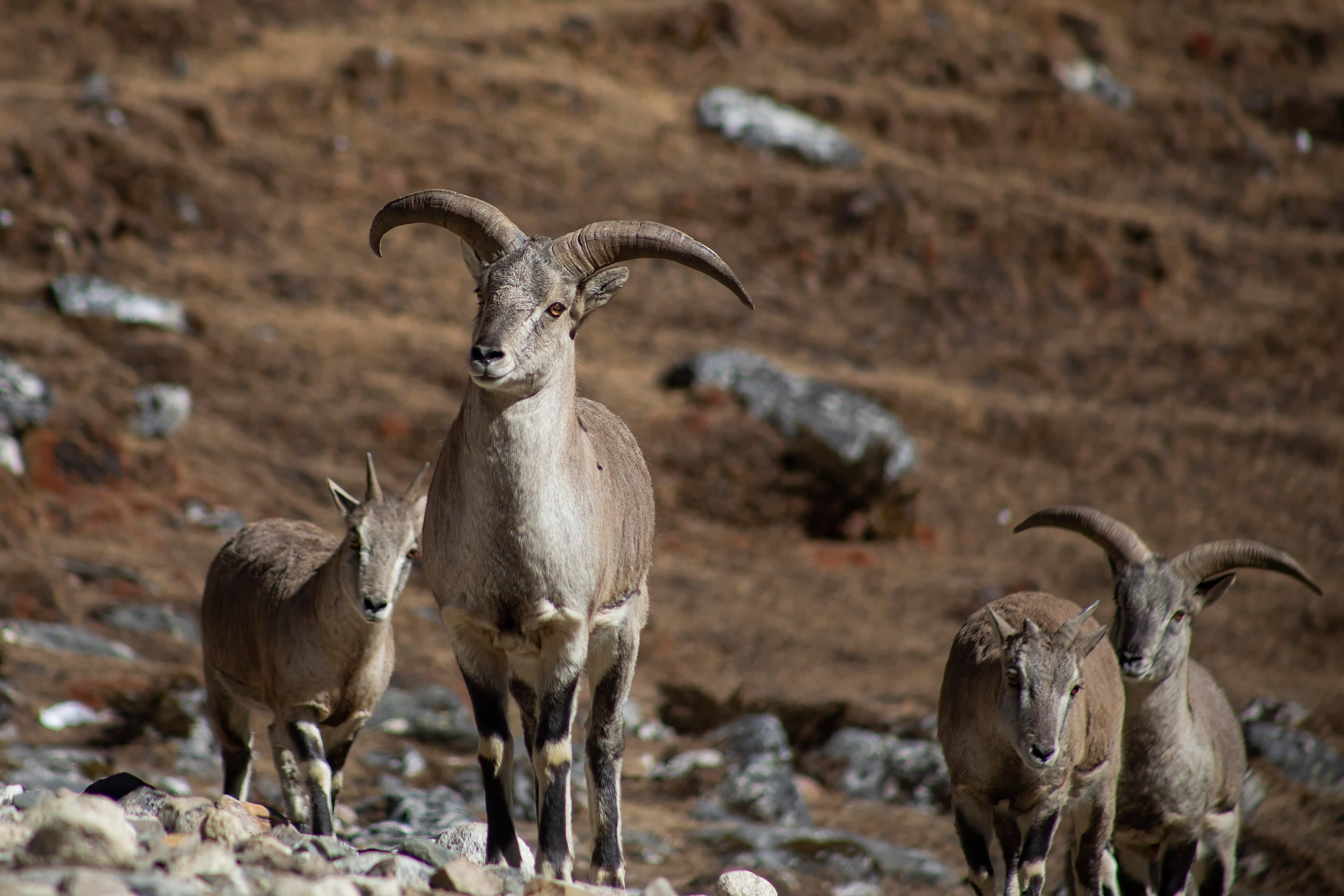
Blue sheepThe bharal of Shimshal, in the far north of Hunza
Photo: Sangyam adventurer · CC0Fourteen permits were put up for auction in September 2025 and again in September 2026. Hunters who collect the wild sheep and goats of Asia come to Shimshal for this one animal, because nowhere else in the country offers it.
What a blue sheep permit costs
For a foreign hunter the base price was US$9,000 in 2023-24, US$30,000 in 2025-26 and US$25,000 for 2026-27. Bidding goes above that. In October 2023 the permits for foreign hunters sold for between US$26,000 and US$35,000. In September 2025 the highest bid was US$40,000. On 10 September 2026 the exportable permits sold for between US$25,100 and US$31,200.
Pakistani hunters bid in rupees for permits whose trophies stay in the country, and in 2023-24 those went for about Rs1.8 million. The permit covers one animal in one conservancy. A hunting licence, the outfitter, travel and trophy shipping are paid on top.
Where the hunt happens: Shimshal and Sokhterabad
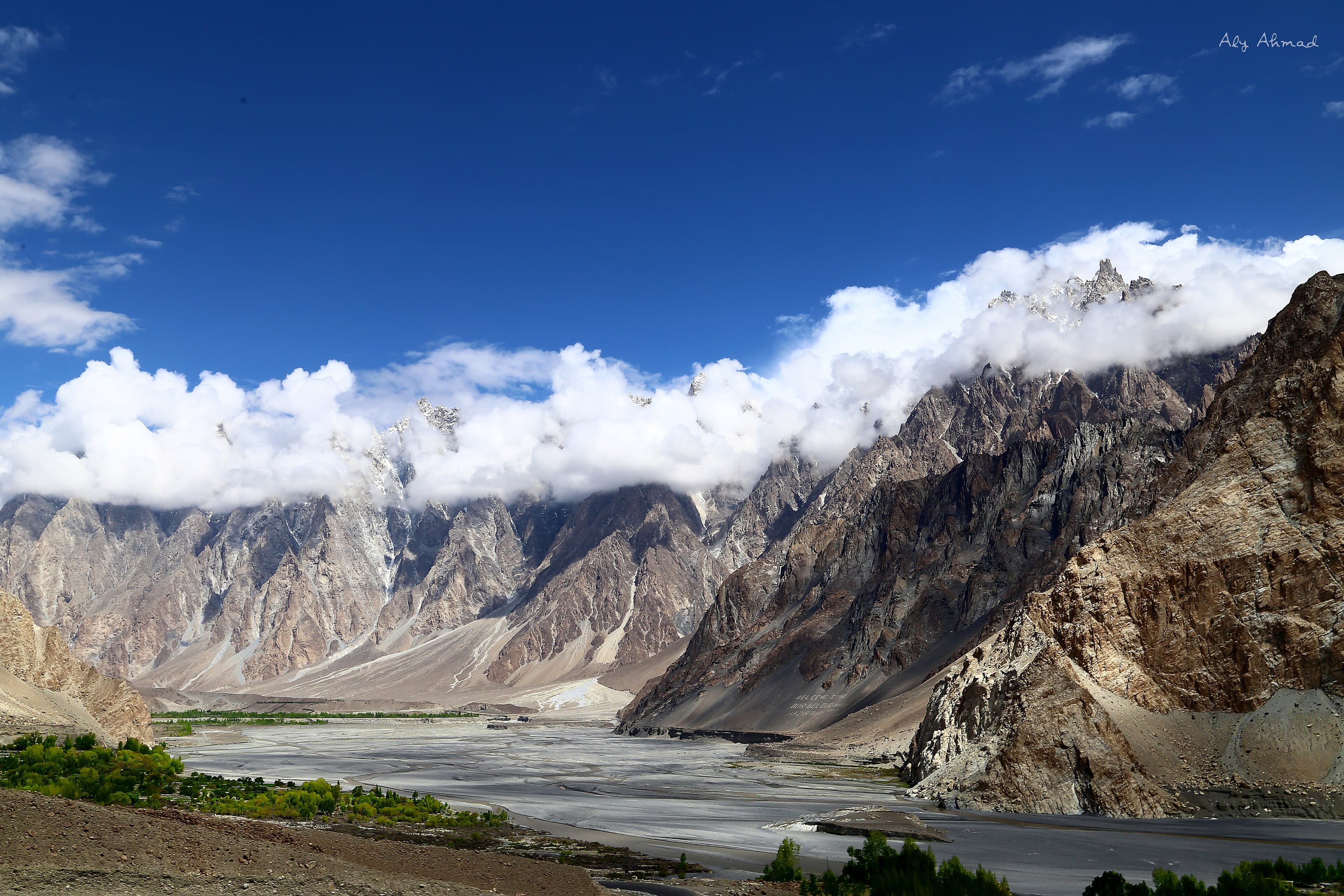
Shimshal is about three hours by jeep from Passu, on a road the community built largely by itself. The blue sheep live in the high side valleys. The surveys name the Ganj Dur, Yazgill and Mai Dur watersheds, and the last count found the herds between about 3,100 and 4,400 metres. A winter hunt here means walking and camping in real cold, well away from the road.
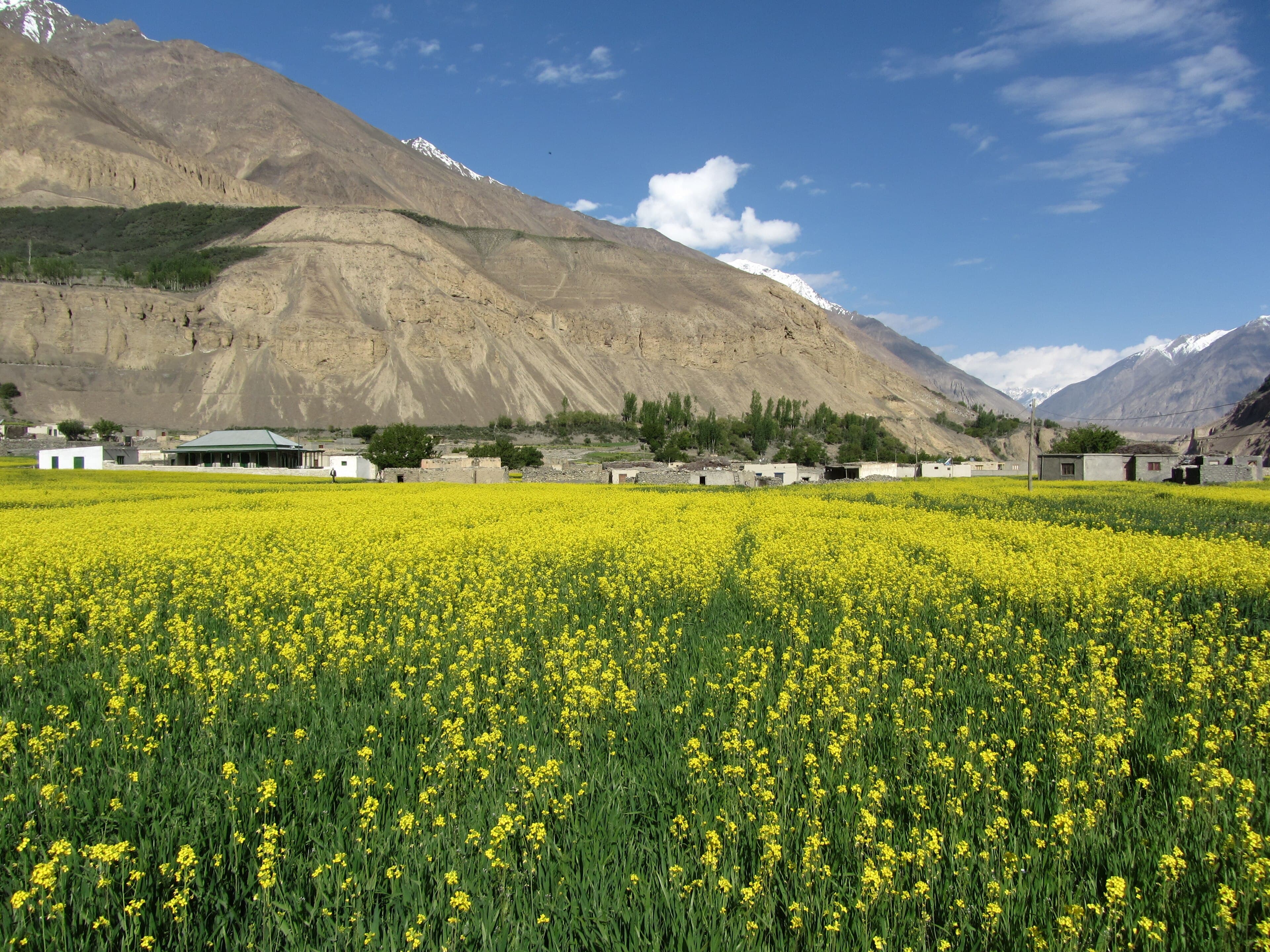
Shimshal ValleyThe valley of mountaineers at the end of Pakistan's wildest road
Photo: Shujaat Aly · CC BY-SA 3.0Sokhterabad is the second area, in the conservancy of the Khunjerab villages below the Khunjerab Pass. In January 2025 a visiting hunter took a ram with 25-inch horns there on a licence that had cost US$25,100.
Season, trophy size and rules
The season is the same as for the other two species: 1 November to 25 April under the 2019 guidelines, and 15 October to 10 April for 2026-27. The minimum trophy is 25 inches of horn, lowered from 27 inches when the guidelines were written. The range forest officer measures it after the hunt.
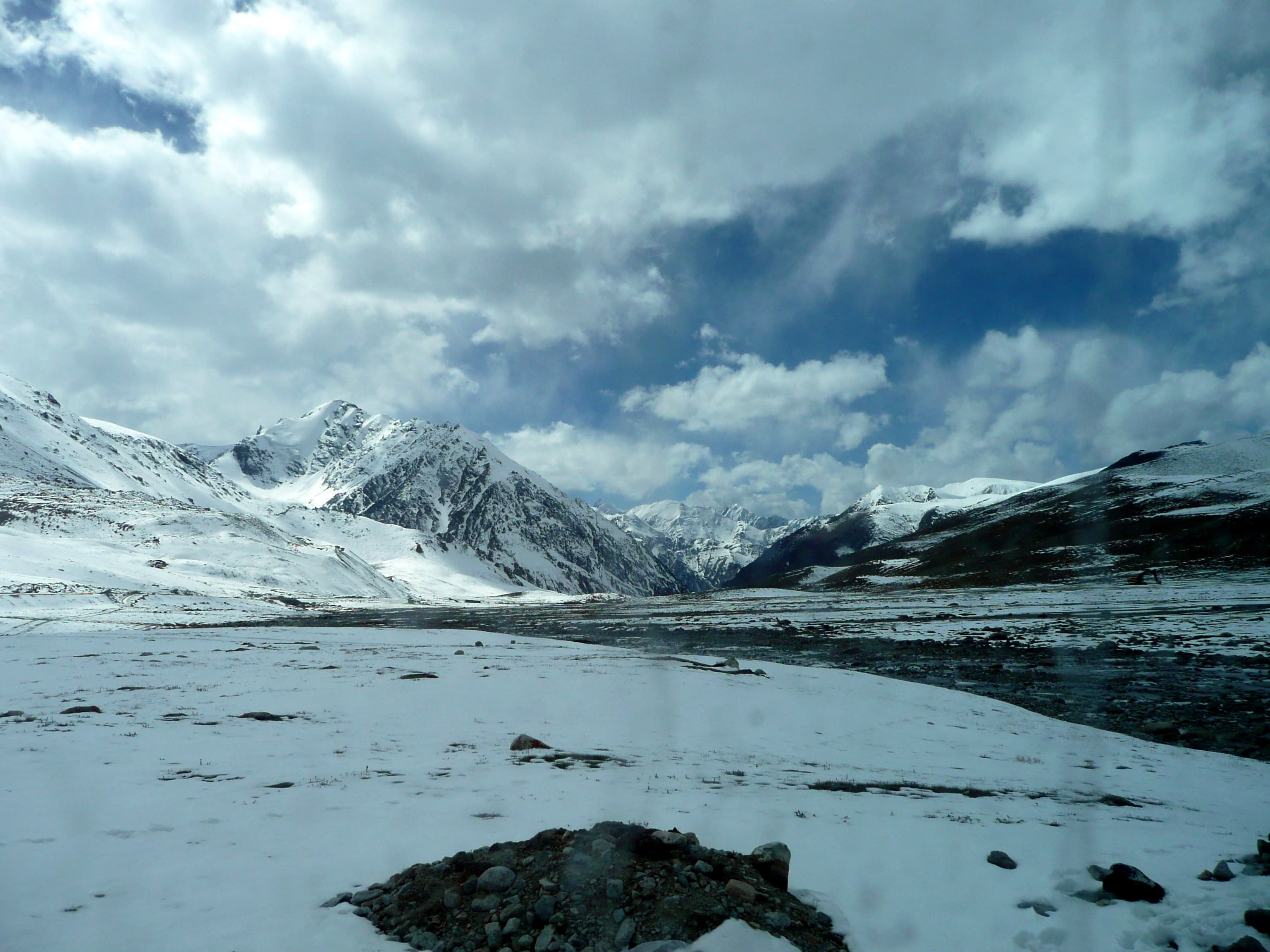
Khunjerab PassDrive to 4,693 m and stand at the China border gate
Photo: Martin Jung · CC BY-SA 3.0The other rules also apply. A wounded animal that is lost counts as the hunt. Rifles must be manually operated and of 7 mm calibre or larger, night hunting is banned, and hunters must be 18 or older. Eighty percent of the fee goes to the Shimshal or Khunjerab community and 20 percent to the government.
Not every permit is used. In 2023-24 six blue sheep were taken, and at the end of the 2025-26 season five permits were left unused.
How to arrange a blue sheep hunt
We arrange hunts only through the official system, with a permit bought at the auction or held by a licensed outfitter, and with the export papers issued by Pakistan's CITES Management Authority. Check the import rules of your own country before you bid. Our trophy hunting page explains how we work.
If the price or the walk is more than you want, ibex hunting costs less than half as much and is possible in many more valleys. Markhor hunting is the rarest permit of all. For the background, read our guide to trophy hunting and conservation.