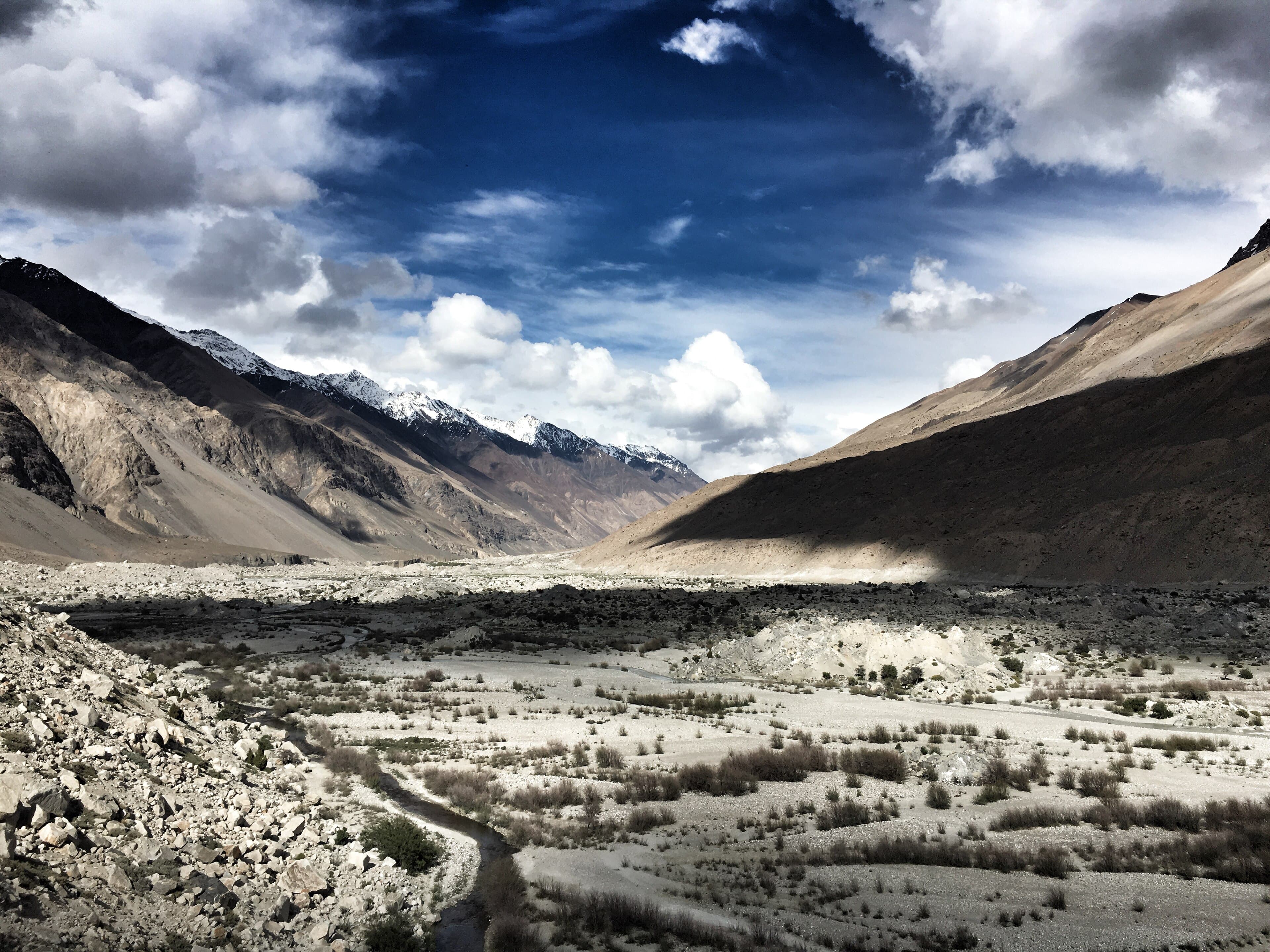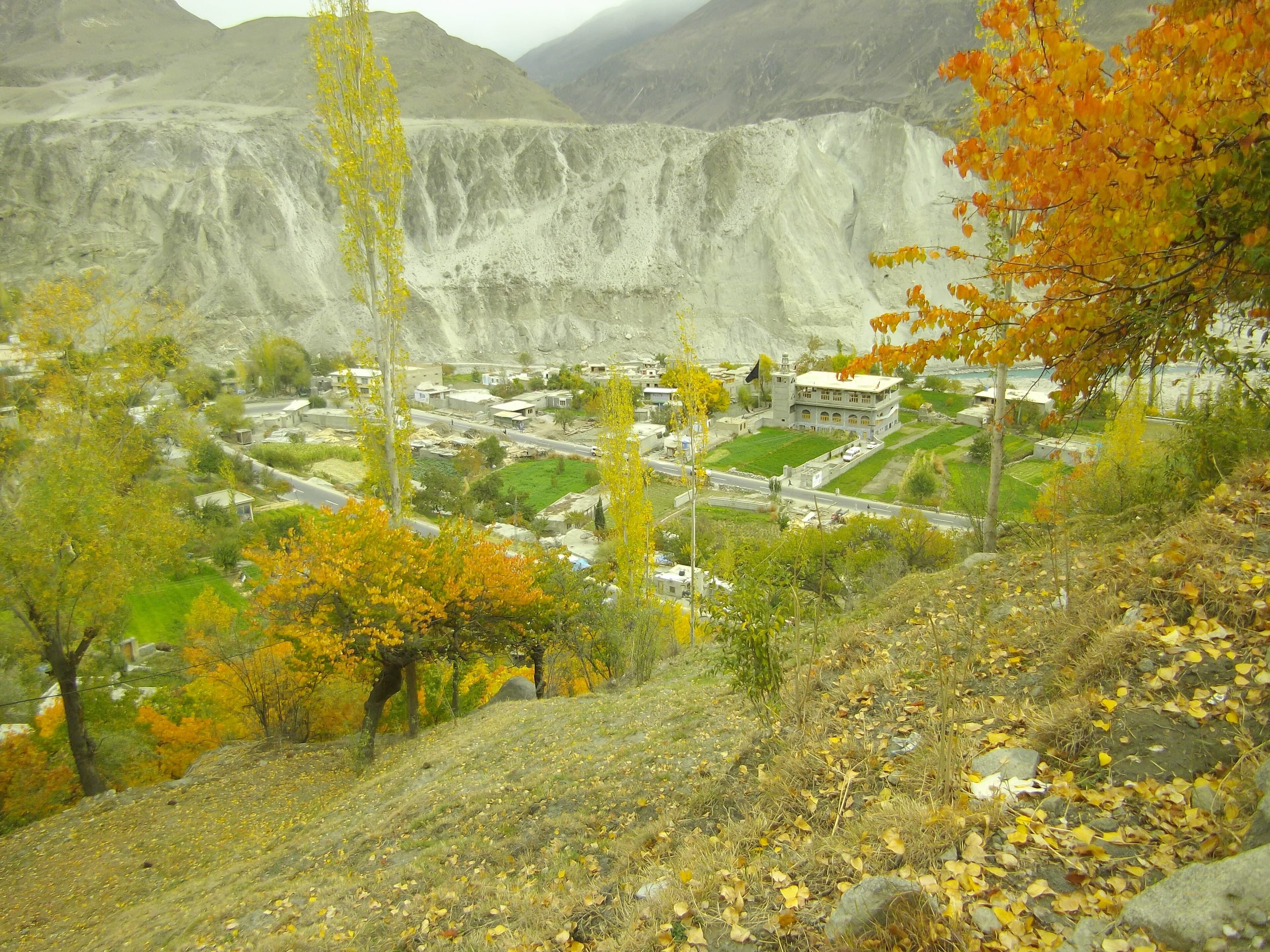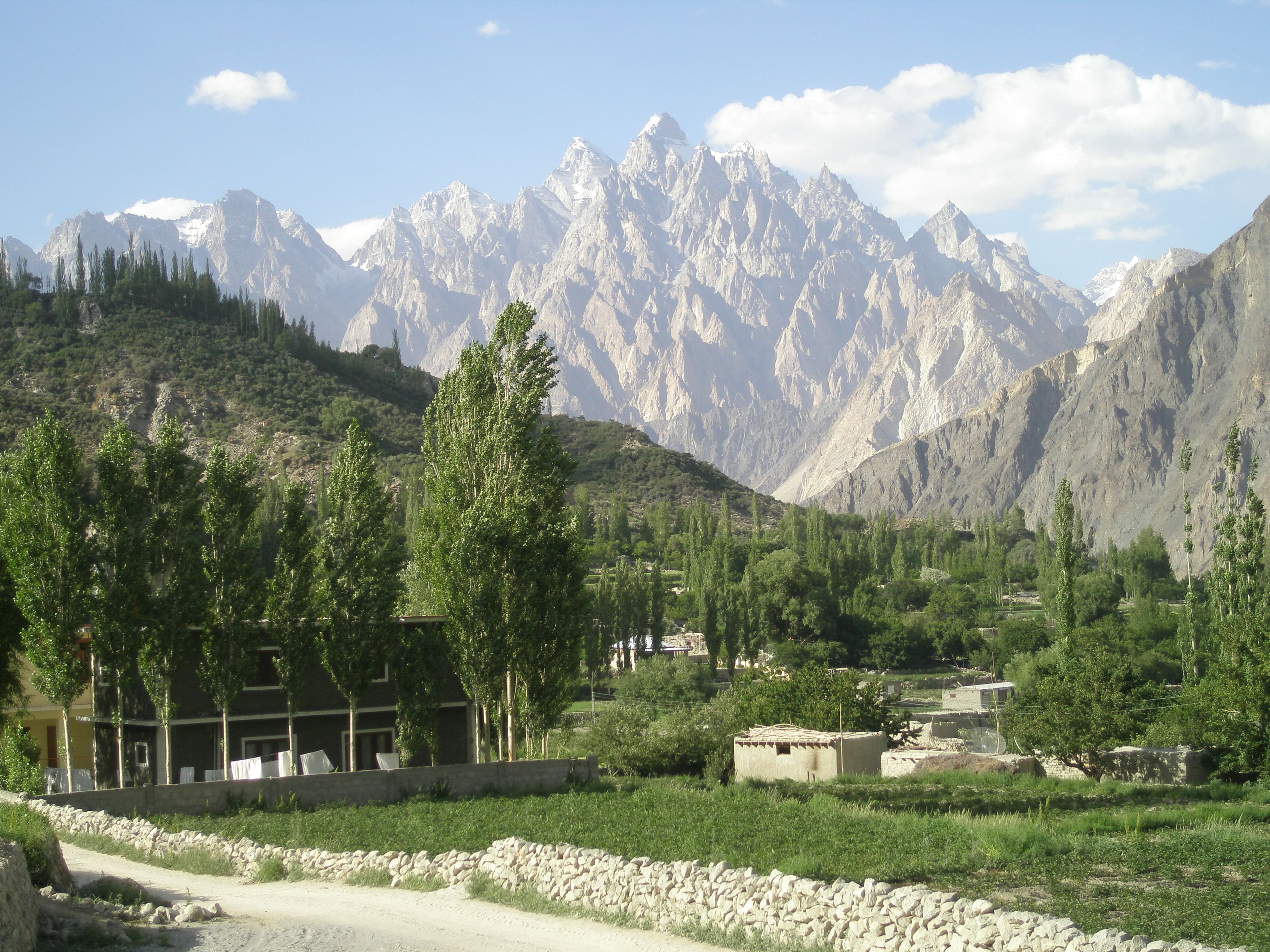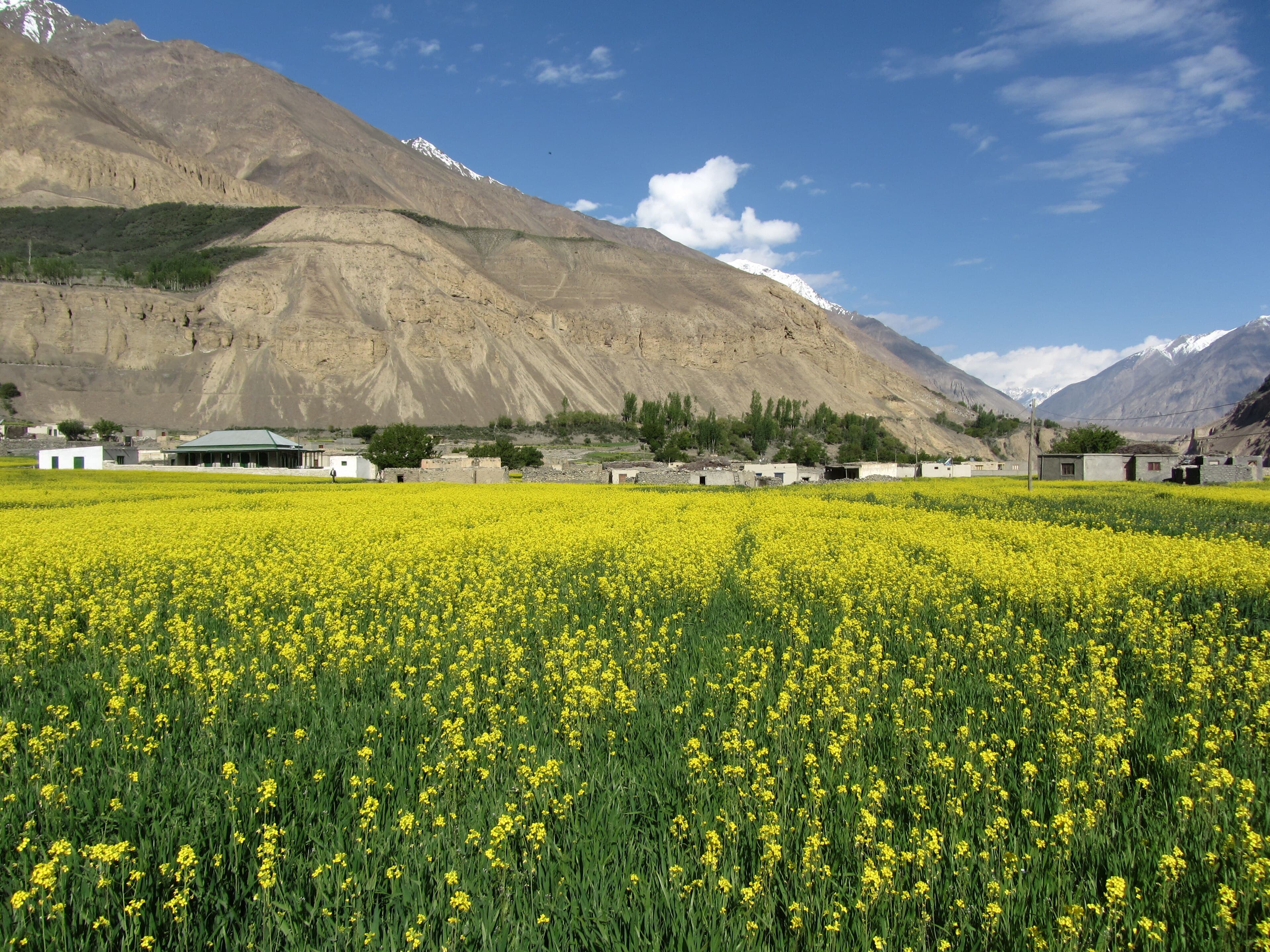
Shimshal is the settlement that shouldn't be reachable by car — and only barely is. Pakistan's highest permanently settled valley sits at around 3,100 metres, deep in the Karakoram east of the Karakoram Highway, at the end of a jeep road widely ranked among the wildest drives on earth: three hours from Passu along ledges blasted into sheer gorge walls, across slender bridges, with the Shimshal River churning far below.
The road itself is the valley's proudest story. For generations Shimshal could only be reached by a multi-day walk, so from 1985 the villagers began carving a road through the gorge largely with their own hands and funds, supported in later phases by outside help. It took 18 years; when the first jeeps rolled into the village in 2003, Shimshal had quite literally built its own connection to the world.
Pakistanis call Shimshal the valley of mountaineers, and the title is earned. This community of a few hundred households has produced dozens of accomplished high-altitude climbers — most famously Samina Baig, the first Pakistani woman to summit Everest and later K2 — along with a long roll of guides and porters who have stood on the country's highest summits. A local mountaineering school keeps the tradition alive.
Daily life remains profoundly Wakhi: stone-and-timber houses around irrigated fields of wheat, barley and potatoes, women's cooperatives weaving and farming, and a strong tradition of hospitality through village homestays. In summer, families drive their yak herds up to the Shimshal Pamir, a high grazing plateau several days' walk away whose lakes and grasslands form one of the great cultural-trekking routes in the Karakoram.
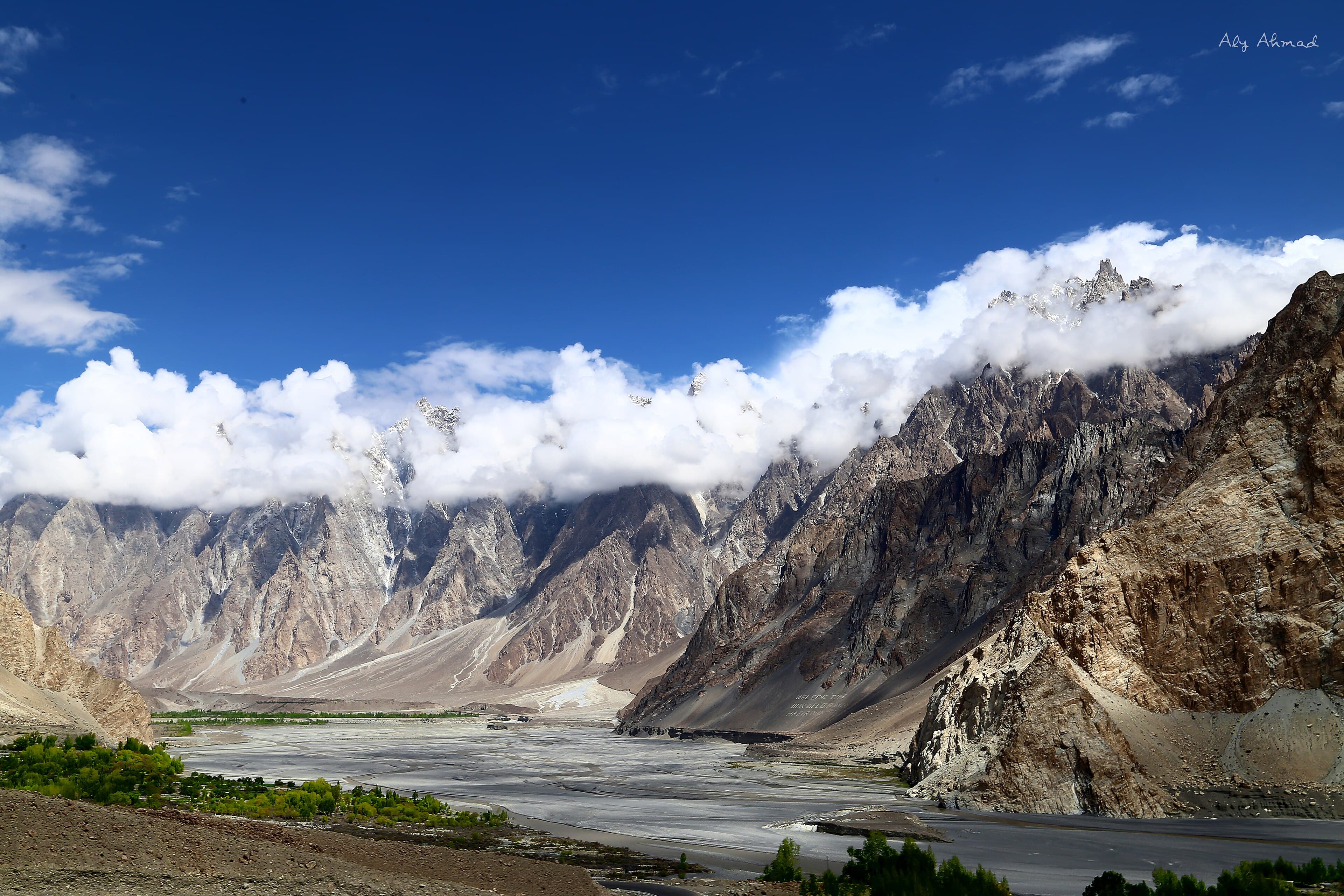
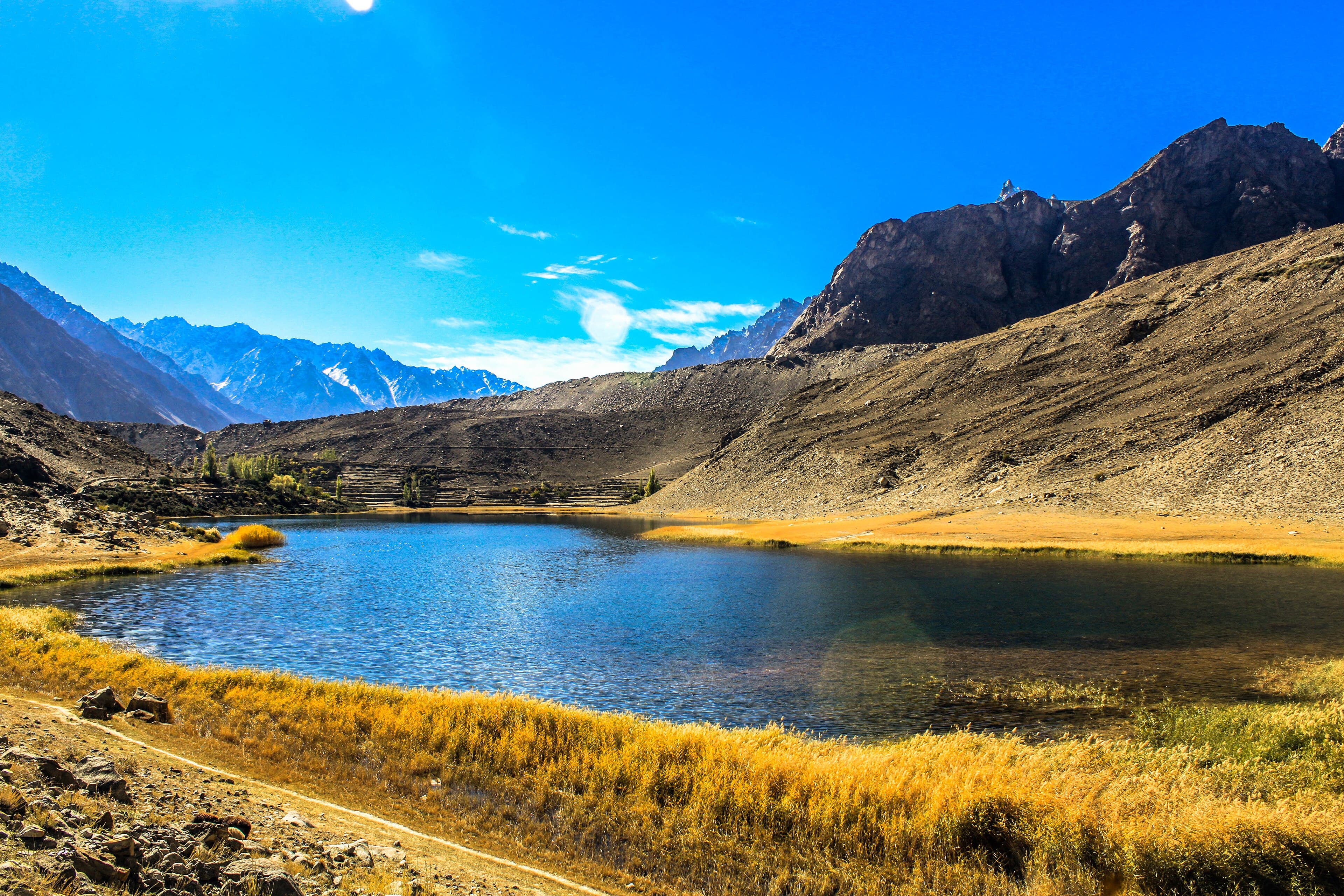
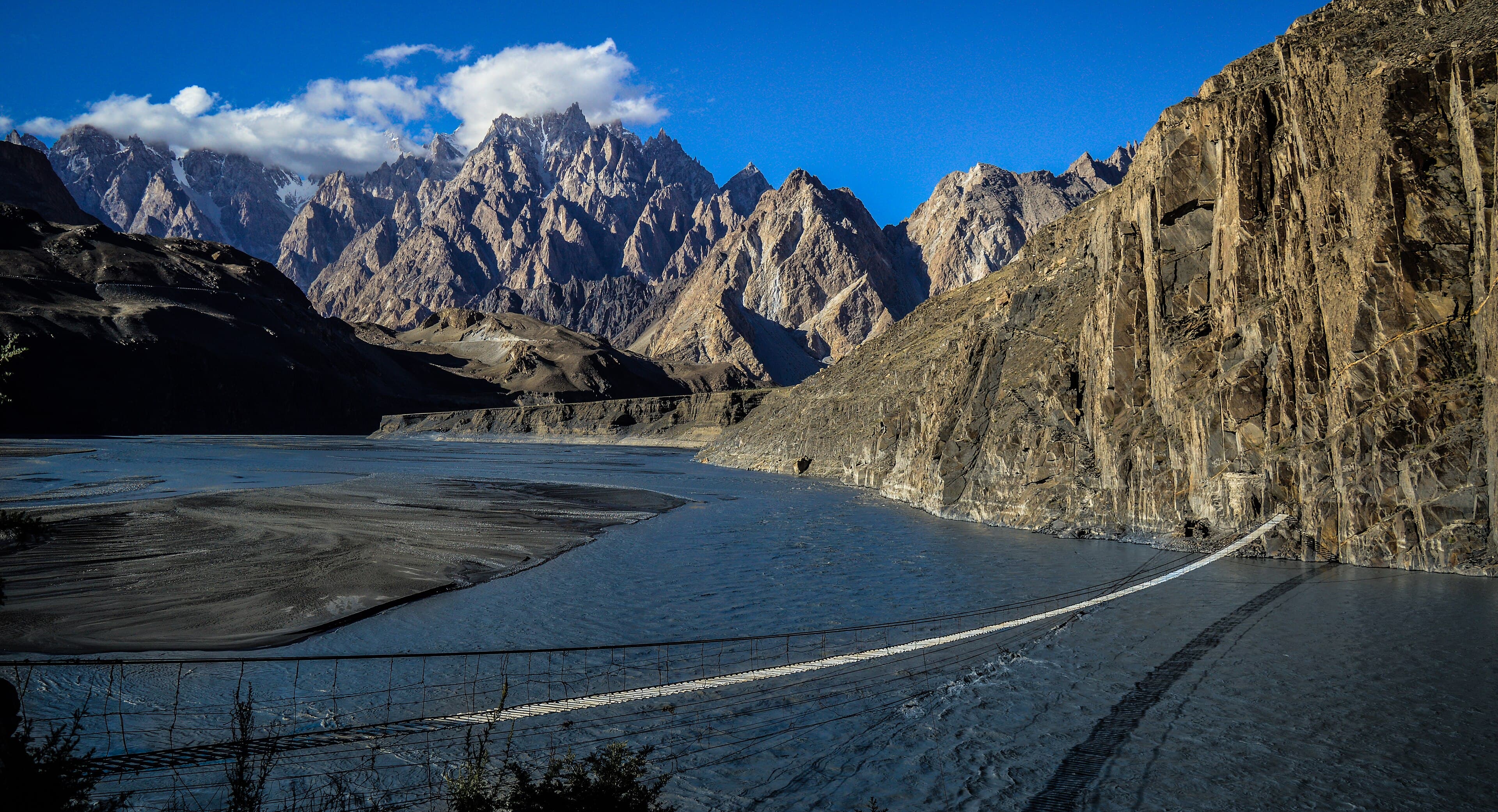
For trekkers, Shimshal opens serious country: the ascent of Minglik Sar — a 6,000-metre trekking peak above the Pamir lakes — is the classic objective, while shorter walks explore the gorge, glaciers and pastures closer to the village. Even non-trekkers find the journey worthwhile: combine it with Passu Cones, Borith Lake and Hussaini Suspension Bridge on the KKH, and you've seen upper Hunza at both its most accessible and its most remote.