Where and when to see markhor
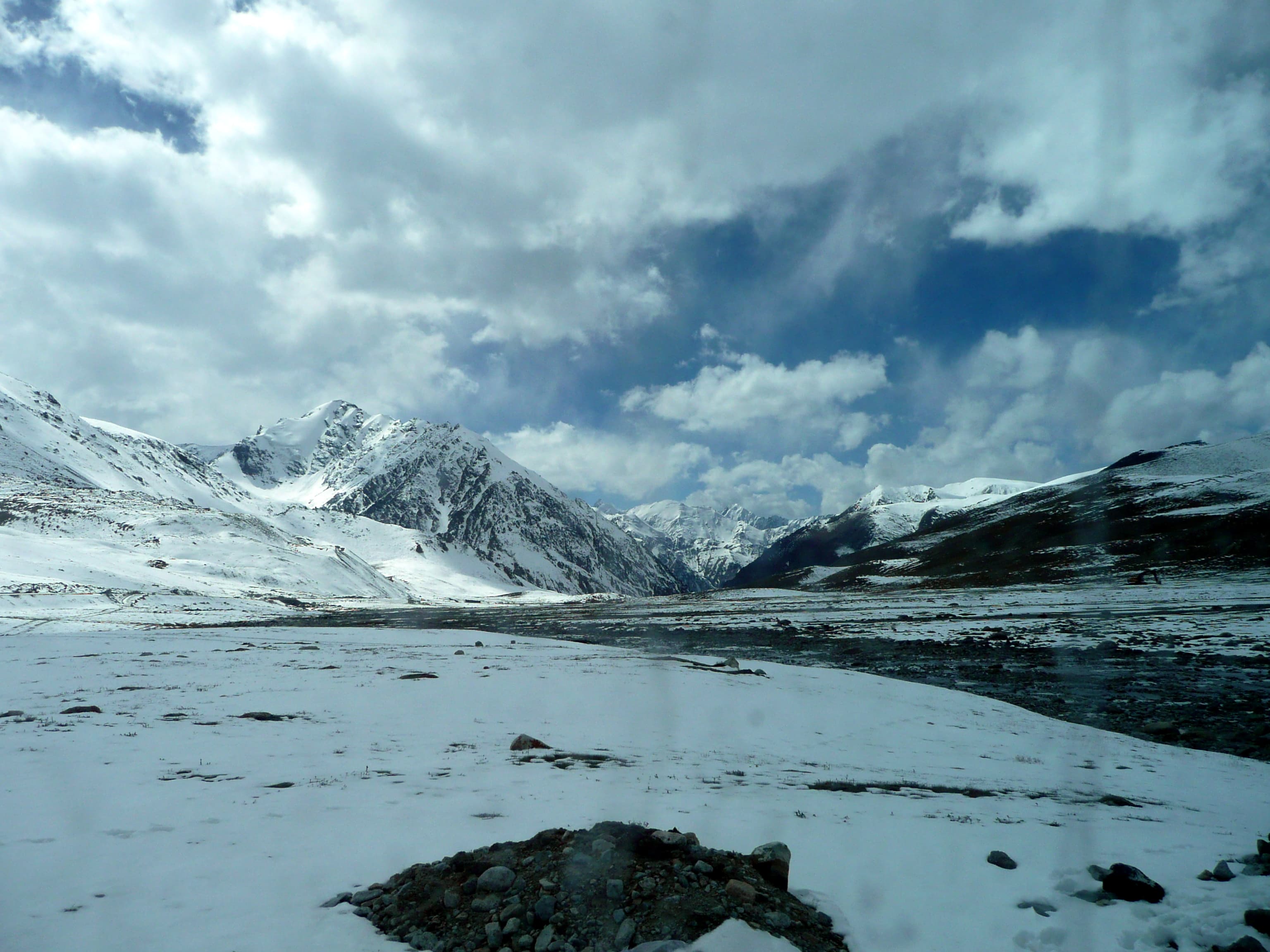
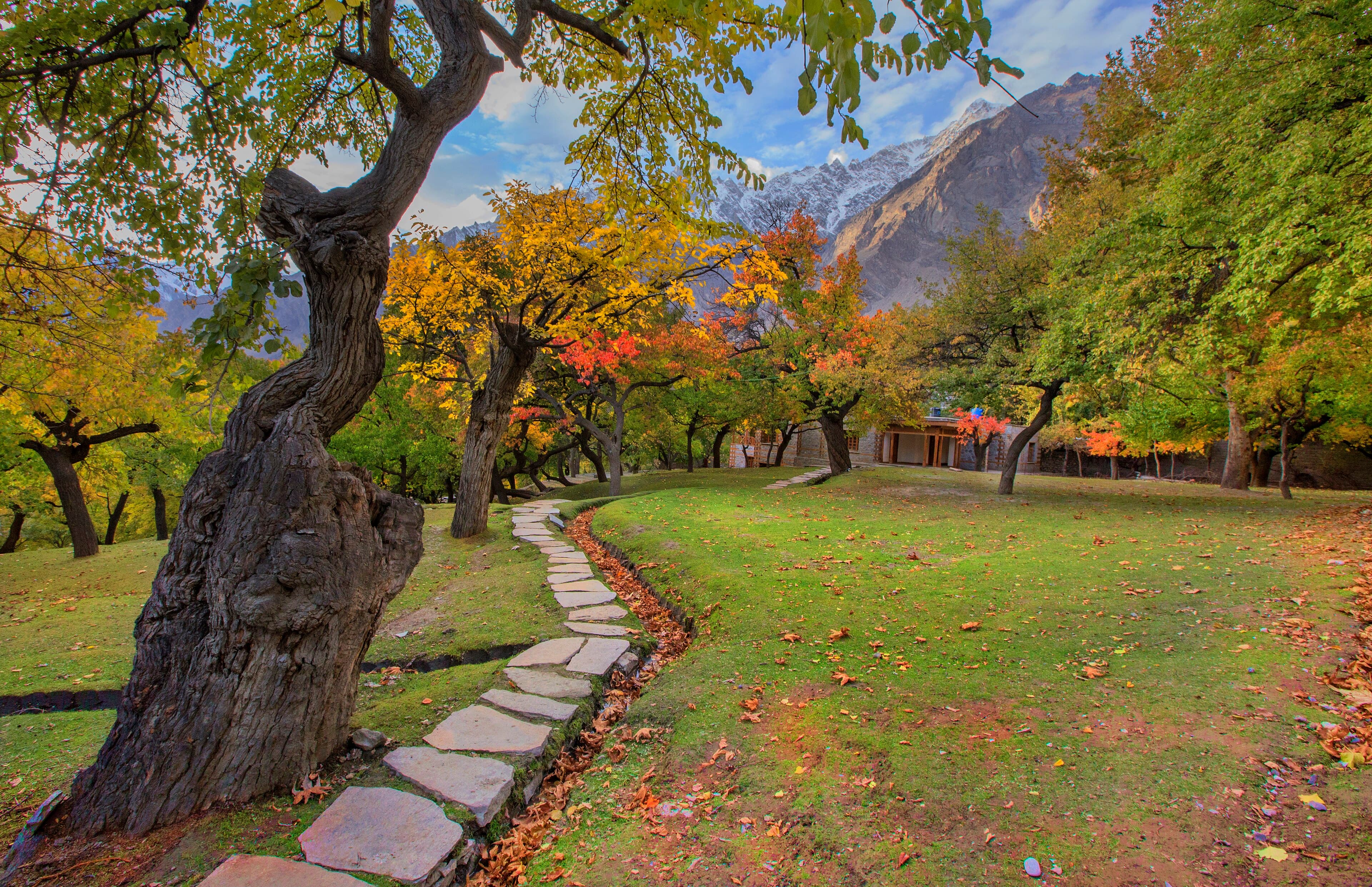
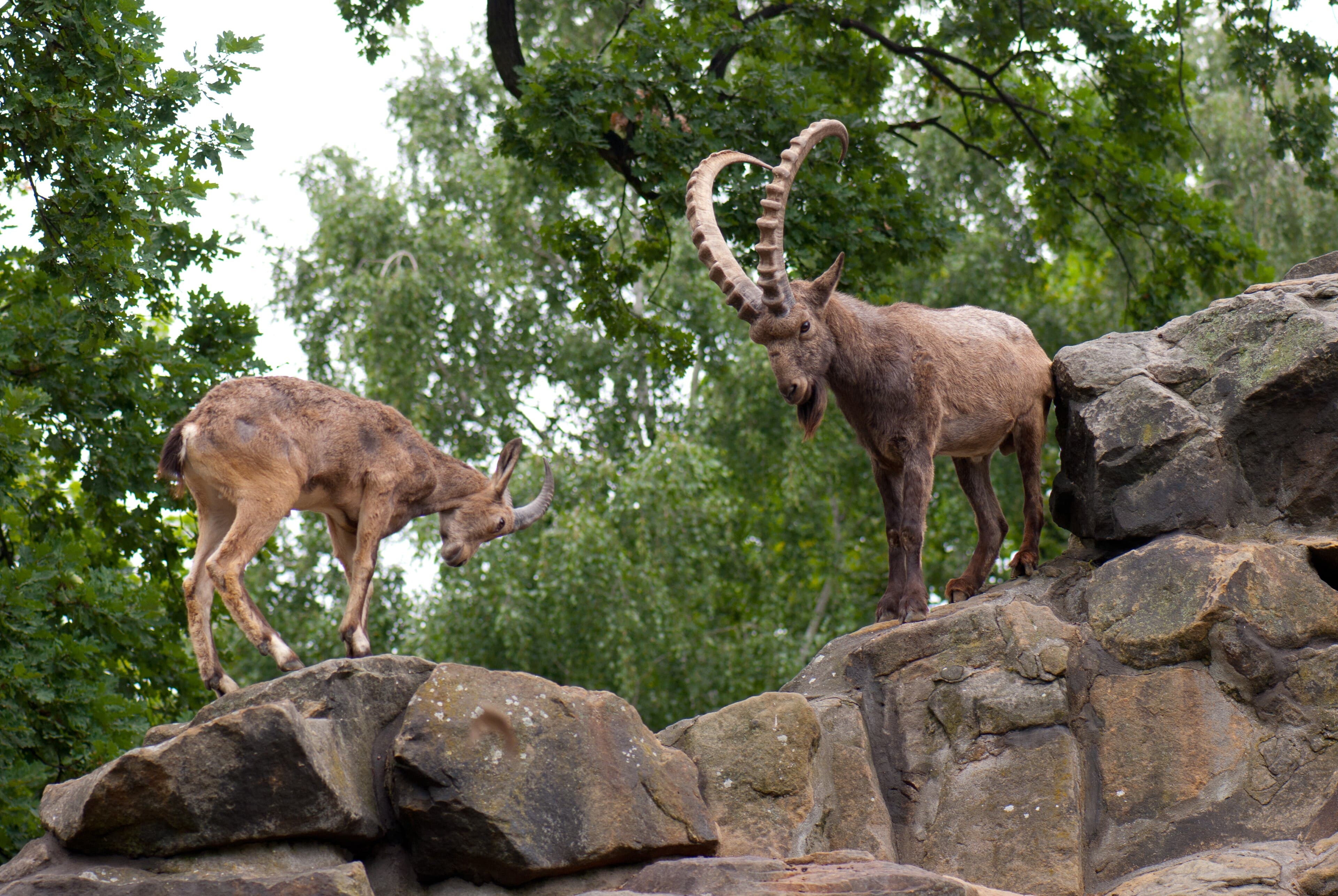
Markhor live on cliffs most animals can't stand on, which is why winter is the season: snow pushes herds down to visible slopes, and the rut (November–December) brings the big flare-horned males out into the open. Community game guards in valleys around Hunza, Nagar and Astore know individual herds by name and location — with a spotting scope and a patient morning, sightings are very likely.
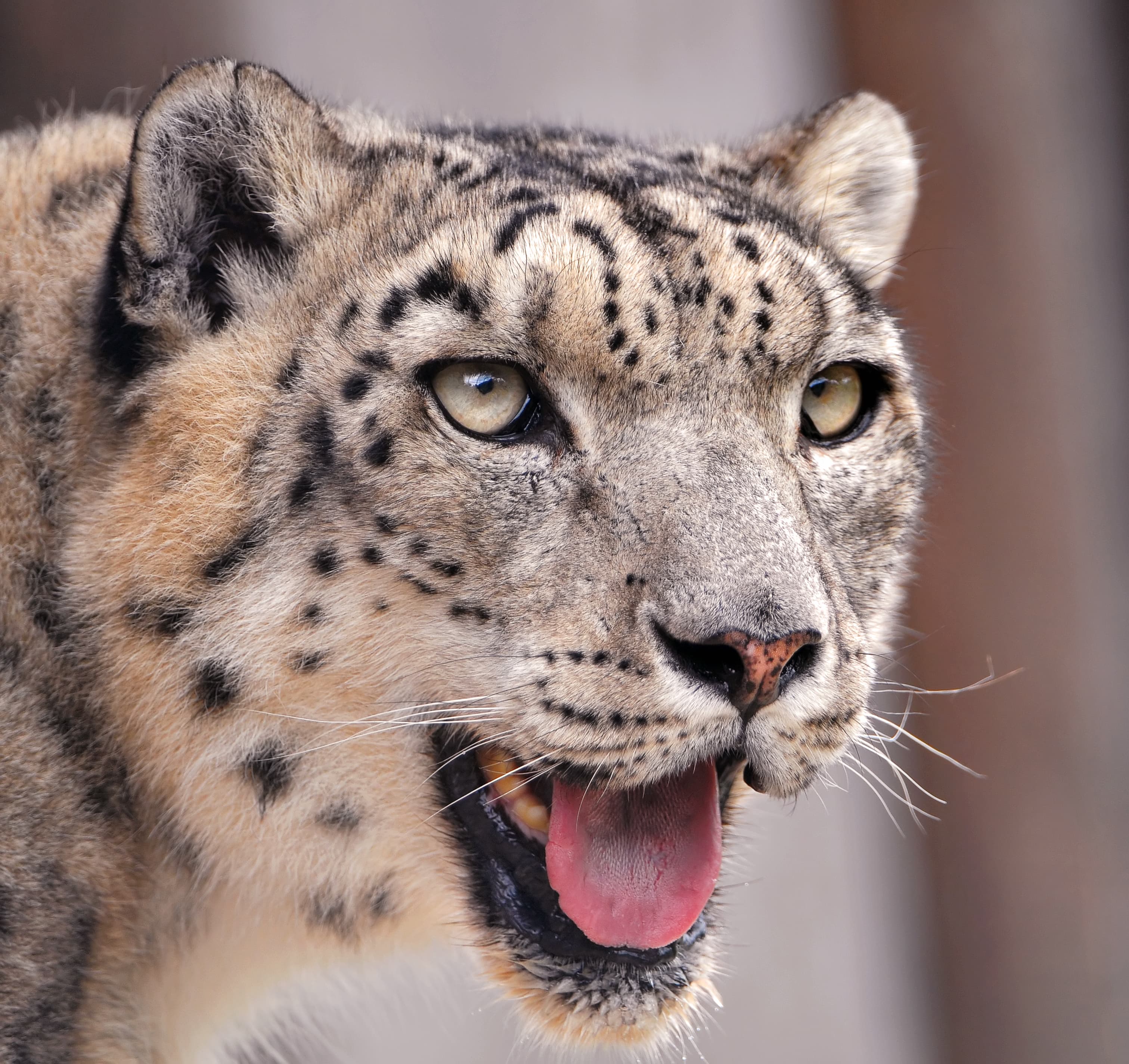
We run winter wildlife trips that combine markhor and Himalayan ibex viewing with snow-leopard tracking in the Khunjerab region — the three species share the same winter terrain, which is exactly why the cats are there.
The conservation story international visitors ask about
Pakistan's markhor recovery is one of the world's most cited community-conservation successes. A small number of trophy permits are auctioned each year (astor markhor permits have exceeded US$200,000), with roughly 80% of the fee paid directly to the valley community that protects the herd. The result: poaching collapsed, populations grew from hundreds to thousands, and the markhor moved off the endangered list.
Whether you come to photograph markhor or as a licensed hunting client, the same community structures host you — and both kinds of visitor fund the guards who keep the species thriving. We arrange both, fully permitted and by the book.