Hunza Valley
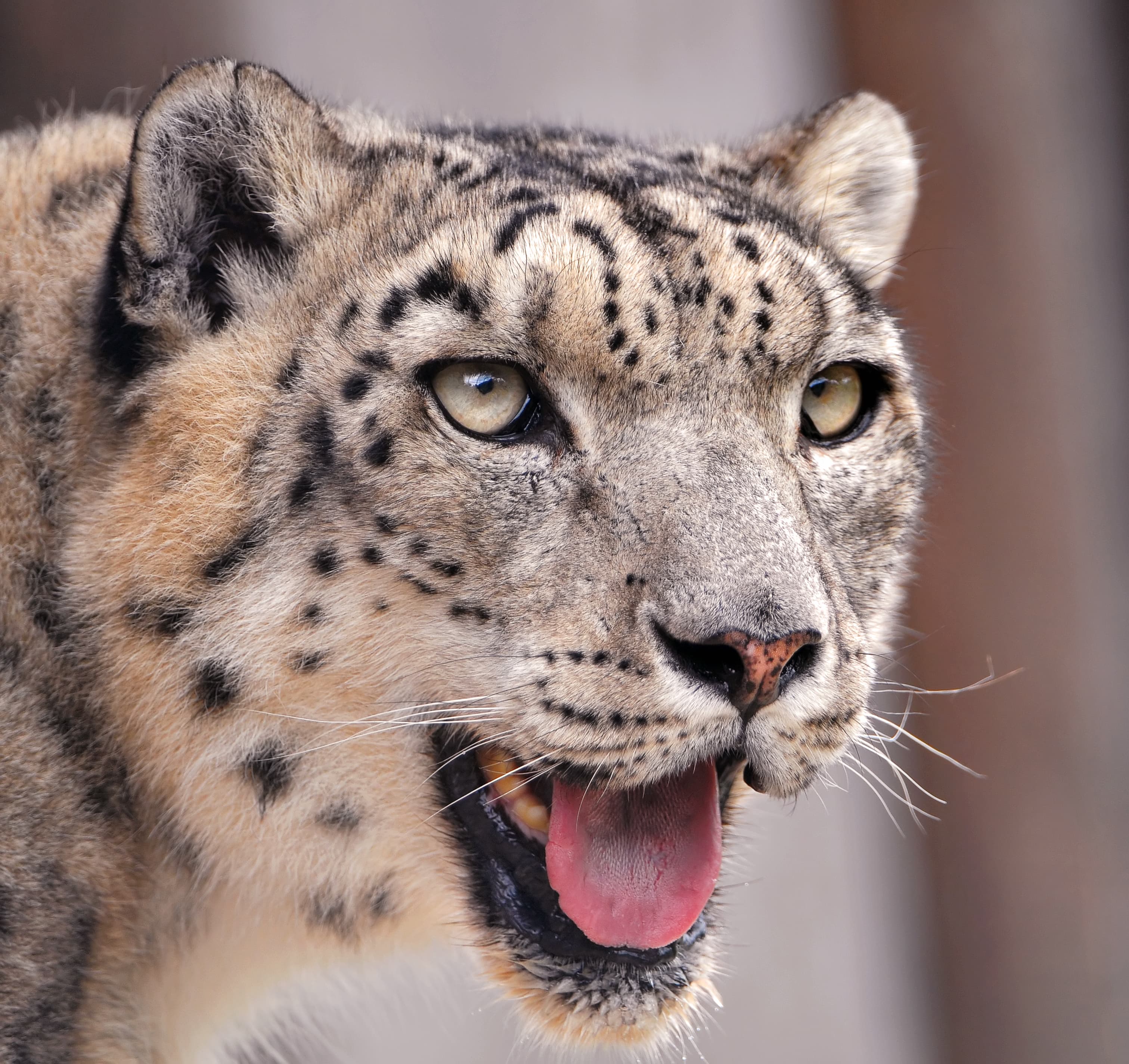
Snow Leopard Winter Expedition
Tracking the ghost of the Karakoram with the people who know it
from $2,400 / person
- Duration
- 9 days
- Difficulty
- Moderate
- Season
- November – March
- Group size
- 2-6 guests
Winter empties the Karakoram of tourists and fills it with wildlife. As snow pushes Himalayan ibex down to the valley flanks, the snow leopards that hunt them follow — and upper Hunza, on the edge of Khunjerab National Park, becomes one of the most accessible places on earth to search for the world's most elusive big cat.
This expedition is built around local expertise. Our spotting team comes from Khunjerab's community wildlife ranks — herders and rangers who read these slopes daily and whose telescopes find what cameras can't. Days follow the animals' rhythm: dawn and dusk scanning sessions from roadside vantage points and simple photography hides, with warm vehicle bases, thermoses of tea and midday returns to heated guesthouses in Gulmit and Passu.
Sightings of ibex herds are near-certain; the leopard itself demands luck and patience, which is why we commit four full tracking days plus a reserve day, and why the trip rewards anyone who loves wild winter mountains for their own sake. Frozen waterfalls, an iced-over Attabad Lake and the snowbound Passu Cones mean the cameras stay busy either way.
Day-by-day itinerary
- 1
Fly Islamabad → Gilgit, drive to Karimabad
Take the winter mountain flight to Gilgit (with a generous road contingency built into the plan) and drive up a quiet, snow-dusted Karakoram Highway to Karimabad for the first night and an expedition briefing.
- 2
To upper Hunza — meet the spotting team
Continue through the Attabad tunnels past the part-frozen lake to Gulmit. Afternoon orientation with the local spotting team: recent sign, camera-trap news and the week's search plan over tea by the stove.
- 3
Tracking day — Khunjerab National Park flanks
First full tracking day: pre-dawn departure to scan the valley flanks where ibex herds winter, long telescope sessions from vantage points, and an afternoon in a photography hide near a known travel route. Evening sighting log and plan revision.
- 4
Tracking day — following the ibex herds
The team repositions wherever yesterday's sign and herd movements point. Expect close ibex encounters, golden eagles and possibly fox and wolf tracks; every fresh pugmark recalibrates the search.
- 5
Tracking day — hides and high vantage points
A patient day split between morning and evening scanning windows, with an optional short snow hike (1–2 hours) to a higher vantage point. Midday rest, gear warming and image review back at the guesthouse.
- 6
Tracking day — deeper into the park
Drive higher up the Khunjerab road into the national park proper, scanning side valleys where rangers report winter activity. The snowbound upper KKH — silent and empty — is an experience in itself.
- 7
Reserve day — wildlife or winter landscapes
Held flexible to chase a hot sighting if the cats have shown, or otherwise devoted to winter Hunza at its most beautiful: the frozen shores of Attabad Lake, ice-falls near Passu and the cones under snow.
- 8
Return to Karimabad
A final dawn scan, then back down-valley to Karimabad for a hot shower, a walk through the quiet winter bazaar to Baltit Fort's viewpoint and a farewell dinner with the team.
- 9
Drive to Gilgit, fly to Islamabad
Descend to Gilgit for the flight to Islamabad. Winter flights are the most weather-prone of the year, so your booking includes a clear overland and extra-night contingency plan.
What’s included
- Islamabad–Gilgit return domestic flights (with winter road contingency)
- 8 nights in heated guesthouses and hotels with breakfast
- Dedicated local spotting team with high-power telescopes throughout
- Use of established photography hides and vantage-point logistics
- Khunjerab National Park winter access and conservation fees
- Private 4x4 transport equipped for winter roads
- All meals on tracking days, including hot lunches and thermos service
- English-speaking wildlife guide and nightly sighting briefings
Not included
- International flights and Pakistan visa fees
- Travel insurance (mandatory)
- Personal winter clothing and sleeping-bag liner (packing list provided)
- Tips for spotters, guide and drivers
- Camera gear and long-lens hire
- Extra nights caused by winter flight or road delays
Snow Leopard Winter Expedition — frequently asked questions
What are my chances of actually seeing a snow leopard?
Honestly: no operator can guarantee one, and anyone who does should worry you. Winter in upper Hunza offers genuinely good odds because the cats follow ibex to lower slopes, and our spotters work these valleys all season — but the realistic promise is superb ibex, raptors, pristine winter mountains, and a fair chance at the ghost itself.
How cold does it get, and what should I bring?
Expect daytime highs around or below freezing and dawn sessions of −10 to −20°C. You'll need serious layers: insulated boots, a down jacket, mitts and a windproof shell — we send a full packing list. Vehicles and guesthouses are heated, and sessions are structured around warm-up breaks.
Is this trip physically demanding?
Less than you'd think. Most scanning happens from roadside vantage points and hides reached by short walks; the longest optional hike is 1–2 hours on snow. The challenge is patience and cold tolerance rather than fitness, which is why we grade it Moderate.
Does my visit help snow leopard conservation?
Yes — that's central to the design. The spotting team is hired from local communities around Khunjerab National Park, park fees fund conservation, and wildlife tourism gives villages a direct income reason to protect the cats that occasionally take their livestock.
Highlights on this route
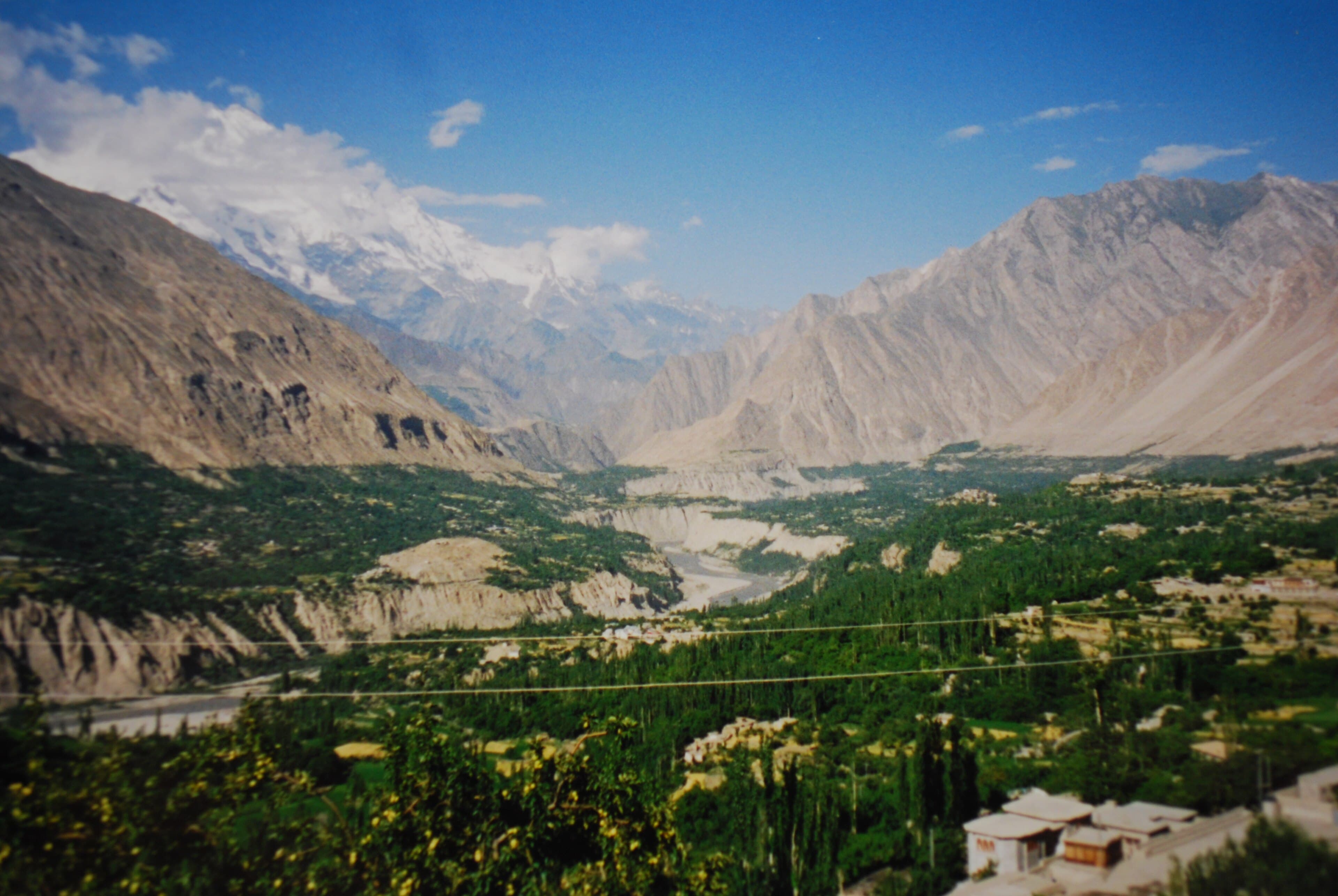
town · 2,450 m
Karimabad
The old royal capital and the heart of every Hunza itinerary
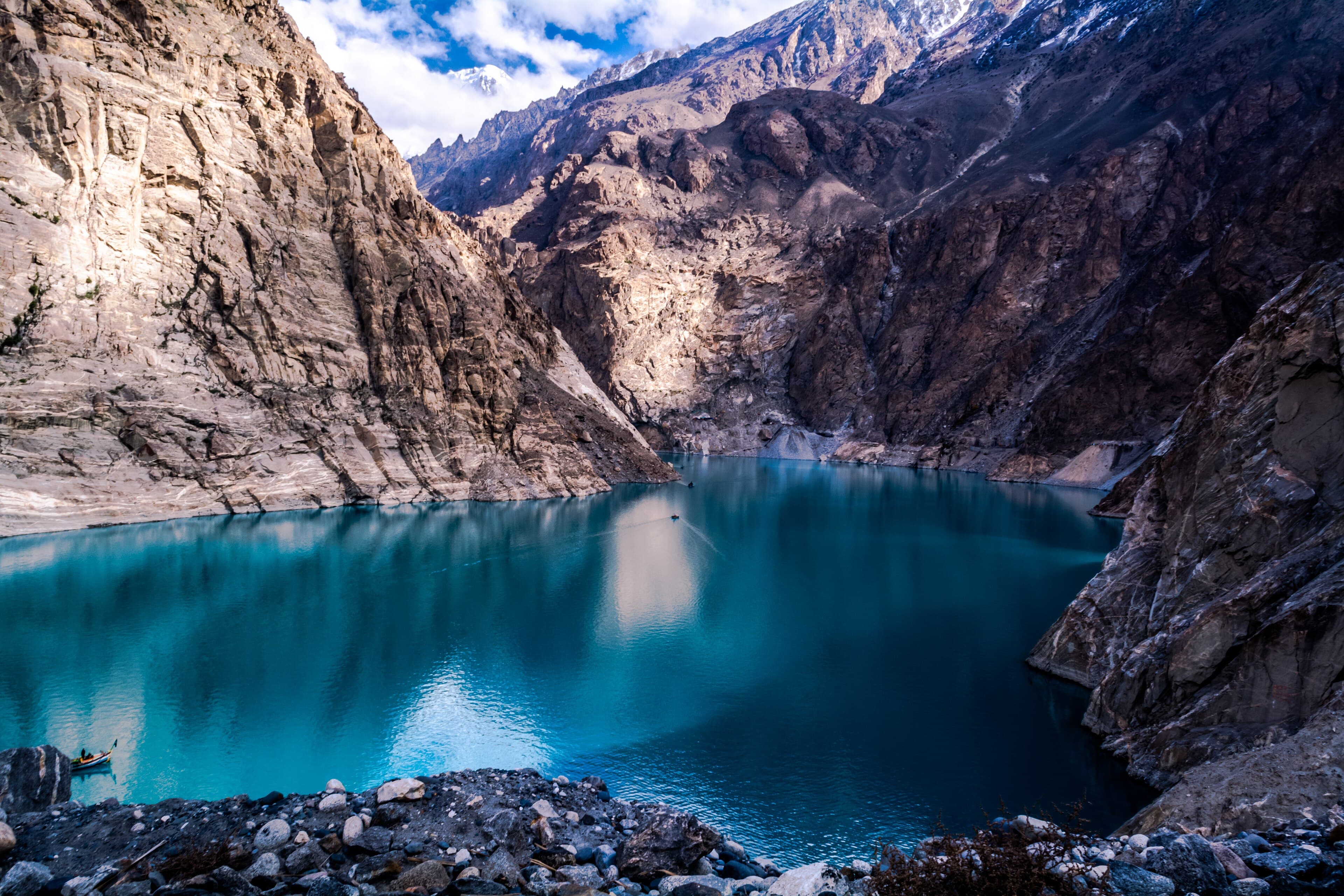
lake · 2,550 m
Attabad Lake
A disaster that became one of Pakistan's most beautiful places
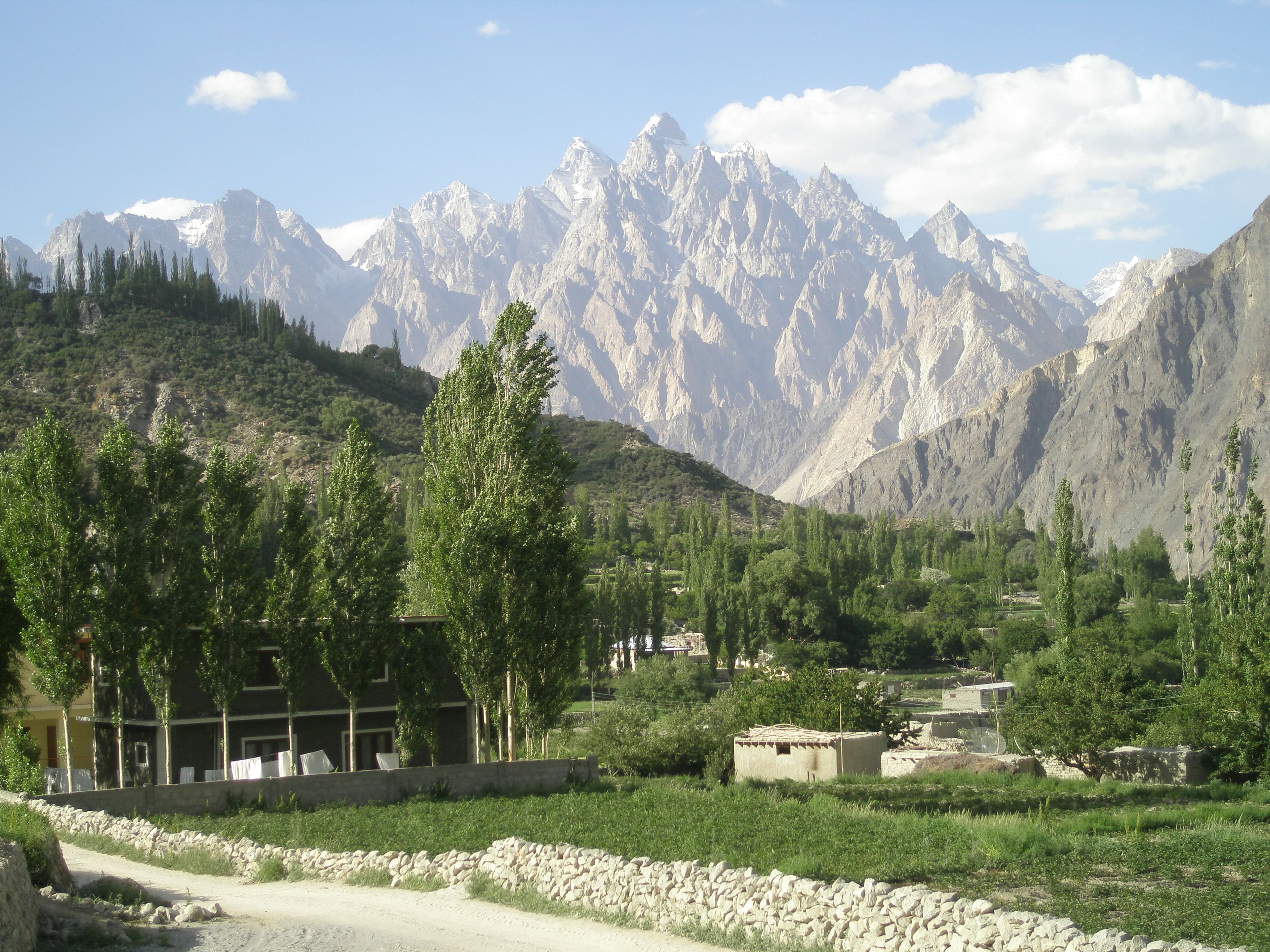
town · 2,500 m
Gulmit
Upper Hunza's old capital, where Wakhi culture meets the Cones
peak · 6,106 m
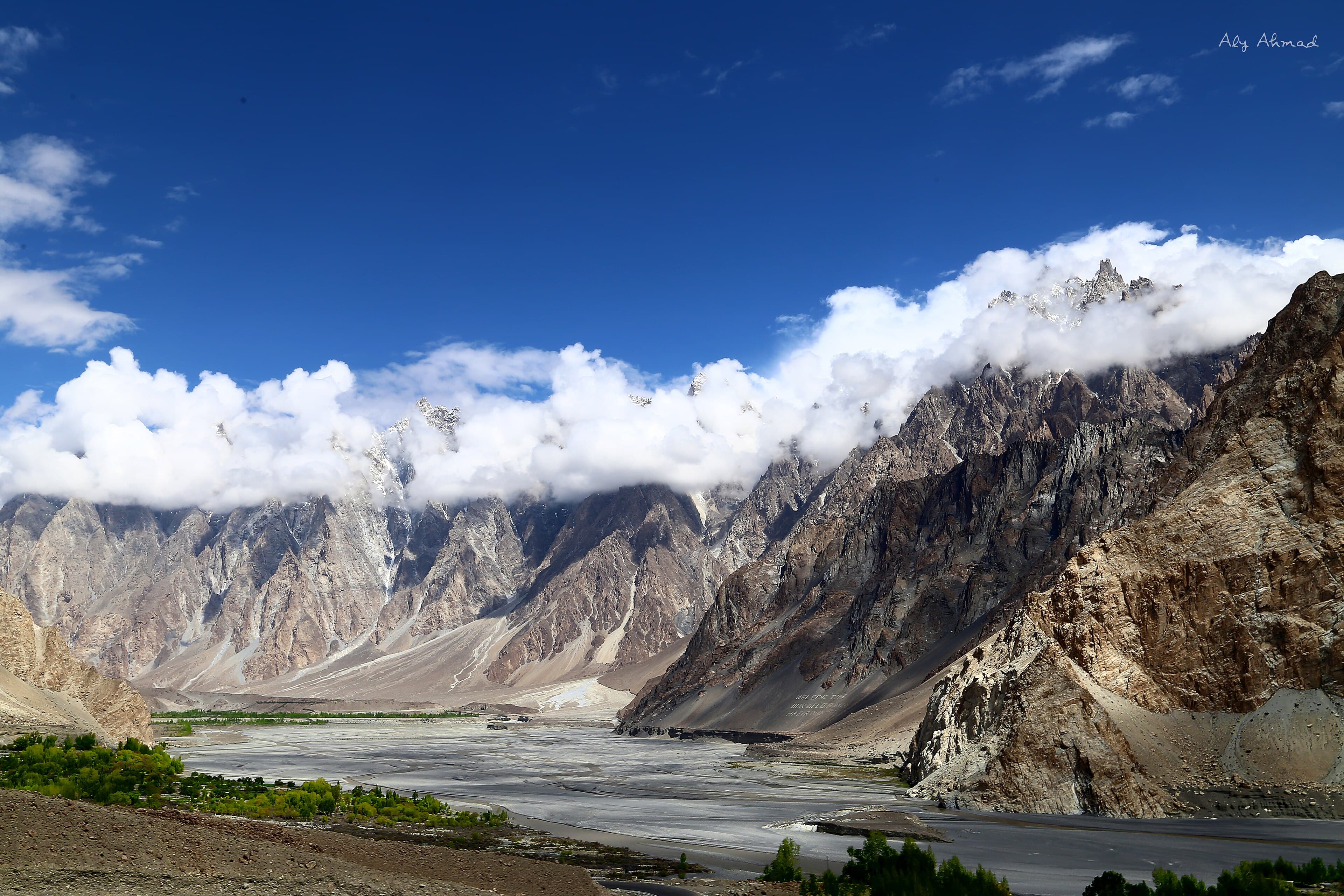
Passu Cones
The jagged cathedral skyline that defines the Karakoram Highway