The golden rule: pack for altitude spread, not the calendar
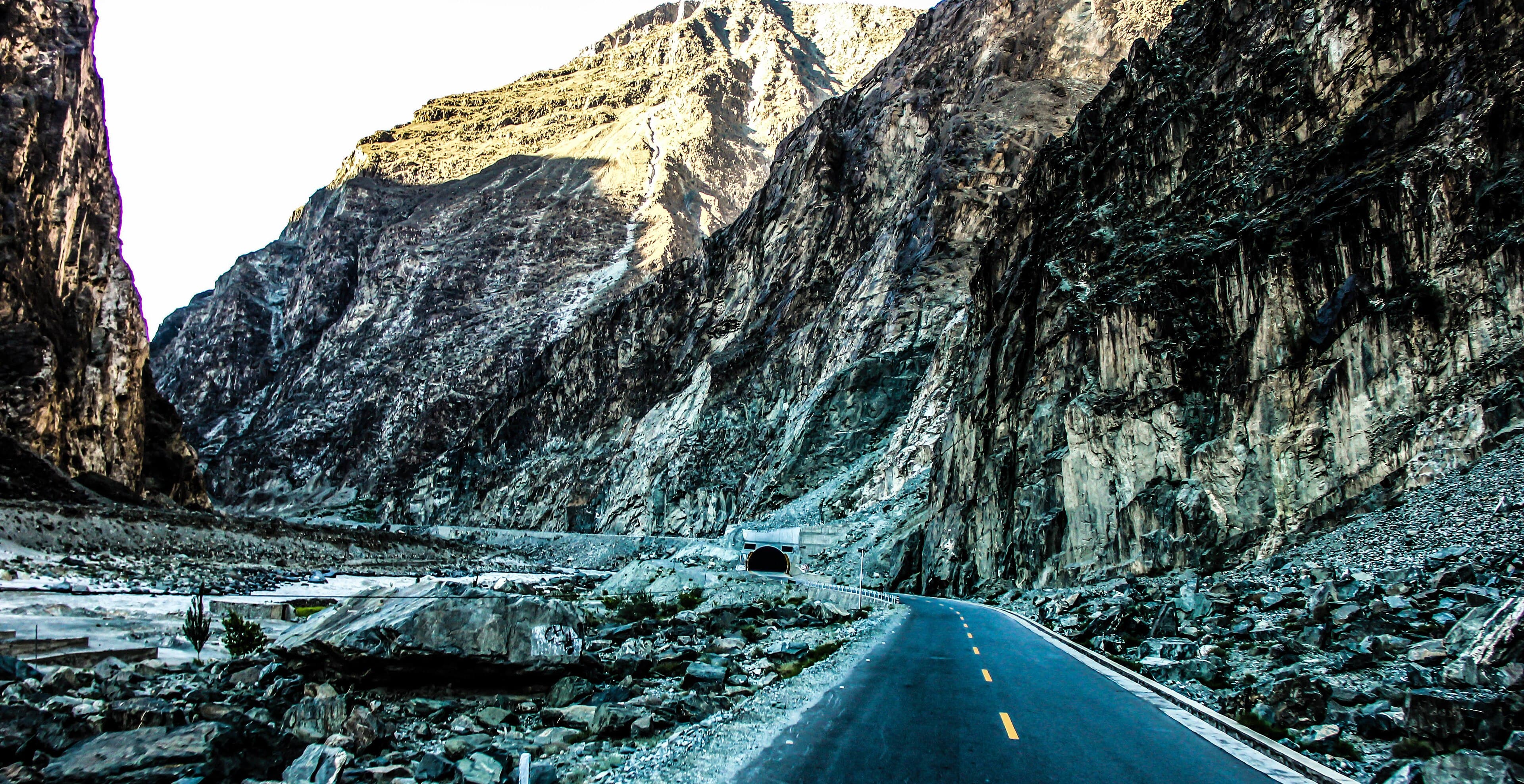
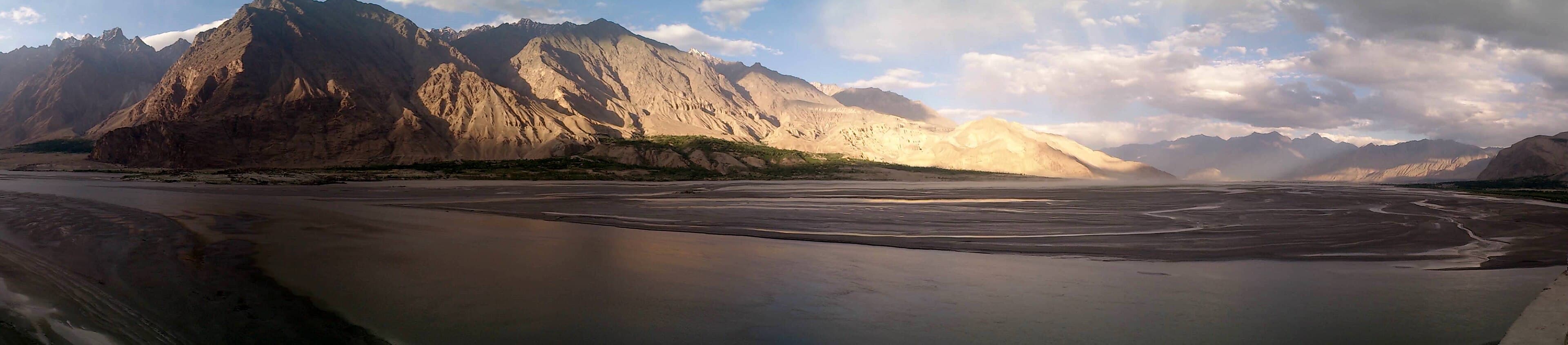
A single summer day in Gilgit-Baltistan can take you from a 35°C lunch in Chilas to a 5°C wind at the Khunjerab Pass, 4,693 m up. The temperature you experience is set by altitude far more than by season, so the universal answer is layers: a breathable base, a warm mid-layer (fleece or light down), and a wind/waterproof shell. With those three, you're dressed for everything from Attabad Lake boating to a Deosai morning.
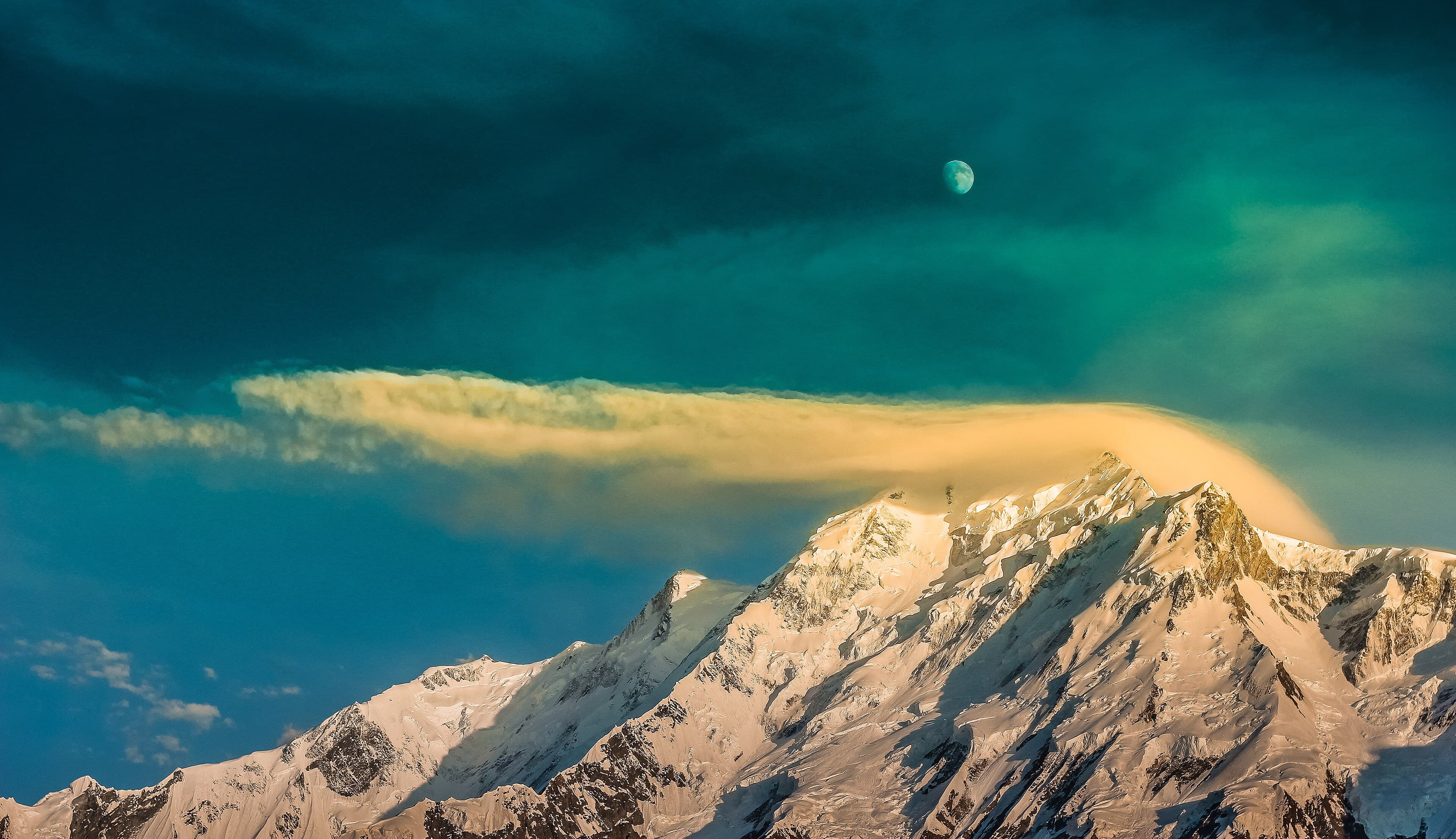
Even in July, pack a warm hat, gloves and a proper insulated jacket if your itinerary touches Khunjerab, Deosai or any night above 3,000 m — Fairy Meadows nights are cold year-round. In April, October and winter, upgrade the down jacket to a serious one and add a thermal base layer; unheated guesthouse rooms are common and you'll sleep in some of what you packed.
Footwear: one pair of broken-in walking shoes or light hikers handles the standard circuit (forts, lakes, viewpoints, the Fairy Meadows trail). Add proper boots only for multi-day treks. Sandals or slip-ons earn their space — you'll remove shoes at mosques, forts and many guesthouse rooms.
Sun, dust and altitude essentials
High-altitude sun in dry mountain air burns fast and sneakily. Non-negotiables: high-SPF sunscreen, lip balm with SPF, quality sunglasses (the glare off glaciers and the Sarfaranga desert is fierce) and a brimmed hat or cap. A buff or scarf triples as dust protection on jeep tracks, sun shield and warmth layer.
Carry a small personal pharmacy: ibuprofen or paracetamol (also your first response to mild altitude headache), rehydration salts, motion-sickness tablets for the gorge roads, plasters, and any prescription medicines in original packaging — pharmacies exist in Gilgit and Skardu but stock is unpredictable. Talk to a travel doctor about altitude medication such as acetazolamide if you're going high quickly, for instance straight onto Deosai.
A refillable water bottle with a filter (or purification tablets) saves money and plastic; bottled water is available everywhere but disposal in the mountains is a real problem. Add a headlamp — power cuts are routine and guesthouse paths are unlit — plus wet wipes and hand sanitiser for long road days.
Power, connectivity and SIM cards
Pakistan uses 230 V power with mostly European-style two-round-pin sockets (type C/D mix), so bring a universal adapter. Power in the northern valleys is hydro-generated and cuts are frequent, especially in winter — a 10,000–20,000 mAh power bank is the single most-used item in many travellers' bags, and photographers should carry spare camera batteries since cold drains them quickly.
Connectivity has a crucial local quirk: the big national networks (Jazz, Zong, Telenor) work well up to Gilgit but fade or die in much of upper Hunza and beyond, while SCOM — the Special Communications Organization network built for the region — has by far the best coverage across Gilgit-Baltistan, including data in Karimabad, Gulmit and Skardu. Buy a SCOM SIM in Gilgit, Aliabad or Skardu with your passport; it's cheap and takes minutes.
Practical tactic: keep a Zong or Jazz SIM (easily bought at Islamabad airport) for the journey north, then add SCOM on arrival. Download offline maps, your e-visa, bookings and entertainment before leaving Islamabad, and warn people at home that you'll be intermittently offline — at Fairy Meadows and on Deosai, gloriously so.
Money: cash is king north of Gilgit
Plan your cash like a fuel stop. ATMs are plentiful in Islamabad, reliable in Gilgit and Skardu, hit-and-miss in Aliabad and Karimabad, and essentially nonexistent beyond — and even working machines can run dry on summer weekends or impose low withdrawal limits. Cards are accepted at a handful of upscale hotels and almost nowhere else.
Withdraw or exchange the bulk of what you need in Islamabad or Gilgit, carry it in Pakistani rupees split between bags, and keep small notes for chai stops, jeep fares and tips. US dollars or euros in crisp notes are a useful emergency reserve, exchangeable in Gilgit and Skardu. As a rough planning figure, comfortable mid-range daily spending runs far lower than in Europe — but only if you can physically access your money.
Budget extra cash for the irresistibles: dried apricots and mulberries, Hunza handicrafts, gemstones in Gilgit's bazaar, and entry tickets at forts and national parks (Khunjerab and Deosai charge per-person foreigner fees, payable in rupees only).
Dressing respectfully without overthinking it
Gilgit-Baltistan is relaxed by Pakistani standards — Hunza especially — but it's still a conservative region, and dressing modestly buys you warmth from everyone you meet. For all genders that means covering shoulders and knees: long trousers or below-knee skirts, and tops with sleeves. Lightweight hiking trousers and loose shirts do the job perfectly.
Women don't need to cover their hair day-to-day; a scarf is required only when entering mosques and is handy for sun and dust anyway. A loose long shirt (or a locally bought shalwar kameez — comfortable, cheap and always appreciated) covers every situation. Swimwear is for hotel pools only; there's no public swimming culture, and glacial lakes are dangerously cold regardless.
Districts vary: Hunza and Skardu's tourist hubs are easygoing, while towns in Diamer district along the KKH (Chilas, for example) are noticeably more conservative — the same modest wardrobe works everywhere, just worn a little more deliberately during highway stops.
Trekking gear: bring, or hire in Skardu?
If your trip is the standard circuit — valleys, forts, lakes, day hikes like Fairy Meadows or Eagle's Nest — you need nothing technical: layers, walking shoes, sun kit and a daypack cover it. Don't haul a four-season sleeping bag across the world for a trip spent in guesthouses.
For multi-day treks (Rakaposhi Base Camp, Nanga Parbat Base Camp, K2/Concordia), quality gear matters, and there's a genuine rental scene: Skardu, as Pakistan's expedition gateway, has shops hiring sleeping bags, down jackets, trekking poles, tents and duffels, with smaller selections in Gilgit and Karimabad. Quality varies from expedition-grade to well-loved, so inspect zips, seams and loft before paying.
Seasoned advice: bring the items where fit and hygiene matter — broken-in boots, your own base layers, a sleeping bag liner — and hire the bulky rest. Organised treks typically include tents, mess equipment and porters, so confirm what's provided before you buy anything expensive. Whatever you carry, keep your duffel soft-sided; it travels on jeep roofs and mule backs, not conveyor belts.
Questions, answered
What should I wear in Hunza as a tourist?
Modest, practical layers: long trousers, sleeved tops, a fleece and a shell jacket. Women don't need to cover their hair except in mosques. Hunza is relaxed, but covering shoulders and knees everywhere in Gilgit-Baltistan is the respectful default.
Which SIM card works in Gilgit-Baltistan?
SCOM has by far the best coverage in Gilgit-Baltistan, including upper Hunza and Skardu, and tourists can buy a SIM with a passport in Gilgit, Aliabad or Skardu. National networks like Jazz and Zong work on the way north but fade beyond Gilgit.
Are there ATMs in Hunza and Skardu?
Gilgit and Skardu have reasonably reliable ATMs; Aliabad and Karimabad have a few that often run dry or limit withdrawals; beyond that, nothing. Withdraw the bulk of your cash in Islamabad or Gilgit and treat the trip as cash-only.
Can I rent trekking gear in Pakistan?
Yes — Skardu has a genuine rental market for sleeping bags, down jackets, tents and poles thanks to the expedition trade, with smaller options in Gilgit and Karimabad. Bring personal-fit items like boots and base layers, and inspect rental gear before paying.
Do I need altitude medication for a Hunza or Skardu trip?
For the standard circuit sleeping at 2,200–2,500 m, most people just need gradual ascent and hydration. If you're going quickly to 4,000 m+ — Khunjerab, Deosai or high treks — discuss acetazolamide with a travel doctor and learn the symptoms of acute mountain sickness.