The most useful Pakistan travel writing of 2025 was not produced by a tourism board. It came from women who went, stayed long enough to get past first impressions, and published exactly what they found — friction included.
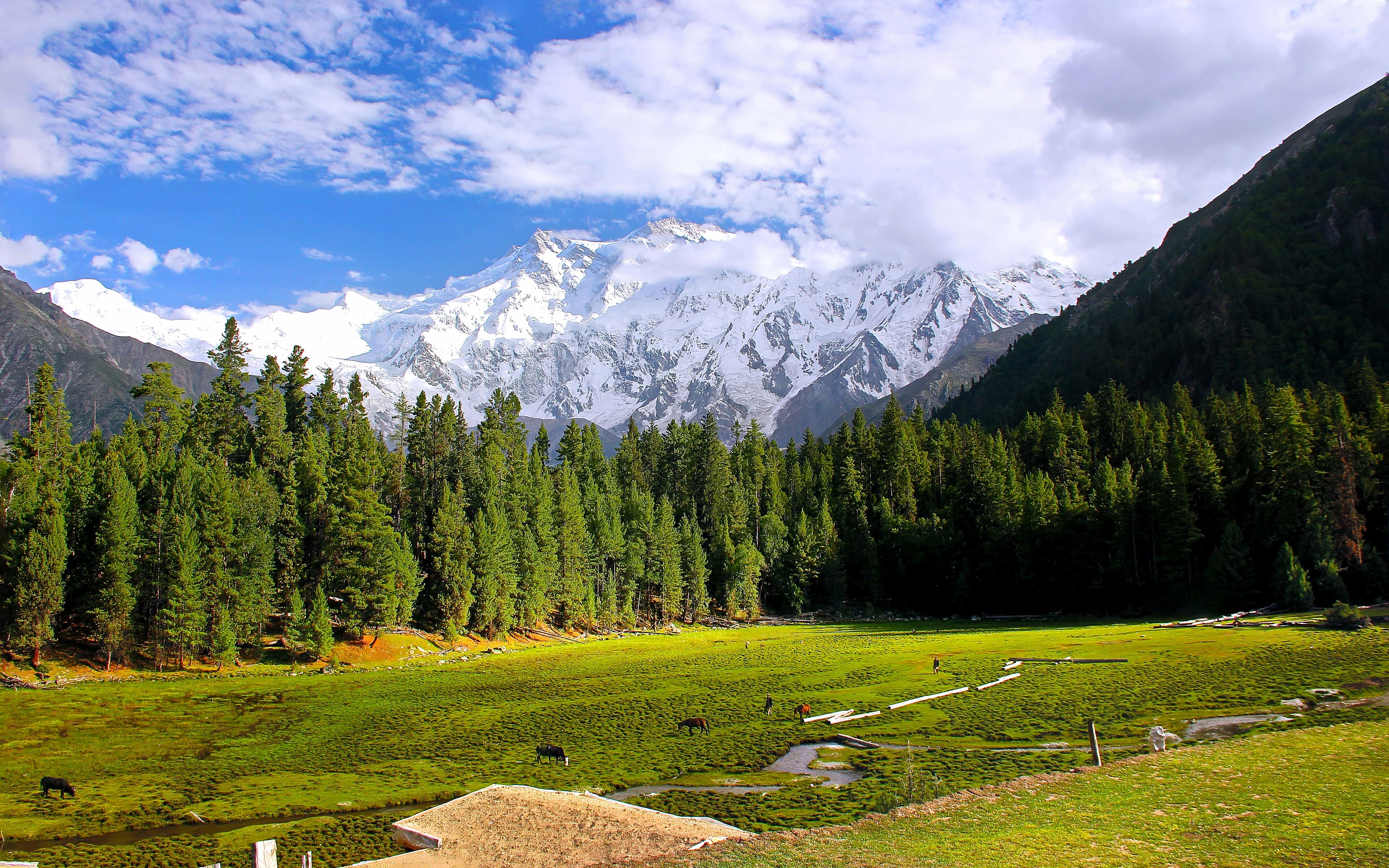
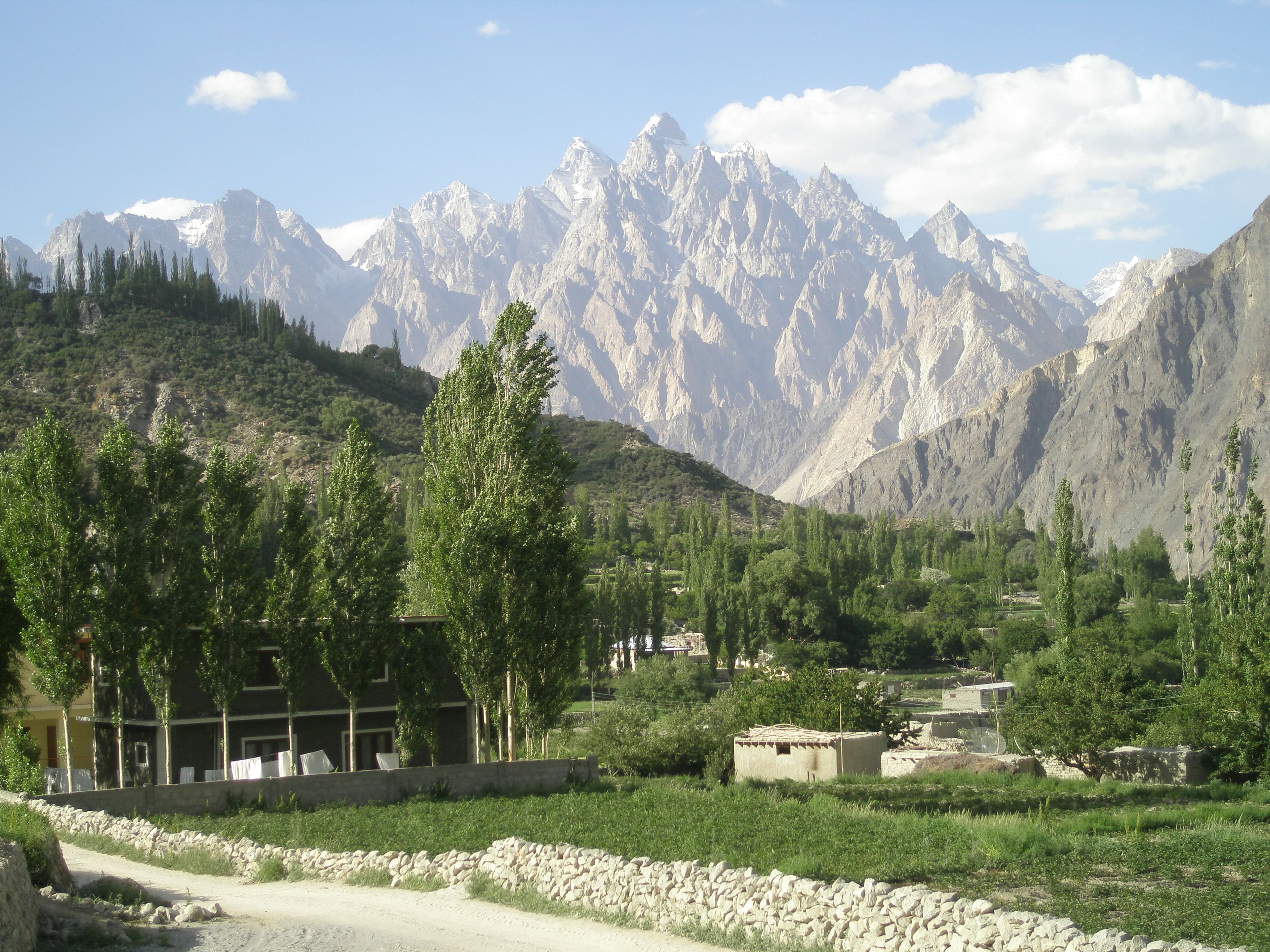
The longest account belongs to the blogger behind Into the Wild Unknown, who spent five months traveling Pakistan solo and fully independently: NATCO public buses, hitchhiking, family homestays. Her honest reckoning of solo female travel in Pakistan describes solo hikes to Fairy Meadows and Rakaposhi Base Camp, the Patundas glacier trek, time in Shimshal and Chapursan, and a hitchhiked ride to the Khunjerab Pass. Her verdict on the north — Hunza and Skardu — was that it is 'the safest and most welcoming region for solo women' she encountered in the country.
She is equally clear about the friction: the staring. Constant, mostly harmless, and wearying — it is the single complaint that recurs across nearly every woman's account of Pakistan, softening notably in the Hunza valleys, where women run shops and cafés and a foreign traveler is a guest rather than a spectacle.
2025 was also the year women's group travel to the Karakoram stopped being hypothetical. In May, UK outdoors influencer Hannah Hobbs (@alittlehobbs) ran a 14-day women-oriented hiking trip through the region — glaciers, alpine lakes, and homestays hosted by local Hunza women and female-run businesses. She organized it with Samantha Shea, the American writer behind Intentional Detours, who arrived as a solo backpacker in 2021, never quite left, and now lives part-time in Hunza — her Hunza Valley travel guide is the most detailed Western-authored resource on the valley and is kept current.
The industry has followed the writers. Intrepid Travel's Pakistan Women's Expedition — a 12-day women-only itinerary whose stops include a women-only salon in Gulmit — has been running departures since September 2023. And when National Geographic Traveller UK sent a writer up the Karakoram for its April 2025 feature 'Karakoram Calling', the story was told through Aneeqa Ali, the Pakistani founder of The Mad Hatters, whose company runs tours for women, led by women.
Why does Hunza in particular keep earning this reputation? Partly demographics: the valley's Ismaili communities have prioritized girls' education for generations, women are visible in public and commercial life, and the harassment that wears travelers down elsewhere in South Asia is notably absent here. Partly it is simply practice — Hunza has hosted foreign women, from mountaineers to anthropologists, for the better part of a century.
The honest nuance every one of these accounts carries: this is regional, not national. The ease of Karimabad and Skardu's tourist hubs does not extend uniformly along the highway, and in more conservative districts women travelers report feeling far more observed and dress accordingly. A local guide dissolves most of that friction — and turns checkpoints, homestays and bazaars into introductions rather than obstacles.
For women weighing a first trip, the pattern of 2025 suggests three workable models: fully independent travel in the Hunza–Skardu corridor for the experienced; a women-only group departure for those who want company without compromise; or a private tour with a trusted local operator anywhere in between. The women who went came back with logistics complaints — flights, roads, staring — and, almost universally, with plans to return. For reels from women who have ridden, cycled and trekked the region since, see our solo female travel page.
“the safest and most welcoming region for solo women”