Why Hunza is different
Hunza's reputation among women travelers rests on something deeper than tourism policy. The valley's population is largely Ismaili Muslim, a community whose leadership has invested in education — for girls as much as boys — for nearly a century. Literacy here is close to universal, among the highest rates in Pakistan, and the result is a society where women are visible everywhere: behind shop counters in the Karimabad bazaar, managing guesthouses, guiding treks, running cafés.
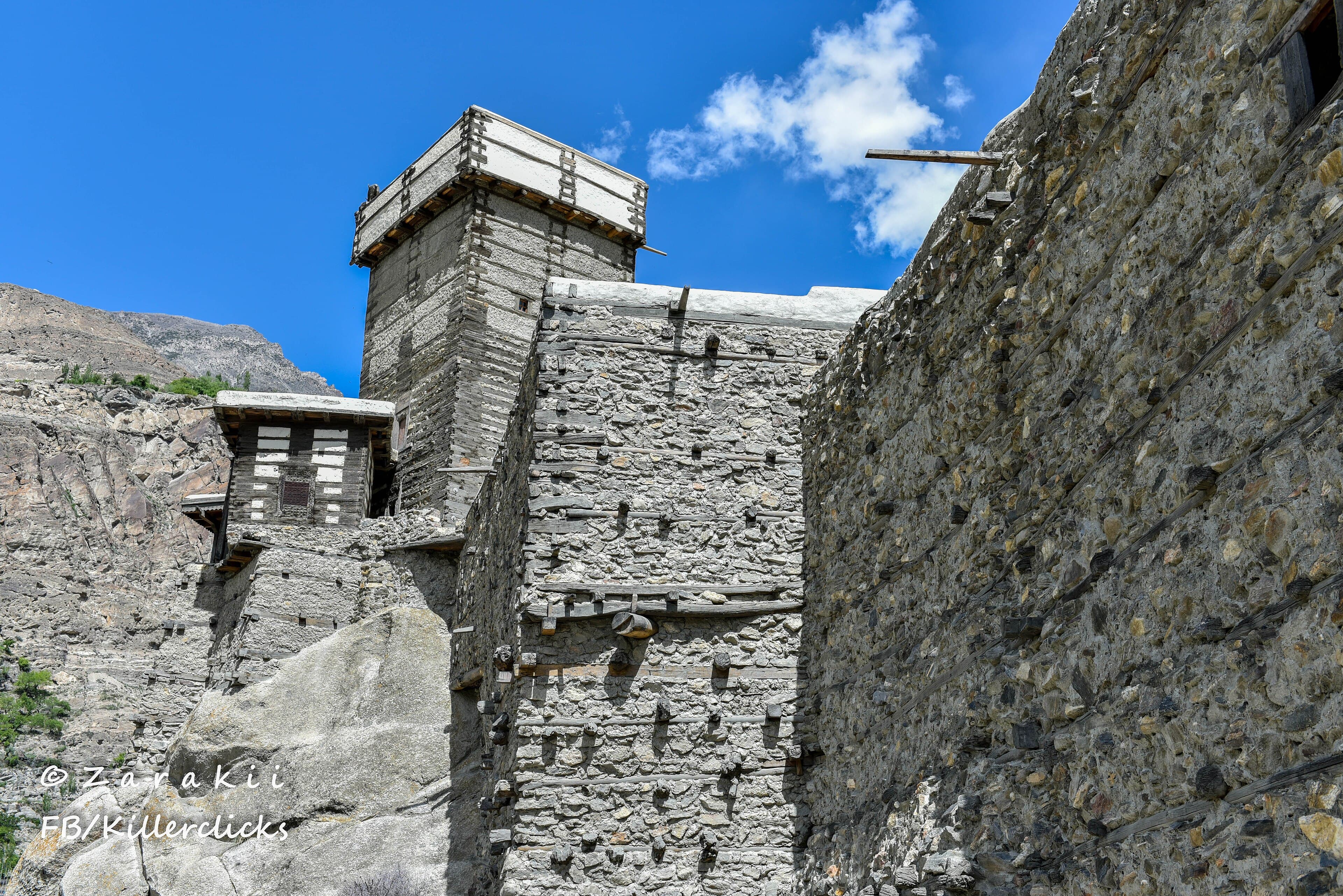
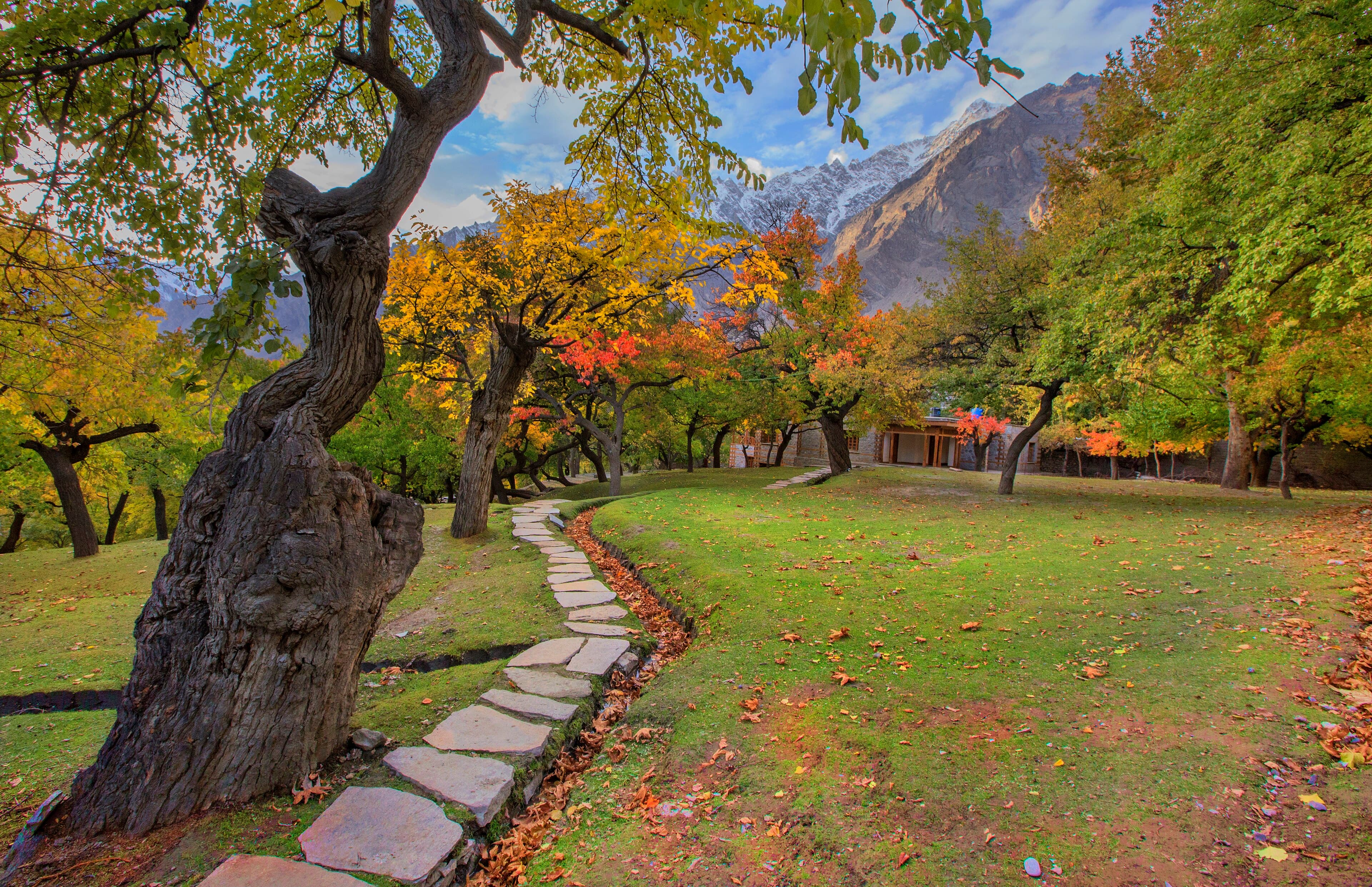
That visibility changes the atmosphere in ways you feel within an hour of arriving. Women — local and foreign — walk through villages and orchards without drawing stares. The Altit Fort gardens host a celebrated women-run café, and a women's social enterprise in Altit has trained local women as carpenters and craftspeople restoring heritage buildings. None of this is staged for visitors; it's simply how the valley works.
What women travelers actually report
Solo female travelers consistently describe Hunza as the most relaxed leg of their Pakistan trip — the place where they stopped bracing. Street harassment, the everyday friction that wears women down in many big cities, is close to non-existent here. Hotel staff, drivers and guides are used to unaccompanied women, and curious questions tend to be of the warm, where-is-your-family variety rather than anything uncomfortable.
Common sense still applies, as it does in the Alps or the Andes: arrange transport through your hotel or a known operator for long drives, keep someone informed of trekking plans, and trust your instincts about people as you would at home. The genuine risks in Hunza are the same for everyone — mountain roads, altitude and cold — not other people.
Dress, transport and the honest caveats
There is no enforced dress code for foreign women in Hunza, and you'll see local women in colourful embroidered caps rather than face veils. Loose trousers and tops covering the shoulders are the comfortable norm; a scarf is useful for sun, dust and visiting mosques or shrines, though no one will demand it. In Karimabad's tourist core, the dress atmosphere is notably easygoing.
The honest caveat is geographic: Hunza is not all of Pakistan. The journey up the Karakoram Highway passes through more conservative districts where women are less publicly visible, and big-city travel calls for more standard precautions. Treat Hunza's ease as the valley's own achievement rather than a national default, plan transit days sensibly, and you'll find the contrast is itself one of the most interesting things you learn here. For a region-by-region view of the whole of Gilgit-Baltistan, see our solo female travel guide.