The honest answer, up front
For the regions tourists actually visit — Islamabad and the entire Gilgit-Baltistan circuit of Hunza, Skardu, Fairy Meadows and the Karakoram Highway — the practical answer is yes, with the same caveats that apply to any mountain destination. Tens of thousands of foreign travellers now visit Gilgit-Baltistan every year, including solo travellers, families and tour groups, and incidents affecting tourists are vanishingly rare.
Pakistan is a large, varied country, and headlines about security incidents almost always concern regions hundreds of kilometres from the tourist north — a distinction the news rarely makes. Judging Hunza by events near the Afghan border is like judging the Scottish Highlands by something that happened in another country entirely; the geography matters.
That said, an honest guide doesn't hand-wave. There are real risks on a Gilgit-Baltistan trip — they're just not the ones most people imagine. The genuine hazards are altitude, mountain roads and weather, and we'll cover each properly below.
Why Gilgit-Baltistan is different
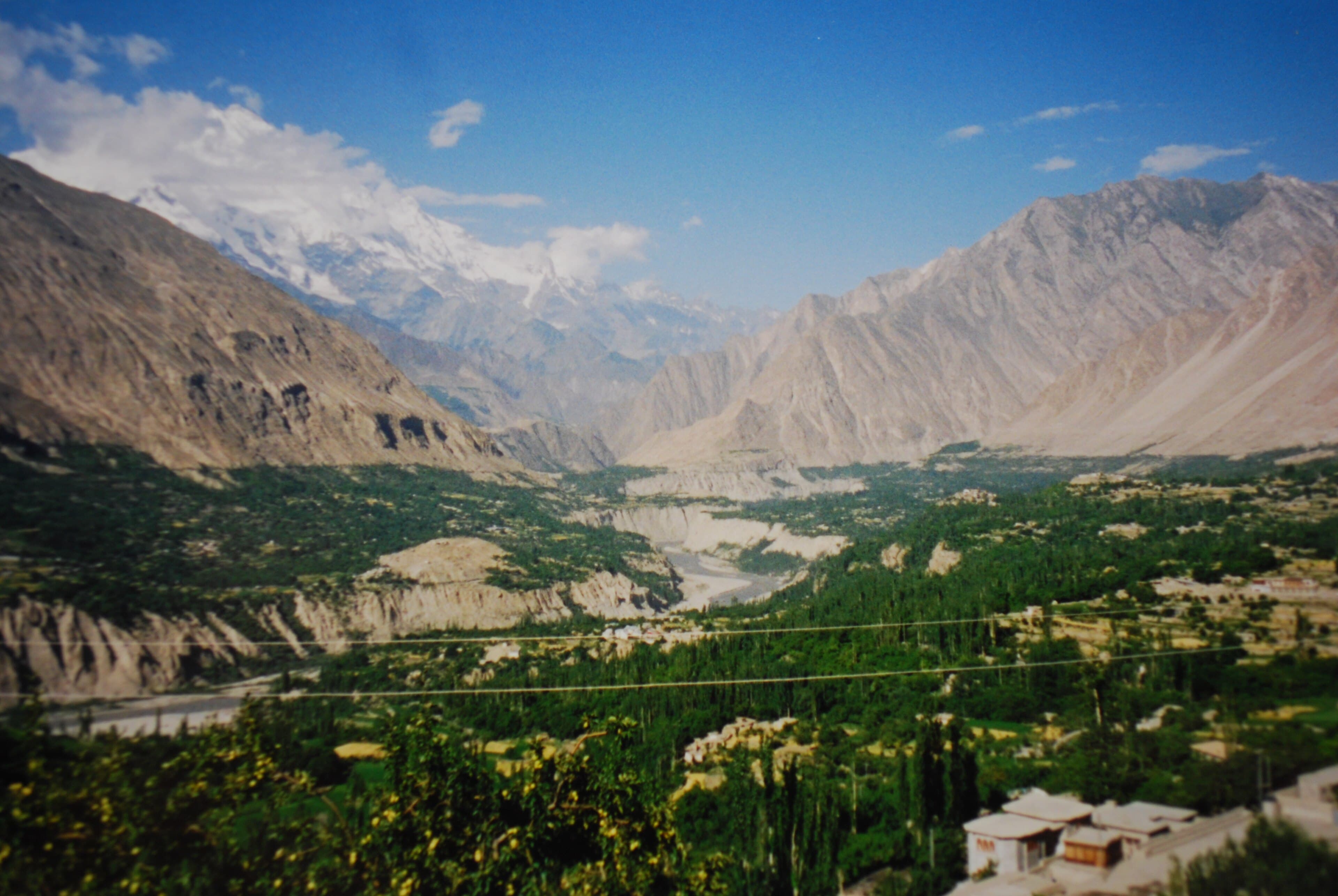
Gilgit-Baltistan has a long, distinct history of hospitality toward travellers. The Hunza Valley sat on Silk Road trade routes for centuries, literacy rates in Hunza are among the highest in Pakistan, English is widely spoken, and tourism is a pillar of the local economy that communities actively protect. Crime against visitors is extremely low — locals routinely chase down tourists to return forgotten phones and wallets.
The region is also administratively distinct, with its own entry checks. Every foreigner travelling the Karakoram Highway is registered at police checkpoints, which means authorities know where visitors are and local police take their wellbeing seriously. Far from being intimidating, the checkpoints are usually the friendliest bureaucracy you'll ever meet — expect handshakes and the occasional offer of tea.
Veteran travellers consistently rank northern Pakistan among the most welcoming places they've ever been, and travel media has increasingly followed suit, with major outlets featuring Hunza and Skardu in 'where to go' lists in recent years. The gap between Pakistan's reputation and the on-the-ground reality of its north is one of travel's great mismatches. Women travelers in particular will find honest regional advice, and reels from women who rode and trekked the north, in our solo female travel guide.
What government travel advisories say — and how to read them
Most Western government advisories (the UK FCDO, the US State Department, and their equivalents) assess Pakistan region by region, and it pays to read past the headline level. Advisories typically apply their strictest warnings to specific border areas — none of which are on the tourist circuit — while treating Islamabad and the Gilgit-Baltistan heartland far more permissively.
Learn to read an advisory the way insurers do: look for the regional breakdown and the specific roads or districts named, not the country-level summary colour. A blanket 'reconsider travel' headline often coexists with much milder language about the exact valleys you plan to visit. Check the advisory for your own country before booking, because travel insurance validity can hinge on it.
Advisories also lag reality in both directions — they're slow to escalate and slow to relax. Supplement them with recent first-hand reports: travel forums, recent YouTube trip reports and operators on the ground will tell you what conditions are like this season, not three years ago.
The real risks: altitude, roads and weather
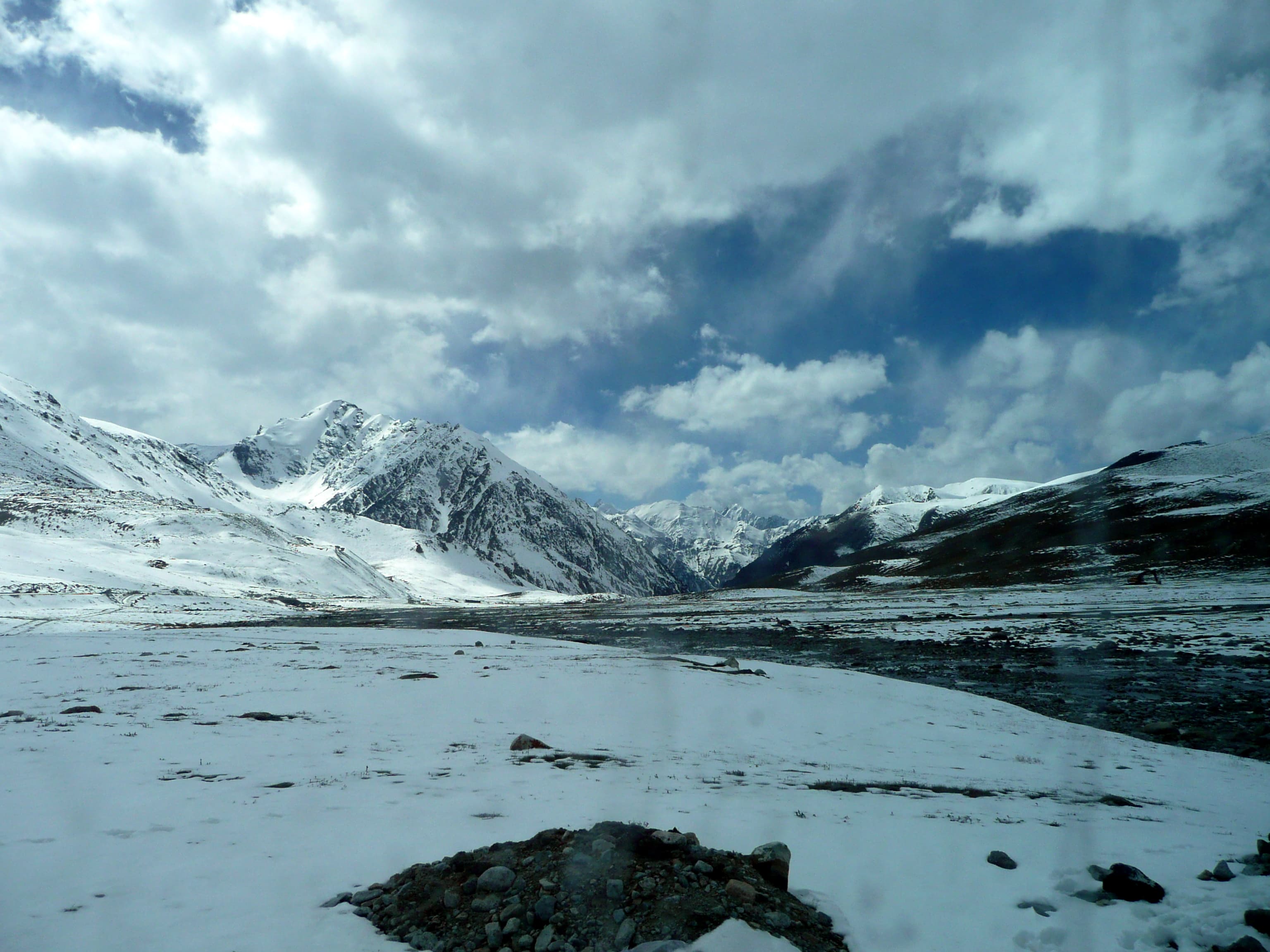
Altitude is the risk most likely to actually affect your trip. The Khunjerab Pass sits at 4,693 m and Deosai averages over 4,100 m — high enough for anyone to feel acute mountain sickness if they ascend too fast. The fix is itinerary design: sleep low (Karimabad is about 2,500 m, Skardu 2,230 m), visit high passes as day trips, ascend gradually, drink water and take headaches seriously. Anyone with heart or lung conditions should talk to a doctor first.
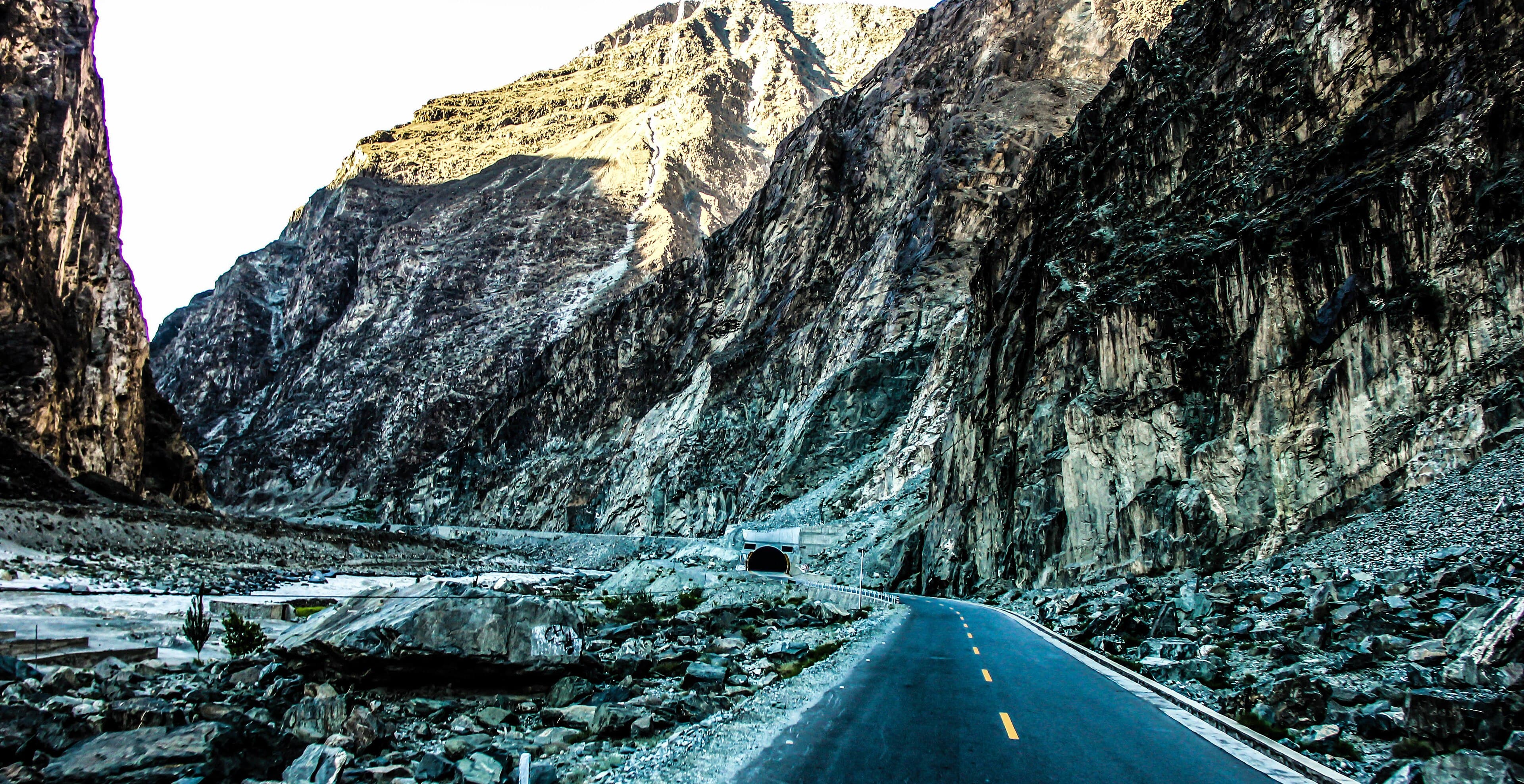
Mountain roads are the second genuine hazard. The Karakoram Highway itself is a well-engineered paved road, but side roads — the Fairy Meadows jeep track, the Skardu valley roads, Deosai's tracks — are narrow, unpaved and demand experienced local drivers. The single best safety decision you can make is to use reputable drivers in maintained 4x4s rather than self-driving unfamiliar mountain tracks.
Weather is the third. Landslides occasionally close the KKH for hours, flights to Gilgit and Skardu cancel in cloud, and snow closes high passes for half the year. None of this is dangerous if you build slack into your itinerary — it's only risky when travellers with rigid schedules push on in bad conditions. Always keep a buffer day before international flights home.
Solo travellers and women: what to expect
Solo travel in Gilgit-Baltistan is common and well-trodden, including for women. Female travellers consistently report that Hunza in particular feels relaxed: women run shops and cafés in Karimabad, girls' education is universal, and the harassment that can wear travellers down elsewhere in South Asia is notably absent in the northern valleys.
Honest nuance: the experience varies by region. Hunza and Skardu's tourist hubs are easy; smaller conservative towns along the highway, such as those in Diamer district, are places where female travellers will feel more observed and should dress more conservatively. Travelling with a local guide removes virtually all friction and adds a cultural interpreter to your trip.
Practical tips that apply to everyone: dress modestly (covered shoulders and knees; a headscarf is needed for women only when entering mosques), ask before photographing people — especially women — and accept that you'll be invited to more cups of tea than you can possibly drink. The social risk in northern Pakistan runs mostly in one direction: being over-hosted.
Sensible precautions for a smooth trip
Register your trip with your embassy if your country offers it, carry photocopies of your passport and visa for checkpoints, and buy travel insurance that explicitly covers trekking to your maximum planned altitude. Keep some cash reserves, since card infrastructure is thin north of Gilgit.
Build flexibility into your plan: a buffer day in Islamabad before flying home, backup road plans for cancelled flights, and a willingness to swap days around when weather intervenes. Most 'horror stories' from the north are really just rigid itineraries colliding with mountain weather.
Finally, go with people who know the ground. A good local operator isn't just convenience — it's a live information network about road conditions, weather windows and which guesthouse has the generator running. That local knowledge is the most underrated safety equipment in the Karakoram.
Questions, answered
Is Gilgit-Baltistan safe for foreign tourists?
Yes — Gilgit-Baltistan has an excellent safety record, with very low crime and a deep tradition of hospitality. Tens of thousands of foreigners visit each year without incident. The real risks are altitude and mountain roads, both managed by sensible itinerary design and experienced local drivers.
Is Pakistan safe for solo female travellers?
Many solo women travel Gilgit-Baltistan every season and report feeling notably comfortable, especially in Hunza, where women are visible in public life and harassment is rare. Dressing modestly and using a local guide in more conservative districts makes the trip smoother still.
What do government travel advisories say about Pakistan?
Most advisories assess Pakistan region by region: the strictest warnings apply to border areas far from the tourist north, while Islamabad and Gilgit-Baltistan are treated much more permissively. Read the regional breakdown rather than the headline, and check your own government's current advice before booking.
Are there military checkpoints in northern Pakistan?
Yes — foreigners are registered at routine police checkpoints along the Karakoram Highway. They're quick and friendly: carry several photocopies of your passport and visa to hand over, and your guide or driver will usually handle the formalities.
What is the biggest danger when visiting Hunza or Skardu?
Statistically, altitude sickness and road accidents on rough side tracks — not crime or security. Ascend gradually, sleep at lower altitudes, use experienced local 4x4 drivers for jeep tracks, and keep a buffer day in your schedule for weather.