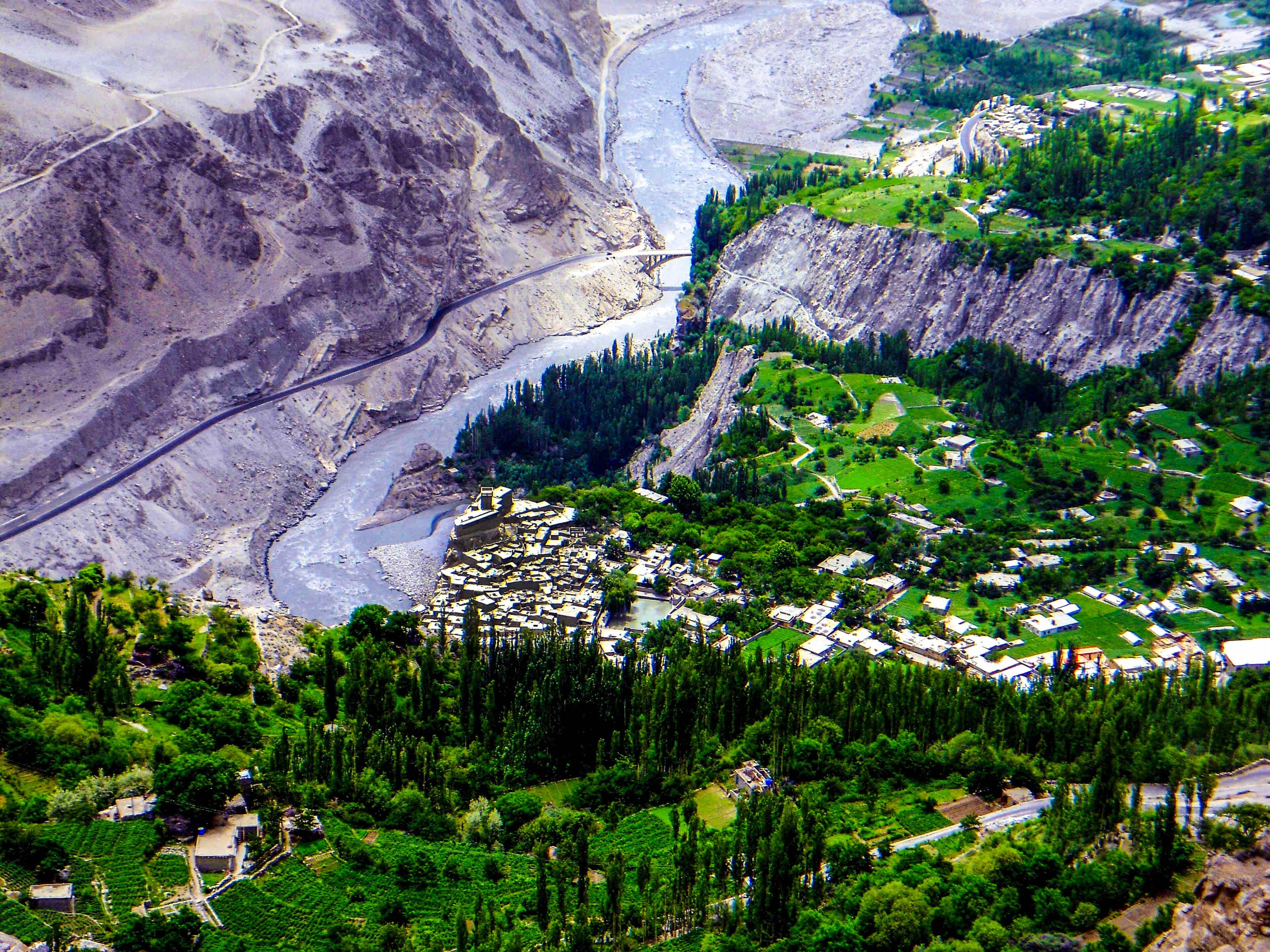
Autumn in Hunza, month by month
September is harvest and early colour. The main valley is still green, the days are warm and the trekking is at its best, but by the last week of the month birch and willow are turning in the highest villages, such as Shimshal, and the first yellow shows in the poplars of Gojal.
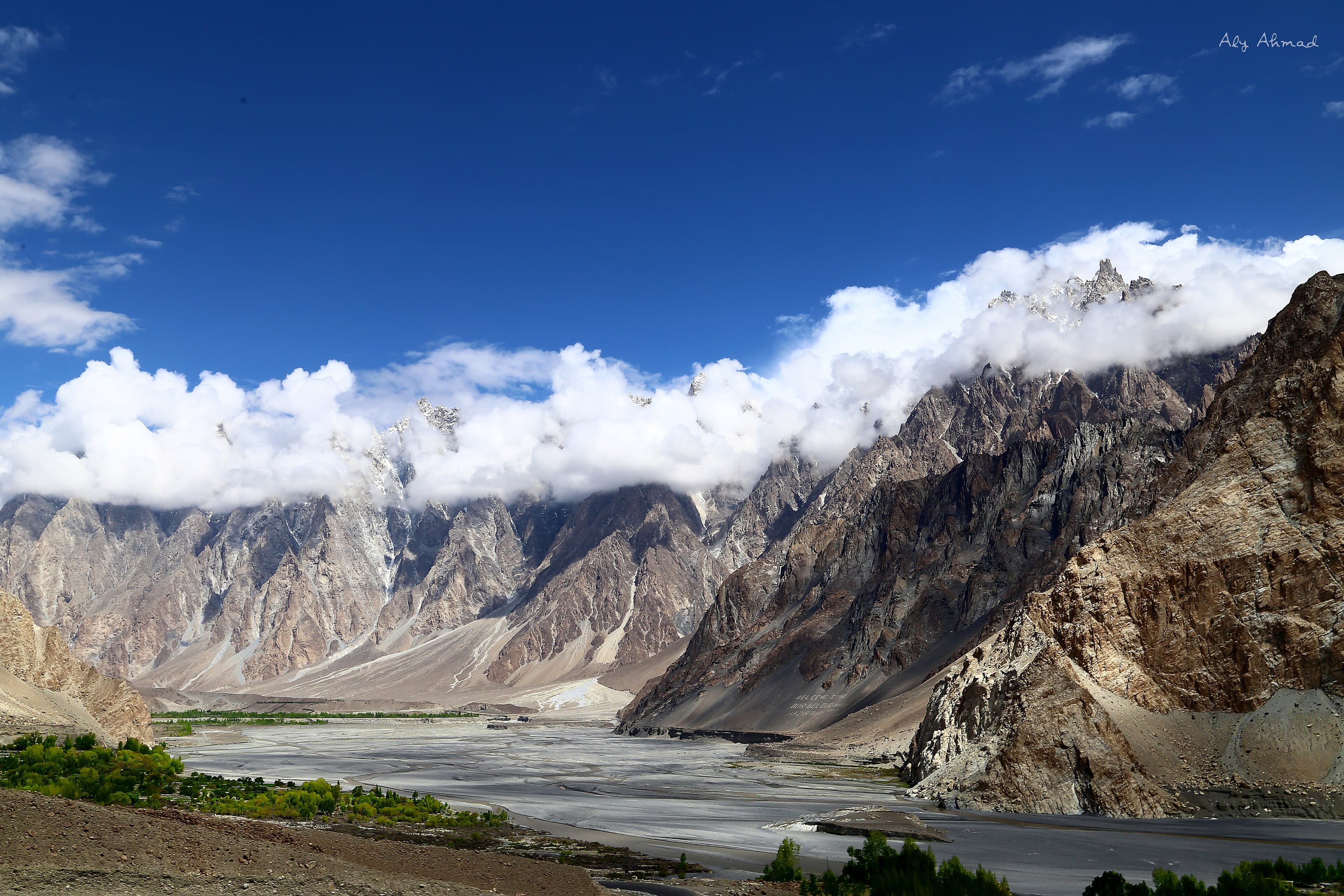
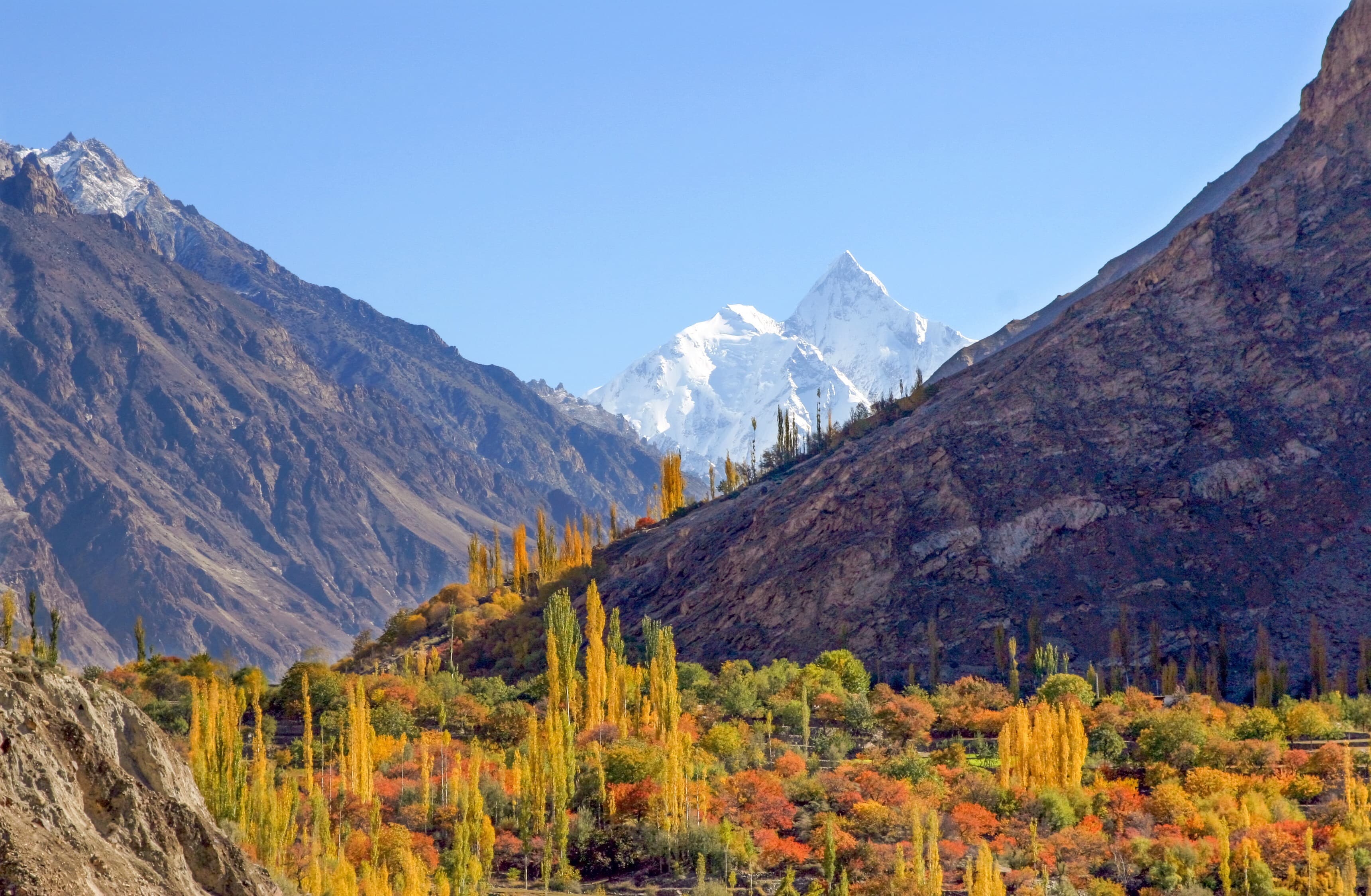
October is the colour month. Upper Hunza, around Gulmit and the Passu Cones, usually peaks between about 10 and 25 October. Central Hunza follows, with Karimabad, Altit and the Duikar viewpoint at their best from about 20 October. A Dawn feature on fall in Hunza gives the overall window as 15 October to mid-November.
November is the tail. The first week often still has strong colour in Karimabad and on the Nagar side. After that the poplars drop within days, nights are below freezing, and by the middle of the month the valley looks like early winter. If that is when you are coming, read Hunza in winter instead.
Why upper Hunza peaks before Karimabad
Colour follows temperature, and temperature follows altitude and latitude. The high side valleys sit above 3,000 metres and turn first. Gojal's villages lie further north, in a wider, colder and more exposed valley, and usually run about a week ahead of Karimabad at 2,450 metres. Gilgit, at about 1,500 metres, keeps its leaves longest of all.
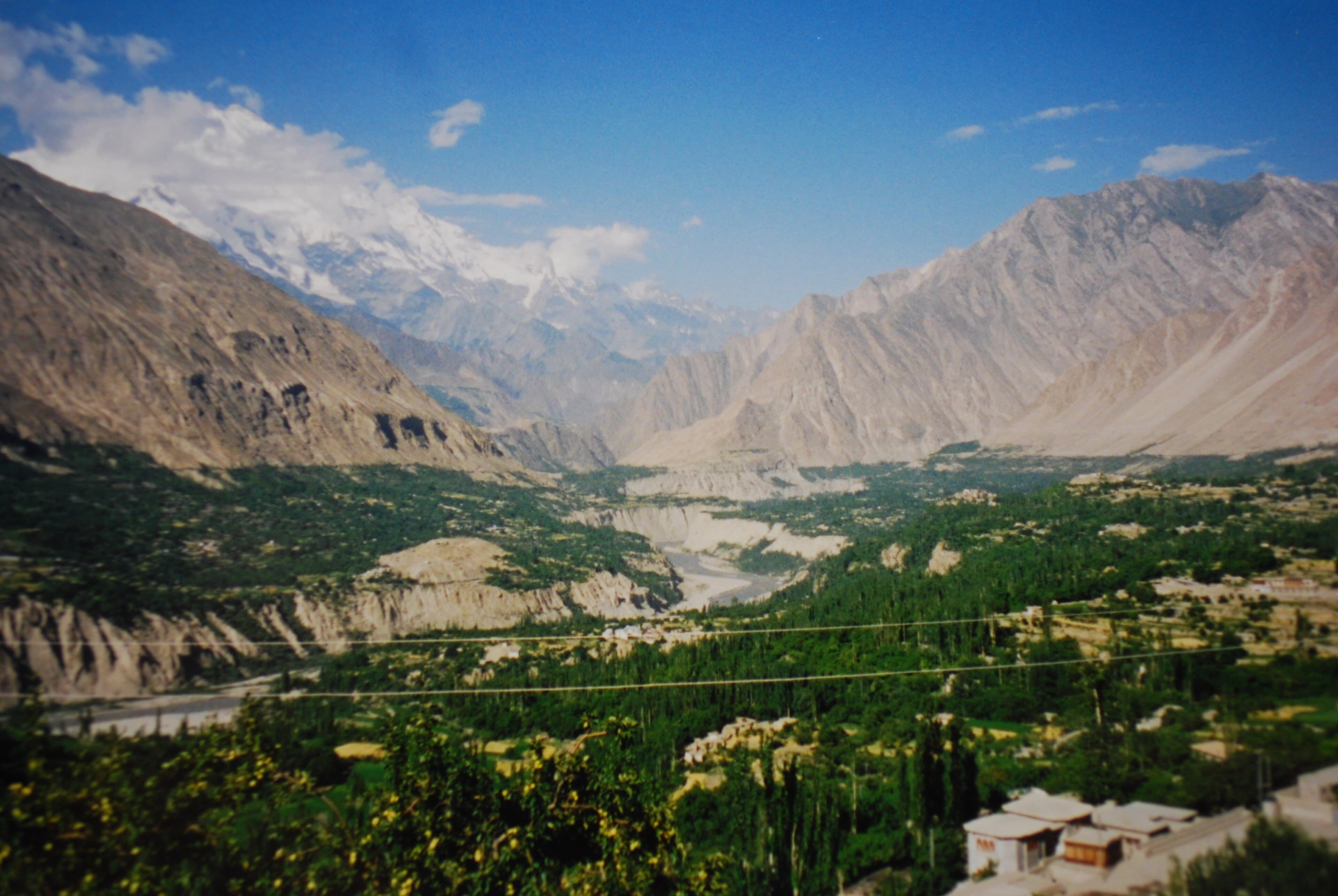
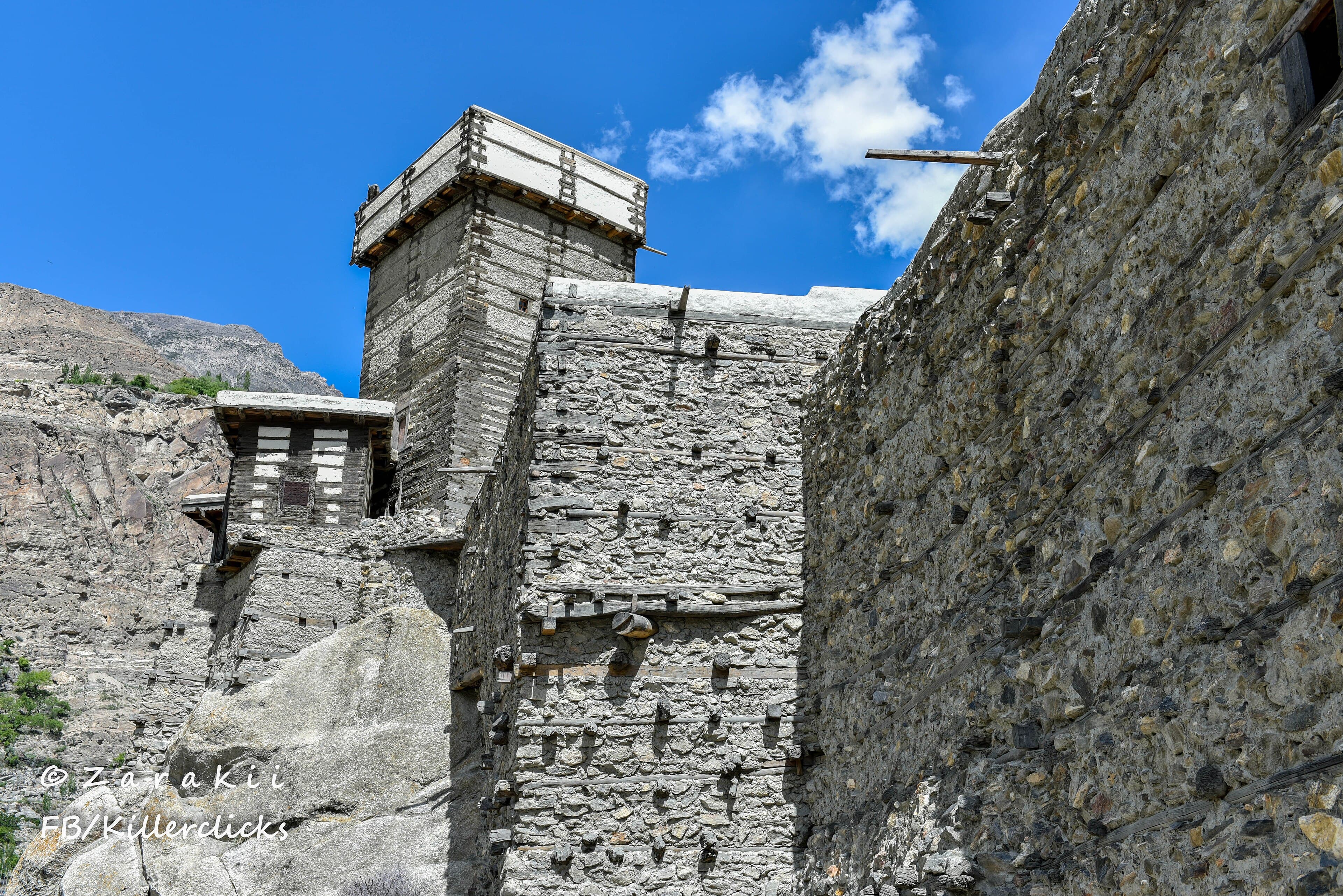
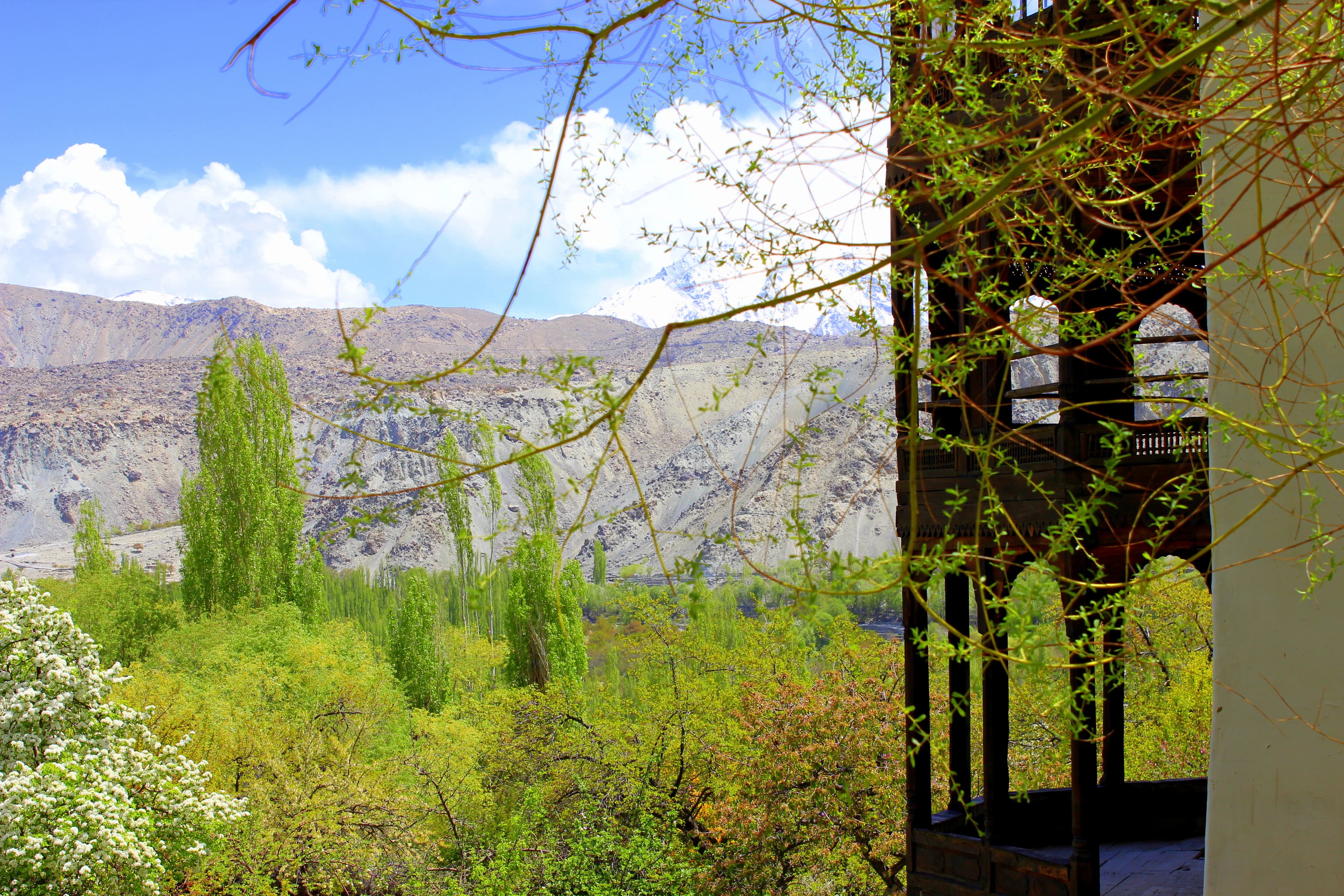
KarimabadThe old royal capital and the heart of every Hunza itinerary
Photo: katorisi · CC BY-SA 3.0This is useful, because it widens your options. Arrive around 12 October and you should base yourself in Gojal. Arrive around 25 October and central Hunza is the place. Arrive in the first week of November and the best remaining colour is in lower Hunza and Nagar and on the drive down towards Gilgit. Our full guide to Hunza in autumn goes through each area in turn.
How reliable are the dates?
They are reliable to within about a week. Nobody keeps an official foliage record for Hunza, so every date you read, including ours, is drawn from the experience of people who live and guide there. A warm, settled September delays the change. An early cold snap brings it forward. Wind is the real risk at the end: a single stormy night can take the leaves off a row of poplars that looked perfect the day before.
Orchard trees and poplars also keep different calendars. Apricot and cherry leaves redden over two or three weeks and hang on. Poplars turn all at once, hold their yellow for perhaps a week to ten days, and then fall. The best days are when the two overlap, and in central Hunza that is most often in the last week of October.
How to plan around the peak
Give yourself a spread of altitudes, not a single date. A trip of six or seven days that includes both Gojal and central Hunza will find good colour somewhere whether the season is early or late. Book hotels in Karimabad and Duikar four to six weeks ahead for the last fortnight of October, and keep a buffer day for the road or the Gilgit flight.
If you have longer, Baltistan peaks a few days after Hunza, so a route that starts in Hunza and ends in Skardu follows the colour. See Hunza or Skardu in autumn for how the two compare and the best autumn places in Gilgit-Baltistan for the rest of the region. Our Autumn Colours Photography Tour is timed for exactly this window.