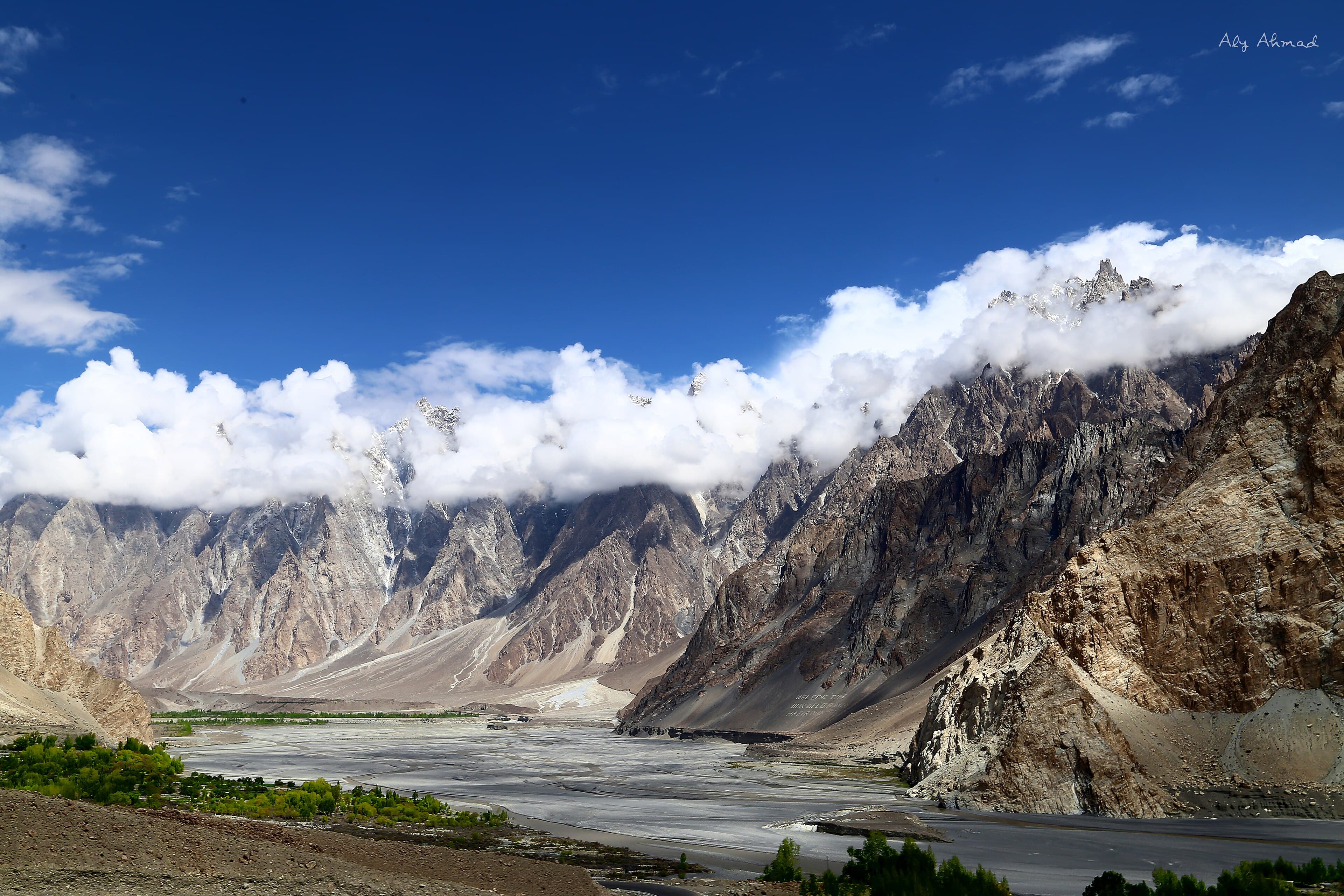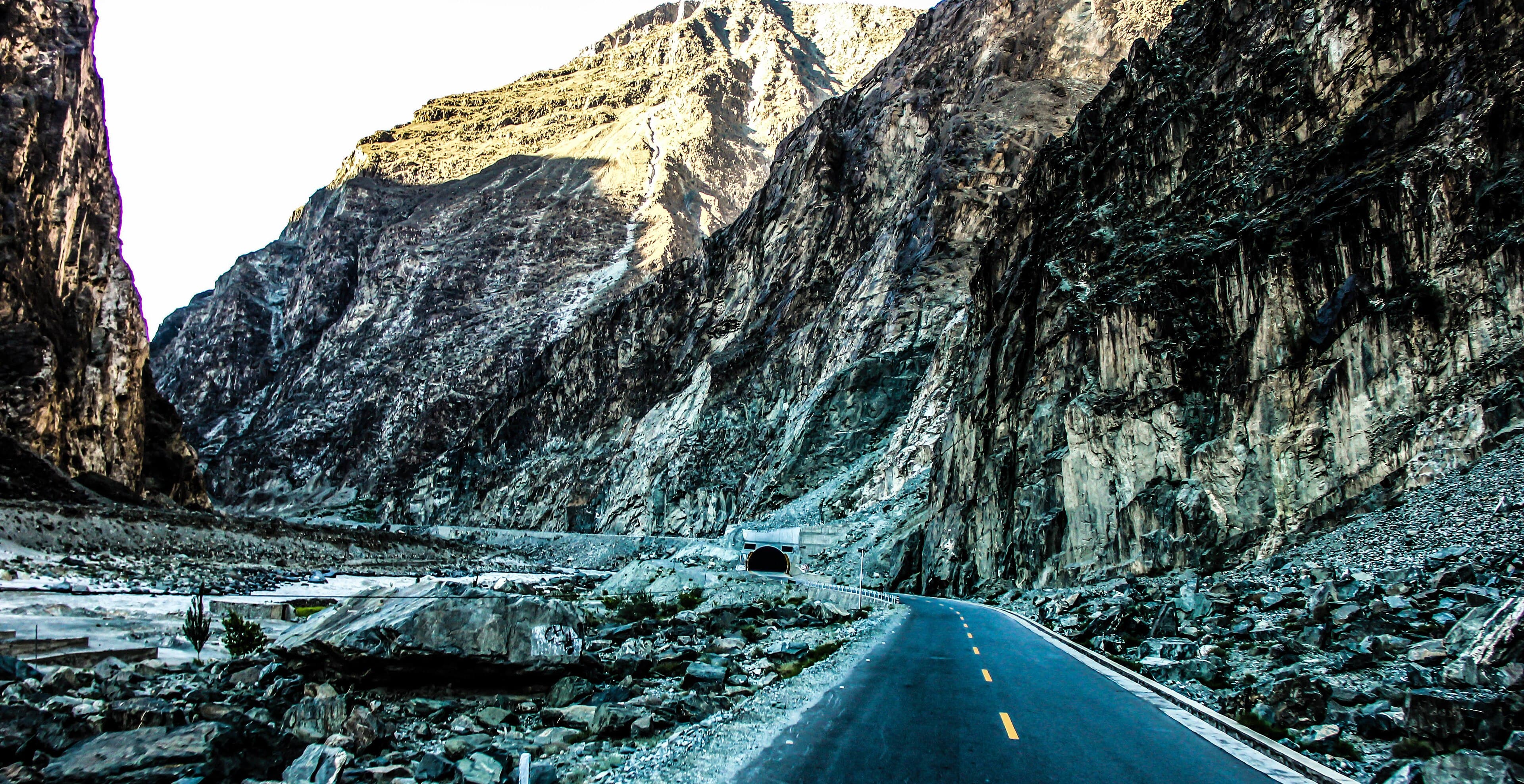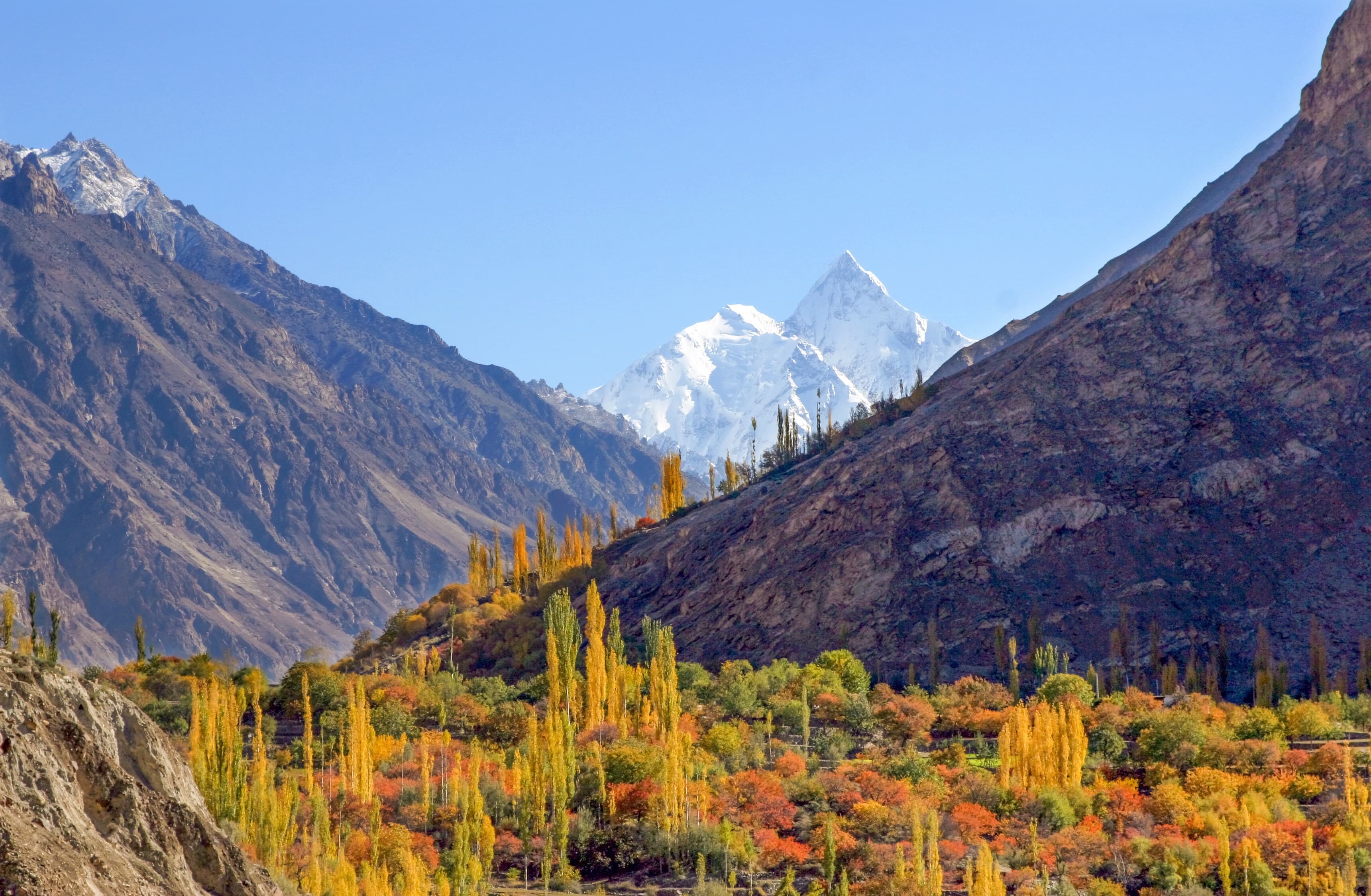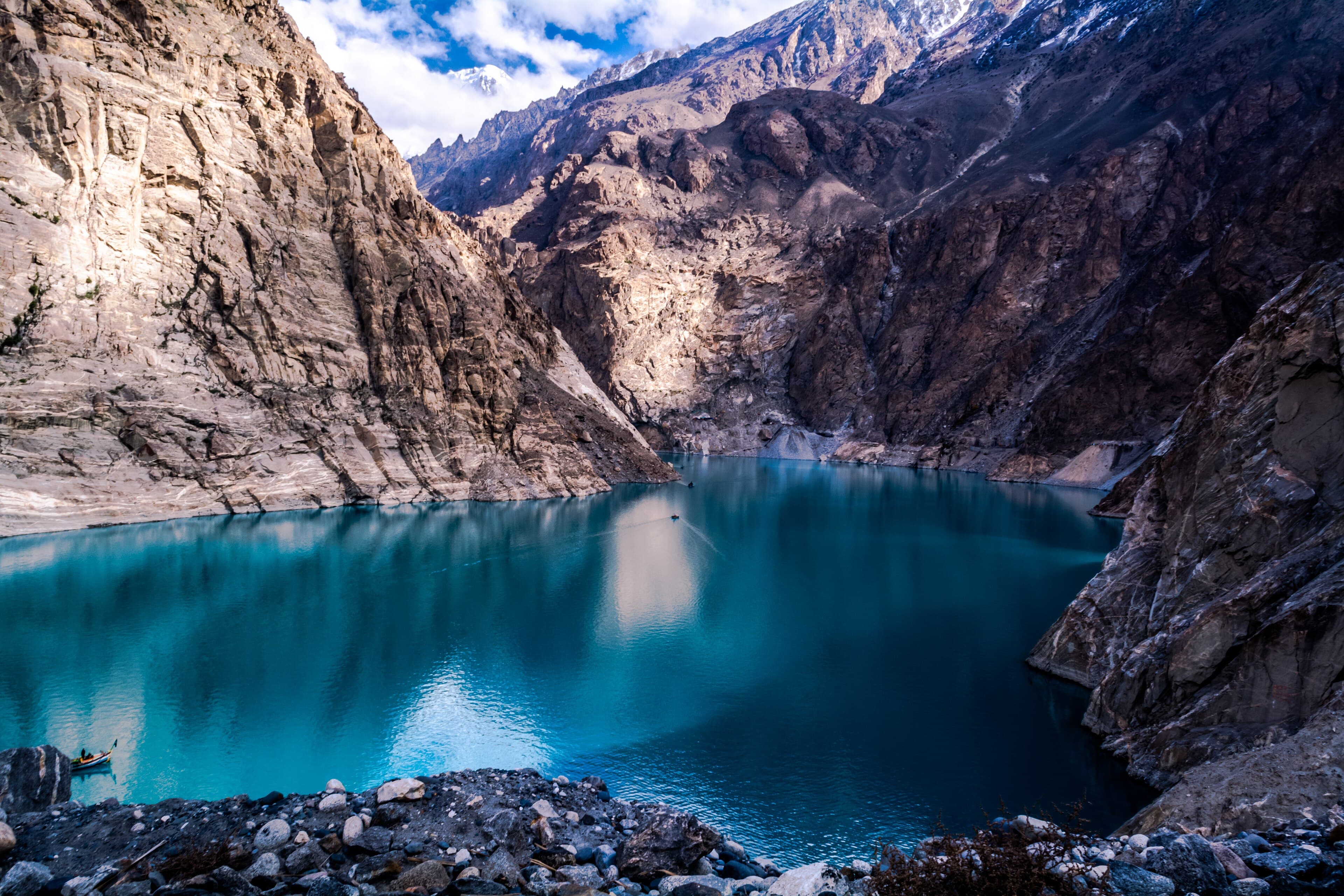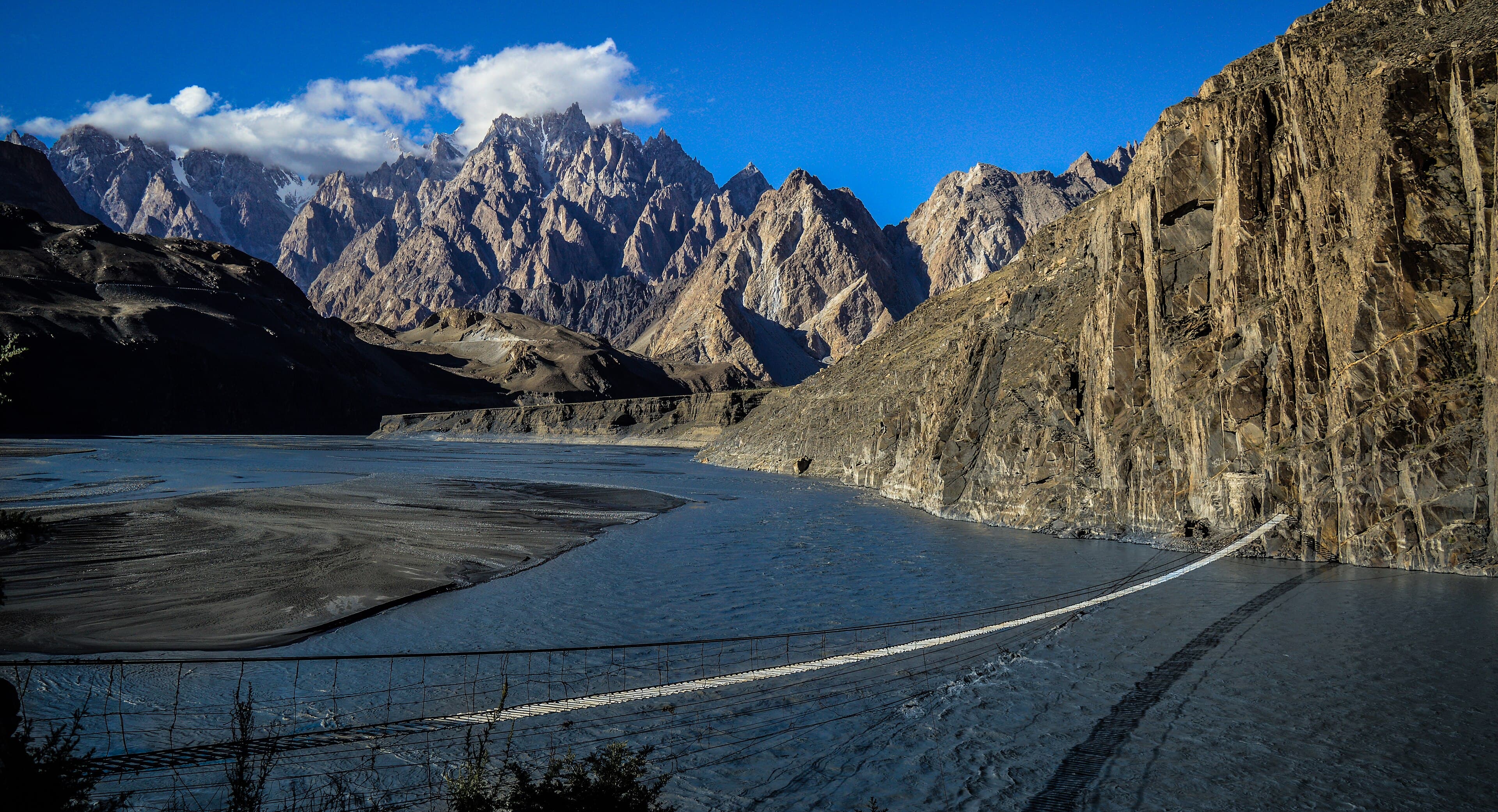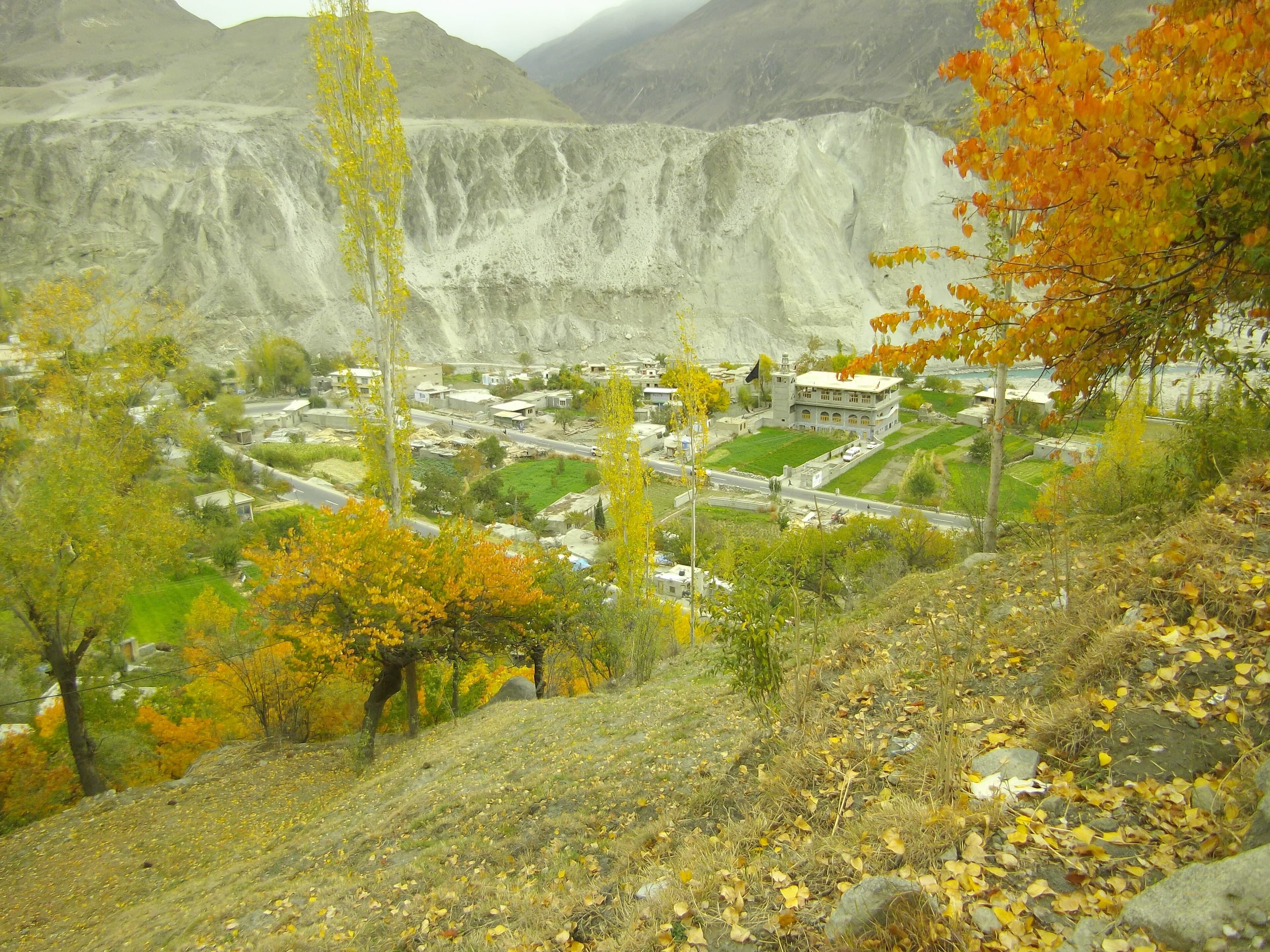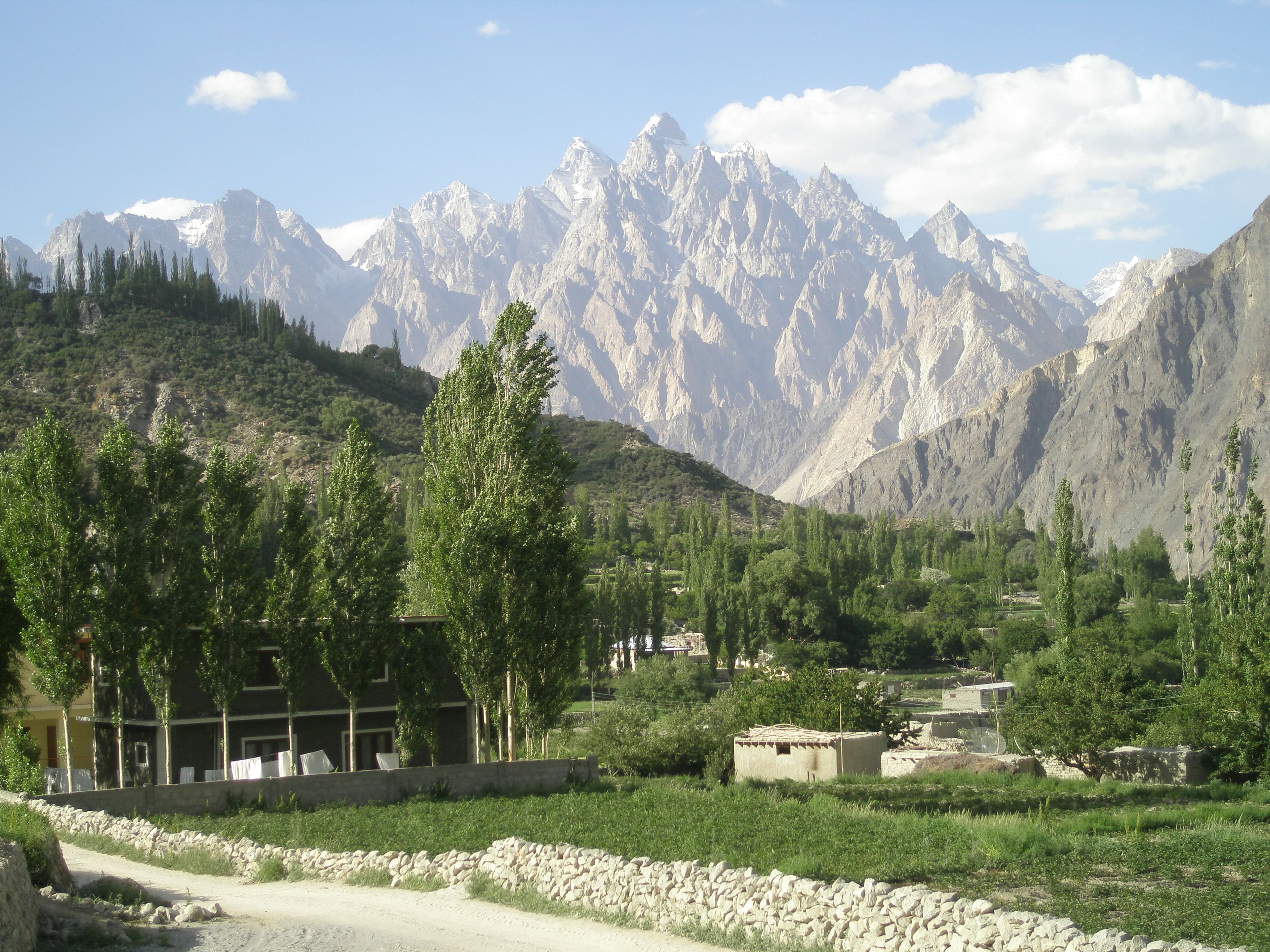
Cross the Attabad tunnels and you enter a different Hunza. This is Gojal — upper Hunza — where the people are Wakhi, the language changes, and the valley broadens beneath the serrated wall of the Passu Cones. Gulmit, the tehsil headquarters and the Mirs' historic summer capital, is its cultural heart: a village of stone-and-timber houses, some 400 years old, set in fields that run down toward the Hunza River.
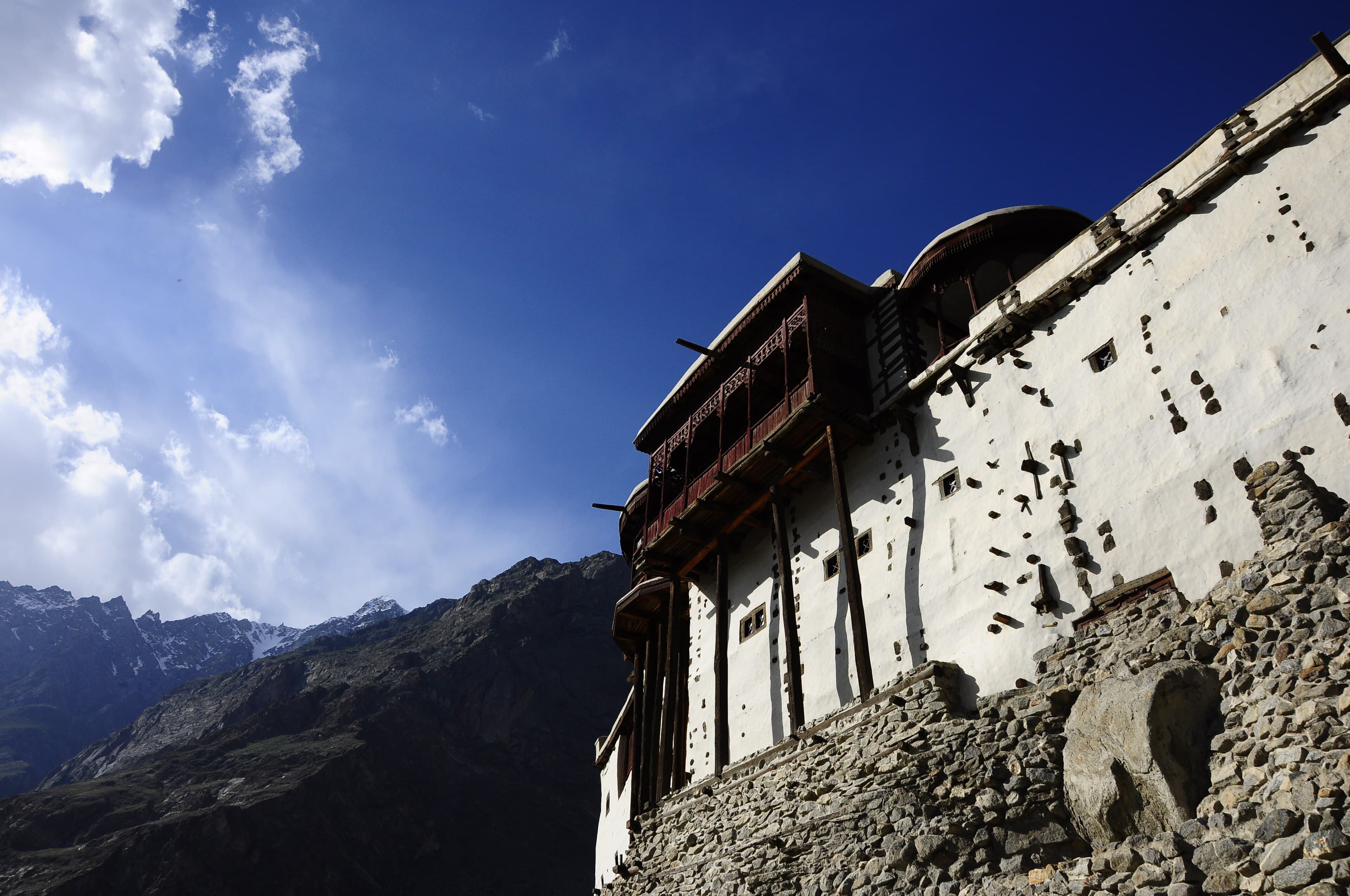
The old village rewards slow wandering. Lanes thread past the polo ground and the historic Andra (Ondra) fort ruins on the ridge above town — an easy hour's walk up restored stone steps for a sweeping view over Gulmit, Attabad Lake's upper reaches and the Cones. In the village itself, a small museum of Wakhi household culture and the women-run Gulmit carpet-weaving centre keep old crafts alive; you can watch weavers at work and buy directly from the makers.
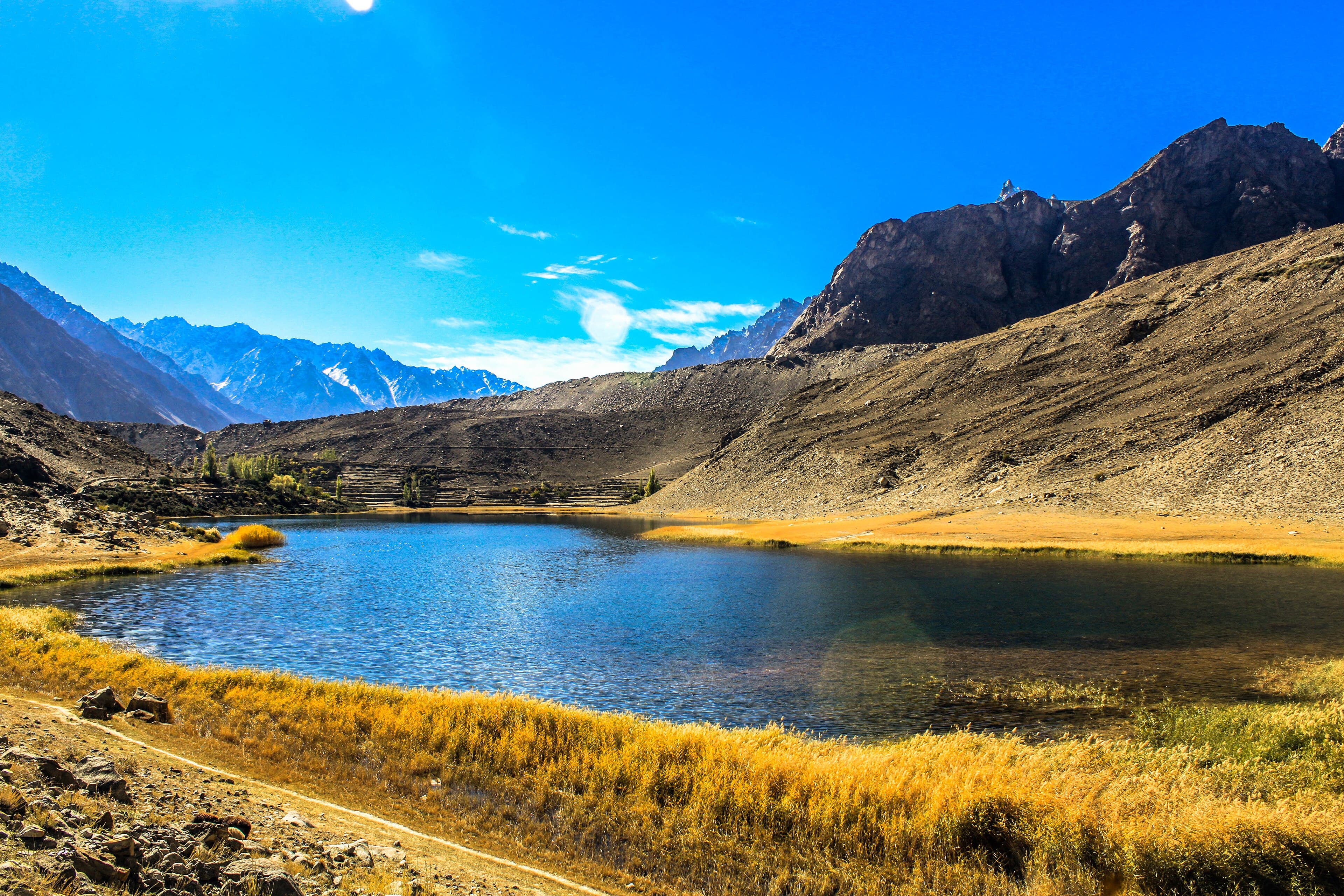
Gulmit also makes a quieter, more local alternative to Karimabad as a base for upper Hunza. Family guesthouses serve Wakhi dishes like molida and home-baked bread with apricot oil, and everything north of Attabad is close: Borith Lake and the Hussaini Suspension Bridge are 15–20 minutes away, Passu village 20 minutes, and the white tongue of the Passu Glacier visible from the road between them.
Walkers should ask about the path toward Kamaris and the viewpoint above the village, and about crossing to Hussaini via the footbridge routes. If you're heading on to the Khunjerab Pass, Gulmit is the last sizeable village with a real choice of places to stay.