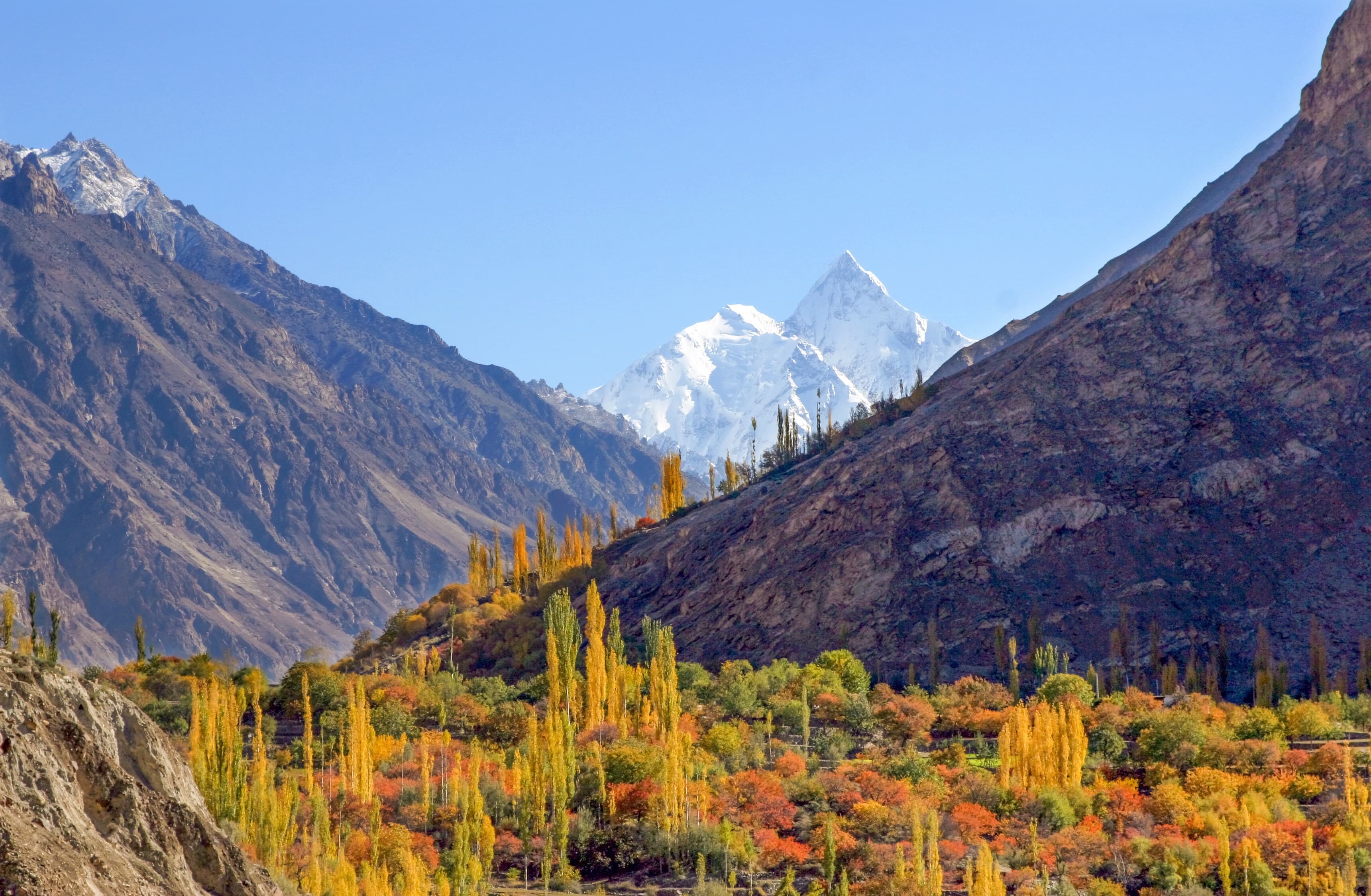
Hunza Valley · Baltistan & Skardu
Autumn Colours Photography Tour
Late October, when the Karakoram turns to gold
from $1,650 / person
- Duration
- 10 days
- Difficulty
- Easy
- Season
- Mid-October – early November
- Group size
- 4-8 guests
For two or three weeks each autumn, Gilgit-Baltistan stages one of the world's great colour shows: poplars turn molten gold, apricot and mulberry orchards burn orange and crimson, and the first snows dust the peaks above. This 10-day tour is timed for the late-October peak and built the way photographers actually work — around light, not checklists.
Days start before dawn for sunrise at Eagle's Nest or Upper Kachura and end with blue hour over Attabad Lake or the Sarfaranga dunes; the harsh midday hours are for editing, fort interiors, portraits in the bazaars and slow meals. Group size is capped at eight so every tripod gets the vantage point, and the itinerary deliberately revisits locations when the light deserves it.
The tour pairs Hunza's vertical drama with Baltistan's broad valleys — two distinct palettes in one trip — and is graded Easy: vehicle-based throughout, with only short optional walks to viewpoints. Non-photographer partners are very welcome; the pace suits anyone who likes mountains best at golden hour.
Day-by-day itinerary
- 1
Fly Islamabad → Gilgit, drive to Karimabad
The morning mountain flight to Gilgit, then a 2.5-hour drive into Hunza with first stops wherever the colour demands. Evening shoot over Karimabad's golden terraces from the hotel side of the valley.
- 2
Karimabad, Baltit Fort & Altit orchards
Sunrise on Rakaposhi and Ultar Sar, then a morning in old Karimabad and Baltit Fort, whose ramparts frame the valley's quilt of golden orchards. Afternoon among Altit Fort's gardens and village lanes; blue hour from the fort walls.
- 3
Eagle's Nest sunrise & village walks
Pre-dawn drive to Duikar for the Eagle's Nest panorama — alpenglow on six 7,000 m peaks above a valley of gold. Slow village walks through Altit and Ganish follow, with portrait opportunities in the autumn harvest.
- 4
Attabad Lake, Gulmit & the Passu Cones
Upper Hunza's set pieces in their autumn dress: turquoise Attabad beneath ochre cliffs, Gulmit's poplar lanes, and an extended sunset session on the Passu Cones with golden trees in the foreground.
- 5
Flex day — Hopper Glacier or the light's choice
A deliberately open day, steered by conditions: the white ice of Hopper Glacier in Nagar framed by autumn forest, a Borith Lake reflection morning, or a return to whichever location the week's light has earned.
- 6
Drive Hunza → Skardu
A travel day with the cameras ready: the Rakaposhi viewpoint, the three-ranges junction at Jaglot and the Indus gorge road to Skardu all offer roadside frames. Arrive for sunset over the Skardu basin.
- 7
Shigar Valley & Sarfaranga cold desert
Morning in Shigar's orchard villages and the restored Shigar Fort, then an afternoon-to-dusk session on the Sarfaranga dunes, where rippled white sand meets golden poplars and snow peaks in a single frame.
- 8
Upper Kachura Lake & Skardu
Dawn reflections at Upper Kachura Lake ringed in autumn colour, with rowing boats for low-angle compositions. Afternoon in Skardu bazaar for street photography and a Katpana desert sunset option.
- 9
Khaplu Valley day trip
Follow the Shyok River to Khaplu, whose terraced amphitheatre of villages is Baltistan's finest autumn landscape. Photograph Khaplu Palace, the Chaqchan Mosque and the poplar-lined lanes before a final golden-hour shoot on the return.
- 10
Fly Skardu → Islamabad
The morning flight back to Islamabad — itself a last shoot, with Nanga Parbat often visible from the right-side windows. Road contingency applies if weather grounds the plane.
What’s included
- Domestic flights Islamabad–Gilgit and Skardu–Islamabad (with road contingency)
- 9 nights in well-located hotels chosen for shooting access, with breakfast
- Private vehicle with flexible, light-driven daily scheduling
- Photography-aware local guide and location fixer throughout
- All entrance fees: forts, lakes and desert access
- Daily breakfast and dinner
- Small group capped at 8 with guaranteed window seats
- Sunrise and blue-hour transfers every day they're wanted
Not included
- International flights and Pakistan visa fees
- Travel insurance (mandatory)
- Lunches, drinks and snacks
- Tips for guide, driver and hotel staff
- Camera gear, drone permits and personal equipment insurance
Autumn Colours Photography Tour — frequently asked questions
When exactly is peak autumn colour in Hunza and Skardu?
The peak usually runs from the third week of October into early November, starting higher and moving down the valleys. Hunza's terraces typically peak in late October, with Khaplu and Skardu close behind. Our departure dates target that window, and the flexible itinerary chases the best colour day by day.
Do I need to be an experienced photographer to join?
No — the tour suits everyone from phone shooters to working professionals. The guide helps with locations and timing rather than formal tuition, though informal editing and technique chat fills the midday breaks. Non-photographer partners routinely join and love the unhurried pace.
Can I fly a drone on this tour?
Drone rules in Pakistan are strict and permissions are location-specific, with sensitive areas around airports, borders and military zones strictly off-limits. Tell us at booking and we'll advise honestly on what is and isn't possible — never assume you can fly without clearance.
How cold is it in late October?
Expect crisp, mostly clear days of 10–15°C and sub-zero dawns at the viewpoints — Eagle's Nest and Sarfaranga sunrises demand a warm jacket, hat and gloves. Hotels are heated, and the cold air is precisely what makes the light so clean.
Highlights on this route
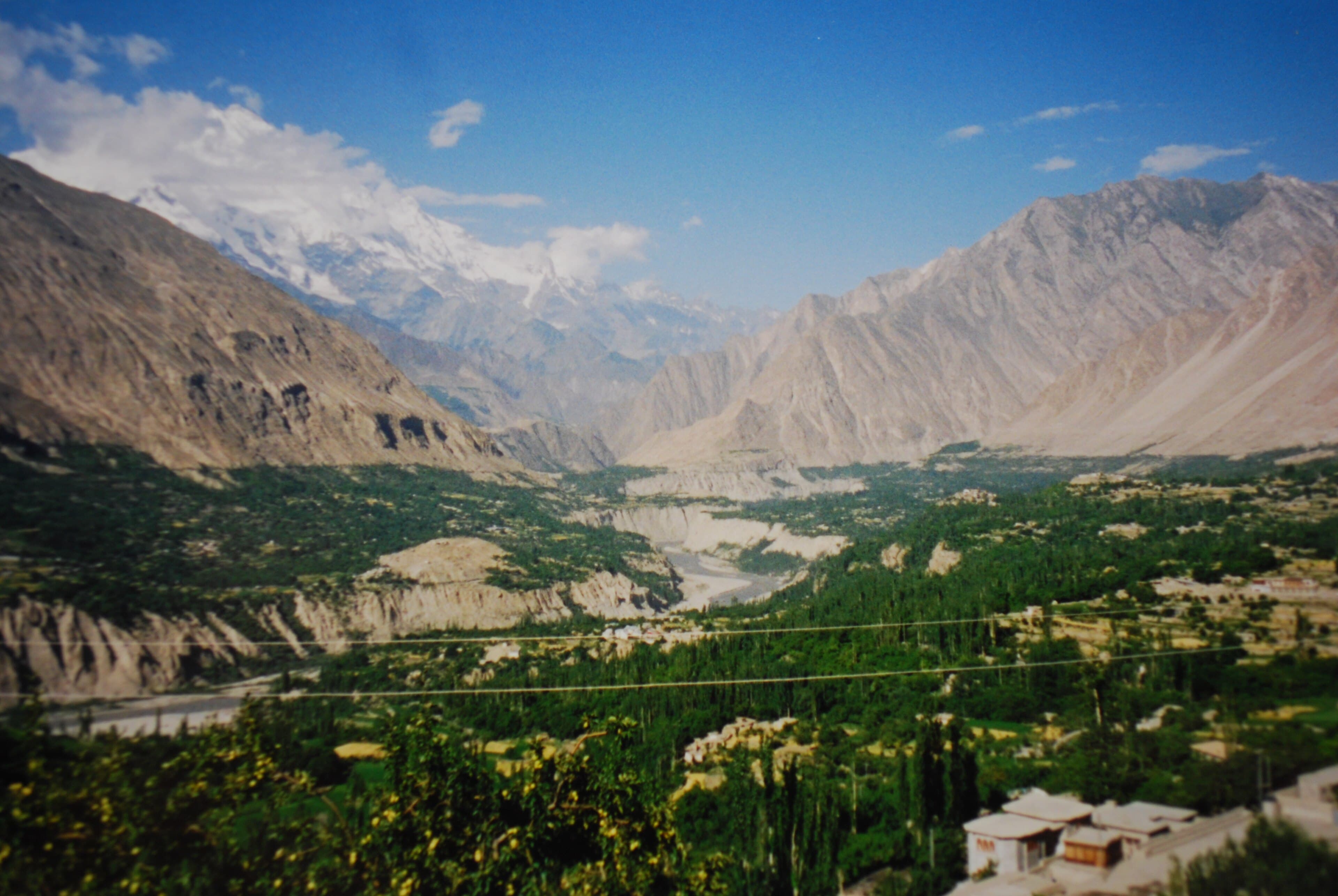
town · 2,450 m
Karimabad
The old royal capital and the heart of every Hunza itinerary
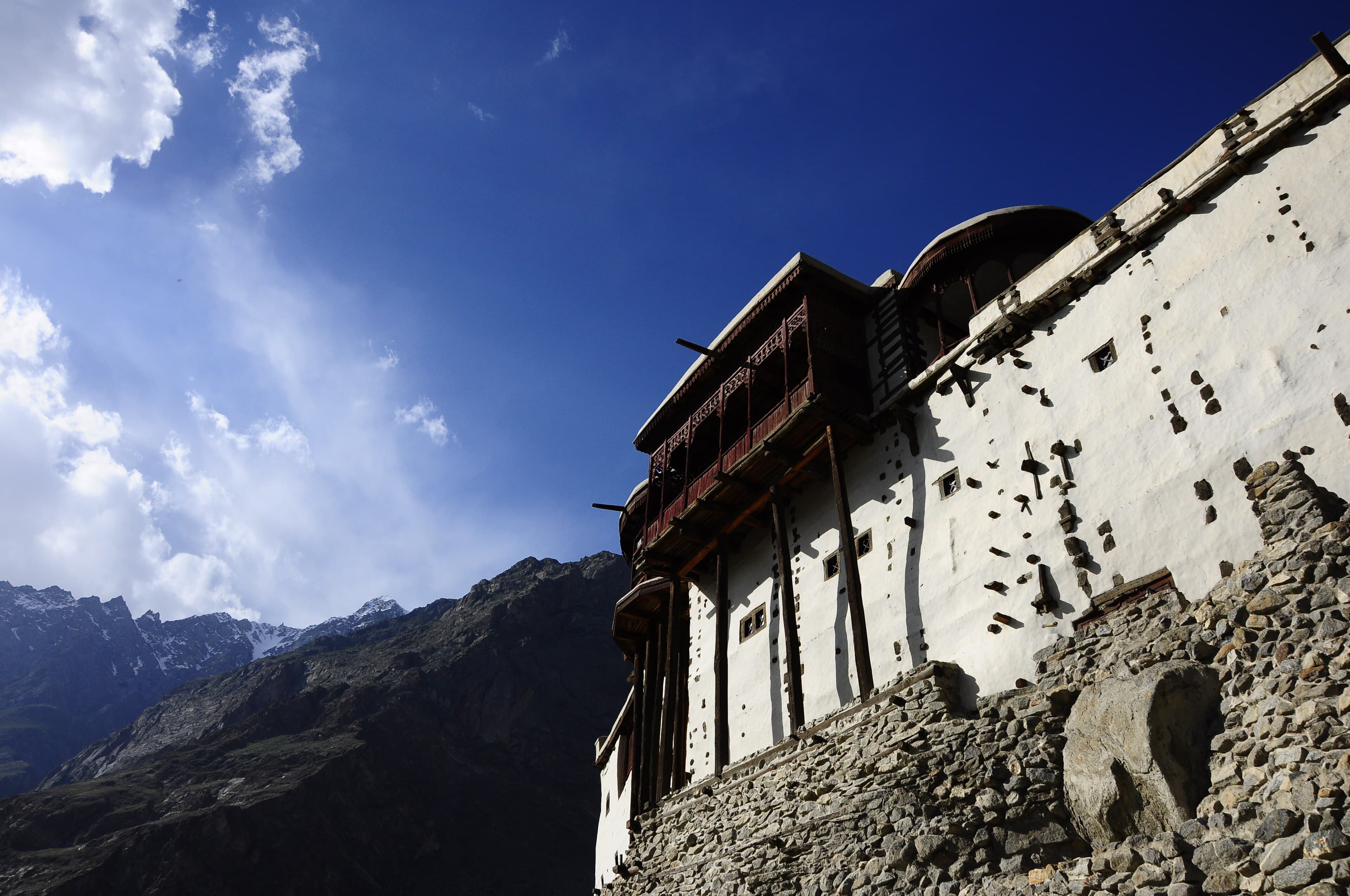
fort · 2,500 m
Baltit Fort
Seven hundred years of Hunza history above the Karimabad bazaar
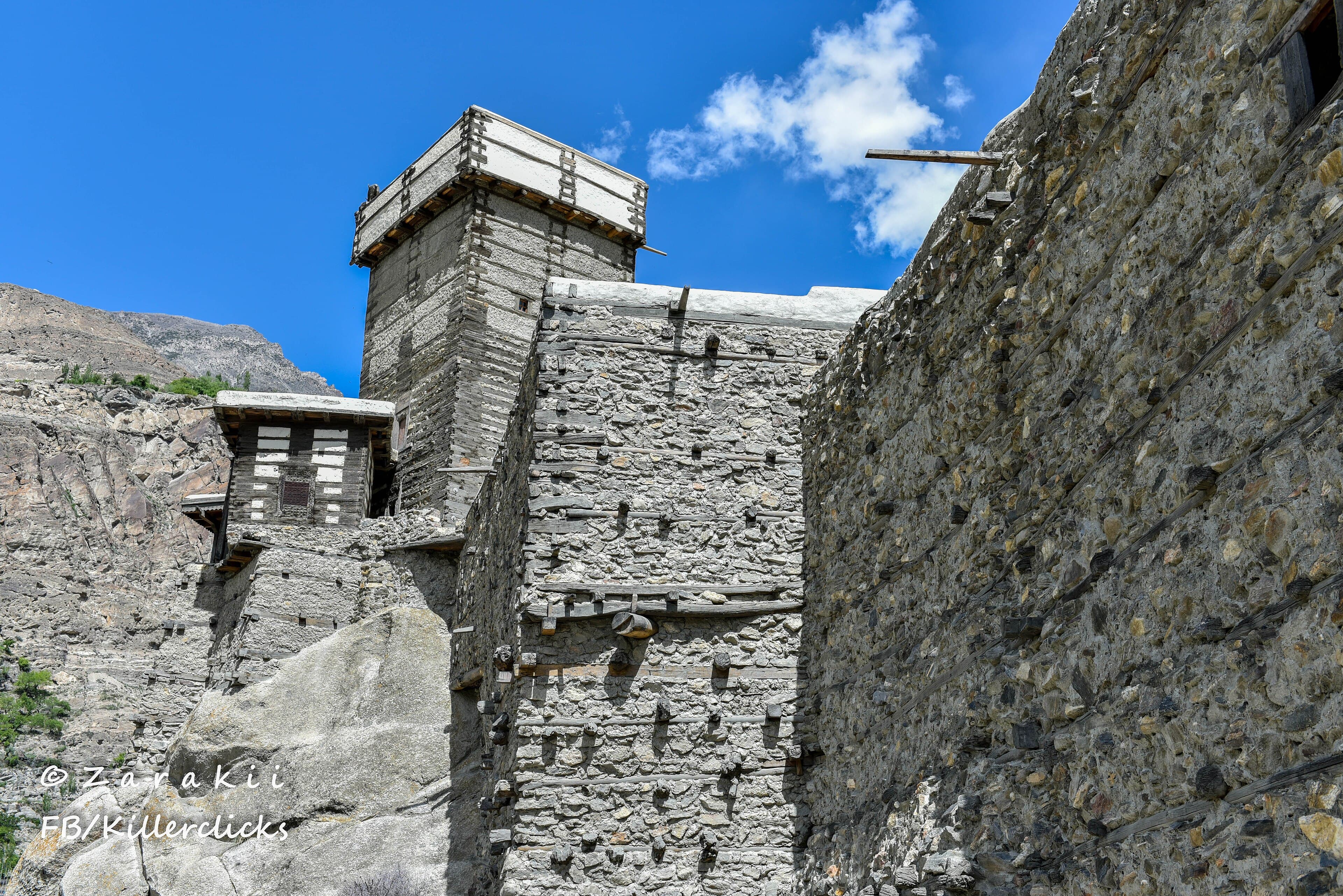
fort · 2,400 m
Altit Fort
The cradle of the Hunza kingdom, on a cliff above the river
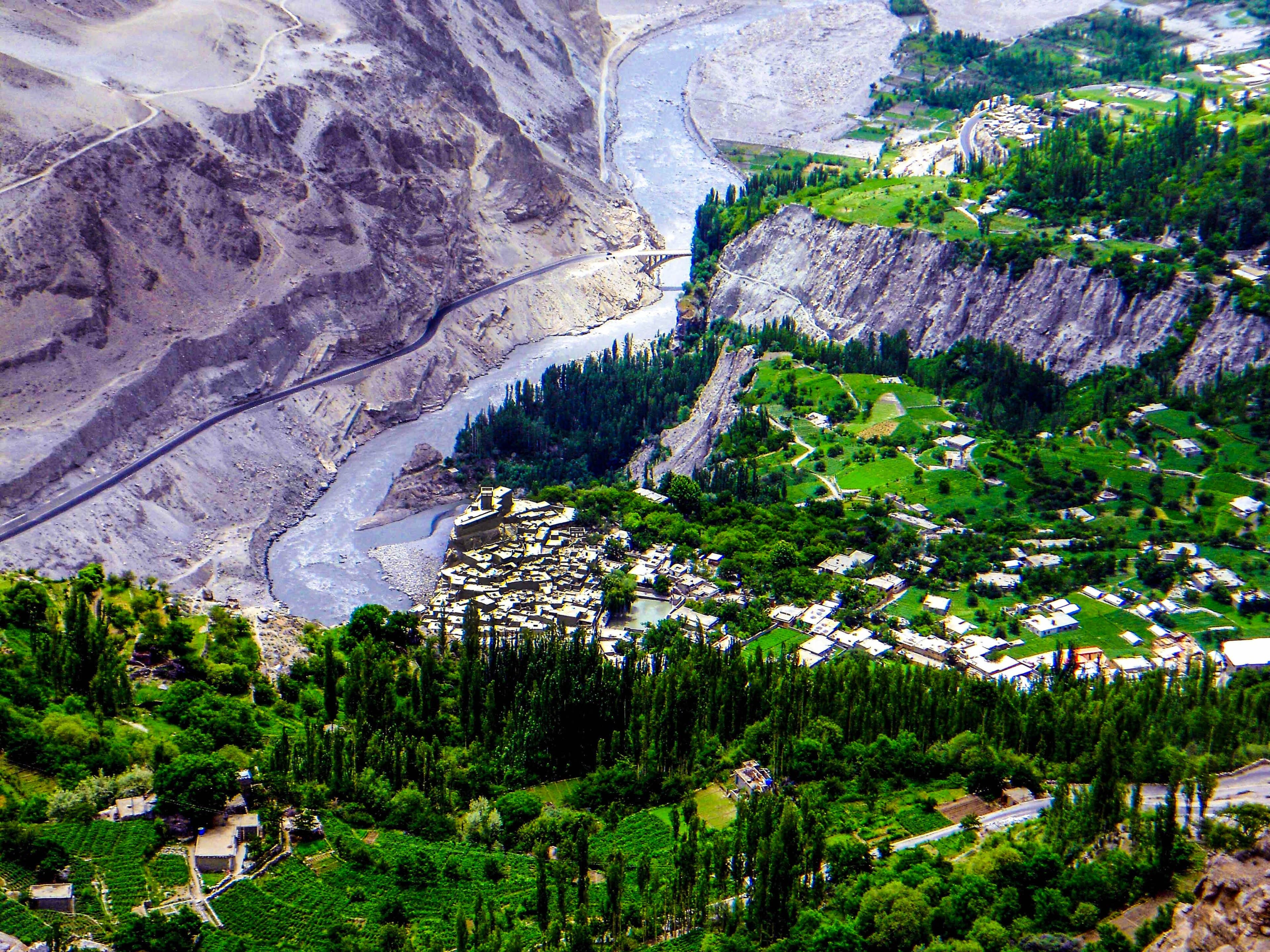
valley · 2,850 m
Eagle's Nest (Duikar)
The viewpoint where all of Hunza's giants line up at golden hour