What a Himalayan lynx looks like
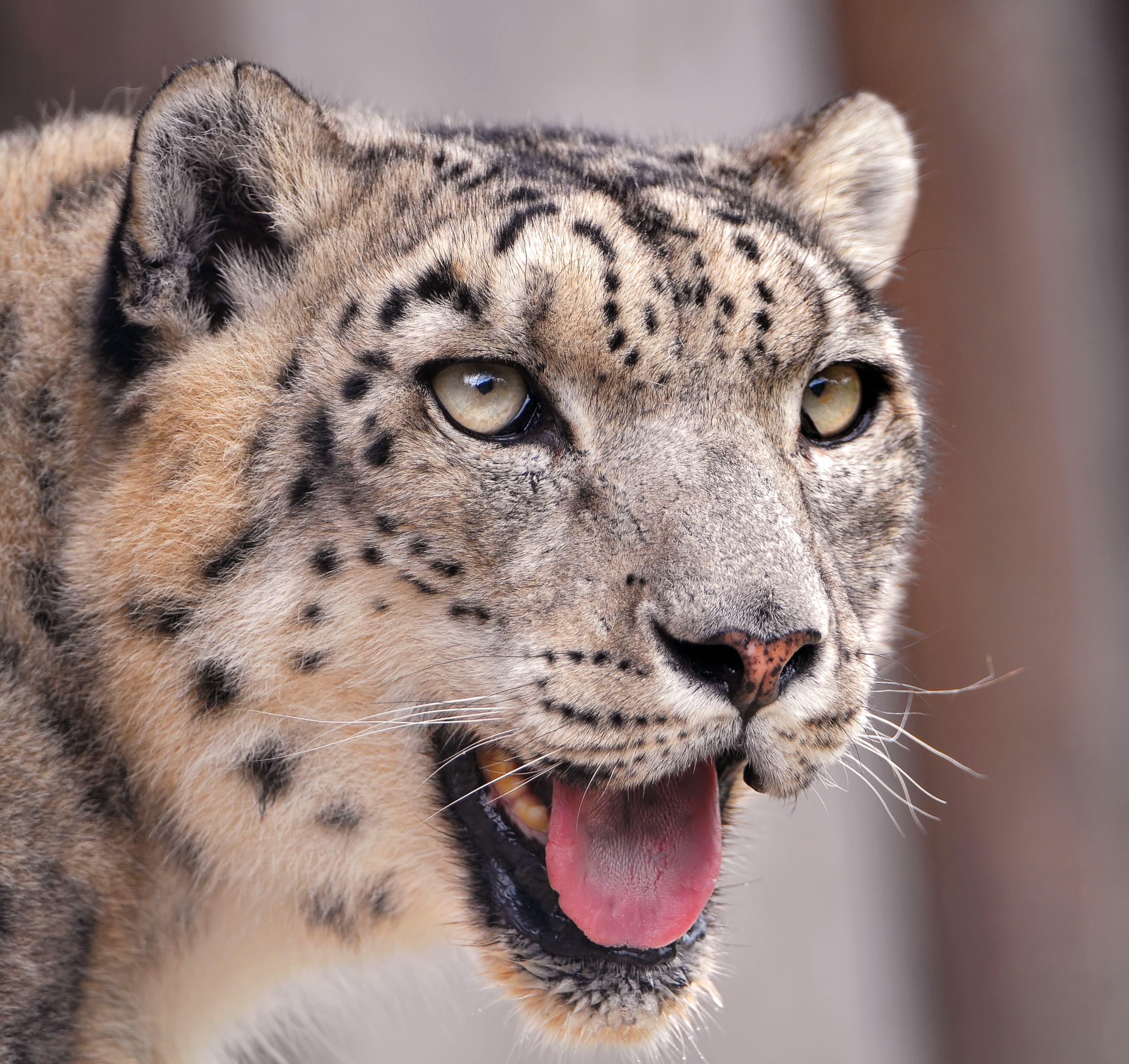
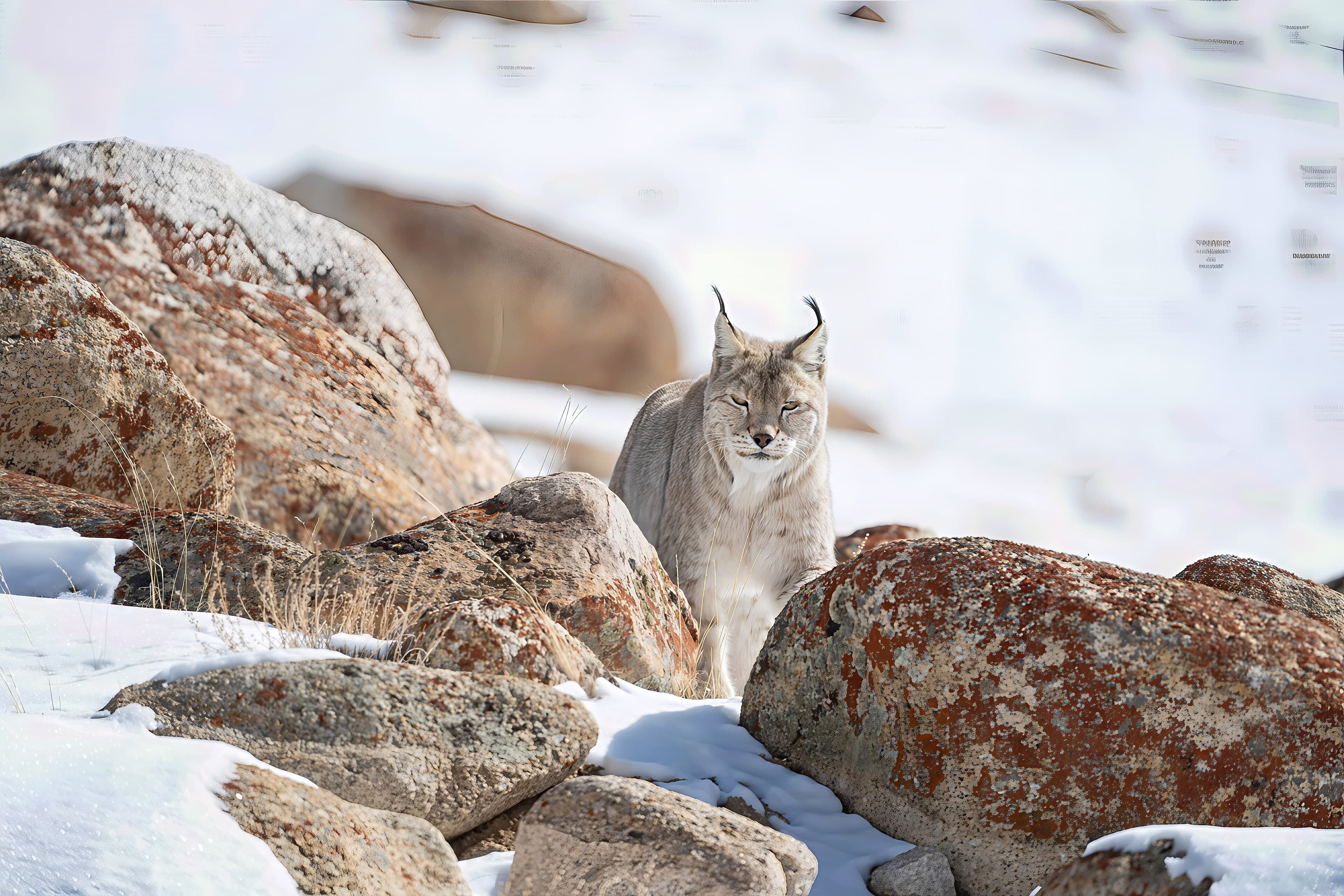
The Himalayan lynx (Lynx lynx isabellinus) is the Central Asian form of the Eurasian lynx. You may also see it called the Turkestan or Tibetan lynx. It is a medium-sized cat, about half the weight of a snow leopard.
For the Eurasian lynx as a species, males measure 76 to 106 centimetres in body length and stand 55 to 75 centimetres at the shoulder, with a short tail of under 25 centimetres. Adult males average about 21.6 kilograms and females about 18.1.
Three things mark it out: black tufts of hair on the tips of the ears, a ruff of longer hair around the face, and large furred paws that work like snowshoes. The wildlife department of Gilgit-Baltistan describes the coat as silvery grey with a reddish underfur.
Where the lynx has been recorded in Pakistan
Any honest account of the lynx in Pakistan begins with how little is known. A study published in 2010 noted that the animal had been reported from Chitral and from Gilgit-Baltistan, but that every report rested on hearsay or on expert judgment. The first camera-trap photograph of a lynx in Pakistan was taken in 2011, in the Hindu Kush of Chitral.
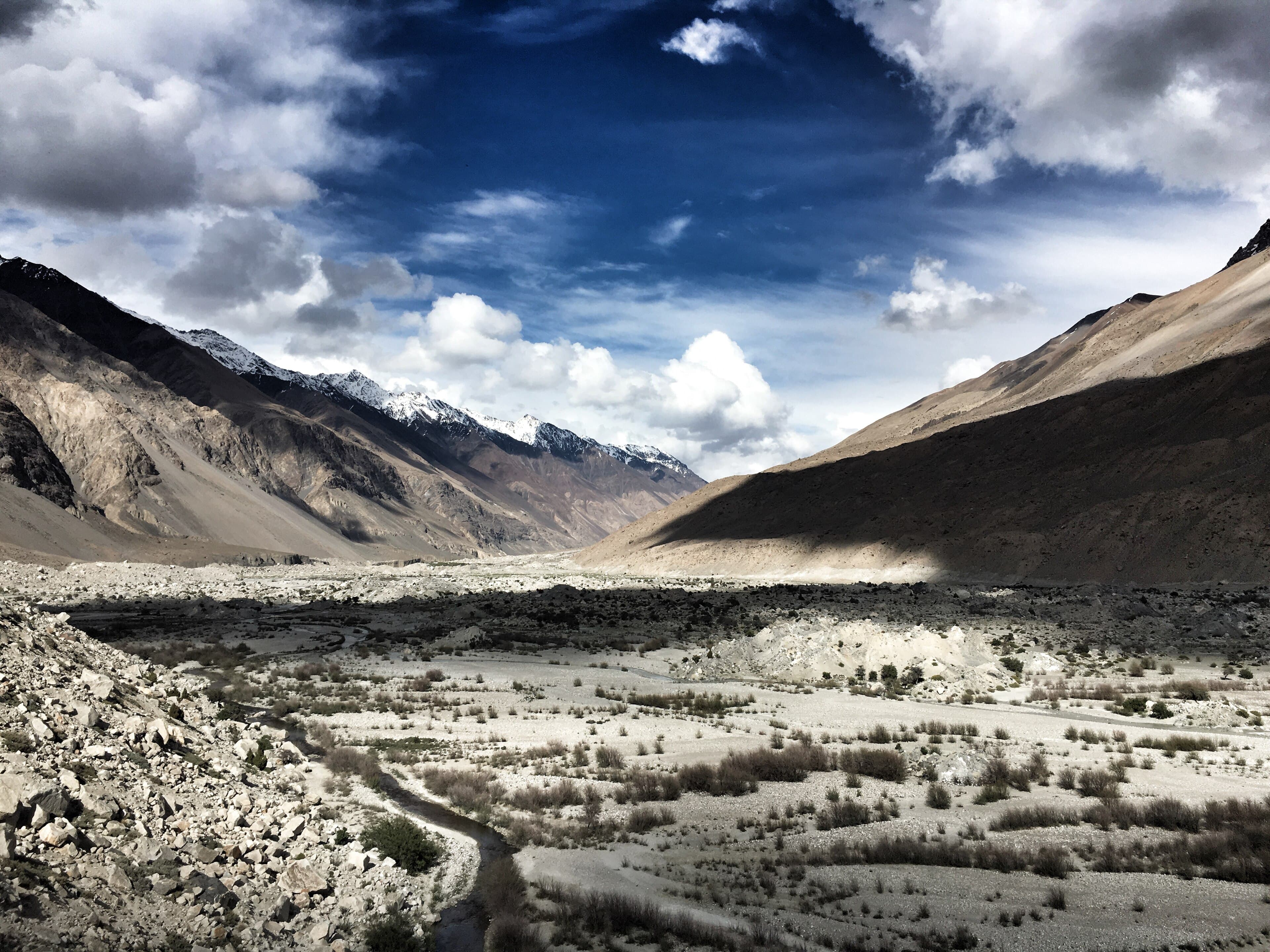
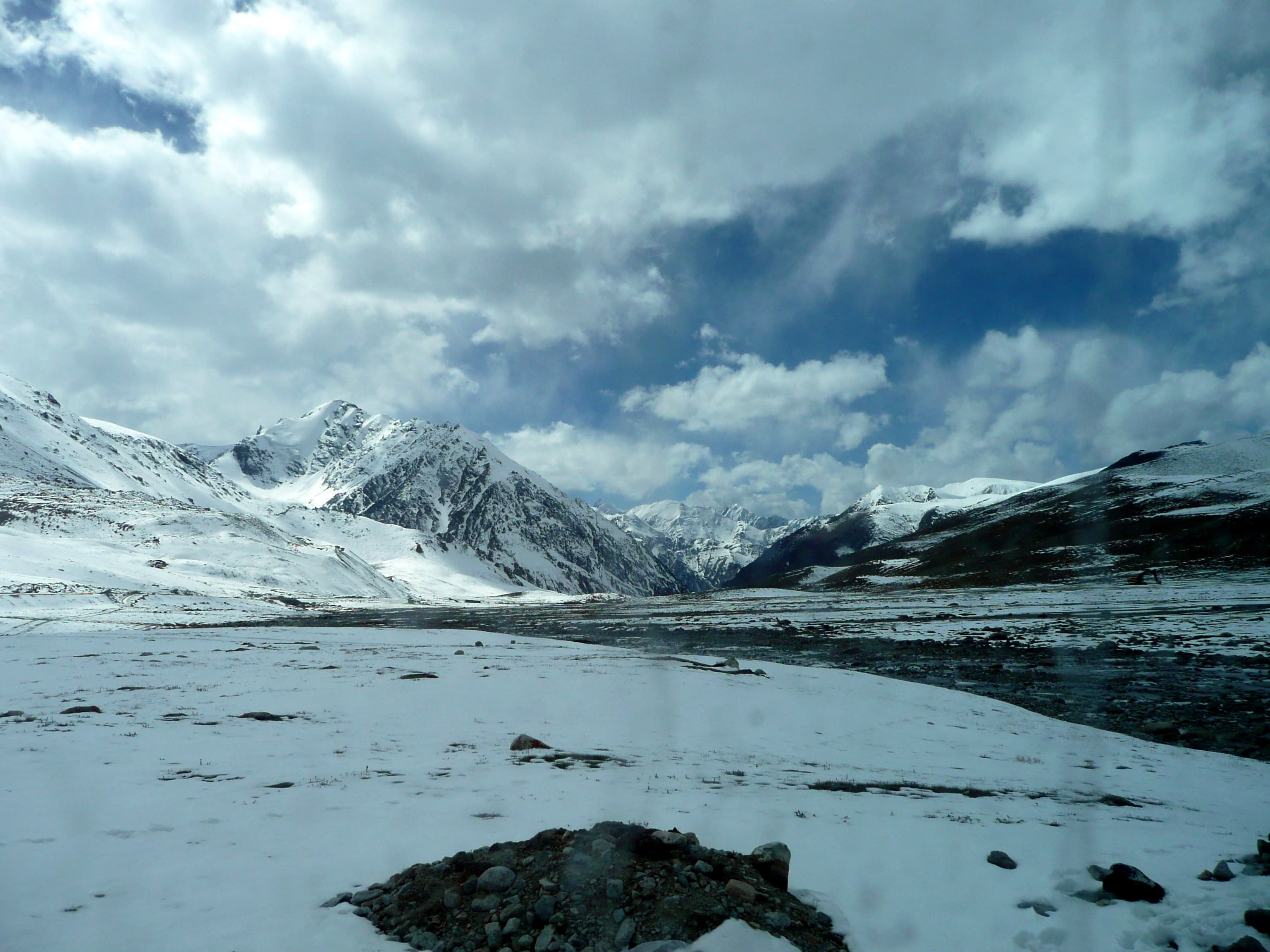
Chapursan ValleyThe last valley of Pakistan, where the road runs toward the Wakhan
Photo: Ferozagulzar · CC BY-SA 4.0In Gilgit-Baltistan the firmest record comes from the Khanbari valley in Diamer. Camera traps set there for a survey of carnivores photographed lynx along with wolf, leopard cat, fox and stone marten, and the Snow Leopard Trust reported the result in February 2015.
The rest is testimony and lists. In a survey of herders in Misgar and Chapursan, in upper Hunza, people reported wolves 95 times, snow leopards 45 times and lynx 10 times, and most of them named the lynx as the rarest of all. The Central Karakoram National Park reports it from the Basha valley of Shigar and from Haramosh. The wildlife department lists it for the Qurumber, Handrap-Shandur, Himalaya and Nanga Parbat national parks.
A camera-trap survey of Hopper and Hispar in Nagar, run from April to November 2024, recorded red fox, ibex and snow leopard, and no lynx.
What it eats
The lynx hunts alone. The department lists hares, rodents, grouse, foxes and hoofed animals as its prey.
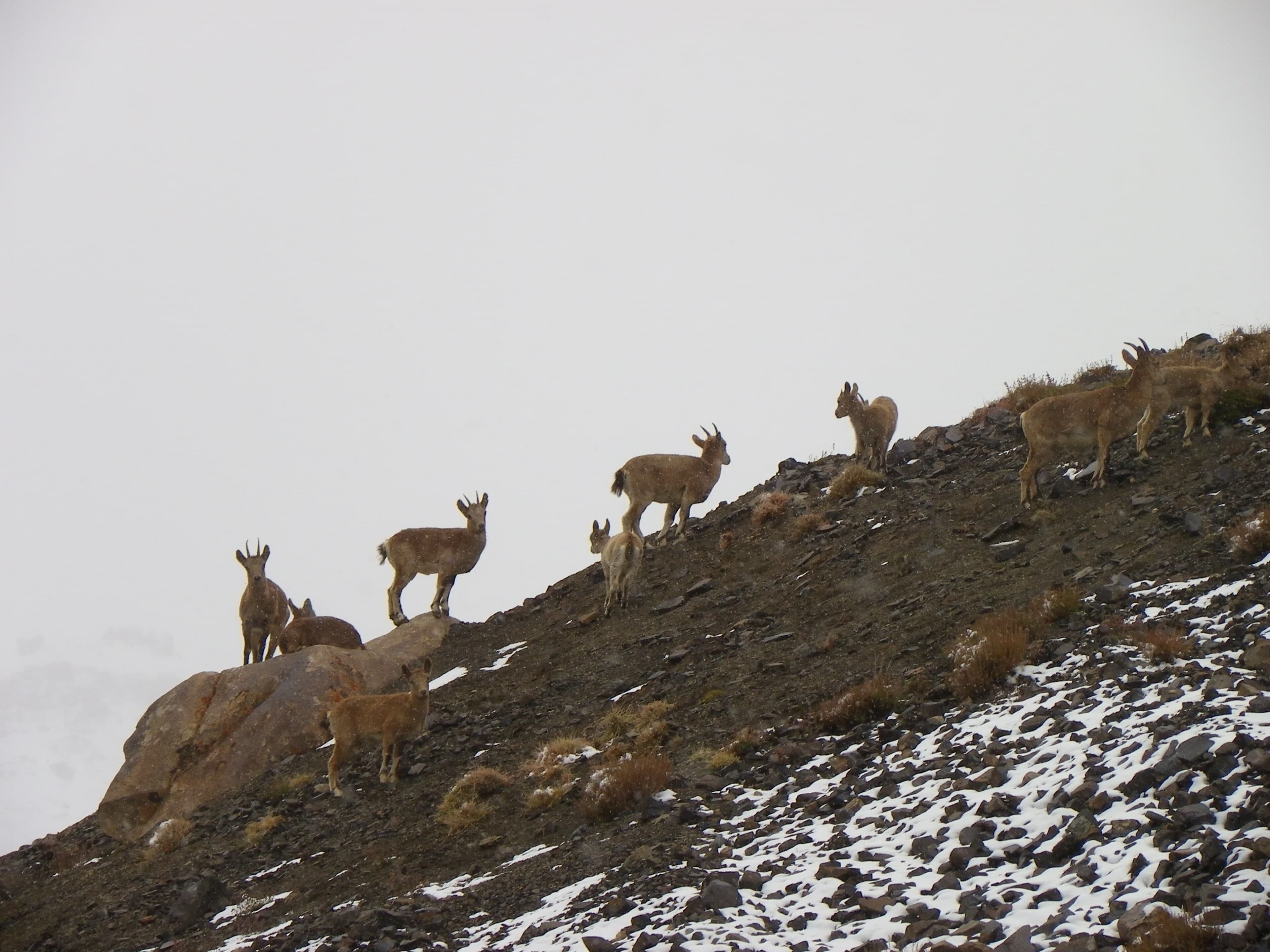
It is strong enough to take young markhor. In December 2007 an adult lynx was recorded killing a markhor lamb in a game reserve near Chitral town and carrying it up a ridge. A film released by WWF-Pakistan in 2020 shows a lynx catching a yearling markhor in the same reserve. Both events were in Chitral, in Khyber Pakhtunkhwa, and not in Gilgit-Baltistan.
It also takes livestock. In the Chitral study, goats made up 43 percent of the reported losses, sheep 25 percent and poultry 19 percent. That is the root of the main threat to the cat, because herders who lose animals sometimes kill the predator. Loss of wild prey and of habitat are the others.
Can you see a lynx in Hunza or Skardu?
Realistically, no. We know of no place or season in Gilgit-Baltistan where a lynx can be looked for with a fair chance, and we would rather say so than sell a hope.
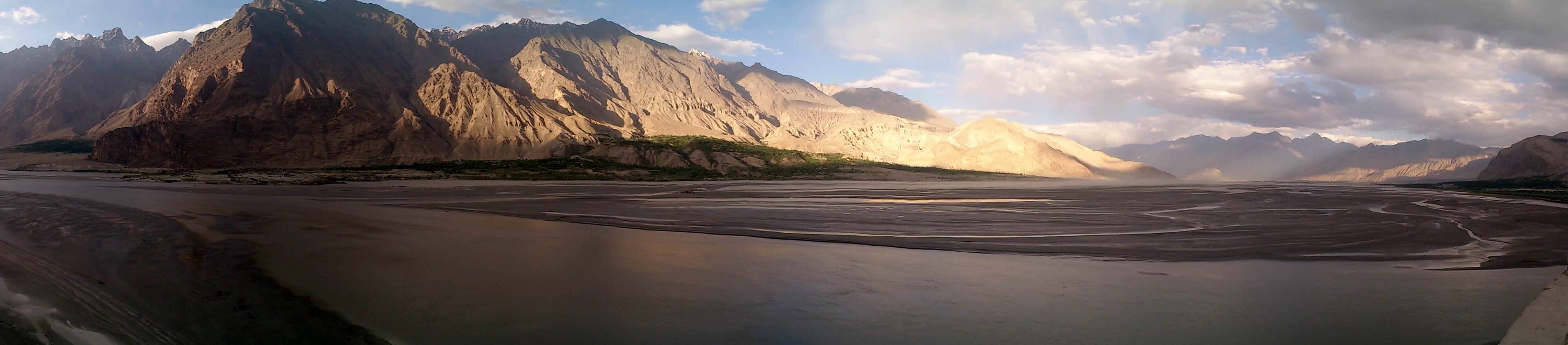
SkarduThe basecamp town for the greatest mountains on earth
Photo: Sabawun · CC BY-SA 4.0In Chitral the cat has been recorded from about 1,000 metres up to 5,000 metres, so it uses the whole height of these valleys. What you can do is travel in winter with local spotters, when the wild goats are low and the animals that hunt them come down too. Our snow leopard winter expedition spends its days watching the slopes of upper Hunza for that reason. A lynx would be a rare bonus, and we do not promise one.
The Eurasian lynx as a species is listed as Least Concern by the IUCN. That says little about this corner of its range, where its exact distribution is not known. For the animals you can expect to see, start with the wildlife of Gilgit-Baltistan guide.