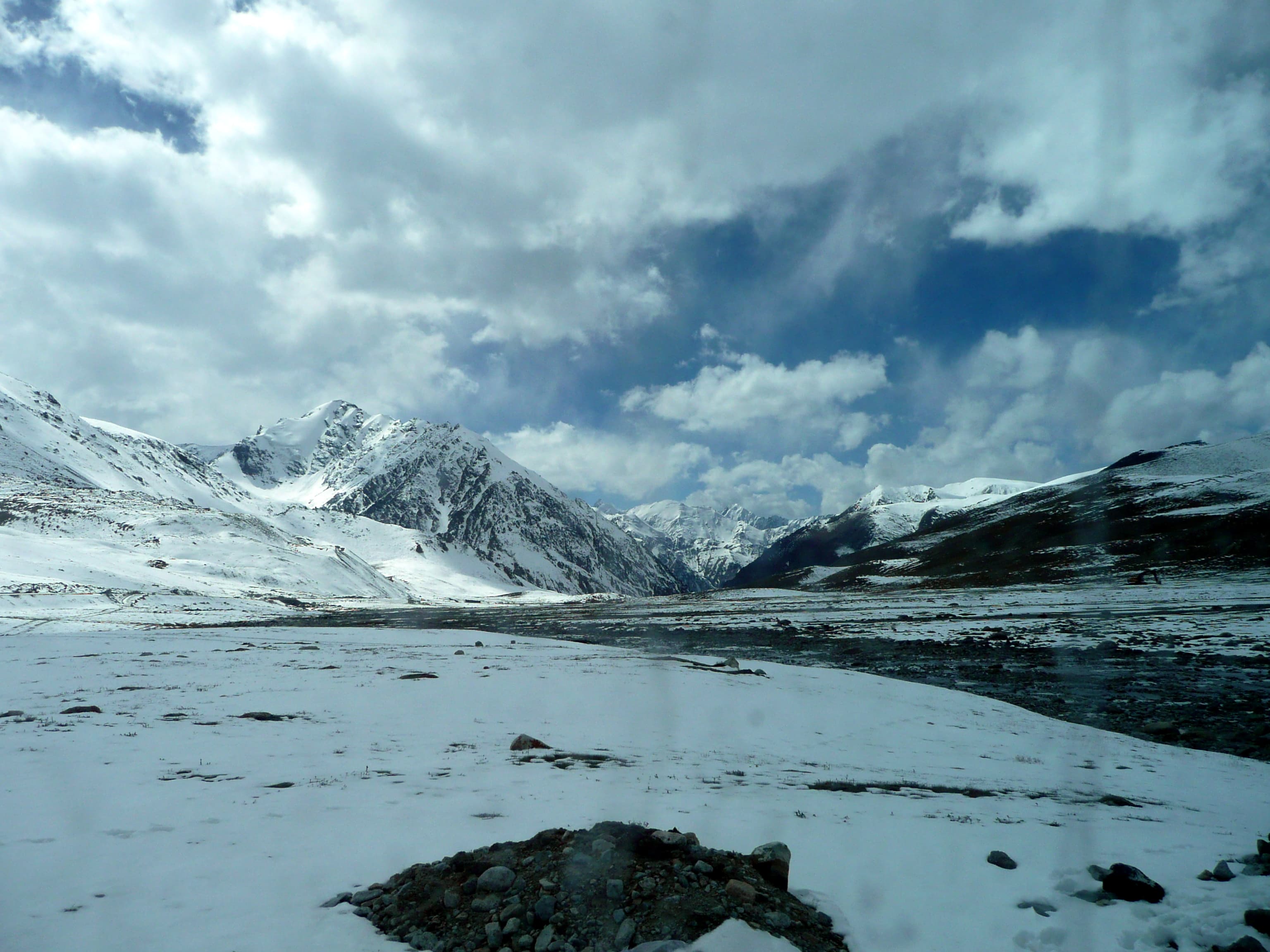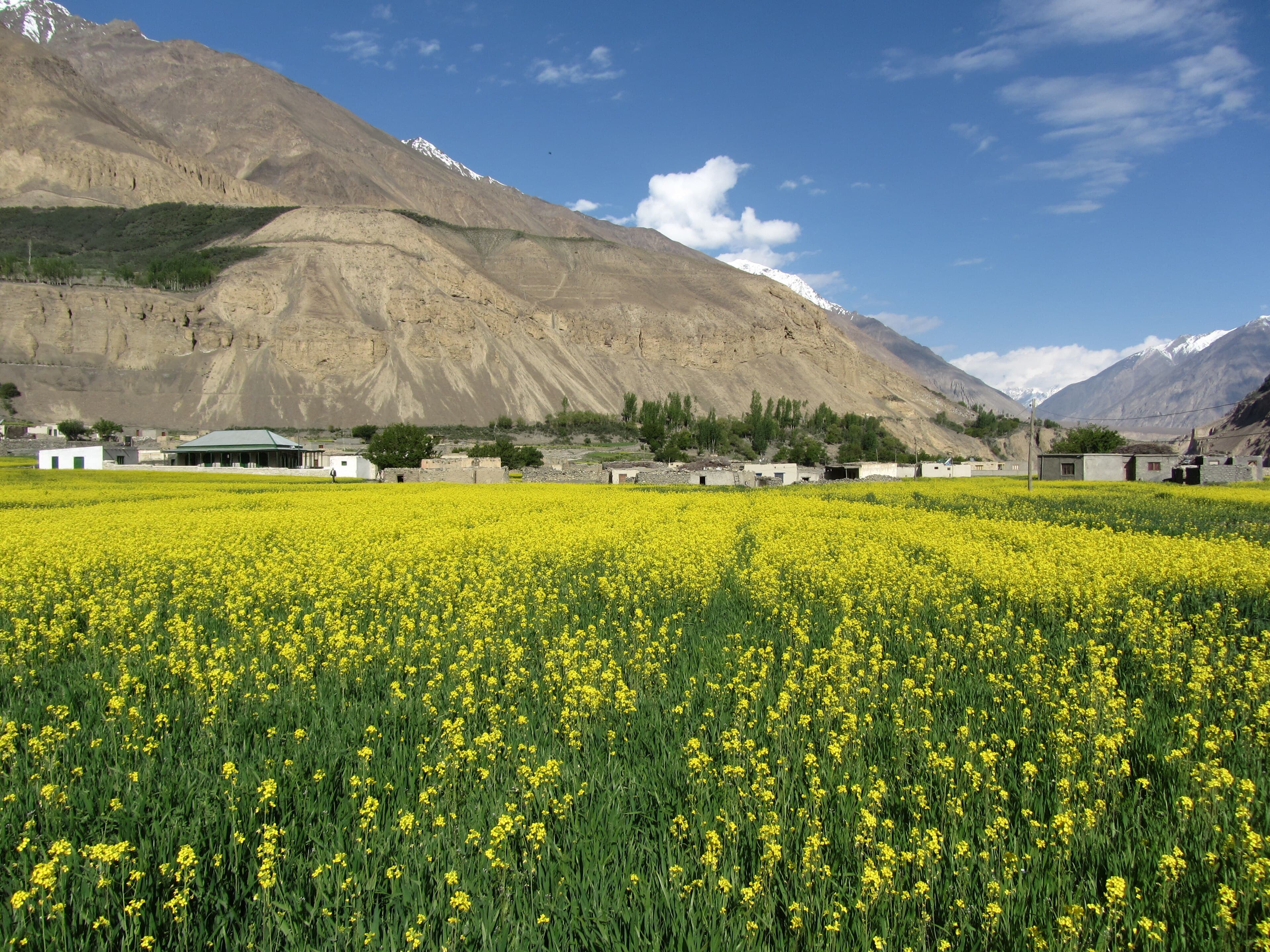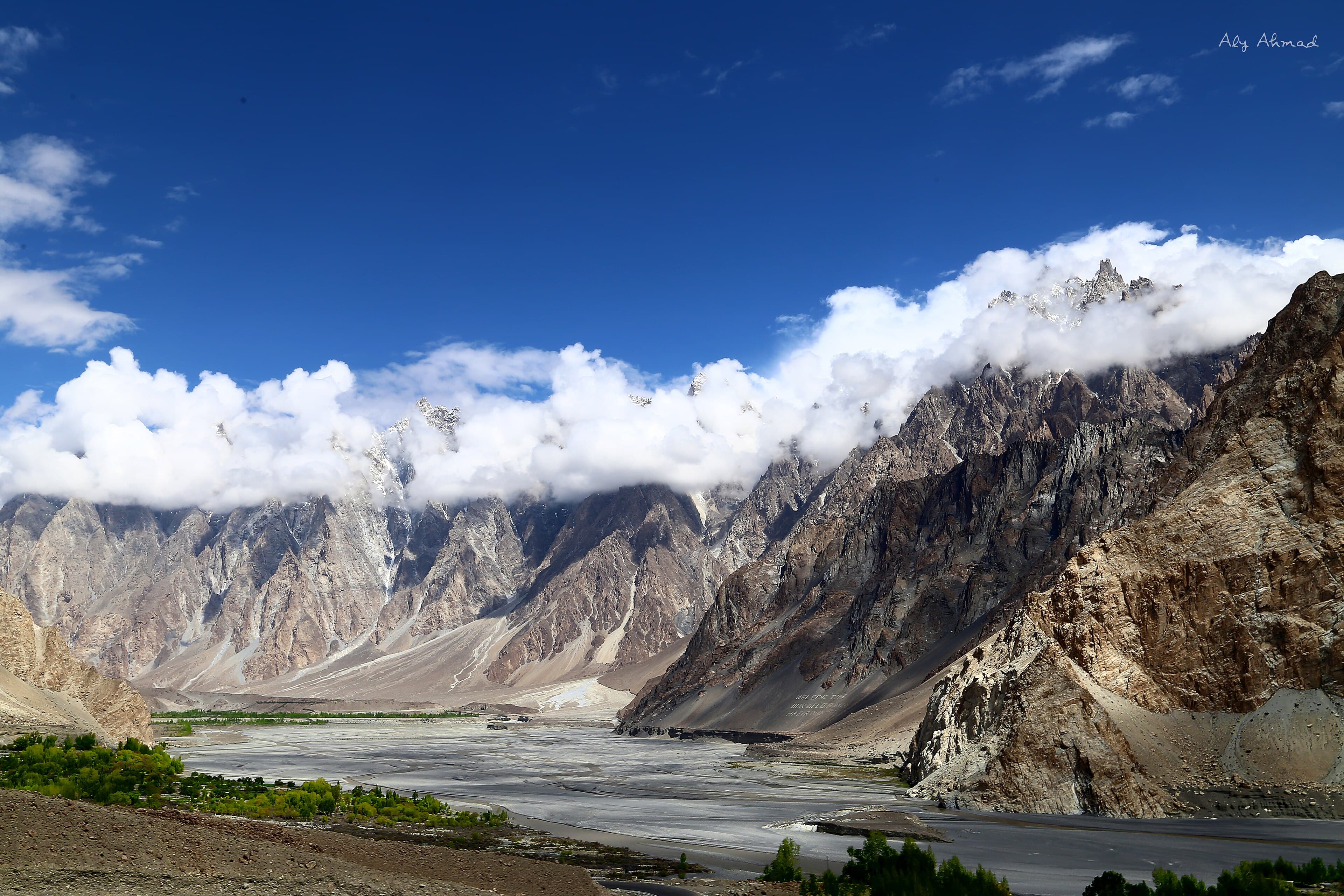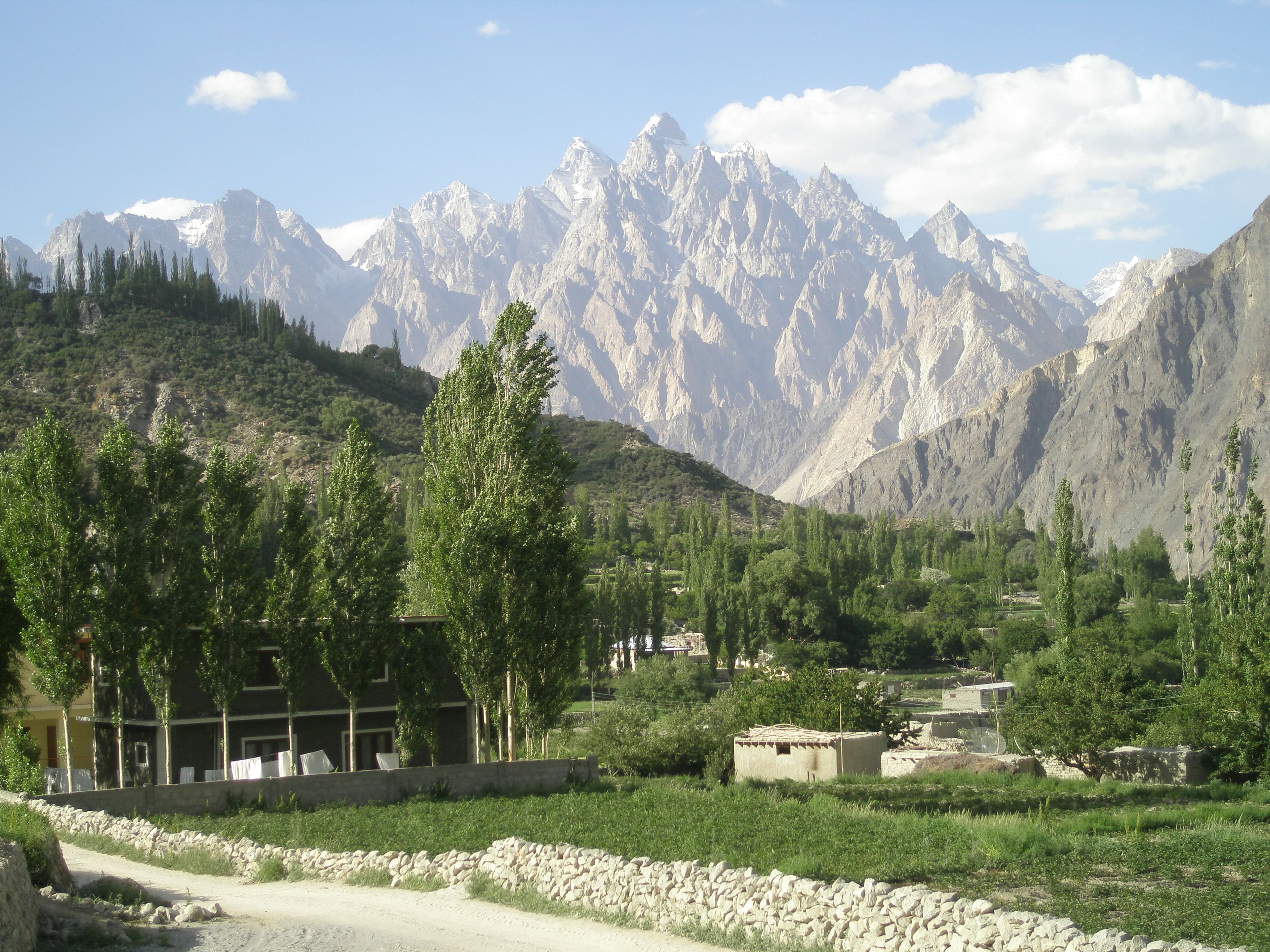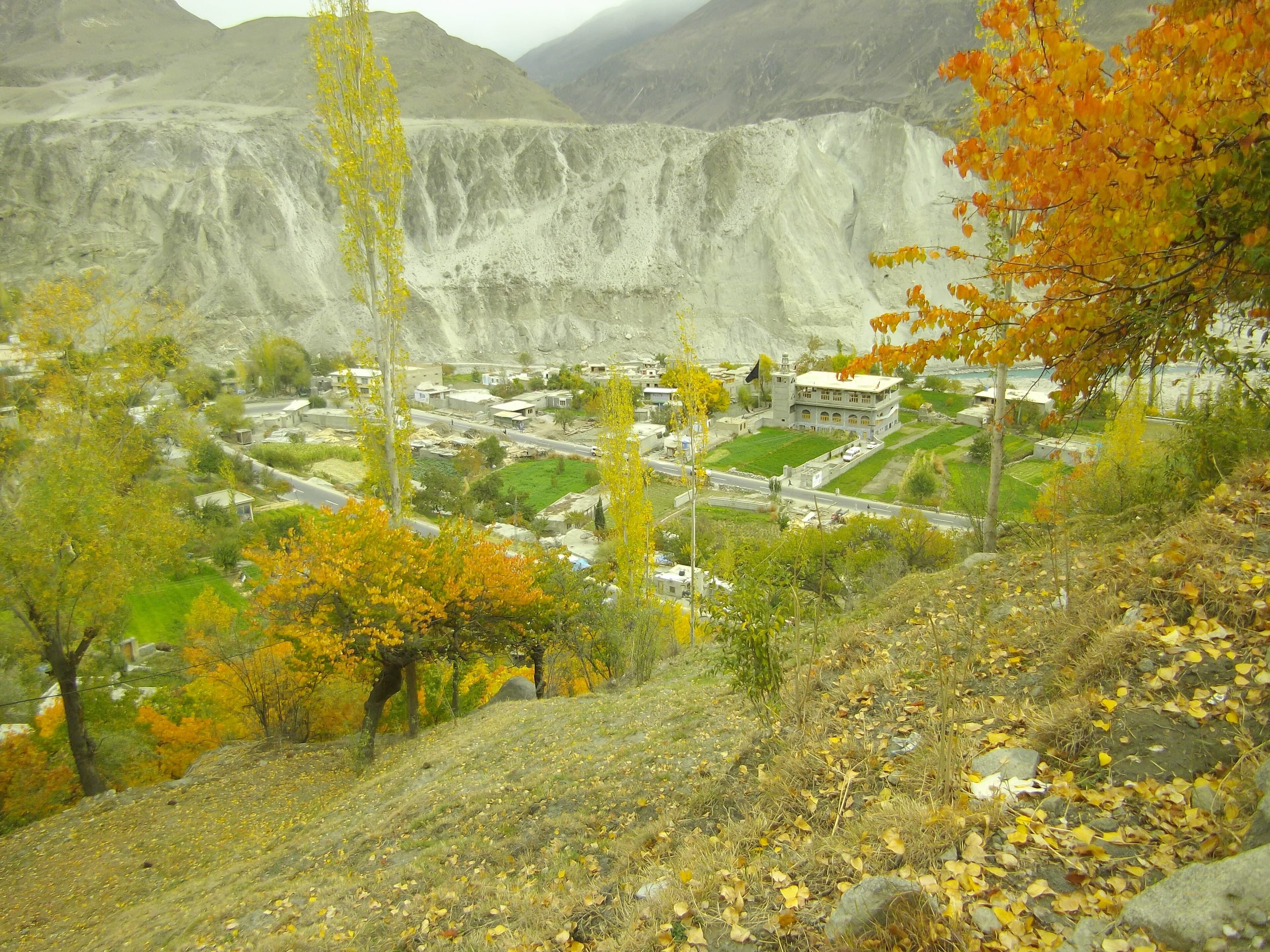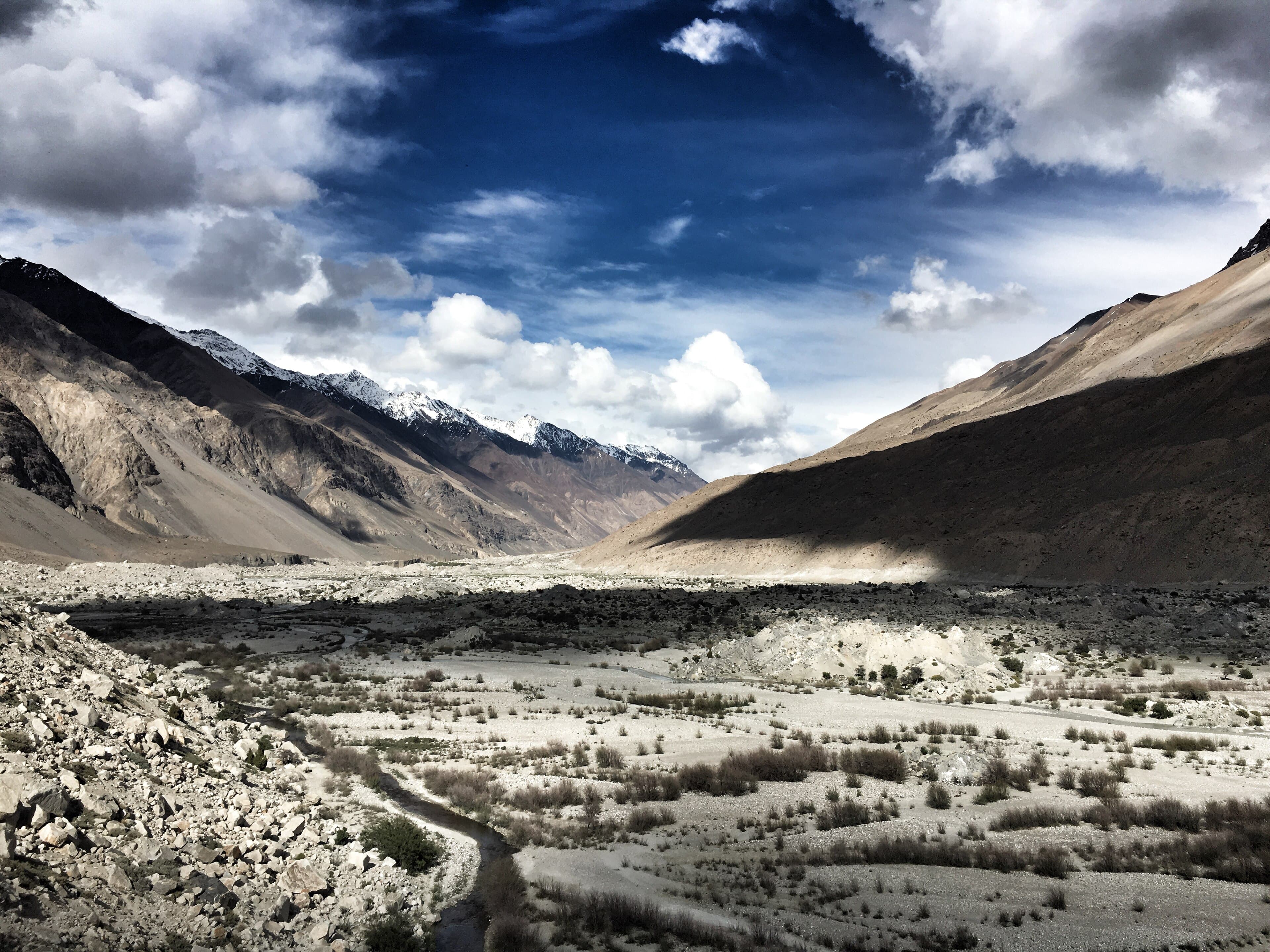
Chapursan is where Pakistan runs out. Beyond Sost, the last town on the Karakoram Highway before China, a side road turns west and climbs into a high, wind-scoured valley whose string of Wakhi villages ends near the Afghan border — with only the thin Wakhan Corridor separating you from Tajikistan beyond. Travelers call it the last valley of Pakistan, and standing in its final village you feel exactly that.
The villages — Kirmin, Kil, Reshit, Yarzerich, Zood Khun among them — sit between roughly 3,000 and 3,500 metres, their flat-roofed Wakhi houses and barley fields huddled against slopes that hold snow for half the year. Life here is close to the old Pamiri pattern: yaks and goats on the high pastures, apricots ripening against stone walls, and a dialect of Wakhi spoken across the borders of four countries.
At the valley's far end stands the shrine of Baba Ghundi, a saint credited with bringing Islam to the valley and still its great protector in local tradition. Pilgrims visit through the summer, and in early autumn the shrine hosts a lively festival that draws families from the whole valley — and from the Wakhi communities beyond — for prayers, music, sport and trade.
Above the shrine, trails continue toward the Irshad Pass, the historic crossing into Afghanistan's Wakhan Corridor used for centuries by traders and Kyrgyz herders. The international crossing is not open to tourists, but trekking toward the pass through yak pastures and glacier valleys gives a rare taste of the high Pamir frontier — go with a local guide and check current access rules before planning.
What draws travelers most, though, is the feeling of distance. Homestays in Zood Khun and other villages welcome guests into family kitchens; nights are silent and ferociously starry; and the landscape has a raw, stripped-back beauty quite different from green lower Hunza. Combine Chapursan with the Khunjerab Pass and the upper Hunza sights around Passu and Gulmit, and allow at least two nights — this is not a place to rush.