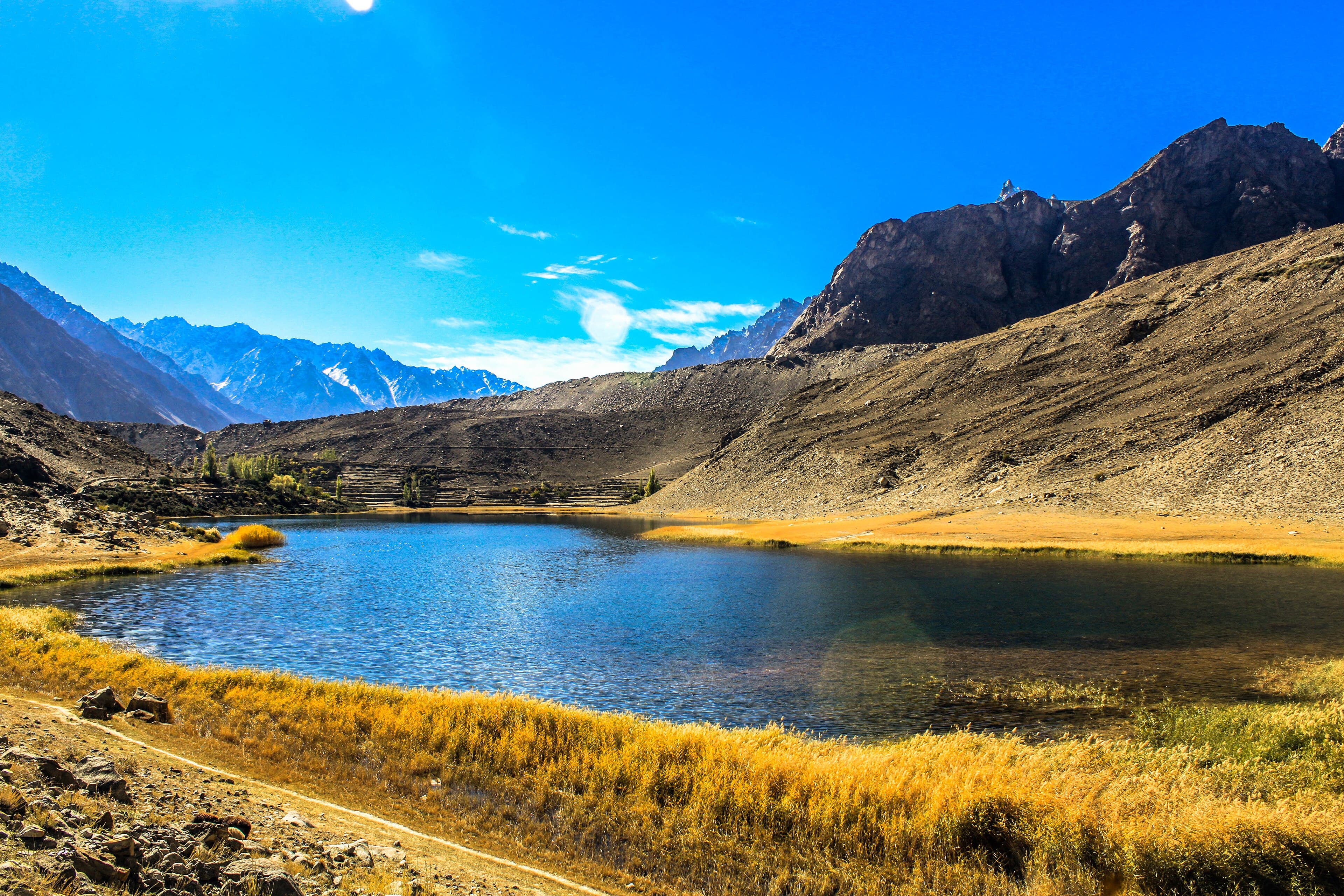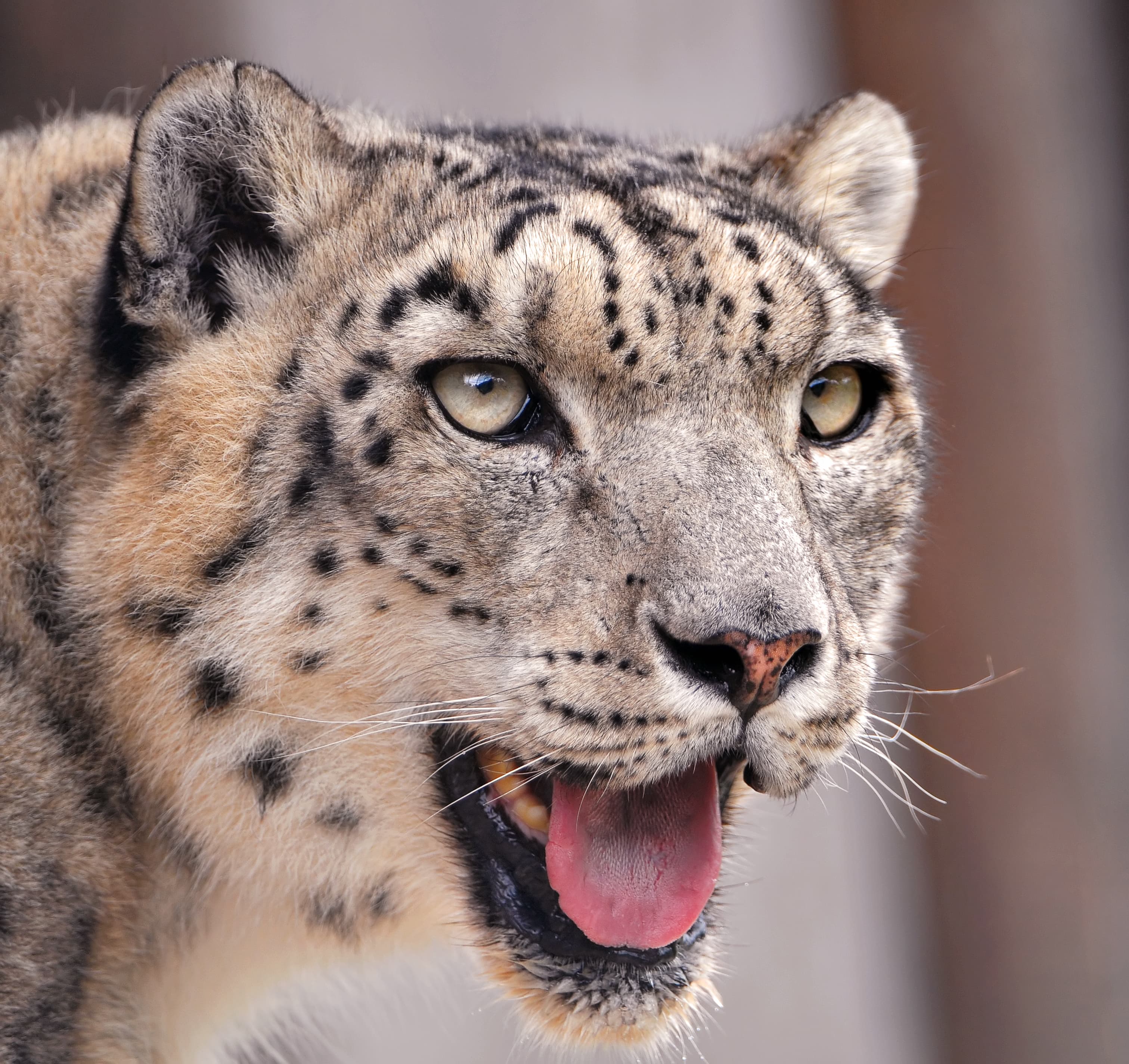
High Karakoram ridgelines — snow leopard country in winter

Travel answers

Snow Leopards in Pakistan: Where and How to See One

The short answer

Pakistan's snow leopards are most reliably sought in Khunjerab National Park and the side valleys of upper Hunza (Gojal) in winter, November–March, when ibex herds — their prey — descend and the cats follow. Sightings are never guaranteed, but week-long expeditions with local spotters watching known ridgelines give a genuine chance, and fresh tracks, ibex herds and golden eagles are near-certain.

How a sighting actually happens

Nobody stumbles across a snow leopard. Sightings are engineered: local spotters — village men who have read these slopes since childhood — glass the cliffs at dawn and dusk from known vantage points along the Khunjerab road and Gojal side valleys, watching the ibex. When the herds bunch and stare uphill, somebody's radio crackles. Guests then watch through spotting scopes, usually at 300–800 metres — close enough to fill a big lens, far enough to leave the cat undisturbed.

A typical week brings daily ibex herds, fox and golden eagles, fresh pugmarks once or twice, and — for patient groups in a good winter — the forty seconds of grey smoke on a ridgeline that justifies everything. Our February story from Khunjerab tells one such week honestly.

Why winter, and why Hunza

Snow leopards follow prey. In summer the ibex graze at 4,500 m and the cats are ghosts; in deep winter the herds descend toward the valley floors, compressing the food chain into terrain a human with a thermos can actually watch. Khunjerab National Park protects exactly this system, and upper Hunza's villages — beneficiaries of conservation income — now guard the cats that occasionally take a goat.

Expeditions base in warm guesthouses in Gojal rather than tents: winter here is cold but the road is open year-round, making this one of the most comfortable snow-leopard searches anywhere in the species' range.
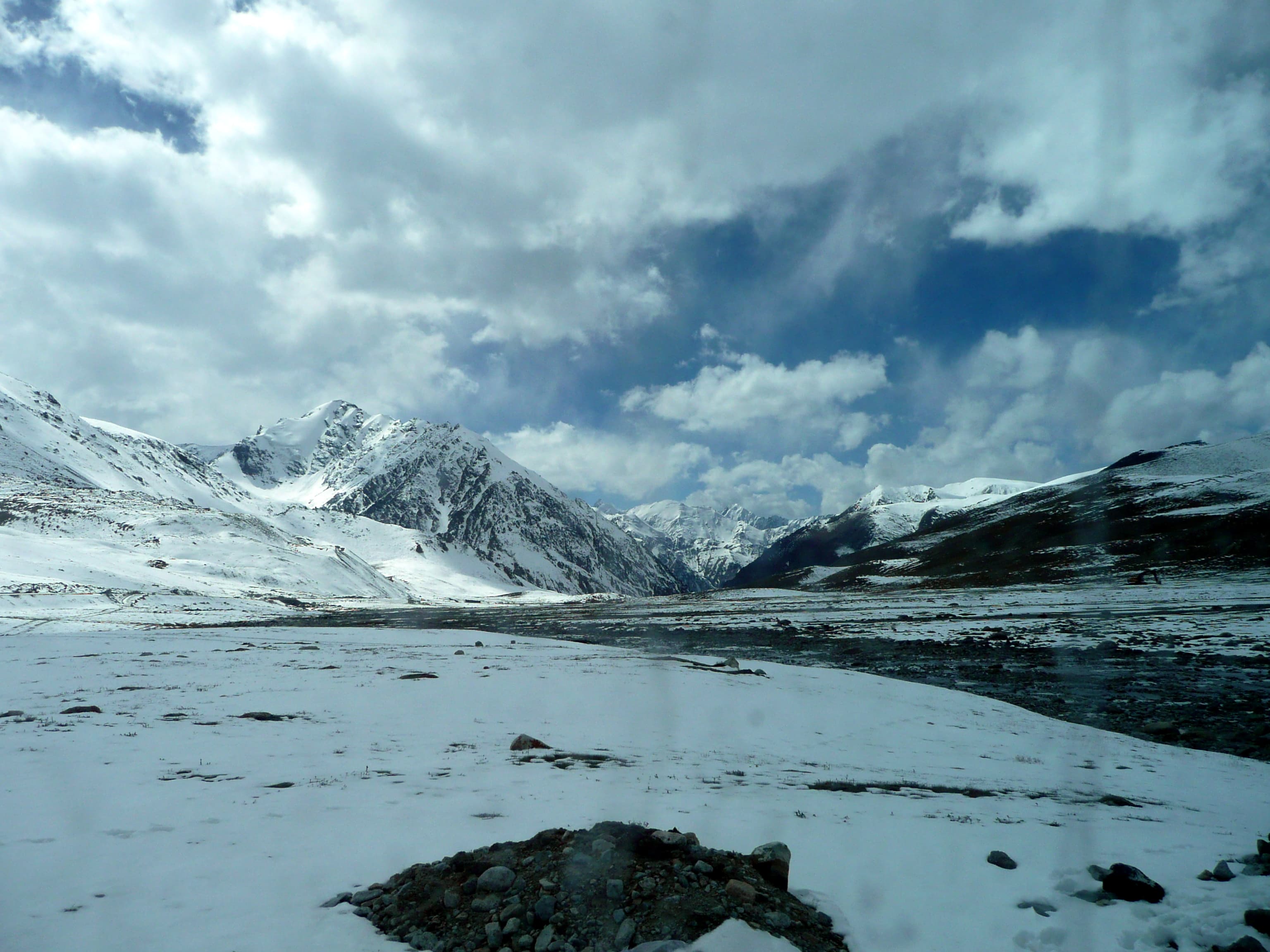
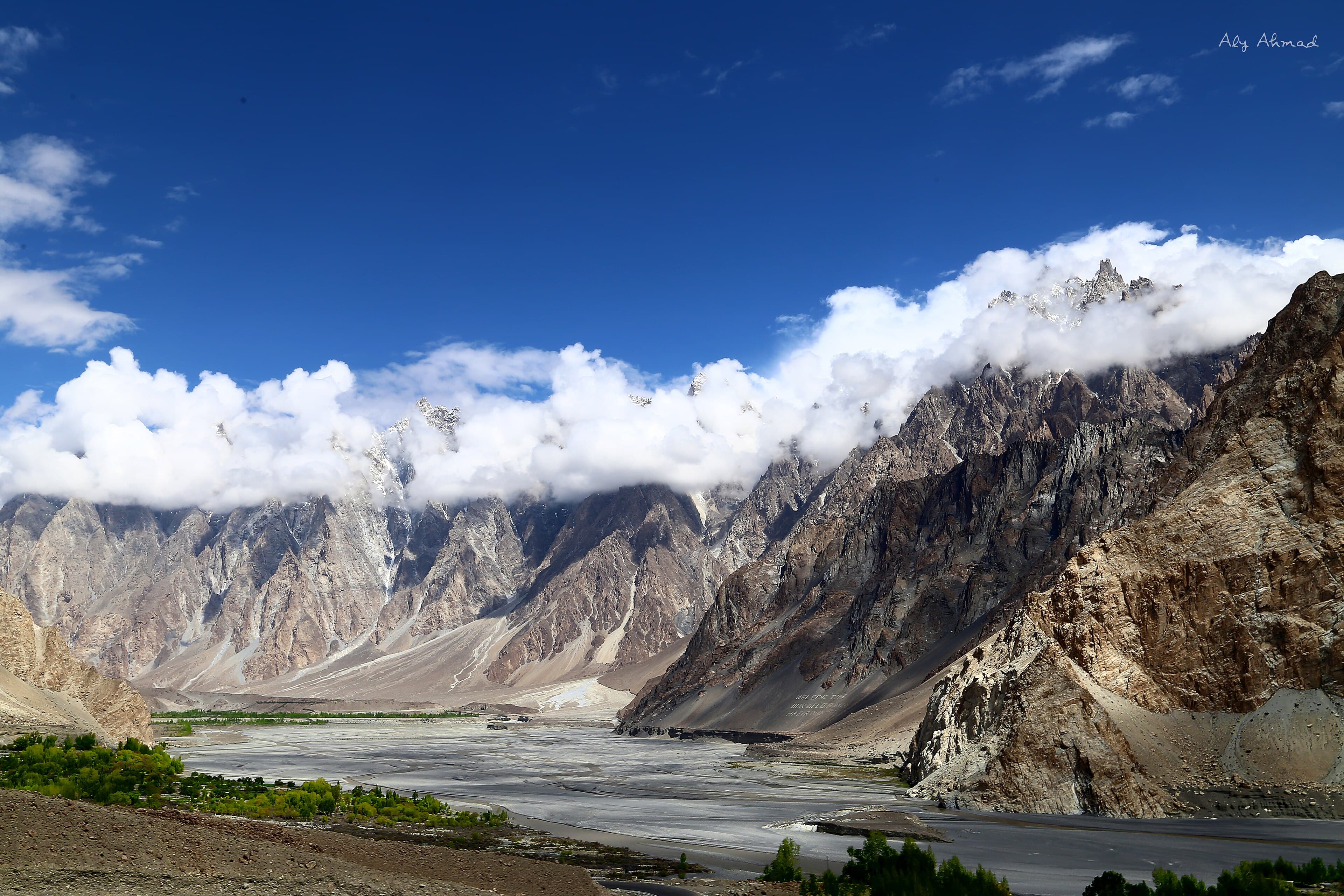
See these places

Tours that take you there

Keep researching

Questions, answered

What are the chances of seeing a snow leopard?

On a dedicated 7–9 day winter expedition with experienced spotters, roughly a coin-flip in a good season — never a guarantee. Tracks, ibex, and raptors are near-certain; the cat itself is earned.

When is the best time for snow leopard tracking in Pakistan?

Mid-November to early March, when ibex descend and snow concentrates wildlife on visible slopes. January–February are coldest but often best.

Is it ethical to track snow leopards?

Done properly, yes — viewing is by spotting scope at long range, no baiting, no pursuit. Expedition income pays local spotters and supports the community conservation that protects the cats from retaliation killing.

Start the conversation

Ready to plan your journey north?

Tell us your dates, interests and pace — we'll design a private itinerary with local guides, reliable 4x4s and hand-picked stays.