Who the Wakhi are
Cross Attabad Lake heading north and you pass an invisible cultural border: central Hunza's Burushaski gives way to Wakhi, and you are now in Gojal, the high country of Upper Hunza. The Wakhi are a Pamiri people whose homeland straddles four countries — Afghanistan's Wakhan Corridor, Tajikistan's Pamirs, China's far west and Pakistan's Gojal — and their communities here trace their roots to migrations over the high passes from the Wakhan within the last few centuries.
Wakhi is an Eastern Iranian language, a cousin of the Pamiri tongues and a world away from both Burushaski and Urdu. It is primarily a spoken language, carried by songs and stories, and Gojali communities work actively to keep it alive in writing and in school programmes.
Like central Hunza, Gojal is overwhelmingly Ismaili, and the same culture of education and community organisation runs through its villages. What changes is the landscape and the livelihood: this is higher, colder, more pastoral country, where the herding of yaks and the crossing of passes shaped everything.
Gulmit: Gojal's cultural capital
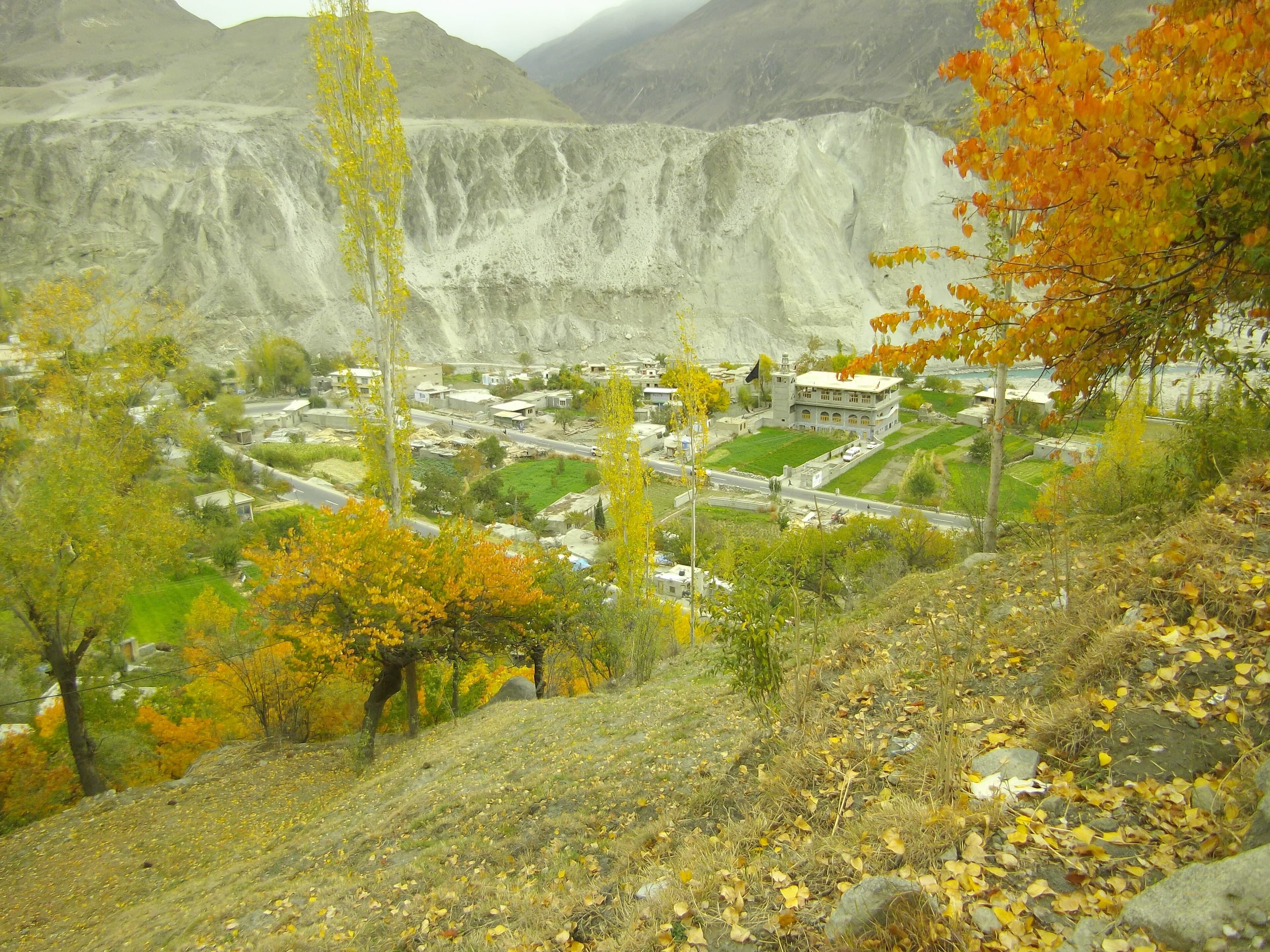
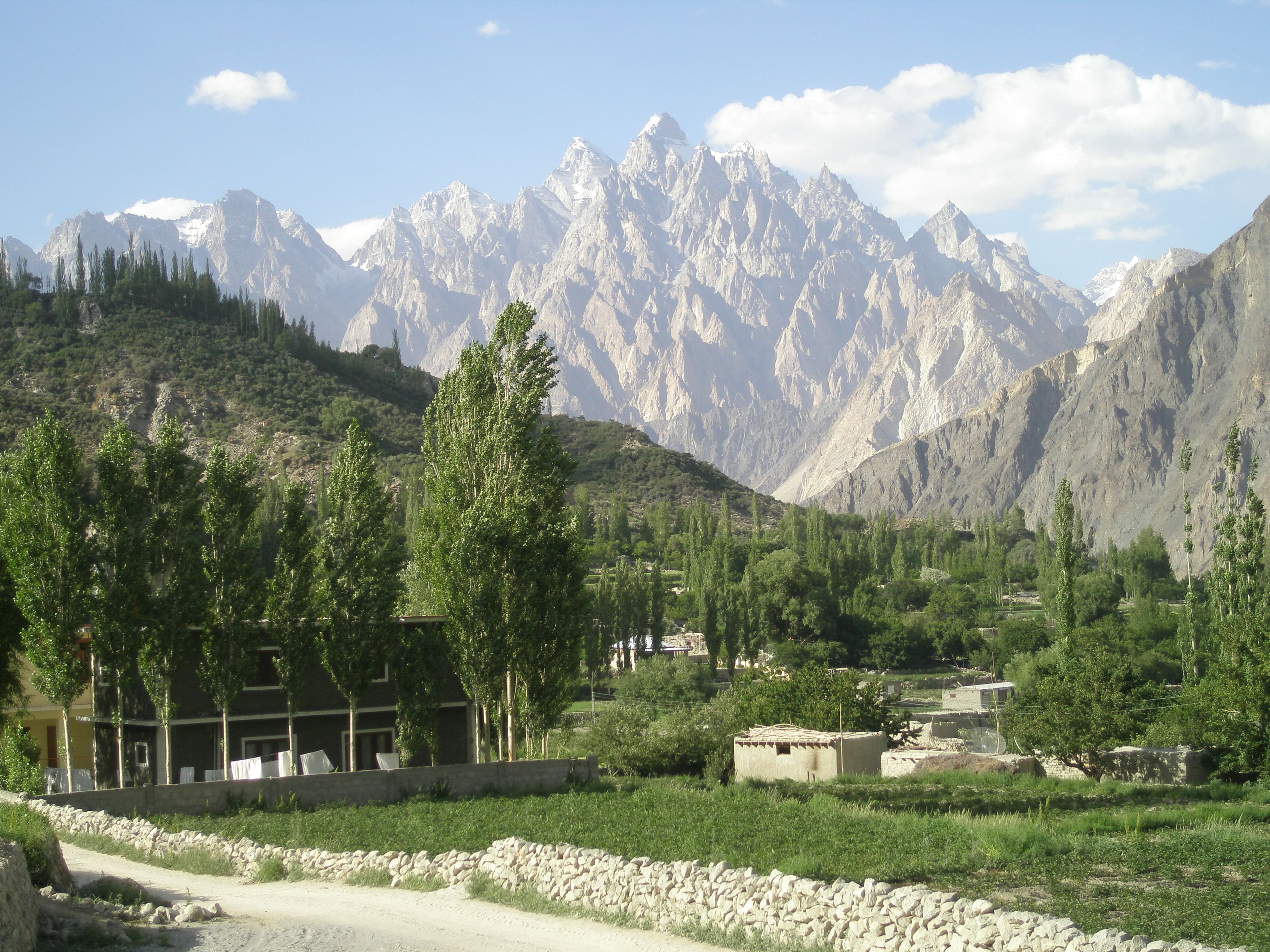
Gulmit, the tehsil headquarters spread beneath the cathedral spire of Tupopdan, is Gojal's cultural heart. Its old village core of stone-and-timber houses surrounds a polo ground and the historic Ondra fort viewpoint, and a small but lively cluster of heritage initiatives makes it the best single place to meet Wakhi culture head-on.
Start at the carpet centre in the old village, a women-run social enterprise where weavers knot carpets and yak-wool rugs in traditional patterns — visitors are welcome to watch the looms at work, and buying here puts money directly into local women's hands. Gulmit's small museums of Wakhi household culture and the surrounding lanes of apricot orchards reward a slow afternoon on foot.
Gulmit is also a sensible base: Attabad Lake, the Hussaini Suspension Bridge, Borith Lake and the Passu Cones are all within twenty minutes' drive, and homestays and guesthouses here are some of the most personal in the region.
Bulbulik: keeping Wakhi music alive
Gulmit hosts one of northern Pakistan's most heartening cultural projects: the Bulbulik Heritage Music School, founded to rescue Wakhi musical traditions that were slipping away with the older generation. Students learn the rubab, the local fiddle and flute traditions, and the repertoire of Wakhi songs — bulbulik refers to the nightingale, and the school's name signals exactly what it is trying to keep singing.
Travellers can often arrange a performance or simply sit in on practice sessions; ask your guesthouse or guide a day ahead. Hearing Wakhi songs performed by teenagers in the village where their great-grandparents composed verses is the kind of travel memory no viewpoint can match.
Music runs through Gojali life beyond the school — weddings stretch over days of song and dance, and the arrival of spring is marked by traditional celebrations in the villages. If you are invited, go; refusing hospitality is the only real faux pas in Gojal.
Passu and Hussaini: villages under the Cones
Passu lives one of the world's most dramatic addresses, pressed between the Passu Glacier, the Batura Glacier — among the longest outside the polar regions — and the serrated ridgeline of the Passu Cones. The village itself is a quiet grid of orchards and irrigation channels whose population has long sent sons and daughters into mountaineering, portering and tourism.
Neighbouring Hussaini is famous for its swaying suspension footbridge across the Hunza River, routinely billed as one of the world's scariest. For locals the bridges were never a thrill — they were the working link to fields and pastures on the far bank, rebuilt plank by plank after every flood.
Between the two villages, Borith Lake sits in a high bowl that hosts migrating waterfowl in spring and autumn. Walk up from Hussaini for the classic half-day circuit of lake, glacier viewpoint and village lanes — and accept the dried apricots someone will inevitably press on you along the way.
Shimshal: the village of mountaineers
Up a side gorge so narrow that its jeep road took the community almost two decades to carve by hand, Shimshal is Gojal's most remarkable village — a settlement of a few thousand people at around 3,100 m that has produced an outsized share of Pakistan's best mountaineers. Shimshalis grow up moving between the village and pastures far above it, and that vertical life became a professional pipeline to the 8,000-metre peaks.
The village's most famous daughter is Samina Baig, who in 2013 became the first Pakistani woman to summit Everest and has gone on to climb the highest peak on every continent. She is one name among many: Shimshali men and women have summited and guided on the Karakoram giants for decades, and a local mountaineering school continues the tradition.
Visiting Shimshal takes commitment — roughly three hours of spectacular, occasionally nerve-testing jeep track from Passu — and rewards it with homestays, treks toward the Shimshal Pamir and a community that hosts guests with the calm confidence of people entirely at home in big mountains.
Yaks and the high pastures
Gojali life has always run on transhumance — the seasonal movement of herds and herders between villages and high pastures. Nowhere is this more alive than the Shimshal Pamir, a day's walk and more above Shimshal village, where families graze yaks at over 4,000 m through the summer. The annual departures and returns of the herding parties are marked with village celebrations.
The yak is Gojal's all-purpose animal: milk for butter and qurut (dried cheese), wool for ropes and rugs, dung for fuel, and meat for festivals. Yak products — and yak-wool handicrafts in Gulmit and Shimshal — make meaningful souvenirs because the herding economy genuinely depends on them.
Women have historically managed much of the pastoral economy, spending whole summers at the high settlements. That self-reliance is part of why Gojali women so visibly lead enterprises, schools and sports teams today.
Chapursan and Sost: the last valleys before the border
West of Sost, the Chapursan Valley runs for some 50 km toward the Afghan border — the last inhabited valley before the Wakhan Corridor, and culturally almost a piece of the Wakhan inside Pakistan. Its string of Wakhi hamlets sees few visitors, and homestays here offer the rawest, warmest cultural immersion in Gojal.
At the valley's end stands the shrine of Baba Ghundi, a saint revered across the Wakhi world, where an annual festival draws pilgrims and herders. The shrine's setting — a green plain ringed by scree peaks at the edge of the inhabited world — explains why travellers who make it here never quite stop talking about it.
Back on the Karakoram Highway, Sost is Pakistan's border town: a dry port of customs yards, money changers and truck stops handling trade over the 4,693 m Khunjerab Pass into China. Gojal's rhythm has long followed the border's seasons, with trade and travel concentrated in the warmer months when the pass moves freely, and the town has the cheerful, transient buzz of border posts everywhere.
Attabad: the disaster that redrew Gojal
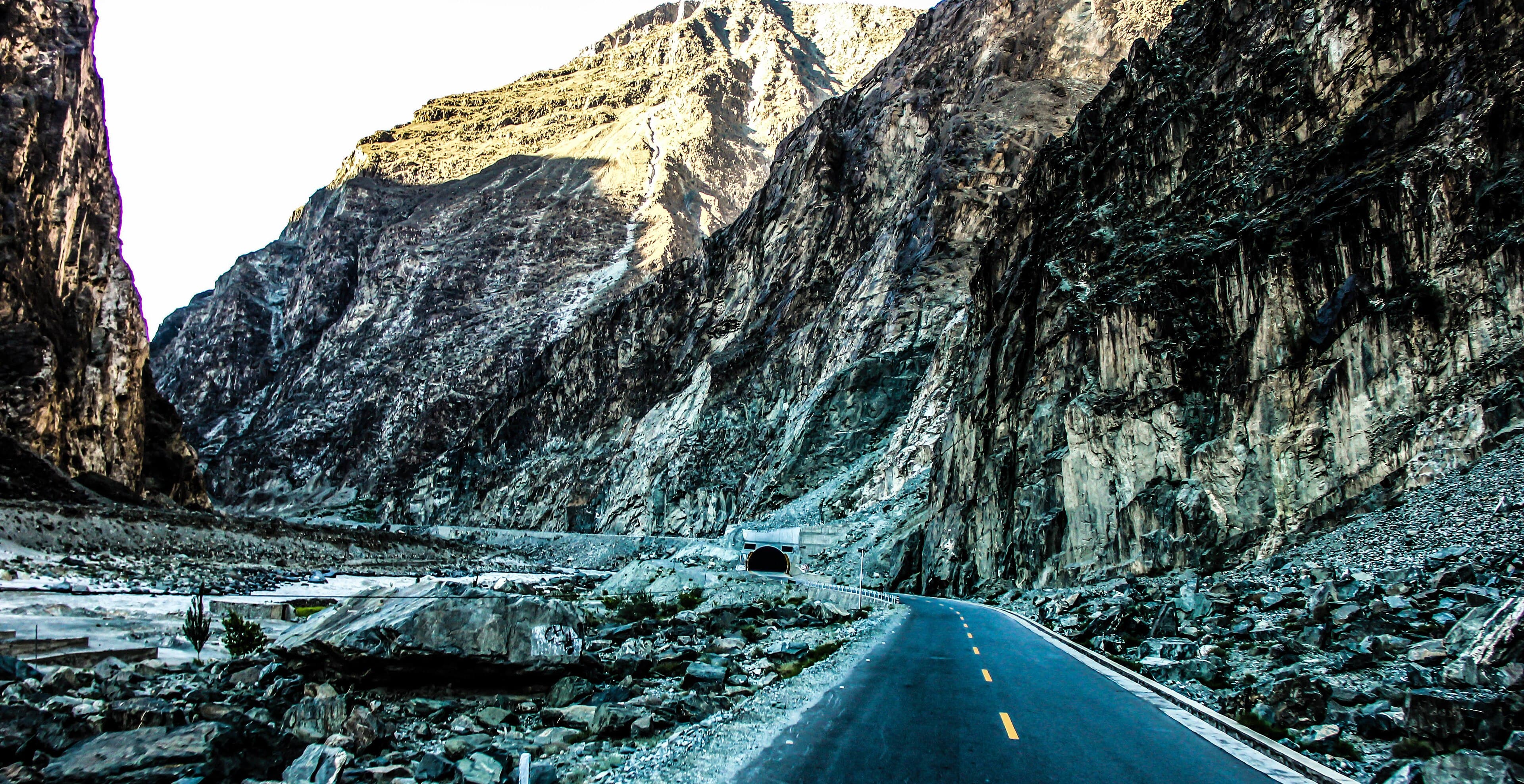
In January 2010 a mountainside collapsed at Attabad, burying part of the village, killing twenty people and damming the Hunza River. Over the following months the rising lake drowned 19 km of the Karakoram Highway along with homes and farmland in Shishkat and lower Gulmit, and Gojal was effectively severed from the rest of Pakistan.
For five years everything Gojal needed — food, fuel, cement, schoolbooks, patients heading to hospital — crossed the lake by boat. The hardship was real and locals still speak of the boat years; the isolation also forced a burst of self-organisation in a region already good at it. When the Attabad tunnels opened in 2015, Gojal reconnected to the world and the lake began its strange second life as a tourist icon.
Today the turquoise lake that visitors photograph is, for Gojalis, a memorial, a ferry route turned attraction and an economic engine all at once. Knowing that history changes how you see it — and locals appreciate visitors who do.
Questions, answered
What is the difference between Hunza and Gojal?
Gojal is Upper Hunza — the high portion of the valley north of Attabad Lake, stretching to the Khunjerab Pass and the Chapursan Valley. Its people are Wakhi rather than Burusho, speak the Wakhi language instead of Burushaski, and live a more pastoral, higher-altitude life than central Hunza.
Who are the Wakhi people?
The Wakhi are a Pamiri people spread across Afghanistan's Wakhan Corridor, Tajikistan, western China and Pakistan's Gojal region. They speak Wakhi, an Eastern Iranian language, are predominantly Ismaili Muslims, and traditionally combine village farming with yak herding on high pastures.
Is Shimshal worth visiting?
If you have a spare day or two, absolutely. The jeep road from Passu is a spectacular three-hour adventure in itself, and the village — famous as the home of Everest climber Samina Baig and generations of mountaineers — offers homestays, Pamir treks and a singular community atmosphere. It suits travellers comfortable with rough roads and simple lodging.
What happened at Attabad Lake in 2010?
A massive landslide buried part of Attabad village, killed twenty people and dammed the Hunza River, creating today's lake. The water drowned 19 km of the Karakoram Highway and parts of Shishkat and Gulmit, cutting Gojal off for five years until bypass tunnels opened in 2015.
Can you visit the Chapursan Valley independently?
Yes — foreigners can visit Chapursan on a standard tourist visa, though the road is rough and services are minimal, so most travellers arrange a jeep and homestays through a local operator. The reward is the most untouched Wakhi valley in Pakistan and the Baba Ghundi shrine at its far end.