What is a Marco Polo sheep?
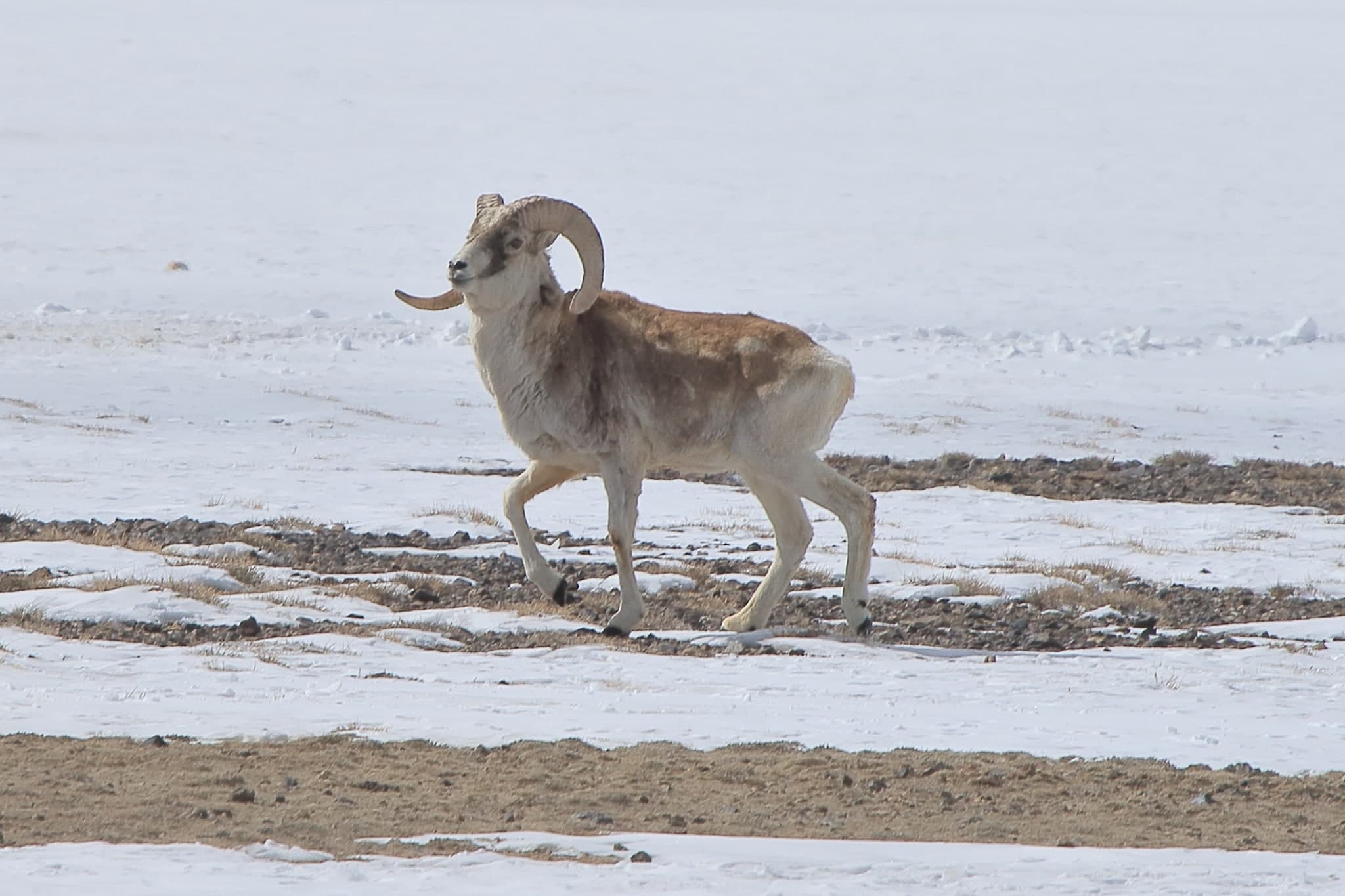
The Marco Polo sheep (Ovis ammon polii) is a subspecies of argali that lives in the Pamir mountains, where the borders of Afghanistan, Pakistan, Kyrgyzstan, Tajikistan and China meet. It is named after the 13th-century traveller Marco Polo, who described the sheep in the book of his travels.
Its horns are the reason people know it. They grow in a coil with the tips pointing out sideways from the head, and a pair can span up to 140 centimetres. The longest single horn ever recorded measured 1.9 metres and weighed 27 kilograms. A mature ram weighs about 126 kilograms on average and stands about 113 centimetres at the shoulder.
These are animals of very high, open country. They live between 3,700 and 4,800 metres, and the rut is in December.
Marco Polo sheep in Khunjerab National Park
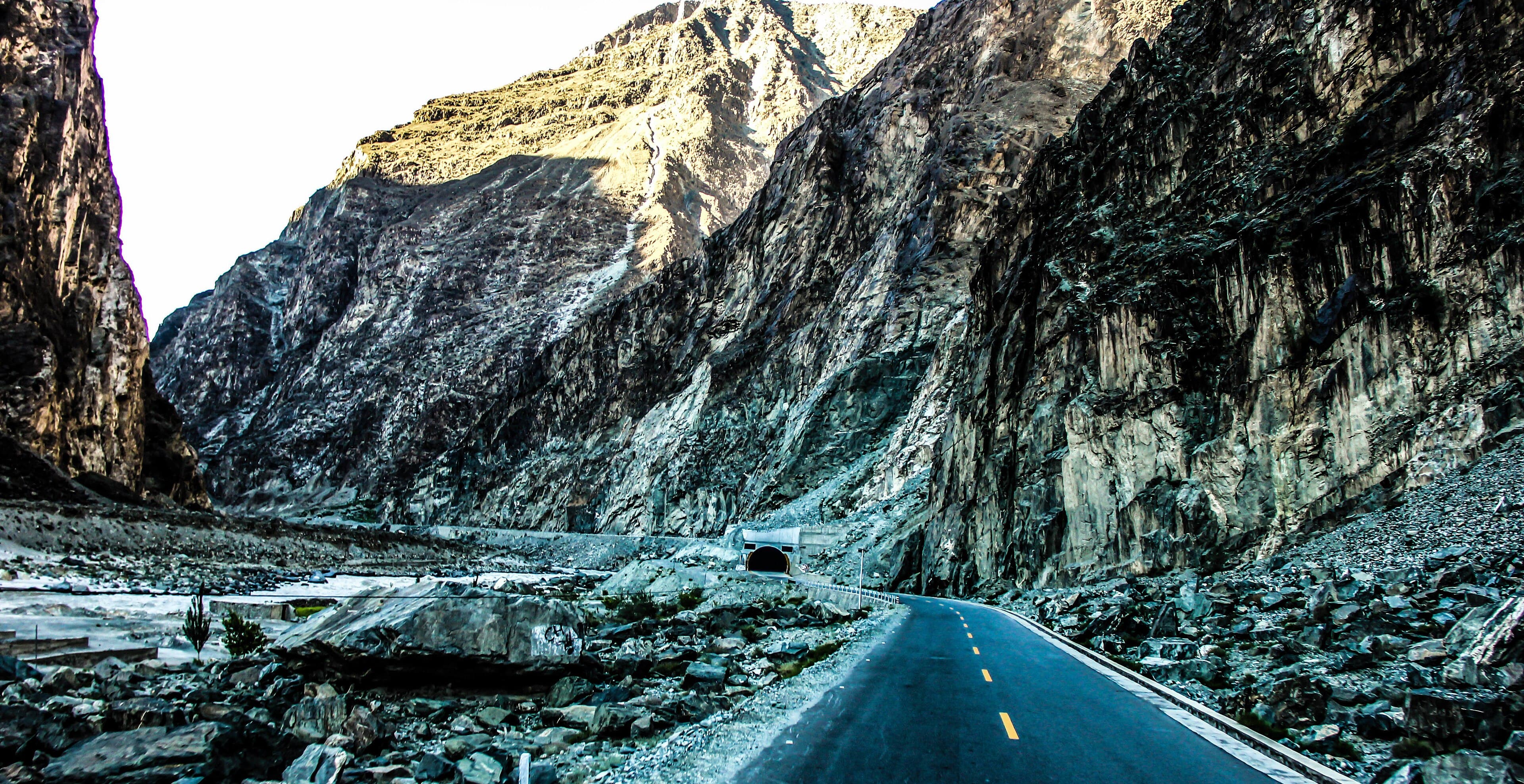
Khunjerab National Park owes its existence to this animal. The field biologist George Schaller surveyed the area and mapped the park's borders in 1974, and the park was formally established on 29 April 1975, mainly to protect the Marco Polo sheep. The Karakoram Highway to the Khunjerab Pass runs through the middle of it.
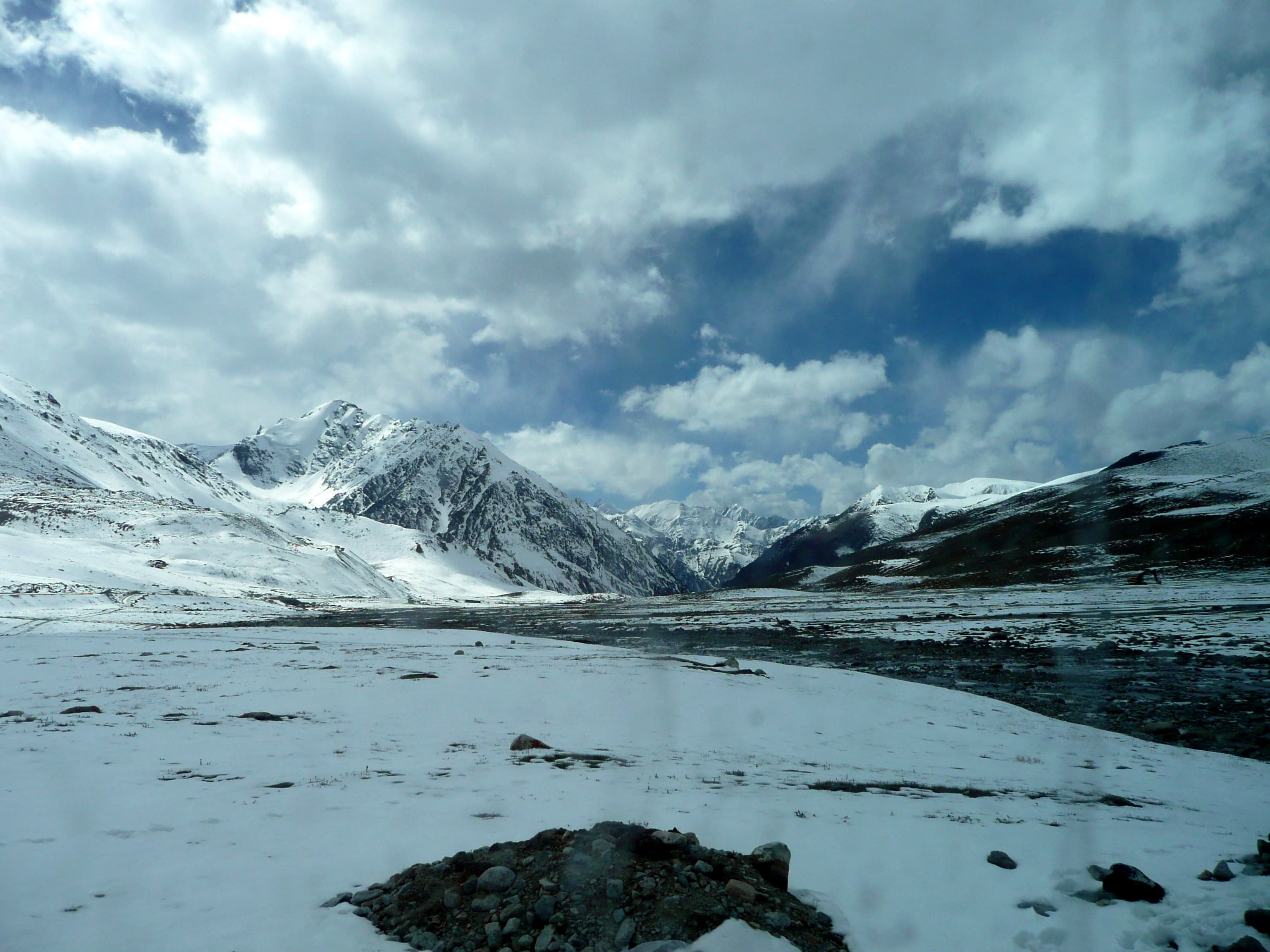
Khunjerab PassDrive to 4,693 m and stand at the China border gate
Photo: Martin Jung · CC BY-SA 3.0Protection on paper did not bring the numbers back. By 1991 only about 45 sheep were left in Khunjerab. A study published in the journal Oryx in 2019 found that the sheep now use one small watershed in the park, Karachanai Nallah, and visit it now and then in summer. During fieldwork there in June and July 2012 the researchers saw a herd of 19: 5 males, 8 females and 6 lambs. The sheep that once used the Misgar area have gone.
The subspecies as a whole is listed as Near Threatened, and hunting has been the main threat to it.
Can you see one on a trip to Khunjerab Pass?
It is possible, but it is not something you can plan for. Very few animals remain on the Pakistani side and they come only for part of the summer. We would rather tell you that now than promise a sighting we cannot deliver.
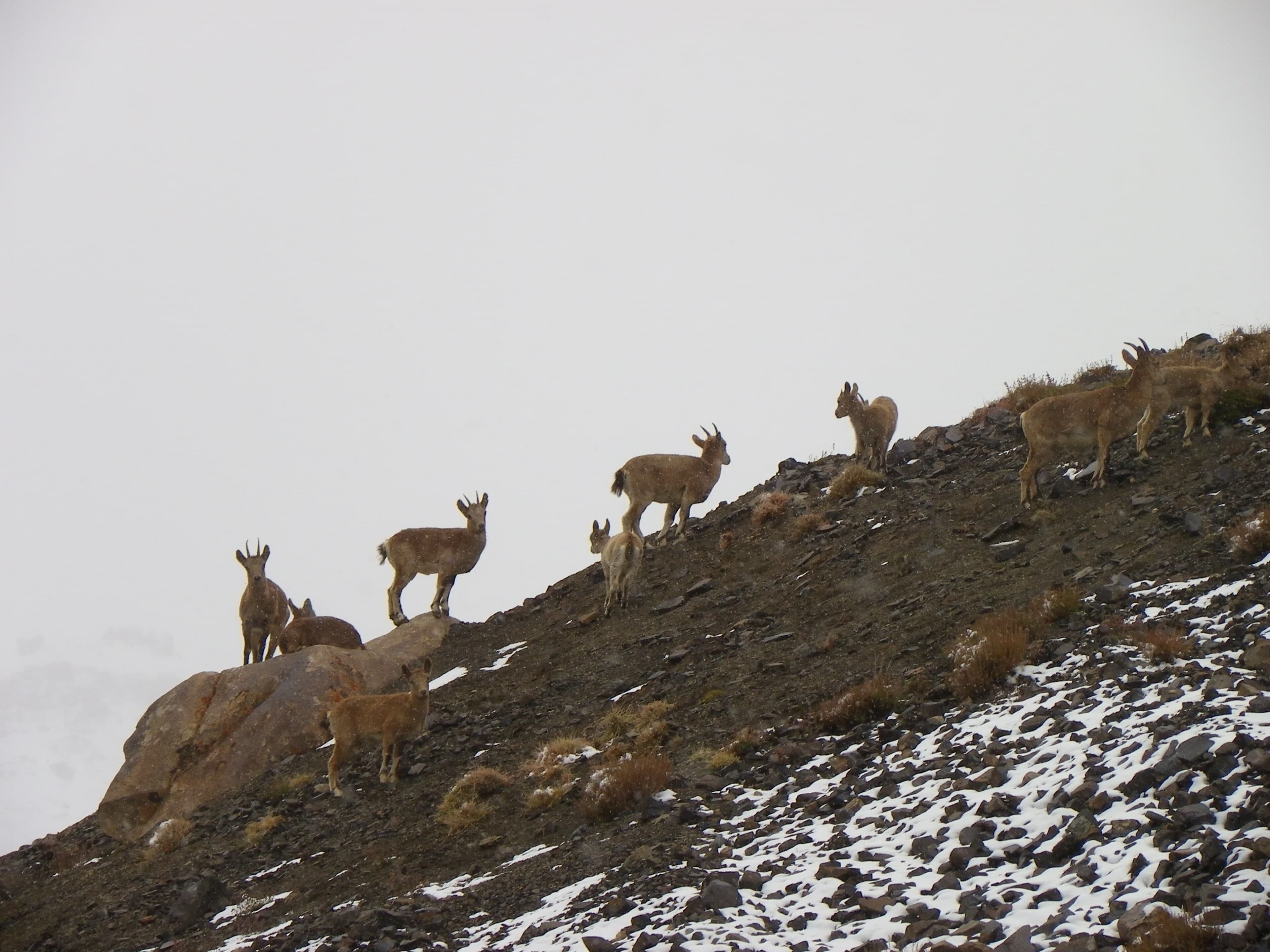
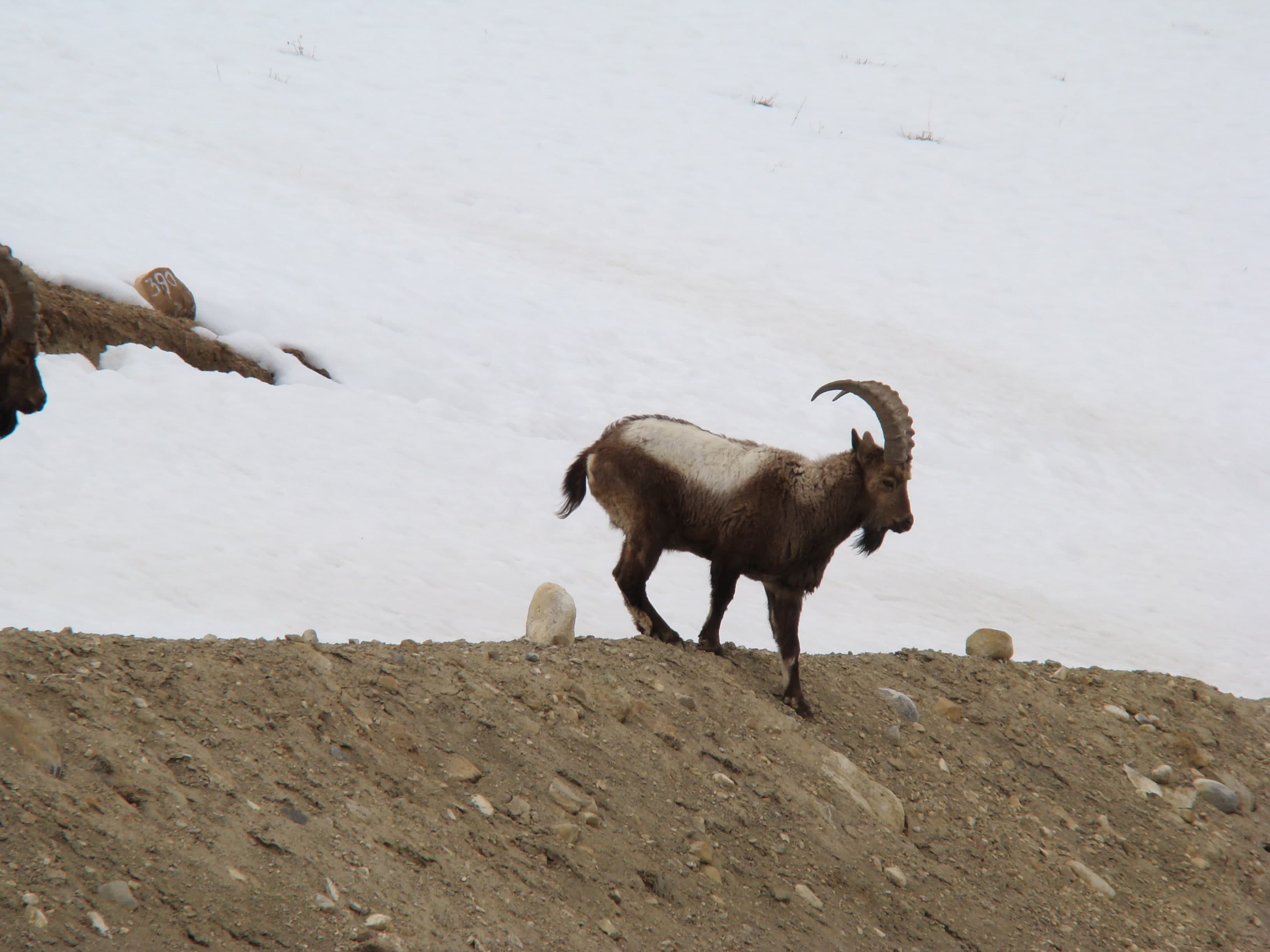
The drive is still a good day of wildlife. Ibex stand on the crags beside the road, golden marmots whistle from the turf and yaks graze the high pastures. The blue sheep, which people often expect here, lives in the side valleys of Shimshal and not beside this road. Our page on the Himalayan ibex explains where to look, and the wildlife of Gilgit-Baltistan guide covers the other animals.
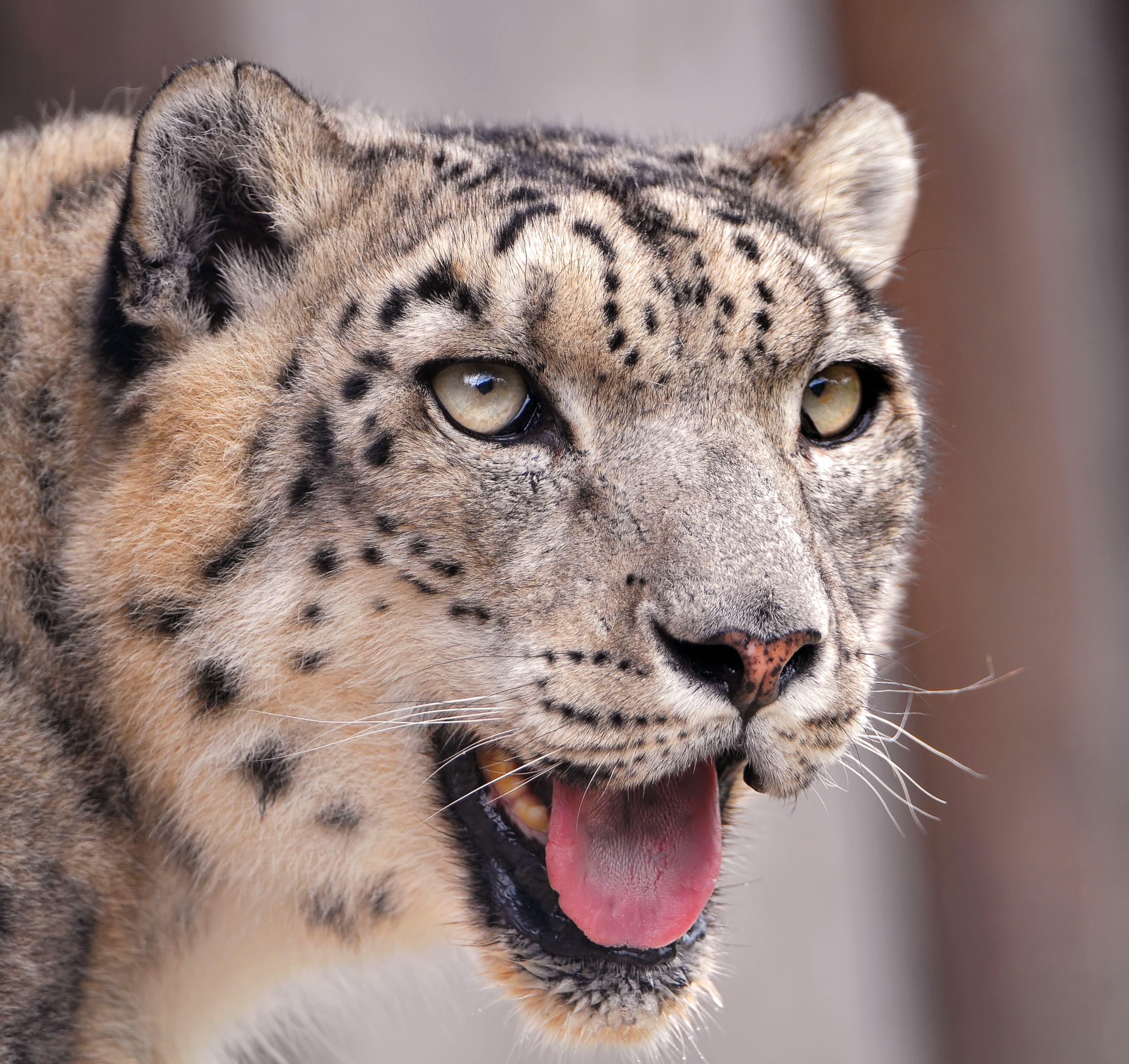
If wildlife is the reason for your trip, tell us which animals matter most to you. Our wildlife and photography trips are planned around the season, and winter in upper Hunza gives the best chance of the rarest animal of all, the snow leopard.