What a Ladakh urial looks like
The Ladakh urial (Ovis vignei vignei) is a wild sheep. People in Gilgit-Baltistan know it as the shapu, as ureen in Shina and as yathal in Burushaski.
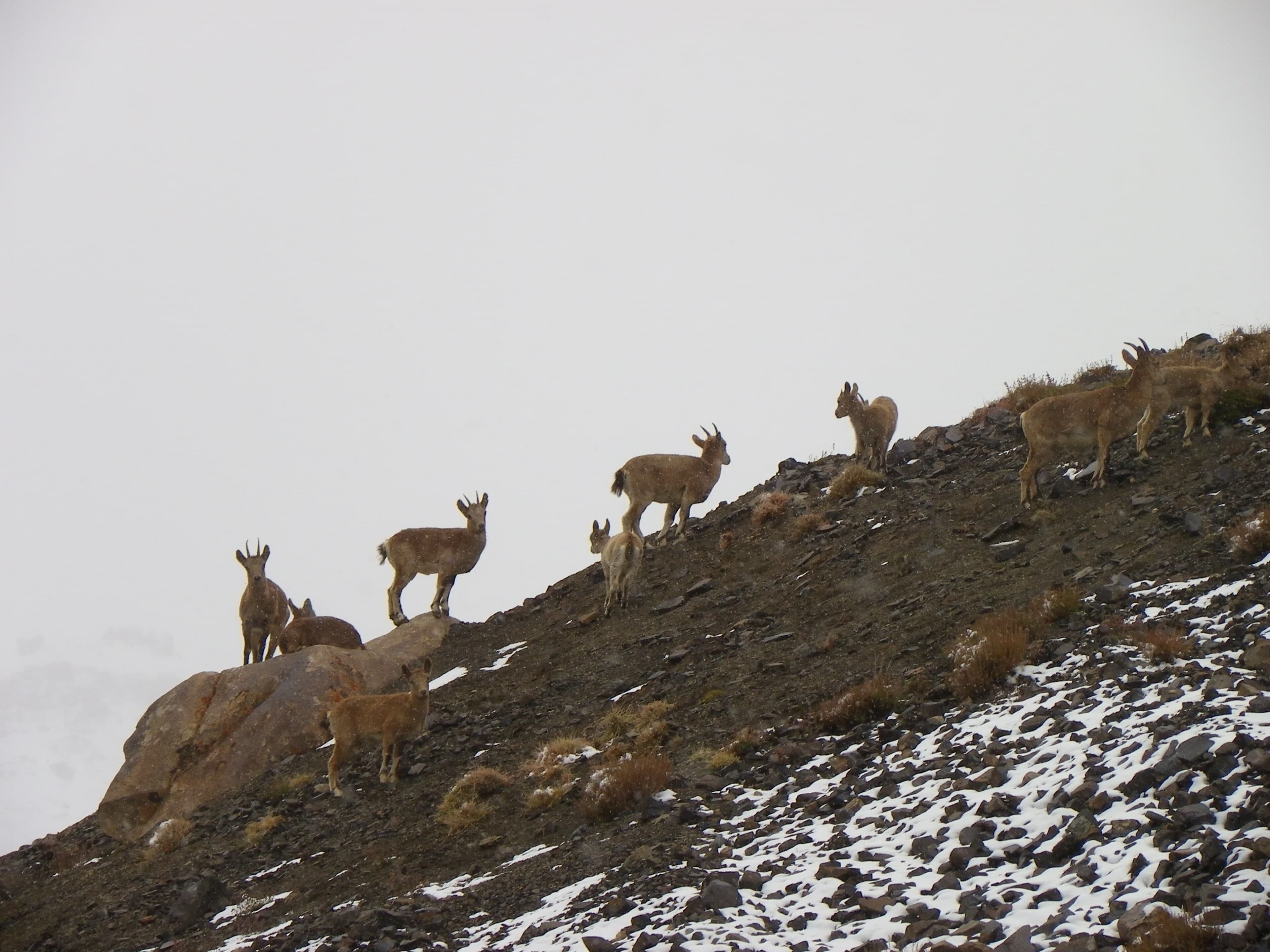
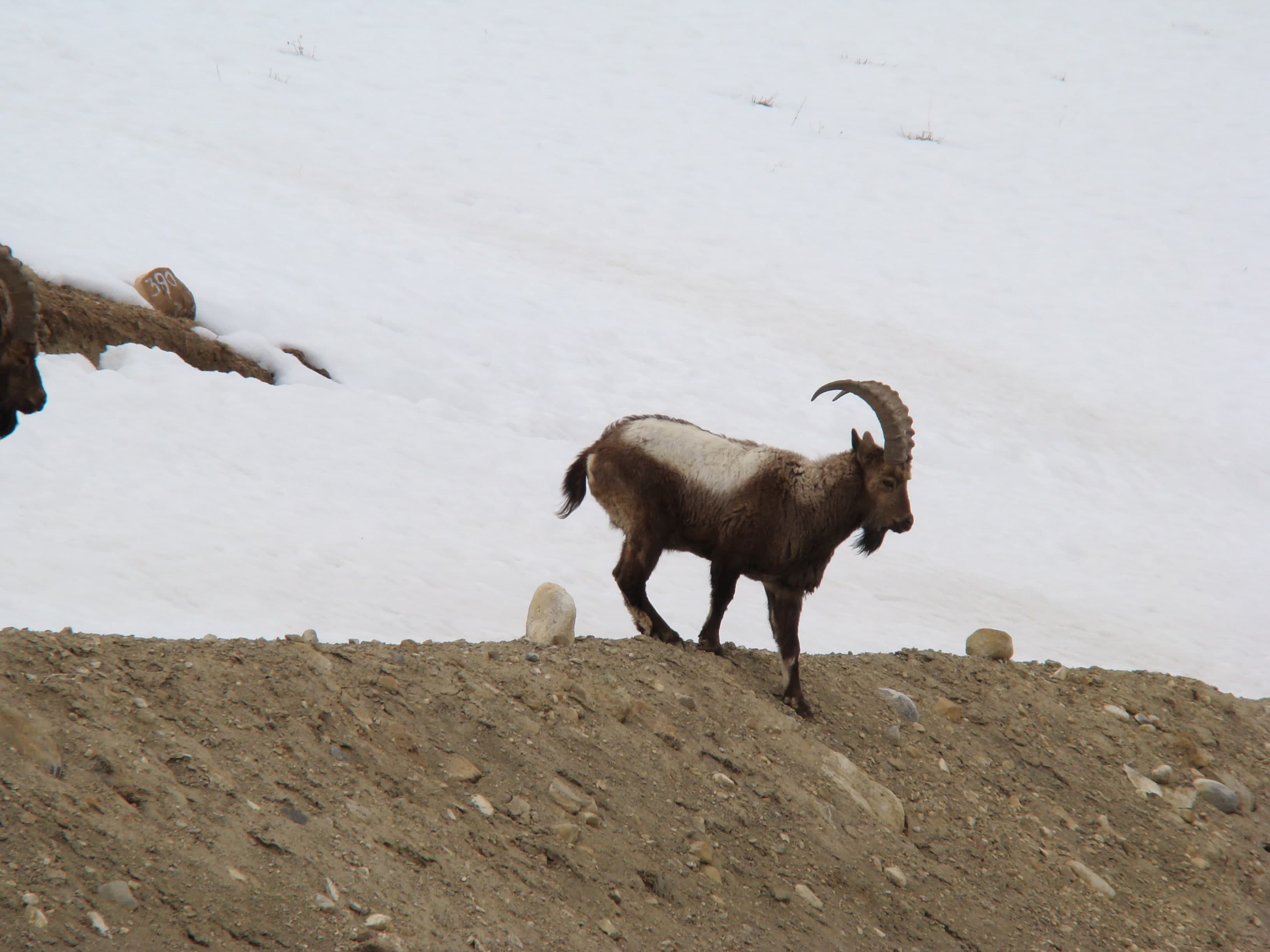
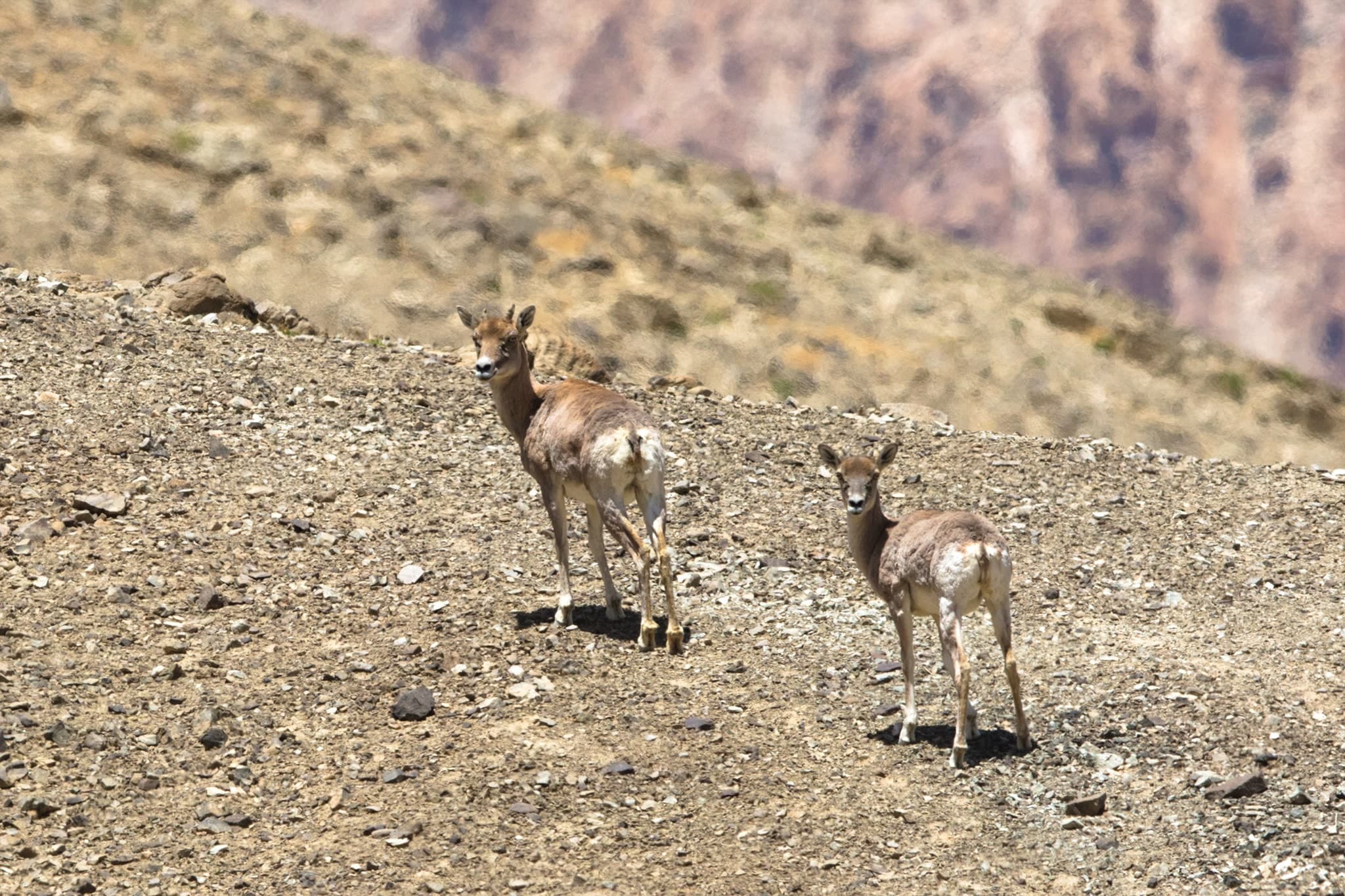
The coat is reddish-grey with white underparts, greyer in winter and redder in summer, and there is a ruff of black hair on the chest. A ram's horns curve round in a half circle and can reach 73 centimetres. Males weigh 70 to 90 kilograms and stand about 91 centimetres at the shoulder. Females are smaller and often have no horns.
It is easy to tell from the wild goats. An ibex or a markhor lives on cliffs. The urial is a sheep, and it keeps to open hills, gentle slopes and valley floors.
Where it lives now
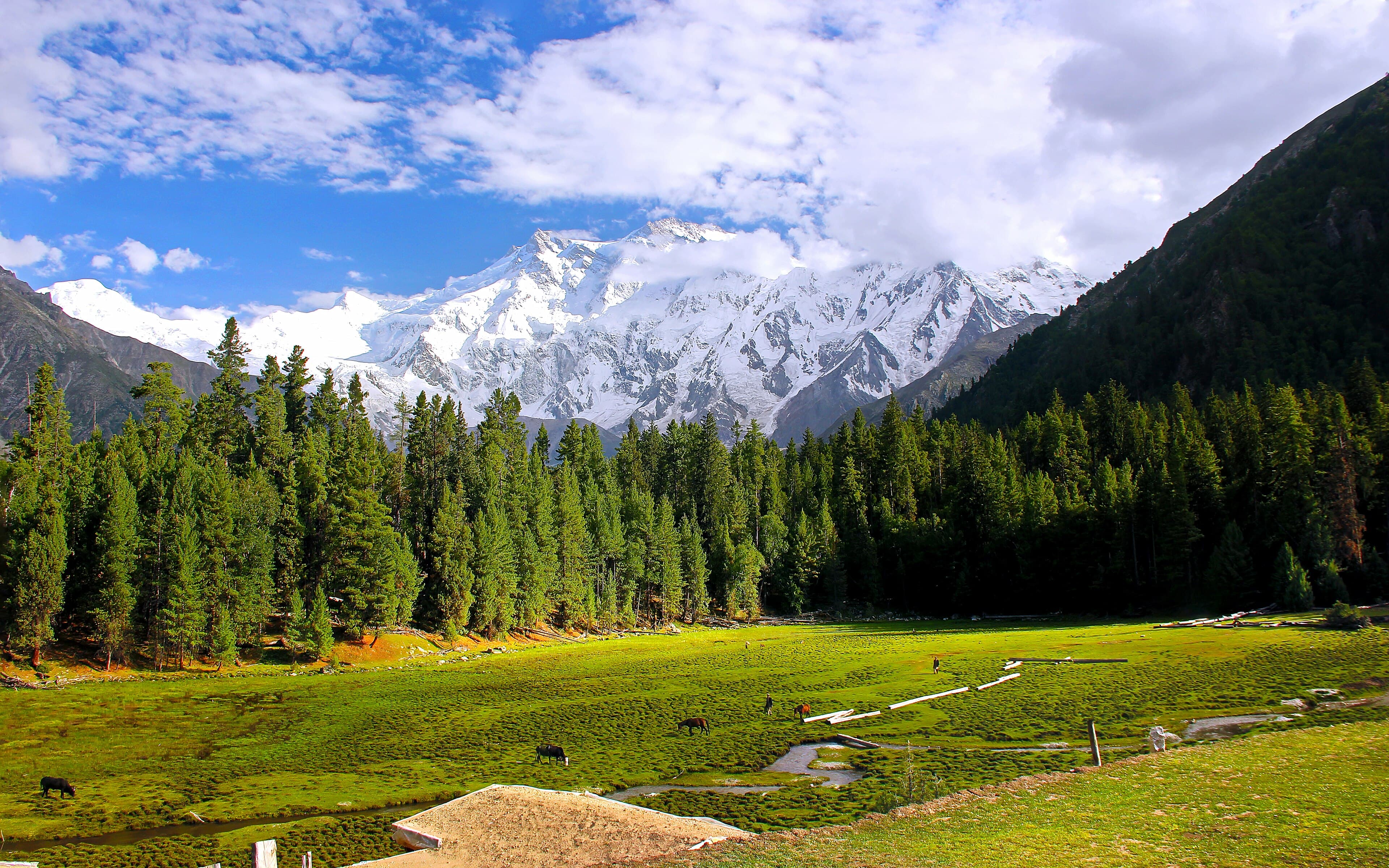
The winter survey of 2024-25 found urial in only three community hunting areas. Bunji, on the Indus in Astore district, held 199. The Nanga Parbat area in Diamer held 18, and the Askole and Biafo area in Shigar held 12. The estimate of 229 covers 17 groups of between 3 and 37 animals.
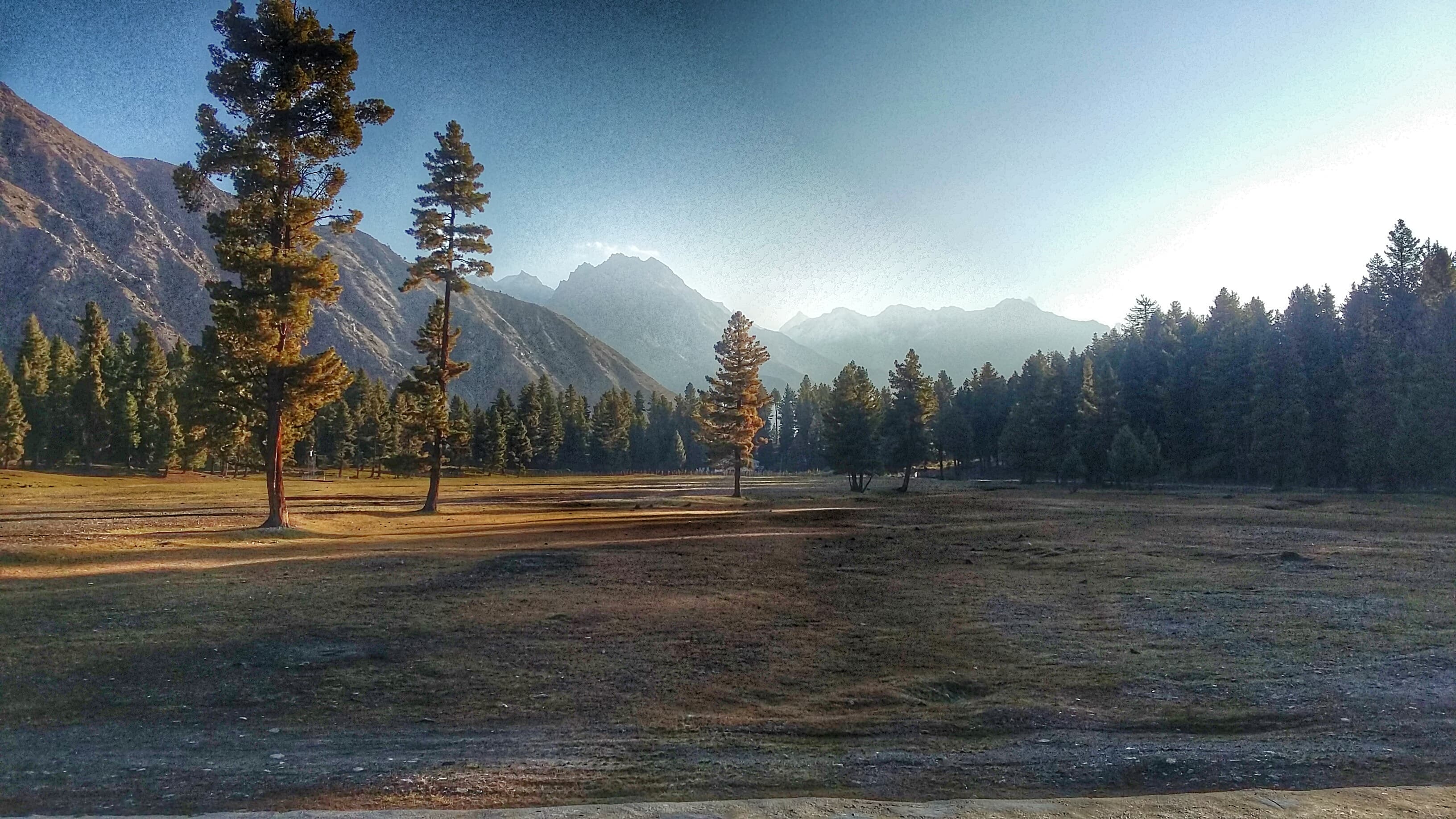
Astore VillageThe crossroads town of the Nanga Parbat valleys
Photo: Saneea Riaz · CC BY-SA 4.0Three years earlier the survey had found 134 urial in five valleys. They included 15 at Raikot, the valley that leads up to Fairy Meadows, and 3 on the Kharpocho hill above Skardu.
The numbers swing from year to year: 24 in 2020, 134 in 2021, 138 in 2022, 20 in 2023 and 229 in 2024. The department itself calls the urial's trend the most variable of the animals it surveys, so one year's figure says little on its own. Across the border in Ladakh, a survey in 2018 estimated 686.
Where it has gone
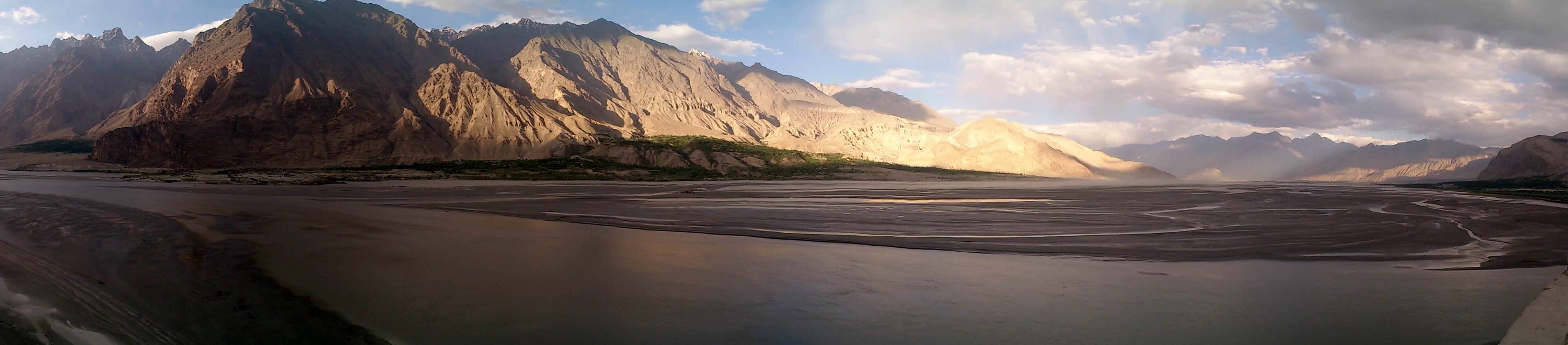
The urial used to be an animal of the big river valleys. The wildlife department's reports describe the banks of the Gilgit river from Thalichi to Gahkuch, and of the Hunza river from Gilgit to Chalt, as its traditional ground. They say it is now all but extinct in most of that former range, and that it has been lost from many of its old strongholds along the Indus.
The reasons the reports give are damage to its habitat, poaching, the taking of lambs and disease caught from domestic sheep and goats.
How it is protected
The urial as a species is listed as Vulnerable on the IUCN Red List. The Ladakh urial is classed as Endangered on Pakistan's national list, and it is on Appendix I of CITES, the list of animals in which commercial trade is banned.
Unlike the ibex, the markhor and the blue sheep, it is not part of the trophy hunting programme. The department's report treats the population as too small for any hunting.
Nanga Parbat National Park was notified in January 2021, together with Himalaya National Park in Astore, for the protection of the Ladakh urial and other species.
Can you see one?
We do not offer urial watching as something you can plan a trip around. The animals are few, and almost all of them live in one area. The survey teams count them during the rut, which begins in early November.
If the urial matters to you, tell us before you travel, and we will ask the game watchers of the area what is possible in your season. For the animals that are easier to find, see the wildlife of Gilgit-Baltistan guide.