Ghizer: the valley of three languages
Ghizer, the long district running west from Gilgit toward the Shandur Pass, is Gilgit-Baltistan's most linguistically mixed corner. Shina — the major language of the Gilgit region — dominates the lower valley around Punial; Khowar, the language of Chitral, takes over as you travel west through Gupis, Phander and toward Shandur; and the Yasin Valley speaks its own dialect of Burushaski, the famous language isolate shared with Hunza.
Many Ghizeri villagers grow up switching between two or three of these languages plus Urdu, and village identities are braided accordingly — a wedding in Gupis can run songs in Khowar and Shina back to back without anyone finding it remarkable. For language lovers, Ghizer is a living seminar in how mountain valleys preserve and exchange tongues.
Most of Ghizer's population is Ismaili Muslim, with Sunni communities in parts of the district, and the same quiet, education-minded ethos found in Hunza prevails here. Jamatkhanas and well-kept schools anchor the villages, and the welcome extended to the few travellers who come this way is genuinely memorable.
Punial: the orchard gateway
Leaving Gilgit, the first stretch of Ghizer is Punial, a ribbon of villages around Sher Qila and Singal so generously planted with fruit trees that a local saying calls Punial the place where heaven and earth meet. Apricots, apples, mulberries and grapes crowd the terraces, and in autumn the poplars lining the river road turn an electric yellow.
Sher Qila — the name means lion fort — keeps a historic watchtower and the memory of Punial's days as a small princely governorship. Village life here revolves around orchards, the river and an enthusiastic polo culture that announces itself on grounds you'll pass right beside the road.
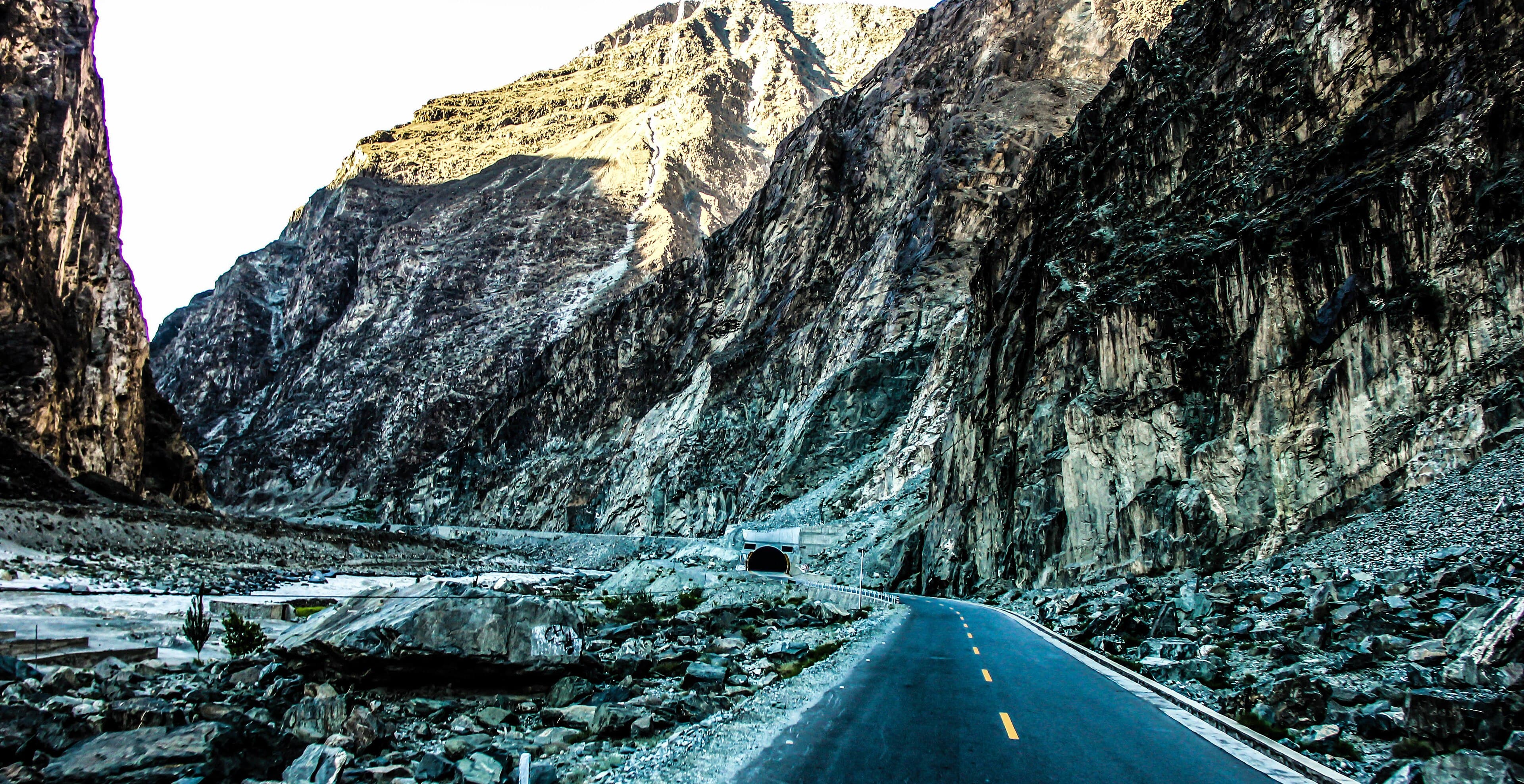
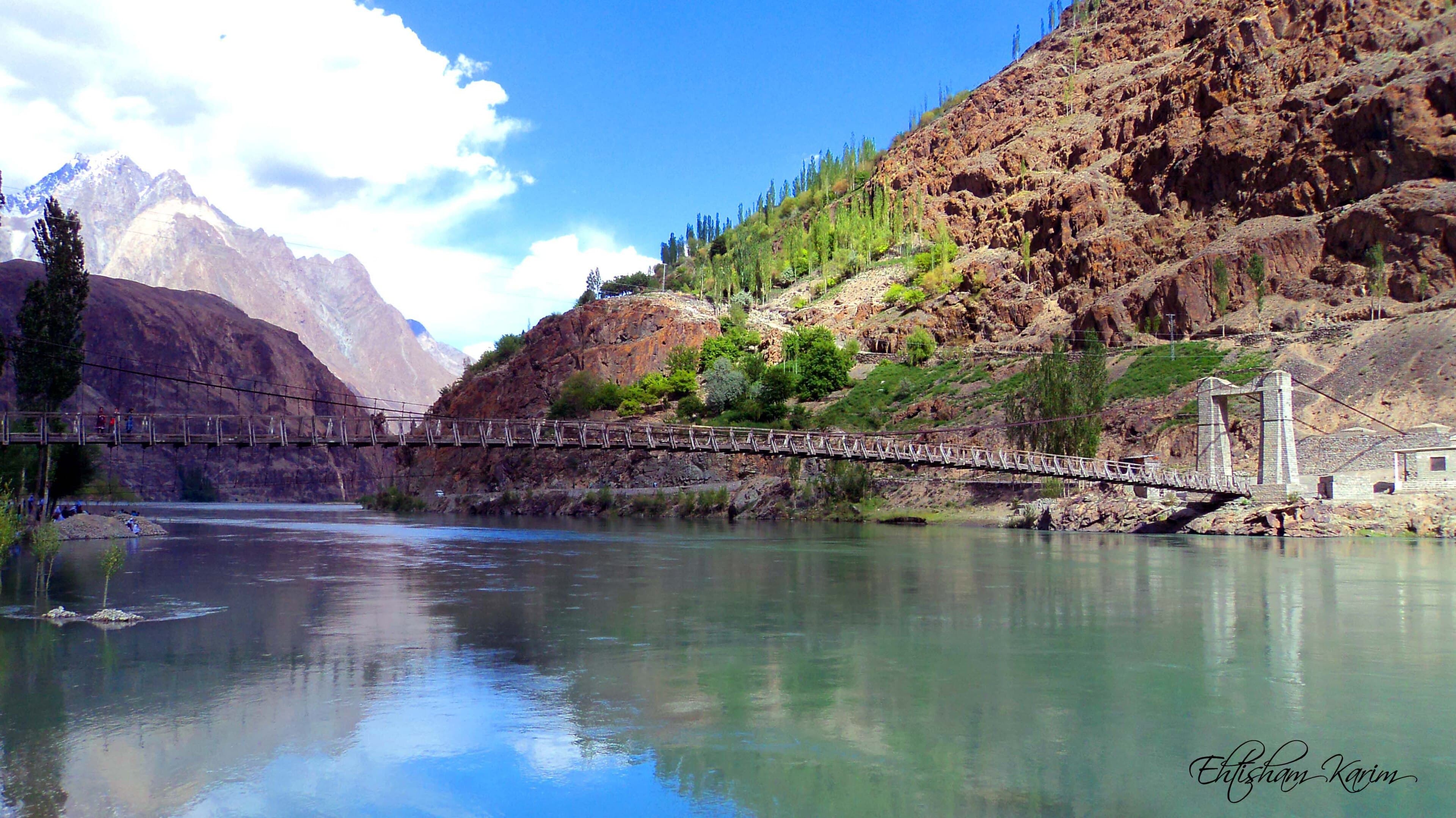
Punial makes an easy half-day or overnight from Gilgit, and it sets the pattern for everything west of it: green valley floor, bare ochre mountainsides, a jade river and hospitality out of proportion to the number of guests.
Gupis and the road west
Gupis, roughly two hours from Gilgit, is the district's central crossroads — a relaxed bazaar village where the road forks north into the Yasin Valley and west toward Phander and Shandur. Like Punial it was once a small princely state, and its fort ruins and polo ground speak to that layered past.
Just west of Gupis the river widens into Khalti Lake, a sapphire flood-formed lake famous for freezing solid in winter and for the trout that thrive in its cold water. Lakeside guesthouses make it one of the prettiest overnight stops on the whole Gilgit–Shandur road.
Travel in Ghizer rewards slowness. The distances are short but the views demand stops, every village has a story, and drivers here will happily detour for a good fishing spot, a polo practice or a cousin's orchard — which is, frankly, the correct way to experience the valley.
The Yasin Valley: Burushaski's western outpost
North from Gupis, the Yasin Valley runs deep toward the Hindu Kush, a chain of green villages — Yasin, Taus, Sandhi, Darkot — beneath 6,000-metre snow peaks. Yasin speaks Burushaski in its own western dialect, a fascinating outpost of the language isolate otherwise centred on Hunza and Nagar, and its communities are predominantly Ismaili.
Yasin's history is older and stranger than its size suggests. The valley sat on branch routes over the high passes toward the Wakhan and Chitral, and Darkot, its last village, is where the explorer George Hayward was murdered in 1870 — an episode that shocked Victorian Britain and put this remote valley briefly at the centre of the Great Game.
Today Darkot is better known for its glacier views, its potato and wheat terraces and treks toward the Darkot Pass. Very few foreign travellers make it up here; those who do tend to describe Yasin with the protective affection of people who aren't sure they want the secret out.
Phander: the valley's blue jewel
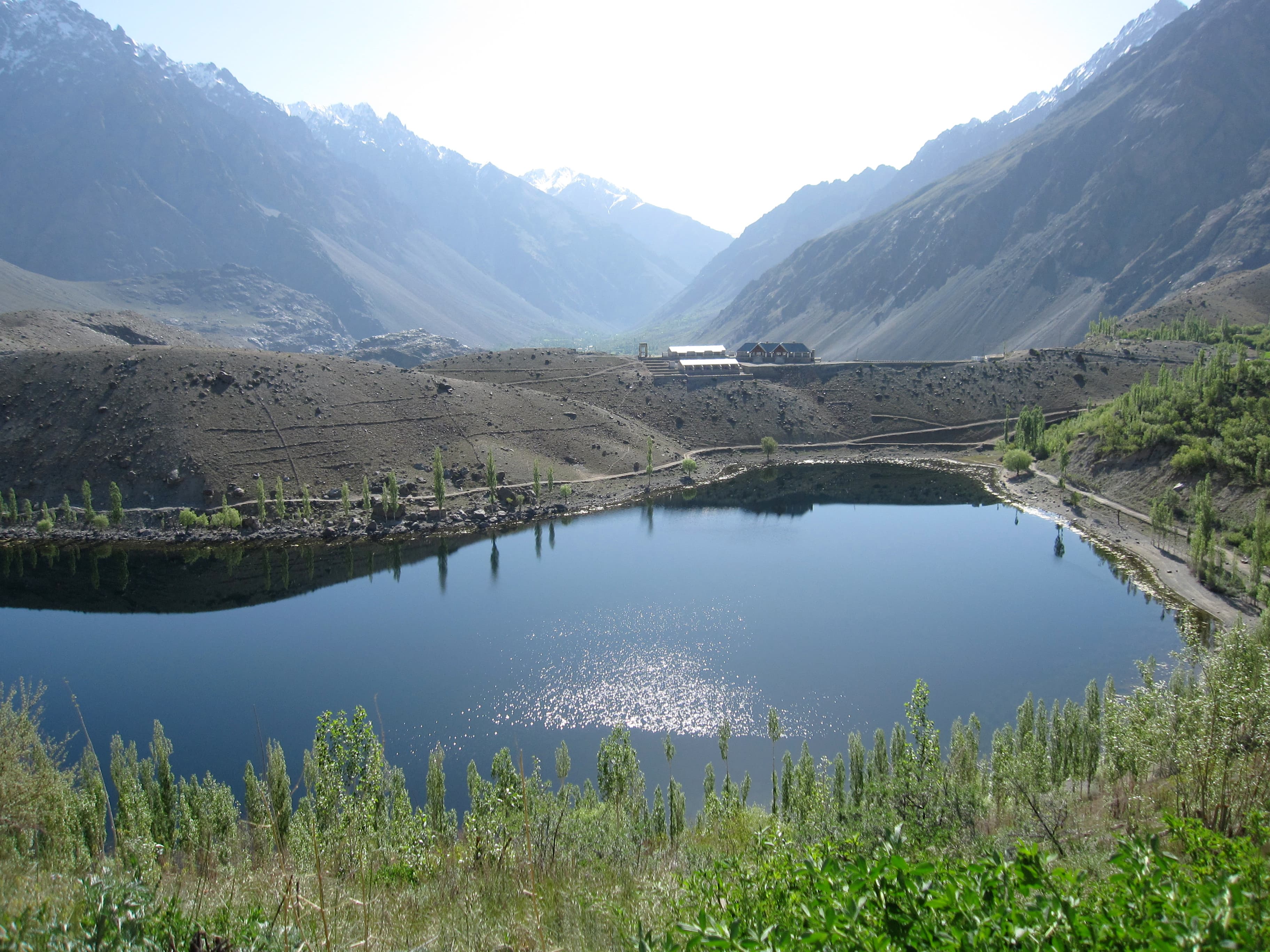
Phander, three to four hours from Gilgit, is Ghizer's showpiece — a wide, gentle valley where the river meanders through water meadows and the famously deep-blue Phander Lake mirrors poplars and peaks. Travellers who know both often compare it favourably to far busier valleys; photographers simply move in for days.
Phander village life is agrarian and unhurried: potato fields, haymaking, livestock heading out in the morning and home at dusk. The lake and river are full of trout, the guesthouses grill them the day they're caught, and the viewpoint above the lake delivers one of northern Pakistan's most painterly panoramas for the price of a short walk.
Beyond Phander the road climbs through Teru toward the Shandur Pass, and the landscape opens into high yak pastures. This last stretch before the pass is summer-grazing country, dotted with stone shielings — a glimpse of an older pastoral economy still very much alive. A side road from near Phander runs up through Handrap and Barsat to Langar, the trailhead for the Khukush Lake trek, our favourite walk in the district.
Polo: the valley's beating heart
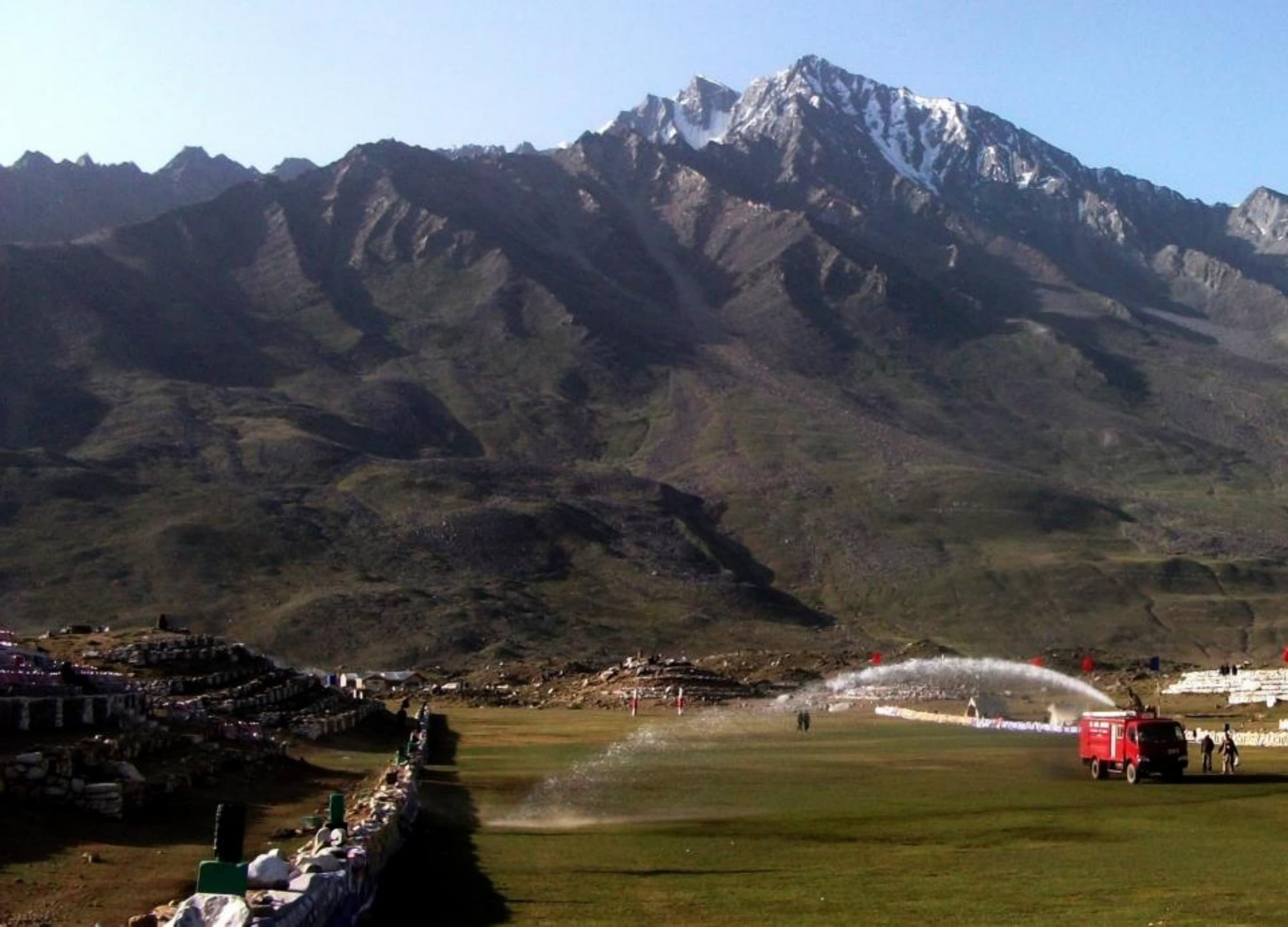
If polo is Gilgit-Baltistan's regional passion, Ghizer is its heartland. Nearly every sizeable village — Sher Qila, Gupis, Yasin, Phander — keeps a polo ground in active use, and the local game is the old free-style mountain version: six a side, few whistles, drum and surnai bands urging the play on, and the whole village on the walls watching.
The valley's great fixture is the Shandur Polo Festival each July, when teams from Gilgit and Chitral meet on the pass-top ground at around 3,700 m — billed as the highest polo ground in the world — beside a tent city of spectators, musicians and yak herders. Ghizer is the natural approach route, and festival time is the one week when the valley feels busy.
Outside festival season, ask in any village whether a match or practice is happening; the answer is often yes on summer afternoons. Standing on a stone wall in Gupis while horses thunder past to drumbeats costs nothing and may be your single most vivid memory of Pakistan.
Trout, rivers and the table
The Gilgit River and its Ghizer tributaries are Pakistan's premier trout waters — brown trout introduced in the British era thrive in the cold, clean flow, and fishing is part of the local economy from Singal to Phander. Licensed angling can be arranged through local guides, and several stretches are managed for catch limits to keep stocks healthy. The wildest trout water of all is Khukush Lake above Langar, a three to four hour walk we describe first-hand; Gasho Lake above Jaglot Sai, back toward Gilgit, is its emerald twin.
Trout also defines the valley's table. Guesthouses in Phander, Khalti and Gupis serve it fried or grilled within hours of the catch, alongside the regional staples — wholewheat breads, apricots, mulberries, walnuts and garden vegetables that taste the way only mountain gardens manage.
Hospitality here follows the older code: travellers are guests first and customers a distant second. Expect to be invited for tea, expect second helpings you didn't order, and expect at least one family to try very hard to refuse your money.
Music, weddings and the charm of being early
Ghizer's musical traditions draw on both the Gilgit and Chitral worlds: sitar and rubab playing in the Khowar style, Shina and Burushaski songs, and the drum-and-surnai ensembles that power polo matches and wedding processions alike. Weddings are the great cultural stage — days of music, communal cooking and dance — and travellers present in a village during one are very often simply pulled in.
Seasonal celebrations mark the farming year, from spring sowing observances to harvest gatherings, and Shandur's festival ties the valley each July to its cultural twin across the pass in Chitral. None of this is staged for tourism, which is precisely its appeal.
And that is Ghizer's real secret: it remains one of the least-visited beautiful places in Pakistan. There are no crowds to manage and no tourist economy to perform for — just villages getting on with a graceful way of life, and the rare traveller lucky enough to be passing through while it lasts.
Questions, answered
What languages are spoken in Ghizer?
Three main ones, plus Urdu: Shina in the lower valley around Punial, Khowar from Gupis westward toward Shandur, and a western dialect of Burushaski in the Yasin Valley. Many villagers speak two or three of them, making Ghizer the most linguistically mixed district in Gilgit-Baltistan.
Is Ghizer worth visiting compared to Hunza?
Yes, for different reasons. Ghizer offers green river valleys, Phander and Khalti lakes, living polo culture and almost no other tourists — a quieter, more pastoral experience than Hunza's headline sights. Many travellers combine both, using the Gilgit–Shandur road en route to Chitral.
When is the Shandur Polo Festival?
The festival is traditionally held in July on the Shandur Pass at around 3,700 m, where teams from Gilgit-Baltistan and Chitral contest the famous freestyle mountain polo. Ghizer's road through Gupis and Phander is the main approach from the Gilgit side; confirm exact dates locally each year before planning around it.
Can you go trout fishing in Ghizer?
Yes — the Ghizer and Gilgit rivers, Phander Lake and Khalti Lake are Pakistan's best-known trout waters, stocked with brown trout since the British era. Licences and gear are arranged through local guides and fisheries staff, and guesthouses will happily cook your catch.
How do you get to Phander Lake?
Phander lies roughly three to four hours' drive west of Gilgit along the partly paved Gilgit–Shandur road, via Punial, Gupis and Khalti Lake. A 4x4 with a local driver is the comfortable choice, and overnighting at Phander rather than day-tripping is strongly recommended.