Our group that August was the usual beautiful accident: a nurse from Lyon, two Polish climbers' daughters walking in their fathers' bootprints, a software engineer from Austin who had trained on a stair machine, and a quiet Japanese photographer who outpaced everyone. Strangers in Skardu; by Paiju, a family with inside jokes.
The Baltoro teaches in stages. First the body complains — the heat of the lower glacier surprises everyone — then it adapts, and somewhere around Urdukas the complaints stop because the eyes are too busy. The Trango Towers stand across the ice like the skyline of a city built by something that does not need stairs. Evenings, our porters sang Balti songs over the stoves, and the nurse from Lyon learned the choruses phonetically, to enormous applause.
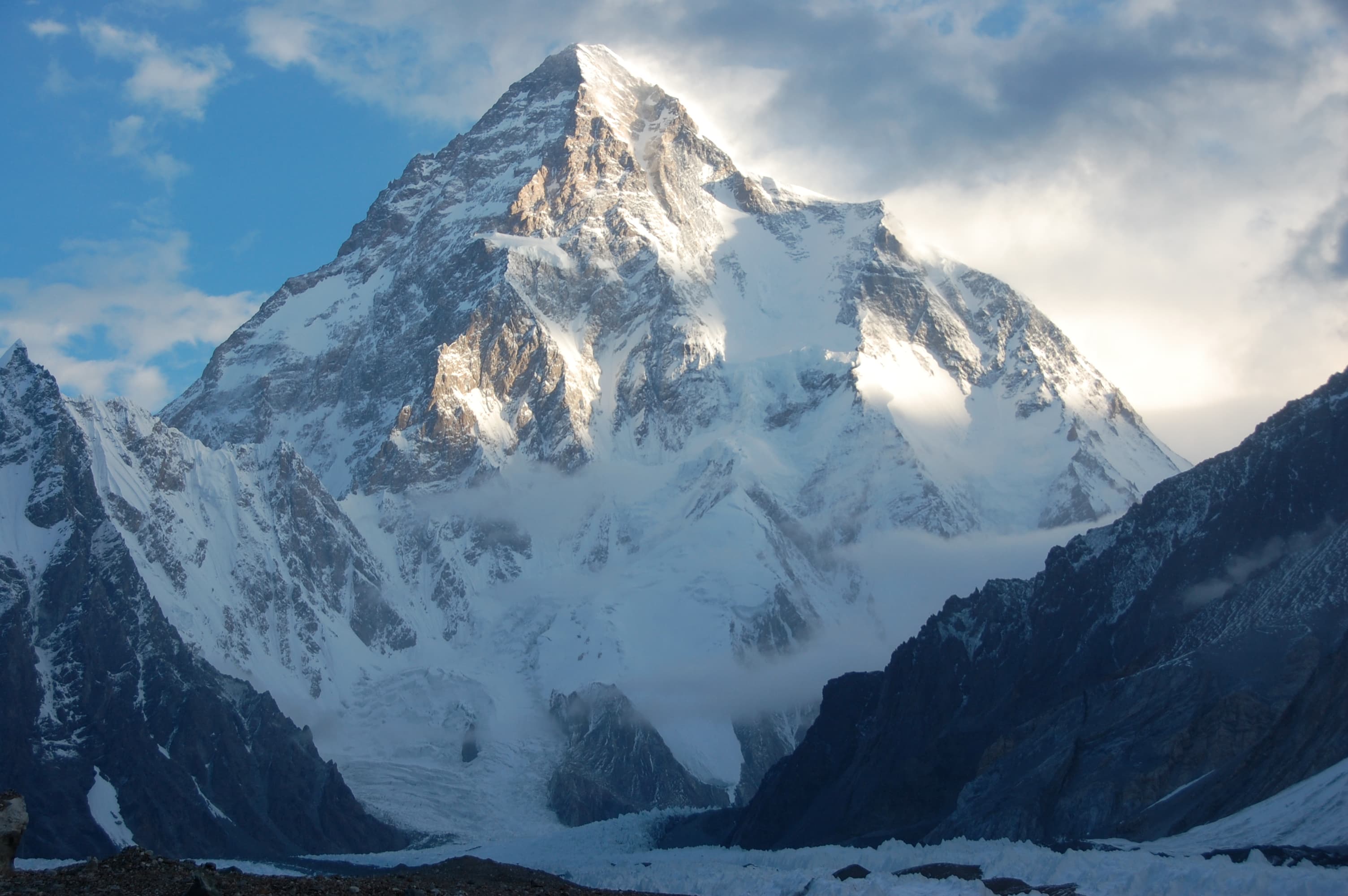
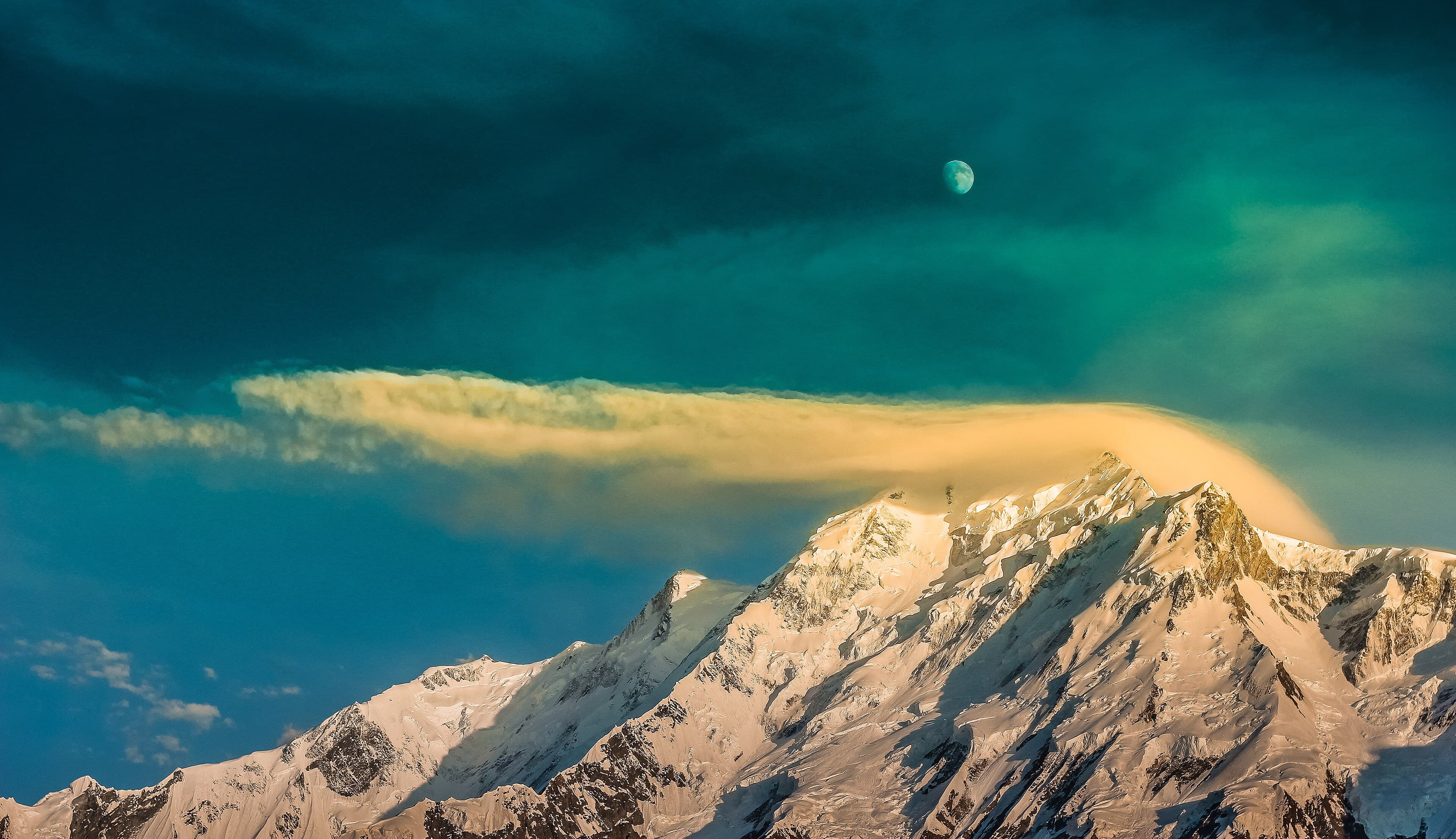
There is a moment, two hours past Goro II, when the trek stops being about endurance and becomes something closer to ceremony. The valley turns. Gasherbrum IV burns gold at the head of the ice. And then Concordia opens like a door: Broad Peak, the Gasherbrums, and finally K2 itself, standing apart from its court, unreasonable, vertical, exactly as big as you feared and hoped.
The engineer from Austin cried, and pretended it was the wind. The photographer shot one frame in an hour. We drank tea at the centre of the greatest mountain amphitheatre on earth, and nobody — for once, on the whole trek — checked how far there was still to go.
“Concordia opens like a door: K2 standing apart from its court, unreasonable, vertical.”