What a musk deer looks like
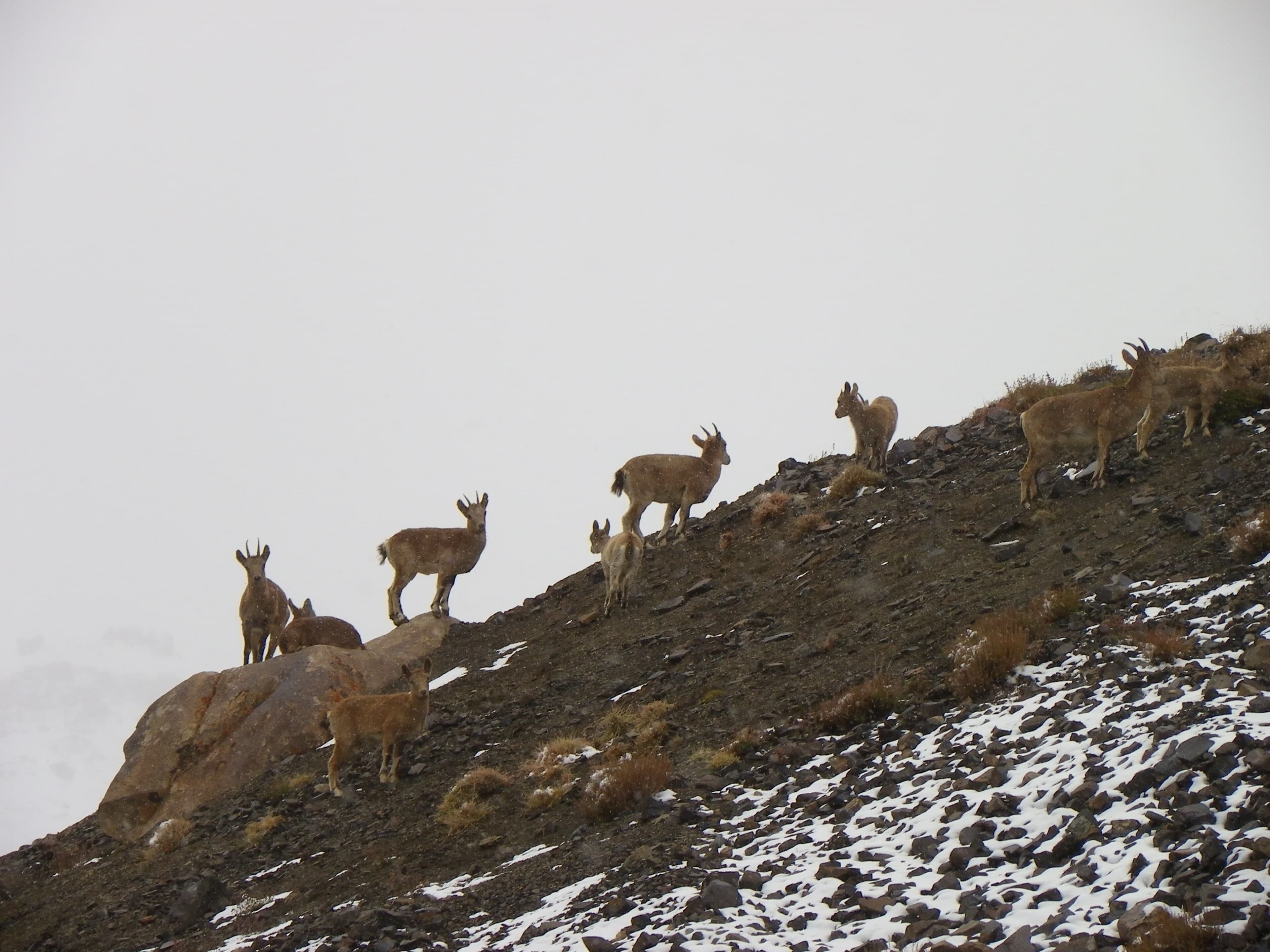
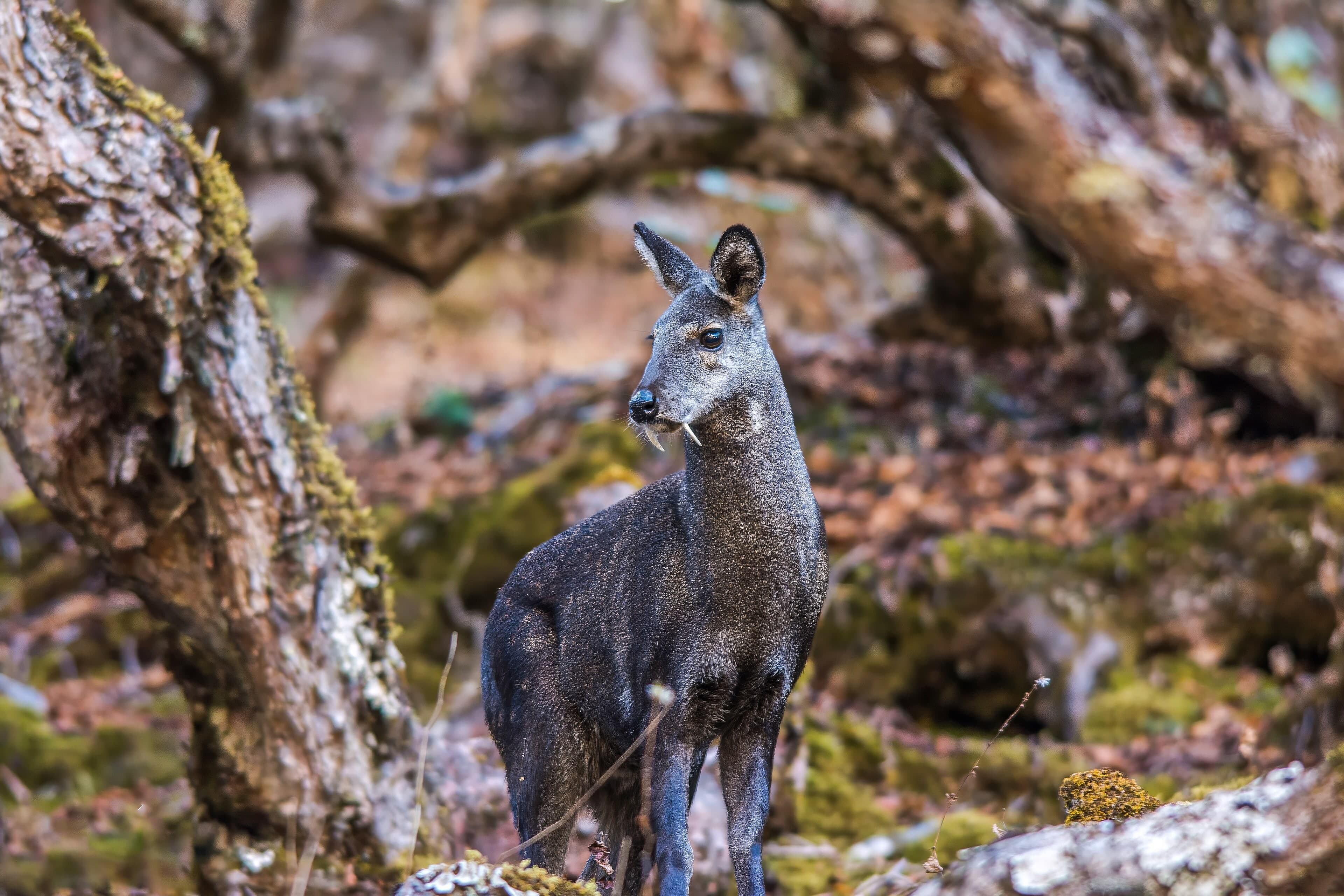
The musk deer is a small, primitive kind of deer that stands about 60 centimetres tall. It has no antlers. The males grow a pair of upper canine teeth, 7 to 14 centimetres long, that hang below the lip like small tusks.
Only the adult male has the musk gland. It lies in a sac on the belly, and it holds the musk that poachers kill the animal for.
Which musk deer lives here is not settled. Pakistani studies have long called it the Himalayan musk deer. A genetic study published in 2023 found only the Kashmir musk deer (Moschus cupreus) in the western Himalaya, and an earlier paper warned that the two have often been confused. On this page we simply say musk deer.
Where it lives in Gilgit-Baltistan
A population study published in 2015 estimated 224 to 363 musk deer in Gilgit-Baltistan. The researchers recorded the animal in 28 of the 84 places they surveyed, mainly in dry temperate forest with more than 20 percent tree cover.
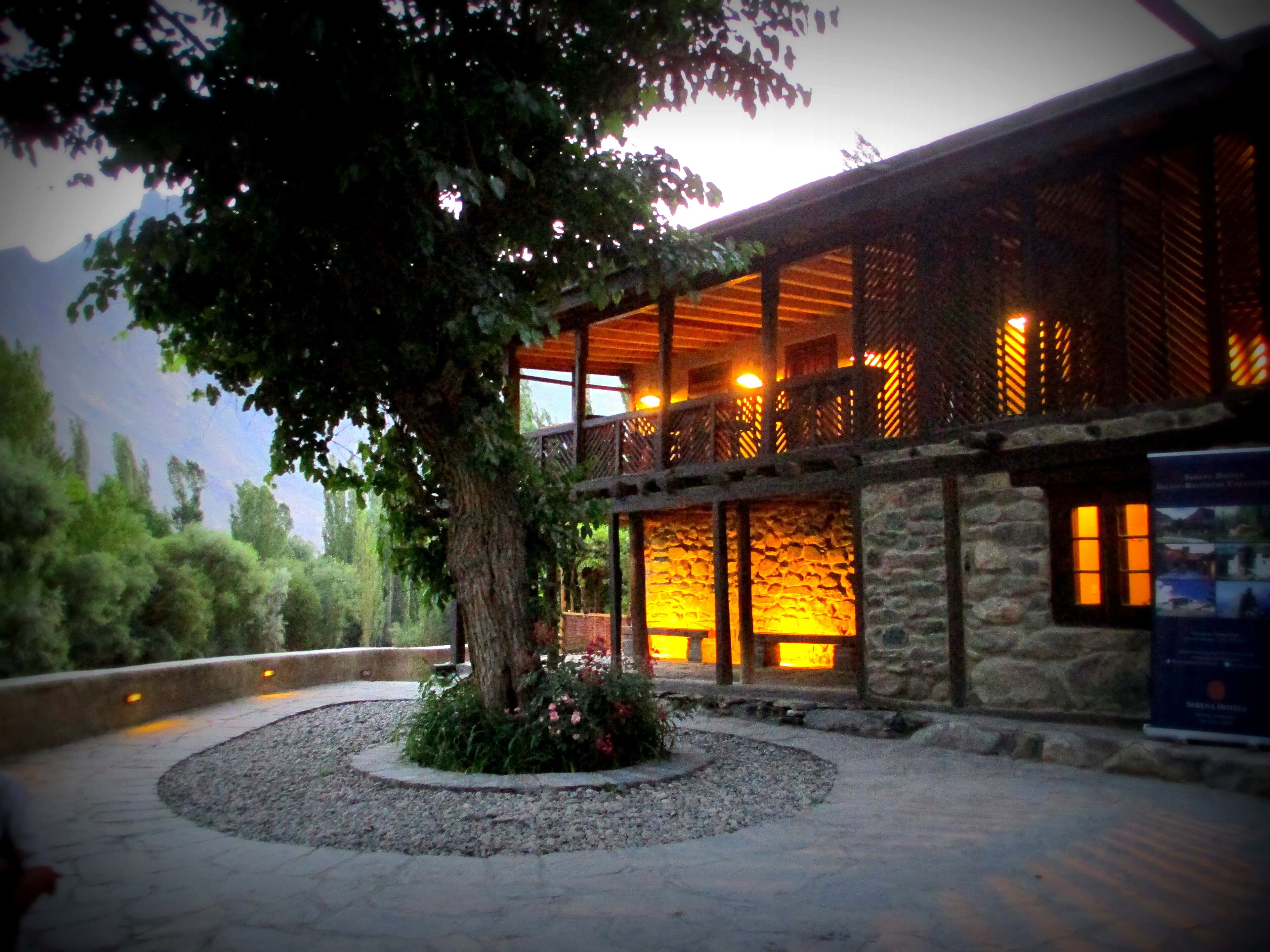
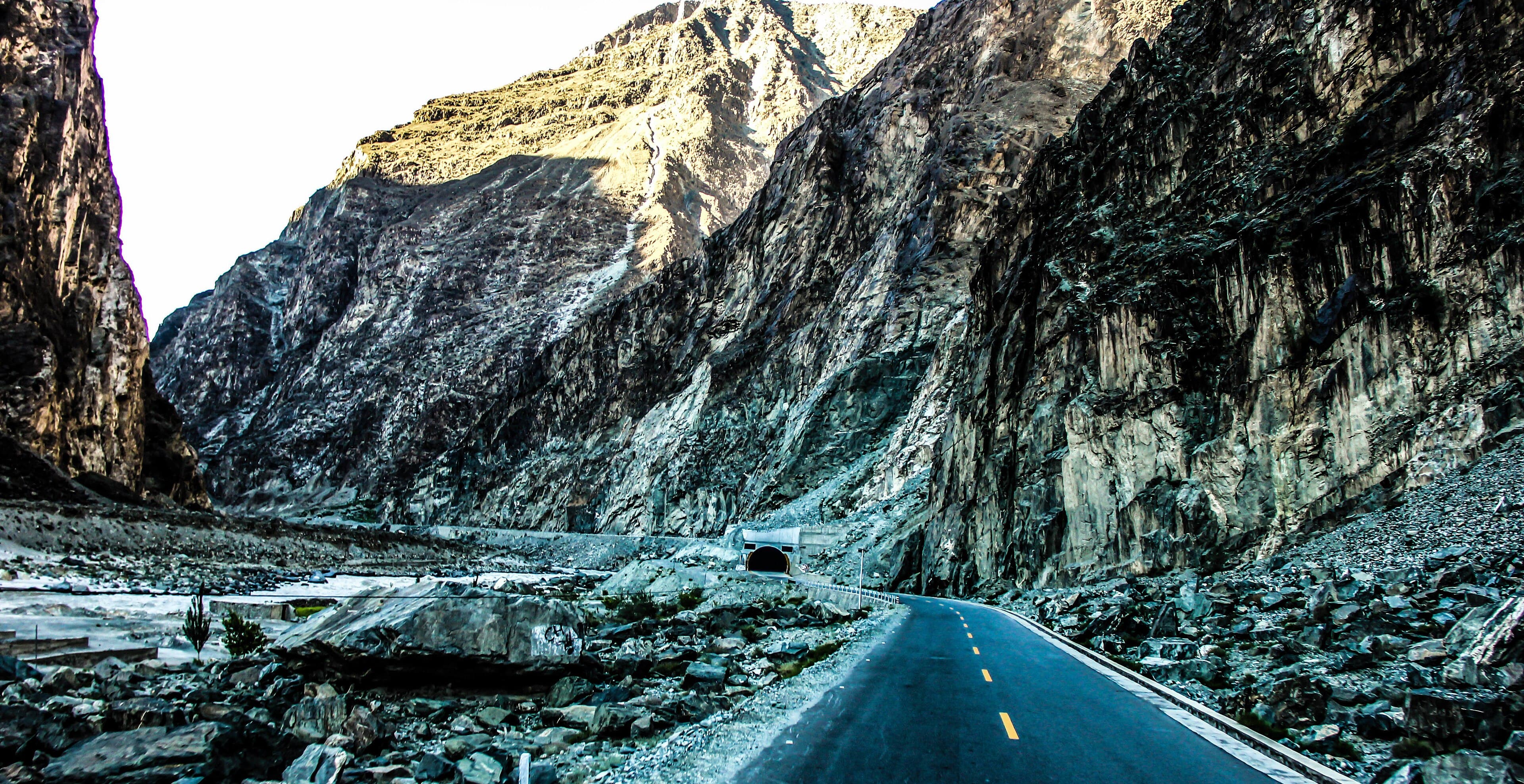
Shigar ValleySleep in a raja's fort on the road to K2
Photo: Saqibmahay1 · CC BY-SA 3.0The Central Karakoram National Park names Haramosh in Gilgit district and several valleys of Baltistan, among them Tormik and the Basha valley of Shigar.
In Astore, Himalaya National Park was notified in January 2021 for the protection of the musk deer and other species. The animal is also on the species list of Nanga Parbat National Park, which was notified on the same day.
In summer the Kashmir musk deer is found at about 3,000 to 3,500 metres, and studies in the western Himalaya place musk deer between 2,500 and 4,500 metres.
Why it is endangered
The musk is the problem. The 2015 study estimated that poachers were killing about 20 percent of the population each year, and it found musk, skins and canine teeth on sale in markets. A park report of the same year put the black market price of musk at up to US$45,000 a kilogram.
Both the Kashmir musk deer and the Himalayan, or white-bellied, musk deer are listed as Endangered on the IUCN Red List. Six of the seven kinds of musk deer are in that category. Loss of forest is the other threat.
Will you see one?
Almost certainly not, and we will not pretend otherwise. The musk deer is a shy animal of steep forest, and there are only a few hundred in the whole region.
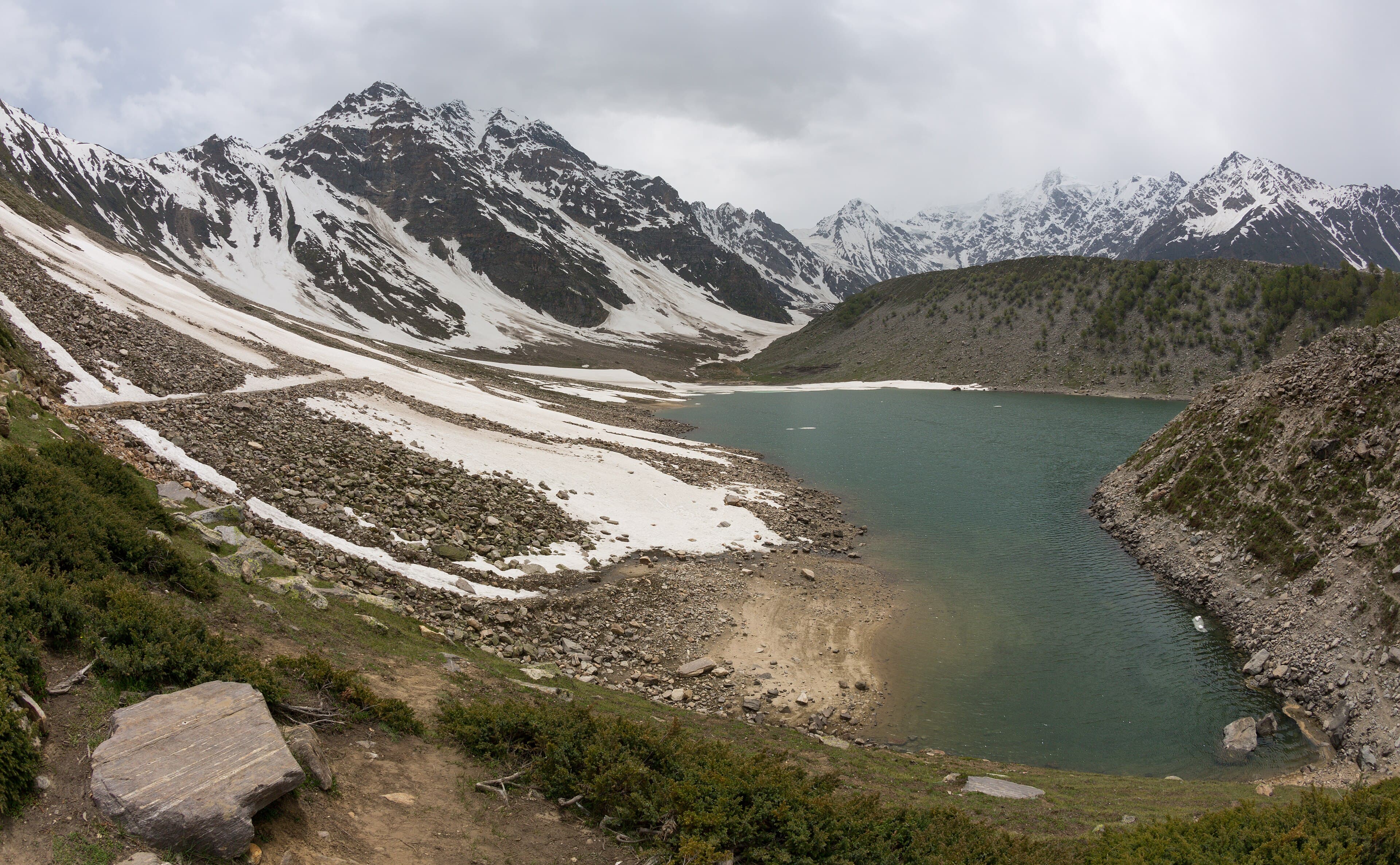
Rama LakeA glacial lake above the pines, beneath the Chongra peaks
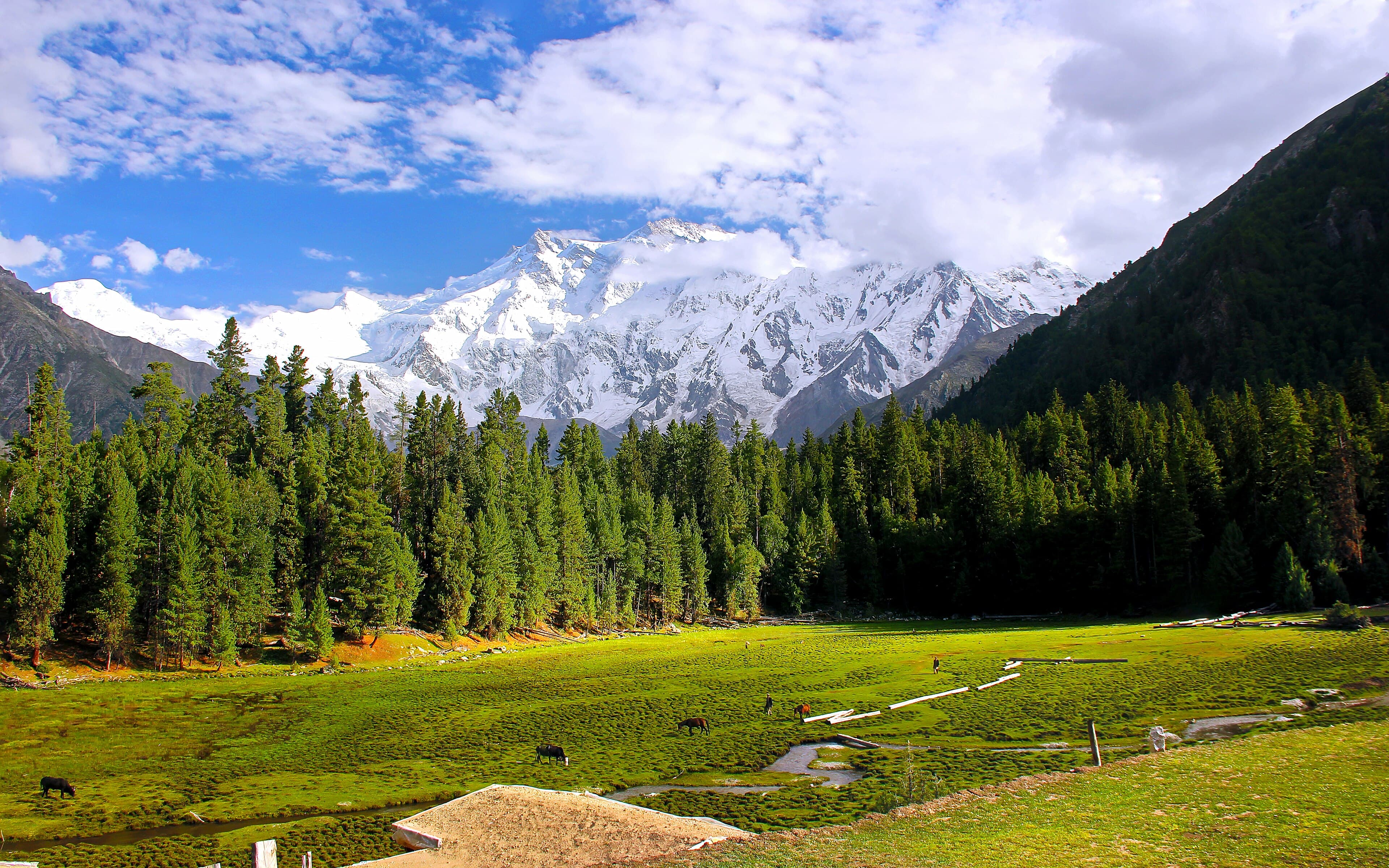
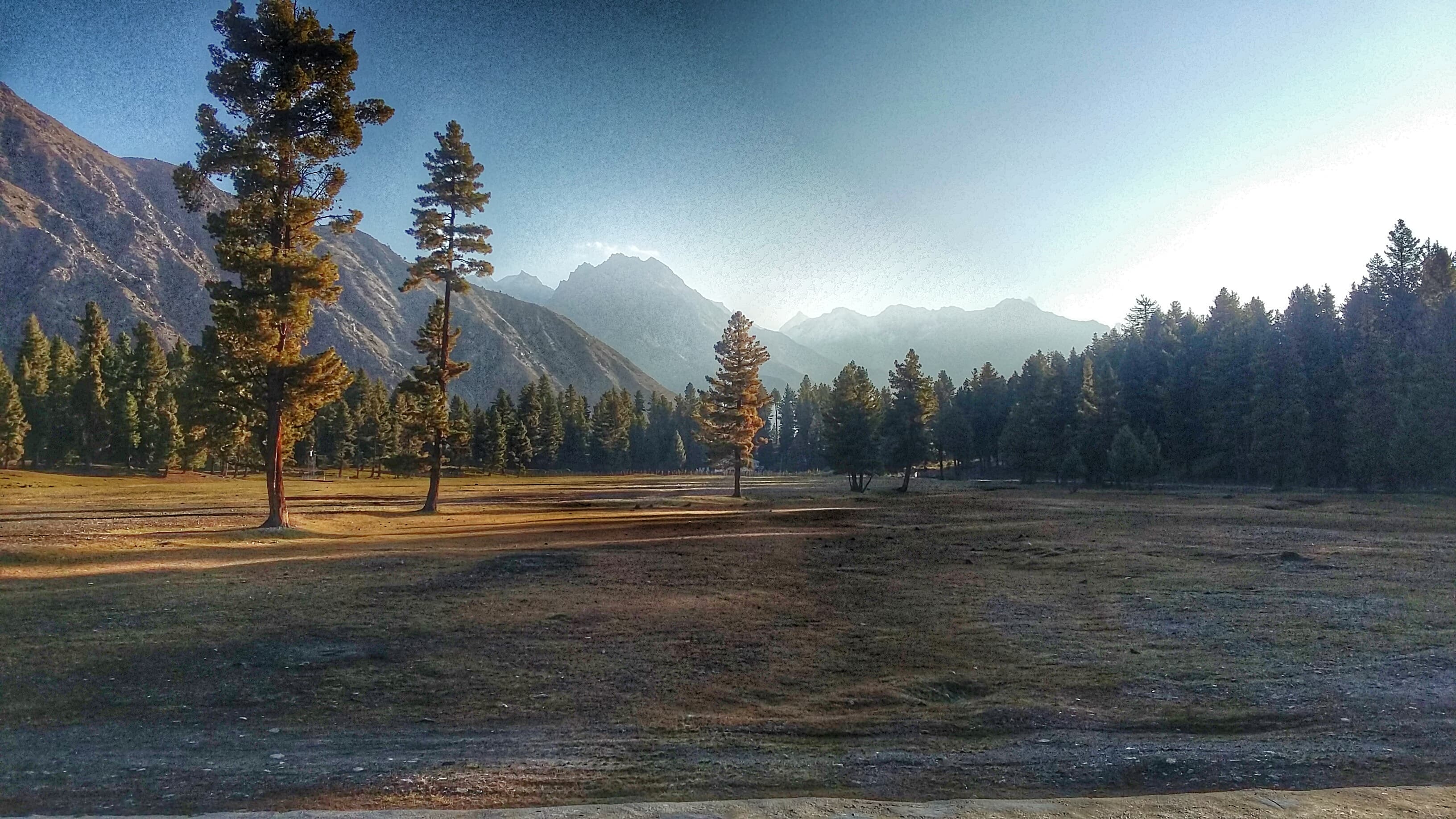
Photo: Ahmed Sajjad Zaidi from Islamabad, Pakistan · CC BY-SA 3.0What you can do is walk in its country. Rama Lake above Astore and Fairy Meadows both lie in Nanga Parbat National Park, which lists the musk deer among its animals. You are walking through its forest, even if you never see it.
For the animals you can expect to meet, and the season for each, read the wildlife of Gilgit-Baltistan guide.