The season when everything is open
For three months a year, roughly June through August, Gilgit-Baltistan holds nothing back. The Khunjerab Pass is fully open at 4,693 metres, the Babusar Pass shortcut from Islamabad runs from about late June, the Deosai plateau emerges from snow, the Shandur Pass connects Ghizer to Chitral, and every trekking trailhead from Fairy Meadows to the Baltoro is in business. If your dream itinerary touches high places, summer is when it all fits in one trip.
The valleys themselves are at their most generous. Hunza's terraces are deep green and heavy with fruit, glacial rivers run loud and silver-grey with meltwater, and the light lasts — long mountain evenings that let you fit a viewpoint, a village walk and a slow dinner into a single day.
Summer is also when the region is busiest, because Pakistani domestic tourism peaks in July and August. That changes the texture of famous spots more than it changes the mountains — and later in this guide we'll show you exactly how to keep the wilderness to yourself.
Trekking season: Baltoro, Hushe, Rakaposhi and Fairy Meadows
This is the Karakoram's walking season, and it is short and glorious. The big one is the Baltoro: the roughly two-week trek from Askole up the Baltoro Glacier to Concordia, where four of the world's seventeen highest peaks — K2, Broad Peak and the Gasherbrums — stand around a single icy amphitheatre. Expeditions and trekking groups run from June to early September, with July and August the core window.
Baltistan's Hushe Valley is the connoisseur's alternative: shorter treks toward Masherbrum base camp and the alpine meadows of the upper valley, from a village that has produced many of Pakistan's most accomplished high-altitude climbers. In Hunza and Nagar, the two-to-three-day Rakaposhi Base Camp trek climbs through Minapin's orchards to a glacier-edge camp directly beneath the mountain's enormous ice face.
Fairy Meadows is the gentlest of the classics: a jeep ride up the famous Raikot track, then a two-to-three-hour walk to pine-fringed meadows facing Nanga Parbat's Raikot face, with onward day hikes toward base camp viewpoints. It is deservedly popular in summer — book cabins ahead in July and August, or come in June or September for the same view with fewer neighbours.
Whatever you walk, respect the altitude arithmetic. Acclimatise on valley days first, ascend gradually, and build a weather buffer into any trek that matters to you — even in summer, the Karakoram answers to no schedule.
Deosai: wildflowers and brown bears on the roof of the world
Few places on earth do summer like the Deosai Plains. This plateau between Skardu and Astore averages over 4,100 metres — among the highest of its size anywhere — and for most of the year it lies under snow. Then July arrives and the whole expanse erupts into wildflowers: drifts of yellow, purple and pink rolling to the horizon under enormous skies.
Deosai National Park exists above all to protect the Himalayan brown bear, one of Pakistan's rarest large mammals, whose population here has recovered steadily under protection since the park's creation in the 1990s. Sightings are never guaranteed, but patient early-morning scanning around the Bara Pani area gives you a real chance, and golden marmots, foxes and birds of prey are constant company.
Visit as a long day trip from Skardu or, far better, camp a night near Sheosar Lake on the plateau's western edge, where the still water mirrors Nanga Parbat at dawn. The access window is short — roughly late June to September — and nights are cold even in August, so pack as if for a different season than the valleys you left that morning.
Lake days: boating Attabad and the Kachura lakes
Summer is when Gilgit-Baltistan's lakes turn from scenery into playground. Attabad Lake — the famous turquoise basin created by the 2010 landslide in Gojal — is the centrepiece: speedboats and traditional wooden boats run from the jetty, jet-skis carve the bays, and lakeside resorts make an overnight stay as tempting as the day trip. The glacial colour is at its most intense in high summer.
Down in Baltistan, Upper Kachura Lake hides in greenery a short drive from Skardu, with rowing boats on water that shifts between emerald and deep blue, while Lower Kachura — the lake of the famous Shangrila resort — does honeymoon-postcard duty with its red-roofed pavilions. Between lake stops, Skardu's cold deserts at Katpana and Sarfaranga add the surreal sight of sand dunes against snow peaks.
One honest warning that applies everywhere: these are glacial lakes, dangerously cold and deep even in August. Boating, kayaking and shoreline lazing are the summer sports here — swimming is not, however inviting the colour looks.
Shandur and Ginani: polo and harvest festivals
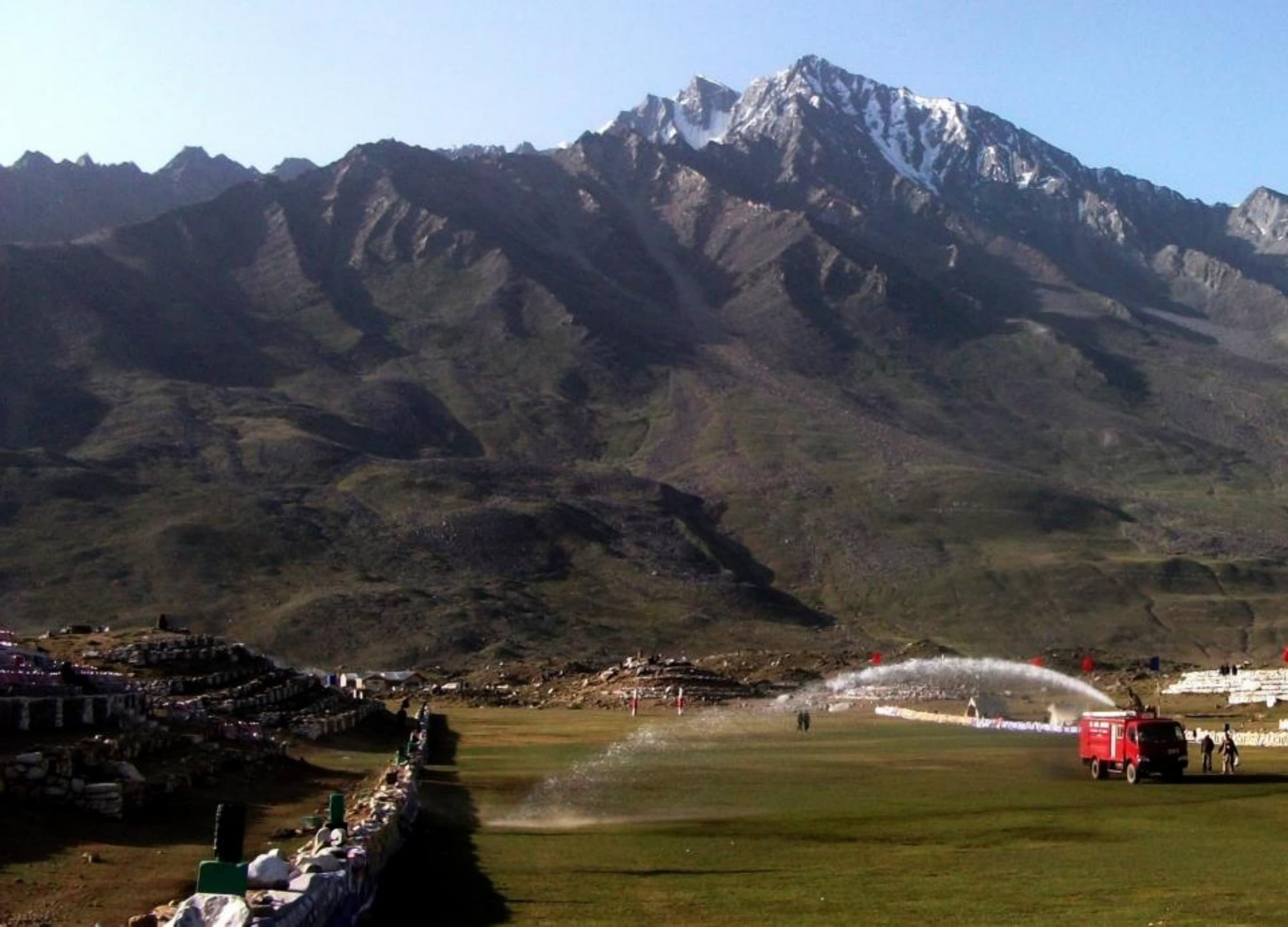
In July, the Shandur Pass between Ghizer and Chitral hosts the most improbable sporting event in Asia: the Shandur Polo Festival, played on what is celebrated as the world's highest polo ground at roughly 3,700 metres. Teams from Gilgit and Chitral contest the freestyle mountain version of the game — faster, rougher and older than the clubbed-up lowland sport — while a tent city of spectators, musicians and horse-traders springs up around the lake-dotted pass.
Earlier in the season, Hunza marks Ginani in the second half of June — the traditional harvest-opening festival, when communities celebrate the first cutting of ripe barley and wheat with music, dancing and communal food. It is a living remnant of the valley's agrarian calendar, warmly opened to respectful visitors.
If you want Shandur, plan deliberately: dates are announced each year, accommodation is tents, the pass is high and cold at night, and the journey through Ghizer — past Phander Lake's mirror bends and the villages of Gupis and Yasin — is half the reward. Our Ghizer-Shandur adventure tour is built around exactly this route.
Harvest summer: cherries, apricots and roadside fruit
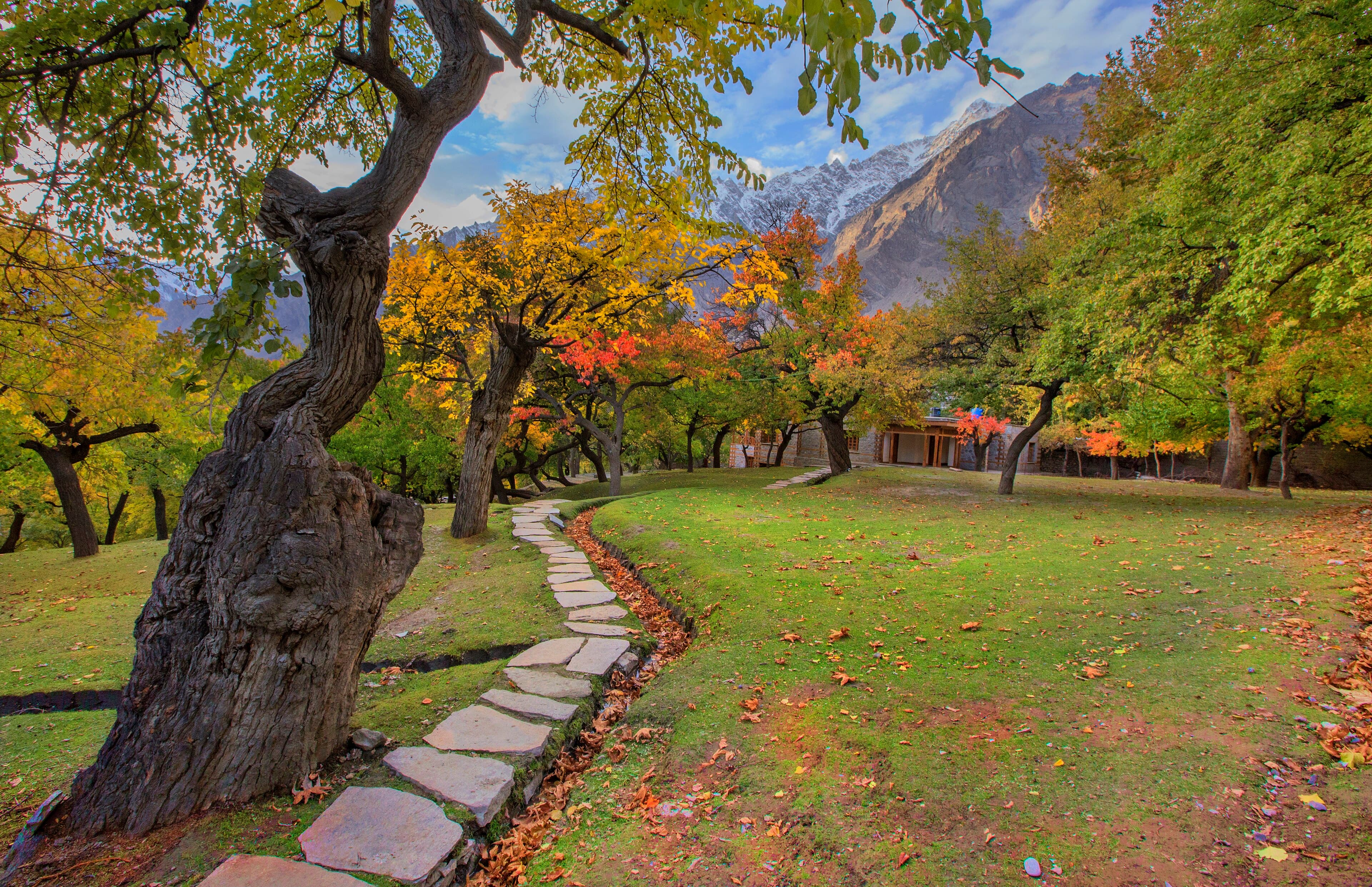
Summer travel here is measured in fruit. Cherries come first, from June, sold in paper bags at orchard gates in Hunza and Nagar; apricots follow in July and August in absurd abundance — Gilgit-Baltistan is one of the world's great apricot landscapes, and entire villages turn to picking, eating and drying them. Mulberries, peaches, apples and grapes each take their turn through late summer.
Eat the way locals do: fresh off the tree where invited, dried from last season by the handful, and apricot kernels cracked like almonds. Roadside stalls along the Karakoram Highway between Gilgit and Gulmit sell whatever ripened that week, and no packaged snack you brought from home will survive the comparison.
The harvest also feeds the table culture that makes Hunza and Baltistan memorable: apricot-oil dressings, fruit soups, walnut-and-mulberry pastes and the unhurried hospitality of kitchens that have just brought a season's food in from the fields.
Summer climate, honestly: rain shadow, heat and landslide season
The climate headline is that the Karakoram's wall blocks most of the South Asian monsoon, so while Lahore and Islamabad steam through July, Gilgit-Baltistan's valleys stay largely dry with day after day of hard blue sky. But nuance matters: Skardu and Gilgit get genuinely warm on summer afternoons, while Karimabad at around 2,500 metres stays milder, and evenings everywhere are pleasant.
The monsoon's edge still reaches in as instability. July and August are landslide season on the Karakoram Highway and its side roads — cloudbursts and meltwater can drop rock onto the road, closing sections for hours or occasionally days while crews clear them. Nanga Parbat's Diamer flank, closest to the monsoon, sees the most weather of all.
None of this should cancel a summer trip; it should shape it. Keep a buffer day before any flight home, treat road timings as estimates, and travel with operators who hear about closures in real time. The same meltwater that loosens slopes is what fills Attabad turquoise and sends the rivers thundering — it is all one system, and it is magnificent.
Dodging the crowds and using the long days
July and August bring Pakistan's domestic holiday wave, concentrated on a handful of spots: Attabad's jetty, Karimabad's bazaar, Fairy Meadows and the Babusar road on weekends. The fix is rhythm, not avoidance. Do the famous places at dawn — Attabad at 7 a.m. is a different planet from Attabad at noon — and spend the middle of the day in places the crowds never reach.
Whole districts stay quiet all summer. Ghizer's river-laced valleys around Phander and Yasin, Baltistan's Khaplu and the Hushe road, upper Gojal beyond Passu, and the Astore Valley toward Rama Lake absorb visitors without ever feeling busy. June and the first half of September deliver the full summer experience — open passes, green valleys, running boats — at a fraction of the density. Two of our own favourite quiet summer trips, the Gasho Lake trek above Gilgit and the Khukush Lake trek beyond Phander, sit in exactly this country.
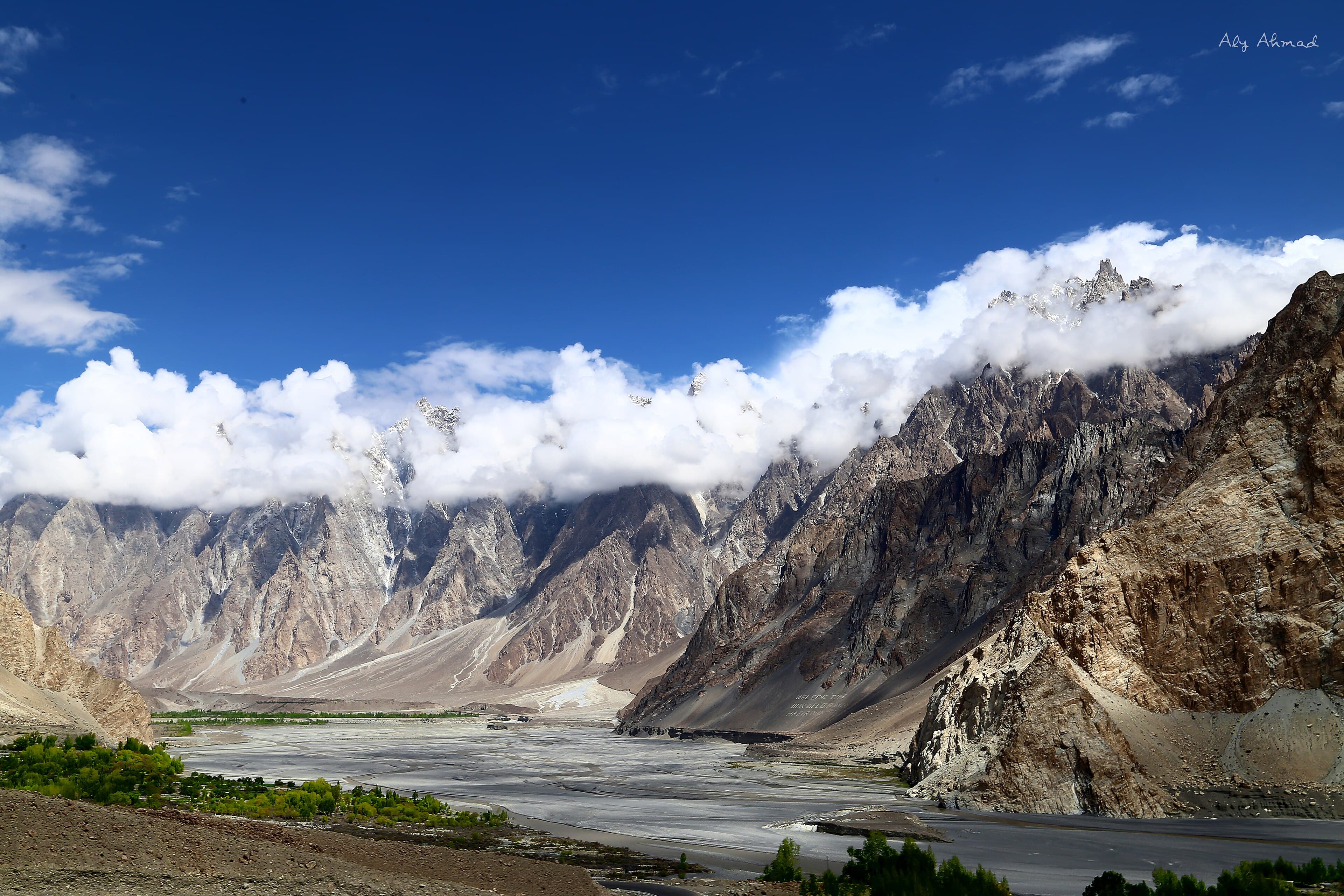
Then exploit the daylight: summer gives you usable light from before 5 a.m. to after 7 p.m. A realistic single day can hold a sunrise at Duikar, a morning walk in Altit, an afternoon boat at Attabad and dinner under the Passu Cones — distances that would feel rushed in November fit easily inside a June day.
Questions, answered
Is summer the best time to visit Gilgit-Baltistan?
It's the most complete time: June–August is the only window when every pass, trek and plateau — Khunjerab, Babusar, Deosai, Shandur, the Baltoro — is open at once. The trade-off is domestic-tourism crowds at famous spots in July and August, which you can dodge with early starts and quieter valleys.
When is the Shandur Polo Festival?
In July, on the Shandur Pass between Ghizer and Chitral, with exact dates announced each year. Teams from Gilgit and Chitral play freestyle mountain polo at roughly 3,700 metres on what is celebrated as the world's highest polo ground, surrounded by a temporary tent city of spectators.
When can you visit Deosai National Park?
Roughly late June to September, once the snow clears from the 4,100-metre plateau. July is the wildflower peak, and it's the best season for spotting Himalayan brown bears, especially in the early morning. Nights are cold even in August, so pack warm layers and ideally camp near Sheosar Lake.
Does Gilgit-Baltistan get the monsoon in summer?
Mostly no — the Karakoram blocks the bulk of the monsoon, so valley summers are largely dry and clear. But the monsoon's edge brings instability: July and August are landslide season on the Karakoram Highway and side roads, so build a buffer day into your itinerary.
How crowded is Hunza in July and August?
The famous spots — Attabad Lake, Karimabad bazaar, Fairy Meadows — get genuinely busy with domestic tourists, especially on weekends. The mountains absorb it easily: go early in the day, stay in villages rather than hubs, and explore Ghizer, Khaplu, upper Gojal or Astore, which stay quiet all summer.