The Himalayan brown bear
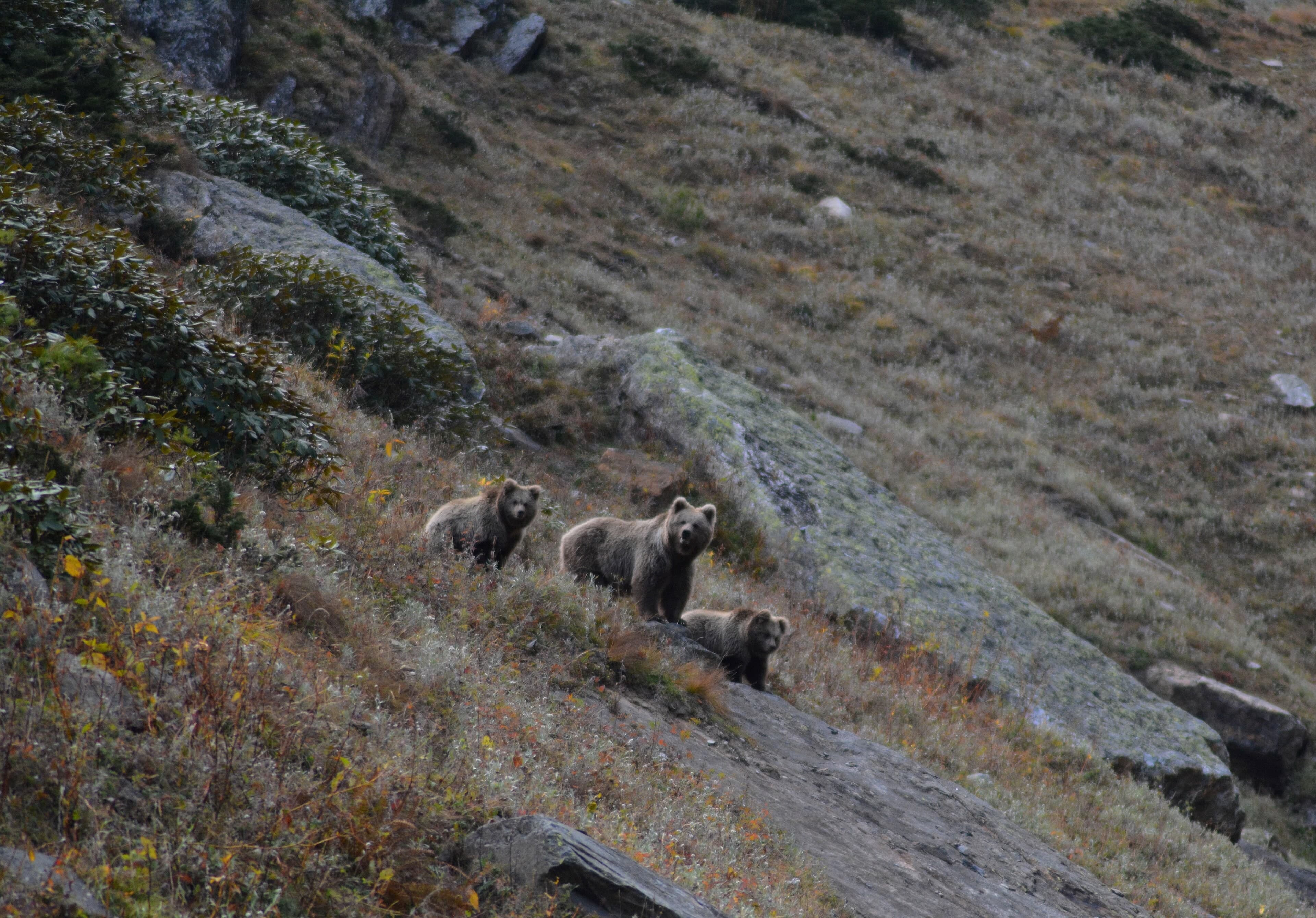
The Himalayan brown bear (Ursus arctos isabellinus) is the brown bear of the high mountains of northern Pakistan and the western Himalaya. Its coat is sandy or reddish-brown. Males measure 1.5 to 2.2 metres in length, and females are smaller.
The bears sleep through the winter. They go into their dens around October and come out in April or May, so the short summer is the only time anyone sees them. In Pakistan the animal is classed as critically endangered, which is why the bears of one plateau matter so much.
Why Deosai National Park is the place
Deosai National Park is a treeless plateau south of Skardu with an average height of 4,114 metres. It was declared a national park in 1993, mainly to protect the brown bear. Only 19 bears were counted that year. Recent surveys put the number between 60 and 80.
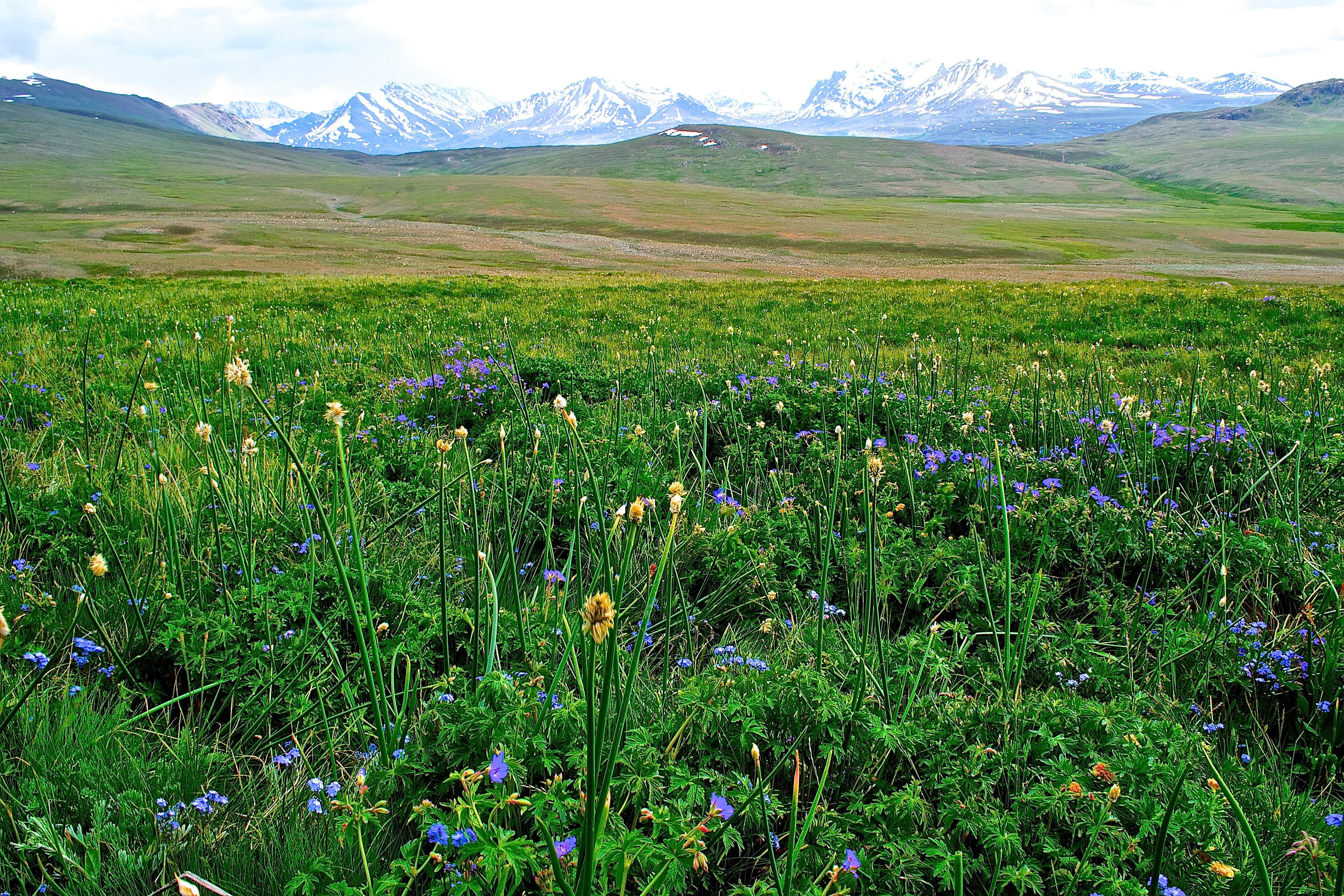
Deosai National ParkThe Land of Giants: a rolling world above 4,000 metres
Photo: Akhtar Hussain Samoo · CC BY-SA 3.0That recovery is why a patient visitor now has a real chance of a sighting. It is a chance and not a promise. The plateau is vast and the bears are few, so give it time.
When and where to look for bears in Deosai
The park is open from roughly late June to September, and July and August are the best months. The snow has gone, the wildflowers are out and the bears feed in the wet meadows beside the streams. Go at dawn or dusk and scan from the track with binoculars. The area around Bara Pani and the river bridges is where our guides begin.
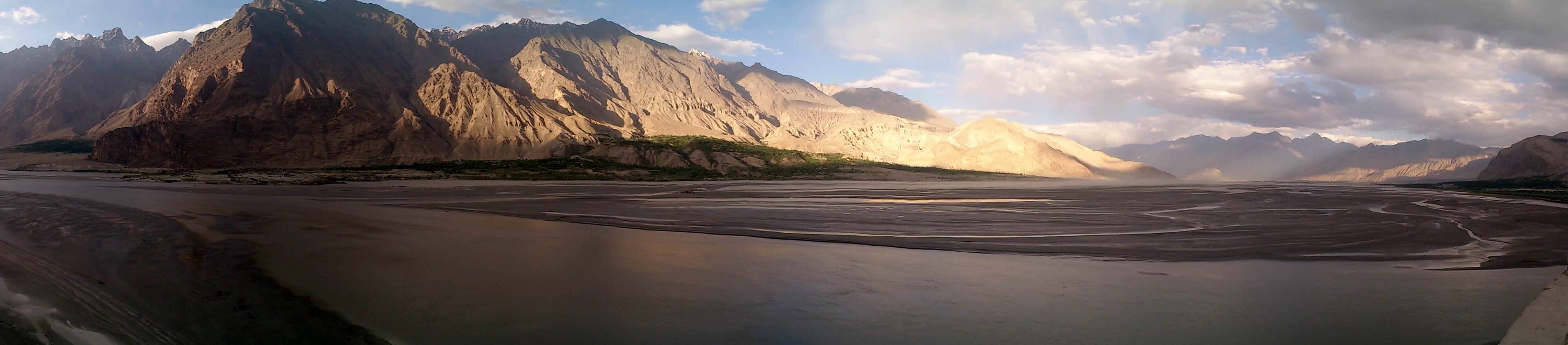
SkarduThe basecamp town for the greatest mountains on earth
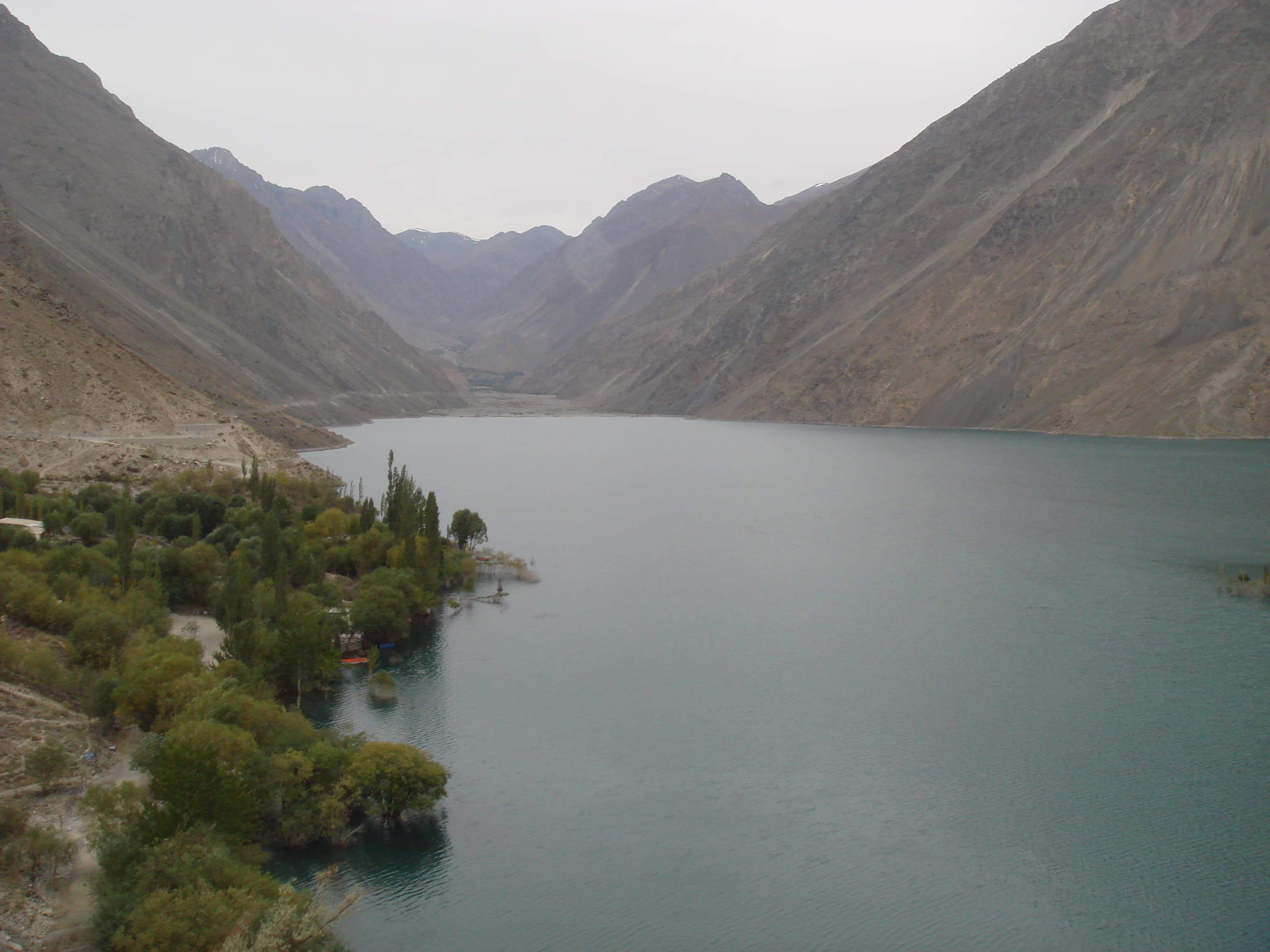
Photo: Sabawun · CC BY-SA 4.0A night at the Bara Pani camps gives you both the evening and the early morning on the plateau, which a day trip from Skardu does not. The drive up is by 4x4 on the road past Satpara Lake and takes about 1.5 to 2 hours to the park gate.
By late September the grass has turned gold and the bears are getting ready for their winter sleep. From about October the plateau is closed by snow.
How to watch a bear safely
A brown bear is a large wild animal and should be treated as one. Watch from a distance with binoculars or a long lens, let your guide choose the viewing spot, and never walk towards a bear for a closer photograph. Do not feed any animal in the park.
While you wait you will have company. Golden marmots stand at their burrows all over the plateau, and Deosai is home to more than 120 species of birds. Our wildlife of Gilgit-Baltistan guide covers the other animals of the region, and the summer guide shows how Deosai fits into a July or August trip.