Ten lives, one slope
The avalanche that swept Broad Peak on 30 July 2026 took ten climbers, and it is right to say all of their names: Nirmal Purja, Sohail Sakhi, Nadhira Al Harthy, Mallory Geis, Wang Zhong, Pur Bahadur Gurung, Kili Pemba Sherpa, Nima Sherpa, Nawang Thindu Sherpa and Gyalu Sherpa. Between them they represented five nations and every stratum of modern mountaineering, from the most famous climber of his era to a woman on her first 8,000-metre expedition.
For this website — written from the valleys of Gilgit-Baltistan — two of those lives sit especially close to home. Nirmal 'Nimsdai' Purja had made the Karakoram the stage for his greatest achievements, including the first winter ascent of K2. And Sohail Sakhi was one of our own: a son of Hunza, a guide, an entrepreneur, and one of the most promising Pakistani mountaineers of his generation.
What follows is a tribute, not an accident report — the factual account of the avalanche and recovery is told in our companion article. Here, we want to remember who these people were.
Sohail Sakhi: a son of Hunza
Sohail Sakhi, 33, was born and raised in the Hunza Valley. He trained as a physicist, but the mountains had a prior claim: his father, a well-known local tour guide, died when Sohail was still a teenaged student, and after completing his education Sohail stepped into the world his father had worked in — first with a hotel in Aliabad, then as a guide, and eventually with his own expedition company, Moving Mountains, and a hand in founding Hostel Nomads in Hunza.
His climbing record, built in barely a decade, put him in the front rank of Pakistani mountaineering: two summits of K2, one of them without supplemental oxygen; Nanga Parbat without oxygen; Gasherbrum I and II without oxygen; and, most recently, Kanchenjunga without oxygen. In an era when bottled oxygen has become standard on the 8,000ers, Sakhi belonged to the small company of climbers doing it the hard way.
On Broad Peak he was working — guiding the American climber Mallory Geis on her first eight-thousander. They died together, guide and client, and were mourned together.
What Sohail was building
What set Sakhi apart was not only what he climbed but what he was trying to change. He spoke of democratizing Pakistani mountaineering: training local children in high-altitude skills, building homegrown expedition companies, and creating a future in which Pakistanis led on their own mountains rather than serving as support staff for foreign-run operations.
That vision places him in a lineage this site has written about before — from Amir Mehdi, the Hunza porter whose sacrifice enabled K2's first ascent and who waited half a century for recognition, to Ali and Sajid Sadpara of Baltistan. Sakhi represented the next chapter: the local climber as company founder, brand-builder and mentor, not just summiteer.
The manner of his homecoming told its own story. When official recovery efforts could not reach him, three volunteers from Tissar village in the Shigar Valley — Muhammad Nadeem, Muhammad Bashir and Abuzar — went up on their own initiative, found him, and carried him down from Camp 1 to Base Camp on 13 August. Hunza buried a son brought home by Baltistan. That is the mountain community of northern Pakistan, in a single act.
Nirmal 'Nimsdai' Purja: the man who moved the limits
Nirmal Purja, 43, was the most famous mountaineer of his generation. Born in Nepal, he joined the British Army's Brigade of Gurkhas at 18, and in 2009 became the first Gurkha ever selected for the Royal Navy's Special Boat Service, serving as a cold-weather warfare specialist. In 2018 he left a sixteen-year military career — walking away from his pension and remortgaging his house — to attempt something the climbing establishment considered absurd.
The result was Project Possible: all fourteen of the world's 8,000-metre peaks in six months and six days, obliterating the previous record of nearly eight years. The Netflix film '14 Peaks: Nothing Is Impossible' carried the story to an audience far beyond mountaineering. In January 2021 he returned to the Karakoram and, with Mingma Gyalje Sherpa, co-led the all-Nepali team that made the first winter ascent of K2 — the last great prize in high-altitude climbing, claimed at last for Nepal.
When he died, Purja was pursuing yet another frontier: to become the first person to climb all fourteen 8,000ers three times, and all fourteen twice without supplemental oxygen. Among the tributes, Prince William's stood out, honouring his 'relentless pursuit of what seemed impossible, combined with his humility and selflessness'. Nepal's leadership said the climbers' courage would continue to inspire the country.
The eight who climbed beside them
Nadhira Al Harthy of Oman made history in 2019 as the first Omani woman to summit Everest, and went on to climb K2 and Manaslu — a pioneering figure for Arab women in mountaineering, mourned officially by her country. Mallory Geis of the United States was at the other end of the climbing life: her first 8,000-metre expedition, undertaken with a trusted guide, full of the ambition every climber recognises. Wang Zhong of China climbed with them.
The five Nepali climbers embodied the professional backbone of modern Himalayan mountaineering. Pur Bahadur 'Yukta' Gurung was an internationally certified mountain guide. Kili Pemba Sherpa had stood on K2 in winter in 2021 — a member of the ascent that made history. Nima Sherpa, Nawang Thindu Sherpa and Gyalu Sherpa worked as expedition guides, part of the community of Sherpa professionals on whose skill and strength the entire enterprise of 8,000-metre climbing rests.
Mountaineering's obituaries tend to organise themselves around fame, but an avalanche does not. Ten families in five countries carry the same grief, and this page records all ten names with the same respect.
What remains
Legacies in mountaineering are measured in the people left climbing. Purja's records may stand for decades, but his larger legacy is the generation of Nepali climbers who now lead, guide and summit under their own names and their own flags. Sakhi's company, his hostel, and the young Hunza climbers he trained are his — the infrastructure of a Pakistani mountaineering that he did not live to see mature, but that he made more likely.
For visitors to Gilgit-Baltistan, the most fitting tribute is understanding. When you drink tea with a guide in Skardu or Karimabad, you are sitting with the same community these men and women came from; when your trek employs local guides and porters at fair wages, you are funding the world Sakhi was trying to build. Our guide to hiring ethically in Baltistan explains how.
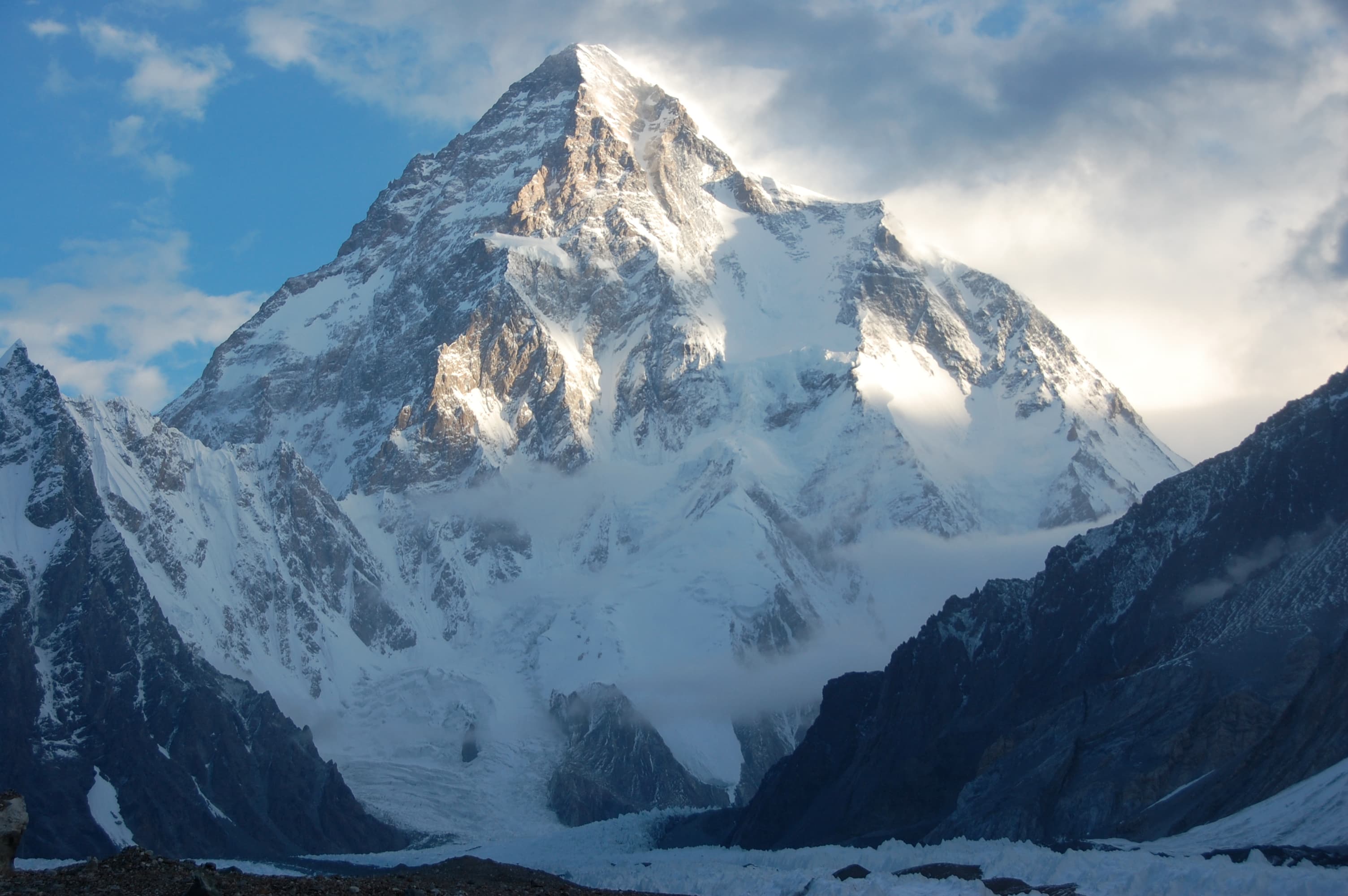
And if your path takes you up the Baltoro to Concordia, you will stand beneath Broad Peak itself. Pause there. The mountain holds the names of the ten now, as K2 across the glacier holds Ali Sadpara's. The Karakoram keeps a long memorial, and it asks of visitors only what it asks of climbers: respect.
Questions, answered
Who was Sohail Sakhi?
Sohail Sakhi was a 33-year-old professional mountaineer, guide and expedition company founder from the Hunza Valley, Pakistan. He summited K2 twice — once without supplemental oxygen — plus Nanga Parbat, Gasherbrum I and II, and Kanchenjunga without oxygen, and worked to train young Pakistani climbers. He died in the Broad Peak avalanche on 30 July 2026 while guiding a client.
Who was Nirmal 'Nimsdai' Purja?
A Nepal-born former British Gurkha and Special Boat Service soldier who became the most famous mountaineer of his era. In 2019 he climbed all fourteen 8,000-metre peaks in 189 days — the story told in Netflix's '14 Peaks' — and in 2021 co-led the first winter ascent of K2. He died leading the Broad Peak expedition on 30 July 2026, aged 43.
How was Sohail Sakhi's body recovered?
After official recovery efforts could not reach him, three local volunteers from Tissar village in the Shigar Valley — Muhammad Nadeem, Muhammad Bashir and Abuzar — climbed on their own initiative, located him, and carried him down from Camp 1 to Base Camp on 13 August 2026.
Who else died in the 2026 Broad Peak avalanche?
Alongside Purja and Sakhi: Nadhira Al Harthy of Oman, the first Omani woman to summit Everest; American climber Mallory Geis; Chinese climber Wang Zhong; and Nepali climbers Pur Bahadur Gurung, Kili Pemba Sherpa (a first-winter-K2 veteran), Nima Sherpa, Nawang Thindu Sherpa and Gyalu Sherpa.