The morning the mountain moved
At around 9:30 on the morning of 30 July 2026, an avalanche released on the upper slopes of Broad Peak, the 8,051-metre mountain that stands across the Godwin-Austen Glacier from K2 in Pakistan's Karakoram. It struck a ten-member international expedition on the slope between Camp 2 and Camp 3, at roughly 6,600 metres, and swept the entire team down the mountain.
The party was one of the most experienced ever assembled on the peak. It was led by Nirmal 'Nimsdai' Purja — the Nepal-born, British-based mountaineer who in 2019 climbed all fourteen of the world's 8,000-metre peaks in 189 days — and included seven Nepali climbers, an American, a Chinese climber, Oman's most celebrated female mountaineer, and Sohail Sakhi, a rising professional climber and expedition operator from the Hunza Valley.
Satellite trackers carried by the team recorded the violence of the event: Purja's device showed a fall of roughly 800 metres, and Nadhira Al Harthy's tracker indicated a fall nearly to the base of the mountain. On 1 August, after two days of aerial and ground searching, Purja's expedition company confirmed that all ten climbers had died. It is widely described as the deadliest single incident in Broad Peak's climbing history.
Who was on the mountain
The ten climbers were: Nirmal 'Nimsdai' Purja (Nepal-born, UK), the expedition leader; Sohail Sakhi (Pakistan), the professional climber and guide from Hunza; Nadhira Al Harthy (Oman), who in 2019 became the first Omani woman to summit Everest and had since climbed K2 and Manaslu; Mallory Geis (USA), on her first 8,000-metre expedition; Wang Zhong (China); and five Nepali climbers — Pur Bahadur 'Yukta' Gurung, an internationally certified mountain guide; Kili Pemba Sherpa, a veteran of the historic 2021 first winter ascent of K2; and Nima Sherpa, Nawang Thindu Sherpa and Gyalu Sherpa, all working as expedition guides.
The expedition had entered Skardu District in late June to attempt Broad Peak, working through registered Pakistani operators alongside Purja's own expedition company. Sakhi was guiding Geis on what was to be her first eight-thousander — a pairing of one of Pakistan's most promising young professionals with a climber at the start of her high-altitude career.
That the group spanned elite record-holders, certified guides and a first-time 8,000-metre client is part of what has made the tragedy resonate so widely: on a slope-scale avalanche, experience offered no protection. The strongest climbers of their generation were taken alongside the newest.
The conditions in the weeks before
The Karakoram's 2026 summer season had been unsettled. A major windstorm hit the region in mid-July, and high winds with elevated humidity persisted through the end of the month — conditions associated with wind-loaded, unstable fresh snow on the high slopes.
Other climbers on Broad Peak had already been turned back. In the days around 19 July, at least two independent mountaineers reported abandoning summit attempts below the top because of poor snow conditions.
Avalanche forecasting at extreme altitude remains far cruder than in the Alps or North America — there are no avalanche bulletins for the Karakoram's 8,000-metre faces, and teams must judge slope stability from experience, recent weather and what the mountain shows them. That uncertainty, and what it means for expedition decision-making, has been at the centre of the mountaineering community's discussion since the accident.
The search: 30 July to 1 August
The alarm was raised on 30 July when the climbers' satellite trackers registered sudden falls and contact was lost. By the following morning, two helicopters were flying search patterns over the avalanche path while ground teams pushed up from Camp 1, and a drone located bodies in the debris field — though identities could not initially be confirmed from the air.
On 31 July, the Alpine Club of Pakistan confirmed the first three deaths: Nadhira Al Harthy, Pur Bahadur Gurung and Mallory Geis, whose bodies were recovered from the debris opposite Base Camp and flown out by Pakistan Army helicopter. Weather repeatedly interrupted the operation, forcing suspensions.
On 1 August, with the trackers silent and the debris field surveyed, Purja's company announced that all ten climbers had died. Condolences followed from around the world — from the Government of Pakistan and the Government of Gilgit-Baltistan, from Nepal's leadership, from Oman's Foreign Ministry in tribute to Al Harthy, and from Prince William, who honoured Purja's 'relentless pursuit of what seemed impossible, combined with his humility and selflessness'.
The recovery effort — and the climbers who stopped their own expeditions
What followed was one of the largest recovery operations the Karakoram has seen. On 2 August, a joint Nepali-Pakistani ground team recovered the bodies of Purja, Wang Zhong, Nima Sherpa and Kili Pemba Sherpa from roughly 5,700 metres. By 6 August, seven of the ten had been brought down, with the Pakistan Army, the Alpine Club of Pakistan, local authorities and foreign missions coordinating the effort.
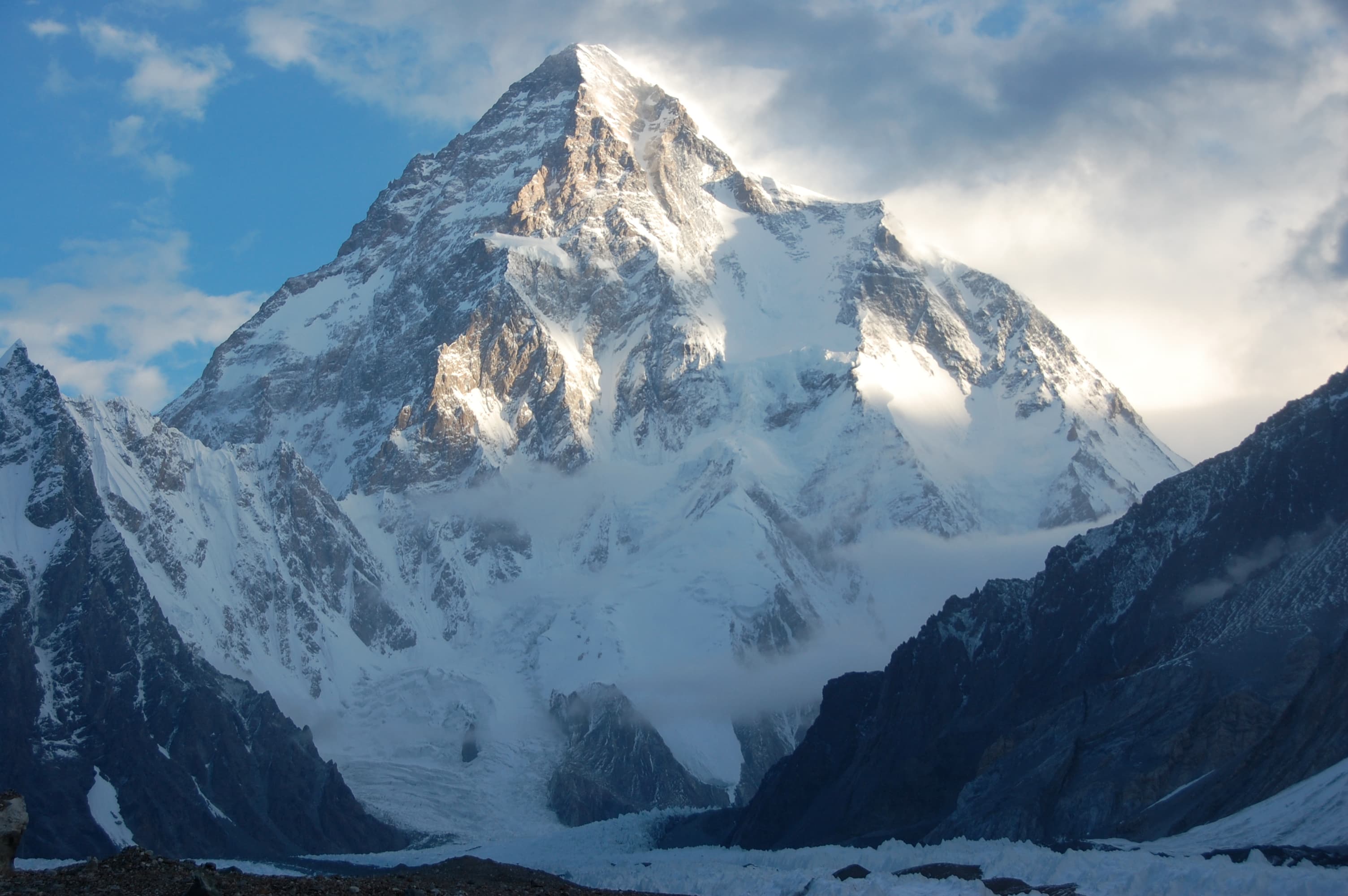
One of the most striking aspects of those days was the response from the neighbouring mountain: most expeditions on K2 suspended their own summit attempts to help with the search and recovery — teams giving up weather windows they had spent months and small fortunes preparing for.
On 13 August, Sohail Sakhi's body was located and recovered — not by an official team, but by three local volunteers from the Shigar Valley, Muhammad Nadeem, Muhammad Bashir and Abuzar of Tissar village, who set out on their own initiative and carried him down from Camp 1 to Base Camp. At the time of writing, the remains of Nawang Thindu Sherpa lie in terrain judged too dangerous to reach, a grief the Karakoram has imposed on families before.
What this means — and does not mean — for visitors to Baltistan
It is natural to ask what a tragedy like this means for travel to the region. The honest answer is that it changes nothing about the safety of visiting Skardu, the Shigar Valley or the trekking routes: the avalanche occurred at 6,600 metres on an 8,000-metre climbing route, a world away in risk terms from the valleys, and even from the K2 Base Camp trek, which is a walk on the glacier below and does not set foot on avalanche-exposed climbing terrain of this kind.
What the tragedy does illuminate is the depth of the bond between Baltistan's communities and the mountains above them. The volunteers from Tissar who brought Sohail Sakhi home, the porters and guides who joined the search, the expeditions that abandoned their summits — this is the culture that trekkers encounter in Skardu, Shigar and Hushe, and it is worth understanding before you come.
Our related guides tell the longer story: the mountaineers of Baltistan, from Ali Sadpara to the porter legends; the history of Karakoram climbing; and the Baltoro trek that lets a fit walker stand at Concordia and see Broad Peak with their own eyes — a view that now carries one more layer of meaning.
Questions, answered
What happened on Broad Peak in 2026?
On the morning of 30 July 2026, an avalanche struck a ten-member expedition between Camp 2 and Camp 3 on Broad Peak, at about 6,600 metres, sweeping the whole team down the mountain. All ten climbers died, and it is considered the deadliest single incident in the peak's climbing history.
Who died in the Broad Peak avalanche?
Expedition leader Nirmal 'Nimsdai' Purja, Pakistani climber Sohail Sakhi of Hunza, Omani mountaineer Nadhira Al Harthy, American climber Mallory Geis, Chinese climber Wang Zhong, and Nepali climbers Pur Bahadur Gurung, Kili Pemba Sherpa, Nima Sherpa, Nawang Thindu Sherpa and Gyalu Sherpa.
Were the climbers' bodies recovered from Broad Peak?
Most were. Recovery teams — including Pakistan Army helicopters, a joint Nepali-Pakistani ground team and, in Sohail Sakhi's case, local volunteers from the Shigar Valley — brought down the majority of the climbers over the following two weeks. At the time of writing, one climber's remains lie in terrain considered too dangerous to reach.
Is it still safe to trek in Baltistan after the avalanche?
Yes. The avalanche occurred on high-altitude climbing terrain at 6,600 metres, far above anywhere trekkers go. The K2 Base Camp and Concordia trek follows the glacier valleys below and does not cross slopes of this kind; the valleys, Skardu and the standard trekking routes are unaffected.
Where is Broad Peak?
Broad Peak (8,051 m) is the world's twelfth-highest mountain, in the Karakoram range of Gilgit-Baltistan, Pakistan. It stands directly across the Godwin-Austen Glacier from K2, and trekkers on the Concordia route walk beneath it.