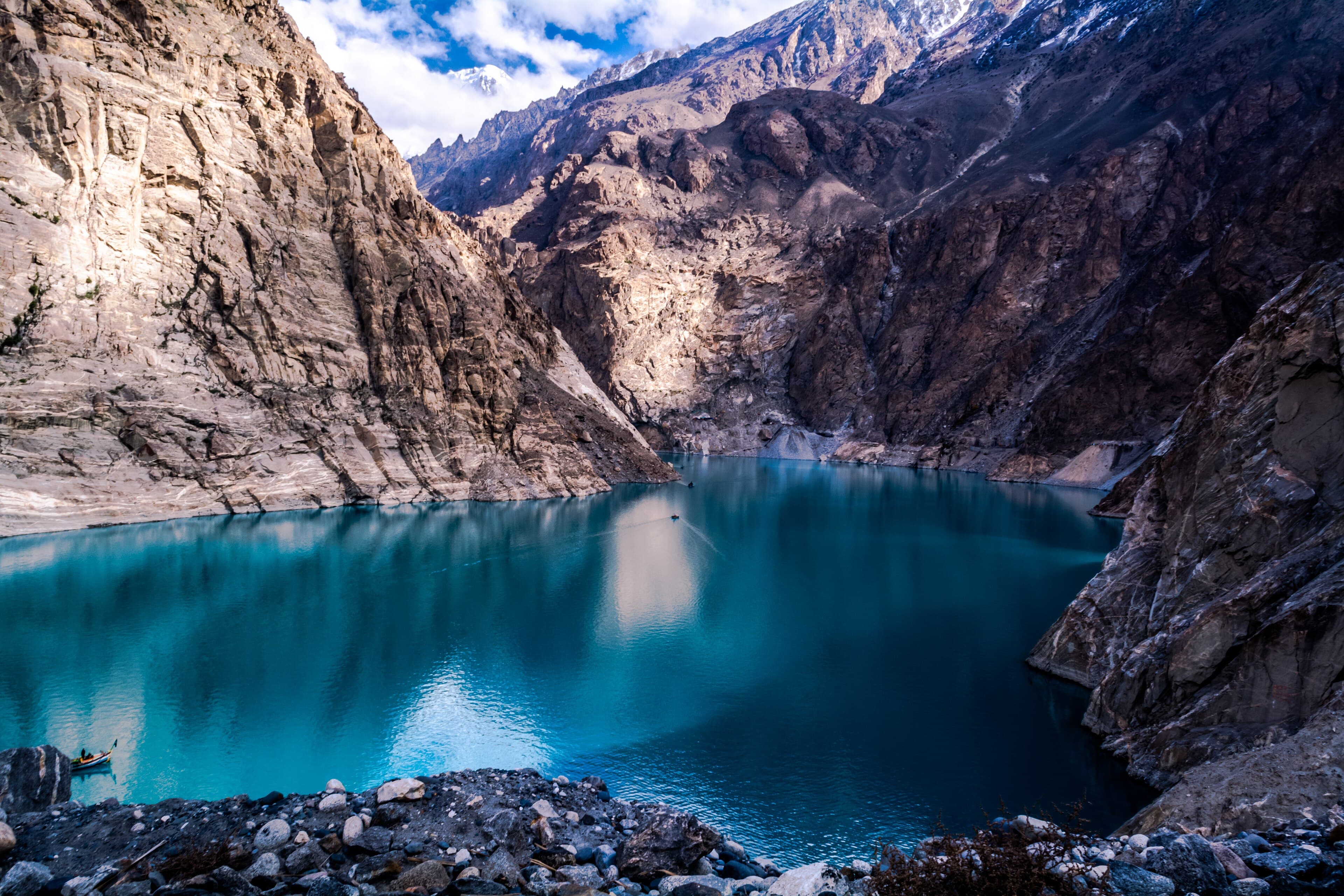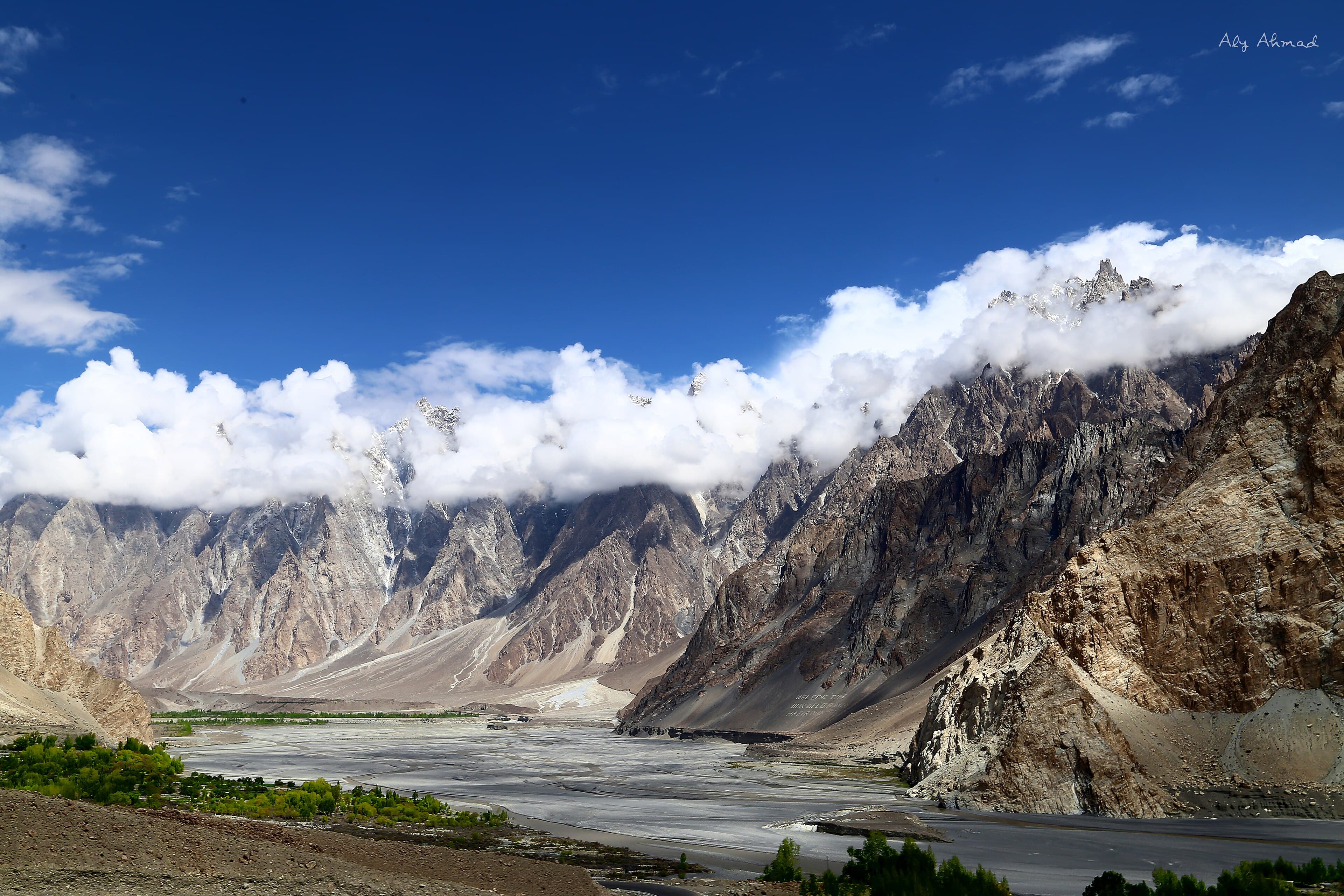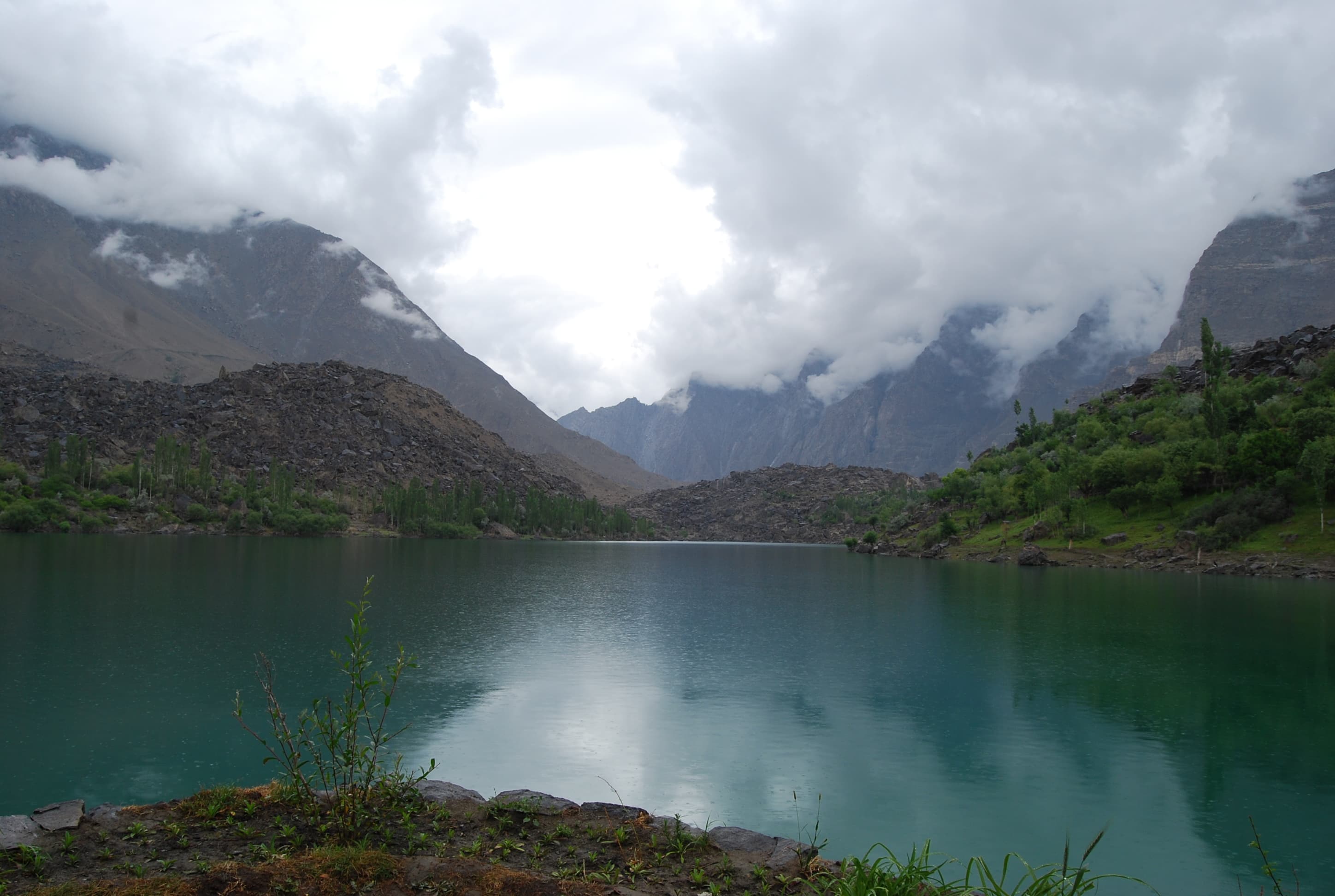
What actually happened in 2025
Two events dominated the year. In April 2025 an attack in Pahalgam — in Indian-administered Kashmir, on the far side of the Line of Control — was followed in May by a brief military exchange between India and Pakistan. Neither touched Gilgit-Baltistan's tourist valleys, but the headlines emptied them anyway: a GB government report covered by Samaa put the drop in arrivals at roughly 90% against 2024, a year that had seen more than 20,000 foreign visitors. Dawn reported local operators absorbing losses of $50,000–80,000 each.
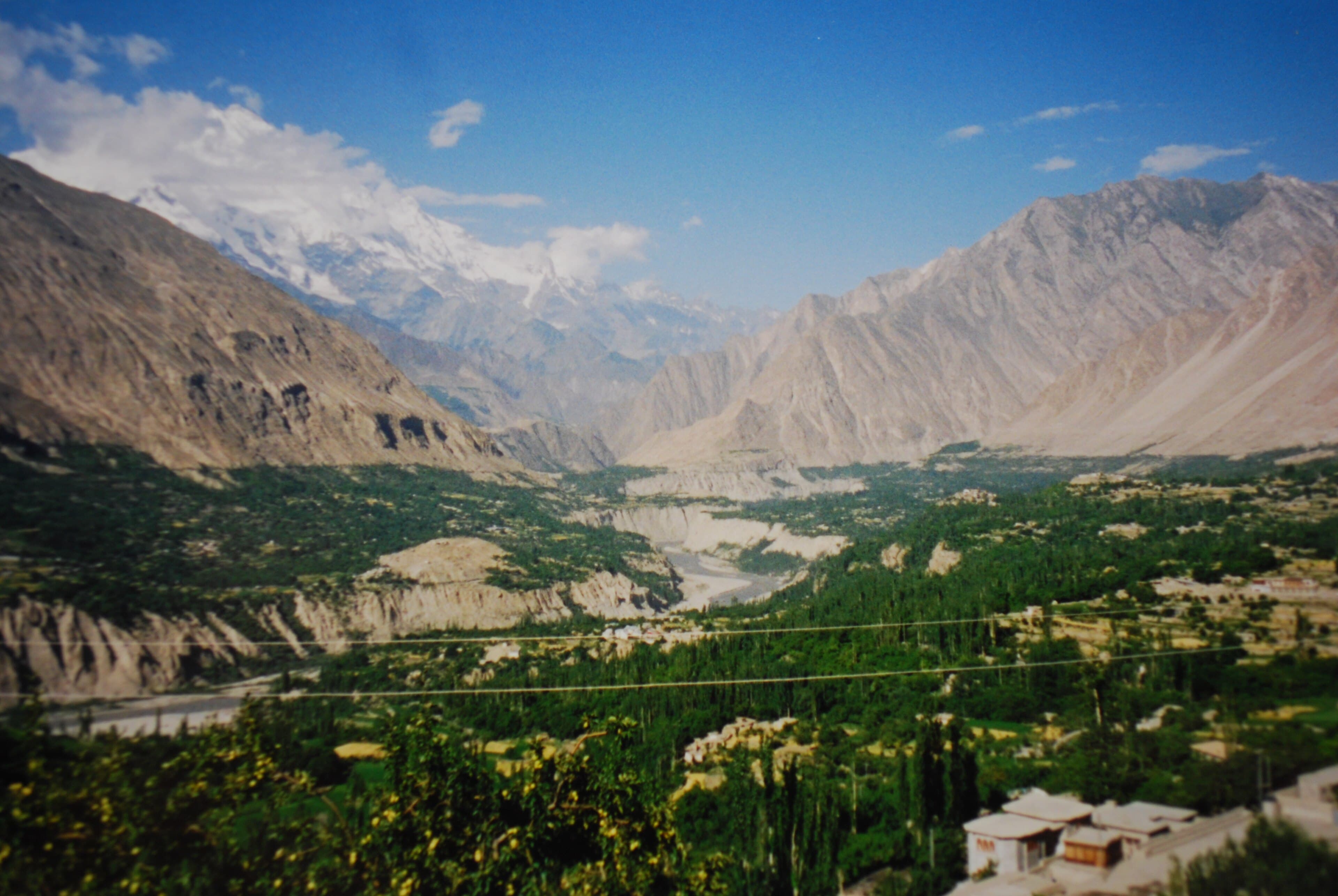
That collapse says more about perception than about conditions on the ground. One American traveler who stayed on in Karimabad through June 2025 wrote that the foreign tourists had all gone "because of the war" — while describing days of unhurried café visits and unfailing local warmth in a valley where nothing had actually happened.
Travel resumed quickly. Dutch motovlogger Noraly Schoenmaker — Itchy Boots, with millions of subscribers — rode the Karakoram Highway solo through Skardu and Hunza in August 2025, and Irish blogger Johnny Ward's group tour up the KKH and over the Khunjerab Pass ran as planned in June 2025.
What the travel press says about Gilgit-Baltistan
In January 2025, CNN Travel put Gilgit-Baltistan on its list of the top 25 places to visit in 2025 — coverage picked up by Arab News and Pakistan's own press — citing the concentration of five 8,000-metre peaks, including K2. National Geographic followed in October 2025, pointing to "improved security", free e-visas and better flight connections as the reasons its writers now recommend Karakoram treks to ordinary hikers.
Editors do not put a region on those lists casually. The consistent framing across recent coverage is not "is it safe?" but "go before everyone else does" — a marked shift from a decade ago, and one that matches what our guests tell us when they arrive.
The real risks: roads, altitude, weather
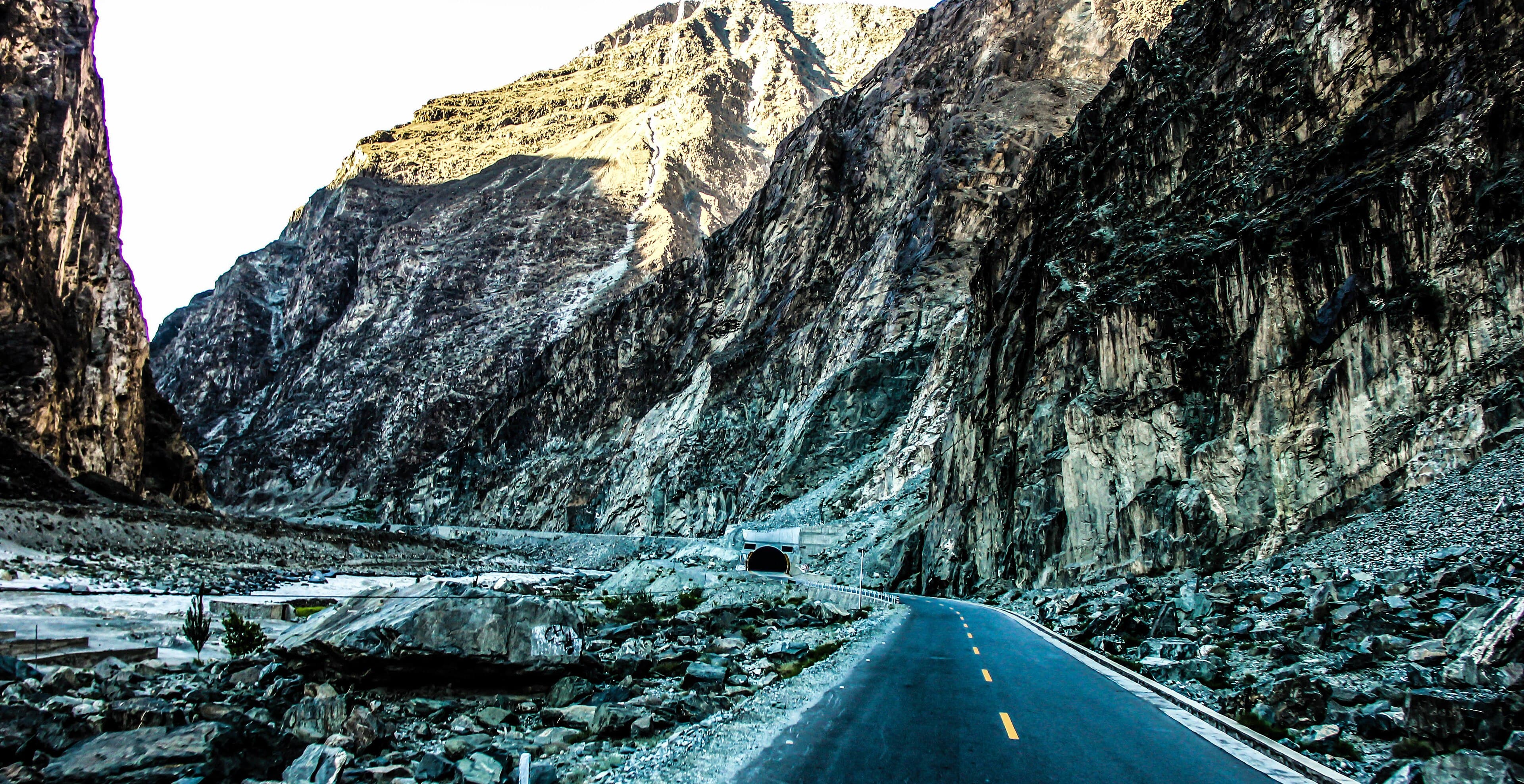
Honesty matters here, because Gilgit-Baltistan does carry risks — they are just different from the ones people imagine. The mountain roads come first. One Australian traveler's much-upvoted description of the Gilgit–Skardu road — "a solid 7–8 hours on a good day" through jaw-dropping scenery, with rockfall closures during snowmelt — is accurate. Landslides periodically close the Karakoram Highway, and dam construction adds delays. Build slack days into any itinerary.
Altitude is the second real risk. The Khunjerab Pass sits at 4,693 m and the Deosai plateau averages above 4,100 m — high enough for anyone to feel mountain sickness if they ascend too fast. Sleep low (Karimabad is about 2,500 m), take the high passes as day trips, and treat headaches seriously. Weather closes Babusar and Khunjerab in winter and cancels mountain flights in any season; our safety guide covers the practical playbook.
As for crime: violent crime against tourists in Hunza is vanishingly rare, and solo women travelers repeatedly single out the valley as the easiest place in Pakistan to travel — we cover that in detail in our answer for women travelers.
Checkpoints, escorts and the security routine
Expect routine passport checks at fixed checkpoints along the Karakoram Highway — a few minutes each, and your driver handles the choreography. In some districts police occasionally offer (or insist on) an escort for foreign travelers; one American who self-drove to the Chinese border in December 2025 described repeated checkpoint stops, offers of escorts, and officials who "go above and beyond" for visitors. It can feel like fuss; it is hospitality and caution, not a warning sign.
Registering your trip with your embassy, carrying passport copies, and travelling with a licensed local operator removes nearly all friction. On an organised tour, the checkpoints become thirty-second pauses and the logistics — permits, escorts where applicable, road-closure workarounds — are someone else's job.