The historic heart: Karimabad, Altit, Ganish and Duikar
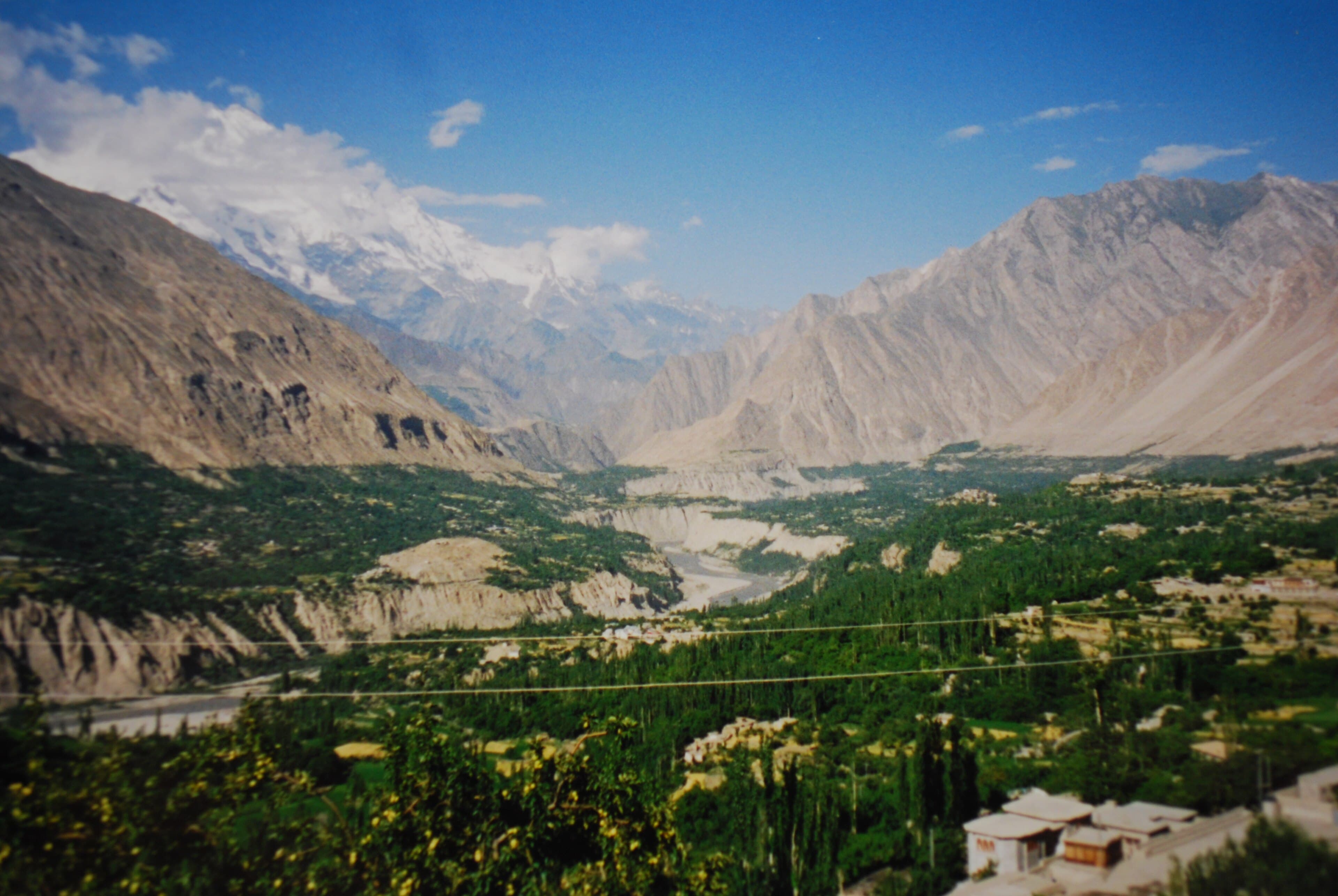
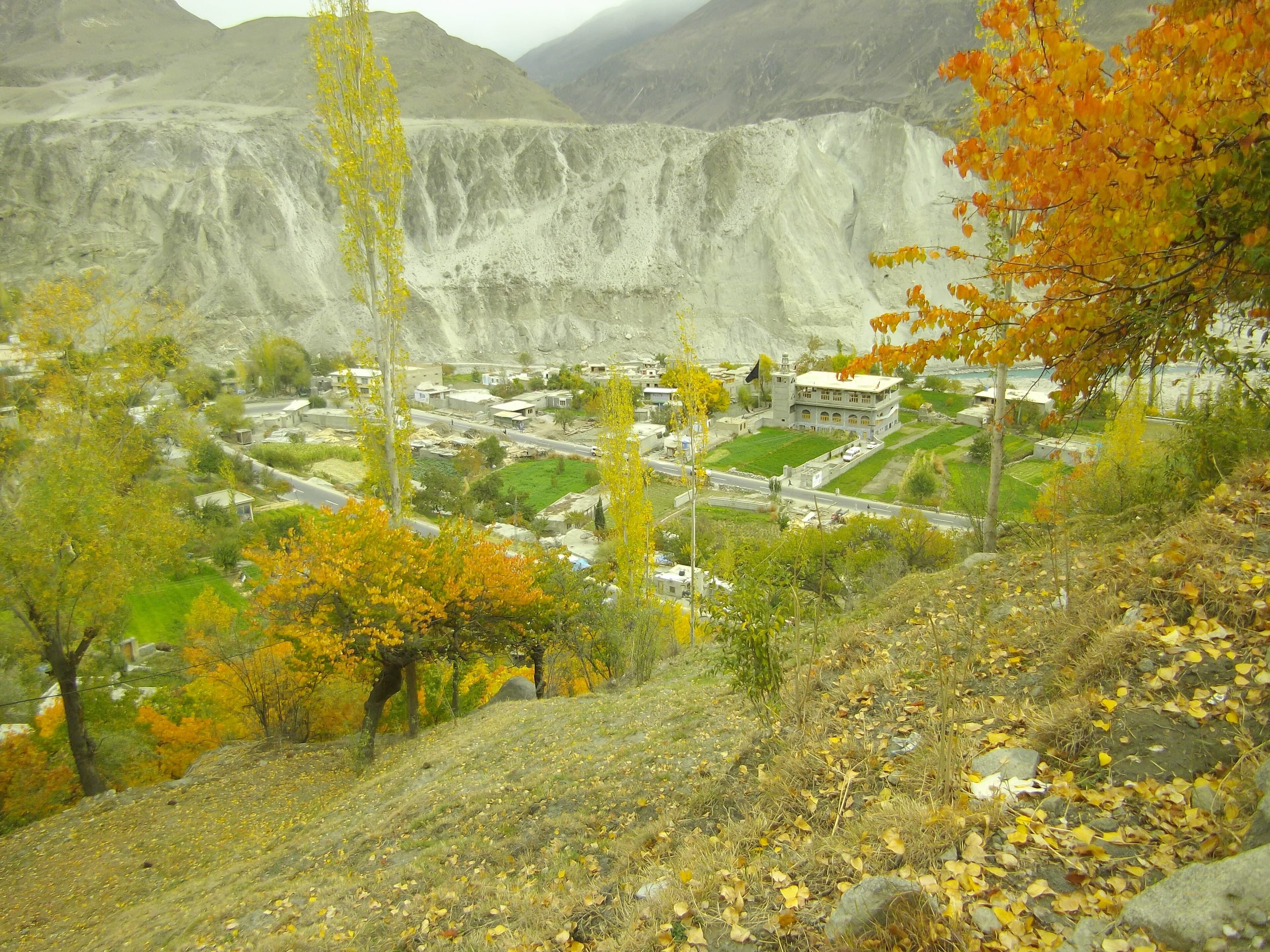
Karimabad is where everyone starts, and rightly: the old capital climbs the hillside in terraces of stone lanes and apricot orchards to 700-year-old Baltit Fort, with Rakaposhi filling the sky across the valley. Its bazaar is the valley's social hub — gemstone shops, woollen handicrafts, cafés serving walnut cake and apricot juice.
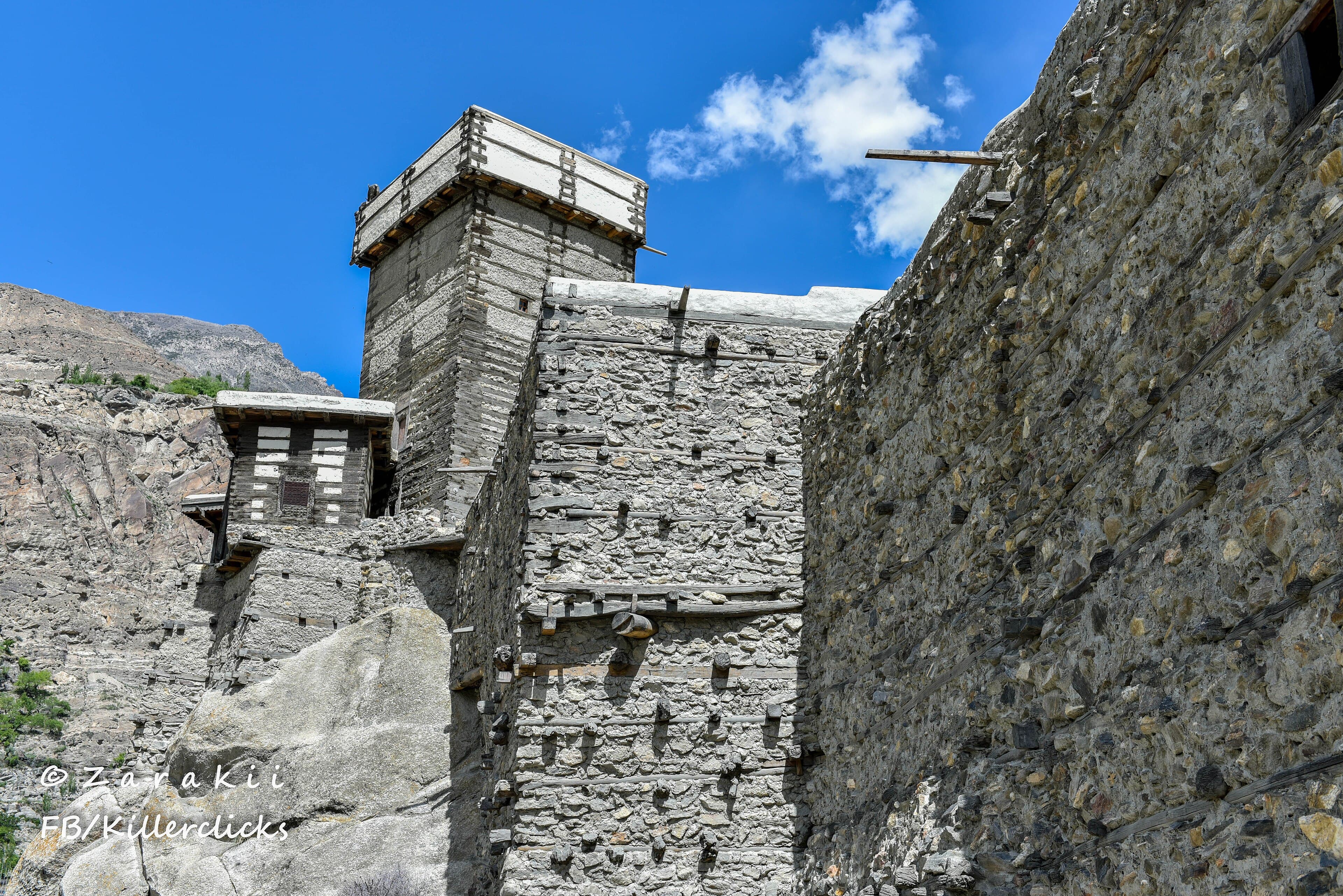
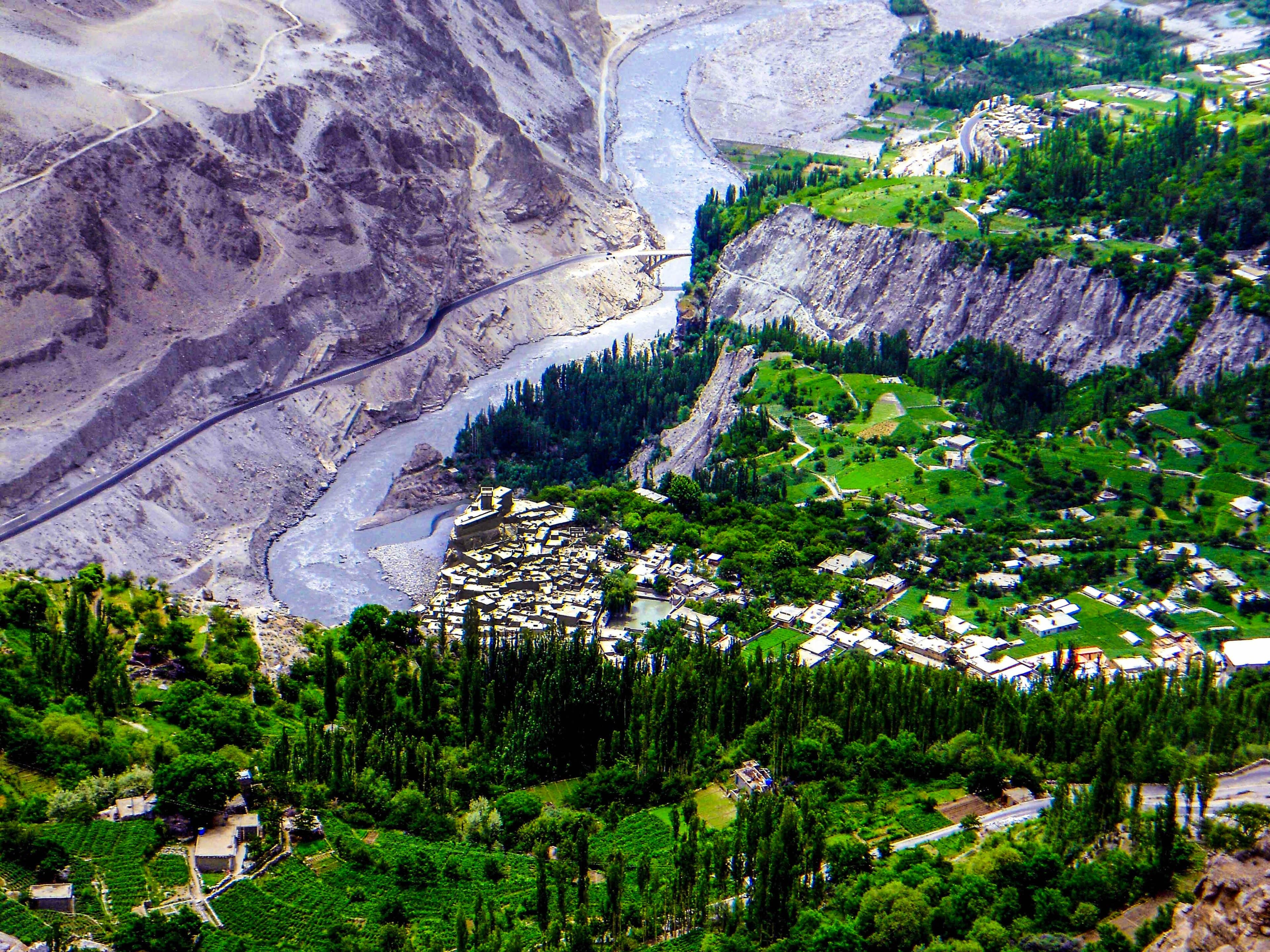
Ten minutes away, Altit is older still: its fort's watchtower has stood for roughly 1,100 years on a cliff directly above the Hunza River, and the surrounding old village, beautifully restored, is the best place in Hunza to walk lanes that predate almost everything else standing in Pakistan. Ganish, down on the old Silk Road crossing by the river, is different again — a compact fortified settlement of ancient watchtowers, a sacred pond and exquisitely carved wooden mosques, which has earned UNESCO Asia-Pacific heritage conservation awards.
Above it all sits Duikar, Hunza's highest village, a slow-pitched scatter of houses and orchards crowned by the Eagle's Nest viewpoint. Stay a night here rather than just driving up for sunset: dawn over Rakaposhi, Ultar Sar and Ladyfinger Peak from your guesthouse terrace is the single best argument for it.
Into Gojal: Gulmit and Passu
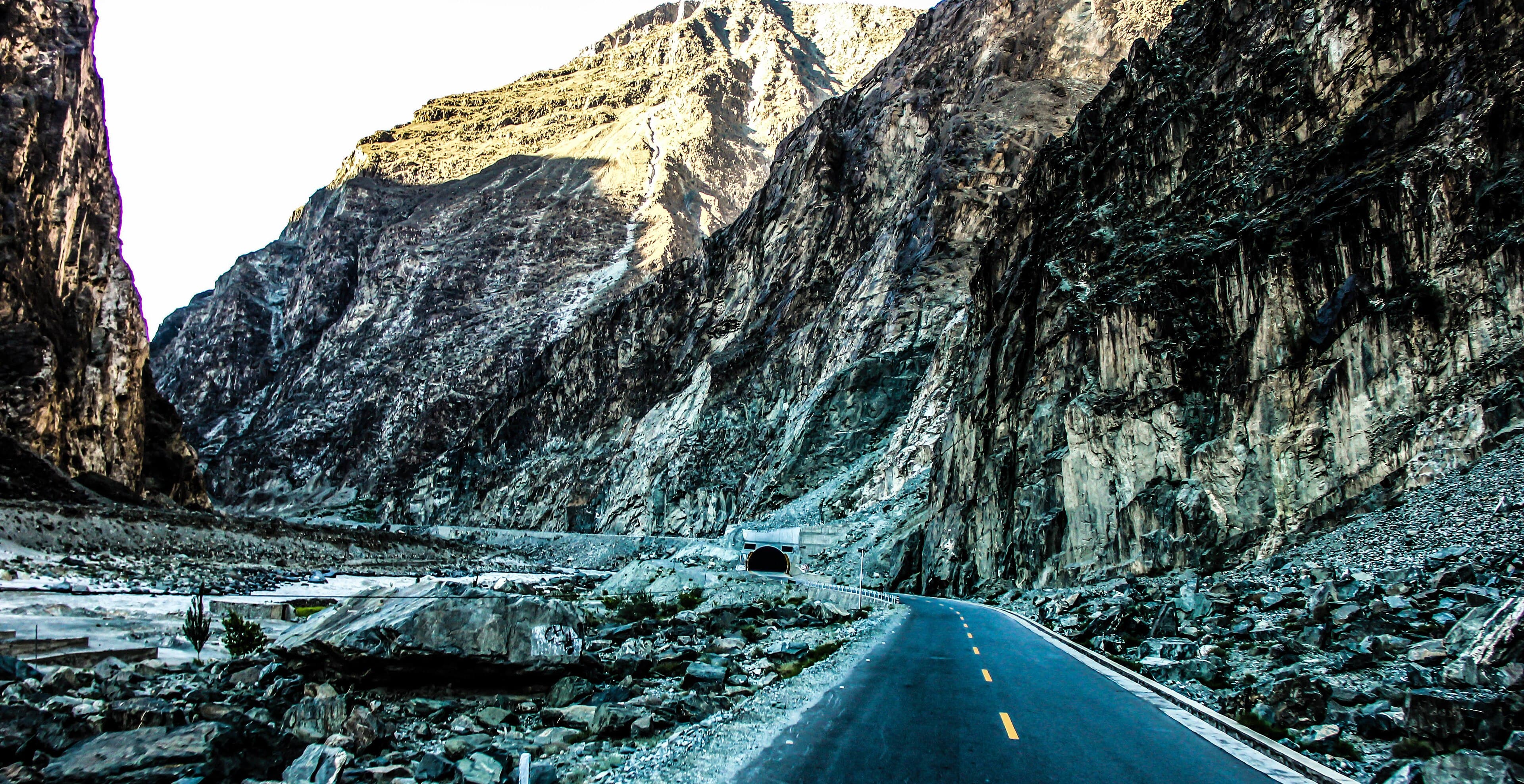
Through the Attabad tunnels the valley changes language and mood. Gulmit, Gojal's historic centre, is a Wakhi village of old houses, a polo ground, a carpet-weaving centre run by local women and a heritage music school keeping the old songs alive — give it an afternoon, not a photo stop.
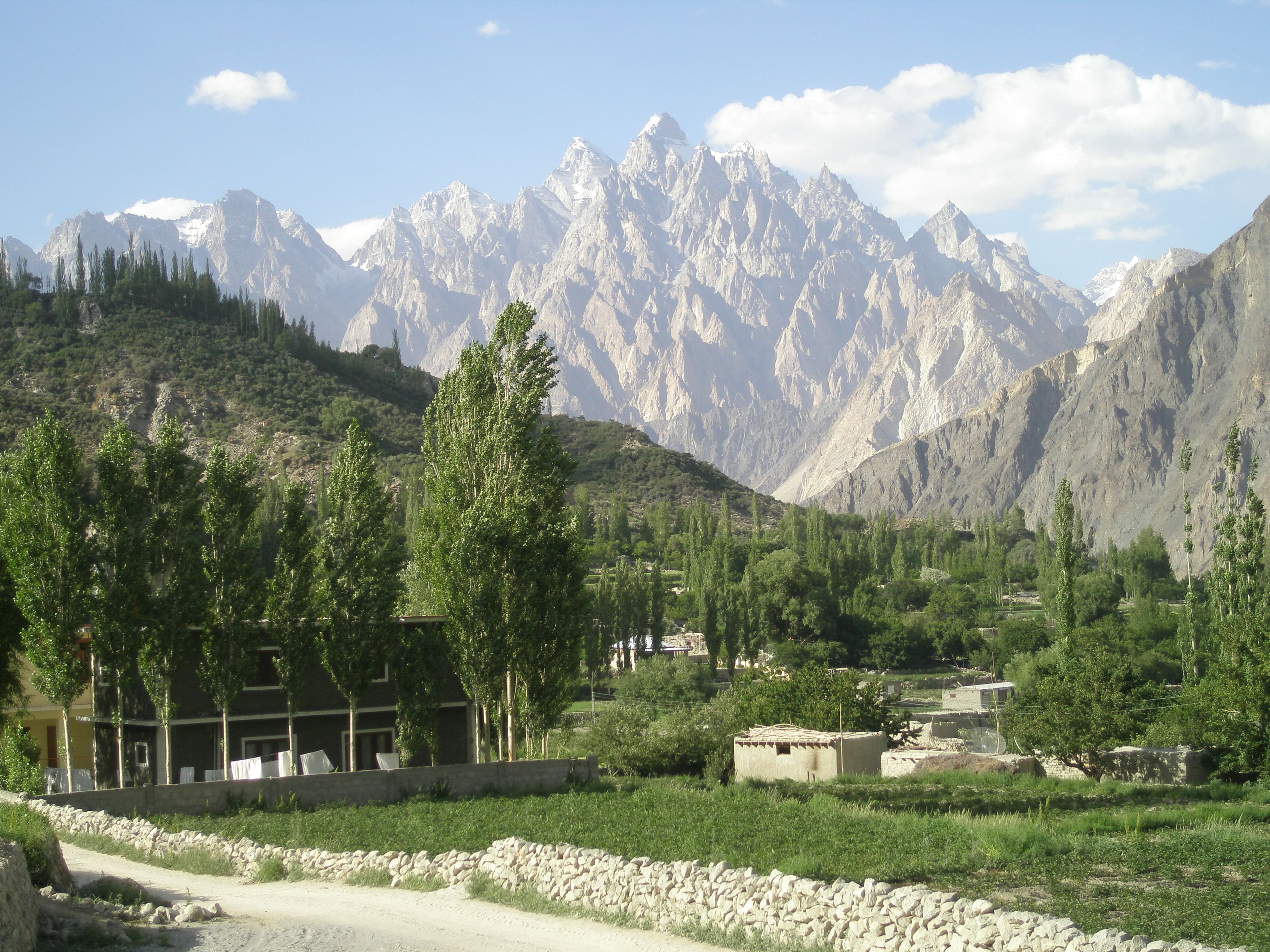
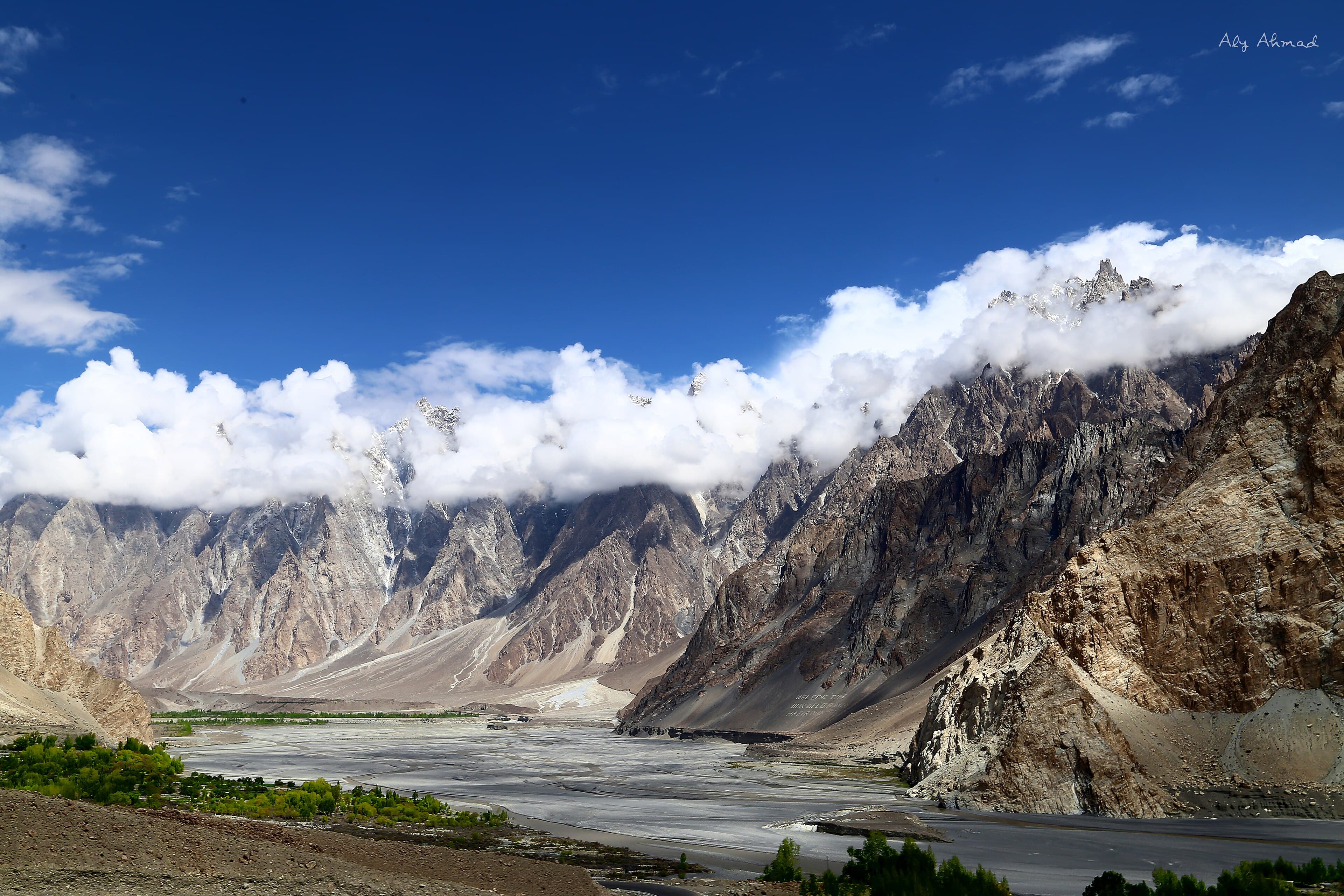
Passu is the drama queen: the village itself is a quiet cluster of fields between two glaciers, but above it the Passu Cones — the serrated ridge that may be northern Pakistan's most photographed skyline — turn every barley field into a foreground. Walks to the Passu Glacier viewpoint and the Hussaini Suspension Bridge start practically from the village.
The far valleys: Shimshal and Chapursan
Shimshal, reached by one of the most spectacular jeep roads in the Karakoram, is Pakistan's village of mountaineers — an isolated community at over 3,000 m that has produced an outsized share of the country's climbing legends, including pioneering female mountaineers. Visitors come for the road, stay for the people, and leave plotting a return trek to the Shimshal Pass pastures.
Chapursan, threading northwest toward the Afghan Wakhan, is the end of the map in the best sense: a chain of Wakhi hamlets, the shrine of Baba Ghundi at the valley's head, and hospitality that feels untouched by the highway's traffic. Both valleys need an overnight and a 4x4 — and both repay it more richly than any day trip in Hunza.