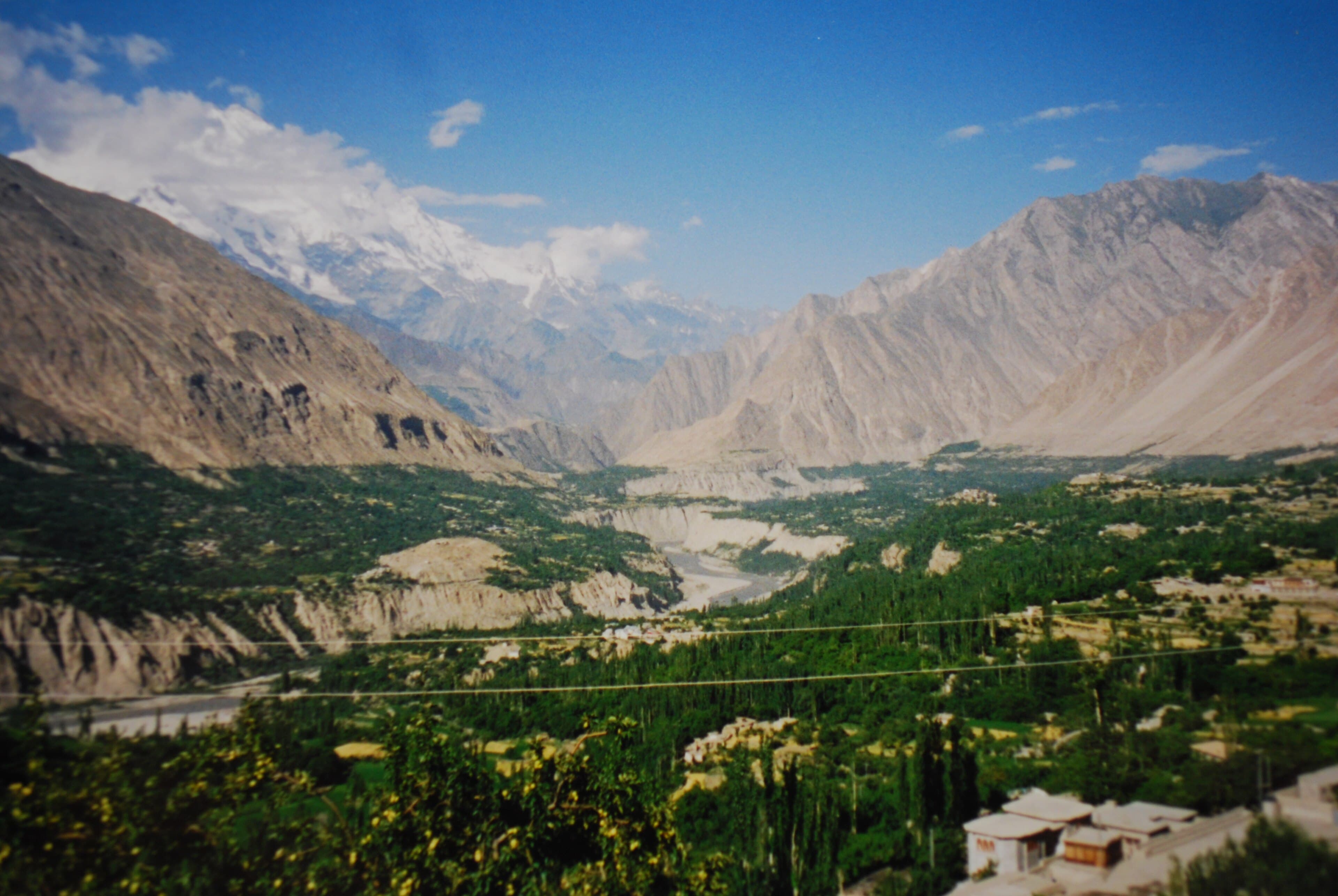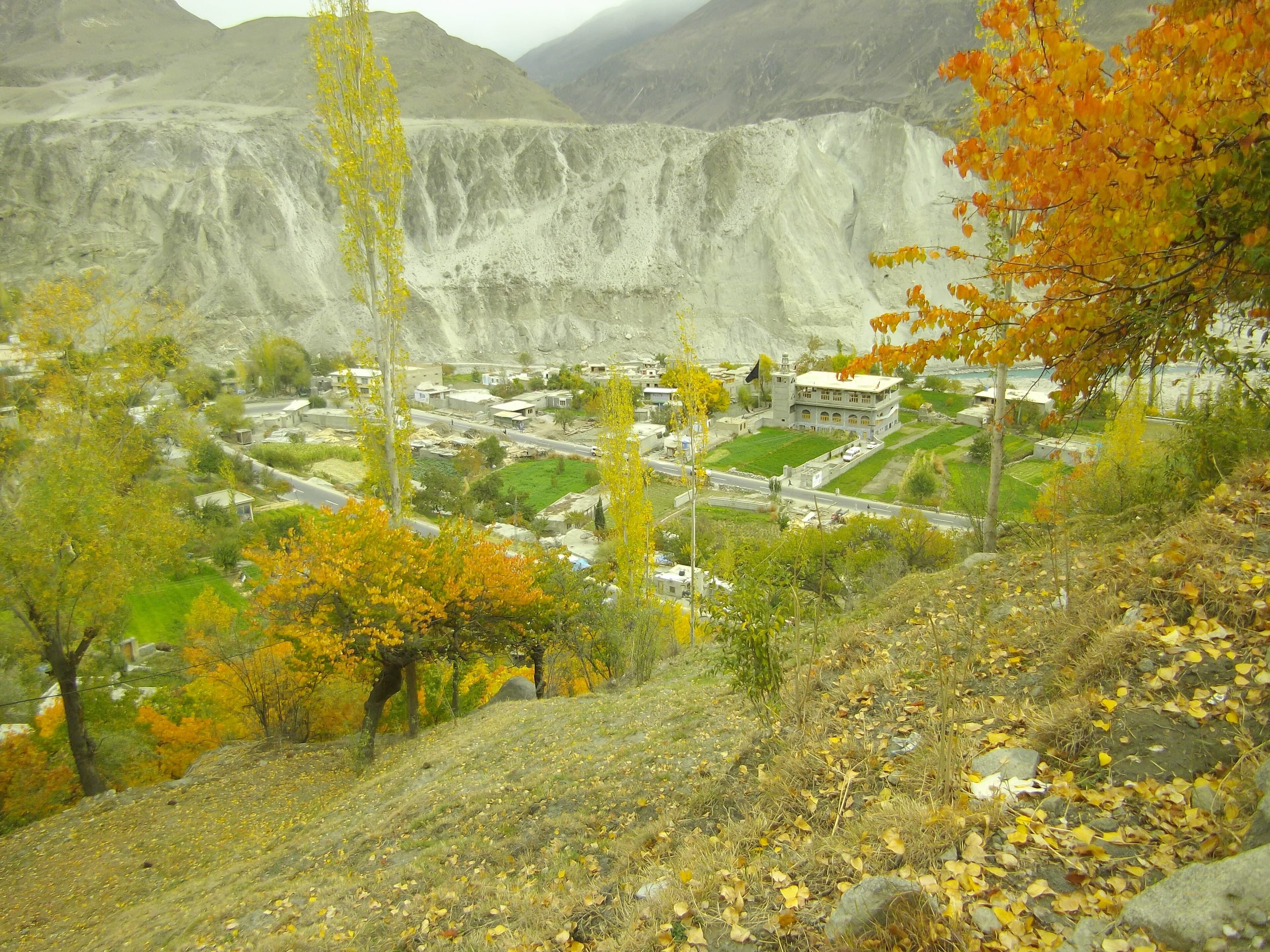
Ganish is where Hunza began. Sited on the river flats below Karimabad, at the point where Silk Road caravans once crossed the Hunza River, it is reckoned the valley's oldest settlement — around a thousand years of continuous habitation packed into a walled cluster of lanes, watchtowers and carved timber buildings that feels worlds away from the bazaar bustle ten minutes up the hill.
The heart of the old village is the pond plaza: a stone-flagged communal space around a small reservoir, ringed by ancient watchtowers and a remarkable group of small wooden mosques. Their carved pillars and panels — bearing motifs that mix Islamic patterns with far older symbols carried along the trade routes — are some of the finest traditional woodwork in the Karakoram. For the older belief world those motifs hint at, read our guide to the bitan shamans of Hunza.
That this ensemble survives is itself a story. From the late 1990s, conservation projects led by the community with the Aga Khan Cultural Service restored the towers, mosques and traditional houses using original materials and techniques, earning Ganish UNESCO Asia-Pacific Heritage awards for conservation. Local guides — often from families who have lived here for generations — walk visitors through the lanes and explain how a fortified Silk Road village actually worked.
Just along the Karakoram Highway lie the Sacred Rocks of Hunza at Haldeikish, river-side boulders covered in thousands of petroglyphs and inscriptions left over two millennia by travelers, pilgrims and armies passing along the old route — ibex carvings, Buddhist references and texts in several ancient scripts. Together with the village, they make Ganish the single best window onto Hunza's Silk Road past.
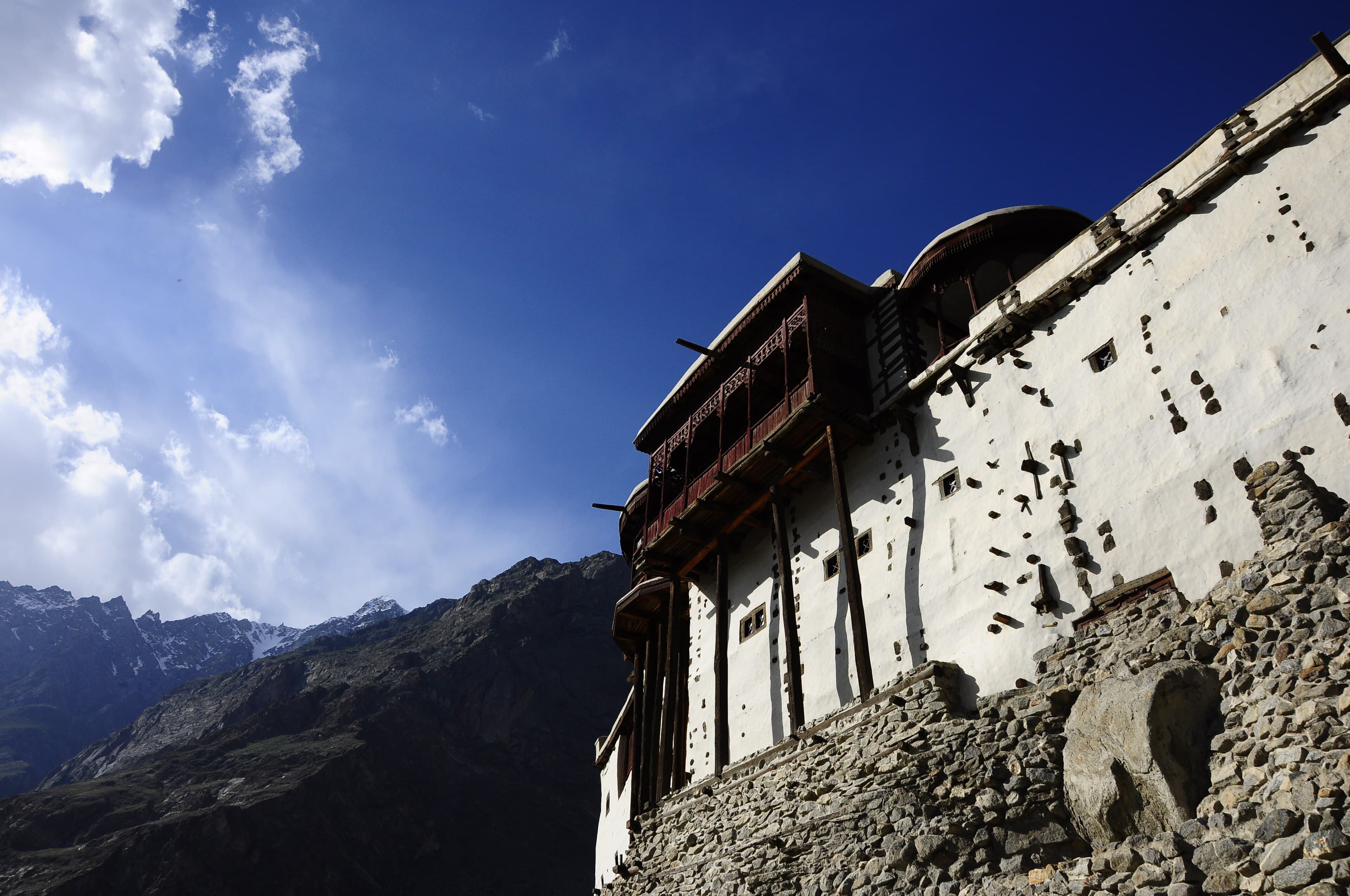
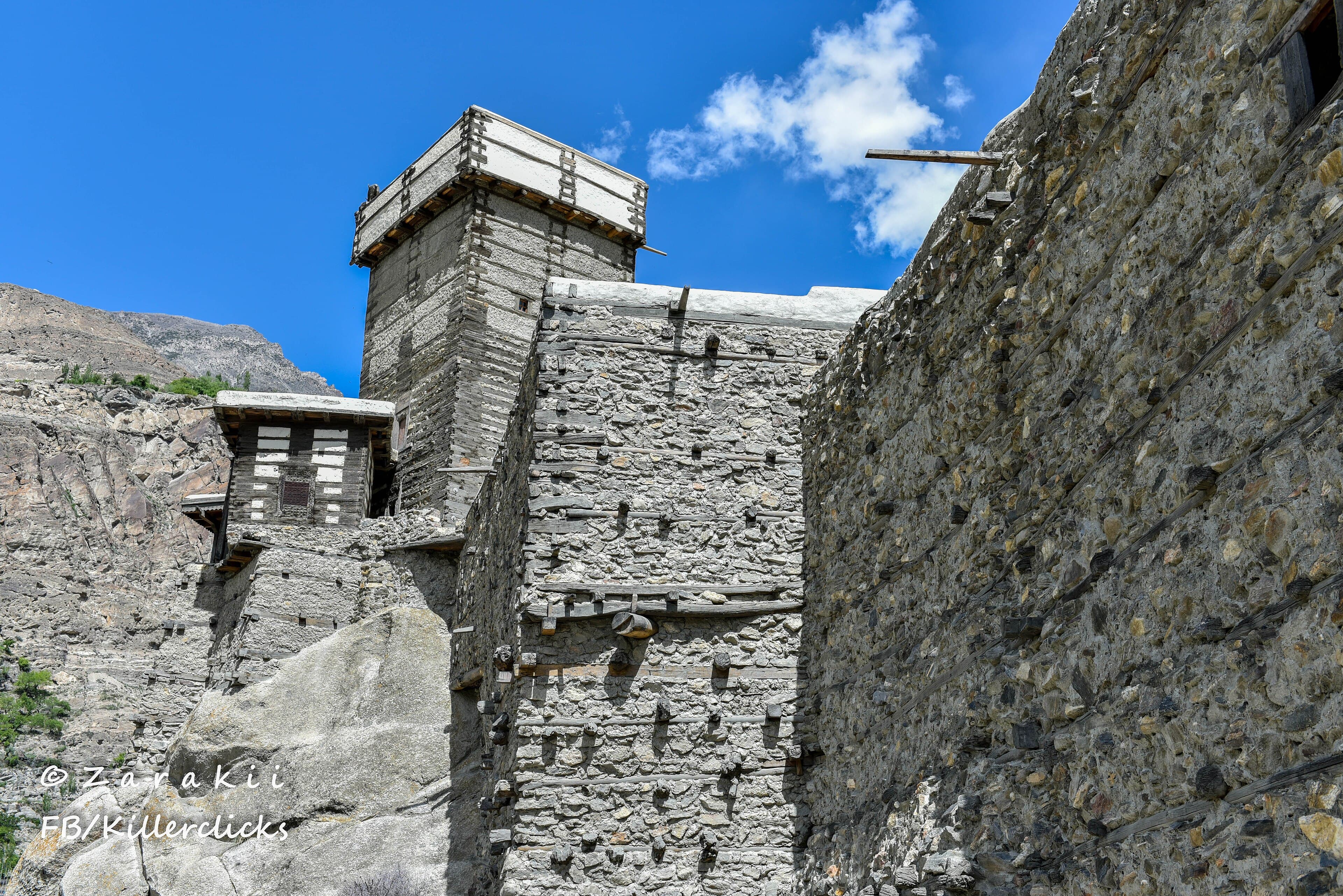
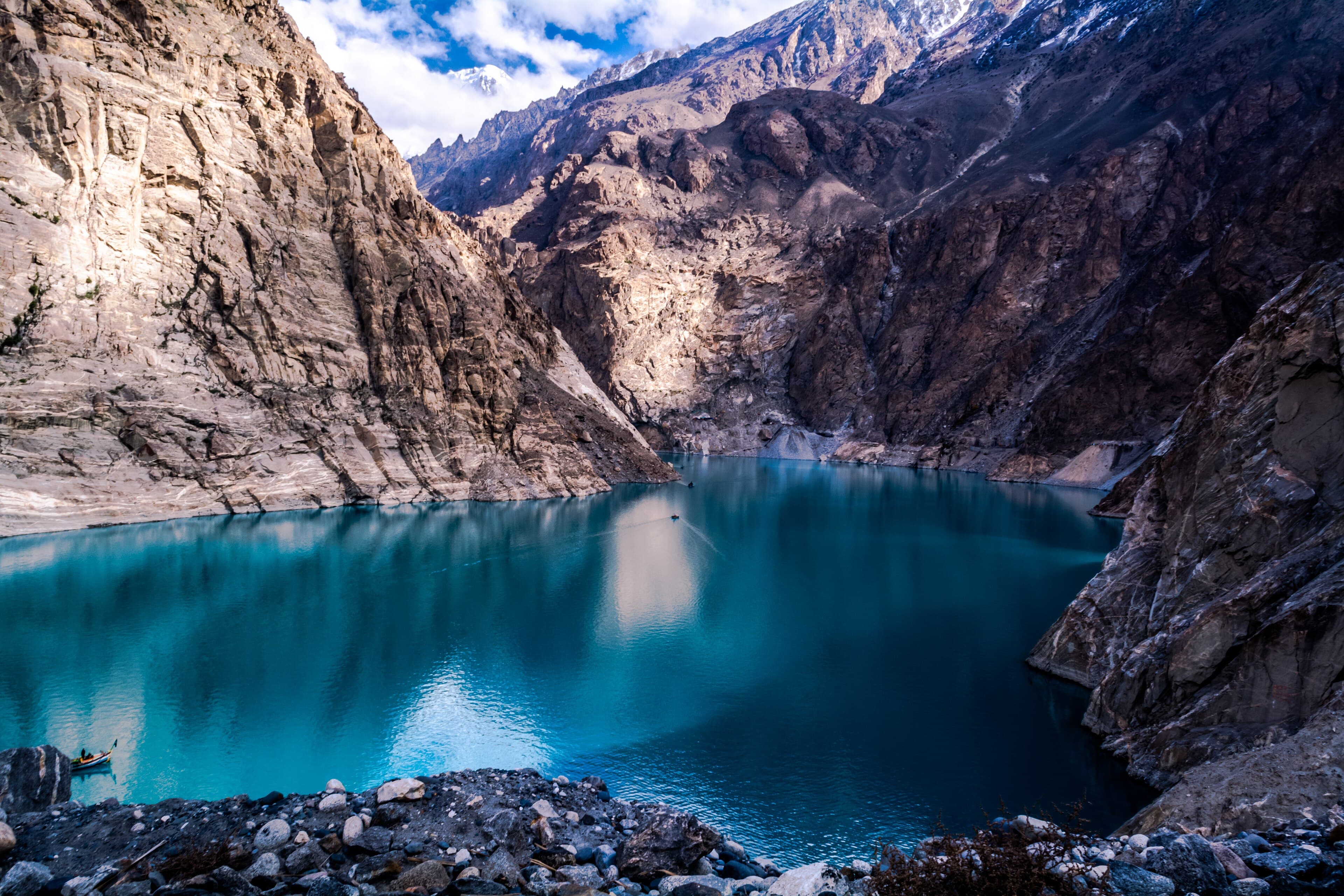
Ganish takes an unhurried hour or two and slots easily into any Karimabad day: combine it with Baltit Fort and Altit Fort for a full heritage circuit, or stop on the way to Attabad Lake. Go with a local guide, pay the modest entry that funds conservation, and ask to see the woodwork up close — the details reward slow looking.