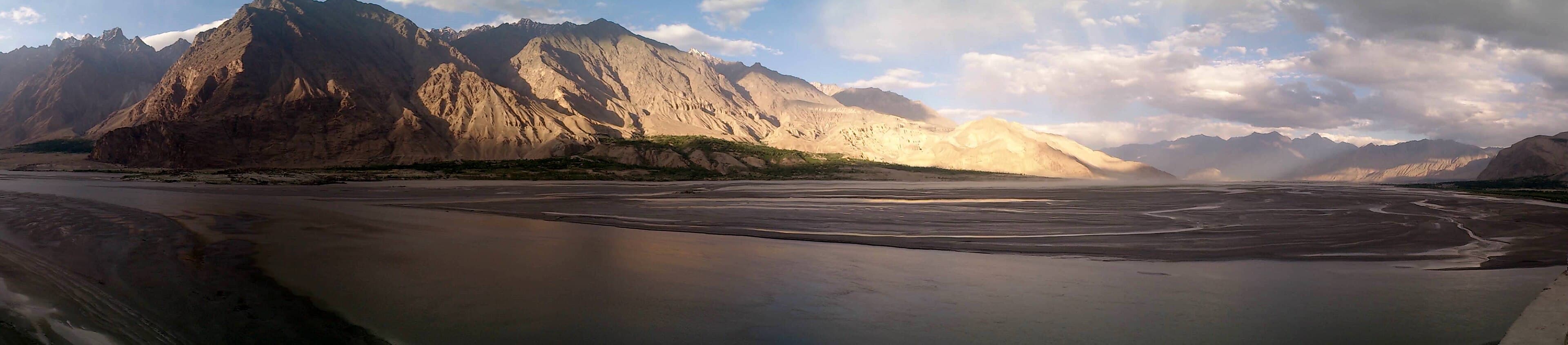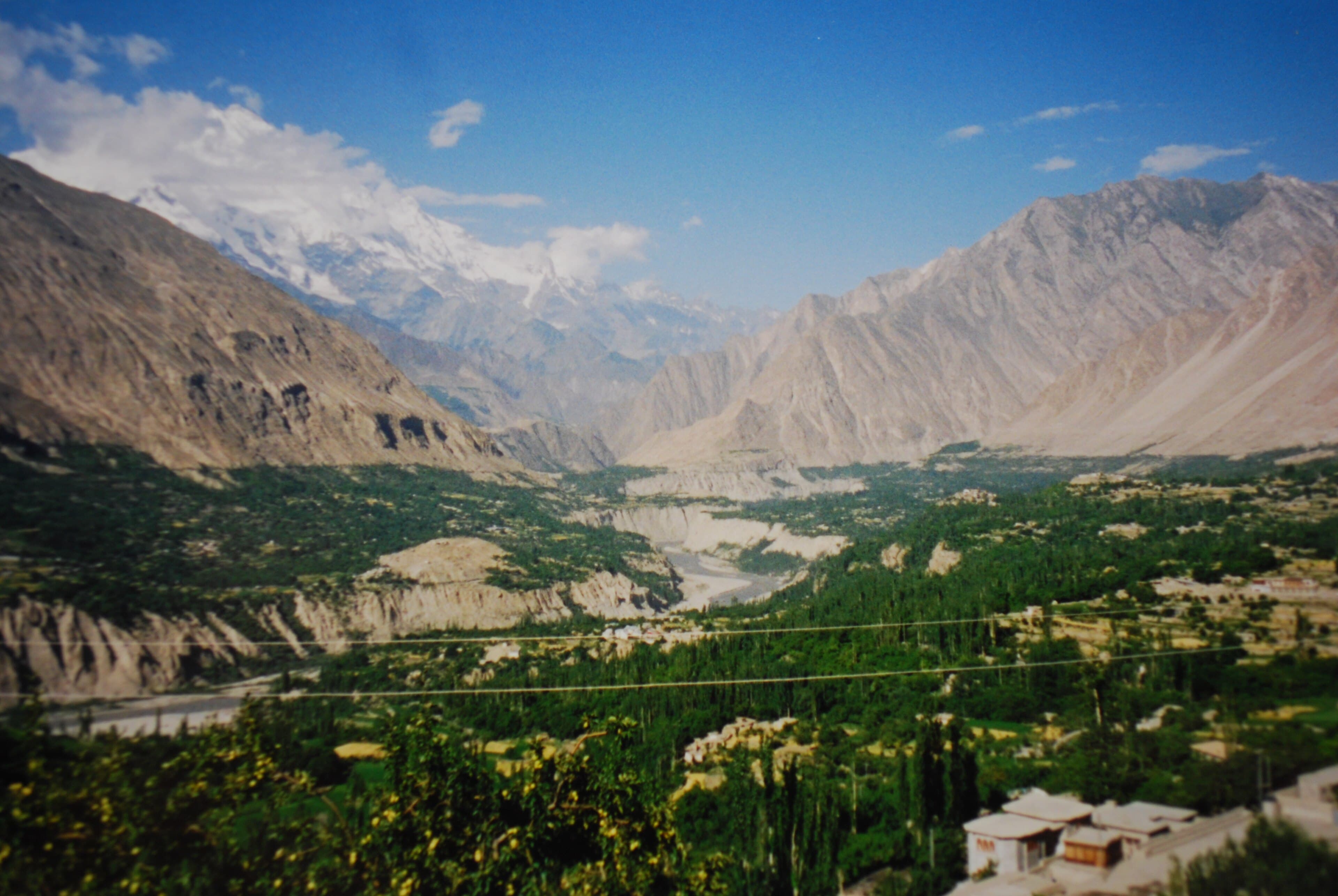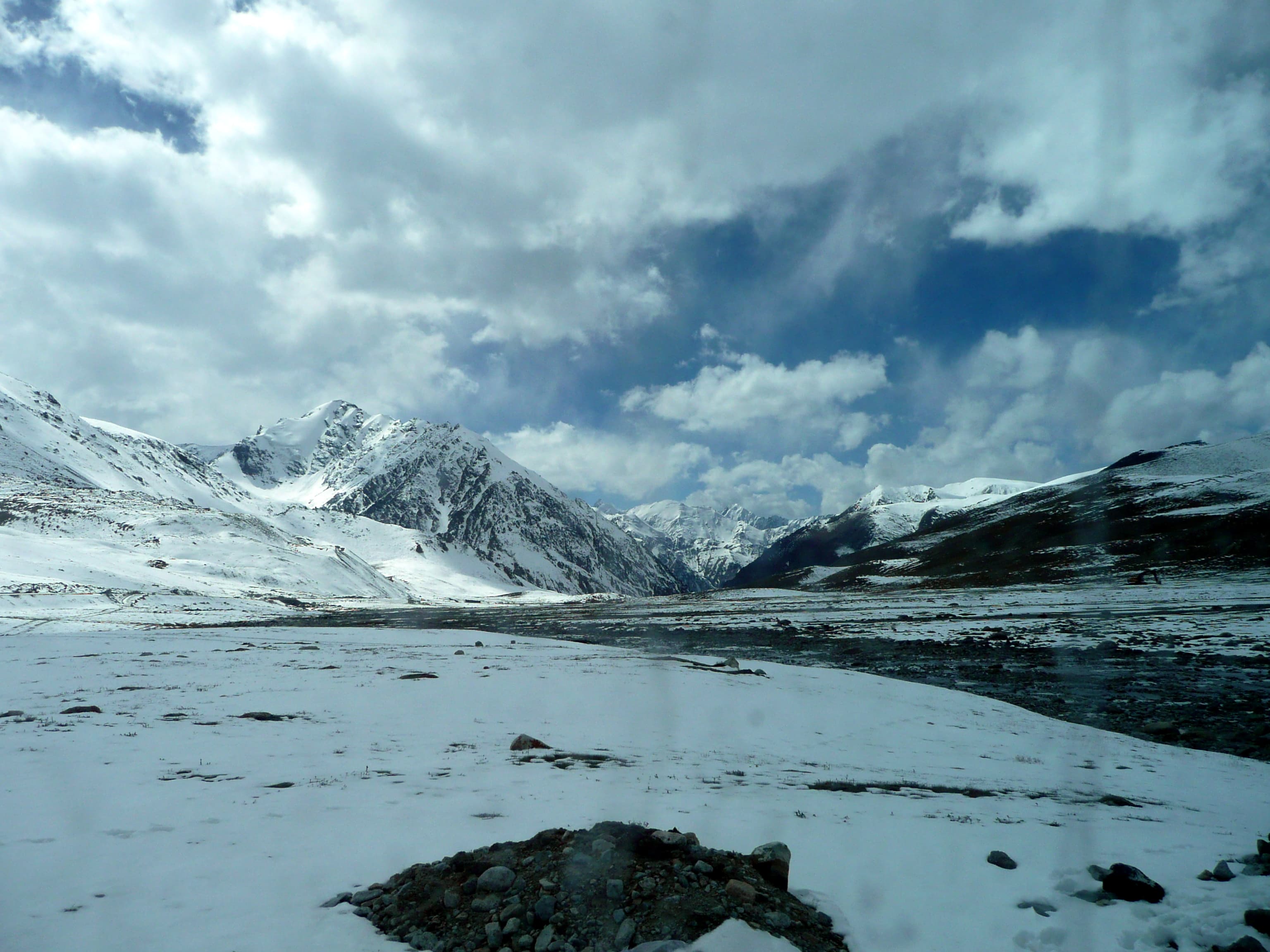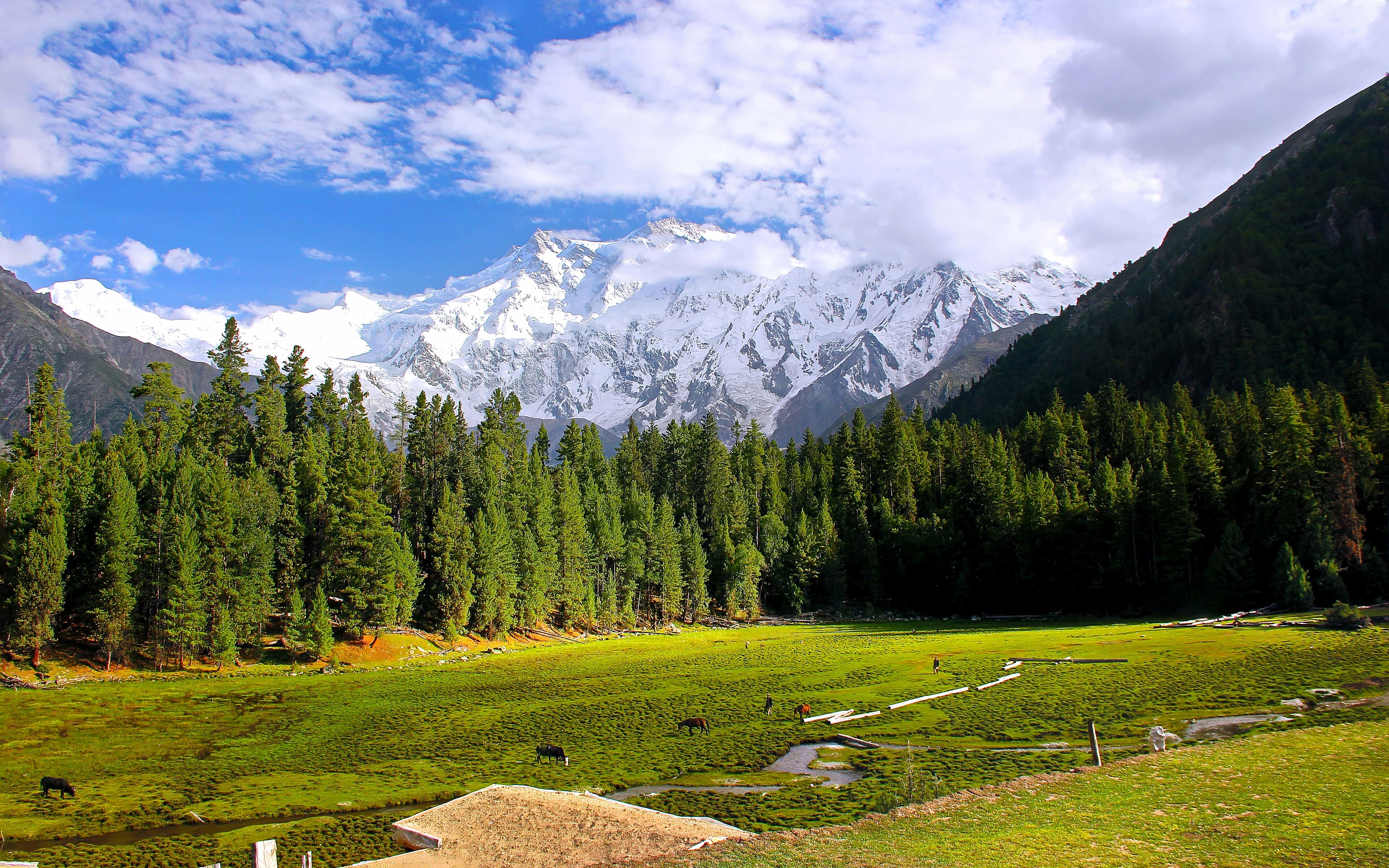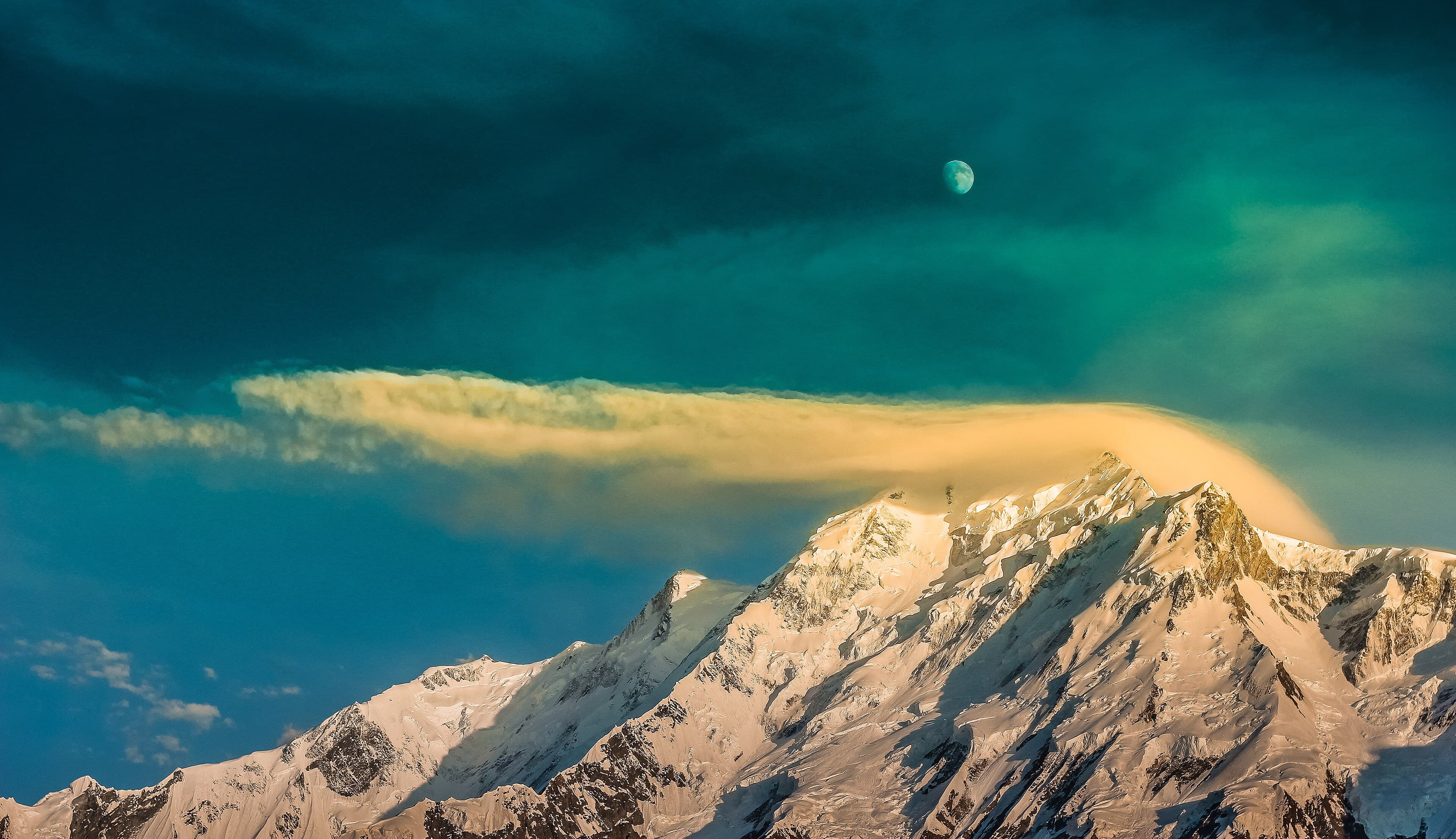
In August 2025, Noraly Schoenmaker — the Dutch rider known to roughly 2.5 million YouTube subscribers as Itchy Boots — steered Season 8 of her solo round-the-world journey into northern Pakistan. For two weeks, one of the most-watched travel documentarians on the internet filmed exactly what it is like to ride the Karakoram Highway, alone, with no fixer smoothing the road ahead of her.
Her arrival was not a given. In episode 70 of the season, titled 'I have to pass a RESTRICTED AREA to reach Northern Pakistan', she navigated the checkpoint bureaucracy that guards the southern approaches to Gilgit-Baltistan — the kind of honest, unglamorous logistics most tourism marketing edits out. What followed was the reward: Skardu's moonscape valleys, the orchards and forts of Hunza, and, in episode 74, a village so far off the tourist map that she titled the episode 'NOBODY goes to this remote village in PAKISTAN', spending time with the gemstone miners who work the high Karakoram seams.
The timing mattered more than the footage. The spring of 2025 had been brutal for Gilgit-Baltistan's tourism economy: after the April attack in Indian-administered Kashmir and the May military exchange between India and Pakistan, foreign arrivals collapsed and local operators reported entire seasons of cancellations. Schoenmaker riding through in August — followed by her millions of viewers — was part of the quiet turn back. She was not alone: Irish blogger Johnny Ward had already run a group tour up the Karakoram Highway and over the Khunjerab Pass into China that June.
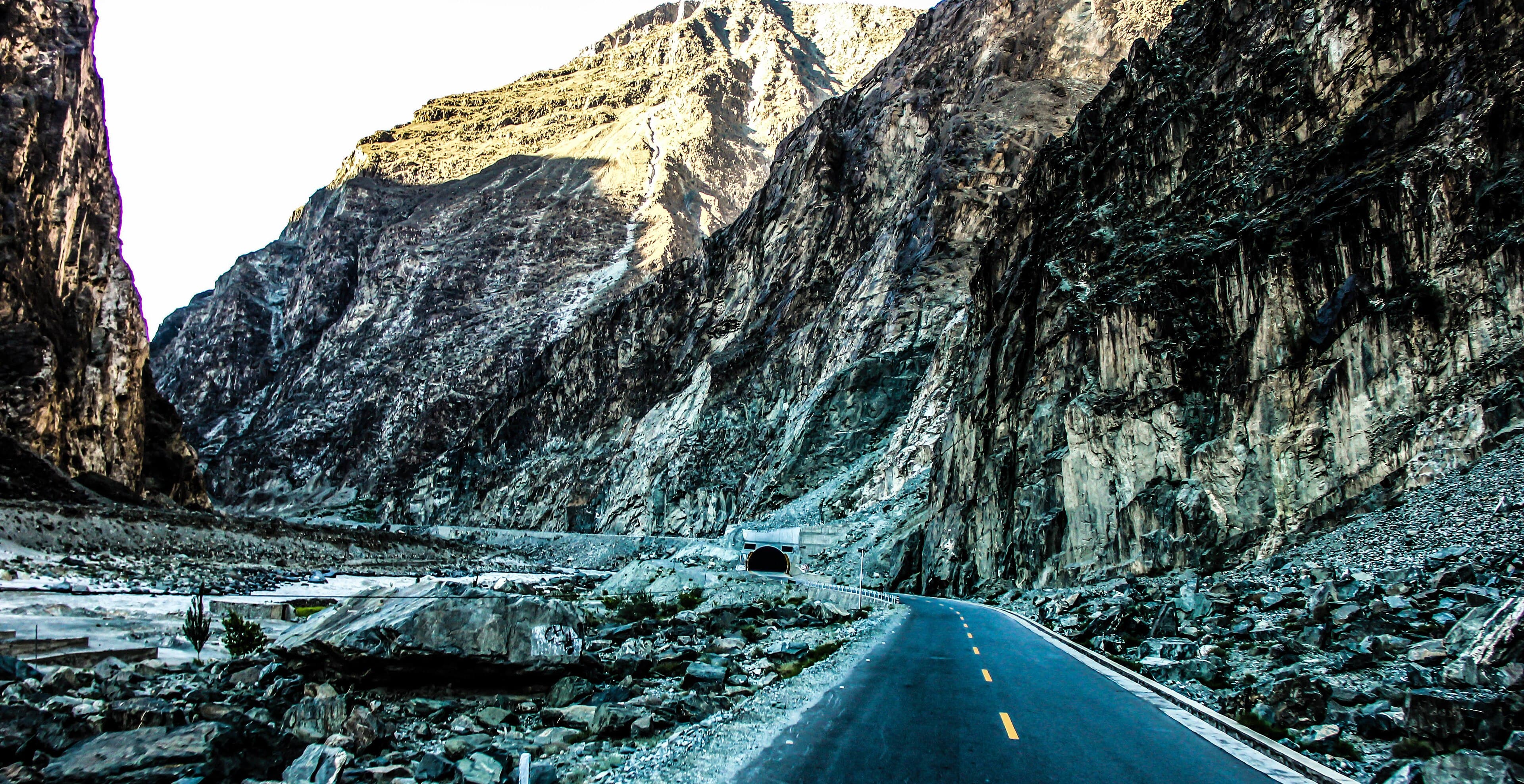
What viewers saw is what riders and overlanders have been reporting for years on forums few tourists read. On Reddit's backpacking community, an Australian solo traveler described the Gilgit–Skardu road as 'a solid 7-8 hours on a good day' and 'a jaw dropping incredibly beautiful scenery death trap' — a sentence that captures the region's essential bargain better than any brochure. The mountains here are not curated. That is the point.
British YouTuber Jay Palfrey made the same bargain visible from the other direction. His April 2025 video '18 Hours OVERNIGHT to NORTHERN PAKISTAN' documented the overland run from Islamabad to Hunza, including the roadworks around the dam construction sites that can add three hours to the journey — before delivering him to Attabad Lake, the Hussaini Suspension Bridge and a guesthouse bed in Karimabad.
The creators are, in effect, catching up with the travel press. When CNN Travel named its 25 best places to visit for 2025, Gilgit-Baltistan made the list — flagged for the five 8,000-metre peaks, K2 among them, and for supported treks that cost a fraction of their Alpine equivalents, with the honest caveat that flights are weather-dependent and roads can close.
If you want to trace Schoenmaker's arc without a motorcycle, the route adapts cleanly. Fly or drive from Islamabad to Gilgit, base yourself in Karimabad for the forts and viewpoints, run the upper Hunza corridor past Attabad and the Passu Cones to the Khunjerab Pass at the China border, then take the wild road east to Skardu for Baltistan's deserts, lakes and Indus gorges. It is the same landscape that held a professional adventurer's attention for two weeks — and it does not require an audience of millions to feel like a discovery.
What the 2025 creator wave really documented was not scenery. It was the gap between Pakistan's reputation and travelers' lived experience of Gilgit-Baltistan: checkpoints that end in handshakes, strangers who insist on paying for tea, roads that demand respect and repay it. The world is watching that gap close in real time.
“…a jaw dropping incredibly beautiful scenery death trap”