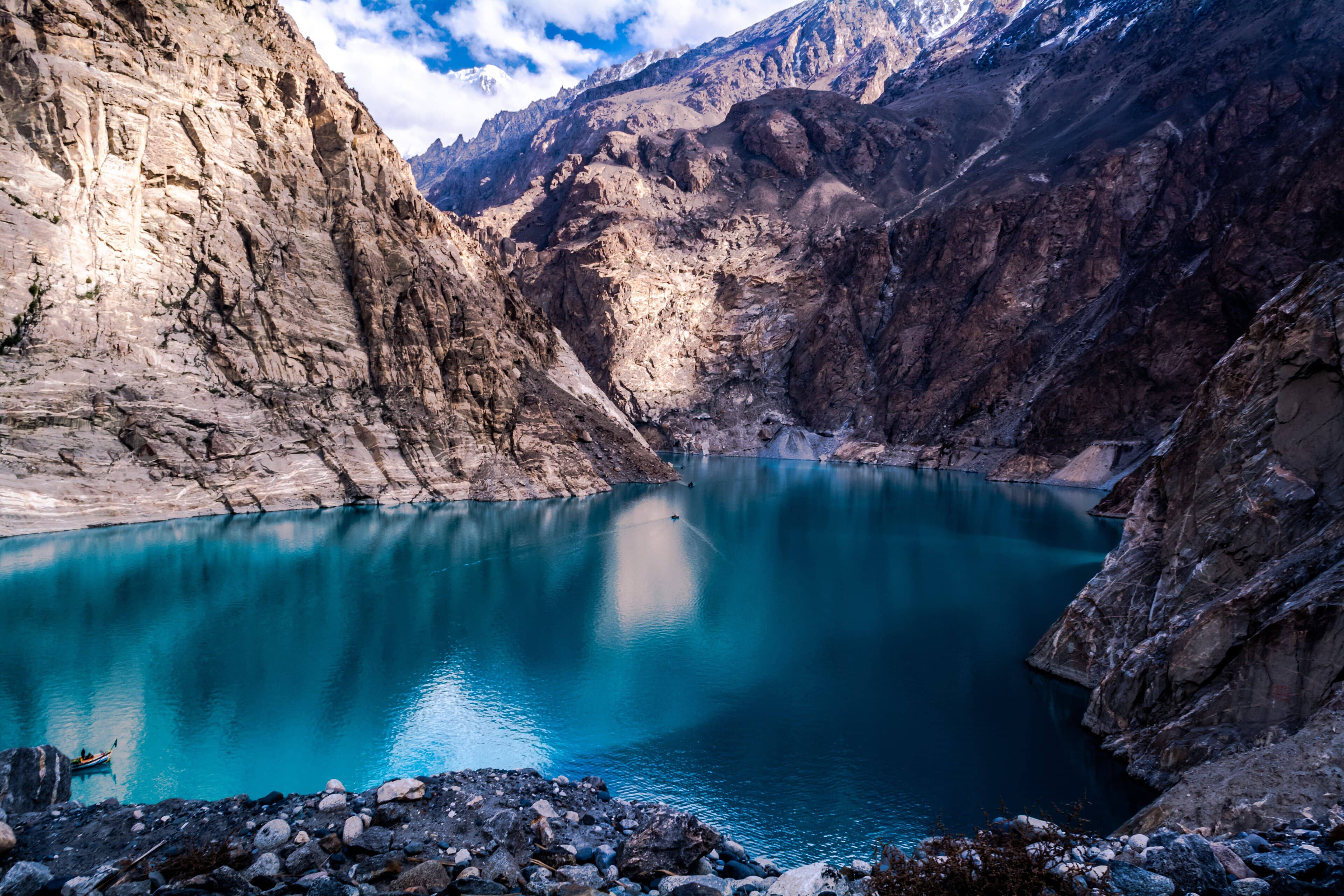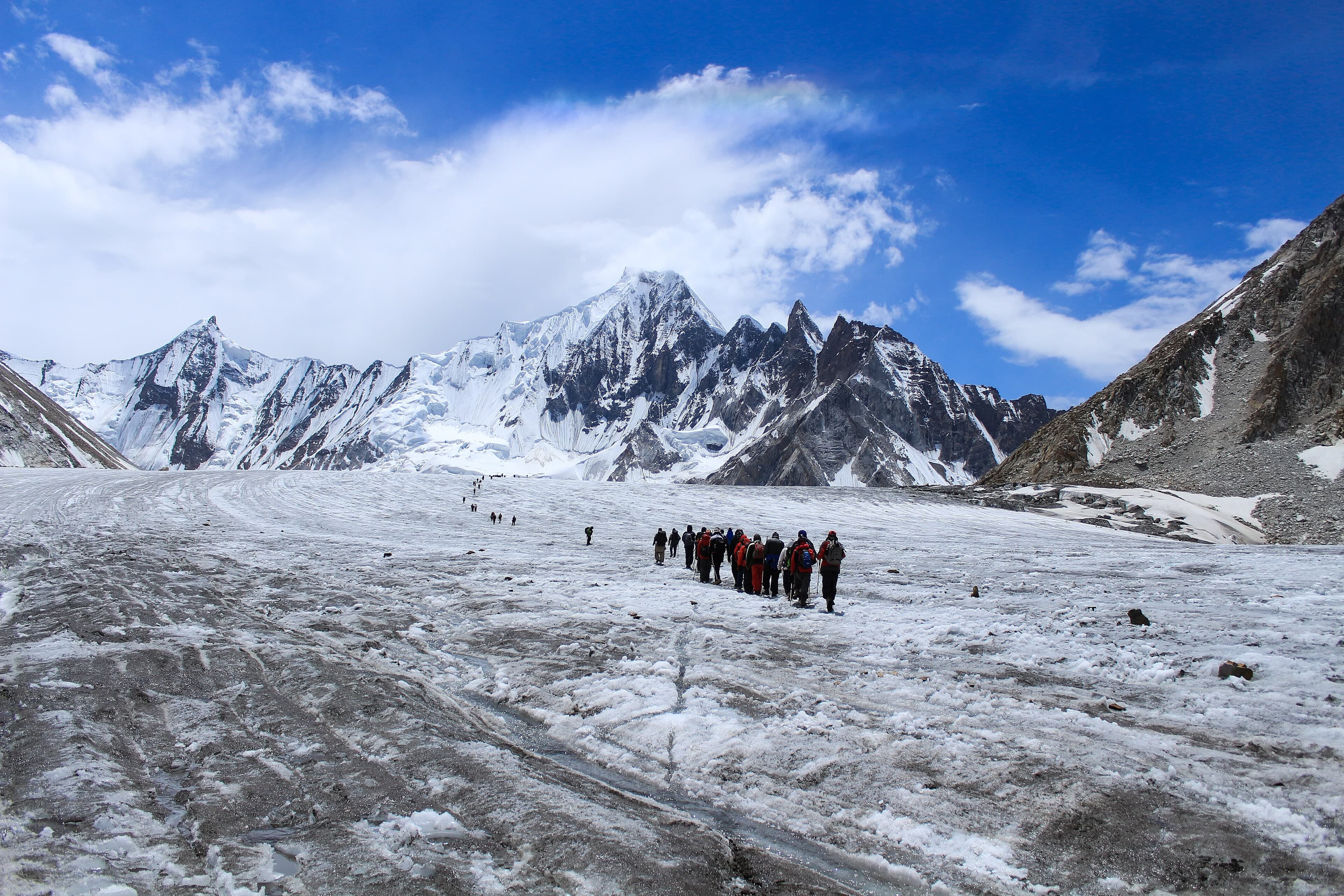
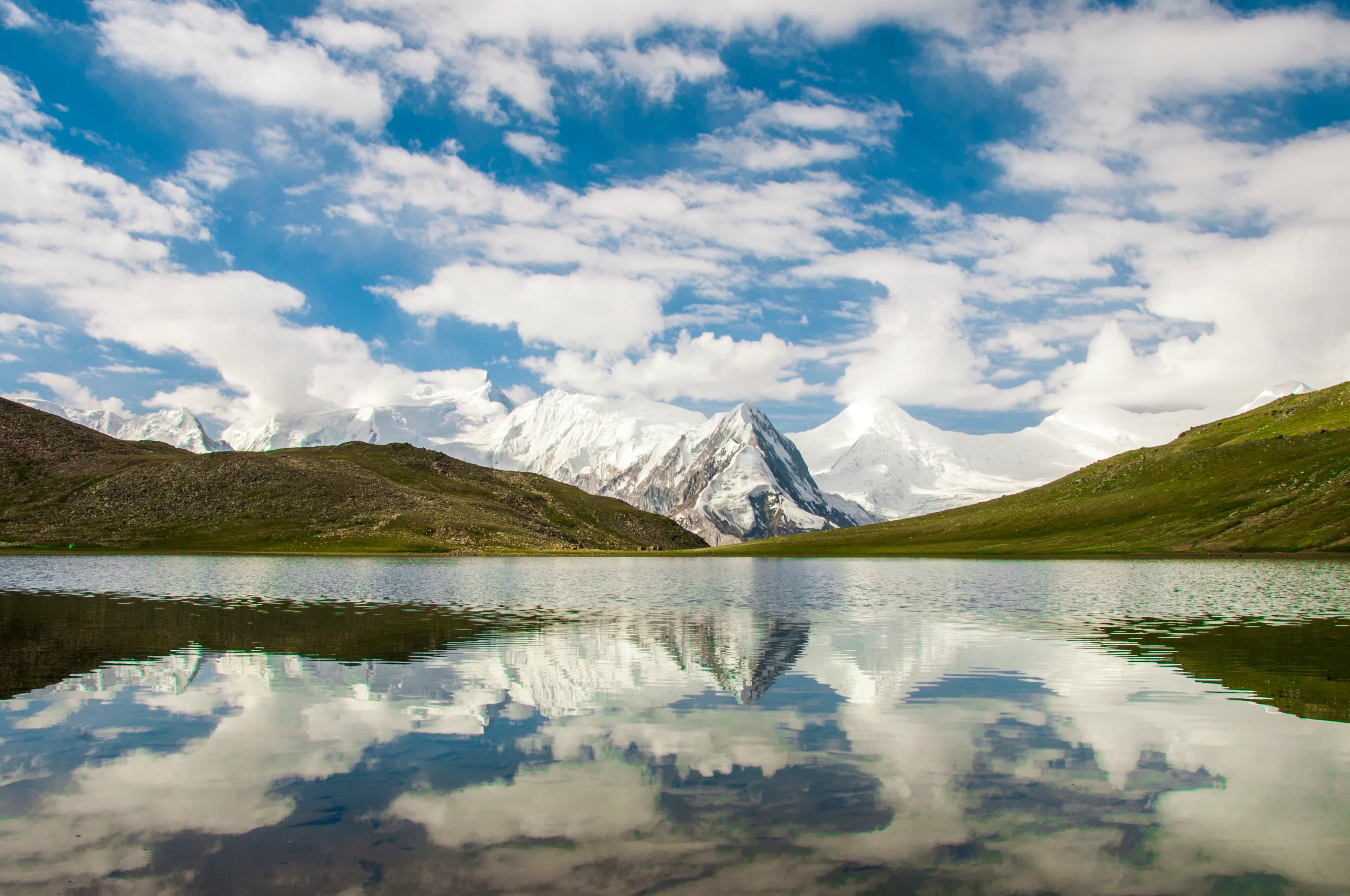
Rush Lake lies at 4,694 metres in the mountains of Nagar, across the river from Hunza, and is one of the highest alpine lakes in Pakistan. The walk to it starts where the road ends at Hopper, about an hour and a half from Karimabad. The guidebook of the Central Karakoram National Park lists it as a trek of four to five days and 26 kilometres, graded moderate.
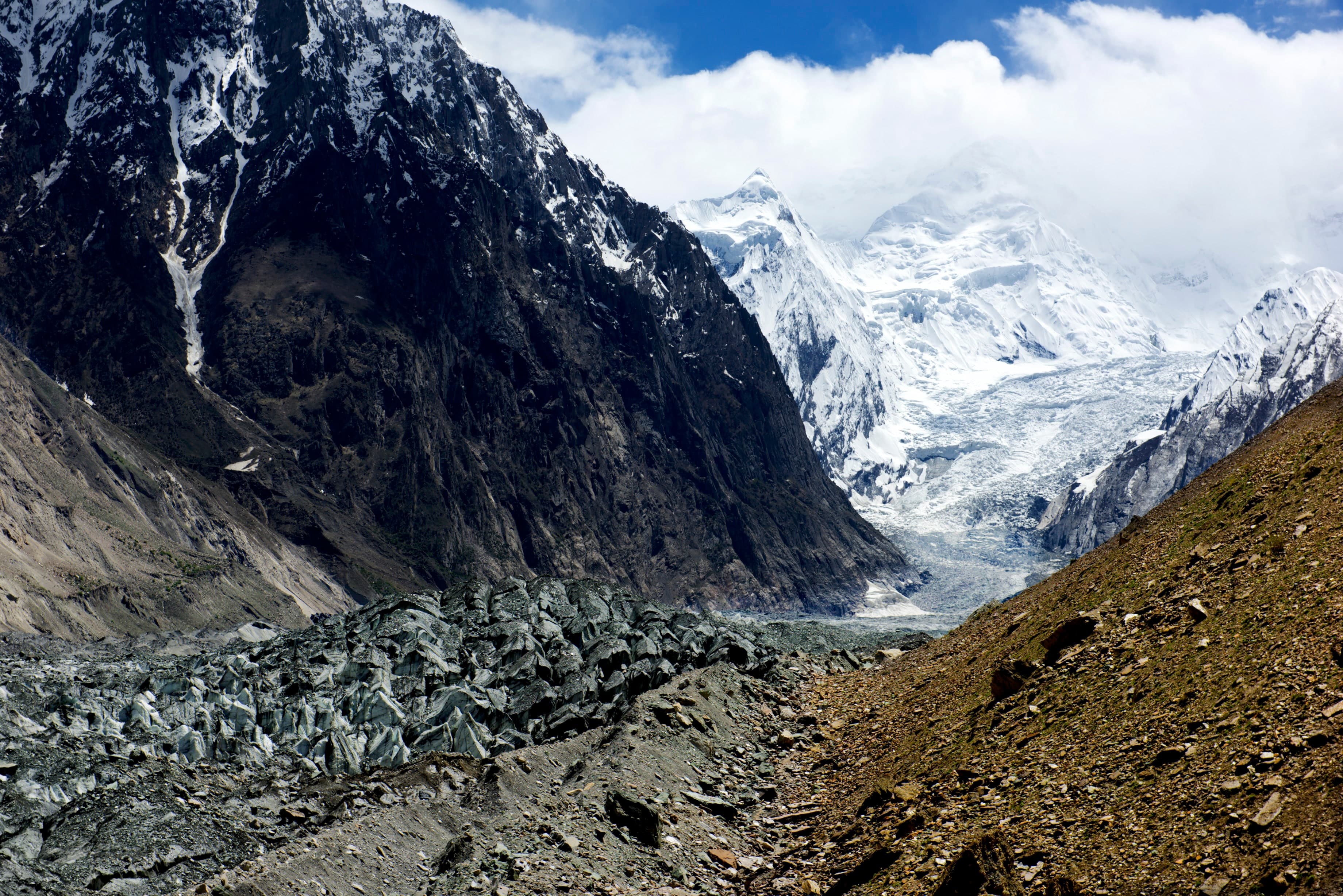
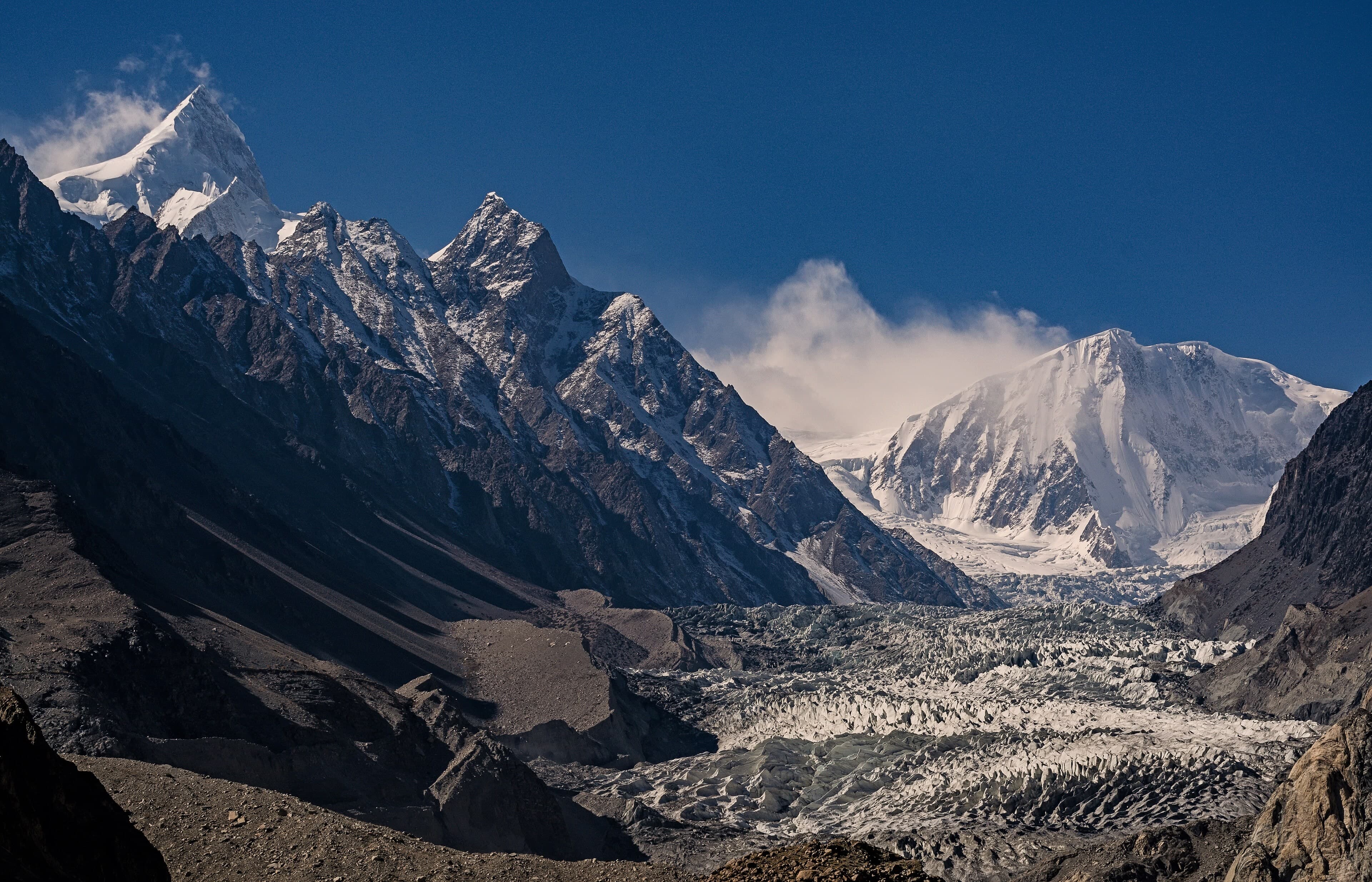
The first day crosses the Bualtar Glacier, the ice below the Hopper viewpoint, and then the Barpu Glacier, to camp at Barpu Giram at about 3,250 metres. That is around six hours and 11 kilometres. A trekking company that runs this route calls the Bualtar one of the fastest-moving glaciers in the world, at about 20 centimetres a day. The second day is the hard one, about 1,100 metres of climb in five hours to the camp at Chidin Harai, at about 4,300 metres. The lake is some three hours beyond it. One common way down goes by Hamdar and reaches Hopper on the second day. Longer trips add a loop to the base camp of Spantik, at about 4,600 metres, and come back by Rush Lake.
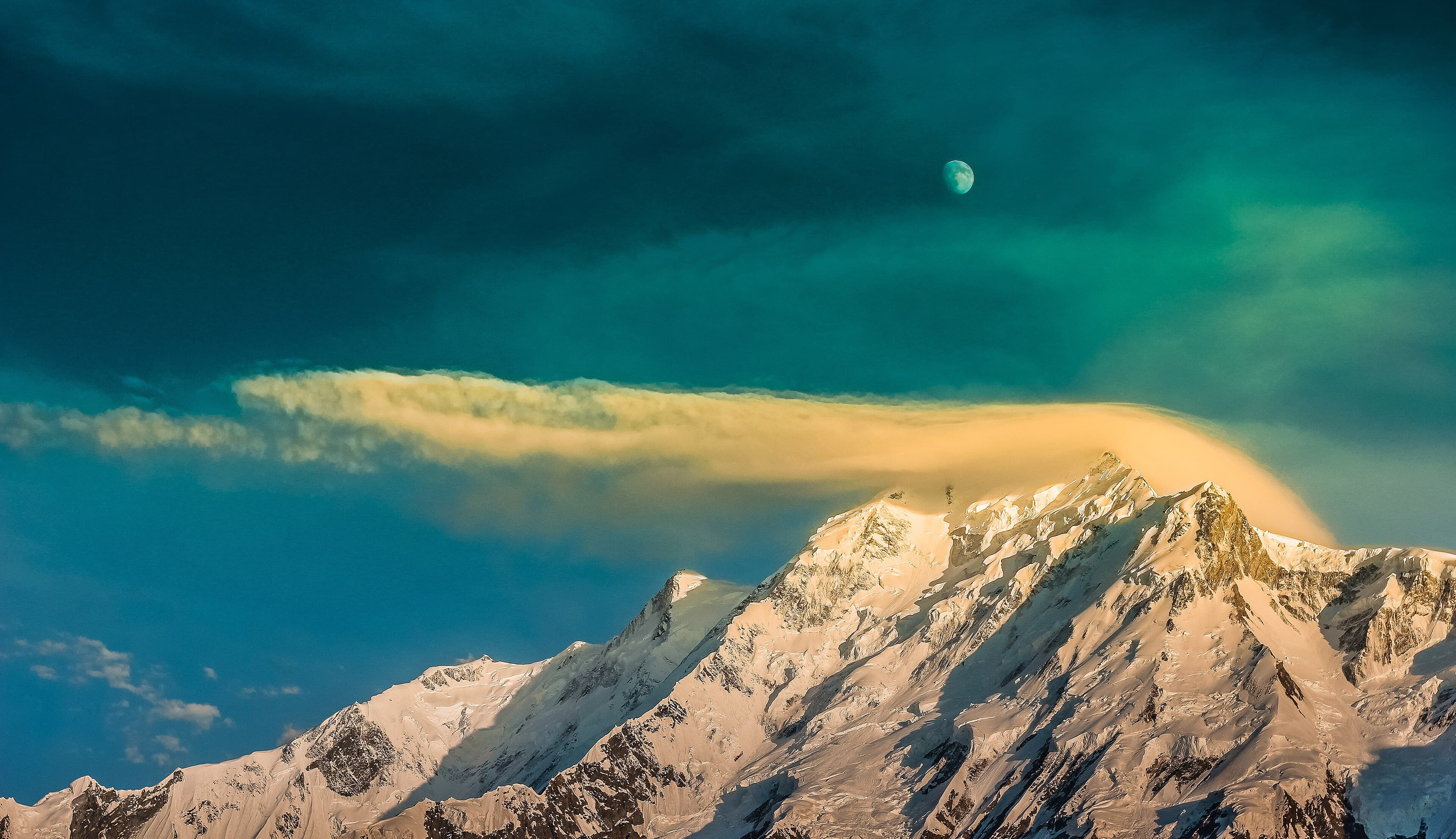
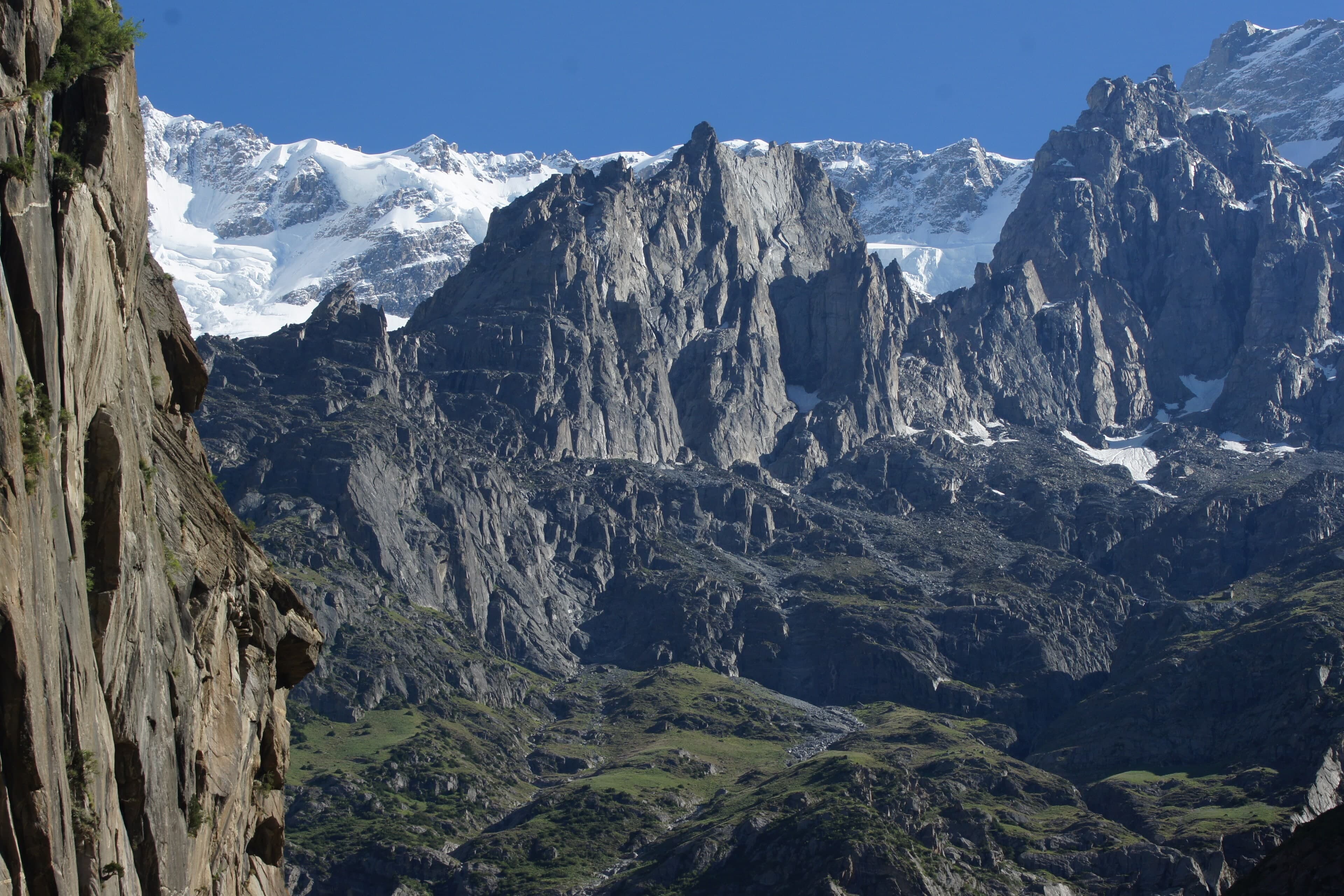
The trek looks onto Spantik, also called Golden Peak (7,027 m), Malubiting (7,458 m), Miar Peak (6,824 m) and Phuparash (6,574 m), with Ultar Sar back toward Hunza. K2 is not seen from the lake. For that you climb Rush Peak, 5,098 metres and about 400 metres above the water, from where K2 and Broad Peak can just be made out far to the east on a clear day.
No climbing skill is needed, but it is not an easy walk. From Hopper, at about 2,800 metres, to the lake is close to 1,900 metres of height in three walking days, which is quick for this altitude, so a spare day to acclimatise is worth having. The glacier crossings are not technical, but a local guide knows the way across them.
The route is in an open zone, so no trekking permit is required. The national park's fee notice of 2025 names Hopper among its low-frequency zones, at 50 US dollars for a foreign trekker and 3,000 rupees for a Pakistani visitor. Ask your guide whether it is being collected when you go. The guidebook gives the season as May to October, and trekking companies schedule their departures for June, July and August.
See also: Best places to visit in Hunza, Treks in Hunza, Treks in Gilgit-Baltistan.