From Sadpara village to the eight-thousanders
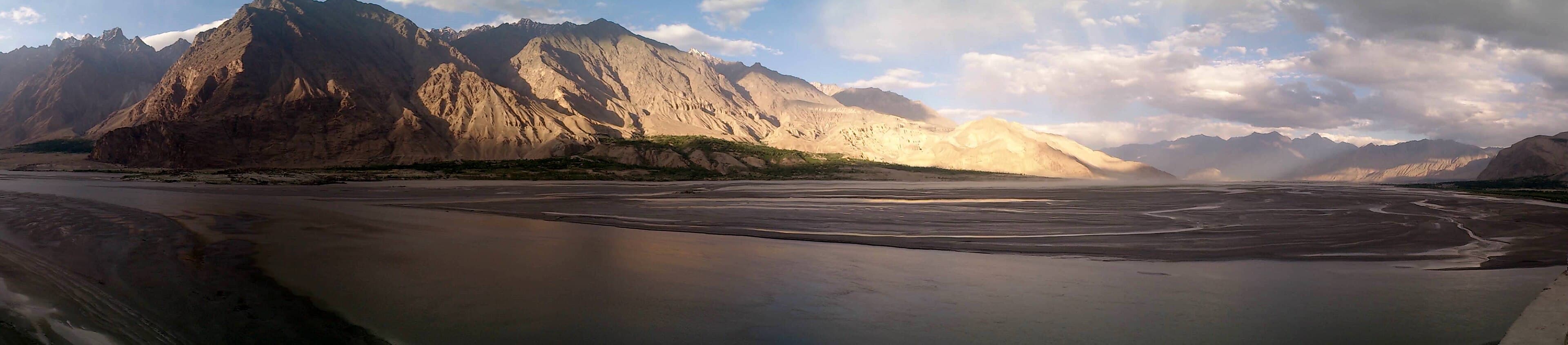
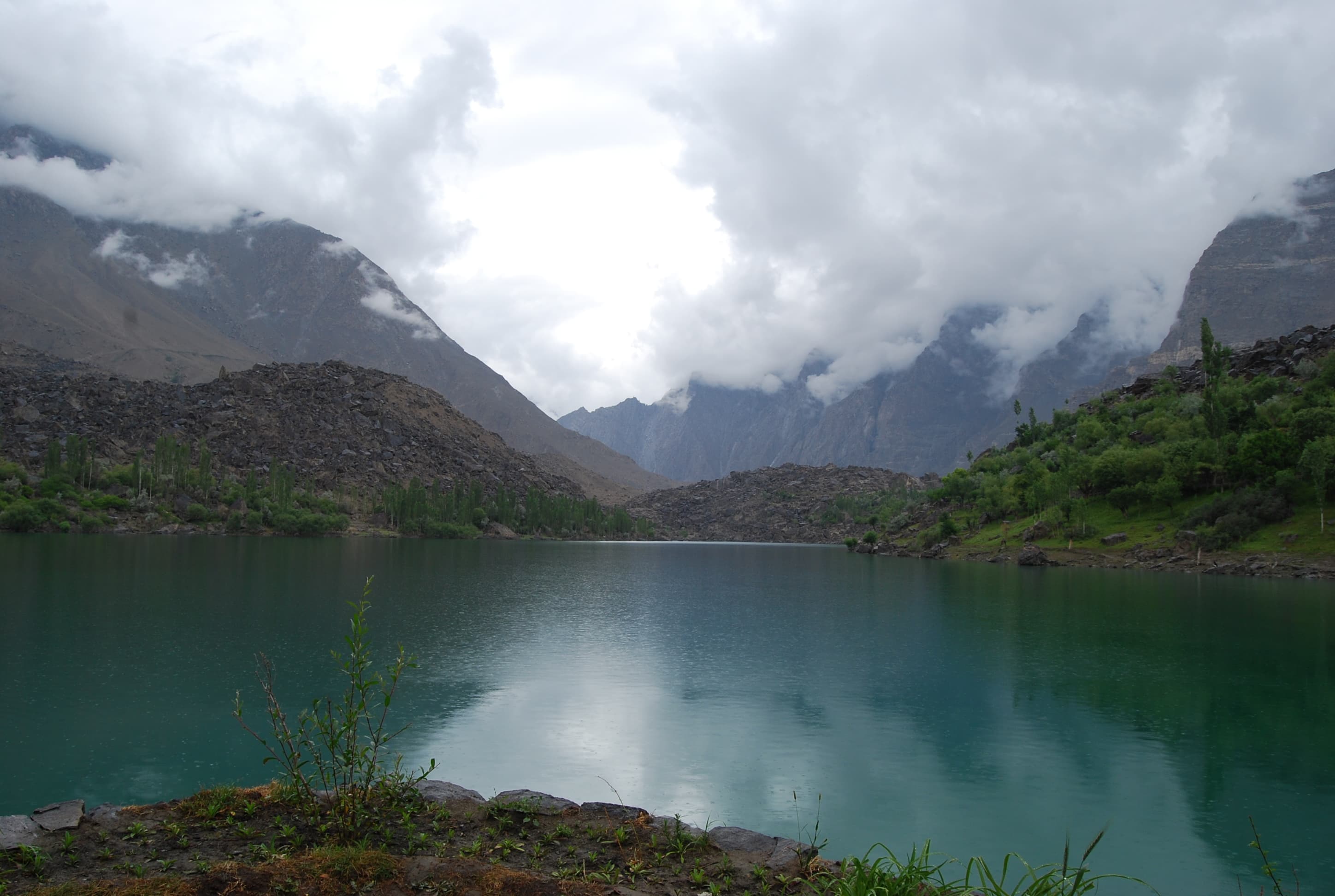
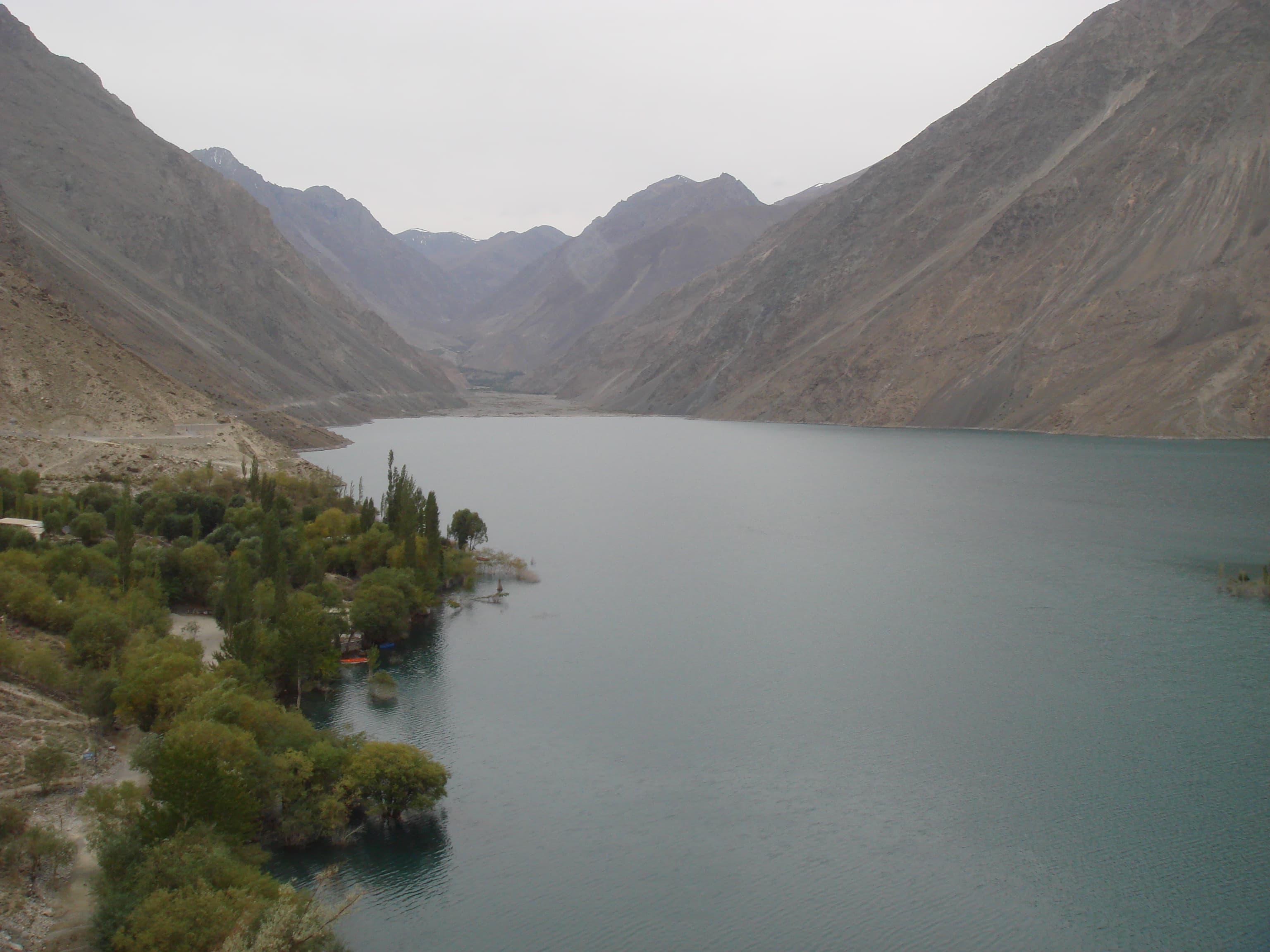
Ali Sadpara was born in 1976 in Sadpara, the village above Satpara Lake a few kilometres from Skardu. Like many Balti men he began in the mountains as a high-altitude porter, carrying loads on the very peaks that foreign climbers came to claim. What set him apart was an extraordinary natural strength at altitude — and a grin that expedition after expedition remembered as warmly as his climbing.
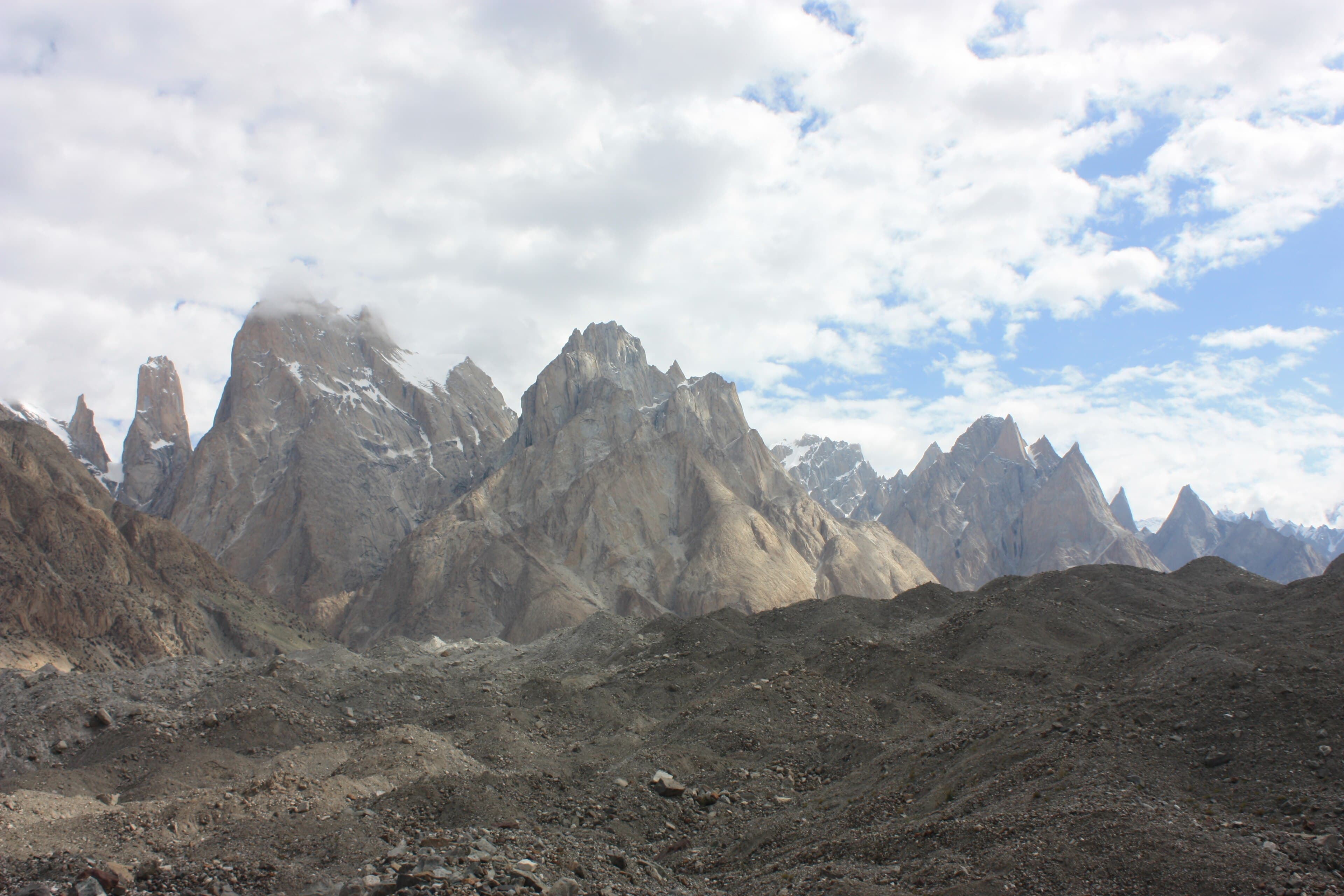
Over two decades he summited eight of the world's fourteen 8,000-metre peaks, including K2, often working in support roles for less money and less credit than his international teammates. Within Pakistan he became something rare: a national sporting hero from Baltistan, proof of what the porters of the Karakoram had always been capable of when given the chance to lead.
Nanga Parbat in winter — the climb that made history
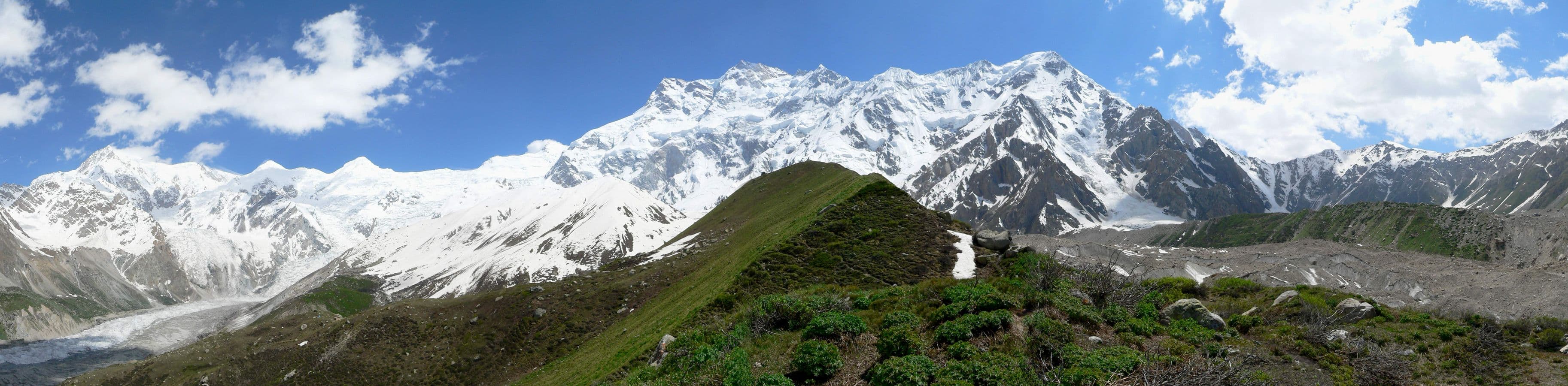
Nanga Parbat, the 8,126-metre western anchor of the Himalaya, had repelled every winter attempt for over a quarter of a century. On 26 February 2016, Ali Sadpara reached its summit alongside Simone Moro of Italy and Alex Txikon of Spain — the first winter ascent in the mountain's history, and one of the defining mountaineering achievements of its era.
The climb made him famous far beyond Pakistan, and he wore the fame lightly. He kept living simply, kept supporting a wide family in Sadpara, and spoke often of his dream that Pakistani climbers be ranked among the world's best — and that his own children would study, climb, or both.
K2, February 2021
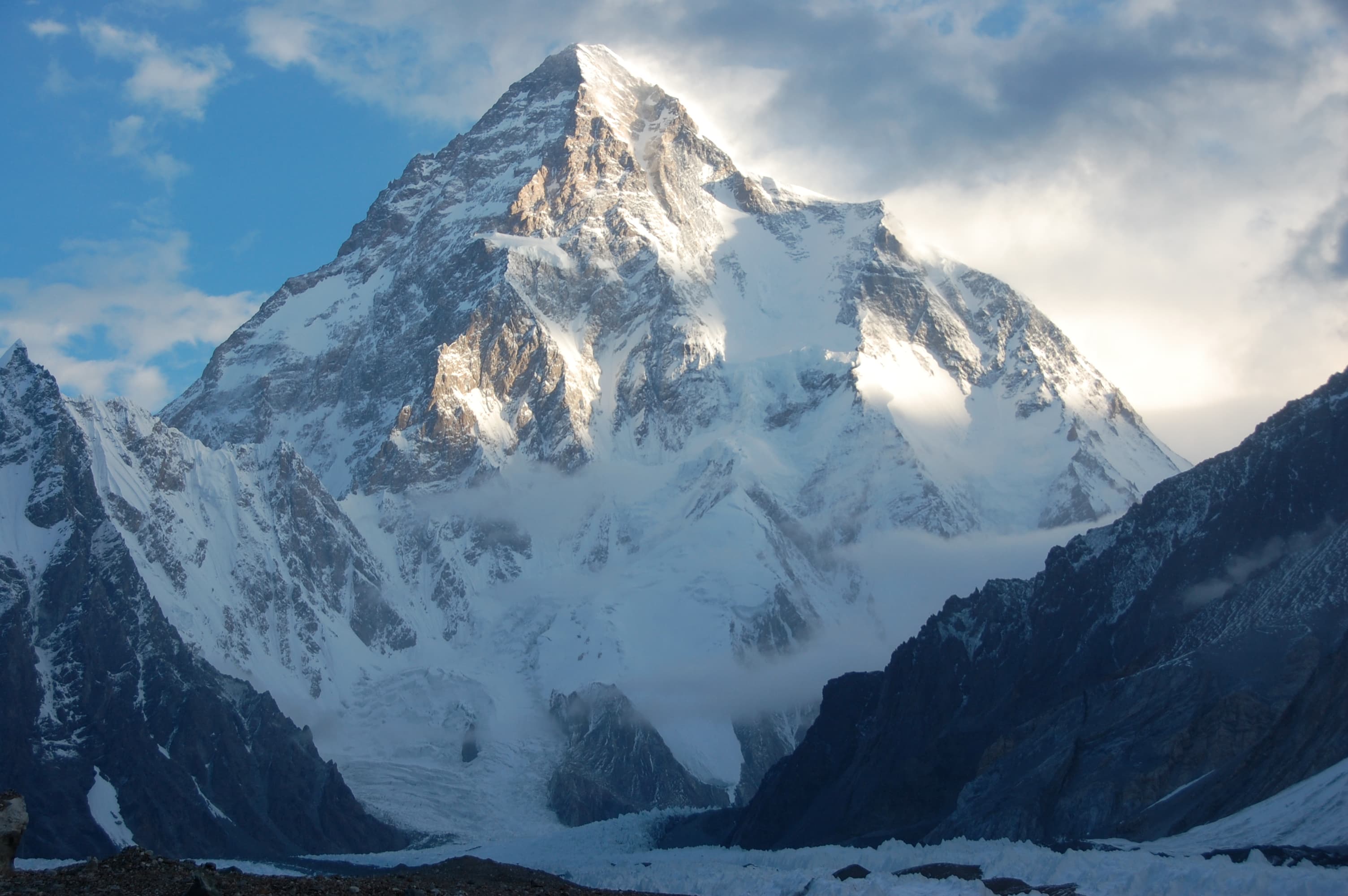
In the winter of 2020–21, K2 — the last 8,000-metre peak never climbed in winter — drew the strongest winter gathering in Karakoram history. A Nepali team made the historic first winter ascent in January. Ali stayed for his own attempt: on 5 February 2021 he set out for the summit with John Snorri of Iceland and Juan Pablo Mohr of Chile. His son Sajid, climbing alongside, was forced to turn back near the Bottleneck when his oxygen equipment failed — and watched the three climb on into history.
They never returned. After months of searching, the three climbers' bodies were found high on the mountain in July 2021. Pakistan mourned Ali Sadpara as it has mourned few public figures: vigils were held across the country, and Skardu's airport road now carries his name in the hearts of everyone who drives it toward the mountains he loved.
The legacy, carried on
Sajid Ali Sadpara returned to K2 in 2022, summited without supplemental oxygen, and gave his father and his companions a burial at altitude — an act of devotion that moved the climbing world. He has since built his own record on the 8,000-metre peaks, climbing in his father's style: strong, humble, and proudly Balti.
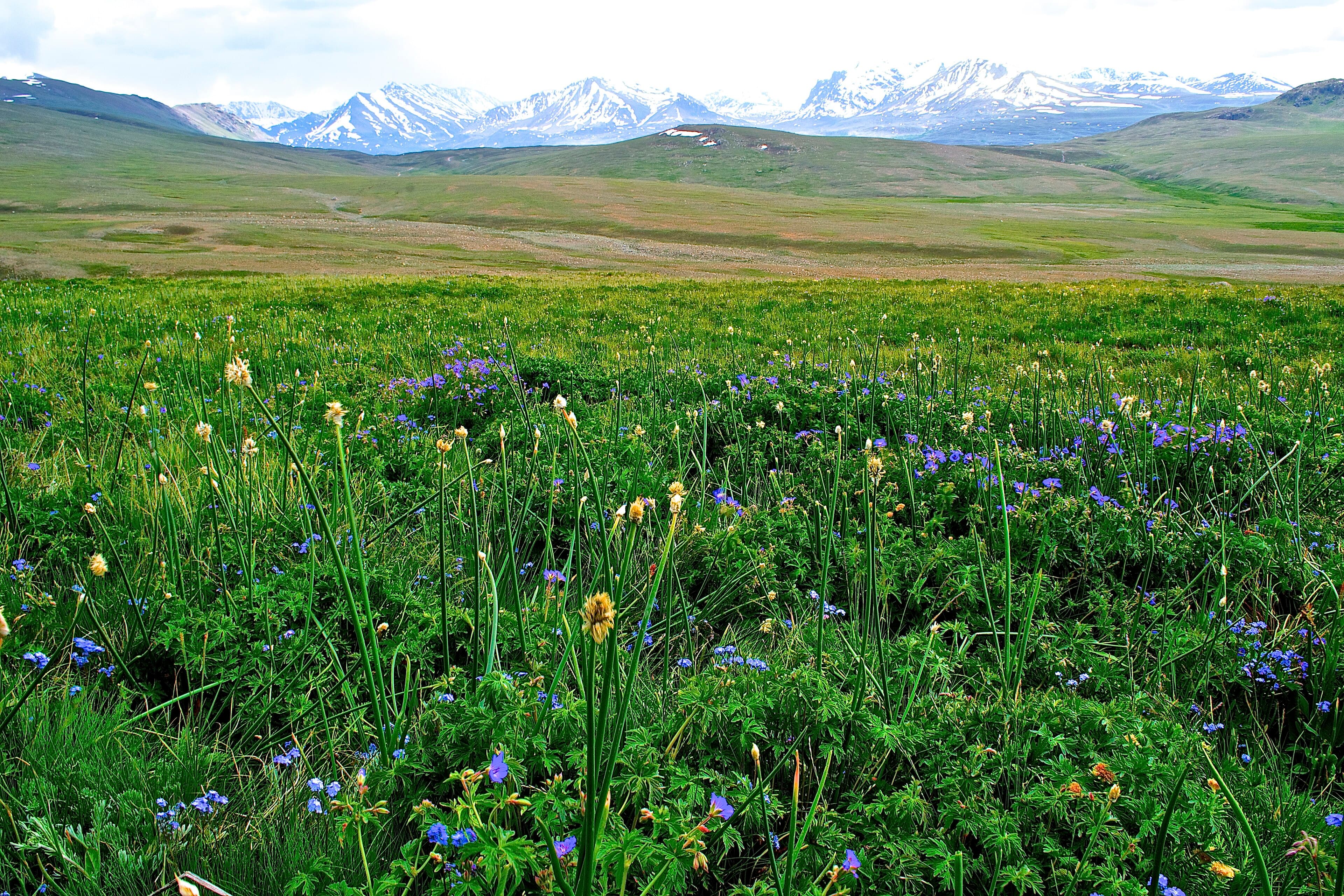
For travelers, Ali's story is woven into Baltistan itself. You pass Sadpara village and Satpara Lake on the road to Deosai; trekkers on the Baltoro walk the same ice he worked for decades; and in Skardu's bazaars his portrait still hangs in shops and jeeps. Ask any Balti guide about him, and make time to listen.