Burushaski — the language related to nothing
The language you'll hear in Karimabad, Altit and Ganish is one of linguistics' great puzzles. Burushaski is an isolate: despite more than a century of scholarly effort to link it to Caucasian languages, Basque, or ancient Indus tongues, no relationship to any other language family has ever been proven. Roughly 100,000 people speak it, almost all of them in Hunza, neighbouring Nagar and the Yasin Valley in Ghizer.
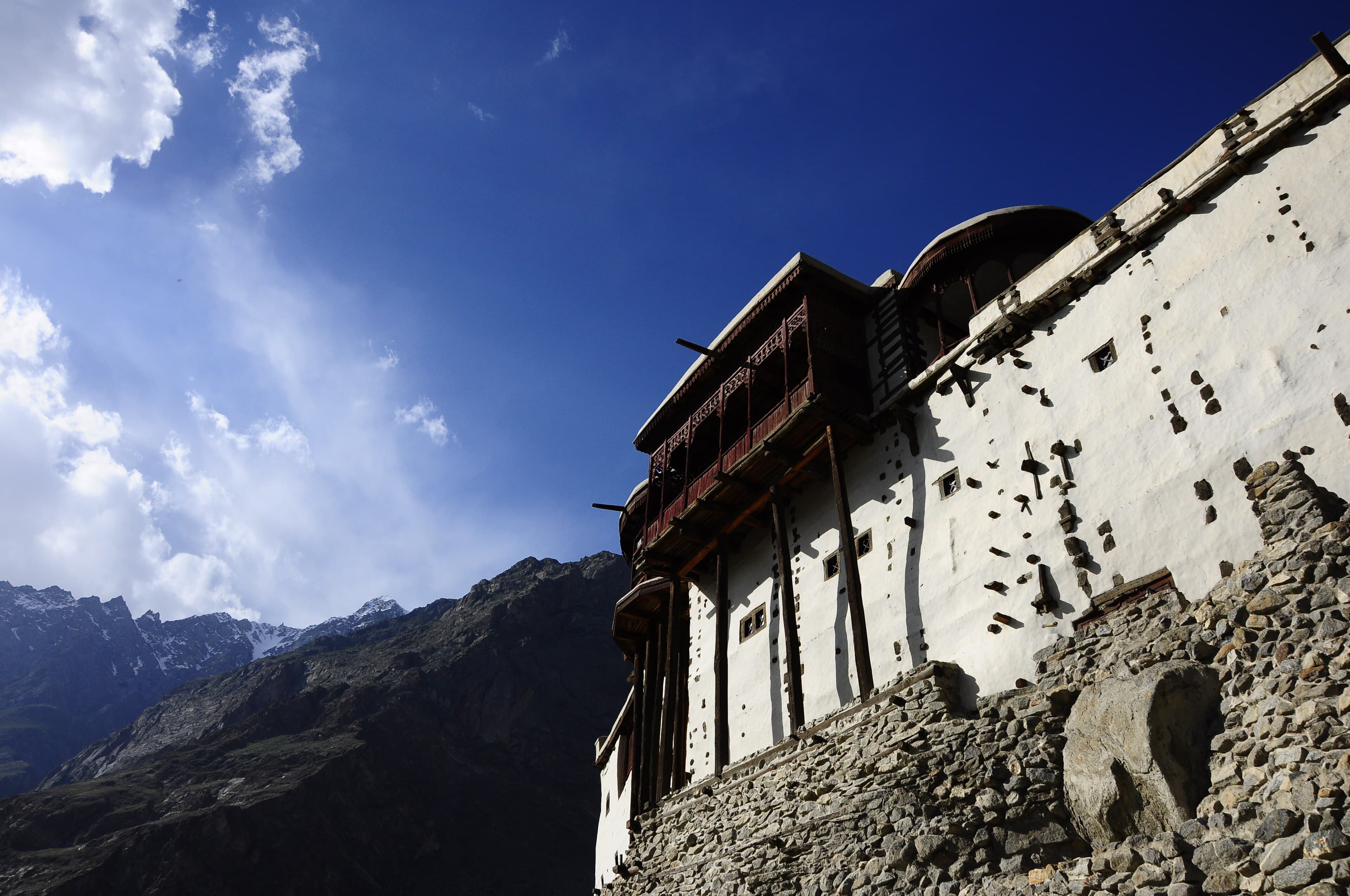
For travelers it's a living curiosity — a vocabulary that survived millennia of Silk Road traffic on every side. Try a greeting and watch faces light up: people here are proud of their language precisely because it belongs to nowhere else. Your guide will happily teach you a few words on the walk up to Baltit Fort.
Wakhi in Gojal, Shina down the valley
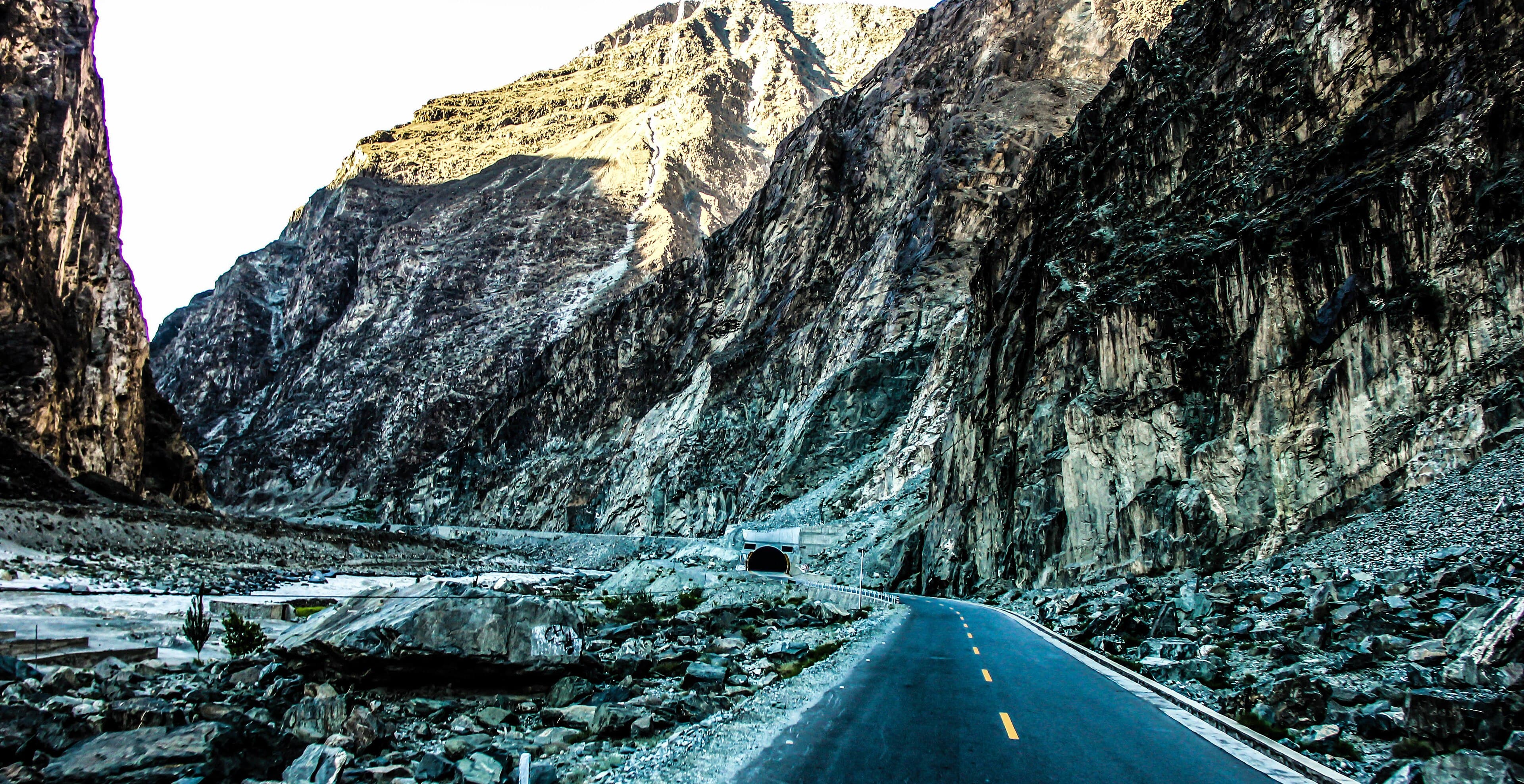
Drive north through the Attabad tunnels into Gojal — Gulmit, Passu, Shimshal, Chapursan — and the language changes completely. Wakhi is an Eastern Iranian language, kin to the tongues of the Pamirs, spoken across the borders of Pakistan, Afghanistan's Wakhan Corridor, Tajikistan and China. Wakhi music and poetry are flourishing, with a heritage music school in Gulmit teaching the old songs to a new generation.
South of Hunza, around Gilgit and through Diamer and much of Ghizer, the dominant language is Shina, an Indo-Aryan language of the Dardic group — so a single day's drive up the Karakoram Highway can pass through three unrelated language families. Urdu, Pakistan's national language, bridges them all, and English is widely understood: Hunza's schools have taught it for generations, and anyone in hotels, cafés or guiding will speak it comfortably.