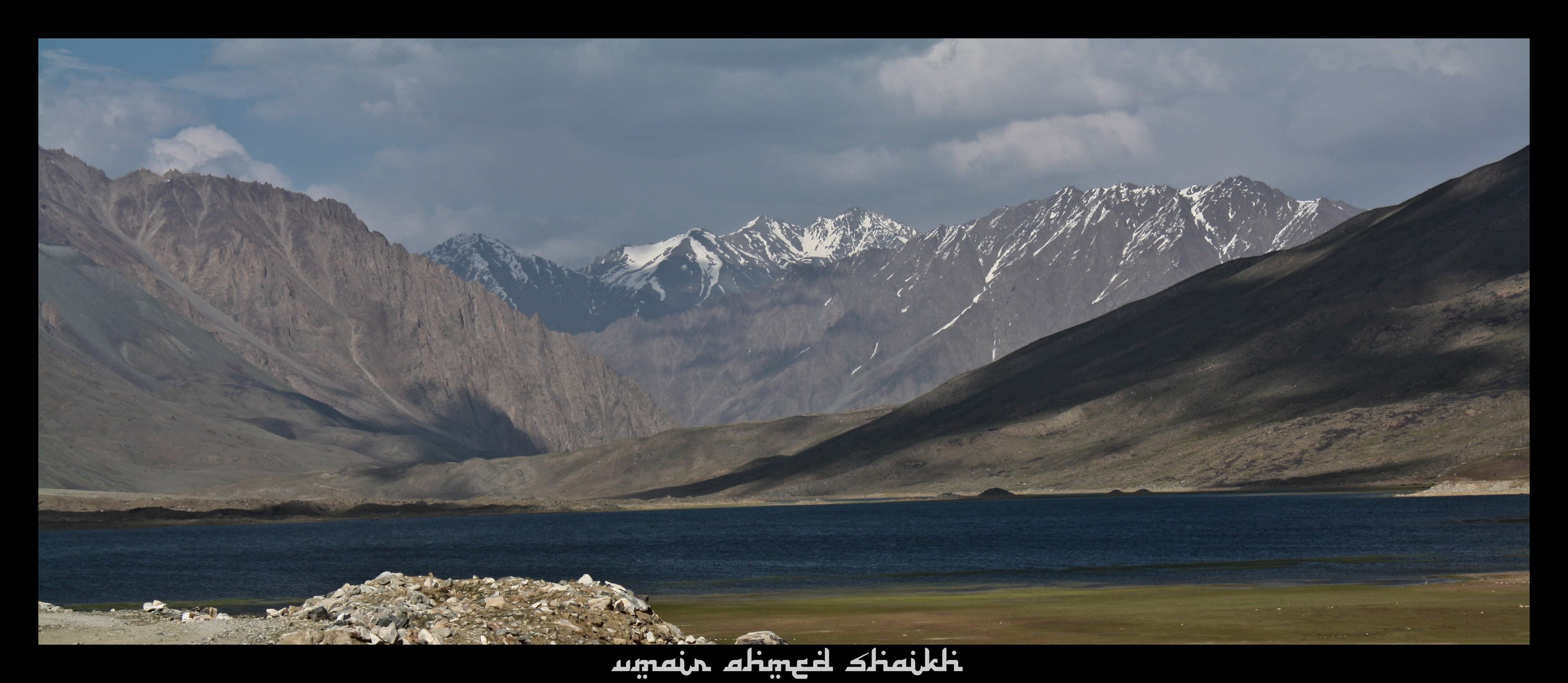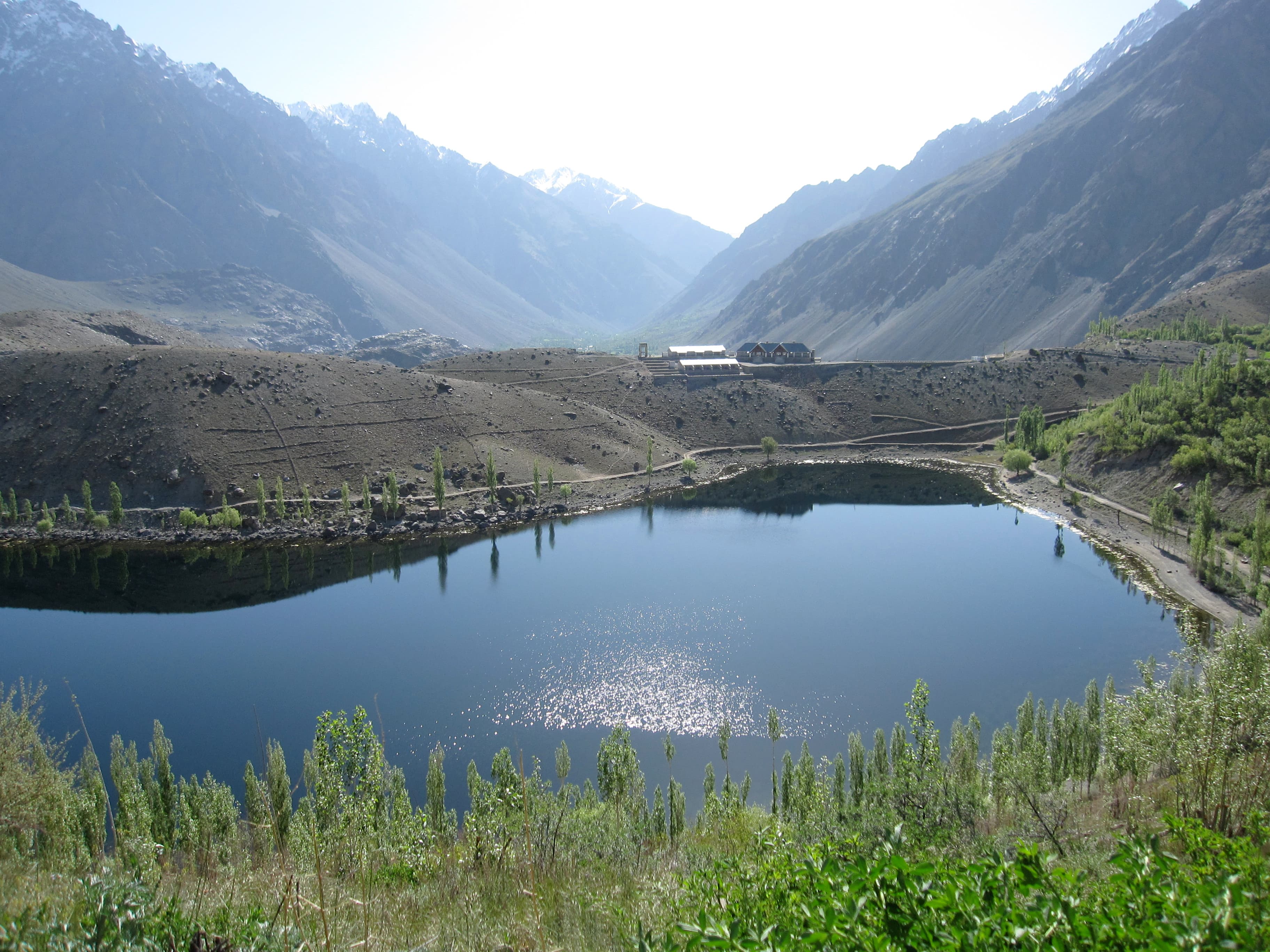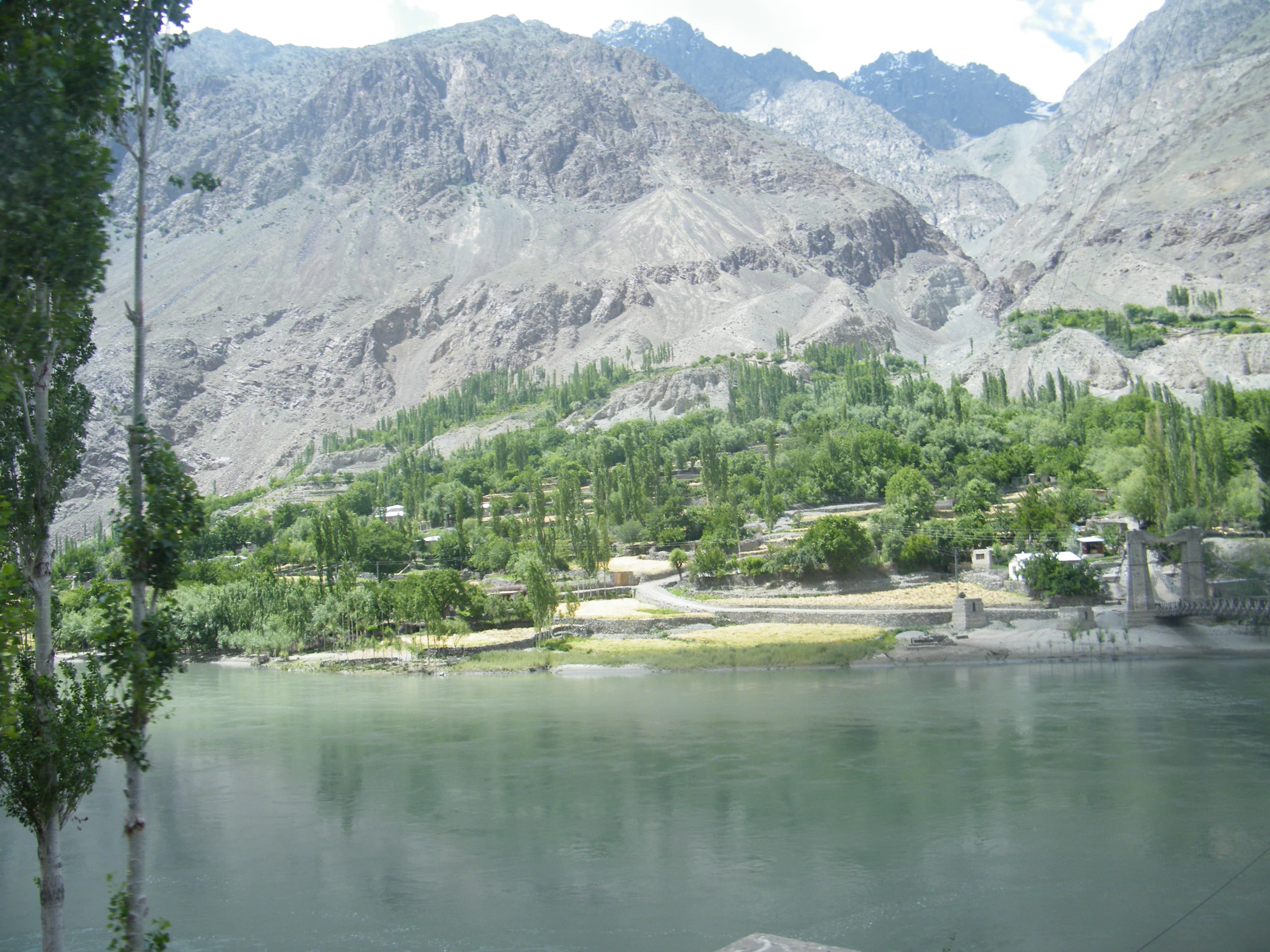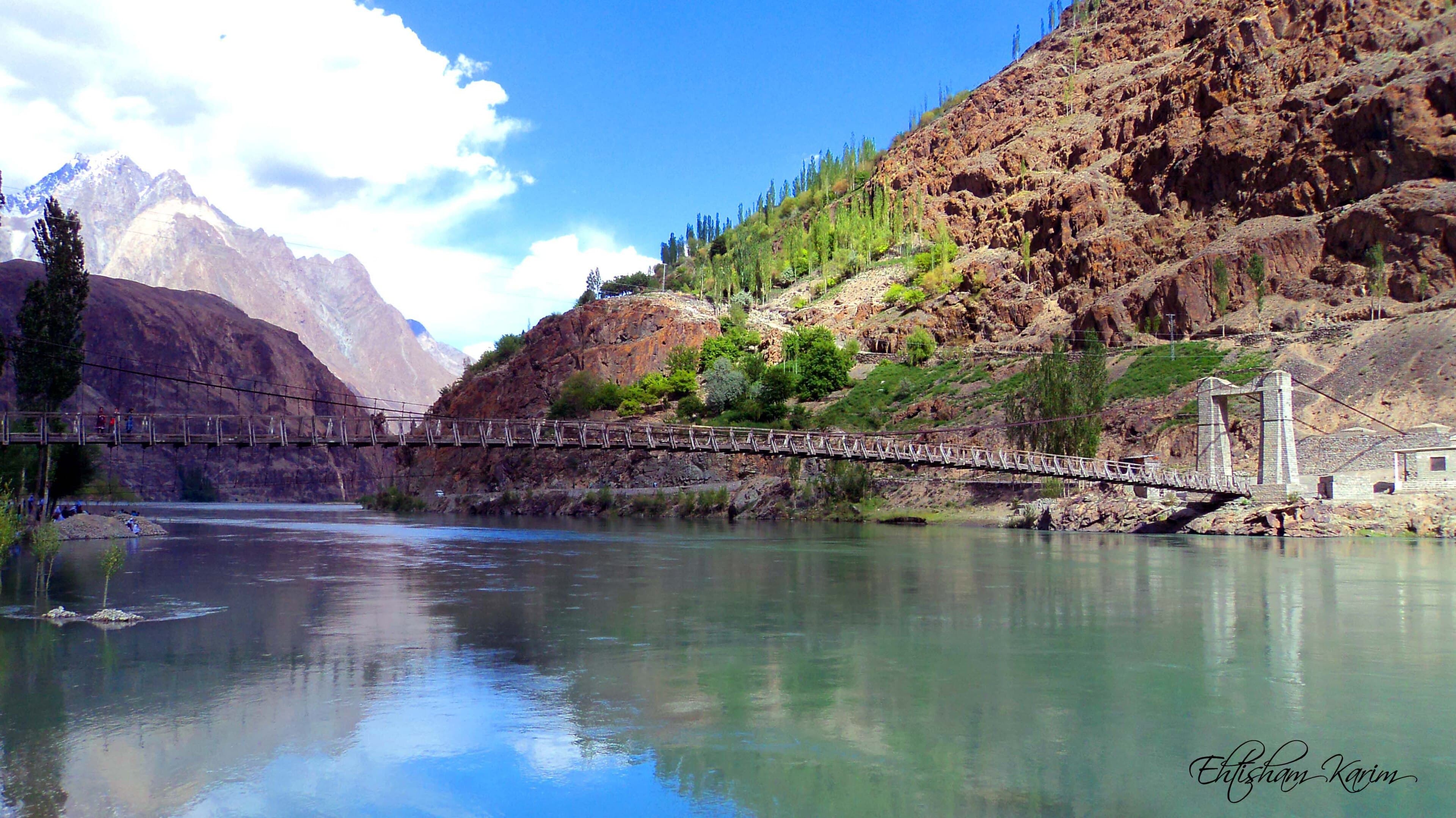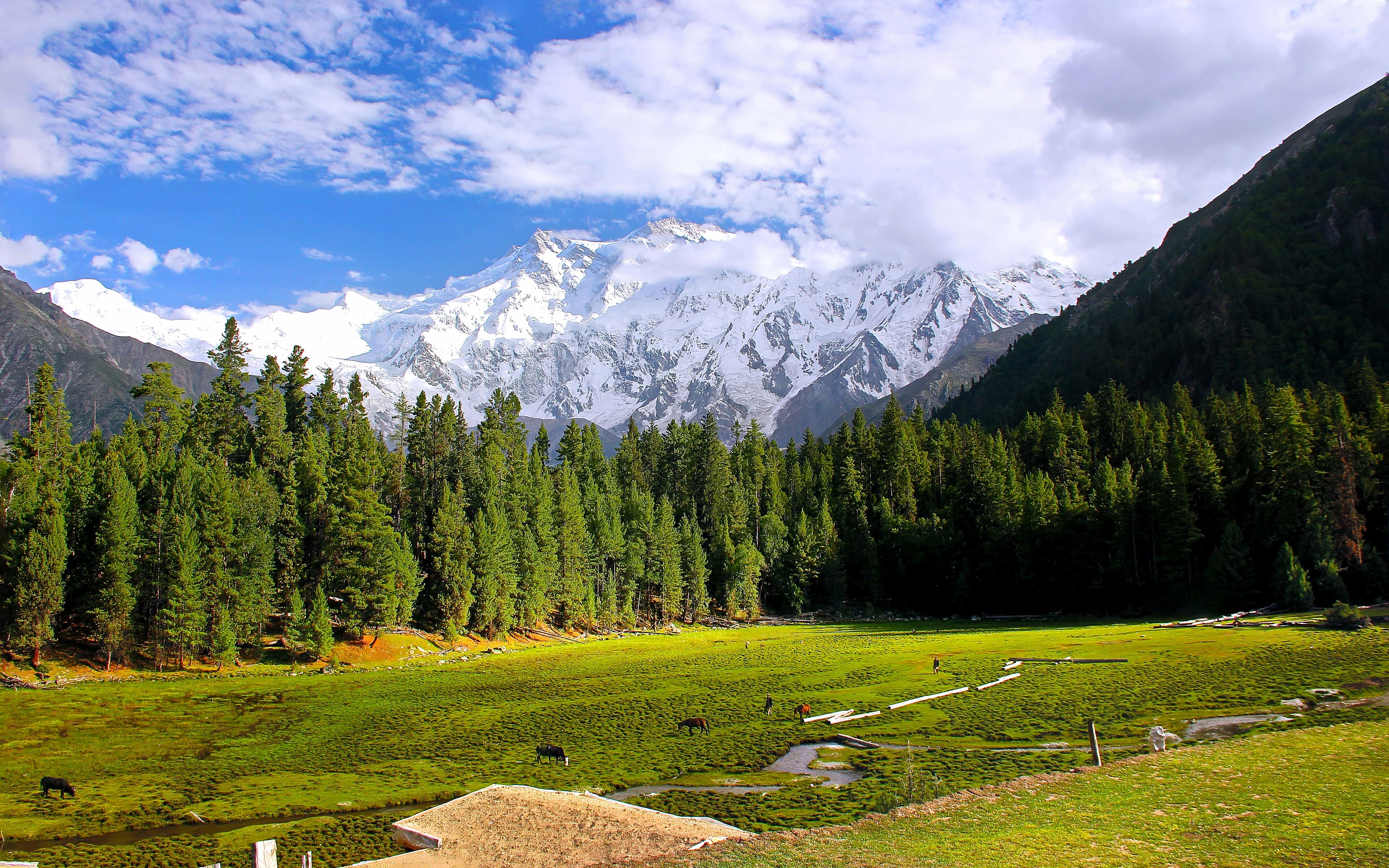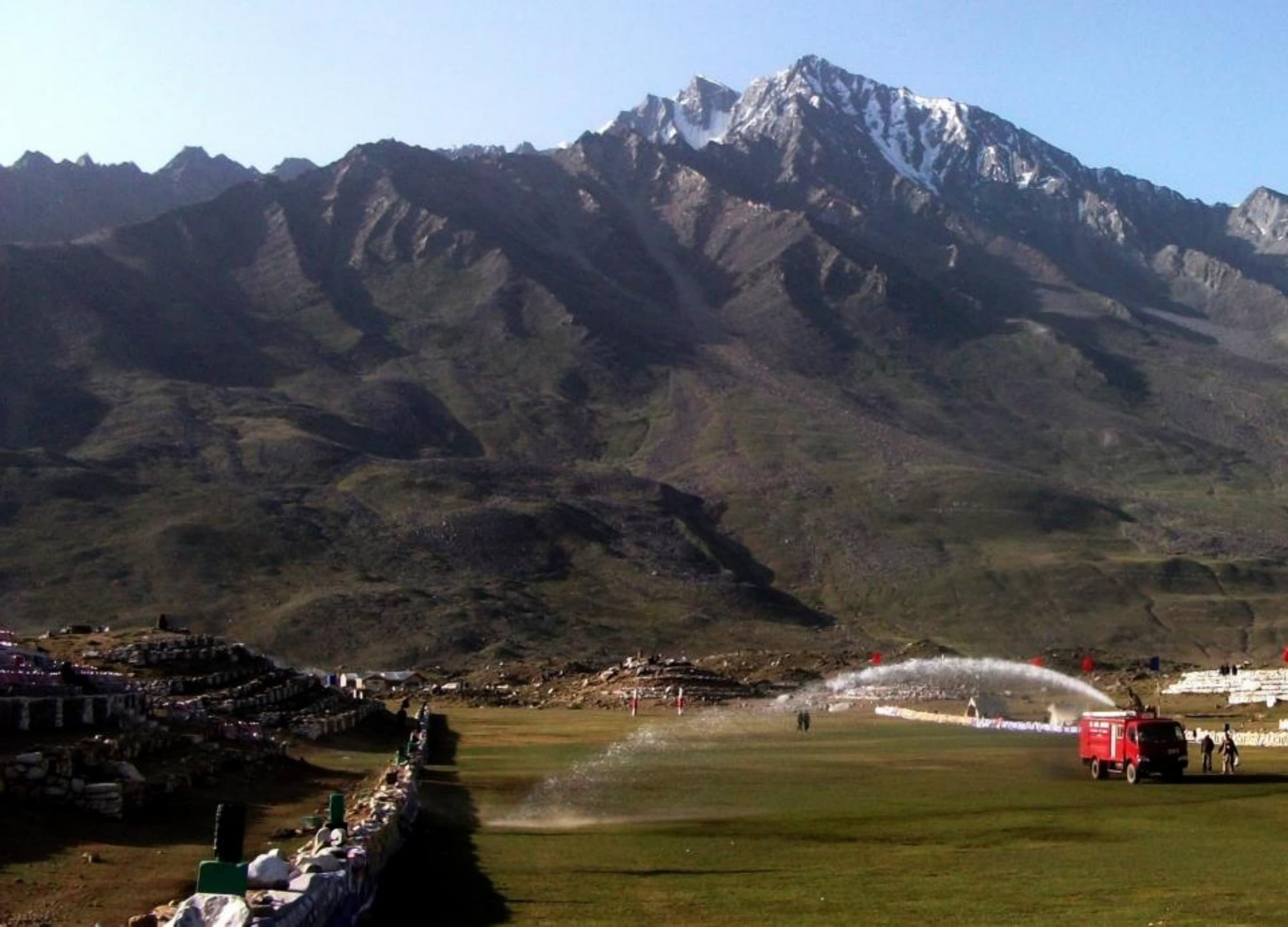
Nobody warned me that the world's highest polo ground would also be the loudest, coldest, happiest place I'd sleep all year. The drive up from Phander took most of a day — the lake there is a blue I still don't have a name for — and the road's last hour was less a road than a negotiation. Then the plateau opened: a grass sea at 3,700 metres, ringed by snow peaks, with a tent city growing on it like something out of a medieval chronicle.
Our camp was one dot among thousands. Jeeps kept arriving through the evening from both sides of the pass — Gilgit plates from the east, Chitral plates from the west — and the two crowds set up facing each other across the stone-walled polo ground like armies who had agreed, centuries ago, to settle everything with a ball instead.
The first night was the coldest I've spent in July anywhere on earth. I wore everything I owned inside my sleeping bag and could still hear drumming from three directions at two in the morning. At dawn there was frost on the tent and a man outside selling hot parathas, and both felt equally miraculous.
The polo itself ruined ordinary sport for me. Freestyle rules — which is to say, almost none. Six riders a side, no helmets in sight, ponies that have grown up at altitude and know the game as well as the men. When a rider scores he sometimes catches the ball mid-gallop and carries it, arm high, the whole crowd standing; when the ball vanished into a dust cloud of horses, ten thousand people held one breath until it came out the other side.
Between chukkas the bands owned the ground. Surnai — a mountain oboe with a sound that goes through your sternum — and drums that changed rhythm for each famous player as he rode out, the way arenas elsewhere use walk-up music. Old men beside me explained every player's lineage, every pony's history. I understood a tenth of it and missed nothing.
The final, Gilgit against Chitral, was the third afternoon and the plateau had been filling for it all morning. I have photographed festivals on four continents; I have never felt anything like the roar when the home side — depends, of course, which side of the pass you pitched your tent — took the lead. The losing captain embraced the winning one. The crowds flowed onto the ground together. The dust took an hour to settle and nobody wanted it to.
On the drive down we stopped where the road first rejoins the Phander valley, and I looked back at the pass with the strange grief you get leaving a place that exists, fully, only three days a year. The frost, the surnai, the parathas, the held breath. I'm told the dates move slightly each year and you have to confirm them before you book. Confirm them. Go.
“When the ball vanished into a dust cloud of horses, ten thousand people held one breath.”