A region that thinks in rhythm
Music in Gilgit-Baltistan is not a performance you buy a ticket for; it's the operating system of public life. Polo matches are conducted by musicians the way orchestras are conducted by a baton. Weddings are announced across valleys by drums. Harvests, festivals and the arrival of spring each have their own tunes, many of them centuries old and known by name to everyone on the field. The oldest use of the drum here belonged to the bitan shamans, whose trance was beaten into being.
For travellers this is wonderful news, because it means live music finds you. Time your trip around a polo tournament, a festival like Ginani, or simply an evening in the right Karimabad café, and you'll hear traditions that have never needed a stage to survive.
This guide walks through the instruments and traditions valley by valley — Hunza, Gojal, Baltistan and beyond — then gets practical: exactly where and when you can hear it all live, and how to listen respectfully.
The surnai and drums: the sound of festivals and polo
The signature sound of Gilgit-Baltistan is the traditional outdoor ensemble: the surnai, a piercing double-reed shawm, riding over a battery of drums — the big double-headed daddang and the paired kettle-drums known as damal. It is loud, ecstatic, hypnotic music, built to carry across a polo ground or a whole village, and once heard it is never forgotten.
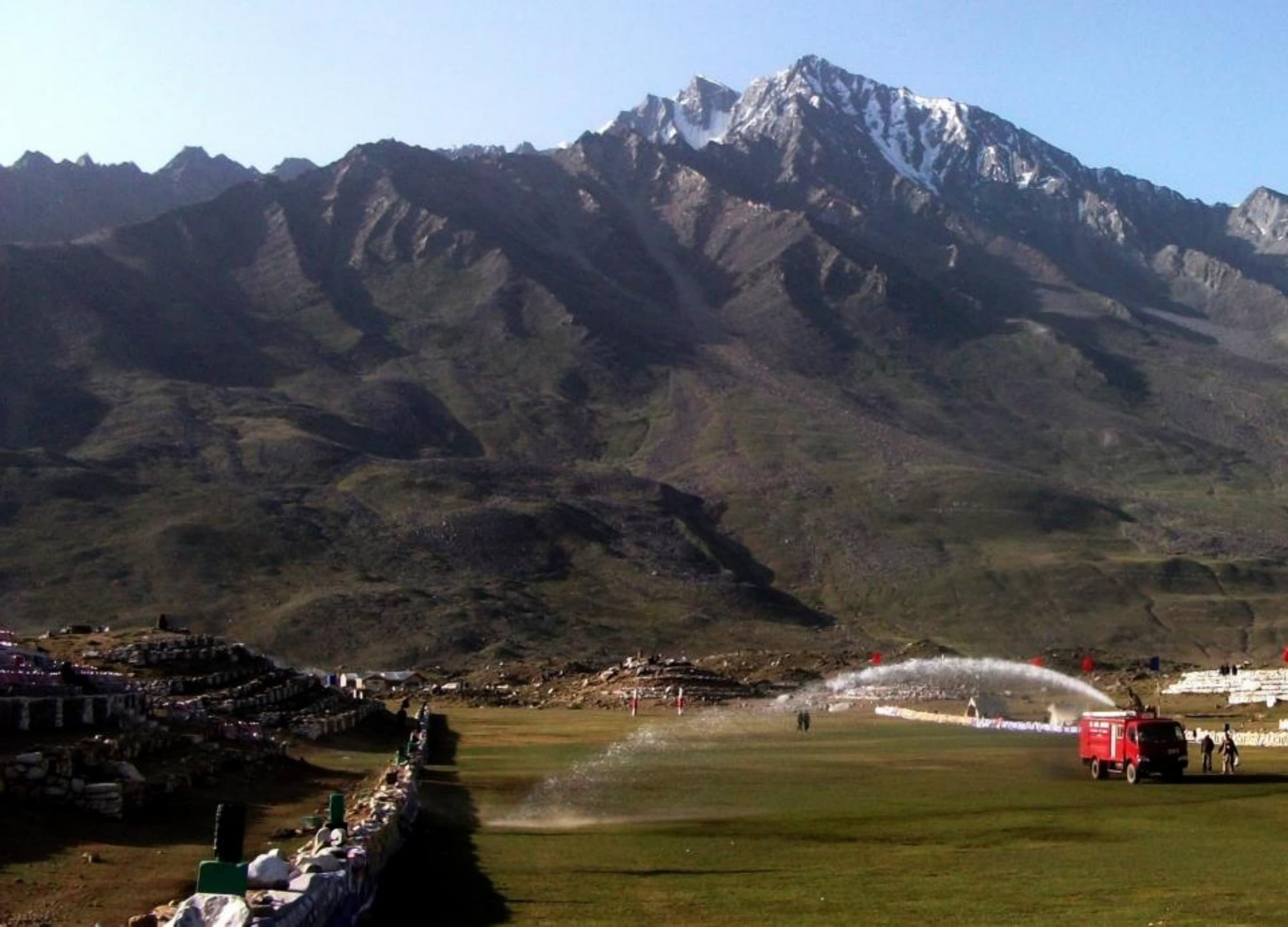
Nowhere is it more alive than at polo. In the freestyle mountain polo of Gilgit, Chitral and the famous Shandur Pass festival, the band sits at the edge of the field and plays continuously — specific tunes for the start of play, for each goal, for star players, even for moments of high drama. Players say the music drives the horses as much as the riders; spectators clap the rhythms and the whole match becomes a kind of dance.
This musicianship has deep roots: in Hunza and Nagar it was traditionally the hereditary art of the Dom community of Mominabad, master players whose ensembles served courts and villages for centuries. Their drum-and-shawm repertoire remains the backbone of every major celebration in the region, a living archive of tunes passed down player to player.
Strings of Hunza: sitar and rubab evenings
Indoors, Hunza's music turns intimate. The local long-necked sitar — smaller and earthier than its classical Indian namesake — and the rubab, the carved wooden lute shared with Afghan and Central Asian traditions, accompany songs and storytelling at evening gatherings. The pace is gentler: cyclical melodies, poetry in Burushaski and Wakhi, the audience joining choruses they've known since childhood.
These gatherings were traditionally held in homes and orchard courtyards, especially through the long winters, and that culture survives. Today it has also moved into public view: cafés and guesthouses in Karimabad and Altit host musical evenings in season, where local players perform with sitar, rubab and frame drum while the lights of Nagar twinkle across the valley.
A newer generation has picked up the thread. Young Hunza musicians blend rubab and sitar with guitar and vocals, posting their work online and playing festival stages down-country — a quiet local music scene that treats tradition as a launching pad rather than a museum piece.
Wakhi music and the Bulbulik school in Gulmit
Upper Hunza — Gojal — has its own distinct musical world in the Wakhi language, with high-altitude pastoral songs, devotional poetry and dance tunes carried from the Pamirs. Because Wakhi is a small language spread across four countries, its music became a crucial vessel of identity; losing the songs would mean losing far more than melodies.
That is exactly what the Bulbulik Heritage Music School in Gulmit was founded to prevent. 'Bulbulik' refers to a traditional Wakhi song form named for the bulbul, the nightingale, and the community-run school teaches Gojal's children the old repertoire, instruments and poetry from elder master musicians before the knowledge passes with them.
Travellers are warmly received: ask in Gulmit about performances or visits to the school, and time your trip toward festival days when Wakhi music and dance fill the village. Supporting the school's performances is one of the most direct ways tourism sustains living culture in Gojal.
Baltistan: drums, sword dances and mountain ballads
Across the mountains in Baltistan, the musical accent changes with the language. Balti celebrations move to their own drum rhythms, and the region is famous for its traditional sword dance — a controlled, martial performance in which dancers wheel with blades and shields to accelerating drumbeats, echoing Baltistan's history of fortress kingdoms at Skardu, Shigar and Khaplu.
Balti music also includes a rich vein of ballads and devotional song, shaped by the region's Tibetan roots and its Islamic traditions. You'll hear ensembles of surnai and drums at weddings and public festivals here too, alongside slower, austere melodies that suit Baltistan's vast, stony landscapes.
Cultural programs at restored heritage sites — Khaplu's old town and the forts of Shigar and Skardu's surroundings — periodically stage Balti music and dance for visitors, and weddings in season mean drums echoing off valley walls. If you hear one in the distance, your driver will know exactly what's being celebrated.
Music for work and weddings: the agricultural calendar
Much of the region's repertoire is tied to the farming year. Spring sowing, the June harvest festival of Ginani in Hunza — when the first wheat is ceremonially cut — and autumn's gathering of crops all come with their own music, played publicly and joyfully. Navroz, the Persian new year on 21 March, opens the season with music and communal meals, especially in the Ismaili valleys of Hunza and Gojal.
Weddings are the great engine of musical life. A traditional mountain wedding involves days of drumming, dancing and feasting, with the surnai-and-drum ensemble leading processions and the slow, dignified group dances — men and women in separate circles or lines, arms rising and falling — that you may be invited to join. Accept; the steps are forgiving and the welcome is real.
Even daily life keeps its soundtrack: herding calls in the high pastures, lullabies in four languages, and the songs women traditionally sang at communal work. Folklorists treat the region as a treasury, and many recordings now archived internationally were collected in these valleys.
Where and when to actually hear live music
Polo is your most reliable bet: matches in Gilgit run through the season at the city's polo ground, and the Shandur Polo Festival in July stages the legendary Gilgit-versus-Chitral encounter at 3,700 metres with bands playing throughout. Smaller tournaments in Astore, Ghizer and Skardu come with the same music and far fewer crowds.
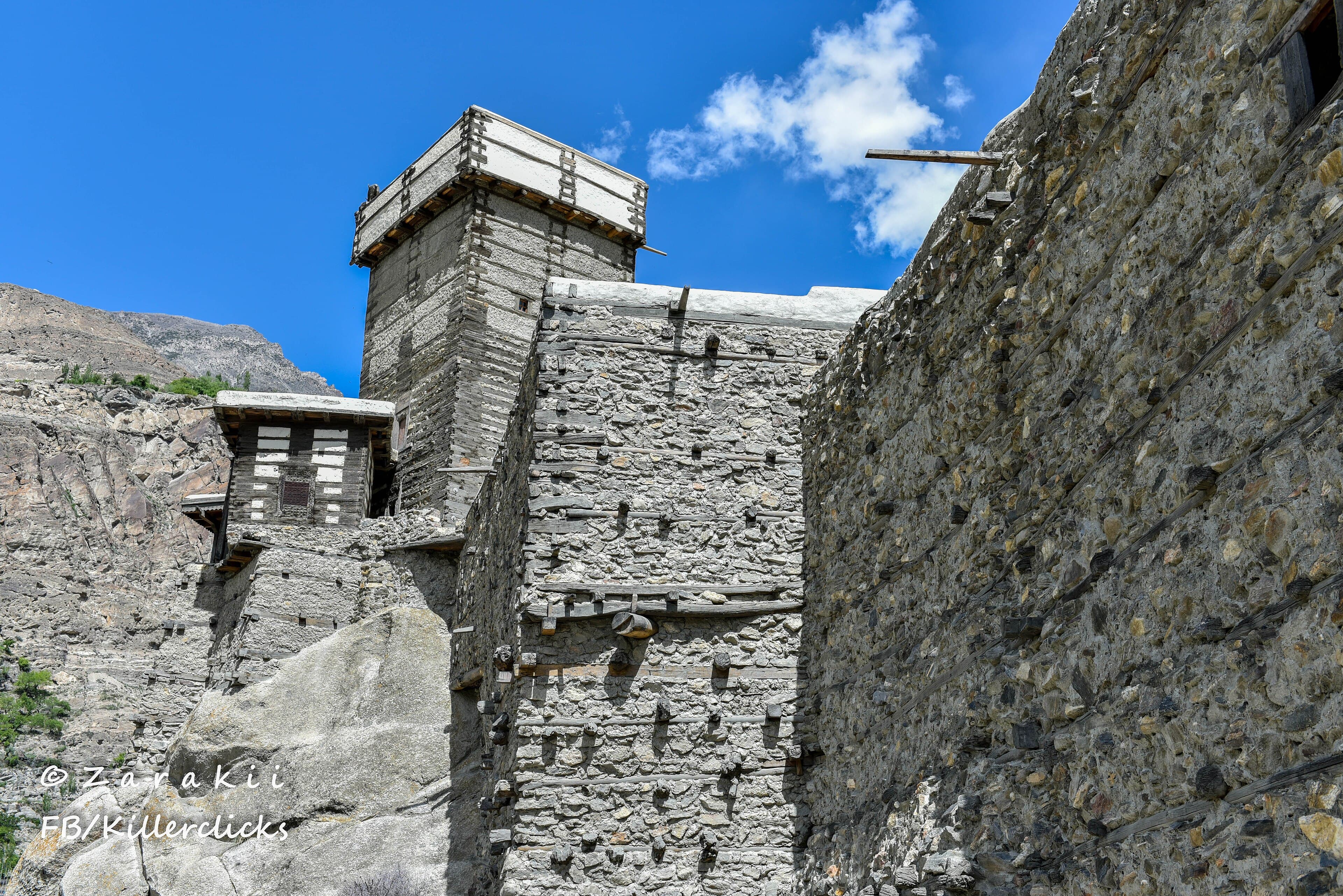
Festivals are next: Navroz in late March, Ginani in Hunza in June, autumn harvest celebrations, and cultural festivals staged at Baltit and Altit forts, where heritage organisations program traditional musicians in spectacular courtyard settings. In Gojal, ask about events at the Bulbulik school in Gulmit.
On an ordinary trip, evenings deliver: cafés and hotels in Karimabad, Altit and Gulmit host live sitar-and-rubab sessions in the tourist season, and most good tour operators can arrange a musical evening with dinner. These café sessions are informal — musicians a few feet away, tea in hand, requests welcome — and many travellers rank them among the best nights of their trip.
Listening well: etiquette for travelers
The musicians of Gilgit-Baltistan are heirs to serious traditions, and a little respect goes a long way. Ask before filming or recording — almost everyone will say yes with pleasure, but asking matters, especially at weddings and religious or devotional performances. At village events you are a guest, not an audience member; follow your hosts' lead on where to sit and when to dance.
Tip and pay fairly. At café sessions and arranged performances, musicians' fees are part of the deal, but at festivals and polo matches the bands play for the community — if a hat or drum comes around, contribute generously. Buying recordings or supporting institutions like Bulbulik directly funds the tradition's survival.
And when invited into the dance — a near-certainty at any wedding you stumble into — go. Nobody expects skill, the arm movements are easy to mirror, and joining is read as the compliment it is. The Karakoram's music is participatory at heart; the best way to hear it is from inside.
Questions, answered
What instruments are used in Gilgit-Baltistan music?
The outdoor ensemble pairs the surnai (a loud double-reed shawm) with drums — the big daddang and paired damal kettle-drums. Indoors, Hunza favours the local long-necked sitar and the rubab lute, with frame drums and flutes appearing across the region.
Where can tourists hear live music in Hunza?
Cafés and hotels in Karimabad, Altit and Gulmit host sitar-and-rubab evenings in season, cultural festivals at Baltit and Altit forts feature traditional musicians, and any polo match or wedding comes with a full drum-and-surnai band. Tour operators can also arrange private musical evenings.
What is the Bulbulik Heritage Music School?
It's a community music school in Gulmit, Gojal, founded to preserve Wakhi musical heritage by having elder master musicians teach children the traditional songs, poetry and instruments. Travellers can ask locally about performances and visits.
Why is music played during polo matches?
In the freestyle mountain polo of Gilgit and Shandur, a surnai-and-drum band plays throughout the match, with specific tunes for the start of play, goals and star players. The music sets the tempo of the game — locals say it drives the horses as much as the riders.
When is the Shandur Polo Festival?
The festival is traditionally held in July at Shandur Pass, around 3,700 metres, where teams from Gilgit and Chitral meet on one of the world's highest polo grounds. It combines polo with music, dancing and a tented camp — book transport and accommodation well ahead.