Who are the bitan?
In the traditional world of Hunza, a bitan is a shaman — a person, man or woman, believed to be chosen as an intermediary between the human valley and the pari, the fairies of the high mountains. The calling was not sought; it arrived, often in youth, through dreams, fits or an unexplained pull toward the peaks, and was then confirmed and trained under older practitioners.
The bitan's gift was communication. In trance, the shaman was believed to hear the voices of the pari and speak with their tongue — delivering prophecies about harvests, weather, war and the fortunes of families and kingdoms. Neighbouring valleys knew the same figure under different names; in Shina-speaking areas the equivalent practitioner is called a danyal.
This is pre-Islamic heritage, woven through centuries of the valley's later Muslim life rather than erased by it. Understanding the bitan is less about the supernatural and more about how Hunza's people have read their overwhelming landscape — giving voice, quite literally, to the mountains.
The trance ritual: juniper, blood and drums
Accounts of the bitan ritual, recorded by visitors and scholars over more than a century, describe a consistent sequence. The ceremony begins with juniper — sacred across the high Karakoram and Himalaya — whose smouldering branches produce a thick, resinous smoke that the bitan inhales deeply, breath after breath, while drummers begin the traditional rhythms.
Then comes the ritual's most startling element: the bitan drinks fresh blood from the severed head of a sacrificed goat or ibex — the ibex being the pari's own flock in local belief. Fortified and entranced, the shaman begins to dance, circling faster as the daddang and damal drums drive the rhythm, eyes elsewhere, sometimes for an hour or more.
At the climax the bitan is believed to hear the pari singing, and answers — chanting prophecy in a high, strained voice, in phrases the drummers and elders interpret for the crowd. Witnesses across generations, from colonial officers to modern documentary-makers, describe the same uncanny theatre: the whirling figure, the relentless drums, and a valley audience listening in absolute seriousness.
The pari: fairies of the high peaks
The bitan only makes sense within Hunza's older cosmology, in which the high peaks are not empty rock and ice but the territory of the pari — powerful, beautiful, capricious mountain spirits. The summits and high pastures are theirs; humans trespass at their peril, and the zone above the villages was traditionally treated with elaborate respect.
Certain mountains carry particular weight. Rakaposhi, the 7,788-metre wall that dominates Nagar and lower Hunza, and the Ultar massif rising directly behind Baltit Fort are both woven into fairy lore, and local tradition places the court of the fairy queen on the region's great summits — many valley people historically pointed to the peaks around Hunza, while versions told further south crown Nanga Parbat as the fairies' palace. Fairy Meadows, beneath Nanga Parbat, owes its name to exactly this belief-world.
Herders' tales of lights, music and encounters in the high pastures persisted well into living memory, and the ibex remained the fairies' sacred herd — one reason hunters traditionally performed rites of apology and purification. Even today, you'll find older people in Hunza and Nagar who speak of the high places with a carefulness that is more than mountaineering prudence.
Prophets at the Mir's court
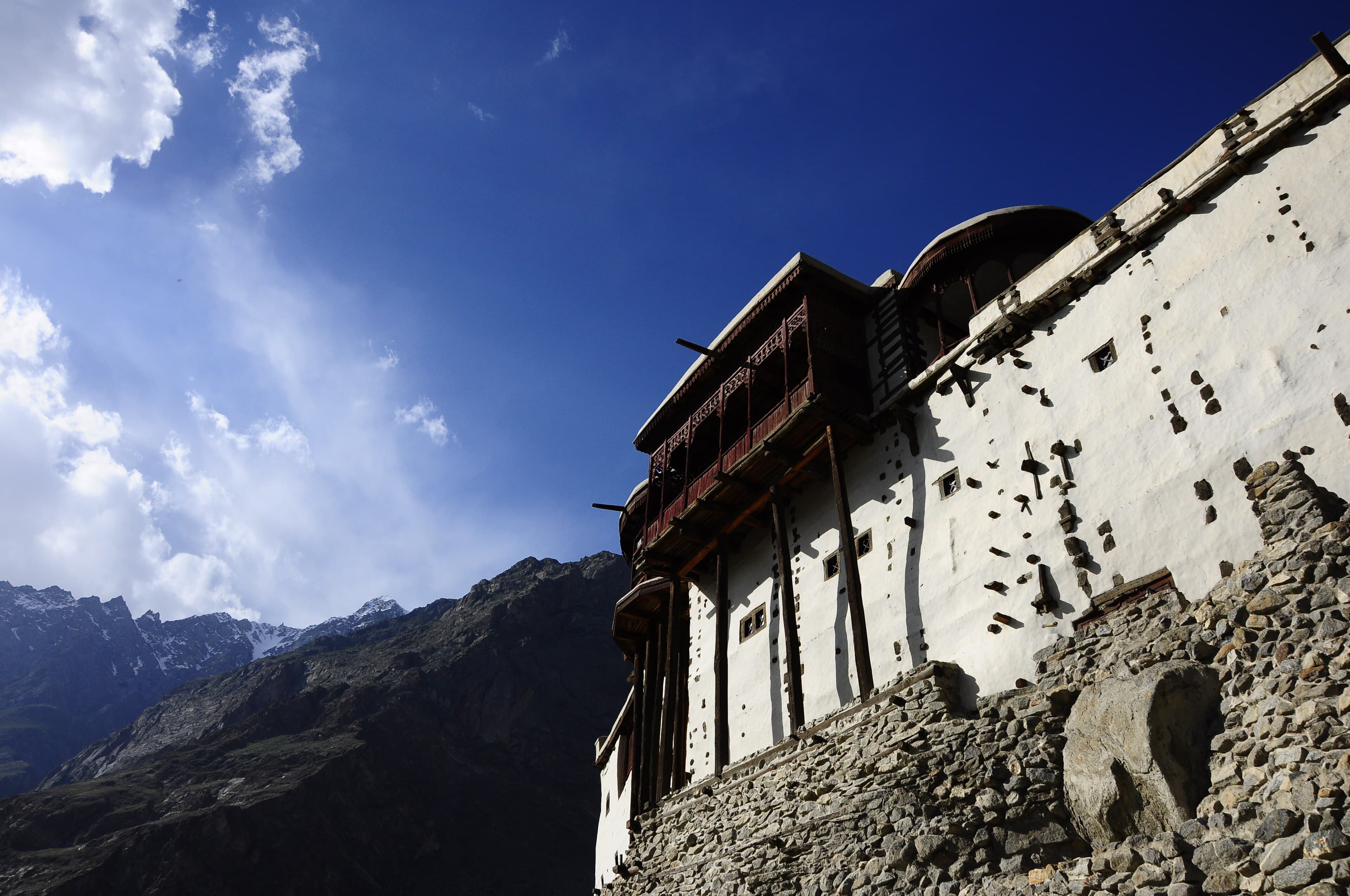
For centuries the bitan held an official position in the small kingdoms of Hunza and Nagar. The Mirs — the hereditary rulers who governed from Baltit and Altit forts — consulted shamans on the questions that mattered to a mountain state: when to sow and harvest, whether raids or wars would succeed, the meaning of omens, the loyalty of rivals.
A famous bitan was a strategic asset, and rulers maintained court shamans the way other courts kept astrologers. British officers who reached Hunza in the late nineteenth century recorded the practice with fascination; John Biddulph, writing from Gilgit in the 1880s, described the region's trance prophets decades before anthropologists followed.
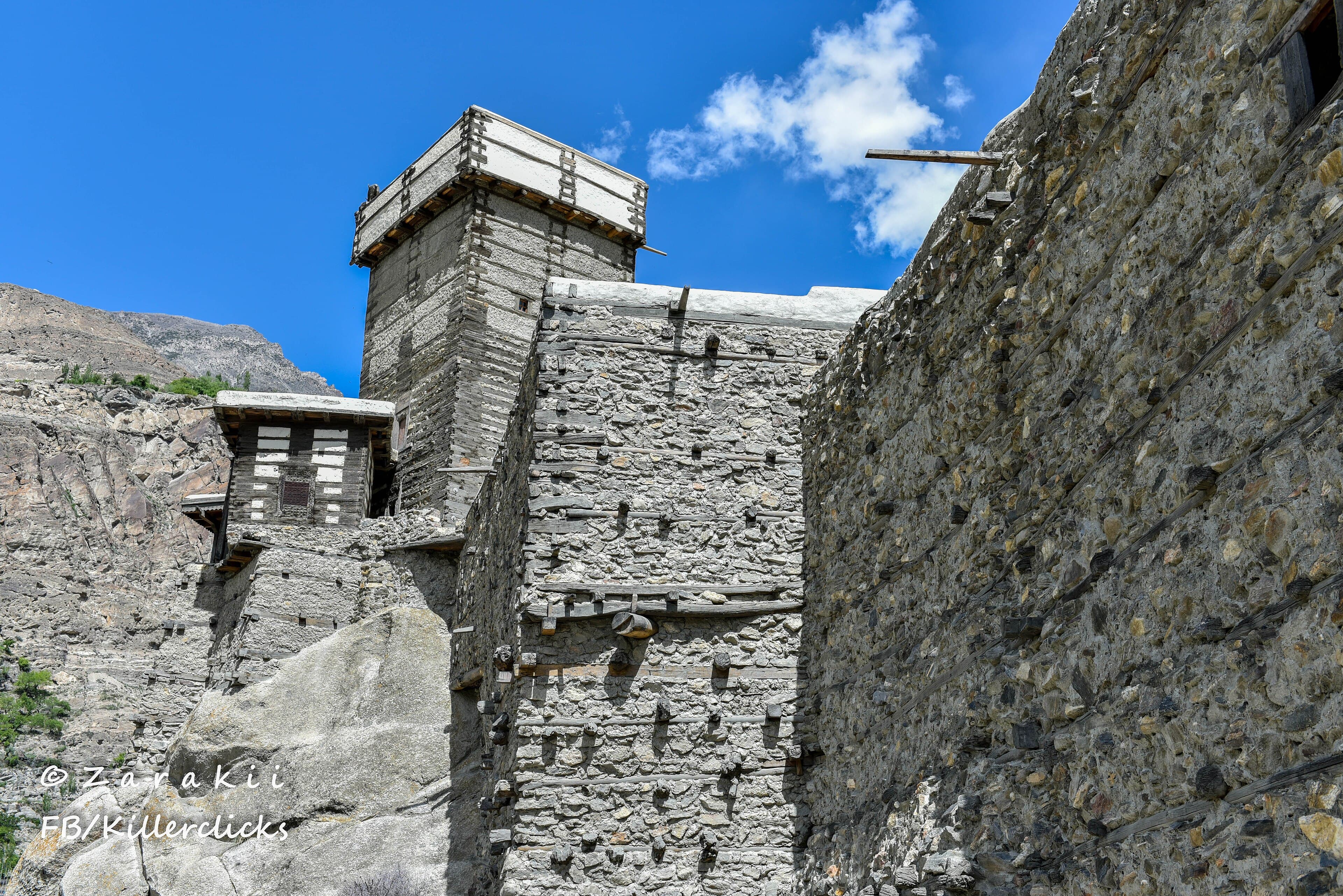
The association with the forts gives today's traveller a tangible anchor: standing in the courtyard of 900-year-old Altit Fort or in Baltit's audience rooms, you are in the very spaces where prophecy was performed and weighed. The forts' cultural programs occasionally revisit this heritage in performance — the closest most visitors will come to the original setting.
Folklore you'll still hear in the valley
The bitan tradition sits inside a larger treasury of Hunza folklore that elders still tell. There are stories of shepherds lured by fairy music in the high pastures of Ultar; of bitan who foretold the fall of kingdoms; of the fairies' anger expressed in avalanche and rockfall when their domain was violated; and of legendary court shamans whose prophecies entered the oral history of the Mirs themselves.
Listen too for the wider supernatural cast: the barzangi giants of old tales, shape-shifting witches, and the spirits of springs and old trees — beings that populated long winter-night storytelling sessions for centuries before electricity arrived. Many tales carry a practical moral about respecting the mountains, water and harvest that reads today like environmental wisdom in costume.
Guides from Hunza grew up on these stories, and asking about them on a long drive or a teahouse evening is the easiest way in. The telling itself is the heritage — unhurried, full of place-names you've just driven past, and usually ending with a smile and 'this is what the old people said'.
Shamans in a Muslim valley: coexistence and decline
Hunza has been Muslim for centuries — today largely Ismaili, with Shia communities in Nagar and Sunni communities elsewhere in the region — and the bitan tradition survived alongside the faith for most of that time, framed as dealings with creatures of God's unseen world rather than as rival religion. Belief in jinn and spirits has deep roots in Islamic cosmology, which gave the old practices room to persist.
Decline came less from prohibition than from modernity: roads, schools, clinics and new economic life dissolved the world the bitan served. Weather forecasts replaced harvest prophecy; hospitals replaced healing trances. Religious reform currents through the twentieth century also discouraged the practice, and families stopped putting forward children for the calling.
Today, practicing bitan are genuinely rare — a handful of elderly practitioners across Hunza, Nagar and neighbouring valleys, where a century ago every significant village had one. What remains robust is the memory: the stories, the drum rhythms, the place-lore of fairy peaks, and a community increasingly aware that this is heritage worth recording.
Where travelers can encounter the tradition
Be clear-eyed: you should not expect to witness a genuine bitan trance, and chasing one would miss the point. Authentic ceremonies are now rare, private community events. What you can encounter is the tradition's living surface — and there is more of it than you'd think.
Cultural festivals in Hunza sometimes include bitan-dance performances as heritage theatre, with drummers playing the old trance rhythms; the restored forts at Altit and Baltit run cultural programs and exhibitions that touch on court life and its rituals; and the music itself — those same daddang and damal drums — still drives every festival and polo match in the region.
The richest encounters are conversational. Elders in villages like Ganish, Altit and across in Nagar remember ceremonies from their childhoods, and a good local guide can open those doors over tea. Anthropologists documented Hunza's shamans throughout the twentieth century, and their fascination is easy to share — few places let you discuss living mountain shamanism in the morning and walk beneath the fairies' own peaks by afternoon.
Etiquette: heritage, not spectacle
Approach the bitan tradition the way you would any community's sacred heritage: with curiosity, not consumption. Don't demand performances, don't treat trance as entertainment, and if you are ever present at a genuine ceremony, follow your hosts' lead absolutely — ask before photographing, and accept 'no' gracefully.
Frame your questions with respect. For many in Hunza this is the world of their grandparents — regarded with feelings that mix pride, faith-conscious distance and affection — so 'tell me about the old traditions' lands far better than scepticism or sensationalism. Never present the valley's beliefs as backwardness; they are a sophisticated, centuries-old way of living with the most overwhelming mountains on Earth.
Handled this way, the bitan heritage becomes one of the deepest threads of a Hunza journey: a reminder that the Karakoram's summits have always been more than scenery to the people who live beneath them — and that for a thousand years, the valley believed the mountains could speak.
Questions, answered
What is a bitan in Hunza?
A bitan is a traditional shaman of the Hunza Valley, believed to communicate with the pari — mountain fairies — through a trance ritual of juniper smoke, sacrificial blood and drumming, delivering prophecy on harvests, weather and wars. The equivalent figure in Shina-speaking areas is called a danyal.
Do bitan shamans still exist in Hunza?
Only a few elderly practitioners remain across Hunza, Nagar and nearby valleys, and genuine ceremonies are rare, private events. The tradition survives mainly as heritage — in stories, festival performances, drum rhythms and the fairy lore attached to peaks like Rakaposhi and Ultar.
Can tourists see a bitan ceremony?
You shouldn't expect to see an authentic trance, but cultural festivals and programs at Altit and Baltit forts sometimes stage bitan-dance performances as heritage theatre, with the traditional drum rhythms. Conversations with village elders, arranged through a local guide, are the richest way in.
What are the pari, or mountain fairies?
In Hunza's traditional cosmology the pari are powerful spirits dwelling on the high peaks and pastures — Rakaposhi and the Ultar massif feature prominently — with the ibex as their sacred herd. Fairy Meadows beneath Nanga Parbat takes its name from the same belief-world.
Is the bitan tradition connected to Islam?
Hunza has been Muslim for centuries, and the shamanic tradition coexisted with the faith, understood as dealings with the unseen world rather than a rival religion. It declined through the twentieth century with modernization and religious reform, and is now regarded mainly as cultural heritage.